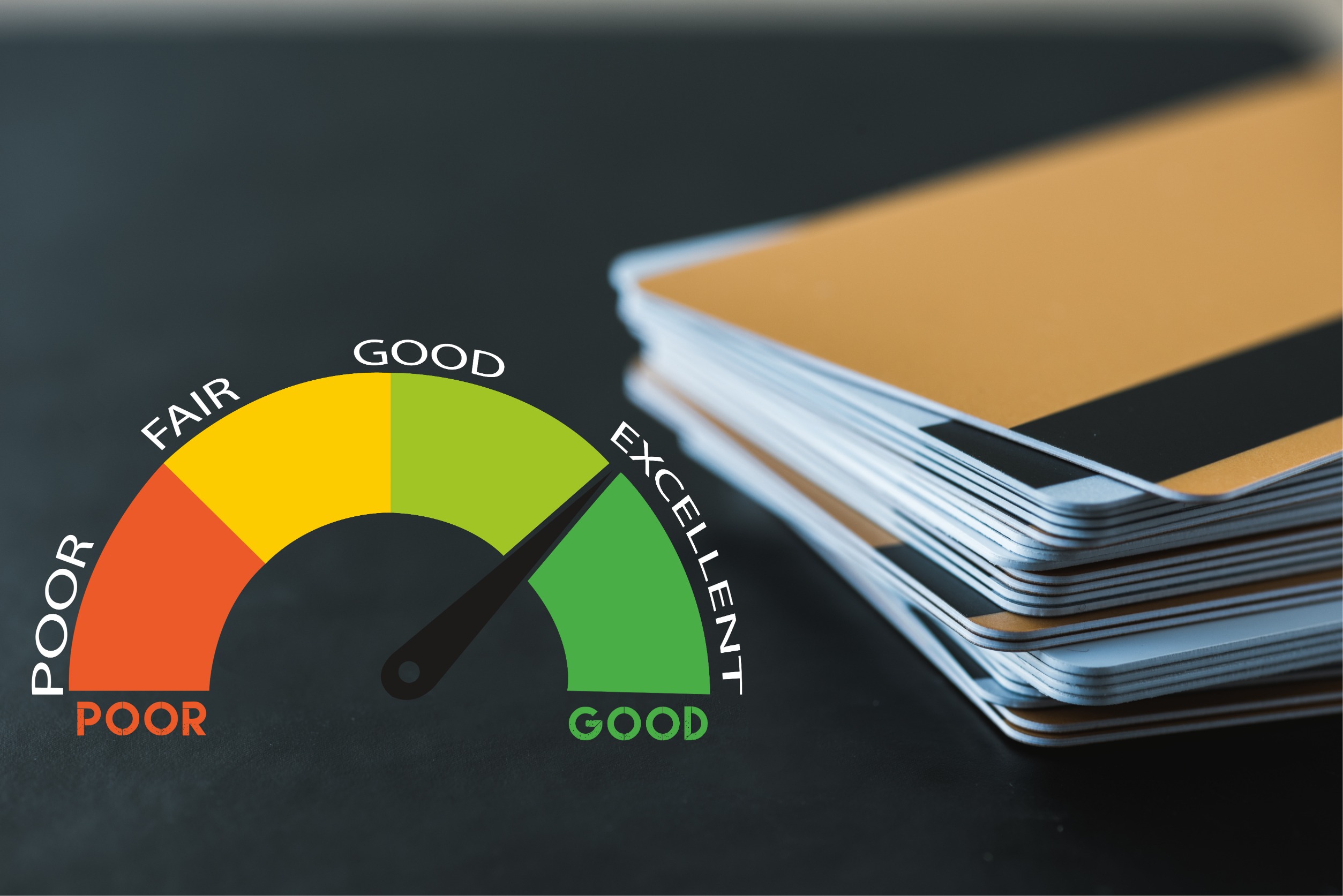

Child Life Insurance Options that Make Sense

The Following is brought to you by: Suncorp.

While child life insurance is often written off as a huge waste of financial resources for a family, with no chance of any kind of return on their investment, there are definitely some options that have been crafted as smart buys for parents.

Most of these options do provide return investment opportunities, at highly affordable rates, while providing a current, and future, safety net for children who may have illnesses or disabilities that might hinder their insurability later in life.

One-Time Premium Coverage

This option is only offered by select insurers, and provides parents the option of paying a one-time premium that will cover a child for up to 23 years.

One such plan, offered by Illinois Mutual, provides a safety net for parents with an ill, or disabled child, for only $300—which works out to only $13 annually. This plan is Mutual’s ChildGUARD policy and the death benefits it includes rise with age:

  • Ages 1 to 13; $5,000 in benefits
  • Ages 13 to 18; $10,000 in benefits
  • Ages 18 to 23; $15,000 in benefits

Furthermore, once this policy has run its course and the child turns 23-years-old, it can then be transferred to a whole policy for up to $100,000 regardless of the child’s previous medical history and insurability.

Employee Group-Benefits

Group-benefit plans are sometimes extended to employees as part of their insurance coverage and will extend past the employee to their spouse and children. These benefits do include death benefits and generally provide coverage for around $5,000 to $25,000 worth of funeral expenses.

Just like most insurance coverage extended to children through an employee’s package, they do expire once the child reaches a certain age. However, there are some plans that will allow a child to spin off their own insurance policy regardless of their lack of insurability anywhere else.

Gerber Life College Plan: Endowment Insurance

This insurance product is an excellent investment for parents who want to insure their child early and set them up for a “face amount” payout once they reach a certain age. These “face amounts” can be for any amount between $10,000 to $150,000; depending upon how much parents want to invest over the course of 18 years.

For example, parents who wish to purchase a $10,000 policy can expect the following:

  • 18-Year Payment Plan (starting from age 7)
  • Monthly Premiums of $33.33
  • $7,200 Total Paid from Premiums
  • Child Receives $10,000 at age 25
  • Total Return Investment of $2,800

While these are affordable rates for any parent, the popularity of this policy plans comes from its added benefits – click here for more information. For one, the “Face Amount” payout of any policy, regardless if its amount, has a guaranteed payout to the child, even if the parent dies and can no longer pay the premiums. Second, the payout can be used for any expense that the child wishes to use it for.

Avoiding Bankruptcy in the Soft Real Estate Market

The worst of the financial crisis and housing downturn is behind us, according to a recent report. Online marketing company RealtyTrac, says the number of home foreclosures in 2012 was 1.8 million. This figure is down 2.7% from 2011, and a whopping 36% from 2010. Despite the improving foreclosure data, many regions of the country are still struggling to find their way out, with many homeowners searching for ways to avoid bankruptcy as a result of purchases made at the height of the real estate boom. There are a number of strategies that experts agree should be explored before contacting a bankruptcy lawyer.

Contact Your Lender

The US Department Of Housing and Urban Development encourages homeowners to contact their lender or loan service provider to investigate the various foreclosure prevention options that have been instigated by the Obama administration. Programs include the Making Home Affordable program that can lower homeowner’s monthly mortgage payments, or the Home Affordable Refinance Program (HARP) which is designed to assist homeowners with underwater mortgages to obtain refinancing.

Consolidate Debt

Despite falling levels of household debt since 2008, the average American still owes around $47,000. Student loan debt and credit card debt are the biggest forms of debt after real estate. Homeowners are encouraged to work with a counselor or debt relief lawyer to consolidate their debt. Not all debt is equal. Where a 30 year mortgage may have an interest rate of 4%, a credit card with missed payments could  have an annual interest rate as high as 30%. Professional debt counselors or a debt relief lawyer can assist in creating a package that brings these high interest rate debts into one sum with a lower interest rate.

Short Sale

The Realty track report suggests that the softening in foreclosures is partly a result of the increase in short sales. A short sale occurs when the lender agrees to sell the property for less than what is owed on the mortgage. In many cases the lender also agrees to forgo the difference that is still owed by the homeowner. Lenders do this because they are keen to remove these bad debts from their books. A short sale is a viable option for a homeowner who is looking to get out of the home with as little as possible impact on their credit, and avoiding bankruptcy. The federal government also forgoes taxes payable on this debt forgiveness, however this is a year-to-year proposition in Washington, and may change in 2014.

Not All Bankruptcies Are the Same

According to Business Insider, it is important to understand that not all bankruptcies protect your home from foreclosure. It is vital to contact a bankruptcy attorney before filing for Chapter 7 bankruptcy, as this process may not prevent a lender from foreclosing on your home, only delaying the process. Whilst declaring bankruptcy can be a tactic in saving your home, experts agree it has the greatest impact on your credit history and should not be undertaken without professional assistance.
Brought to you by http://doanlaw.com/

Do You Really Need that Stuff? Think Twice Before You Spend

Americans love their stuff.  We can’t get enough of the latest doodad, the latest hot new product on the market.

We love stuff so much, research has been conducted on our behavior.  According to Boston.com, a team of archealogists spent 4 years studying 32 middle class Los Angeles families for their new book, Life at Home in the Twenty-First Century.  What they found was fascinating and depressing.

According to the study, ” The rise of Costco and similar stores has prompted so much stockpiling — you never know when you’ll need 600 Dixie cups or a 50-pound bag of sugar — that three out of four garages are too full to hold cars” (Boston.com).  And it’s not just the parents.  “The study found kids’ stuff everywhere, crowding out their parents’ possessions to such an extent that even home offices and studies (more than half of the 32 households had rooms dedicated to work or schoolwork) were crammed with toys and other child-related objects” (UCLA Magazine).

All the while, many Americans are swimming in credit card debt, which may be a direct result of the need to have more and more stuff, even as the stuff leads to less life satisfaction.  In fact, stuff creates stress for many people.

If you feel the need to buy more stuff, keep these things in mind:

The More Stuff You Have, the Less Satisfaction You Have

Do you really need all that stuff?We often think that if we get the latest and greatest item, we’ll be happier or life will be easier, but that isn’t often the case.  In fact, having less stuff leads to all sort of important changes.  If you have less stuff, you can live in a smaller space.  Live in a smaller space, and you pay less for rent or your mortgage, and utilities are also less expensive.  You may need to work less to afford your lifestyle, and instead have more time to enjoy life, which brings greater happiness.

The New York Times states, ” New studies of consumption and happiness show, for instance, that people are happier when they spend money on experiences instead of material objects, when they relish what they plan to buy long before they buy it, and when they stop trying to outdo the Joneses.”

Tammy Strobel, the blogger behind Rowdy Kittens, downsized her life, and now she and her spouse live in a tiny house with minimal possessions.  Because of this lifestyle change, she was able to quit her job and support herself and her spouse when he was in school on just $24,000 a year that she made as a freelancer according to The New York Times.

Your Stuff Is Worth Nothing

Besides considering the improved life satisfaction you will have without more stuff, there is another important reason to curb your consumption of stuff.

While stuff can cost you dearly in out of pocket expense, once you have it, making any money off of it, should you choose to downsize your life, is very difficult.  Yes, you can sell your stuff on Craigslist or Ebay or have a garage sale, but in general, you only recoup 10% or less on the original purchase price.  How is that for depressing?

Just visit a garage sale in the summer and see the huge spread of stuff to be sold.  How much money does all of that stuff represent?  That is money that is just gone, never to be recouped.

If you want to improve your life and your financial situation, just stop buying stuff.   You’ll be amazed how much better you feel when you have less stuff in your life to manage.

Source image credit:My Dad’s a Hoarder, By Simon Scarfe, on Flickr

Living on What We Earn: A Learning Process

For the last three years, my husband and I have had a very low income, well under the median income level of the average American family.  This was a result of my decision to launch a freelance writing career and my husband finishing his Ph.D. We live in the suburbs of Chicago, so living expenses [...]

Full Story »

Bathroom Remodels on a Budget

DIY home projects are not for the faint of heart. They require extreme patience, determination, and time. If you have these things, you can save yourself alot of money-especially when you start thinking about selling your home. The bathroom is one of the easiest rooms in your house because it’s usually the smallest. Redoing a [...]

Full Story »

The Joneses and Jealousy

We spend a lot of time, while talking about finances, talking about the Joneses. We often talk about how most of us make the mistake of trying to keep up with the Joneses by buying cars that are new, houses that are bigger, and generally spending our way into oblivion.  What we seldom talk about [...]

Full Story »

USPS Cancels Saturday’s Mail

In case you missed the news, the United States Postal Service announced that it would be stopping mail delivery on Saturdays beginning in August.  According to them, it should save the service about 2 Billion a year.  Yep, your Saturday mail costs the USPS 2 Billion a year.  No wonder stamps are almost $0.50! Random [...]

Full Story »

Are Personal Loans Ever Right For You?

Is a personal loan ever the right choice for you?  I’m not talking about payday loans, or those fun (or not) personal loans that happen in the back alley of a pawn shop, but honest to goodness personal loans from a bank.  Maybe you’ve heard them referred to as an unsecured loan. A personal loan [...]

Full Story »

Net Worth TV presents 4 Ways Retirement isn’t Retired Anymore

It used to be that retirement meant never working again and going off to enjoy the sunset on a tropical beach in paradise.  Now, however, retirement has been redefined and many “retired” individuals aren’t really acting like the stereotypical retired person.  Many people are still working after retirement, and some people are even launching into [...]

Full Story »

Go Self Employed or Stay Employed: Pros and Cons

This guest post is brought to you by Alex and Real Business Rescue. At some point in your life you may consider an opportunity to work for yourself. While many people think about the benefits of being self employed, running their own business and taking more control over their future, they fail to think about [...]

Full Story »
Page 4 of 66« First...«23456»102030...Last »

Categories

  Proud Member of Yakezie