Beating Broke

Personal Finance from the Broke Perspective

  • Home
  • About
  • We Recommend
  • Contact
  • Privacy Policy

Powered by Genesis

Millennials and Baby Boomers: 16 Misunderstandings Unraveled

February 14, 2024 By Catherine Reed Leave a Comment

Millennials and Baby Boomers

In today’s rapidly changing world, the generational divide between Millennials and Baby Boomers often leads to misunderstandings that can impact relationships, workplaces, and societal dynamics. Here’s a closer look at 16 common misconceptions that exist between these two influential generations, shedding light on their differences and similarities, and fostering a deeper understanding that transcends age-related stereotypes.

1. Work Ethic: Laziness vs. Rigidity

Work Ethic

A common misconception is that Millennials lack the strong work ethic characteristic of Baby Boomers, who are often perceived as rigid and overworked. However, Millennials tend to value work-life balance and flexibility more than previous generations, not less work. They are driven by purpose and fulfillment rather than the traditional 9-to-5 grind. Baby Boomers, on the other hand, were raised in an era where stability and long-term loyalty to a single employer were the norms, which is often mistaken for rigidity.

2. Technology Dependence: Digital Natives vs. Digital Immigrants

Technology Dependence

Millennials are often labeled as overly dependent on technology, whereas Baby Boomers are seen as technologically inept. In reality, Millennials, being digital natives, seamlessly integrate technology into their lives to enhance efficiency and connectivity. Baby Boomers, or digital immigrants, have also adapted remarkably well to new technologies, often embracing digital platforms for communication, entertainment, and learning.

3. Financial Attitudes: Entitlement vs. Conservatism

Financial Attitudes

Millennials are frequently criticized for their perceived sense of entitlement, particularly regarding financial matters, while Baby Boomers are viewed as financially conservative and more economically secure. However, Millennials face unique economic challenges, such as higher student debt and housing prices, which shape their financial attitudes and behaviors. Baby Boomers, having benefited from a period of economic prosperity, tend to prioritize savings and investments, reflecting their experiences rather than an inherent conservatism.

4. Communication Styles: Informality vs. Formality

Communication Styles

The preference for informal communication among Millennials, often through digital platforms, is sometimes mistaken for a lack of professionalism, contrasting with Baby Boomers’ more formal communication style. Millennials value authenticity and speed in communication, seeing formality as less important than content and efficiency. Baby Boomers, accustomed to traditional hierarchies and formalities, often interpret this casual style as a lack of respect, overlooking the effectiveness of direct and authentic communication.

5. Career Progression: Job Hopping vs. Lifelong Employment

Career Progression

Millennials are often perceived as job hoppers, lacking loyalty to their employers, in stark contrast to Baby Boomers, who are associated with the idea of lifelong employment with a single company. This difference is more reflective of changing economic conditions and job markets than a generational shift in values. Millennials seek career growth, development opportunities, and meaningful work, leading them to change jobs more frequently in pursuit of these goals.

6. Political and Social Views: Idealism vs. Pragmatism

Political and Social Views

Millennials are sometimes viewed as overly idealistic or radical in their political and social views, whereas Baby Boomers are seen as pragmatic and moderate. In reality, both generations have diverse views shaped by their unique societal contexts. Millennials’ idealism is often driven by a desire for social justice and environmental sustainability, while Baby Boomers’ pragmatism is informed by their life experiences and the historical events that shaped their formative years.

7. Learning Preferences: E-Learning vs. Traditional Classrooms

Learning Preferences

The misconception that Millennials can only learn through digital means, while Baby Boomers prefer traditional classroom settings, overlooks the flexibility and adaptability of both generations. Millennials value the convenience and accessibility of e-learning but also appreciate the benefits of face-to-face interactions. Baby Boomers, while initially educated in traditional settings, have shown significant adaptability by engaging with online courses and digital learning tools.

8. Environmental Concerns: Apathy vs. Ignorance

Environmental Concerns

Millennials are sometimes accused of apathy toward environmental issues, while Baby Boomers are thought to be ignorant of modern ecological concerns. However, Millennials have been at the forefront of many environmental movements, driven by a deep concern for the planet’s future. Baby Boomers, having witnessed the rise of the ecological movement in the 1960s and 1970s, often possess a strong awareness of environmental issues, though their approaches to addressing these concerns may differ.

9. Housing Preferences: Transience vs. Homeownership

Housing Preferences

There’s a common belief that Millennials prefer transient living situations and shy away from homeownership, unlike Baby Boomers, who are seen as the homeownership generation. However, Millennials often face economic barriers to homeownership, such as high real estate prices and student debt, rather than a lack of desire to own homes. Baby Boomers, who benefited from more favorable housing markets in their youth, may perceive this as a lack of commitment, overlooking the economic realities facing younger generations.

10. Attitudes Toward Authority: Rebellion vs. Respect

Attitudes Toward Authority

Millennials are often perceived as challenging authority and traditional structures more than Baby Boomers, who are seen as respecting and upholding these systems. This view misconstrues Millennials’ desire for transparency, fairness, and a more horizontal organizational structure as rebellion, while it overlooks the fact that Baby Boomers were also once at the forefront of significant social and political changes that challenged the status quo.

11. Views on Education: Formal Degrees vs. Self-Learning

Views on Education

The value placed on formal education is another area of misunderstanding. Millennials are often seen as devaluing traditional educational paths in favor of self-taught skills and informal learning experiences. In contrast, Baby Boomers are perceived to prioritize formal education and degrees. In reality, Millennials recognize the importance of formal education but also value diverse learning experiences, including online courses and professional development opportunities, adapting to a rapidly changing job market.

12. Lifestyle Choices: Minimalism vs. Materialism

Lifestyle Choices

Millennials are sometimes labeled as minimalists who reject materialism, in contrast to Baby Boomers, who are seen as embracing material wealth and consumption. While many Millennials are drawn to minimalism for economic reasons and a desire for a simpler lifestyle, this doesn’t mean they reject material possessions outright. Baby Boomers, having grown up in a post-war era of prosperity, often value the security and comfort that material possessions provide, which is sometimes mistaken for materialism.

13. Relationship to Social Media: Overuse vs. Disconnection

Relationship to Social Media

The assumption that Millennials are addicted to social media and Baby Boomers are disconnected from it oversimplifies their relationship with digital platforms. Millennials, as digital natives, use social media as a tool for communication, networking, and activism. However, they are also aware of its downsides. Baby Boomers, while not growing up with social media, have increasingly adopted these platforms to stay connected with friends and family, challenging the notion that they are disconnected from digital life.

14. Attitudes Toward Health and Wellness: Obsession vs. Neglect

Attitudes Toward Health and Wellness

Millennials are often seen as obsessed with health and wellness trends, in stark contrast to Baby Boomers, who are perceived as neglecting their health. In truth, Millennials are more vocal about mental health and holistic wellness, integrating it into their lifestyle choices. Baby Boomers, on the other hand, have a strong track record of valuing physical health and fitness, evidenced by the fitness and jogging booms during their younger years.

15. Entertainment Preferences: Streaming vs. Traditional Media

Entertainment Preferences

There’s a belief that Millennials only consume entertainment through streaming services and have abandoned traditional media formats, unlike Baby Boomers, who are thought to prefer cable TV and print media. While streaming services are popular among Millennials for their convenience and variety, many also enjoy traditional media forms. Baby Boomers have also adapted to new media technologies, with many embracing streaming services alongside conventional media outlets.

16. Perspectives on Personal Development: Constant Self-Improvement vs. Settling

Perspectives on Personal Development

Millennials are often characterized by a relentless pursuit of personal development and self-improvement, while Baby Boomers are perceived as more likely to settle into established routines without seeking much change. This overlooks the fact that personal growth does not have an age limit, and many Baby Boomers continue to pursue new interests, careers, and hobbies well into later life, demonstrating a lifelong commitment to personal development that rivals that of younger generations.

Why Unraveling the Misunderstandings Between Millennials and Baby Boomers Is Vital

Millennials and Baby Boomers

Understanding these misunderstandings between Millennials and Baby Boomers is crucial for bridging the generational divide. By recognizing the unique challenges and perspectives of each generation, we can foster more inclusive and productive conversations, workplaces, and communities. This not only enhances mutual respect but also leverages the diverse strengths and insights that each generation brings to the table, leading to more innovative and effective solutions to the complex issues facing society today.

Catherine Reed
Catherine Reed

Catherine is a tech-savvy writer who has focused on the personal finance space for more than eight years. She has a Bachelor’s in Information Technology and enjoys showcasing how tech can simplify everyday personal finance tasks like budgeting, spending tracking, and planning for the future. Additionally, she’s explored the ins and outs of the world of side hustles and loves to share what she’s learned along the way. When she’s not working, you can find her relaxing at home in the Pacific Northwest with her two cats or enjoying a cup of coffee at her neighborhood cafe.


Filed Under: Lifestyle Tagged With: baby boomers, generational differences, millennials, misunderstandings between generations, youth vs old age

Inside the Worlds of Introverts and Extroverts: 10 Daily Habit Divergences

February 13, 2024 By Catherine Reed Leave a Comment

Inside the Worlds of Introverts and Extroverts

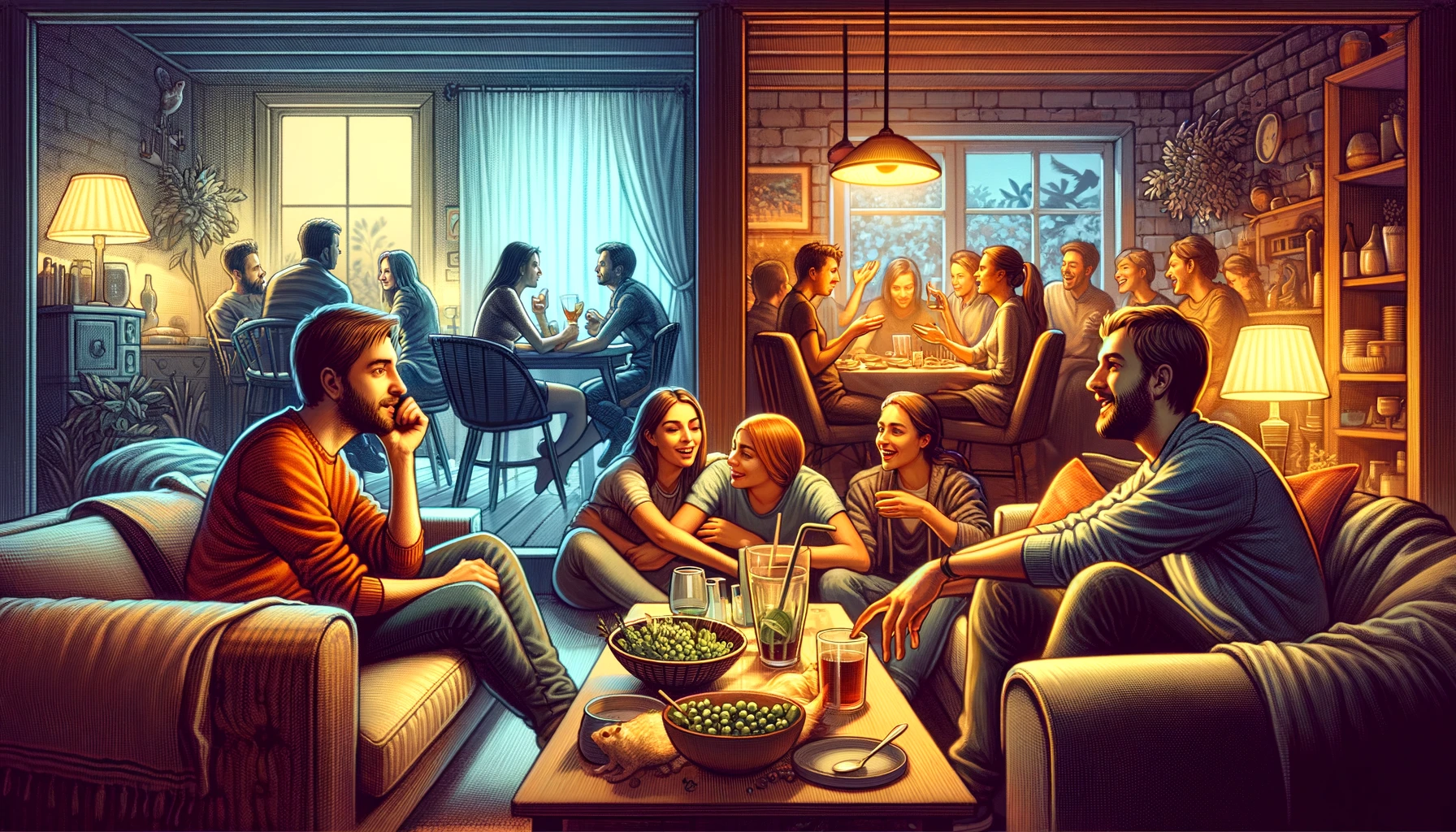
In the dynamic spectrum of human personality, the distinctions between introverts and extroverts are not just fascinating but also profoundly impactful on daily habits and lifestyles. This exploration into the worlds of introverts and extroverts sheds light on the nuanced ways in which these personality types navigate their day-to-day lives, highlighting 10 key divergences in their daily habits. As the global conversation around mental health and personal development continues to evolve, understanding these differences is more relevant than ever, offering insights into how each personality type can thrive in its unique way.

1. Morning Routines: The Quiet Start vs. The Social Kickoff

Morning Routines

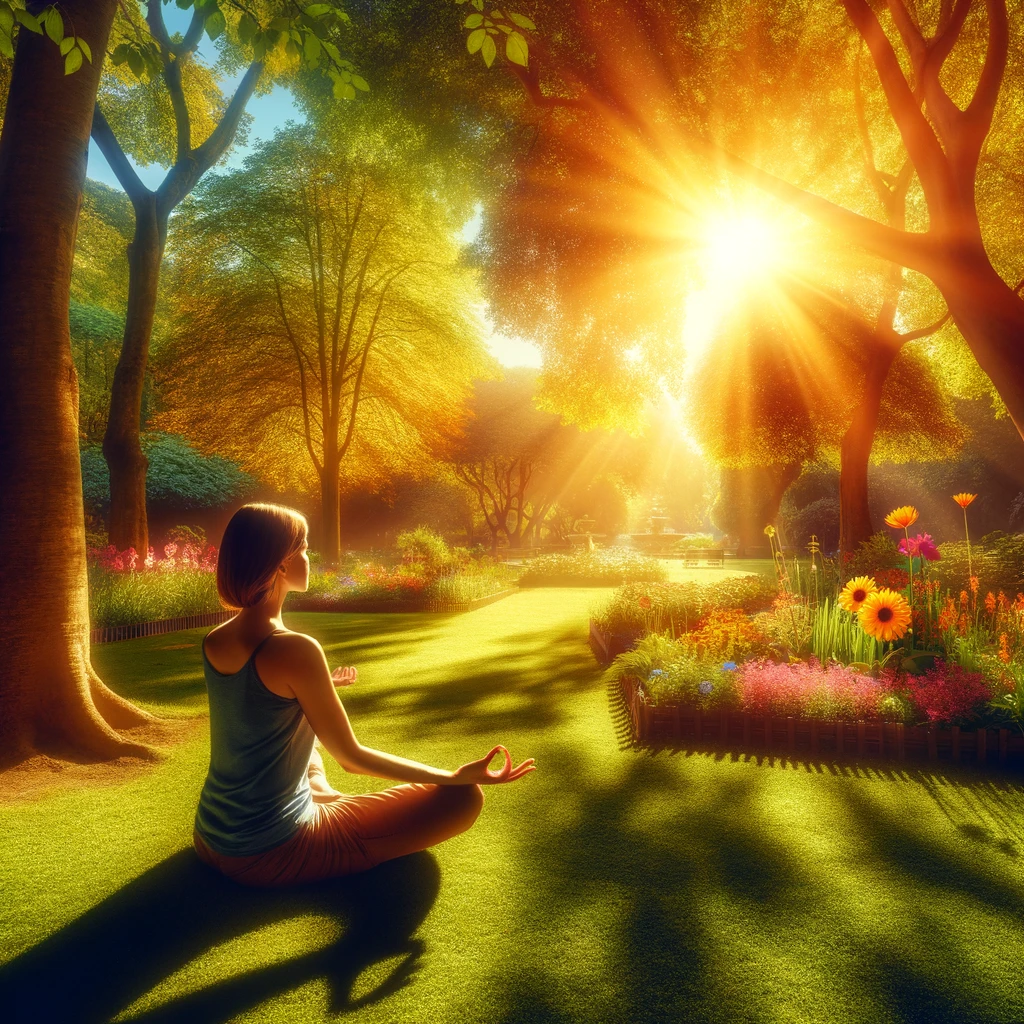
Introverts often embrace a quiet, reflective start to their day, valuing solitude to gather their thoughts and mentally prepare for the day ahead. A morning routine for an introvert might include reading, meditation, or a peaceful walk. In contrast, extroverts might kick off their day with high energy, seeking interaction from the get-go. They may prefer starting their day with a workout class where they can engage with others or a phone call to a friend, using social interaction as their morning boost.

2. Work Environment Preferences: Solitude vs. Collaboration

Work Environment Preferences

When it comes to work environments, introverts often thrive in quiet, secluded spaces where they can concentrate without interruptions. They may prefer working from home or in a private office, where they can control their level of sensory input and interaction. On the other hand, extroverts excel in bustling environments and might find energy in open-plan offices or co-working spaces where interaction and collaboration are constant.

3. Communication Styles: The Written Word vs. The Spoken Word

Communication Styles

Introverts tend to prefer communicating through writing, finding it easier to express themselves clearly and thoughtfully without the immediate pressure of a face-to-face interaction. Email, messaging apps, and other written mediums allow them to formulate their thoughts. Conversely, extroverts often favor verbal communication, finding real-time conversations energizing and enjoying the spontaneity and immediate feedback of speaking directly with others.

4. Socializing Preferences: Quality vs. Quantity

Introverts and Extroverts Socializing Preferences

For introverts, socializing is about depth rather than breadth. They prefer meaningful, one-on-one interactions or small groups where deeper conversations can occur. Extroverts, however, often seek out larger social gatherings and a wider circle of acquaintances, finding excitement in the variety and unpredictability of larger social settings.

5. Leisure Activities: Recharging Alone vs. Energizing with Others

Leisure Activities

In their leisure time, introverts might opt for activities that allow them to recharge alone, such as reading, gardening, or creative pursuits like painting or writing. These activities provide a sanctuary for introspection and relaxation. Extroverts, on the other hand, may seek out more socially engaging activities like attending parties, group sports, or community events, where they can feed off the energy of others.

6. Decision-Making Processes: Reflection vs. Discussion

Decision-Making Processes

Introverts often prefer to take their time when making decisions, engaging in thorough reflection and considering all angles before coming to a conclusion. They might research extensively and ponder their options in solitude. Extroverts are more inclined to think out loud, seeking input from others and discussing their options openly as a way to process their thoughts and make decisions.

7. Networking Styles: Strategic Connections vs. Expansive Networks

Introverts and Extroverts Networking Styles

In professional networking, introverts tend to be more strategic and selective, focusing on building a few meaningful connections that are deeply aligned with their goals. They might prefer networking in smaller, more intimate settings. Extroverts, however, often enjoy the process of expanding their network widely, thriving on making new connections in various settings and keeping their options open.

8. Learning Preferences: Independent Study vs. Group Learning

Learning Preferences

When it comes to learning new things, introverts often prefer self-paced, independent study where they can absorb information at their own speed without external pressures. They may gravitate towards online courses or self-directed learning. Extroverts might find group learning environments more stimulating, enjoying the dynamic of classroom discussions, group projects, and immediate feedback from peers and instructors.

9. Approach to Conflict: Internal Processing vs. External Resolving

Approach to Conflict

Introverts typically process conflicts internally, preferring to take time to think through the issue and consider their response carefully before addressing it directly. They may seek to avoid confrontation until they have fully formulated their stance. Extroverts are more likely to address conflicts as they arise, preferring to resolve issues through direct communication and finding it easier to express their feelings and thoughts in real-time.

10. Adaptability to Change: Cautious Adjustment vs. Quick Embrace

Introverts and Extroverts Adaptability to Change

Finally, when faced with change, introverts usually approach with caution, taking time to adapt and consider how the change affects them personally and professionally. They may need more time to adjust to new situations. Extroverts, conversely, often embrace change more readily, seeing it as an opportunity for new experiences and challenges and adapting quickly to new circumstances.

The Different Worlds of Introverts and Extroverts

Different Worlds of Introverts and Extroverts

Understanding these daily habit divergences between introverts and extroverts is not about pigeonholing individuals into fixed categories but about appreciating the diverse ways people can approach life based on their inherent preferences. Recognizing and respecting these differences can enhance personal relationships, workplace dynamics, and our self-awareness, allowing each personality type to thrive in its unique way.

Catherine Reed
Catherine Reed

Catherine is a tech-savvy writer who has focused on the personal finance space for more than eight years. She has a Bachelor’s in Information Technology and enjoys showcasing how tech can simplify everyday personal finance tasks like budgeting, spending tracking, and planning for the future. Additionally, she’s explored the ins and outs of the world of side hustles and loves to share what she’s learned along the way. When she’s not working, you can find her relaxing at home in the Pacific Northwest with her two cats or enjoying a cup of coffee at her neighborhood cafe.

Filed Under: Lifestyle Tagged With: communication styles, extrovert, introvert, introverts and extroverts, lifestyle differences, personality types, social preferences

Digital Nomads and 9-5 Workers: 12 Unique Lifestyle Insights

February 12, 2024 By Catherine Reed Leave a Comment

digital nomads and 9-5 workers

Digital nomads and 9-5 workers can lead very different lives. The arrangements present two contrasting yet equally fascinating lifestyle paradigms. Digital nomads understand that managing time is key to success, and using a tool like TimeCatchApp can help them track their hours and maintain productivity, no matter where they are. As technology continues to reshape the workplace, more individuals are exploring the digital nomad lifestyle, which is characterized by remote work and geographical freedom.

Meanwhile, many still adhere to the conventional 9-5 work schedule, finding value in its structure and stability. Here are 12 unique insights into the lifestyles of digital nomads and 9-5 workers, highlighting the nuances and trends that define modern work culture.

1. Work-Life Balance

Often hailed for their ability to blend work with travel, digital nomads typically have the flexibility to design their schedules around personal interests and activities. However, this freedom can sometimes blur the lines between work and leisure, leading to challenges in establishing a clear work-life balance.

Traditional office workers usually have a more defined separation between work and personal time. While the 9-5 structure provides predictability, it can also limit personal freedom during the workweek, potentially leading to feeling trapped in a routine.

2. Location Independence vs. Stability

location independence vs stability

The essence of being a digital nomad lies in location independence, allowing individuals to work from anywhere with an internet connection. This mobility can lead to exciting travel opportunities but also comes with a sense of transience and lack of community.

Conversely, 9-5 workers often benefit from a stable work environment and a consistent community. This stability supports long-term relationships and a sense of belonging, though it may limit exposure to new cultures and experiences.

3. Social Connections

social connections

Building and maintaining social connections can be challenging for digital nomads due to their transient lifestyle. While they often meet new people, forming deep, lasting relationships requires more effort and intentionality.

Office workers typically have more opportunities to develop long-term social connections with colleagues, benefiting from daily interactions and shared experiences. However, these relationships are often confined to the workplace.

4. Financial Stability

financial stability

Income for digital nomads can fluctuate based on client work, project availability, and the ability to secure consistent remote work. This unpredictability can affect financial planning and stability.

Those in traditional employment usually enjoy a steady paycheck, benefits, and potential career advancement opportunities. As a result, they enjoy a more predictable financial landscape.

5. Professional Development

professional development

Continuous learning and self-motivated professional development are crucial for digital nomads to remain competitive. The challenge is that they often have to seek out their opportunities for growth and learning.

Traditional workplaces often provide structured opportunities for professional development, including training, workshops, and mentorship programs, facilitating career progression within the organization. As a result, professional development is more accessible.

6. Productivity and Motivation

productivity and motivation

Without a traditional office structure, digital nomads must be self-disciplined to maintain productivity. The freedom to choose work hours and environments can lead to higher motivation and efficiency for some, but may cause challenges for others.

The structured environment of a 9-5 job can enhance focus and productivity for those who thrive on routine. However, it can also lead to monotony and decreased motivation over time.

7. Lifestyle Flexibility

Lifestyle Flexibility

The digital nomad lifestyle offers unparalleled flexibility in terms of living arrangements, travel, and daily routines. In many cases, that’s appealing to those who value freedom and variety.

While 9-5 workers have less flexibility during the workweek, many find comfort in the predictability and stability of their routine. At times, it’s also easier to plan for leisure activities and family time, as schedules and locations are relatively set.

8. Technological Dependence

Technological Dependence

A digital nomad’s lifestyle is heavily reliant on technology. Not only is it crucial for work, but it also plays a significant role in maintaining social connections, managing logistics, and accessing information on the go.

While technology is also integral to traditional work settings, 9-5 workers may experience less dependence on digital tools during their time. That could make for more digital detox opportunities.

9. Adaptability and Resilience

Adaptability and Resilience

Constantly changing environments and the need to navigate different cultures enhance adaptability and resilience among digital nomads, skills that are invaluable in both personal and professional realms. For 9-5 workers, stability and routine can foster a deep understanding of specific job roles and industries, though it may limit exposure to diverse challenges and problem-solving opportunities.

10. Health and Wellness

Health and Wellness

The nomadic lifestyle can support a focus on health and wellness, with opportunities to explore outdoor activities and fitness routines. However, constant travel can also disrupt healthy habits and access to healthcare.

Typically, 9-5 workers have more consistent access to healthcare and regular fitness routines. However, office-based workers can face challenges like sedentary lifestyles and workplace stress.

11. Environmental Impact

Environmental Impact

The travel-centric nature of digital nomadism raises questions about its environmental impact. This is particularly true as it relates to carbon emissions from frequent flights and the use of disposable products.

Traditional office settings can contribute to environmental issues, too. Energy consumption, commuting, and waste generation are potentially part of the equation, though many companies are now adopting greener practices.

12. Personal Fulfillment

Personal Fulfillment

Many digital nomads find personal fulfillment in the freedom, adventure, and cultural experiences their lifestyle affords despite the challenges of instability and isolation. Fulfillment for 9-5 workers often comes from career achievements, workplace camaraderie, and the ability to support stable family life, underscoring the diverse paths to personal satisfaction.

Digital Nomads and 9-5 Workers Live Different Lifestyles

Digital Nomads and 9-5 Workers

Ultimately, both digital nomads and 9-5 workers navigate unique lifestyles with distinct advantages and challenges. Understanding these insights helps highlight the diversity of work-life experiences in the modern era, emphasizing the importance of choosing a path that aligns with one’s personal values, goals, and definitions of success.

Catherine Reed
Catherine Reed

Catherine is a tech-savvy writer who has focused on the personal finance space for more than eight years. She has a Bachelor’s in Information Technology and enjoys showcasing how tech can simplify everyday personal finance tasks like budgeting, spending tracking, and planning for the future. Additionally, she’s explored the ins and outs of the world of side hustles and loves to share what she’s learned along the way. When she’s not working, you can find her relaxing at home in the Pacific Northwest with her two cats or enjoying a cup of coffee at her neighborhood cafe.

Filed Under: Work Tagged With: 9-5 workers, career, digital nomads, lifestyle differences, remote work, traditional job, work-life balance

  • « Previous Page
  • 1
  • …
  • 28
  • 29
  • 30
  • 31
  • 32
  • …
  • 34
  • Next Page »
  • Facebook
  • Pinterest
  • RSS
  • Twitter

Improve Your Credit Score

Money Blogs

  • Celebrating Financial Freedom
  • Christian PF
  • Dual Income No Kids
  • Financial Panther
  • Gajizmo.com
  • Lazy Man and Money
  • Make Money Your Way
  • Money Talks News
  • My Personal Finance Journey
  • Personal Profitability
  • PF Blogs
  • Reach Financial Independence
  • So Over Debt
  • The Savvy Scot
  • Yes, I am Cheap

Categories

Disclaimer

Please note that Beating Broke has financial relationships with some of the merchants mentioned here. Beating Broke may be compensated if consumers choose to utilize the links located throughout the content on this site and generate sales for the said merchant.

Visit Our Advertisers

Need to change careers? Consider an Accounting Certificate Program from WTI.