
Beating Broke

Personal Finance from the Broke Perspective

  • Home
  • About
  • We Recommend
  • Contact
  • Privacy Policy

Powered by Genesis

10 U.S. States Where It’s Becoming Impossible to Live on $50K a Year

July 8, 2025 By Teri Monroe Leave a Comment

unaffordable states if you make $50K a year
Image Source: Pexels

Once considered a comfortable middle-class salary, $50,000 a year is now barely enough to survive in many parts of the U.S. Soaring housing costs, rising taxes, and higher everyday expenses are making it nearly impossible to stretch that income in some states. If you’re earning $50K, these 10 states might leave you feeling financially squeezed.

1. Massachusetts

Although Massachusetts may seem like an ideal place to live, it has become completely unaffordable. The median rent is currently more than $2,000 per month. While the state boasts excellent school systems, plentiful public transportation, and access to a major city, you’ll pay for these luxuries. Healthcare, housing, and childcare all drive up the cost of living in the state. So, if you only make $50,000, you may struggle to pay basic expenses. In fact, a recent study found that you’d have to make more than $100,000 to live comfortably in the state.

2. Nevada

If you thought living in the desert would be affordable, think again. Las Vegas and Reno have seen a housing boom in recent years. Casino expansions and the addition of professional sports teams have driven up costs in the area. $50K isn’t enough to live on, even outside of the strip.

3. New York

If you’re looking to live near New York City, you’ll need to make more than $50,000 per year. Even Long Island and Westchester have a high cost of living. Things that drive up the cost of living in this area include transportation costs, expensive rent, and high taxes. You’ll be below the poverty line if you’re only making $50,000.

4. California

The median rent is over $2,700 a month in many cities. Housing prices, gas prices, and taxes are all expensive in this state. Even in smaller cities, $50K won’t go far in California. In metro areas like Los Angeles or San Francisco, rent alone can swallow more than half your income.

5. Hawaii

In Hawaii, the median home price is $835,000 or more. Even groceries are expensive in this state. Island living comes at a premium. The cost of importing goods, plus limited housing, makes Hawaii one of the toughest places to live on a modest income.

6. Washington

Once affordable, Washington is now pricey due to the tech industry expansion. Rents have surged in urban areas, eating away at modest incomes. Seattle and the surrounding areas are too expensive to live on $50,000 per year. Tech-driven inflation, rent, and utilities will cost you a lot of money in this state.

7. Colorado

If you love the outdoors, Colorado may seem like the perfect place to live. Outdoor living and scenic cities draw transplants but they also drive prices sky-high. Rent and home costs have jumped significantly in the last decade. Colorado is too expensive if you only make $50,000 per year. Denver, Boulder, and mountain towns are particularly expensive.

8. Oregon

Oregon’s progressive appeal has brought rapid population growth, which has pushed up housing and grocery prices across the state. Portland and other coastal towns are particularly pricey. Utility costs and state income taxes also take a significant bite out of a $50K salary. For many residents, basic expenses now outpace what used to be a comfortable middle-class income.

9. New Jersey

Did you know that New Jersey has the highest property taxes? Even with proximity to NYC and Philadelphia, New Jersey is increasingly unaffordable for lower-middle-income earners, especially when property taxes are factored in. Rent, transportation, and car insurance costs are also among the highest in the nation. For someone earning $50K, staying afloat often means going into debt or sacrificing essentials.

10. Connecticut

Connecticut’s cost of living is well above the national average, making it tough for lower-income earners to stay ahead. Energy bills, housing, and taxes are major expenses that quickly eat into a $50K salary. The state also has one of the widest wealth gaps in the country. In more affluent areas, that income simply doesn’t go far enough to cover even basic household needs.

Unaffordable States

If you’re earning $50K a year, it may be time to reevaluate where you live. While some states still offer a lower cost of living, these ten are becoming increasingly unsustainable for individuals and families on a modest income.

Read More

7 Unexpected Expenses That Are Quietly Killing Your Retirement Fund

8 Little-Known Ways Landlords Are Still Getting Around Rent Caps

Teri Monroe Headshot
Teri Monroe

Teri Monroe started her career in communications working for local government and nonprofits. Today, she is a freelance finance and lifestyle writer and small business owner. In her spare time, she loves golfing with her husband, taking her dog Milo on long walks, and playing pickleball with friends.

Filed Under: General Finance Tagged With: 50K a year, cost of living, unaffordable states

7 Unexpected Expenses That Are Quietly Killing Your Retirement Fund

July 3, 2025 By Teri Monroe Leave a Comment

Unexpected expenses that are draining your retirement fund
Image Source: Pexels

You’ve saved, planned, and dreamed of a stress-free retirement—but what if your nest egg is being drained without you even realizing it? Unexpected expenses can quietly chip away at your hard-earned savings, leaving you financially vulnerable in your golden years. From overlooked healthcare costs to inflation, these hidden budget busters can derail even the most careful retirement plan. Here are seven sneaky expenses that could be slowly killing your retirement fund.

1. Healthcare Costs

Even with Medicare, retirees face substantial out-of-pocket expenses. Premiums, co-pays, prescription drugs, dental, vision, and hearing needs all add up. Long-term care can cost tens of thousands annually and catch many off guard. As your health may decline, healthcare expenses, even before retirement, can erode your savings. It may be worth it to invest in a more robust healthcare plan if offered by your employer. You can also look into secondary insurance if your coverage isn’t adequate.

2. Helping Adult Children or Grandkids

Since the cost of living has increased and the job market has its ups and downs, many adult children need more support. Many retirees provide financial help to adult children or grandchildren. In fact, as many as 50% of Boomers are helping their adult Millennial and Gen Z children. Whether it’s paying for college, helping with rent, or covering emergencies, this generosity can significantly drain retirement savings, especially if it becomes ongoing. While many Boomers have felt the need to help Millennial children, it may ruin retirement funds.

3. Home Repairs and Maintenance

Owning a home during retirement comes with hidden costs. Aging roofs, broken furnaces, plumbing issues, or necessary upgrades can result in sudden, high expenses. Without a maintenance budget, these costs can derail financial plans. It may be more beneficial to find a condo where the HOA pays for some maintenance.

4. Inflation and Lifestyle Creep

Even modest inflation erodes purchasing power over time. A 3% annual increase may seem small, but it compounds. Pair that with lifestyle creep, like dining out more or traveling, and your retirement fund might not stretch as far as planned. Some people end up taking out personal loans or dipping into retirement funds early to cover these expenses. At some point, it becomes too late to save enough to retire on if overspending continues. A solid budget, where you don’t deviate, is imperative.

5. Taxes on Retirement Income

Retirees often forget that income from traditional 401(k)s, IRAs, and even Social Security may be taxable. Without tax-efficient withdrawal strategies, a significant portion of your income could be lost to the IRS each year. Make sure that you consult a tax professional so that you account for any tax implications.

6. Divorce or Separation Later in Life

“Gray divorce” is on the rise and can split retirement assets, increase living expenses, and lead to legal costs. Starting over financially in your 60s or 70s can drastically change retirement expectations. Many couples end up staying together, despite unhappiness, to be able to afford retirement. While this isn’t ideal, many couples just don’t have enough saved to weather a divorce later in life.

7. Scams and Elder Financial Abuse

Older adults are frequently targeted by scams, from phishing emails to fake investment schemes. In some cases, financial abuse comes from family members. These losses are often unrecoverable and emotionally devastating. Make sure that any trustees or anyone who has power of attorney is trustworthy. You may even appoint a third party, instead of family members, to avoid any elder abuse.

Managing Unexpected Expenses That Drain Retirement Funds

When preparing for retirement, it’s best to expect the unexpected. Having a solid plan, budgeting, and saving for the future is essential. Give yourself a healthy cushion, so that when expenses hit, you’re prepared for any unexpected expenses.

Read More

8 Little-Known Ways Landlords Are Still Getting Around Rent Caps

The Benefits of Putting Money Away for Potential Medical Expenses

Teri Monroe Headshot
Teri Monroe

Teri Monroe started her career in communications working for local government and nonprofits. Today, she is a freelance finance and lifestyle writer and small business owner. In her spare time, she loves golfing with her husband, taking her dog Milo on long walks, and playing pickleball with friends.

Filed Under: Saving Tagged With: retirement fund, saving for retirement, unexpected expenses that drain retirement fund

8 Little-Known Ways Landlords Are Still Getting Around Rent Caps

July 1, 2025 By Teri Monroe Leave a Comment

how landlords are getting around rent caps
Image Source: Pexels

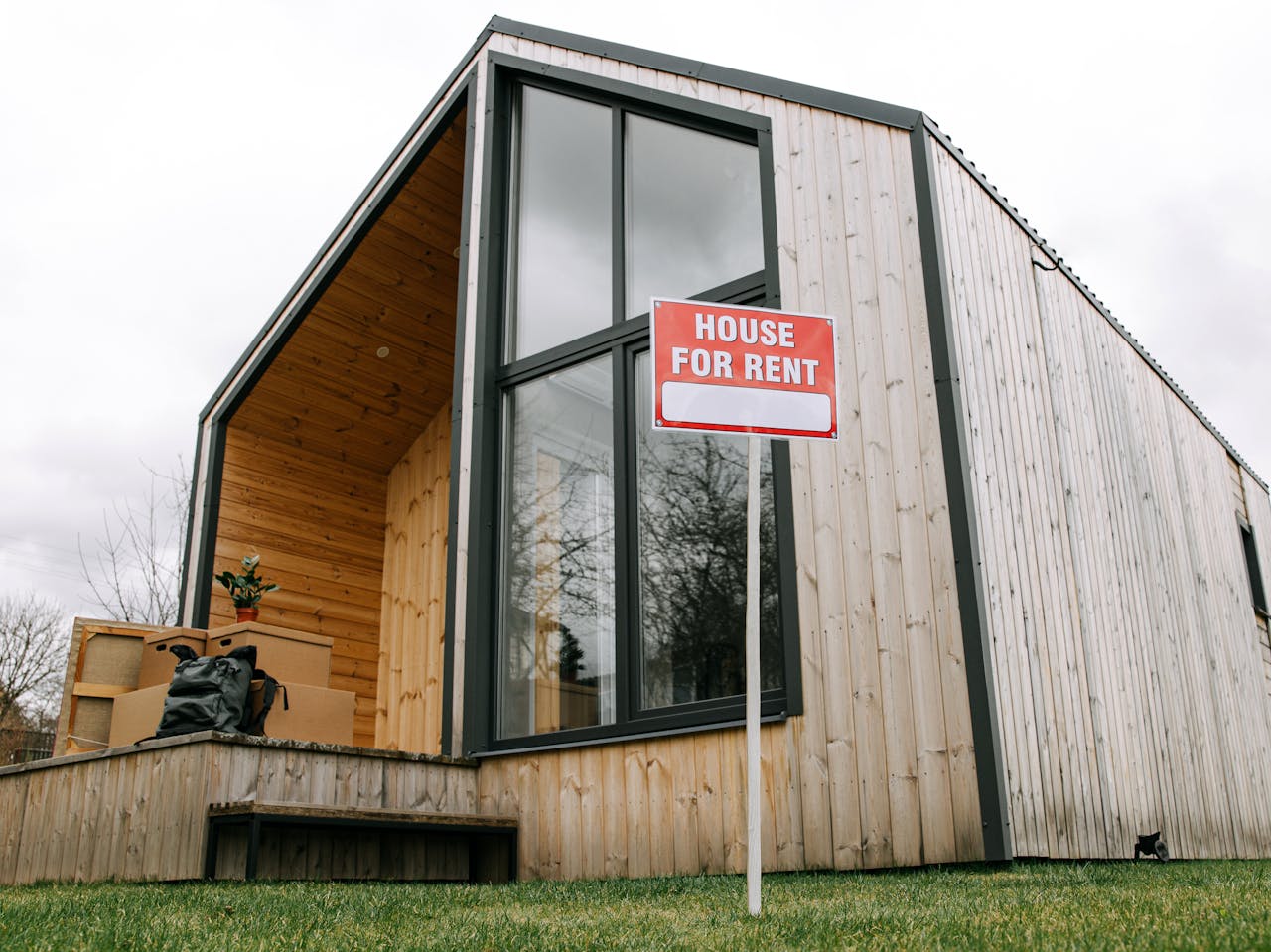
Rent caps, also called rent control, are government-mandated limits on how much a landlord can charge for rent. These laws can either set a maximum amount that can be charged or how much rent can be increased over time. Rent control laws are supposed to keep housing affordable, but some landlords have found clever ways to get around these restrictions. Not all states have these laws, but states like New Jersey, California, and New York do.

Rent control aims to make housing more affordable and equitable for tenants. However, some landlords try to get around these laws. While not always illegal, these tactics can leave tenants surprised with sudden increases or unexpected costs. Here are eight little-known methods landlords are still using to bypass rent caps.

1. Renoviction Tactics

Some landlords claim major renovations are needed. They then use that as a legal reason to evict tenants. Once the unit is vacant, they can increase the rent far beyond what the previous tenant was paying. This skirts rent cap laws and helps the landlord to profit more.

2. Reclassifying the Unit

Landlords may attempt to reclassify a unit from residential to commercial. They may even convert it into a short-term rental like an Airbnb. While not subject to the same rent caps, short-term rentals have their own zoning and insurance requirements. Reclassifying the property lets landlords sidestep local rent control rules entirely.

3. Charging New Fees

Rent might be capped, but parking, storage, pet fees, or amenities charges often aren’t. By adding or increasing these side fees, landlords can boost their income without technically raising the rent. If you see new fees being charged on your rent, you should question them. If you suspect that you are being unfairly charged, you can always file a complaint with the Better Business Bureau or the Consumer Financial Protection Agency.

4. Leasing to a New Tenant at a Higher Rate

In some cities, rent caps only apply to existing tenants. Once someone moves out, landlords can reset the rent to whatever the market allows. Sometimes this can be double or triple the previous rate. If the rental is in a high-demand area, the market dictates the price.

5. Offering Discounted Rent, First, Then Removing It

A landlord might initially offer a “move-in special” or temporary discount. Later, when the discount expires, the rent jumps dramatically. Legally, it’s not an increase, just the end of a promotion. This way, over time, the landlord is able to charge more for the lease.

6. Owner Move-Ins

Some landlords claim they or a relative needs to move into the unit. Once the tenant is gone, they either don’t move in at all or stay briefly before relisting at a much higher rent. These owner move-in evictions are usually completely legal. But they do vary by state.

7. Creating New Lease Agreements

Instead of renewing leases, landlords might ask tenants to sign entirely new ones with updated terms. These new leases may include higher base rent or added fees. This bypasses renewal protections tied to rent control. If a landlord asks you to sign a new lease, always read the fine print; you may be paying significantly more money.

8. Pressuring Tenants to Leave Voluntarily

Some landlords make living conditions unpleasant, delay repairs, or offer buyouts to push tenants to leave. Once they do, the landlord raises the rent for the next tenant. As a renter, always know your rights. This includes what your landlord is required to fix, your right to safety, and so forth.

Understanding How Rent Caps Affect You

While rent caps aim to protect tenants, they often come with loopholes. Tenants should read leases carefully, document communication, and know their rights under local law. Landlords may find ways around rent caps, but that doesn’t mean tenants are powerless.

Read More

The Benefits of Putting Money Away for Potential Medical Expenses

10 Disturbing Patterns Linked to Sudden, Unplanned Relocations

Teri Monroe Headshot
Teri Monroe

Teri Monroe started her career in communications working for local government and nonprofits. Today, she is a freelance finance and lifestyle writer and small business owner. In her spare time, she loves golfing with her husband, taking her dog Milo on long walks, and playing pickleball with friends.

Filed Under: General Finance Tagged With: rent cap, rent control, tenant rights

  • « Previous Page
  • 1
  • …
  • 13
  • 14
  • 15
  • 16
  • 17
  • …
  • 40
  • Next Page »
  • Facebook
  • Pinterest
  • RSS
  • Twitter

Improve Your Credit Score

Money Blogs

  • Celebrating Financial Freedom
  • Christian PF
  • Dual Income No Kids
  • Financial Panther
  • Gajizmo.com
  • Lazy Man and Money
  • Make Money Your Way
  • Money Talks News
  • My Personal Finance Journey
  • Personal Profitability
  • PF Blogs
  • Reach Financial Independence
  • So Over Debt
  • The Savvy Scot
  • Yes, I am Cheap

Categories

Disclaimer

Please note that Beating Broke has financial relationships with some of the merchants mentioned here. Beating Broke may be compensated if consumers choose to utilize the links located throughout the content on this site and generate sales for the said merchant.

Visit Our Advertisers

Need to change careers? Consider an Accounting Certificate Program from WTI.