
Beating Broke

Personal Finance from the Broke Perspective

  • Home
  • About
  • We Recommend
  • Contact
  • Privacy Policy

Powered by Genesis

Search Results for: budget

Is Zero-Based Budgeting Only for Control Freaks?

May 8, 2025 By Teri Monroe Leave a Comment

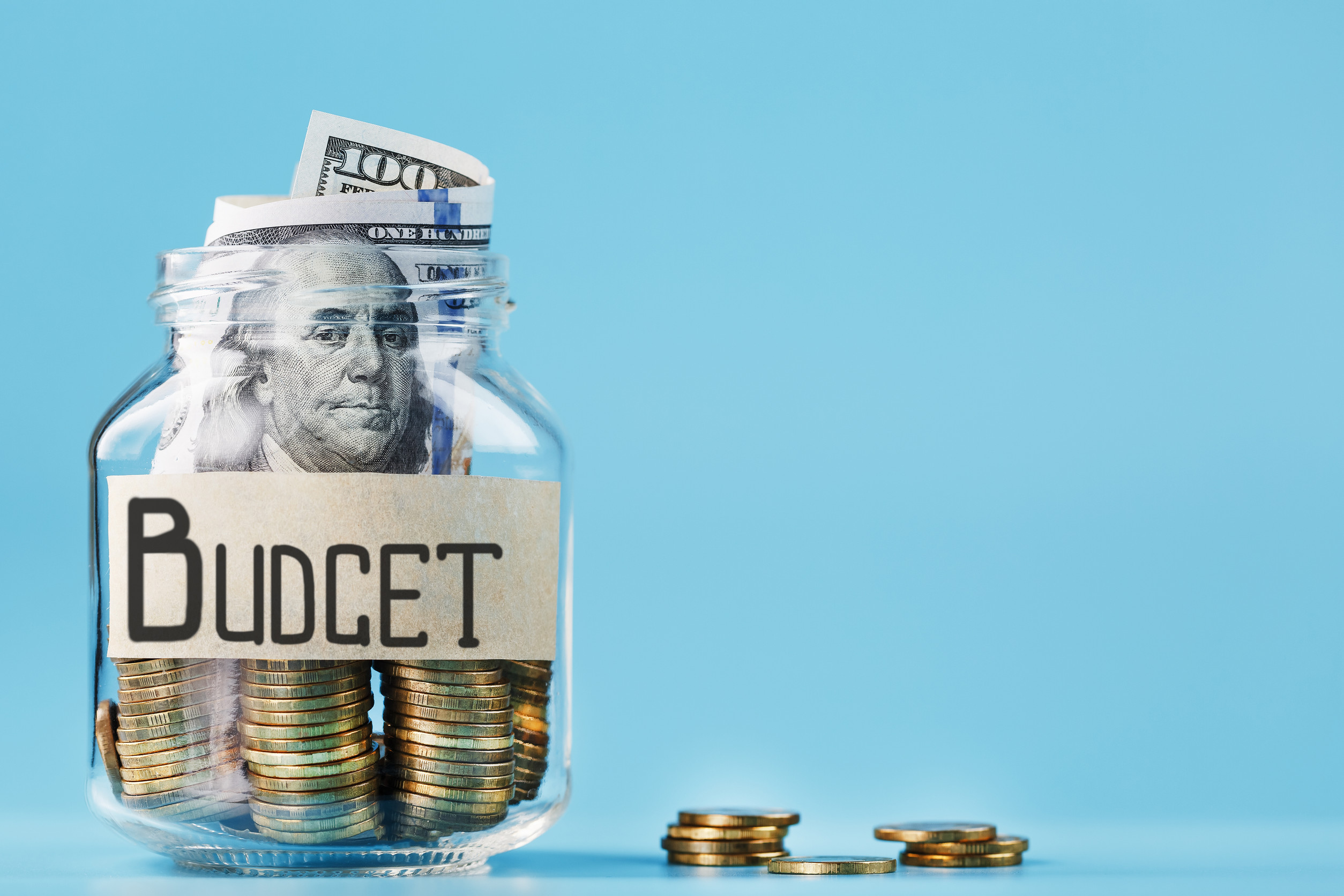
zero-based budgeting
Image Source: Pexels

If you’re trying to create a budget, there are several methods that can help you get started. One of which is zero-based budgeting. This method is very detailed and helps you put each dollar to work. However, it is very precise, and some may say that only control freaks use this method. Here we’ll help you determine if zero-based budgeting is for you.

What Is Zero-Based Budgeting?

Essentially, with zero-based budgeting, you start from scratch every month. Instead of looking at past expenses to allocate funds and determine your budget, you assign every dollar a job until there is zero left unassigned. So your income minus expenses must equal zero, and if you overspend in one area, you must take it from another.

So, as you can see, zero-based budgeting is a little rigid. There is no wiggle room with this type of budgeting, and you must justify every expense. Plus, since you’re reassessing your budget every month, you are constantly reevaluating your spending habits. This may be why zero-based budgeting gets pegged as only being for control freaks. Is this really true, though?

Is Zero-Based Budgeting Only for Control Freaks?

Zero-based budgeting isn’t just for control freaks. This type of budgeting forces you to be intentional with your money and not overspend. However, it is a lot more work since you’ll have to create a new budget each month. It is for people who want clear control of their money. If you need to prioritize a goal like paying off your debt or you want to avoid being short on cash at the end of the month, zero-based budgeting might be right for you.

Other Types of Budgeting

If you hate the upfront work of zero-based budgeting, other methods may suit you better. For example, the 50/30/20 rule may provide more flexibility, and you won’t have to track everything. In the 50/30/20 rule, you’ll assign more broad categories and use 50% of your income for needs, 30% for wants, and 20% for debt and savings.

You may also want to experiment with cash stuffing or the pay yourself first method. Cash stuffing uses envelopes to divide cash into categories for spending. With pay yourself first budgeting, you save or invest a fixed amount before any other spending. If you find that you really hate budgeting, you may even consider the anti-budget. With an anti-budget, you only set aside enough money for your bills and savings, and then spend the rest as you wish. It’s the most flexible method, but not the most effective.

Choosing The Right Budgeting Style

There are so many ways to budget, and it’s not one-size-fits-all. It’s best to try out different budget types to see which one best fits your lifestyle and personality. If you pick a budgeting style that best suits you, you’re more likely to stick with it. Then, you’ll be able to reach your financial goals more easily.

Read More

8 Utility Bill Cuts That Your Service Providers Are Willing To Give If Only You’d Ask

4 Reasons Teaching Kids to Garden Is a Great Low-Cost Educational Experience
Filed Under: budget Tagged With: budget, control freaks zero-based budget, zero-based budget

Can You Really Budget Your Way Out of Poverty?

May 1, 2025 By Teri Monroe Leave a Comment

Can you budget your way out of poverty?
Image Source: 123rf.com

If you’re living in poverty, it may seem like there’s no way out. However, improving your financial literacy and learning how to budget can make a difference. While it might not be the sole escape from poverty, it can help you understand where your money is going. Here are a few tips to help you create a budget and improve your financial situation.

Creating Spending Categories

A Budget is an excellent way to understand your cash flow. By creating spending categories, you’ll be able to see how much you spend on things like food, bills, clothes, transportation, etc. This in turn can help you understand how much money you’ll need each month to cover your expenses. Once you’ve set your spending categories, you can check in throughout the month to see where you’re at spending wise. Once you’ve observed your spending patterns for a few months, you can easily set limits for each category. Then, you can easily keep yourself on track throughout the month.

Making Changes

Within your budget, eventually you’ll want to allocate money for savings and any debt repayment. While you might not be able to make these changes now, a budget will help you use any extra money you have wisely. Even just putting $5 a week into a savings account can help you work toward a better future. Especially if you’re in debt, getting out of the debt cycle can feel overwhelming, but the only way to become debt free is to take the first step toward repayment.

Additionally by managing your spending, you can find areas where maybe you can cut costs and use that money for another purpose like creating an emergency fund. Then, when an unexpected expense arises you’ll be ready to cover the cost. While it’s not easy to do, learning to manage your money can help you get out of poverty.

Do You Need Additional Income?

Do you need additional income?
Image Source: Pexels

Creating a budget can help you see exactly how much you are missing to cover your expenses each month. With this information, you’ll be able to see if you need additional income and just how much you’ll need to earn. This can help you get out of poverty and improve your finances.

Will Budgeting Alone Get You Out of Poverty?

The true answer is that there is no one simple solution to getting out of poverty. Often, finding a way out is challenging and is sometimes called the poverty trap. Your financial situation may be due to systematic issues like limited access to employment opportunities, healthcare, or education. Budgeting alone is not a way out, but merely a tool to help you take control of your finances and work toward a solution. Use the resources around you, consult a financial advisor, and read or listen to financial literacy books and podcasts. Ultimately, the more you learn about managing your finances, the more equipped you’ll be to find a way out of poverty.

Read More

Fast Food, Fast Debt: How Convenience Culture Eats Your Savings

7 Things Your Mom Should Have Told You About Men and Why She Didn’t

Filed Under: General Finance Tagged With: budget your way out of poverty, budgeting, Budgeting Tips

3 Emergency Home Repairs You Should Budget For

April 28, 2025 By Erin H Leave a Comment

Homeownership comes with many responsibilities, including planning for the unforeseen. Emergency repairs can be both financially and emotionally draining if not anticipated. By budgeting wisely, homeowners can manage unexpected repairs more efficiently.

Setting aside a budget specifically for urgent fixes helps mitigate the shock these unexpected costs bring. Such anticipation ensures that homeowners can maintain the comfort and safety of their living spaces. This article outlines three essential areas where emergent home repairs are likely, guiding you to plan ahead.

Whether it’s a malfunctioning HVAC system, a failing septic tank, or a deteriorating kitchen, knowing the possible expenses helps in better financial planning. By addressing these potential issues wisely, homeowners can save both time and resources. Here’s a closer look at why these repairs matter and how you can budget for them.

1. HVAC System Breakdowns

According to This Old House, American homeowners collectively spend over $10 billion every year on HVAC repairs and maintenance. This underscores the prevalence of problems with heating, ventilation, and air conditioning systems. Such significant spending indicates the critical role of these systems in maintaining comfortable home environments.

Proactively budgeting for HVAC repairs can prevent minor issues from ballooning into more significant problems. Regular maintenance is crucial, but unexpected breakdowns can still occur, requiring immediate attention. By having a dedicated repair fund, homeowners can swiftly address any HVAC emergencies without financial strain.

Consideration of the HVAC system’s condition during regular inspections and allowing for repair costs in your budget can save time and inconvenience. An efficient HVAC system ensures energy efficiency and comfort. Planning ahead also helps in deciding when it’s time to upgrade to more reliable and energy-saving models.

2. Septic System Failures

The cost of fixing a septic tank can vary significantly, ranging from $600 to $3,000 according to HomeGuide, depending on the severity of the issue and necessary replacements. Problems with septic systems can quickly escalate from inconvenient to disastrous if not addressed promptly. Planning for potential failures is thus a smart financial strategy.

Regularly inspecting your septic tank and allocating part of your budget for potential repairs can prevent costly emergencies. While routine maintenance is essential, unexpected failures can still surprise homeowners. Knowing the potential costs helps in maintaining peace of mind and financial readiness.

By setting aside funds for septic system issues, homeowners can ensure their living environment remains hygienic and safe. Such proactive planning reduces stress and aids in preventing health hazards associated with failing septic systems. Always prioritize periodic checks to minimize sudden repair costs.

3. Kitchen Deterioration

Many Americans are prompted to remodel their kitchens due to breakdowns or wear, according to Statista, with 36% citing deterioration as the main reason. Kitchens are the heart of many homes and their frequent use naturally leads to more wear and tear. Recognizing when to perform repairs or remodels can prevent greater expenses.

Including potential kitchen repairs in your budget helps manage the costs of maintaining these vital spaces. By anticipating deterioration, homeowners can act promptly, preserving the aesthetic and functionality of their kitchens. A quality kitchen enhances the home’s overall value and living experience.

Keep your kitchen in top shape by periodically assessing its condition and considering necessary improvements or repairs. Early intervention can prevent small problems from becoming significant ones. A well-maintained kitchen not only serves functional purposes but provides a welcoming environment for family gatherings.

Anticipating and budgeting for emergency home repairs ensures homeowners remain in control when unexpected issues arise. From HVAC failures to septic and kitchen repairs, allocating funds ahead of time is a wise strategy. This foresight not only protects your financial stability but also secures the functionality and comfort of your home.

Filed Under: Home

  • « Previous Page
  • 1
  • 2
  • 3
  • 4
  • 5
  • 6
  • …
  • 178
  • Next Page »
  • Facebook
  • Pinterest
  • RSS
  • Twitter

Improve Your Credit Score

Money Blogs

  • Celebrating Financial Freedom
  • Christian PF
  • Dual Income No Kids
  • Financial Panther
  • Gajizmo.com
  • Lazy Man and Money
  • Make Money Your Way
  • Money Talks News
  • My Personal Finance Journey
  • Personal Profitability
  • PF Blogs
  • Reach Financial Independence
  • So Over Debt
  • The Savvy Scot
  • Yes, I am Cheap

Categories

Disclaimer

Please note that Beating Broke has financial relationships with some of the merchants mentioned here. Beating Broke may be compensated if consumers choose to utilize the links located throughout the content on this site and generate sales for the said merchant.

Visit Our Advertisers

Need to change careers? Consider an Accounting Certificate Program from WTI.