Beating Broke

Personal Finance from the Broke Perspective

  • Home
  • About
  • We Recommend
  • Contact
  • Privacy Policy

Powered by Genesis

Search Results for: life insurance

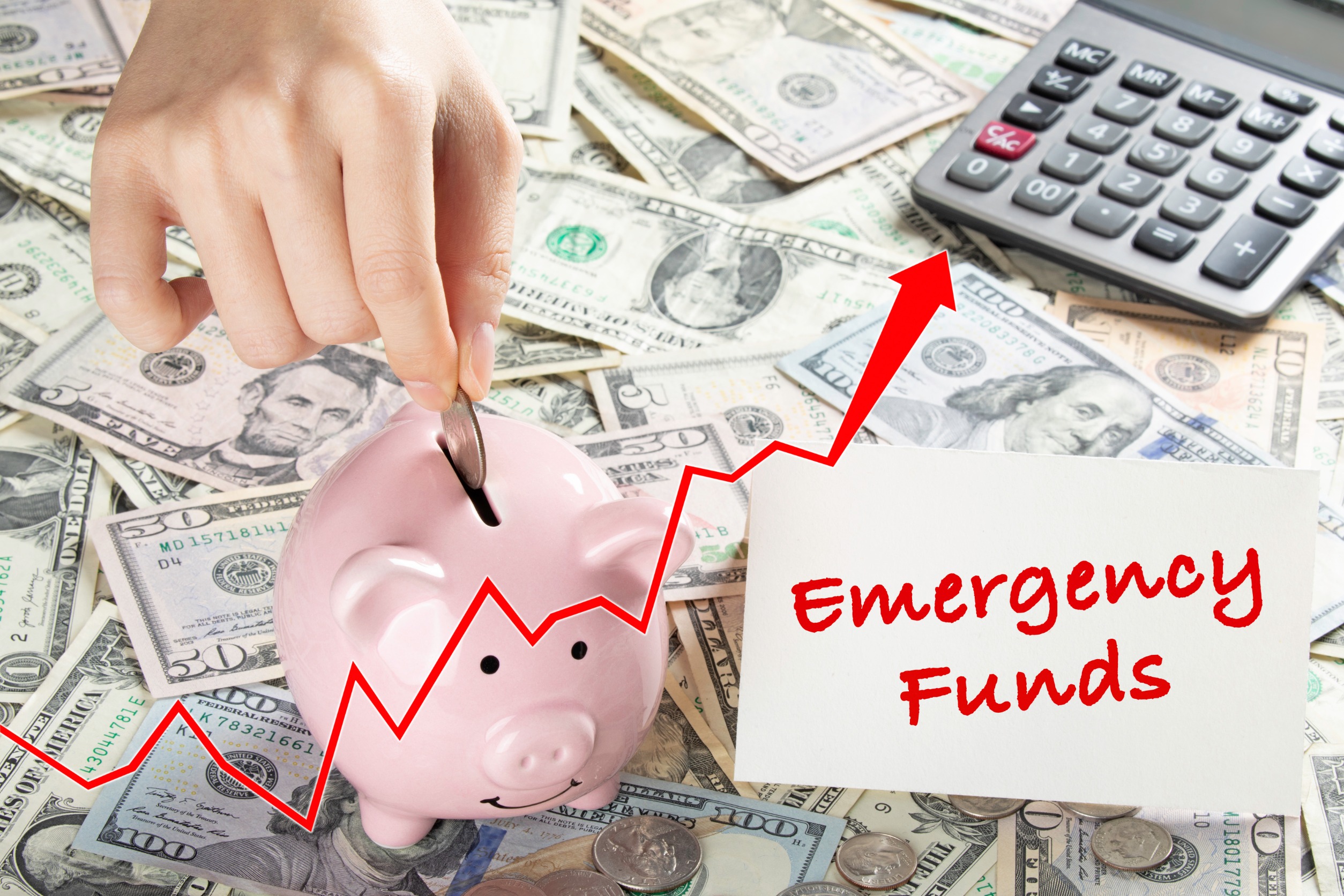
Why You Should Build Your Emergency Savings Account

May 7, 2024 By Erin H Leave a Comment

Protecting your finances starts with ensuring that you are prepared for any type of financial emergency that comes your way. It can be difficult to predict the future, but you can start an emergency fund to better protect your finances for those times in the future when life throws the unexpected your way. Here is why you need an emergency fund.

1. Peace of Mind

There are a lot of things that can come up unexpectedly in life that can ruin your finances. For example, an expensive vehicle mishap. According to Value Penguin, there are about 5 million car accidents in the United States annually. While generally if you are injured in a car accident there may be compensation available for economic and non-economic damages, but that may take a long time to get.

While you wait for a settlement from the insurance company after an accident, the bills still need to be paid. Knowing that you have an emergency fund to rely on can help reduce stress and provide peace of mind. Having your finances in order can improve any situation by bringing peace of mind.

2. Protecting Your Home

Many unforeseen emergencies happen in the home. Unfortunately, if you don’t have an emergency fund set up to cover things like a water heater replacement or another repair, the safety and function of your home will suffer. Addressing problems in your home as they arise protects your investment.

Having an emergency fund to cover the cost of repairs to your home will ensure that you are protecting your home investment. Roof problems are common for homeowners and can be expensive to fix. According to Roofer’s Guild, hailstorms and other weather events are the number one cause of roof damage. The United States experiences about 3,700 hailstorms annually. The risk is real that you may experience damage to your home that can tank your finances unless you are prepared.

3. Reduce Your Debt

An emergency fund not only protects your finances from being drained, but also keeps you from taking on debt. It is natural to reach for credit cards when an emergency pops up. However, using credit cards to pay for unexpected expenses can get very expensive. The interest that you will pay on a credit card makes whatever emergency you are experiencing far more expensive.

Avoiding debt is essential to build financial security. Starting an emergency fund to cover unexpected expenses will help you avoid credit card debt. Ultimately, an emergency fund will help to shore up your finances and help you save money.

4. Building Financial Stability

If you have been working toward financial stability, all that hard work can be for nothing, if you have not planned your emergency fund. Most people know how important it is to save money for their future. However, if you must tap into your savings for an emergency all that hard work is for nothing.

Changing your mindset about money and categorizing your money into different funds can help you build a stable financial future. Your plan should include an emergency fund or several different types of emergency funds. Dedicating your finances to different funds can help to avoid financial problems.

An emergency fund for the house, the car, medical expenses, and more can prove to be one of the best ways to protect and grow your finances. You can protect the things in life that are important to you, worry less, and ensure that when a financial emergency occurs you are fully prepared by starting an emergency fund. Luckily, emergencies don’t happen every day so you have time to feed your fund. Learn more ways to ensure your finances can provide the lifestyle you want now and in the future.

Filed Under: Uncategorized

Boomers Can Beat Being Broke By Using These 10 Out of The Box Ideas

April 11, 2024 By Catherine Reed Leave a Comment

Boomers Can Beat Being Broke By Using These 10 Out of The Box Ideas

As Baby Boomers navigate the complexities of retirement in today’s ever-changing economic landscape, many are discovering that traditional retirement savings plans may not suffice. Rising healthcare costs, increased life expectancy, and the volatile nature of the stock market necessitate creative strategies to ensure financial stability. Here are 10 out-of-the-box ideas that can help Boomers beat being broke.

1. Monetize Your Hobby

Monetize Your Hobby

Turning a lifelong passion into a source of income is fulfilling and it can also be lucrative. Whether it’s art, crafts, photography, or writing, online platforms like Etsy, eBay, and Amazon Kindle Direct Publishing offer global marketplaces to sell your products or services. This not only provides a supplementary income but also keeps the mind active and engaged.

2. Become a Consultant

Become a Consultant

Boomers’ wealth of knowledge and experience is invaluable, especially in industries where wisdom and expertise are revered. Offering consulting services on a freelance basis can not only be financially rewarding but also provides the flexibility to work on your terms. Networking within your industry and leveraging platforms like LinkedIn can help identify consulting opportunities.

3. Tap Into the Sharing Economy

Tap Into the Sharing Economy

The rise of the sharing economy has opened new avenues for generating income, with platforms like Airbnb, Uber, and Rover leading the way. Renting out a spare room, driving part-time, or pet sitting can provide a steady income stream. These options offer flexibility, allowing Boomers to work as much or as little as they want.

4. Downsize Your Lifestyle

Downsize Your Lifestyle

Downsizing can lead to significant savings and a simpler, less stressful lifestyle. Selling a larger home to move into a smaller, more manageable space can reduce ongoing costs and potentially free up equity from your home to bolster your savings. Embracing minimalism can also lead to a more focused and fulfilling retirement.

5. Reverse Mortgage

Reverse Mortgage

A reverse mortgage allows Boomers to convert part of the home equity into cash without having to sell their houses. This option can provide a cushion for unexpected expenses and healthcare costs or even fund lifestyle enhancements. It’s crucial, however, to consult with a financial advisor to fully understand the implications and ensure it fits within your overall financial plan.

6. Invest in Lifelong Learning

Invest in Lifelong Learning

The digital age has democratized access to education, with numerous online platforms offering courses in everything from social media management to data science. Acquiring new skills can open up opportunities for part-time work or freelancing in high-demand fields. Lifelong learning keeps you mentally sharp and competitive in the job market, making it a win-win.

7. Explore Passive Income Streams

Explore Passive Income Streams

Developing passive income sources can provide financial security without the grind of a 9-to-5 job. This could be through dividend-paying stocks, real estate investments, or creating digital products such as e-books or online courses. The key is finding income streams that require little to no daily effort, ensuring they’re convenient, too.

8. Engage in Community and Cooperative Living

Engage in Community and Cooperative Living

Shared living arrangements can significantly reduce living expenses while also providing social benefits. This could involve moving into a co-housing community, where shared spaces supplement private homes, or simply renting out a room in your home. Such arrangements can help stretch retirement savings further.

9. Health is Wealth

Health is Wealth

Investing in your health can have significant financial benefits, reducing the likelihood of expensive medical treatments down the line. Regular exercise, a healthy diet, and preventive care can ward off chronic diseases and improve quality of life. Many community centers and gyms offer discounted rates for seniors, making it easier to stay active.

10. Volunteer in Exchange for Benefits

Volunteer in Exchange for Benefits

Many organizations offer non-monetary benefits to volunteers, such as free meals, lodging, or health insurance. This can be particularly beneficial for Boomers looking to travel and explore new cultures. Programs like the Peace Corps or local non-profits may offer stipends, housing allowances, or other forms of support in exchange for volunteer work.

Boomers Can Do More Than Beat Being Broke With These 10 Ideas!

Boomers Can Do More Than Beat Being Broke With These 10 Ideas!

These ten out-of-the-box ideas not only offer ways to beat being broke but also enrich the retirement years with new experiences, learning, and connections. By thinking creatively and leveraging the wealth of resources available, Boomers can secure a financially stable and fulfilling retirement.

Read More:

9 of the Most Common Reasons People End Up Broke

The Psychology of Poverty: 18 Surprising Effects of Being Broke on Your Mind

Filed Under: personal finance Tagged With: beat being broke, boomers, boost income, financial security, Personal Finance, Retirement, retirement income

9 of the Most Common Reasons People End Up Broke

April 3, 2024 By Catherine Reed Leave a Comment

Most Common Reasons People End Up Broke

In an era where financial literacy is more accessible than ever, the question arises: why do so many individuals still end up broke? This perplexing issue isn’t confined to any single demographic or geographic location; it spans across various segments of society. From unforeseen emergencies to lackluster financial planning, the reasons are manifold and multifaceted, and it’s important to consult a professional insolvency practitioner early on. Here, we delve into the nine most common reasons people end up broke, shedding light on the pitfalls that can lead to a precarious financial situation.

1. Lack of Emergency Savings

Lack of Emergency Savings

One of the fundamental principles of sound financial management is maintaining an emergency fund. Yet, many individuals find themselves unprepared for unexpected expenses such as medical emergencies, car repairs, or sudden job loss. The absence of a safety net can quickly escalate into a cycle of debt as people turn to high-interest credit options, leading to a precarious financial situation that’s hard to escape.

2. Living Beyond Means

Living Beyond Means

In a society that often equates success with material possessions, living beyond one’s means has become a widespread issue. The allure of instant gratification, coupled with the ease of access to credit, tempts many into a lifestyle they cannot afford. The accumulation of unnecessary debt for luxuries rather than necessities is a direct pathway to financial distress.

3. Inadequate Financial Literacy

Inadequate Financial Literacy

Despite the wealth of information available, a significant portion of the population lacks basic financial literacy. This gap in knowledge can lead to poor financial decisions, such as high-risk investments without understanding the market or failing to read the fine print on loan agreements. Financial education is crucial in empowering individuals to make informed decisions and avoid pitfalls that could lead to being broke.

4. Failure to Budget and Plan

Failure to Budget and Plan

Budgeting is the cornerstone of financial stability, yet it’s often overlooked. Without a clear understanding of income versus expenses, saving becomes an afterthought, and overspending becomes the norm. This lack of planning not only impedes the ability to save for future goals but also increases vulnerability to falling into debt.

5. High Cost of Living

High Cost of Living

In many urban areas, the cost of living has skyrocketed, outpacing income growth. Housing, healthcare, and education costs can consume a significant portion of income, leaving little room for savings. This economic squeeze can force individuals into a paycheck-to-paycheck existence with no buffer for financial shocks.

6. Poor Debt Management

Poor Debt Management

Debt, if not managed wisely, can become a relentless burden, particularly when high-interest debts such as credit card balances are involved, which can snowball and consume an ever-larger portion of one’s income. Without a strategic approach to debt reduction, such as prioritizing high-interest debts, seeking lower interest rates, or consolidating loans, individuals can find themselves in a deep financial hole, struggling to climb out and regain their financial footing.

7. Job Loss or Reduced Income

Job Loss or Reduced Income

The volatility of the job market can lead to unexpected unemployment or a reduction in income, drastically altering one’s financial landscape and making it difficult to meet even basic living expenses. Without adequate savings or a contingency plan, this sudden loss of income can lead to rapid financial decline – pushing individuals toward the brink of insolvency – and underscoring the importance of having a financial buffer in today’s unpredictable economy.

8. Medical Expenses

Medical Expenses

Even with health insurance, medical emergencies can lead to substantial out-of-pocket expenses, often catching individuals off guard. In countries without comprehensive healthcare, a single medical emergency can wipe out savings and lead to crippling debt, illustrating the precarious balance between health and financial well-being.

9. Lack of Diversified Income Streams

Lack of Diversified Income Streams

Reliance on a single source of income is increasingly risky in today’s dynamic economic environment. Job security is no longer a given, and unexpected disruptions can lead to a complete loss of income. Diversifying income streams, whether through investments, side gigs, or acquiring new skills, can provide a financial cushion and reduce the risk of ending up broke.

Avoiding Pitfalls That Cause People to End Up Broke

Avoiding Pitfalls That Cause People to End Up Broke

The journey to financial stability is fraught with challenges, yet understanding the common pitfalls can serve as the first step toward avoiding them. By fostering financial literacy, living within one’s means, and adopting prudent financial practices, individuals can navigate the complexities of personal finance and steer clear of the perilous path that leads to being broke. In a world where economic uncertainties abound, preparedness and knowledge remain our most reliable allies.

Read More:

The Psychology of Poverty: 18 Surprising Effects of Being Broke on Your Mind

Why Being Broke in Your 20s Can Be the Best Thing for Your Future: 13 Reasons

Filed Under: personal finance, ShareMe Tagged With: being broke, broke, financial challenges, financial problems, financial uncertainty, no money, Personal Finance

  • « Previous Page
  • 1
  • …
  • 24
  • 25
  • 26
  • 27
  • 28
  • …
  • 40
  • Next Page »
  • Facebook
  • Pinterest
  • RSS
  • Twitter

Improve Your Credit Score

Money Blogs

  • Celebrating Financial Freedom
  • Christian PF
  • Dual Income No Kids
  • Financial Panther
  • Gajizmo.com
  • Lazy Man and Money
  • Make Money Your Way
  • Money Talks News
  • My Personal Finance Journey
  • Personal Profitability
  • PF Blogs
  • Reach Financial Independence
  • So Over Debt
  • The Savvy Scot
  • Yes, I am Cheap

Categories

Disclaimer

Please note that Beating Broke has financial relationships with some of the merchants mentioned here. Beating Broke may be compensated if consumers choose to utilize the links located throughout the content on this site and generate sales for the said merchant.

Visit Our Advertisers

Need to change careers? Consider an Accounting Certificate Program from WTI.