Beating Broke

Personal Finance from the Broke Perspective

  • Home
  • About
  • We Recommend
  • Contact
  • Privacy Policy

Powered by Genesis

10 Credit Card Traps That Can Land You in Debt

May 10, 2024 By Shay Huntley Leave a Comment

Credit cards can be convenient, but they often come with hidden pitfalls that can trap you in debt. Understanding these 10 common credit card traps will empower you to make better financial decisions. By recognizing the dangers of high interest rates, late fees, and other tricky charges, you can take proactive steps to avoid falling victim to these financial pitfalls. Let’s dive into each trap and uncover strategies to sidestep them.

1. High-Interest Rates
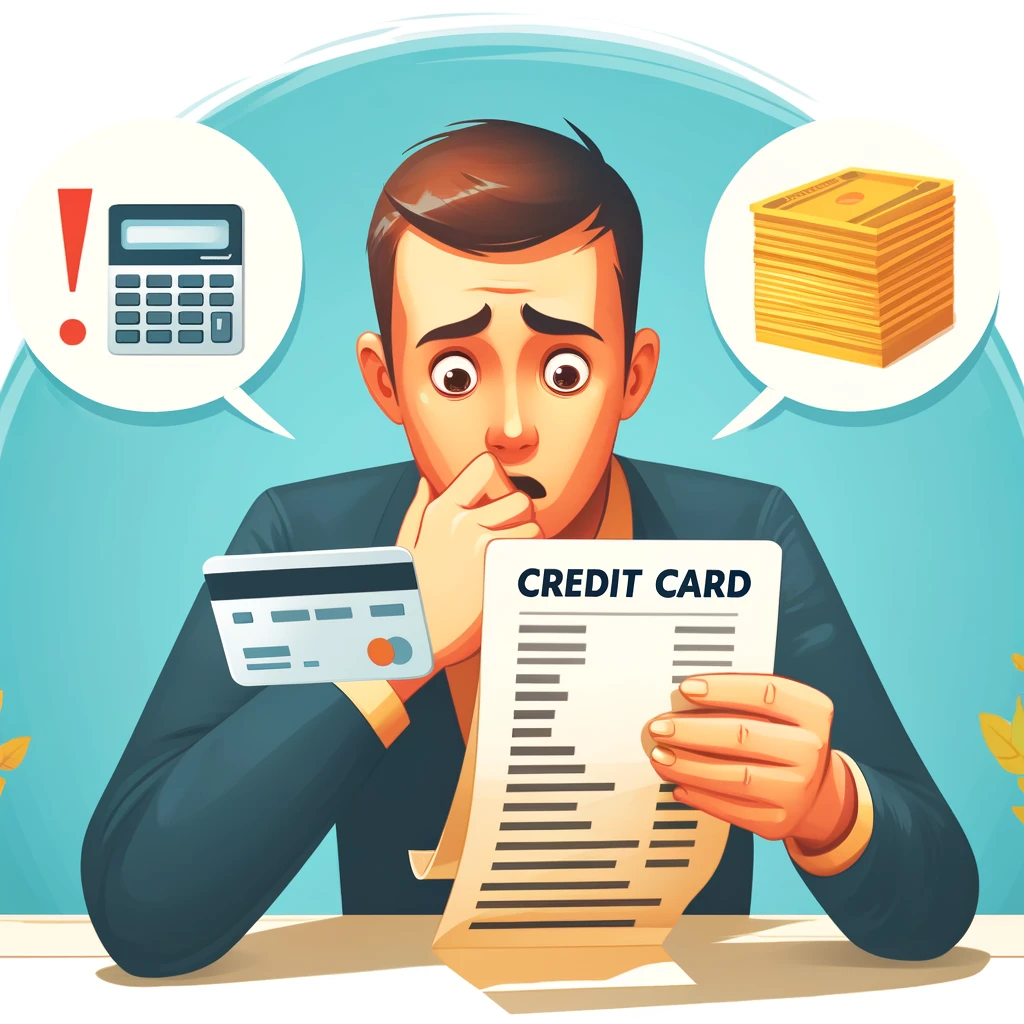
Credit cards usually come with high interest rates. If you keep a balance on your card, the interest charges can accumulate very quickly. This credit card trap can make even small purchases very expensive in the long run. To avoid this problem, it is important to pay off your balance in full every month and to understand your card’s APR.

2. Minimum Payments

Paying only the minimum leaves the balance mostly untouched. Interest continues to accrue, leading to more debt. The result is paying significantly more than your original balance. Avoid this credit card trap by paying more than the minimum.

3. Late Payment Fees

Ensuring timely payments on credit card bills is crucial to maintaining a healthy credit score and avoiding costly penalties. Late payments can accrue interest charges and other fees, making it harder to pay off the debt over time. To avoid these financial pitfalls, it’s important to take proactive steps such as setting reminders or automating payments. With careful financial management, you can stay on top of your credit card balances and avoid falling into the debt trap.

4. Cash Advances

While cash advances are a tempting option in times of financial need, it is important to remember that they come with high fees. They also incur immediate interest charges. These charges can quickly add up and lead to significant debt if not managed properly. As such, it is advisable to use cash advances only as a last resort when no other funding options are available.

5. Balance Transfer Fees

Before you transfer your credit card balance to a lower-interest-rate card, consider the costs involved. While saving money on interest may seem smart, transfer fees can be costly and may outweigh any potential savings. It is important to evaluate the long-term impact of this credit card trap before making any decisions. So, take the time to carefully consider all the factors and make an informed decision.

6. Foreign Transaction Fees

Using your credit card abroad can incur steep foreign transaction fees. These fees often exceed 3% per transaction. Avoid this trap by finding cards without foreign transaction fees or using local currency options.

7. Introductory Offers

Promotional offers can be tempting, but their limited lifespan means that once they expire, interest rates can skyrocket. To avoid this pitfall, make sure to carefully read the conditions of the introductory offers and take note of the expiration date.

8. Reward Program Temptations
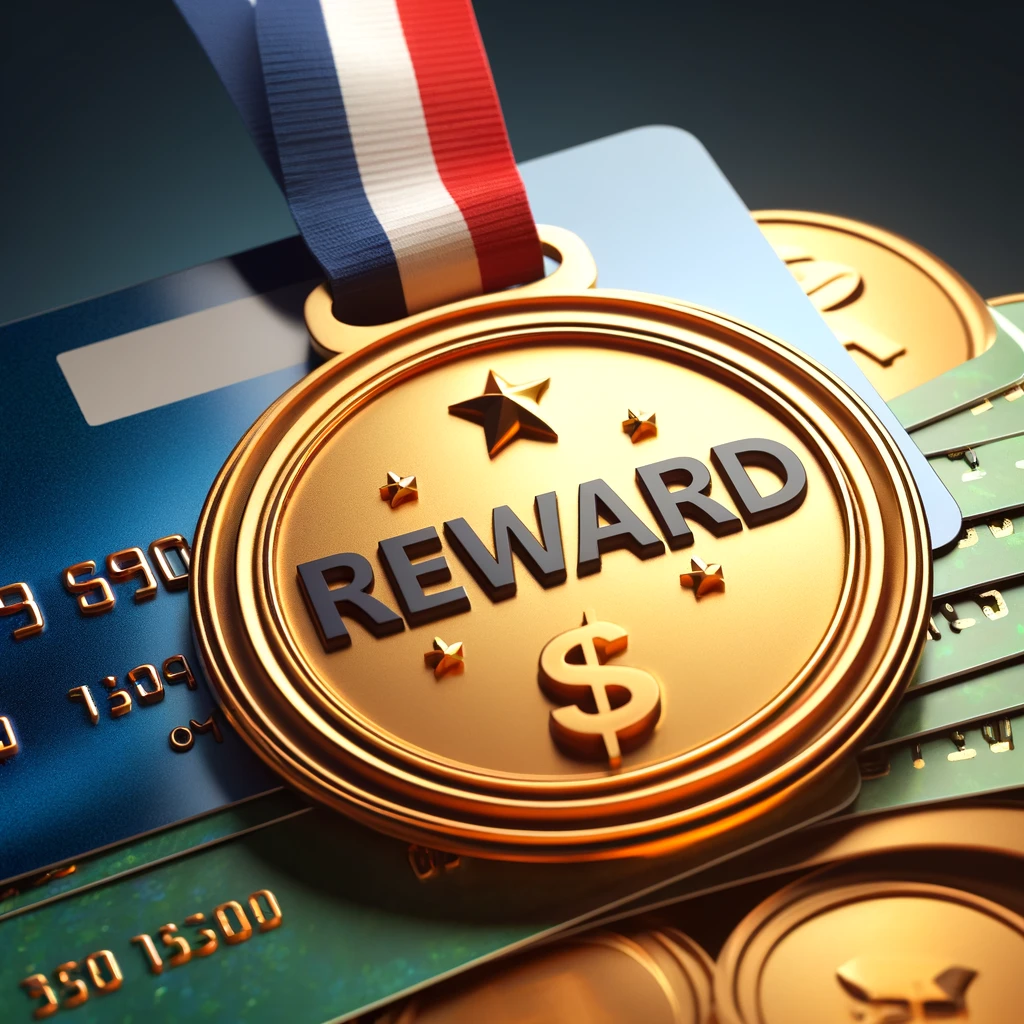
Spending only to earn rewards or cash back can easily lead to unnecessary debt. This credit card trap preys on the desire to get the most out of your card. Only buy what you need and pay off the balance fully each month.

9. Over-the-Limit Fees

123rf

It’s important to stay within your credit limit to avoid over-the-limit fees. Some credit cards allow you to spend beyond your limit, but they charge high fees for doing so. Keep track of your spending to avoid worsening your financial situation.

10. Ignoring Statements

Failing to review statements can mean missing unauthorized charges or errors. Monitor your statements regularly to spot potential issues early. By staying informed, you can avoid letting small problems snowball into larger financial pitfalls.

Break Free from Credit Card Traps

Recognizing these credit card traps is the first step toward financial freedom. Stay informed, make sound financial decisions, and use credit cards responsibly.

Read More

Dave Says: It’s a Credit Card Addiction

8 Ways to Take Care of Your Aging Back Without Breaking the Bank

Shay Huntley
Shay Huntley

Shatel Huntley has a Bachelor’s degree in Criminal Justice from Georgia State University. In her spare time, she works with special needs adults and travels the world. Her interests include traveling to off-the-beaten-path destinations, shopping, couponing, and saving.


Filed Under: credit cards Tagged With: Cash Advances, Credit Card Traps, debt management, financial freedom, High-Interest Rates, Late Payment Fees

10 Effective Ways to Cancel Your Student Loan Debt

May 8, 2024 By Shay Huntley Leave a Comment

Student loan debt has become a significant challenge for millions, limiting career choices and delaying important life milestones. As the weight of repayment presses down, it’s essential to explore effective ways to alleviate this financial burden. The following comprehensive guide will walk you through 10 powerful strategies to cancel or reduce your student loan debt. With the right approach and resources, you can regain financial freedom and focus on achieving your career and life goals. Let’s dive in to start your journey toward a debt-free future!

1. Income-Driven Repayment Plans


Consider switching to an income-driven repayment plan to better manage your student loan debt. These plans adjust your monthly payment based on your income, which can make them more affordable. Additionally, after 20-25 years of regular payments, you may be eligible for student loan forgiveness. In some cases, the forgiven amount isn’t taxable. This repayment plan can also help prevent default and is only available for federal loans.

2. Public Service Loan Forgiveness (PSLF)

This program is perfect if you’re employed in the public sector or a nonprofit. You just need to make 120 qualifying payments while working full-time for an eligible employer. After 10 years, your remaining balance is forgiven. The program covers various fields like healthcare, education, and law enforcement. The eligibility requirements are strict, so follow the guidelines carefully.

3. Teacher Loan Forgiveness Program

Teachers in low-income schools can benefit significantly from this option. You must teach full-time for five consecutive years in a qualifying school. If eligible, you could have up to $17,500 of your student loans forgiven. The program applies to both direct subsidized and unsubsidized loans.

4. Military Student Loan Forgiveness Programs

Military service members can benefit from different student loan forgiveness programs. The National Defense Student Loan Discharge is one. Members of the Army, Navy, Air Force, and other branches may qualify. Each branch has unique programs, so consult the military education benefits office.

5. Employer Repayment Assistance

Some companies provide student loan repayment assistance as a benefit. Employers often match your monthly payments or provide lump-sum contributions. This benefit is becoming more common, especially in tech and finance.

6. State-Based Forgiveness Programs

Many states offer their forgiveness programs for student loans. These are particularly beneficial if you work in high-need areas like teaching, healthcare, or law. State governments often provide a partial or complete waiver of student debt for qualifying residents. Check your state’s official website for detailed requirements.

7. Disability Discharge

Borrowers with severe disabilities can qualify for Total and Permanent Disability (TPD) discharge. Applicants must submit a certification from a physician, the SSA, or the VA. Once approved, you’re released from paying back your federal student loans. Review the eligibility conditions and application process thoroughly before applying.

8. Closed School Discharge

You can apply for closed-school discharge if your school closes while enrolled. The program cancels the debt entirely if you can’t finish your program due to the closure. You may also qualify if the school closed shortly after your withdrawal.

9. Bankruptcy Discharge (In Rare Cases)

Although rare, you could have your student loans discharged in bankruptcy. Proving “undue hardship” is challenging, but the courts may consider severe medical conditions, disability, or extreme financial struggles. Consult an attorney specializing in student loan bankruptcy for advice.

10. Seek Refinancing or Consolidation

Refinance your loans to lower interest rates and save thousands over time. This is ideal if you have high-interest private loans. Federal loan consolidation combines multiple federal loans into one, simplifying your payments. Note that refinancing federal loans through a private lender may affect your eligibility for student loan forgiveness.

Start Your Path to Student Loan Forgiveness Now


Ready to tackle your debt and seek student loan forgiveness? Research these strategies further and consult financial experts to see which is best for you. Start today and work towards a debt-free future!

Read More

Tips for Avoiding Student Loan Debt

10 Baby Boomer Life Skills That Are Useless Today

Shay Huntley
Shay Huntley

Shatel Huntley has a Bachelor’s degree in Criminal Justice from Georgia State University. In her spare time, she works with special needs adults and travels the world. Her interests include traveling to off-the-beaten-path destinations, shopping, couponing, and saving.

Filed Under: Student Loans Tagged With: debt relief, education loans, financial planning, loan forgiveness programs, public service loan forgiveness, student loan forgiveness

12 Words That Were Added to the Dictionary Because of Social Media

May 6, 2024 By Shay Huntley Leave a Comment


In the digital era, social media is not just reshaping our social interactions but is also significantly influencing the lexicon of the English language. This article explores twelve words that have become so prevalent in the realm of social media that they’ve been officially recognized and added to dictionaries. These words reflect the evolving way we communicate, share, and exist online, each carrying its own story of adaptation and significance in the digital age.

1. Selfie

Selfie, a self-portrait taken by oneself. It skyrocketed in popularity with the rise of platforms like Instagram and Snapchat. The term was officially added to the dictionary due to its ubiquitous usage across social media platforms. Selfies became a cultural phenomenon, shaping how individuals present themselves online.

2. Emoji

Emojis are small digital images or icons used to express emotions. They revolutionized online communication by adding nuance and emotion to text-based conversations. The widespread adoption of emojis led to their inclusion in dictionaries as essential elements of digital language.

3. Hashtag

Hashtag, a word or phrase preceded by the pound sign (#) used to categorize content, originated on Twitter and gained traction across various social media platforms. It transformed how users discover and engage with content on social media. Its integration into everyday language prompted its inclusion in dictionaries as a symbol of digital culture.

4. Influencer

Influencer, an individual who has the power to affect the purchasing decisions of others due to their authority, knowledge, position, or relationship with their audience, became synonymous with social media personalities. The term gained popularity as brands collaborated with influencers to promote products and services. Its widespread usage led to its recognition in dictionaries as a profession shaped by social media.

5. Meme

Meme, an element of culture or system of behavior passed from one individual to another by imitation or other non-genetic means. They spread rapidly, shaping online conversations and reflecting societal trends. Their significance in digital culture warranted their inclusion in dictionaries as a form of modern expression.

6. Troll

Troll, an individual who intentionally antagonizes others online by posting inflammatory, irrelevant, or offensive comments. Trolling behavior disrupted online communities and prompted discussions about digital etiquette. The term’s prevalence in online discourse led to its addition to dictionaries as a phenomenon influenced by social media.

7. Like

Like, a feature allowing users to indicate their approval or appreciation for online content, became a ubiquitous element of social media platforms. Likes served as a form of validation and feedback for users, shaping their online interactions. The concept of liking content transcended platforms.

8. Tweet

Tweet, a message posted on Twitter containing text, images, or videos, became synonymous with microblogging and real-time updates. Twitter’s influence on public discourse elevated the term’s significance, warranting its inclusion in dictionaries. Tweets became a vehicle for news, opinions, and conversations, reflecting the impact of social media on language.

9. Retweet

Retweet, the act of sharing someone else’s tweet on one’s own Twitter feed, emerged as a key feature of Twitter’s ecosystem. It facilitated the rapid dissemination of information and amplified voices within the platform.

10. Unfriend

Unfriend, the act of removing someone from one’s list of social media connections, gained prominence with the growth of social networks like Facebook. It symbolized the complexities of online relationships and social dynamics.

11. DM

DM, an abbreviation for direct message, refers to private communication between users on social media platforms. DMs provided a discreet means of interaction, fostering intimate conversations and connections online. The term’s widespread usage across platforms prompted its recognition in dictionaries as a fundamental feature of social media communication.

12. FOMO

FOMO, an acronym for fear of missing out, encapsulates the anxiety individuals feel when they perceive others are having rewarding experiences from which they are absent. Social media exacerbated FOMO by showcasing curated and often idealized versions of others’ lives.

Explore the Evolution of Language in the Digital Age

Social media has significantly affected language and communication, as seen by the addition of 12 words to dictionaries. As digital culture evolves, more words will likely be added to highlight the dynamic relationship between technology and language. Accepting these changes helps us navigate the digital world and appreciate the new words that have emerged due to social media.

Read More

5 Reasons to Embrace Social Media

The Top 15 Unique Food and Drink Products That Are Taking Over Social Media


Shay Huntley
Shay Huntley

Shatel Huntley has a Bachelor’s degree in Criminal Justice from Georgia State University. In her spare time, she works with special needs adults and travels the world. Her interests include traveling to off-the-beaten-path destinations, shopping, couponing, and saving.

Filed Under: social media usage Tagged With: Dictionary, language, Online Trends, social media, Vocabulary, Words That Were Added to the Dictionary Because of Social Media

  • « Previous Page
  • 1
  • …
  • 5
  • 6
  • 7
  • 8
  • Next Page »
  • Facebook
  • Pinterest
  • RSS
  • Twitter

Improve Your Credit Score

Money Blogs

  • Celebrating Financial Freedom
  • Christian PF
  • Dual Income No Kids
  • Financial Panther
  • Gajizmo.com
  • Lazy Man and Money
  • Make Money Your Way
  • Money Talks News
  • My Personal Finance Journey
  • Personal Profitability
  • PF Blogs
  • Reach Financial Independence
  • So Over Debt
  • The Savvy Scot
  • Yes, I am Cheap

Categories

Disclaimer

Please note that Beating Broke has financial relationships with some of the merchants mentioned here. Beating Broke may be compensated if consumers choose to utilize the links located throughout the content on this site and generate sales for the said merchant.

Visit Our Advertisers

Need to change careers? Consider an Accounting Certificate Program from WTI.