Beating Broke

Personal Finance from the Broke Perspective

  • Home
  • About
  • We Recommend
  • Contact
  • Privacy Policy

Powered by Genesis

Weathering Life’s Storms: How an Emergency Fund Can Protect Your Financial Future

May 2, 2024 By Susan Paige Leave a Comment

Life is unpredictable; no matter how well we plan, unexpected events can occur anytime. From job losses and medical emergencies to car repairs and home maintenance issues, these unexpected expenses can quickly derail our financial stability. In such situations, having an emergency fund can be a lifesaver, providing a crucial buffer against life’s curveballs and protecting our financial future. 

This article explores the importance of an emergency fund and offers practical tips for building and maintaining one.

The Importance of an Emergency Fund

An emergency fund is a dedicated savings account designed to cover unforeseen expenses. It serves as a financial safety net, preventing you from going into debt or dipping into your retirement savings when faced with unexpected costs. Here are a few reasons why an emergency fund is essential:

  1. Avoid High-Interest Debt: Without an emergency fund, you may be forced to rely on credit cards or personal loans to cover unexpected expenses. These options often come with high interest rates, which can quickly spiral into a cycle of debt that is difficult to break free from.
  2. Maintain Financial Stability: Life’s storms can strike anytime, and an emergency fund can help you weather them without disrupting your regular financial obligations, such as rent or mortgage payments, utility bills, and other essential expenses.
  3. Reduce Stress and Anxiety: Knowing you have a financial cushion to fall back on can provide peace of mind and reduce the stress and anxiety associated with unexpected expenses.

Determining the Size of Your Emergency Fund

There is no one-size-fits-all approach to determining the ideal size of your emergency fund. However, most financial experts recommend having enough savings to cover three to six months of living expenses. This amount can vary based on your circumstances, such as your job stability, income level, and potential risk factors.

If you have a stable job and a low risk of job loss, you may be comfortable with a smaller emergency fund, perhaps three months’ worth of expenses. However, if you are self-employed, have a variable income, or work in a volatile industry, it’s wise to aim for a larger emergency fund, potentially six months’ worth of expenses or more.

Building Your Emergency Fund

Building an emergency fund takes time and discipline, but it’s an investment in your financial security. Here are some strategies to help you build your emergency fund:

  1. Start Small: Don’t be discouraged if you can’t contribute a large sum right away. Start with whatever amount you can afford, even if it’s just $50 or $100 per month. Consistency is key, and small contributions can add up over time.
  2. Automate Your Savings: Set up automatic transfers from your checking account to your emergency fund account. This way, you won’t have to remember to transfer the money manually, and the savings will happen without much effort.
  3. Prioritize Your Emergency Fund: Treat your emergency fund contribution as a non-negotiable expense, like your rent or mortgage payment. Make it a priority in your budget, and contribute to it before allocating money for discretionary spending.
  4. Leverage Windfalls and Bonuses: If you receive a tax refund, bonus from work, or any other unexpected income, consider putting a portion or all of it towards your emergency fund.

Maintaining Your Emergency Fund

Once you’ve built your emergency fund, it’s essential to maintain and replenish it when necessary. Here are a few tips for maintaining your emergency fund:

  1. Replenish After Use: If you need to dip into your emergency fund, make it a priority to replenish it as soon as possible. This will ensure that you’re prepared for the next unexpected expense.
  2. Adjust for Changing Circumstances: Review your emergency fund periodically and adjust the target amount as your living expenses or financial situation changes. For example, if you get a raise or take on additional financial responsibilities, you may need to increase your emergency fund accordingly.
  3. Separate from Other Savings: Keep your emergency fund separate from other savings accounts, such as retirement or long-term savings. This will prevent you from inadvertently spending your emergency fund on non-emergency expenses.

Navigating the Complexities of Trade Credit

While it’s prudent to establish and nurture an emergency fund, it’s equally important to understand the nuances of trade credit and its role in your financial strategy. Trade credit, the credit extended by suppliers or vendors for goods or services, can serve as a valuable resource during periods of cash flow constraints.

However, it’s essential to recognize that trade credit should complement your emergency fund, not replace it. Relying excessively on trade credit may strain relationships with suppliers and potentially incur additional interest charges. Moreover, consistent failure to meet payment obligations could result in legal ramifications.

By striking a balance between utilizing trade credit judiciously and maintaining a robust emergency fund, you can fortify your financial stability and foster mutually beneficial relationships with suppliers.

Conclusion

Life is full of unexpected twists and turns, and an emergency fund can be a powerful tool to help you navigate these challenges with confidence. By building and maintaining an adequate emergency fund, you can protect your financial future, avoid high-interest debt, and maintain financial stability even in the face of life’s storms. Building your emergency fund may take time and discipline, but the peace of mind and financial security it provides are invaluable.

Remember, an emergency fund is an investment in your financial well-being, and by prioritizing it, you’ll be better equipped to weather any storms that come your way.

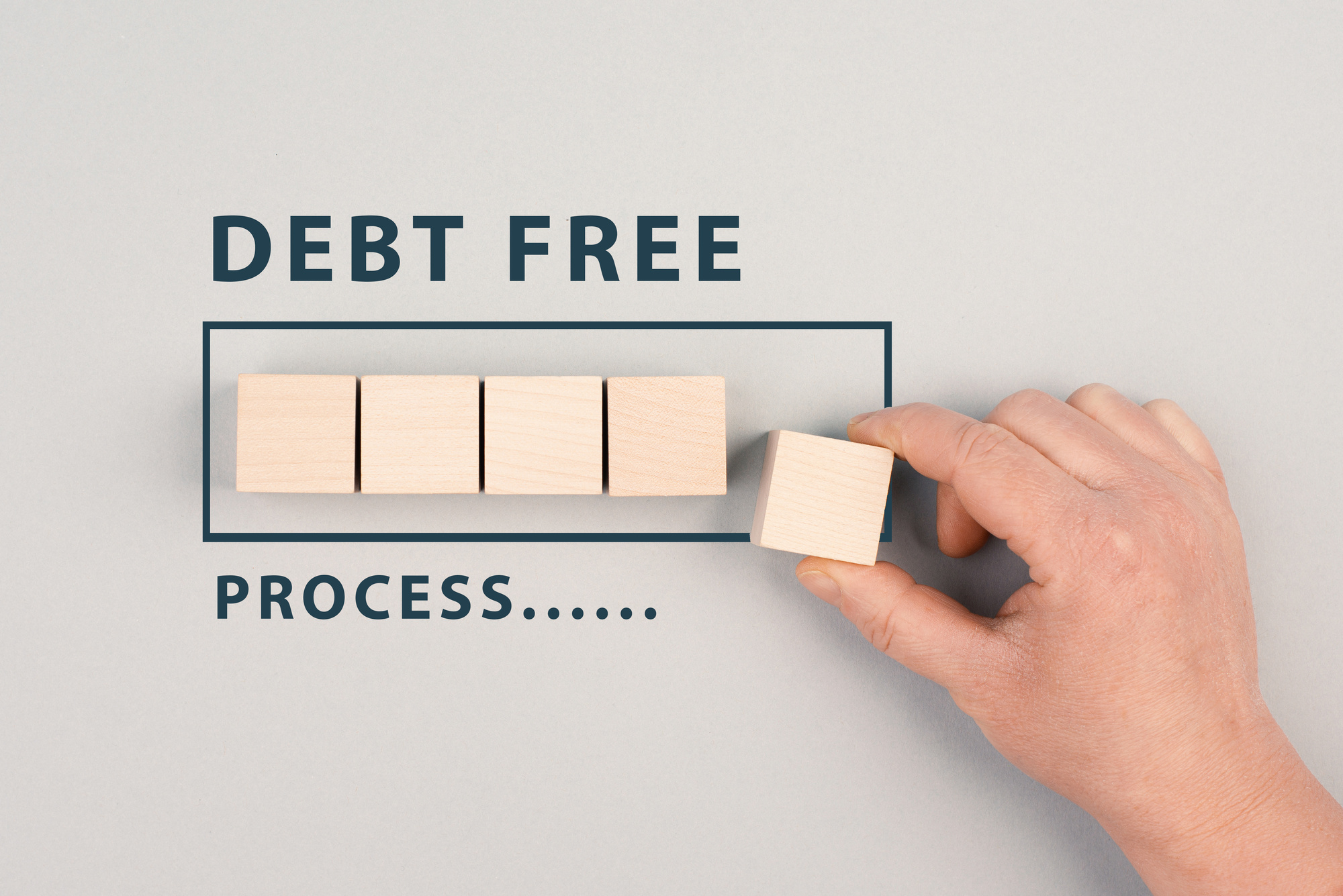
 

Filed Under: Uncategorized

Debt Management 101: How To Break Free From Debt And Reclaim Your Finances

March 13, 2024 By Susan Paige Leave a Comment

Debt Management Plan – linear text arrow concept with notebook, smartphone, pens and coffee mug on desktop – 3d render illustration.

In the modern world, debt is often viewed as a necessary tool—a means to achieve your goals. Yet, when it spirals out of control, it feels like a relentless tide, pulling you away from your financial objectives.  Whether tackling credit card debt, student loans, or personal loans, the core principles of debt management remain the same. 

By understanding and implementing effective debt management principles, you have the opportunity to rewrite your financial narrative and embrace a future filled with opportunities.   This guide is crafted to provide you with the knowledge and tools necessary to confront your debt, transform your financial habits, and regain mastery over your finances. With commitment and the right strategies, breaking free from the clutches of debt and moving toward a prosperous future is entirely achievable. 

  • Understand Your Debt 

To conquer your debt, fully comprehending it is crucial. Begin by compiling a detailed list of all your debts, noting amounts, interest rates, and due dates. This transparency forms the foundation of your debt management strategy. It’s vital to distinguish between ‘good’ debt, like mortgages or student loans, which are investments in your future, and ‘bad’ debt, such as high-interest credit cards, which can hinder your financial progress. 

Creating a budget is your next step. It’s essential to understand your monthly financial inflow and outflow clearly. Diligently track your income and expenses, identifying potential savings areas. Reducing dining out or delaying vacations are temporary sacrifices for a more secure financial future. As you refine your budget, ensure a portion is designated for debt reduction.  

Consistent payments, even modest ones, can significantly impact your debt over time. Enhancing your financial literacy is invaluable at this stage. Explore additional resources on debt management strategies and financial planning. Such recommended reading can offer fresh insights and methods to refine your debt-elimination approach. Indeed, knowledge is power, especially regarding managing your finances. 

  • Create A Debt Repayment Plan 

Crafting a systematic debt repayment plan is your next critical step. Familiar strategies like the debt snowball and debt avalanche offer distinct paths. The snowball approach suggests clearing your smallest debts first, generating momentum as each balance is wiped clean. Conversely, the avalanche method targets debts with the highest interest rates, optimizing your financial outlay over time. Select the plan that aligns with your financial circumstances and motivational style. 

Employing automation can revolutionize your debt-elimination journey. Setting up automatic payments ensures timely contributions toward your debts, safeguarding your credit rating and avoiding late fees. Automation also curtails the temptation to reallocate these funds elsewhere. 

Flexibility in your plan is imperative. Life’s unpredictability necessitates occasional adjustments to your strategy. Regularly reassess your budget and debt reduction progress, and be ready to recalibrate your approach as your financial situation evolves. Adaptability is critical to sustaining momentum toward achieving a debt-free status. 

  • Reduce Interest Rates And Negotiate With Creditors 

Lowering the interest rates on your debts can significantly accelerate your repayment progress. Negotiating with creditors for lower rates can be effective, especially if you have a history of timely payments. Debt consolidation offers another strategic route, potentially consolidating various debts into a single loan with a lower interest rate.  

This not only reduces your interest outlay but also simplifies your monthly payments. When considering balance transfer credit cards for high-interest debts, remember to account for any transfer fees and the eventual standard interest rate after the promotional period. 

  • Increase Your Income 

Generating extra income through your skills or hobbies can also be fulfilling. Whether it’s online tutoring, crafting, or freelance writing, leveraging what you’re passionate about can make the additional work more enjoyable.  

The key is to channel these extra earnings toward your debt, using this increased cash flow to quicken your pace toward financial freedom. The objective is to use this additional income judiciously, ensuring that every extra dollar serves your goal of debt elimination. 


  • Stay Motivated And Track Your Progress 

The journey to debt freedom is often lengthy, and demands sustained motivation. Celebrate each milestone, no matter how small. Whether it’s paying off a specific credit card or reducing your overall debt by a certain percentage, each success is a step closer to your goal.  

These achievements provide a sense of progress and invigorate your commitment to continue. Utilizing tools or apps to monitor your debt reduction can offer tangible evidence of your financial advancements. Visualizing your decreasing debt and increasing net worth can provide significant motivational boosts.  

Surround yourself with a supportive network—friends or family members who understand your goals and provide encouragement. Their support can be invaluable during moments of doubt or discouragement. 

In Conclusion 

Liberating yourself from debt is a transformative journey that can profoundly enhance your life’s quality. Each step forward in paying down your debt is a stride toward reclaiming your financial autonomy and constructing a future filled with possibilities. Stay dedicated, remain focused, and anticipate the day you can declare with pride, ‘I am debt-free.’


Filed Under: Debt

Challenges Persist for the North American Household Debt Ratio

February 7, 2024 By Susan Paige Leave a Comment

Woman using calculator holding paper bills calculating planning expenses money payments concept, female hands counting data vat taxes cost doing paperwork at home office table, close up view

Your debt ratio, also known as the debt-to-income ratio measures the proportion of your income dedicated to servicing debt. Fitch Ratings predicts that the ratio of total debt service to income for U.S. households will rise from 9.9% in 2022 to 11.7% by 2025 with the average American debt currently standing at $59,580.


On the other hand, according to Statistics Canada, in the third quarter of 2023, the amount Canadians owe relative to their income slightly decreased. The household credit market debt as a percentage of household disposable income dropped to 181.6%, on a seasonally adjusted basis, down from 181.9% in the second quarter. In simpler terms, for every dollar of household disposable income, Canadians owed $1.82 in credit market debt. 


While the situation has slightly improved for Canadians, it seems that the majority of North American households still have many hurdles to overcome. To maintain a healthy financial profile, it’s essential to be aware of common pitfalls that can adversely affect your debt-to-income ratio.

Accumulating High-Interest Debt: The Silent Saboteur


One of the most common pitfalls is accumulating high-interest debt without a clear repayment strategy. High-interest debts, such as credit card balances, can quickly spiral out of control and significantly increase your debt ratio. To avoid this, prioritize paying off high-interest debts first and consider negotiating lower interest rates with creditors.

Ignoring the Impact of Lifestyle Inflation

As your income increases, it’s easy to succumb to lifestyle inflation – upgrading your living standards without a corresponding increase in financial responsibility. This can lead to higher expenses and, consequently, a higher debt ratio. It’s crucial to resist the temptation of unnecessary expenditures and maintain a lifestyle that aligns with your financial goals.

Failing to Build and Maintain an Emergency Fund

Life is unpredictable, and unexpected expenses can arise at any time. Failing to build and maintain an emergency fund can force you to rely on credit cards or loans when faced with unforeseen circumstances. According to Equifax Canada, it’s advisable that you save “three-to-six months of the equivalent of what you spend, or three-to-six months of your income in your emergency fund”. By having a robust emergency fund, you can handle unexpected expenses without negatively impacting your debt ratio.

Not Budgeting Effectively

A lack of budgeting or financial planning is a significant pitfall that many individuals fall into. Without a clear understanding of your income and expenses, it’s challenging to manage debt effectively. Create a realistic budget that accounts for all your financial obligations, including debt repayments, and stick to it diligently to avoid unnecessary debt accumulation.

Overlooking the Importance of Credit Scores

Your credit score plays a pivotal role in determining the interest rates you qualify for when seeking new credit. Overlooking the importance of maintaining a good credit score can result in higher interest rates for personal loans and, consequently, a higher debt ratio. Regularly monitor your credit score, address any discrepancies, and adopt habits that contribute to a positive credit history.

Consistently Borrowing from Retirement Funds

While borrowing from retirement funds might seem like a viable option during financial crises, it can have long-term consequences. Not only does it deplete your retirement savings, but it may also incur penalties and taxes. Explore alternative solutions before tapping into your retirement funds to maintain a healthy debt ratio and secure your financial future.

Falling Victim to Peer Pressure and Societal Expectations

Society often imposes certain expectations regarding lifestyle, possessions, and achievements. Falling victim to peer pressure and trying to keep up with societal norms can lead to unnecessary spending and debt accumulation. Focus on your financial goals and priorities rather than succumbing to external pressures.

Maintaining a healthy debt ratio is a fundamental aspect of sound financial management. By being aware of common pitfalls and taking proactive steps to avoid them, you can safeguard your financial well-being. In doing so, you’ll be better positioned to achieve your financial goals and enjoy a more secure financial future.

If you find yourself in a situation where your debt seems insurmountable, reaching out to a licensed insolvency trustee can provide guidance on potential debt relief solutions and help you navigate the path to financial recovery. Seeking professional assistance is a proactive step towards regaining control of your financial future.


Filed Under: Uncategorized

  • « Previous Page
  • 1
  • …
  • 8
  • 9
  • 10
  • 11
  • 12
  • …
  • 49
  • Next Page »
  • Facebook
  • Pinterest
  • RSS
  • Twitter

Improve Your Credit Score

Money Blogs

  • Celebrating Financial Freedom
  • Christian PF
  • Dual Income No Kids
  • Financial Panther
  • Gajizmo.com
  • Lazy Man and Money
  • Make Money Your Way
  • Money Talks News
  • My Personal Finance Journey
  • Personal Profitability
  • PF Blogs
  • Reach Financial Independence
  • So Over Debt
  • The Savvy Scot
  • Yes, I am Cheap

Categories

Disclaimer

Please note that Beating Broke has financial relationships with some of the merchants mentioned here. Beating Broke may be compensated if consumers choose to utilize the links located throughout the content on this site and generate sales for the said merchant.

Visit Our Advertisers

Need to change careers? Consider an Accounting Certificate Program from WTI.