Beating Broke

Personal Finance from the Broke Perspective

  • Home
  • About
  • We Recommend
  • Contact
  • Privacy Policy

Powered by Genesis

The Real Cost of “I’ll Fix It Later” Plumbing Decisions

January 6, 2026 By Erin H Leave a Comment

In many households, plumbing issues often take a backseat as minor nuisances with the mindset of “I’ll fix it later.” However, these seemingly small problems can balloon into significant challenges, affecting both your home and finances. Proper maintenance and timely resolutions for plumbing problems are crucial for safeguarding the comfort and efficiency of your home.

Understanding the real cost of ignoring plumbing issues is essential for every homeowner. It can be tempting to postpone repairs to save money in the short term, but procrastination can lead to more expensive fixes down the line. In this article, we’ll explore the various costs of deferring plumbing repairs and the benefits of timely intervention.

Investing in timely plumbing repairs not only helps maintain a healthy living environment but also optimizes energy consumption. A report by the U.S. Department of Energy suggests that hot water tanks should be maintained at 120ºF, a safe level for most of the population. Addressing minor plumbing issues promptly ensures this standard is met, enhancing energy efficiency and home safety.

The Hidden Dangers of Procrastination

Several potential risks arise from delaying plumbing repairs. Minor leaks, when left unchecked, can lead to mold growth, posing health risks to those living in the home. Moisture from leaks provides an ideal environment for mold spores to thrive, leading to potential respiratory issues and allergic reactions.

In addition to health hazards, deferred maintenance can escalate into structural damage. Persistent leaks can weaken walls and foundations, compromising the structural integrity of your home. This damage often necessitates extensive and costly repairs, far exceeding the cost of addressing the issue promptly.

From a financial standpoint, procrastination can mean higher water bills. A slow leak might seem insignificant, but over time, it wastes a considerable amount of water. Catching these issues early allows homeowners to save on utility bills while also conserving environmental resources.

Energy Efficiency Considerations

For those considering upgrading their water heating systems, tankless water heaters offer a compelling advantage. According to Jobber, these systems can be 24–34% more energy-efficient than their traditional counterparts. This increase in energy efficiency translates into significant savings on energy bills over time, especially in households with high hot water demand.

In a typical household, water heating is a major energy expense. Upgrading to a more efficient system not only reduces costs but also lessens the environmental impact. Embracing energy-efficient solutions is a responsible choice that benefits both the homeowner and the planet.

Energy-efficient plumbing systems can also enhance comfort levels within the home. Consistent water temperature and pressure mean fewer cold showers and a more reliable stream of hot water. This reliability adds value to the home experience, transforming daily routines into more pleasant experiences.

The Financial Landscape of Ignoring Plumbing Issues

The U.S. plumbing industry is a substantial market, valued at $124.2 billion. This figure underscores the high demand for plumbing services, driven in part by homeowners who delay addressing minor issues until they become emergencies. By opting to address repairs immediately, homeowners can potentially save a portion of the costs typically spent on more extensive plumbing solutions.

Ignoring plumbing issues not only inflates repair expenditures but can also diminish property value. Potential home buyers are keenly aware of the condition of plumbing systems when making a purchase decision. Homes with neglected plumbing issues may see reduced offers, accruing losses for sellers.

Moreover, investing in routine maintenance and prompt repairs can prevent costly emergency services. Preventive maintenance schedules allow problems to be handled in a timely manner, often at a fraction of the cost compared to last-minute fixes. This proactive approach ensures the longevity and efficiency of your home systems.

Ultimately, the decision to delay plumbing repairs can have far-reaching consequences, from heightened health risks to increased financial burdens. Small leaks can rapidly become major problems, resulting in costly repairs and compromised home safety. By embracing timely maintenance and considering energy-efficient upgrades, homeowners can mitigate these risks and enjoy a more comfortable and economical living environment.

Through informed decisions and strategic investments in home plumbing systems, homeowners can enhance the longevity of their structures. By prioritizing immediate repairs, they safeguard against potential losses and contribute to a more sustainable lifestyle. This approach fosters not only a safer residence but also a more affordable one in the long term.

Ultimately, the real cost of “I’ll fix it later” plumbing decisions is avoidable with proactive management. Recognizing the impact of small actions today ensures a secure and efficient home tomorrow. By keeping up with maintenance, homeowners can ensure their property remains a valuable and welcoming place for years to come.
Filed Under: Home

Annual HVAC Savings That Homeowners Should Know About

December 1, 2025 By Erin H Leave a Comment

Smart homeowners treat heating and cooling like a year-round project, not a once-a-decade replacement. The biggest savings come from steady habits that trim waste, protect equipment, and time upgrades well. According to Sensible Digs, nearly 100 million U.S. households enjoy the comfort of air conditioning, which means there is enormous potential for everyday savings when systems run efficiently.

Understand Your Baseline And Demand

Start by mapping when and how your home uses the most heating and cooling. Note temperature setpoints, the rooms you occupy most, and drafty zones that feel uncomfortable. Small observations often reveal simple fixes, like sealing a leaky door sweep or closing a seldom-used supply vent that throws the system off balance. According to Workyard, almost 40% of the HVAC market is residential, which reflects the wide range of home-focused products and services available to dial in comfort while reducing waste.

Schedule Tune-Ups That Prevent Breakdowns

Preventive maintenance is one of the most reliable ways to avoid mid-season breakdowns and unexpected repair bills. A spring cooling check and a fall heating check keep coils clean, confirm refrigerant charge, and verify safety controls. Technicians also catch failing capacitors, worn blower belts, or clogged drains before they turn into emergency calls. Ask your provider to document static pressure and temperature splits so you can compare year to year. Those readings help you spot performance drift early.

Use Thermostat Strategy And Zoning

Thoughtful thermostat settings reduce runtime without sacrificing comfort. Program different setpoints for sleeping, working hours, and weekends, and widen the gap slightly during vacation periods. If your home varies by floor or exposure, consider zoning or smart vents to avoid overconditioning unused areas. Even without new hardware, placing the thermostat away from heat sources and direct sun prevents false readings that cause unnecessary cycling.

Protect Airflow, Filters, And Duct Health

Airflow is the lifeblood of efficiency. Change filters on a regular cadence, typically every one to three months, and sooner if you have pets or remodeling dust. Keep returns unblocked by furniture and drapes. Have ducts inspected for kinks, disconnected runs, or crushed flex lines that restrict flow. Sealing accessible joints with mastic and insulating attic runs can reduce losses, stabilize room-to-room temperatures, and cut the workload on your equipment.

Tighten The Envelope With Low-Cost Fixes

Your building shell sets the stage for HVAC performance. Add weatherstripping to exterior doors, seal rim joists and attic penetrations, and use caulk or foam around window and plumbing gaps. Window coverings, door sweeps, and strategic shade can meaningfully lower cooling load in summer and keep warm air inside in winter. These modest upgrades reduce runtime, which translates into quieter operation, fewer service calls, and lower annual energy spend.

Plan Replacements Around Lifespan And Efficiency

When equipment nears the end of its service life, efficiency drops and repair frequency rises. According to CNET, a typical HVAC system has an expected lifespan of roughly 15 to 20 years. If your system is within that window, evaluate whether a targeted replacement could beat the cost of repeated fixes. Ask for options that balance upfront price with operating costs, and compare projected annual energy use to understand true payback, not just the sticker.

Time Projects For Better Pricing And Convenience

Contractor availability affects cost and schedule. Off-peak seasons often offer faster appointments and, at times, promotional pricing. If you plan to add insulation, upgrade windows, or replace a water heater, coordinate with HVAC work so trades can share access, reduce duplicate setup time, and ensure ventilation and combustion air are correct. Bundled planning can cut both direct costs and future change orders.

Leverage Rebates, Credits, And Utility Programs

Many utilities and manufacturers offer rebates for high-efficiency equipment, smart thermostats, and duct sealing. Federal or state incentives may apply to certain heat pumps, air conditioners, or weatherization measures. Keep documentation from load calculations, commissioning reports, and model numbers, since those details are often required to claim benefits. While programs change periodically, checking before you buy can unlock meaningful, recurring savings on top of the energy you conserve.

Train Household Habits For Long-Term Gains

Savings compound when everyone participates. Encourage consistent filter checks, remind family members to keep vents clear, and set a seasonal routine for thermostat adjustments. Use ceiling fans to improve comfort at slightly higher summer setpoints, and shut blinds during peak afternoon sun. Small habits shorten runtimes, reduce wear, and stretch the time between repairs, which protects your annual budget as much as your equipment.

Annual HVAC savings come from a mix of smart maintenance, thoughtful controls, tighter envelopes, and well-timed upgrades. By understanding your baseline use, protecting airflow, and planning replacements around system age, you cut waste and avoid costly surprises. Combine those steps with available incentives and a few household habits, and your heating and cooling can stay comfortable, reliable, and affordable year after year.

Filed Under: Home

Tiny Houses on Wheels Avoiding Property Taxes Entirely

October 30, 2025 By Teri Monroe Leave a Comment

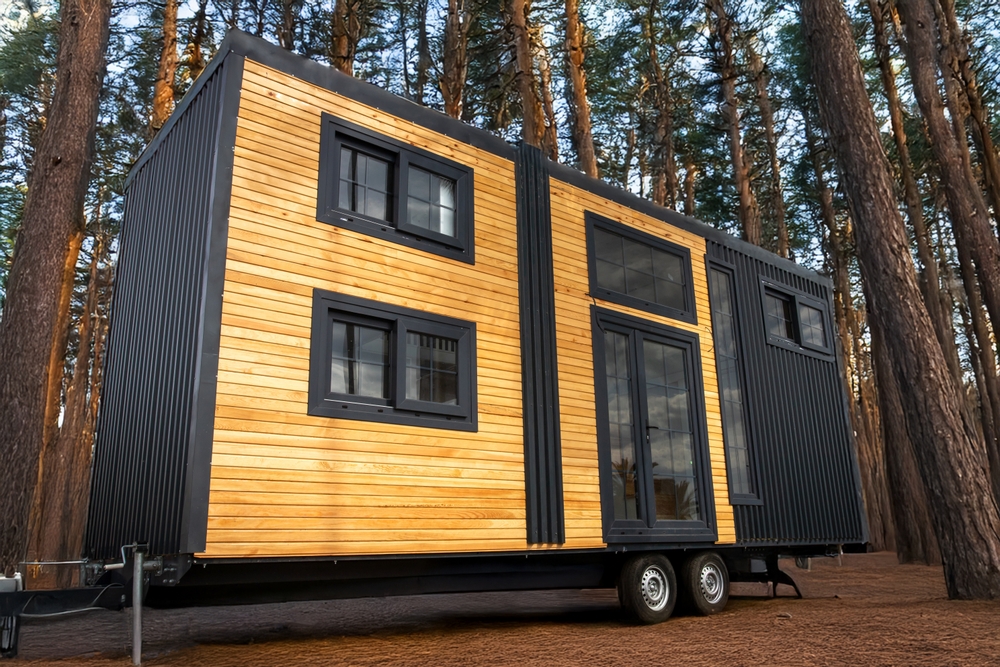
tiny house on wheels property taxes
Image Source: Shutterstock

Tiny homes can be about more than minimalism. For many, they are a way to financial freedom in a tough market. And in some instances, people are putting their tiny houses on wheels to escape the costs that come with traditional homeownership. Unlike fixed homes, many municipalities don’t know how to classify tiny houses on trailers. Are they real estate or personal property? The area is very gray. But in many states, tiny homes on wheels are treated like RVs. So, property taxes often aren’t collected. It’s a potential loophole that can save owners thousands each year. So much so that it’s catching the attention of both local governments and homeowners looking for creative tax relief. Here’s how it works, and why states are starting to notice.

The Key Loophole: Mobility Equals Non-Real Estate

Tiny homes on wheels are often viewed more like vehicles or mobile units, while those fixed on land may fall under traditional property laws. That single distinction changes everything. Because the structure isn’t permanently attached to the land, local tax assessors often treat it like a vehicle or RV. In most cases, you only pay for registration fees or annual tags, not property taxes. That could be a savings of $2,000–$5,000 a year, depending on the state.

Tax treatment for mobile tiny homes varies from state to state. For example, in Oregon and Texas, tiny houses on wheels fall under “recreational vehicle” rules, meaning they’re registered through the DMV and exempt from real estate tax rolls. In states like Florida and Arizona, local governments are tightening rules, requiring long-term parkers to register as fixed dwellings if connected to utilities. The gray area leaves thousands of homeowners floating between tax codes,

Most zoning codes were written decades before the tiny home movement took off, so assessors don’t have clear guidance on how to treat mobile units. As a result, owners who park on rural land or within friendly jurisdictions often go unassessed altogether. Others take advantage by keeping their wheels visible and avoiding permanent foundations, ensuring the structure stays “movable” in the eyes of the law. It’s a technicality that keeps them off the county’s taxable map. But tiny home owners need to do their homework. It’s best to call your local planning department so that you’re aware of local zoning codes.

Many Owners Use Hybrid Strategies to Stay Legal

Some tiny homeowners get creative by leasing the land their homes sit on, which further separates ownership of land from structure. This makes taxation even harder for counties to enforce. Others register their homes as travel trailers or custom-built RVs, even if they never move them. It’s a paper trail that satisfies the DMV but sidesteps property tax. For many, it’s a huge financial relief in a housing market that feels impossible.

Local Governments Are Starting to Push Back

Counties are beginning to catch on, especially in high-demand housing regions. Some are updating zoning laws to reclassify long-stationary mobile homes as taxable real estate after a set period, often 90–180 days. Others are proposing inspection programs or special “tiny home permits” that add fees and documentation requirements. The balance between encouraging affordable housing and preventing lost tax revenue is becoming a hot political debate. So, while it may seem like purchasing a tiny home on wheels is a good way to get around property taxes now, standards and laws could quickly change.

The Ethical and Legal Gray Zone

So, if you avoid property taxes, are you placing an undue burden on other homeowners? If you still enjoy local infrastructure and schools, shouldn’t you help pay for them? These are concerns that critics raise. But supporters counter that tiny homes consume far fewer resources and shouldn’t be taxed like full-sized houses. In reality, until national standards exist, these questions will remain unsettled.

Why the Tiny-on-Wheels Trend Isn’t Slowing Down

For many Americans, property taxes are the dealbreaker that keeps homeownership out of reach. Tiny houses on wheels offer a workaround, low cost, low regulation, and high mobility. Even as states tighten loopholes, demand for movable tiny homes continues to grow. Whether viewed as smart financial independence or a challenge to the system, one thing is clear: rolling homes have found a way to roll right past the tax bill.

Would you ever live in a movable tiny home to avoid property taxes, or do you think states should close this loophole? Share your thoughts below!

You May Also Like…

  • Why Would You Refinance Your House Now? Here Are 10 Reasons
  • 5 Jobs With Small Pay Checks That People Love
  • Why You Shouldn’t Skimp on Home, Auto, or Health Insurance Plans
  • 5 Budgeting Tricks That Used to Work—But Will Hurt You Today
  • 7 Remote Freelance Gigs Growing Faster Than You Think in 2025


Teri Monroe Headshot
Teri Monroe

Teri Monroe started her career in communications working for local government and nonprofits. Today, she is a freelance finance and lifestyle writer and small business owner. In her spare time, she loves golfing with her husband, taking her dog Milo on long walks, and playing pickleball with friends.

Filed Under: Home Tagged With: affordable living, mobile homes, movable tiny homes, property tax rules, real estate loopholes, tax avoidance, tiny home loophole, tiny houses on wheels property taxes, zoning laws

  • « Previous Page
  • 1
  • 2
  • 3
  • 4
  • 5
  • 6
  • …
  • 37
  • Next Page »
  • Facebook
  • Pinterest
  • RSS
  • Twitter

Improve Your Credit Score

Money Blogs

  • Celebrating Financial Freedom
  • Christian PF
  • Dual Income No Kids
  • Financial Panther
  • Gajizmo.com
  • Lazy Man and Money
  • Make Money Your Way
  • Money Talks News
  • My Personal Finance Journey
  • Personal Profitability
  • PF Blogs
  • Reach Financial Independence
  • So Over Debt
  • The Savvy Scot
  • Yes, I am Cheap

Categories

Disclaimer

Please note that Beating Broke has financial relationships with some of the merchants mentioned here. Beating Broke may be compensated if consumers choose to utilize the links located throughout the content on this site and generate sales for the said merchant.

Visit Our Advertisers

Need to change careers? Consider an Accounting Certificate Program from WTI.