Beating Broke

Personal Finance from the Broke Perspective

  • Home
  • About
  • We Recommend
  • Contact
  • Privacy Policy

Powered by Genesis

Search Results for: rent an apartment

6 Debt Traps That Seem Harmless—Until They Jeopardize Your Entire Identity

July 15, 2025 By Teri Monroe Leave a Comment

debt traps
Image Source: Pexels

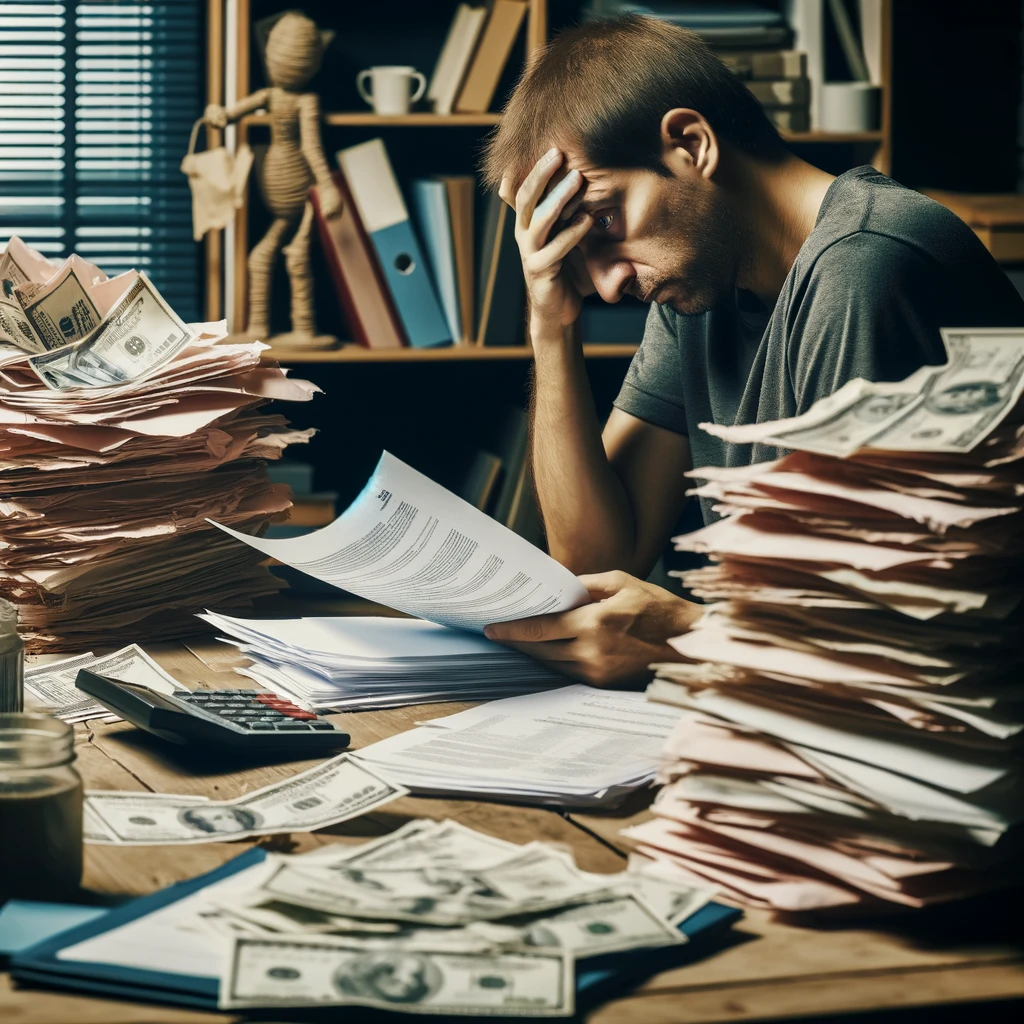
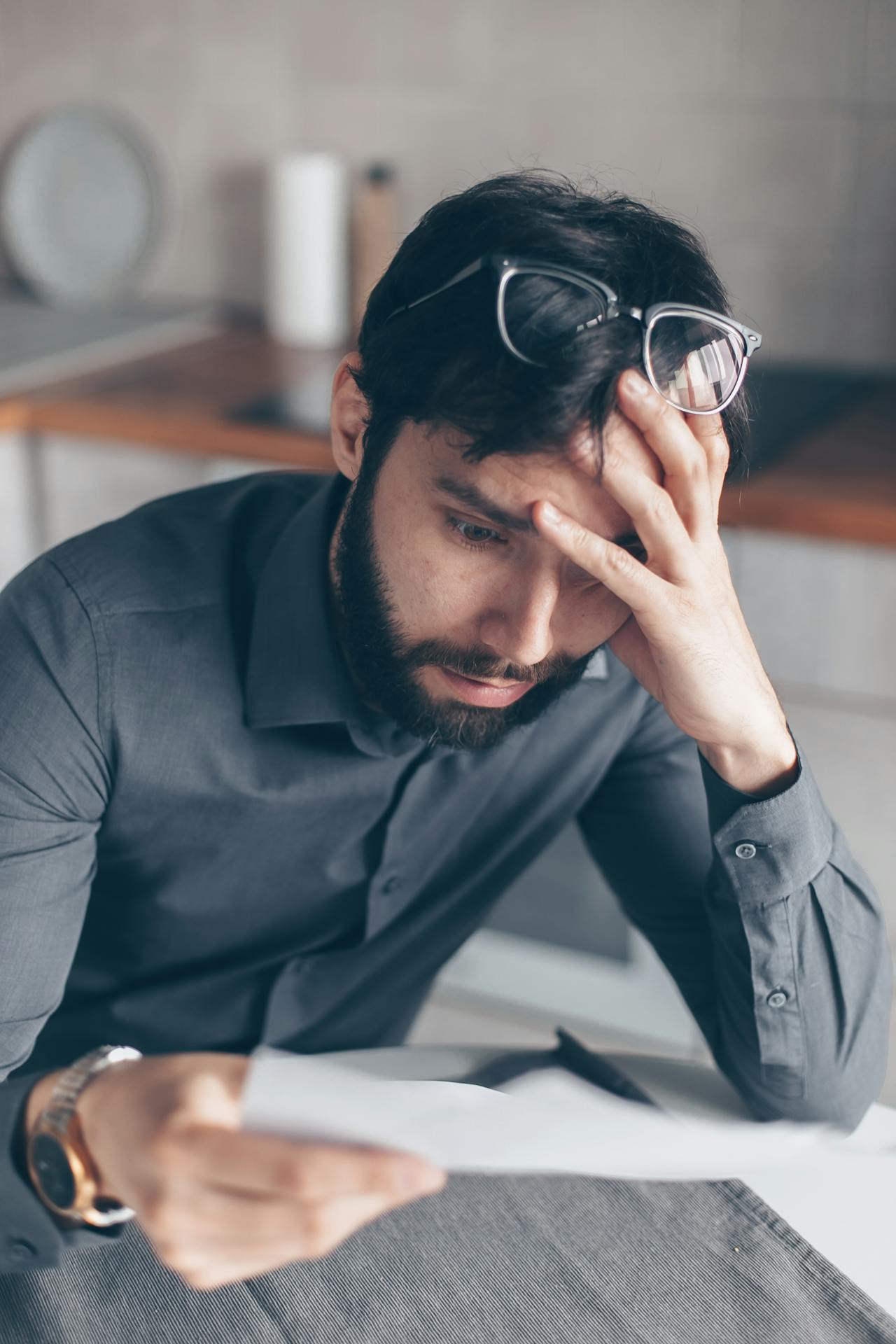
Many financial moves seem harmless. You may open a store credit card or use a buy now, pay later account. In the short term, these moves don’t have any consequences. But layer you could be regretting your choices. Here are 6 debt traps that seem harmless, until they jeopardize your entire identity, financial and personal.

1. Buy Now, Pay Later (BNPL) Services

Buy now, pay later services like Affirm and Klarna can get you into trouble quickly. No-interest payments split over weeks seem manageable. But multiple BNPL accounts can quietly accumulate, damaging your credit if missed. You may lose track of your obligations, and many BNPL services now report to credit bureaus. Falling behind can trigger collections, damaging your financial credibility and complicating future loan approvals or even job prospects.

2. Store Credit Cards with Special Discounts

Opening store credit cards can be a debt trap. It may seem harmless when you save 10–20% instantly on your purchase. However, these cards often carry high interest rates, usually 25% or more. Small balances can balloon, especially if you forget a payment. Plus, over-reliance on these cards can distort your credit utilization ratio, lowering your score and limiting your ability to qualify for more crucial credit, like mortgages and auto loans.

3. Minimum Payment Mentality

Paying the minimum keeps accounts in good standing, right? But interest compounds fast. You may take years to pay off small balances, especially on high-interest cards. You’re essentially stuck renting your lifestyle on borrowed money. Long-term, this undermines your financial autonomy and traps you in a consumer identity.

4. Co-Signing a Loan

Co-signing a loan may feel harmless, but it’s a debt trap. You may think you’re helping a friend or family member build credit or buy something they need. However, you are legally responsible if they default. Missed payments affect your credit score, too. Financially entangling your credit with someone else’s choices can lead to identity strain, especially when your name is used but you’re not in control.

5. Auto-Renewing Subscriptions & Services

Small monthly charges may feel negligible. Everyone needs multiple streaming accounts, right? But forgotten subscriptions slowly drain your bank account or rack up charges on your credit card. Living in a perpetual subscription economy can foster a false sense of financial stability while quietly reducing your spending flexibility and increasing dependence on credit.

6. “Lifestyle Inflation” After a Raise

You earned it. Why not enjoy a nicer car, apartment, or frequent dining out? If your spending rises with your income, savings remain stagnant. You might rely more on credit to sustain appearances. Tying your self-worth to external lifestyle markers can trap you in a cycle of debt and insecurity, constantly needing more to feel successful.

Debt Traps to Avoid

These debt traps often masquerade as harmless choices, but over time, they can erode your financial freedom, lower your credit score, and even reshape your self-image into one that’s dependent on debt. Awareness and proactive habits, like budgeting, tracking credit, and questioning purchases, are your best defense.

Read More

How Much Money Do You Actually Need to Escape The Rat Race?

10 U.S. States Where It’s Becoming Impossible to Live on $50K a Year
Filed Under: General Finance Tagged With: buy now pay later trap, debt traps, financial advice, lifestyle inflation

Top 10 Cities With the Best Investment Properties for Sale in 2025

January 1, 2025 By Teri Monroe Leave a Comment

Best cities to buy investment property for sale
Image Source: Pexels

Are you looking for an investment property? You’re not alone. A recent Gallup poll found that 36% of Americans rank real estate as the number one long-term investment. So, what are the best real estate markets with investment property for sale? Let’s take a look at the 10 best cities to buy an investment property in 2025.

1. Nashua, New Hampshire

With rising housing prices in nearby Boston, many people are flocking to nearby states like New Hampshire. Work-from-home trends have also prompted many to leave Massachusetts for Southern New Hampshire. Usually, you can get double the square footage for the same price in Nashua, New Hampshire as compared with cities in Massachusetts. With lower taxes and more affordable housing prices, it makes sense to invest in a property in New Hampshire now, especially if you’re looking to sell in the next 10 years.

2. Las Vegas, Nevada

Investment property for sale in Las Vegas
Image Source: Pexels

Las Vegas has a strong economy and rental market, making it an ideal place to purchase an investment property. In recent years, communities like Summerlin have popped up around Clark County and have become destinations beyond the strip. These communities usually are priced lower than apartments and condos on the strip and are ideal for short-term and long-term rentals.

3. Raleigh-Durham, North Carolina

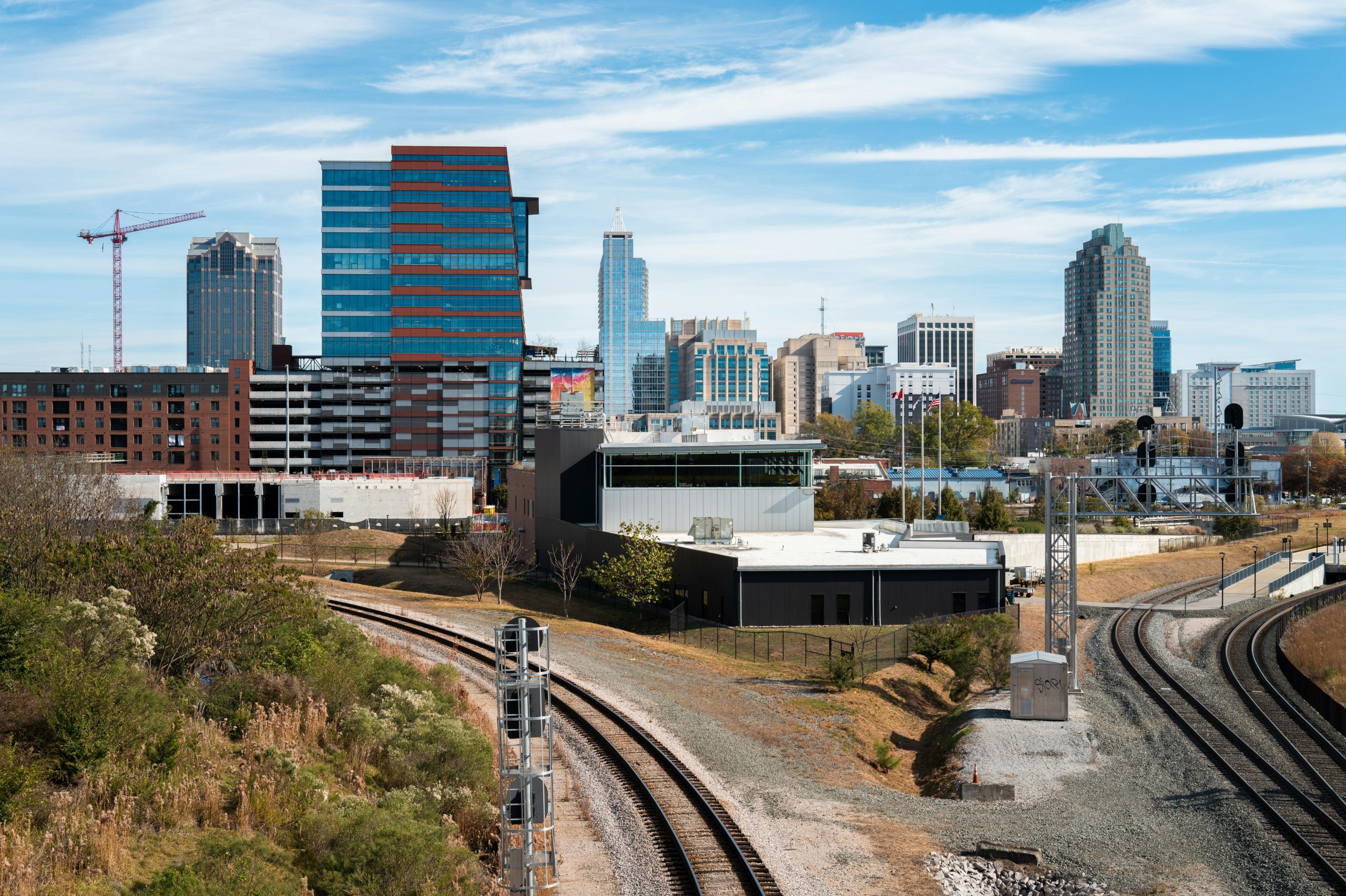
Raleigh-Durham
Image Source: Pexels

Raleigh-Durham’s growth has skyrocketed over the last 10 years. With many prestigious universities in the area, top hospital systems and medical research companies, and tech companies flocking to the area, Raleigh-Durham is a great place to buy investment property for sale. The demand for rental properties in the Research Triangle and lack of affordable options, make it an ideal place to invest as well. Additionally, it’s also a landlord-friendly state with relatively low property taxes.

4. Charlotte, North Carolina

Like Raleigh-Durham, Charlotte, North Carolina has an abundance of opportunities for investment property for sale. It is one of the most populated areas in North Carolina and is continuing to grow. This in part is because Charlotte is home base for many Fortune 500 companies like Bank of America. As a result, the city has a strong job market with an employment growth of 2.7%. Charlotte also has an 11.9% home value increase making it ideal for investment properties.

5. Boise, Idaho

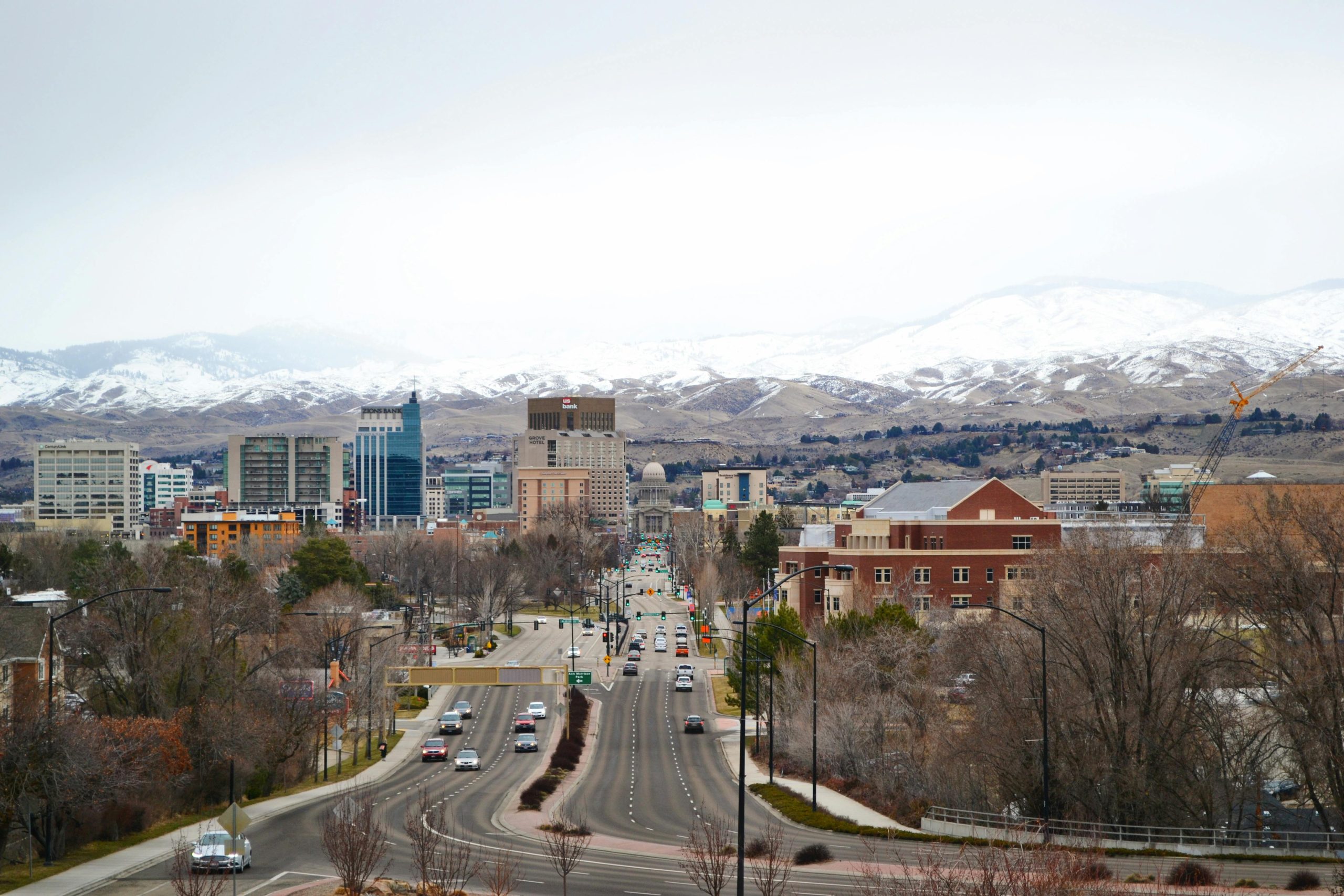
Boise, Idaho
Image Source: Pexels

Boise, Idaho has seen significant growth in home prices over the last 10 years. There’s been growth in the job market and a growing demand for housing. Real Estate Professionals from the area say that you can still buy a property for $250,000 in Boise and get a 2% return in the next two years.

6. Sault Sainte Marie, Michigan

The mid-west is an excellent region to invest in right now. Just across the Canadian border, Sault Sainte Marie, Michigan has very low housing prices and is a destination for new industry.

7. Fort Myers, Florida

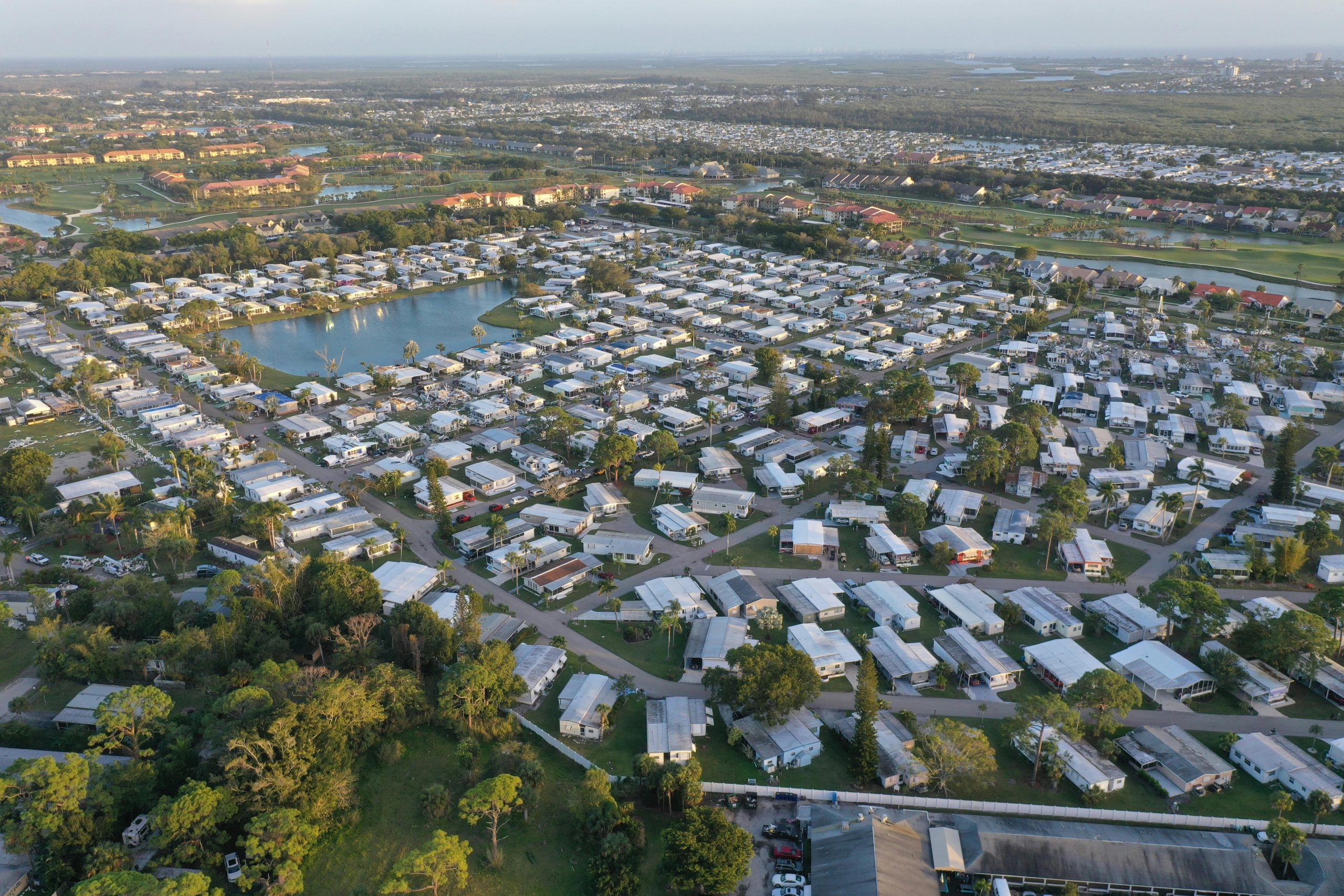
Fort Myers , Florida
Image Source: Pexels

Fort Myers and surrounding areas like Fort Myers Beach and Sanibel Island are still recovering from hurricane damage from Hurricane Ian and Helene. If you’re looking for an investment property, you can get properties in need of repair at a discount.

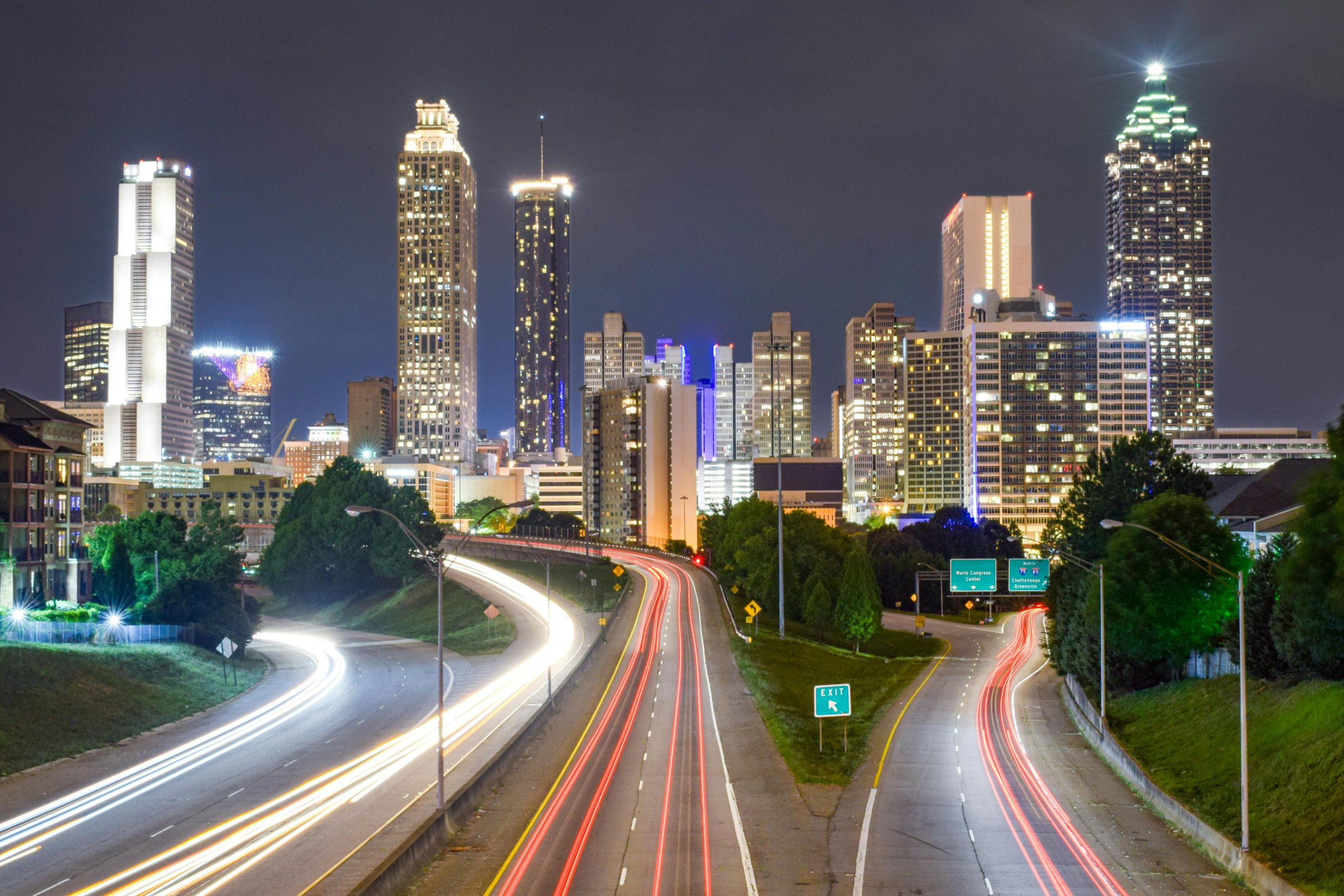
8. Atlanta, Georgia

While housing prices can be higher in Atlanta, there are several incentives to buy an investment property here. First, the city’s population has grown by almost 20% in the last decade. The rental market in Atlanta is very strong. Plus, there are tax benefits for real estate investors.

9. Phoenix, Arizona

Phoenix has diverse options for investors including a variety of neighborhoods with a range of pricing. South Phoenix has become a hotspot for real estate investors due to its proximity to downtown and affordable prices. The housing market in Phoenix is competitive and resilient, so take advantage of investment property for sale in this area.

10. Seattle, Washington

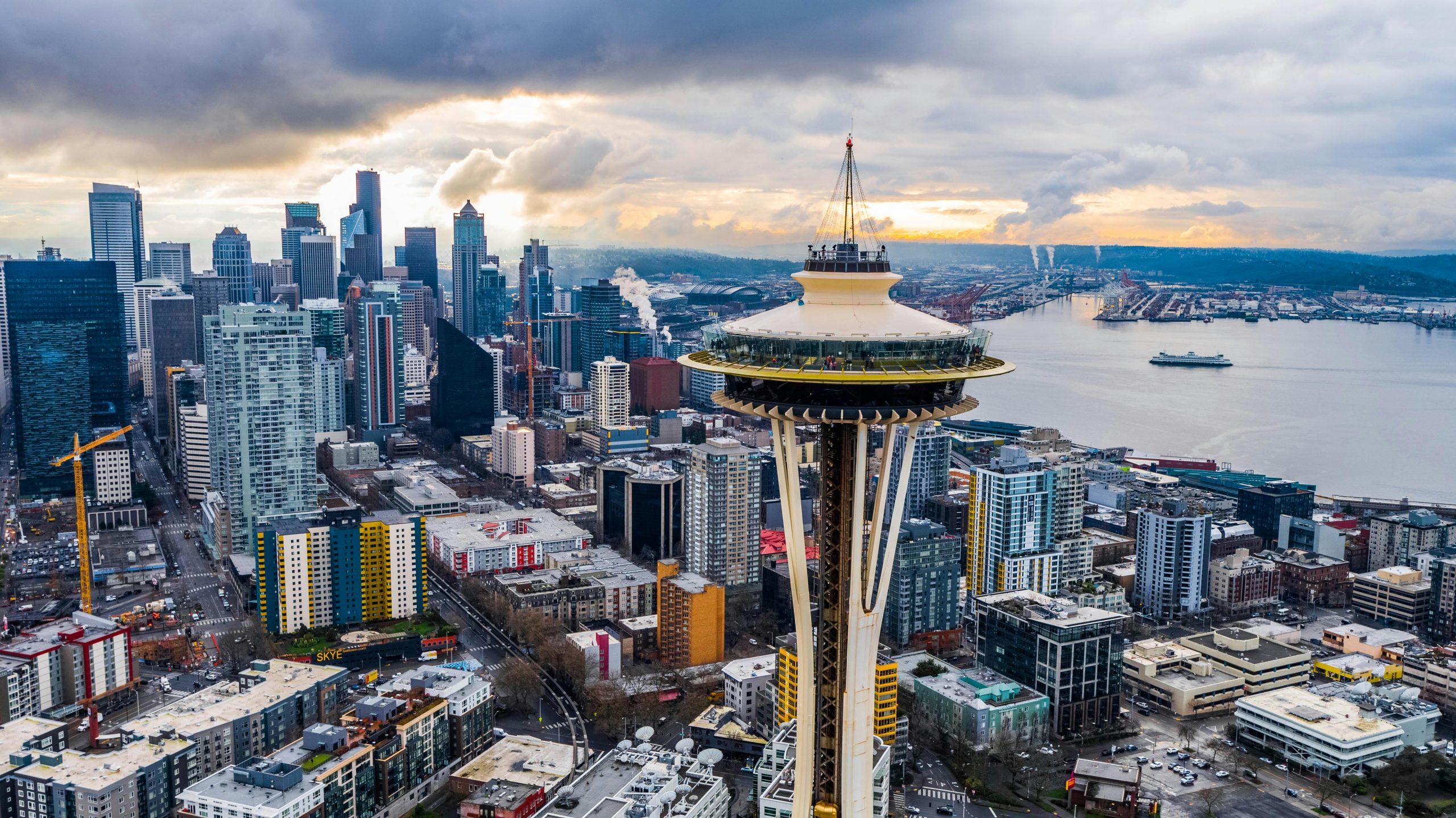
Investment property for sale in Seattle, Washington
Image Source: Pexels

Seattle is home to industry giants like Amazon and Microsoft, making it an ideal city to buy investment property in. While housing prices have increased in recent years, with interest rates going down and inflation cooling, it may be a good time to buy in Seattle and surrounding areas.

Choosing The Right City with Investment Property for Sale

If you’re looking for an investment property in 2025, these 10 cities are a good place to start. With the help of a real estate agent, you can turn your investment into profits. In what cities are you looking to invest in?

Read More

Tips for a Successful No-Spend Year

10 Insider Tips to Score the Best Insurance Even If You Have Bad Credit

Filed Under: Home, Real Estate Tagged With: best places to buy property, investment properties, real estate investment, real estate market

The Hidden Costs of Poverty: How Being Poor Can Actually Cost More

May 15, 2024 By Shay Huntley Leave a Comment

In a world where wealth often leads to more opportunities, the paradox of poverty unveils a harsh reality: being poor is expensive. For many, the lack of financial resources translates into higher costs on nearly every front. This article delves into the multifaceted ways in which poverty imposes additional economic burdens, revealing the hidden costs of poverty. By understanding these challenges, we can foster a more empathetic approach to addressing economic disparities and support initiatives aimed at breaking the cycle.

1. Higher Interest Rates and Credit Costs

Individuals who are living in poverty often have a lower credit score. This, in turn, can result in higher interest rates on loans and credit cards. As a result, even routine tasks like renting an apartment or purchasing a car can become more costly. Moreover, low-income earners tend to pay more for financial services, including basic checking accounts and credit cards. Those who are financially vulnerable are often the target of predatory lending practices, such as payday loans, which charge exorbitant interest rates.

2. Increased Health Care Expenses

Low-income families frequently lack access to affordable health insurance. This leads to higher out-of-pocket costs for medical care. Preventative care is less accessible, causing reliance on more expensive emergency services. Poor nutrition and living conditions also lead to health issues that require medical attention, adding to the financial strain. The cycle of poor health exacerbating poverty is well-documented but often overlooked hidden costs of poverty.

3. Less Access to Affordable Housing

Affordable housing is becoming increasingly inaccessible for low-income earners. This is forcing them to live in substandard living conditions. Renting in safe neighborhoods often requires a disproportionate amount of their budget. This leaves them with limited options in neighborhoods with higher crime rates and poor educational opportunities. Moreover, the high cost of moving and rental deposits can be a barrier to mobility, preventing them from improving their living conditions.

4. Higher Costs for Basic Utilities

Utilities like electricity, heating, and water often cost more in poorer neighborhoods due to older, less efficient infrastructure. Additionally, lower incomes mean fewer opportunities to invest in energy-saving measures like insulation or efficient appliances. This means higher monthly utility bills. The inability to pay utilities on time can also result in late fees, further increasing costs.

5. Transportation Barriers

Impoverished areas have limited public transportation, leading to a greater reliance on personal vehicles. Low-income families often own older vehicles that require costly maintenance, which perpetuates financial struggles. The lack of affordable transportation options can limit access to better jobs and education, perpetuating the cycle of poverty. To break this cycle, it is crucial to invest in accessible and affordable transportation options for all individuals, regardless of their income level.

6. Food Insecurity and Higher Grocery Bills

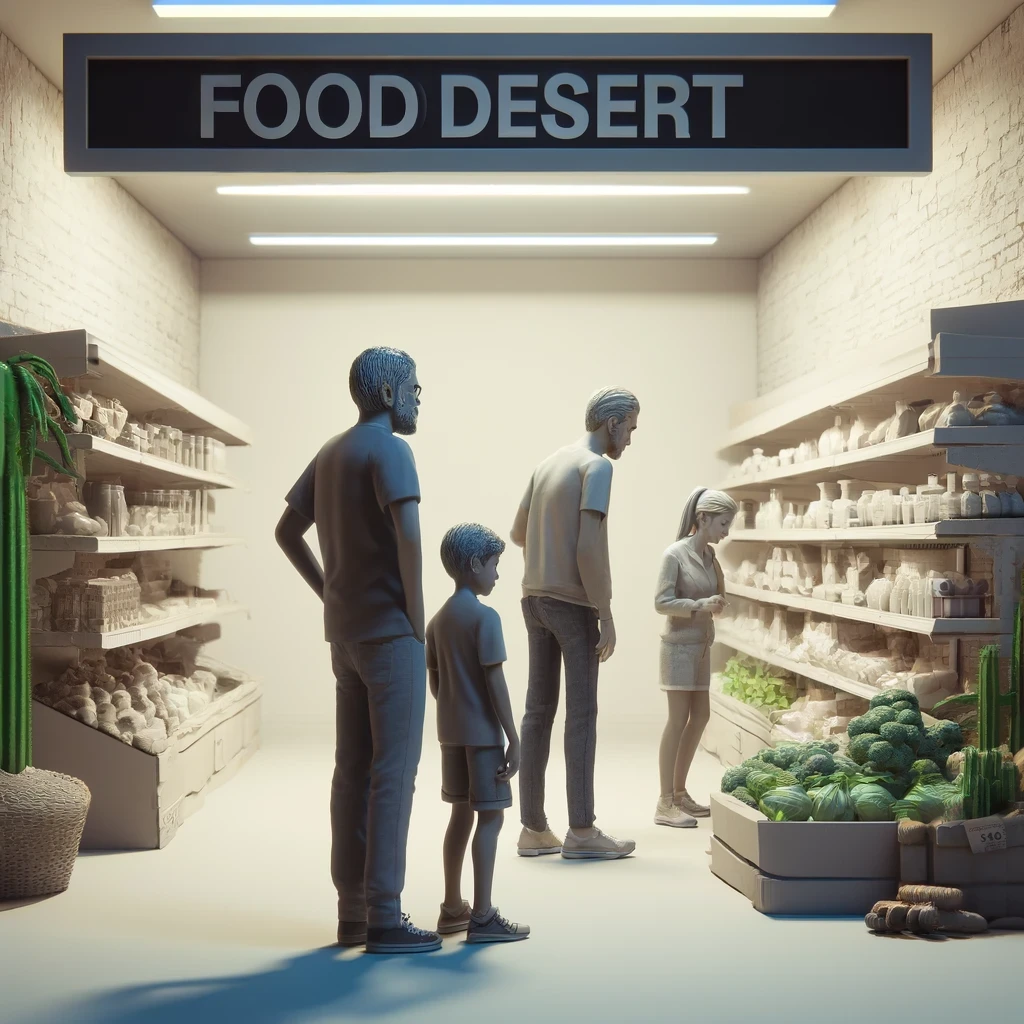
Low-income areas, often called food deserts, lack access to affordable, healthy food options. This forces residents to shop at convenience stores. Prices there are typically higher and options are less healthy. The added cost of traveling to better supermarkets further increases the overall food budget, affecting financial stability.

7. The Expense of Poor Quality Goods

One of the hidden costs of poverty is the impact it has on the quality of goods that people can afford. Those who are poor often have to buy cheaper, lower-quality goods that tend to wear out or break down more quickly, resulting in more frequent replacements. This applies to everything from clothing to appliances. Moreover, people living in poverty often do not have the luxury of buying in bulk or taking advantage of sales due to their immediate cash needs, which further exacerbates this issue.

8. Educational Barriers and Costs

Education is a pathway out of poverty, but it comes with its own set of barriers. Costs for materials, uniforms, and extracurricular activities can be prohibitive. Public schools in low-income areas are often under-resourced, affecting the quality of education received. This limits future earning potential, continuing the cycle of poverty.

9. Higher Fees and Fines

Individuals with low incomes often find themselves dealing with higher fees and fines. This includes fees from banking penalties to legal infractions. There are many causes, such as a lack of access to affordable financial services or a limited understanding of legal rights and procedures. Unfortunately, the inability to pay fines promptly often leads to additional fees or legal complications. This can further increase the financial burden and create a cycle of debt that is difficult to break out of.

10. The Psychological Cost of Poverty

The psychological impact of financial instability can be significant due to the associated stress and anxiety. This can lead to making irrational decisions, such as opting for high-cost borrowing. Unfortunately, discussions about financial inequality often overlook the immense mental health costs of poverty. Moreover, mental health issues can add to the economic burden faced by those already struggling to make ends meet.

Support Economic Equality

The costs of poverty are not just numbers; they represent real struggles for millions. By supporting policies and initiatives that promote economic equality, we can help alleviate these burdens. Engage with local organizations, advocate for policy changes, and educate others about the hidden costs of being poor. We can all make a difference.

Read More

10 Things Poor Parents Teach Their Kids That Rich Parents Don’t

15 Hard Truths About Money That Will Challenge Your Perspective on Being Broke

Filed Under: financial stress Tagged With: economic-inequality, financial challenges, Hidden Costs of Poverty, hidden-costs, poverty, social-issues

  • « Previous Page
  • 1
  • …
  • 3
  • 4
  • 5
  • 6
  • 7
  • …
  • 11
  • Next Page »
  • Facebook
  • Pinterest
  • RSS
  • Twitter

Improve Your Credit Score

Money Blogs

  • Celebrating Financial Freedom
  • Christian PF
  • Dual Income No Kids
  • Financial Panther
  • Gajizmo.com
  • Lazy Man and Money
  • Make Money Your Way
  • Money Talks News
  • My Personal Finance Journey
  • Personal Profitability
  • PF Blogs
  • Reach Financial Independence
  • So Over Debt
  • The Savvy Scot
  • Yes, I am Cheap

Categories

Disclaimer

Please note that Beating Broke has financial relationships with some of the merchants mentioned here. Beating Broke may be compensated if consumers choose to utilize the links located throughout the content on this site and generate sales for the said merchant.

Visit Our Advertisers

Need to change careers? Consider an Accounting Certificate Program from WTI.