Beating Broke

Personal Finance from the Broke Perspective

  • Home
  • About
  • We Recommend
  • Contact
  • Privacy Policy

Powered by Genesis

The Hidden Costs of Poverty: How Being Poor Can Actually Cost More

May 15, 2024 By Shay Huntley Leave a Comment

In a world where wealth often leads to more opportunities, the paradox of poverty unveils a harsh reality: being poor is expensive. For many, the lack of financial resources translates into higher costs on nearly every front. This article delves into the multifaceted ways in which poverty imposes additional economic burdens, revealing the hidden costs of poverty. By understanding these challenges, we can foster a more empathetic approach to addressing economic disparities and support initiatives aimed at breaking the cycle.

1. Higher Interest Rates and Credit Costs

Individuals who are living in poverty often have a lower credit score. This, in turn, can result in higher interest rates on loans and credit cards. As a result, even routine tasks like renting an apartment or purchasing a car can become more costly. Moreover, low-income earners tend to pay more for financial services, including basic checking accounts and credit cards. Those who are financially vulnerable are often the target of predatory lending practices, such as payday loans, which charge exorbitant interest rates.

2. Increased Health Care Expenses

Low-income families frequently lack access to affordable health insurance. This leads to higher out-of-pocket costs for medical care. Preventative care is less accessible, causing reliance on more expensive emergency services. Poor nutrition and living conditions also lead to health issues that require medical attention, adding to the financial strain. The cycle of poor health exacerbating poverty is well-documented but often overlooked hidden costs of poverty.

3. Less Access to Affordable Housing

Affordable housing is becoming increasingly inaccessible for low-income earners. This is forcing them to live in substandard living conditions. Renting in safe neighborhoods often requires a disproportionate amount of their budget. This leaves them with limited options in neighborhoods with higher crime rates and poor educational opportunities. Moreover, the high cost of moving and rental deposits can be a barrier to mobility, preventing them from improving their living conditions.

4. Higher Costs for Basic Utilities

Utilities like electricity, heating, and water often cost more in poorer neighborhoods due to older, less efficient infrastructure. Additionally, lower incomes mean fewer opportunities to invest in energy-saving measures like insulation or efficient appliances. This means higher monthly utility bills. The inability to pay utilities on time can also result in late fees, further increasing costs.

5. Transportation Barriers

Impoverished areas have limited public transportation, leading to a greater reliance on personal vehicles. Low-income families often own older vehicles that require costly maintenance, which perpetuates financial struggles. The lack of affordable transportation options can limit access to better jobs and education, perpetuating the cycle of poverty. To break this cycle, it is crucial to invest in accessible and affordable transportation options for all individuals, regardless of their income level.

6. Food Insecurity and Higher Grocery Bills

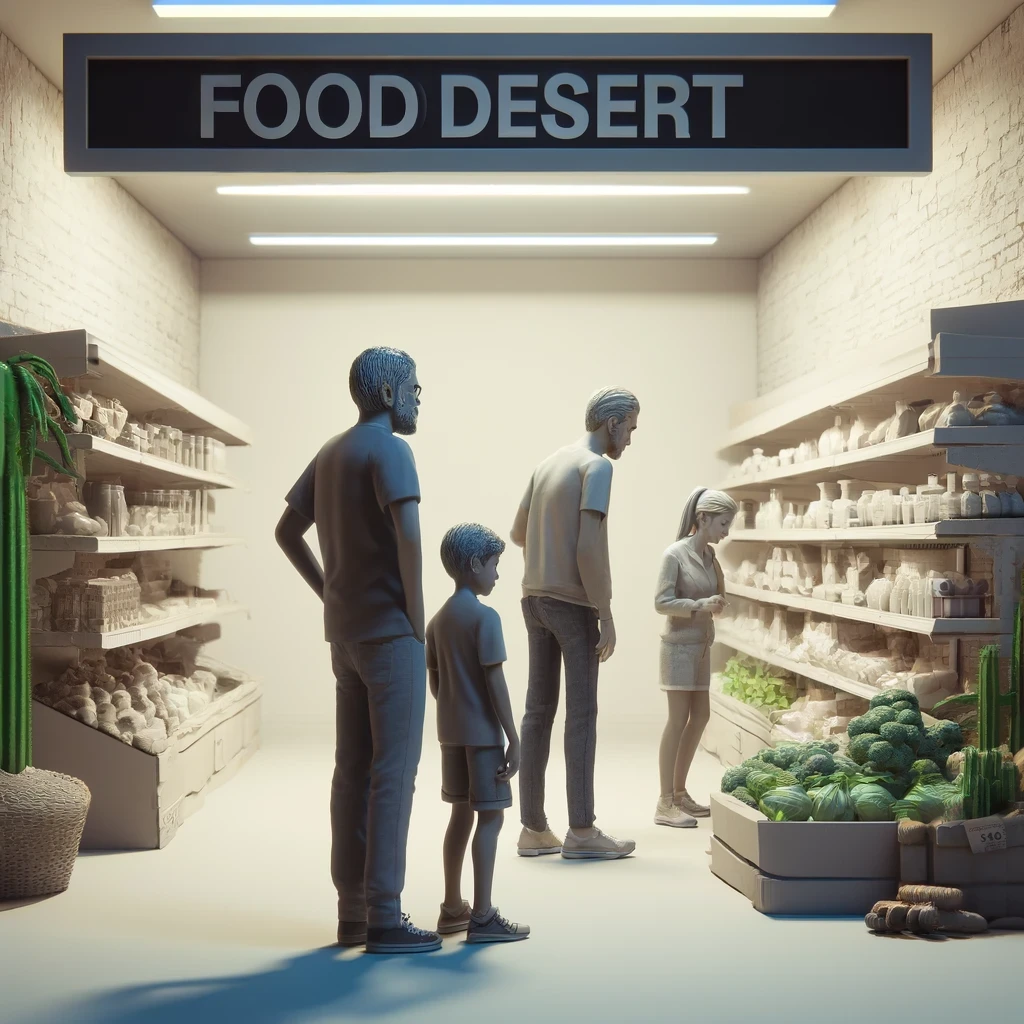
Low-income areas, often called food deserts, lack access to affordable, healthy food options. This forces residents to shop at convenience stores. Prices there are typically higher and options are less healthy. The added cost of traveling to better supermarkets further increases the overall food budget, affecting financial stability.

7. The Expense of Poor Quality Goods

One of the hidden costs of poverty is the impact it has on the quality of goods that people can afford. Those who are poor often have to buy cheaper, lower-quality goods that tend to wear out or break down more quickly, resulting in more frequent replacements. This applies to everything from clothing to appliances. Moreover, people living in poverty often do not have the luxury of buying in bulk or taking advantage of sales due to their immediate cash needs, which further exacerbates this issue.

8. Educational Barriers and Costs

Education is a pathway out of poverty, but it comes with its own set of barriers. Costs for materials, uniforms, and extracurricular activities can be prohibitive. Public schools in low-income areas are often under-resourced, affecting the quality of education received. This limits future earning potential, continuing the cycle of poverty.

9. Higher Fees and Fines

Individuals with low incomes often find themselves dealing with higher fees and fines. This includes fees from banking penalties to legal infractions. There are many causes, such as a lack of access to affordable financial services or a limited understanding of legal rights and procedures. Unfortunately, the inability to pay fines promptly often leads to additional fees or legal complications. This can further increase the financial burden and create a cycle of debt that is difficult to break out of.

10. The Psychological Cost of Poverty

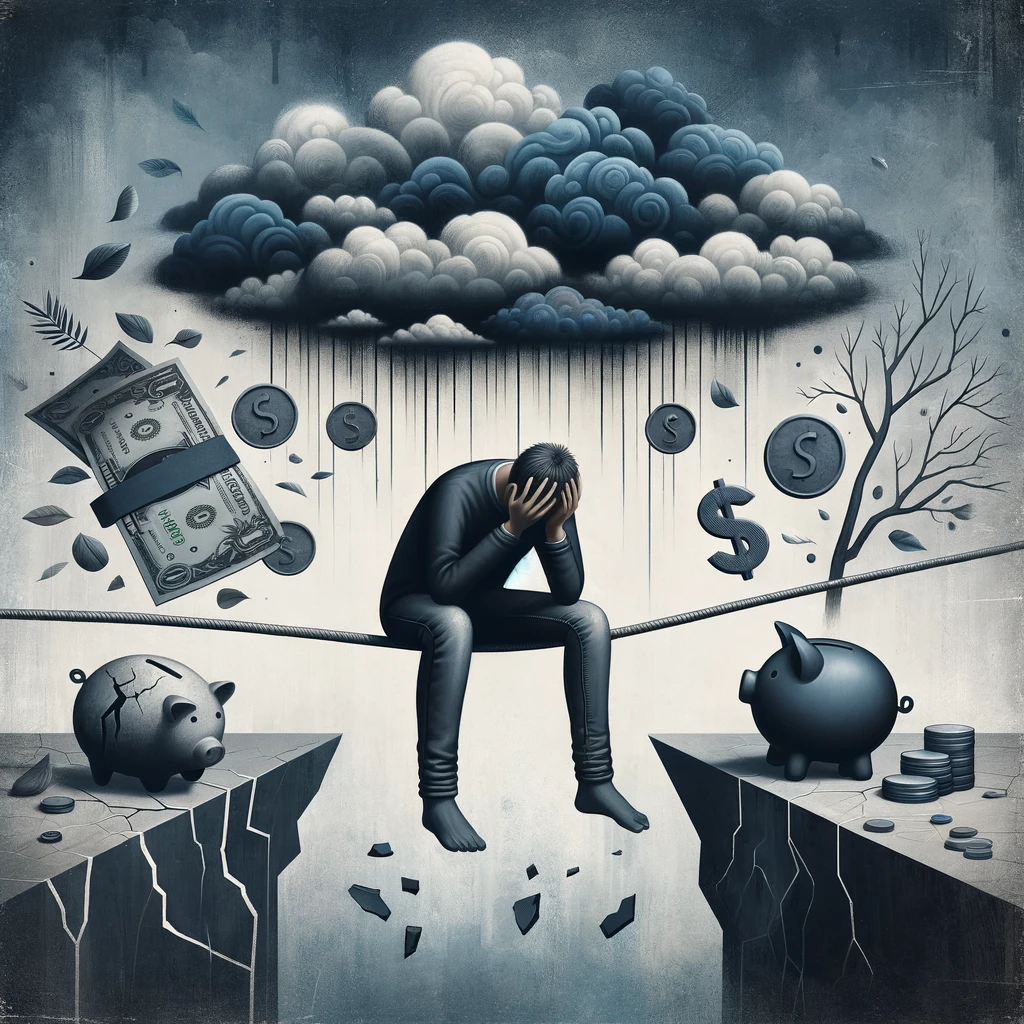
The psychological impact of financial instability can be significant due to the associated stress and anxiety. This can lead to making irrational decisions, such as opting for high-cost borrowing. Unfortunately, discussions about financial inequality often overlook the immense mental health costs of poverty. Moreover, mental health issues can add to the economic burden faced by those already struggling to make ends meet.

Support Economic Equality

The costs of poverty are not just numbers; they represent real struggles for millions. By supporting policies and initiatives that promote economic equality, we can help alleviate these burdens. Engage with local organizations, advocate for policy changes, and educate others about the hidden costs of being poor. We can all make a difference.

Read More

10 Things Poor Parents Teach Their Kids That Rich Parents Don’t

15 Hard Truths About Money That Will Challenge Your Perspective on Being Broke

Shay Huntley
Shay Huntley

Shatel Huntley has a Bachelor’s degree in Criminal Justice from Georgia State University. In her spare time, she works with special needs adults and travels the world. Her interests include traveling to off-the-beaten-path destinations, shopping, couponing, and saving.

Filed Under: financial stress Tagged With: economic-inequality, financial challenges, Hidden Costs of Poverty, hidden-costs, poverty, social-issues

The Psychology of Poverty: 18 Surprising Effects of Being Broke on Your Mind

March 21, 2024 By Catherine Reed Leave a Comment

The Psychology of Poverty 18 Surprising Effects of Being Broke on Your Mind

In an era where economic disparity is a glaring issue, understanding the psychology of poverty is crucial. The mental toll of financial instability is profound, influencing behaviors, decision-making processes, and even cognitive functions. Here’s a look at 18 often-overlooked psychological effects of poverty, offering insights into how financial strain can reshape one’s mental landscape.

1. Decision Fatigue and Short-Term Focus

Decision Fatigue and Short-Term Focus

Living in poverty subjects individuals to constant decision-making about immediate needs, leading to decision fatigue. This mental state impairs one’s ability to make sound decisions, trapping individuals in a cycle of short-term thinking. Prioritizing immediate over long-term needs can perpetuate financial difficulties, creating a psychological barrier to escaping poverty.

2. Heightened Stress and Anxiety Levels

Heightened Stress and Anxiety Levels

Financial insecurity is a significant stressor, contributing to heightened levels of anxiety and stress. Chronic stress not only affects mental health but also has physical ramifications, such as increased risk of heart disease and diabetes. The constant worry over finances can consume one’s mental bandwidth, overshadowing other aspects of life.

3. Diminished Cognitive Function

Diminished Cognitive Function

Research indicates that the strain of financial scarcity can lead to a measurable decline in cognitive function. The mental load of poverty consumes cognitive resources, making it harder to focus, remember information, or solve problems. This cognitive burden can affect performance in work and educational settings, reinforcing the cycle of poverty.

4. Lowered Self-Esteem and Sense of Worth

Lowered Self-Esteem and Sense of Worth

Financial struggles can erode one’s self-esteem and sense of self-worth. The societal stigma associated with poverty can lead to feelings of shame and inadequacy, impacting mental health and social relationships. This diminished self-image can hinder one’s motivation to pursue opportunities for improvement.

5. Increased Risk of Mental Health Disorders

Increased Risk of Mental Health Disorders

Poverty is linked to a higher prevalence of mental health disorders, including depression, anxiety, and substance abuse. The psychological pressures of financial hardship can trigger or exacerbate these conditions, creating additional barriers to overcoming poverty.

6. Altered Risk Perception and Decision-Making

Altered Risk Perception and Decision-Making

Poverty can alter one’s perception of risk, leading to seemingly irrational decision-making. When survival is at stake, high-risk opportunities might appear more attractive, as the potential short-term gain outweighs the long-term consequences. This altered risk assessment can perpetuate financial instability.

7. Impact on Children’s Psychological Development

Impact on Children's Psychological Development

Children raised in poverty are at risk of delayed cognitive and emotional development. The lack of resources and a stimulating environment can hinder educational achievement and social skills, affecting their future prospects and perpetuating the cycle of poverty.

8. Social Isolation and Decreased Community Engagement

Social Isolation and Decreased Community Engagement

Financial strain can lead to social isolation, as individuals may feel ashamed of their situation or unable to participate in social activities that require financial expenditure. This isolation can decrease community engagement and support networks, essential for mental well-being and opportunities for advancement.

9. Resilience and Creative Problem-Solving

Resilience and Creative Problem-Solving

Despite the challenges, poverty can also foster resilience and creative problem-solving skills. Necessity often leads to innovative solutions, and individuals facing financial hardships can develop unique strategies to navigate their circumstances. This resilience, however, should not overshadow the need for systemic solutions to poverty.

10. The Generational Impact of Poverty

Generational Impact of Poverty

Poverty’s psychological effects can transcend generations, as children inherit not only the financial circumstances of their parents but also the associated mental health challenges and coping mechanisms. Breaking this cycle requires comprehensive strategies that address both economic conditions and mental health support.

11. Erosion of Trust and Social Capital

Erosion of Trust and Social Capital

Poverty can lead to a profound erosion of trust in both personal relationships and institutions. This skepticism stems from repeated experiences of instability and, at times, exploitation. A diminished trust in societal structures can lead to a withdrawal from community participation and a reluctance to seek help, further isolating individuals in need.

12. Increased Exposure to Adverse Life Events

Increased Exposure to Adverse Life Events

Individuals living in poverty are more likely to experience adverse life events, such as crime, violence, and environmental hazards. This increased exposure not only contributes to immediate stress and trauma but also has long-lasting psychological effects, influencing one’s worldview and sense of safety.

13. Cognitive Load and Time Scarcity

Cognitive Load and Time Scarcity

The constant juggling of financial constraints places a significant cognitive load on individuals, leading to a perception of time scarcity. This mental state can make days feel shorter and tasks more overwhelming, impacting productivity and the ability to plan for the future.

14. Impaired Parenting and Family Dynamics

Impaired Parenting and Family Dynamics

Financial stress can strain family relationships and impair parenting practices. Parents struggling with poverty may have less time and emotional bandwidth to provide supportive, nurturing environments, affecting children’s emotional and social development.

15. Stigmatization and Social Judgment

Stigmatization and Social Judgment

The stigma associated with poverty can lead to social judgment and discrimination, affecting individuals’ social interactions and opportunities. This stigmatization not only damages self-esteem but also reinforces societal barriers, making upward mobility even more challenging.

16. Learned Helplessness and Passivity

Learned Helplessness and Passivity

Persistent failure to improve one’s financial situation can lead to learned helplessness, where individuals feel powerless to change their circumstances. This psychological state fosters passivity and resignation to poverty, undermining efforts to seek out opportunities for improvement.

17. Disrupted Educational Opportunities

Disrupted Educational Opportunities

Poverty can disrupt educational opportunities, leading to lower academic achievement and limited future prospects. The psychological stress associated with financial hardship can distract from learning and decrease motivation, perpetuating the cycle of poverty through diminished educational outcomes.

18. Sense of Exclusion and Marginalization

Sense of Exclusion and Marginalization

Living in poverty can create a pervasive sense of exclusion from mainstream society. This feeling of marginalization can impact one’s identity and belonging, leading to social withdrawal and a decreased sense of community, further isolating individuals from potential support networks and opportunities for advancement.

Why Understanding the Psychology of Poverty Matters

Why Understanding the Psychology of Poverty Matters

Ultimately, the psychological impact of poverty extends beyond immediate financial concerns, affecting cognitive functions, mental health, and social relationships. Understanding these effects is crucial for developing effective interventions that address both the economic and psychological dimensions of poverty. As we strive for a more equitable society, acknowledging and addressing the mental toll of financial hardship is a vital step toward meaningful change.

Catherine Reed
Catherine Reed

Catherine is a tech-savvy writer who has focused on the personal finance space for more than eight years. She has a Bachelor’s in Information Technology and enjoys showcasing how tech can simplify everyday personal finance tasks like budgeting, spending tracking, and planning for the future. Additionally, she’s explored the ins and outs of the world of side hustles and loves to share what she’s learned along the way. When she’s not working, you can find her relaxing at home in the Pacific Northwest with her two cats or enjoying a cup of coffee at her neighborhood cafe.

Filed Under: financial stress Tagged With: being broke, financial hardship, financial struggle, mental health, psychology of poverty, well-being, wellness

  • Facebook
  • Pinterest
  • RSS
  • Twitter

Improve Your Credit Score

Money Blogs

  • Celebrating Financial Freedom
  • Christian PF
  • Dual Income No Kids
  • Financial Panther
  • Gajizmo.com
  • Lazy Man and Money
  • Make Money Your Way
  • Money Talks News
  • My Personal Finance Journey
  • Personal Profitability
  • PF Blogs
  • Reach Financial Independence
  • So Over Debt
  • The Savvy Scot
  • Yes, I am Cheap

Categories

Disclaimer

Please note that Beating Broke has financial relationships with some of the merchants mentioned here. Beating Broke may be compensated if consumers choose to utilize the links located throughout the content on this site and generate sales for the said merchant.

Visit Our Advertisers

Need to change careers? Consider an Accounting Certificate Program from WTI.