Beating Broke

Personal Finance from the Broke Perspective

  • Home
  • About
  • We Recommend
  • Contact
  • Privacy Policy

Powered by Genesis

Are You Paying Too Much in Platform Fees Without Even Knowing It?

September 18, 2025 By Teri Monroe Leave a Comment

platform fees selling online
Image Source: 123rf.com

Do you rely on side hustles or freelancing for extra income? Many third-party platforms make your side hustle easier and expand your reach. Platforms like Etsy, Poshmark, and eBay give sellers the added bonus of seller protections, customer service, and built-in marketing. But these benefits come at a high cost. Without realizing it, you may be paying too much in fees. These fees can quickly erode profits. Here’s how platform fees sneak in and why you might be paying too much without realizing it.

1. Transaction Fees on Every Sale

Marketplaces like Etsy, Poshmark, and eBay take a percentage of each transaction. These percentages sometimes vary by category. But on Poshmark, for example, sellers pay a 20% fee on all sales, unless the item is under $15. That’s not including additional fees for shipping discounts or promotions. Sellers often underestimate how quickly these deductions add up. A $20 sale may net only $16 or less after fees. Once you add in cost of goods, your profit margins may be slim. It’s important to keep track of your numbers if you want to have a successful business or side hustle.

2. Payment Processing Costs

Did you know that credit card processors and third-party gateways charge per payment? Even “small” 2–3% fees eat into earnings over time. Many platforms don’t highlight these costs upfront. Frequent transactions mean frequent losses.

3. Listing or Posting Fees

Some platforms charge to list items, run ads, or boost visibility. In order to stay competitive, sellers may feel the need to spend more money on these services. Unfortunately, sellers who don’t track these costs may spend more than they earn. On some platforms, even unsold items can cost money to post. This can put you in the red even before making a sale.

4. Service and Subscription Fees

Platforms push premium tiers with monthly subscription charges, like Promoted Closet on Poshmark or stores on eBay. These often promise perks like visibility or in-depth analytics. But subscriptions cut into income before a single sale happens.

5. Withdrawal or Transfer Charges

Moving money from a platform to a bank instantly often carries hidden fees. Frequent withdrawals increase costs. Some platforms add delays unless you pay “expedited” fees. While these fees seem small at first, frequent withdrawals can harm your bottom line.

6. Currency Conversion Costs

It’s wonderful to be able to have a global reach. But it isn’t free. Global platforms charge for converting payments across currencies. If you’re selling to international buyers, you may lose money with every conversion. Rates are rarely favorable, adding invisible costs. Currency issues eat into margins silently.

7. Refund and Dispute Deductions

Even when customers get refunds, sellers may still pay fees. Platforms often keep processing costs regardless of the outcome. Frequent disputes can quietly drain profits. It’s important to factor the unexpected costs of doing business into pricing.

8. Advertising and Boosted Visibility Fees

Many platforms feel like they are pay-to-play. Without advertising, you may make fewer sales. Paying to stand out is tempting, but fees add up quickly. Many sellers overspend chasing exposure that doesn’t convert. Without strict budgets, ad fees erase profits. Platforms count on overspending to make money.

9. Premium Feature Upsells

Platforms offer “optional” add-ons like insurance or analytics. These sound useful, but often duplicate free tools. Sellers should carefully weigh cost vs. benefit. Upsells are designed to nickel-and-dime users.

10. The Opportunity Cost of High Fees

High platform costs mean fewer resources for growth elsewhere. You may miss chances to reinvest profits. Building a personal website or using lower-fee tools could save more. Relying solely on high-fee platforms limits long-term success. If you’re constantly tied to platforms, your success is tied to theirs, and you are at the mercy of fees.

Why Awareness of Fees Protects Your Hard-Earned Income

Platforms make earning easier, but the fees are anything but invisible. Side hustlers who calculate true costs avoid nasty surprises. Awareness turns hidden losses into manageable business decisions. The smartest earners know every dollar in and every fee out. To create a sustainable business, many sellers turn away from platforms. By creating their own website, sellers say goodbye to arbitrary fees and unexpected platform changes that can hurt business.

Have you ever calculated the true platform fees eating into your income? Which hidden charge surprised you the most?

You May Also Like…

  • 7 Surprising Reasons EBay Reselling Is Declining—Even With AI Sourcing
  • 8 Unexpected Remote Work Scams That Appear Legit (But Aren’t)
  • 5 AI Tools That Take Your Side Hustle From Hustle to Back‑Pocket Pay
  • What Happens When You Don’t Declare Earnings From Gig Work in Divorce?
  • 7 Remote Freelance Gigs Growing Faster Than You Think in 2025
Teri Monroe Headshot
Teri Monroe

Teri Monroe started her career in communications working for local government and nonprofits. Today, she is a freelance finance and lifestyle writer and small business owner. In her spare time, she loves golfing with her husband, taking her dog Milo on long walks, and playing pickleball with friends.

Filed Under: General Finance Tagged With: financial planning, gig economy, hidden-costs, online income, platform fees, side hustle tips

The Hidden Costs of Poverty: How Being Poor Can Actually Cost More

May 15, 2024 By Shay Huntley Leave a Comment

In a world where wealth often leads to more opportunities, the paradox of poverty unveils a harsh reality: being poor is expensive. For many, the lack of financial resources translates into higher costs on nearly every front. This article delves into the multifaceted ways in which poverty imposes additional economic burdens, revealing the hidden costs of poverty. By understanding these challenges, we can foster a more empathetic approach to addressing economic disparities and support initiatives aimed at breaking the cycle.

1. Higher Interest Rates and Credit Costs

Individuals who are living in poverty often have a lower credit score. This, in turn, can result in higher interest rates on loans and credit cards. As a result, even routine tasks like renting an apartment or purchasing a car can become more costly. Moreover, low-income earners tend to pay more for financial services, including basic checking accounts and credit cards. Those who are financially vulnerable are often the target of predatory lending practices, such as payday loans, which charge exorbitant interest rates.

2. Increased Health Care Expenses

Low-income families frequently lack access to affordable health insurance. This leads to higher out-of-pocket costs for medical care. Preventative care is less accessible, causing reliance on more expensive emergency services. Poor nutrition and living conditions also lead to health issues that require medical attention, adding to the financial strain. The cycle of poor health exacerbating poverty is well-documented but often overlooked hidden costs of poverty.

3. Less Access to Affordable Housing

Affordable housing is becoming increasingly inaccessible for low-income earners. This is forcing them to live in substandard living conditions. Renting in safe neighborhoods often requires a disproportionate amount of their budget. This leaves them with limited options in neighborhoods with higher crime rates and poor educational opportunities. Moreover, the high cost of moving and rental deposits can be a barrier to mobility, preventing them from improving their living conditions.

4. Higher Costs for Basic Utilities

Utilities like electricity, heating, and water often cost more in poorer neighborhoods due to older, less efficient infrastructure. Additionally, lower incomes mean fewer opportunities to invest in energy-saving measures like insulation or efficient appliances. This means higher monthly utility bills. The inability to pay utilities on time can also result in late fees, further increasing costs.

5. Transportation Barriers

Impoverished areas have limited public transportation, leading to a greater reliance on personal vehicles. Low-income families often own older vehicles that require costly maintenance, which perpetuates financial struggles. The lack of affordable transportation options can limit access to better jobs and education, perpetuating the cycle of poverty. To break this cycle, it is crucial to invest in accessible and affordable transportation options for all individuals, regardless of their income level.

6. Food Insecurity and Higher Grocery Bills

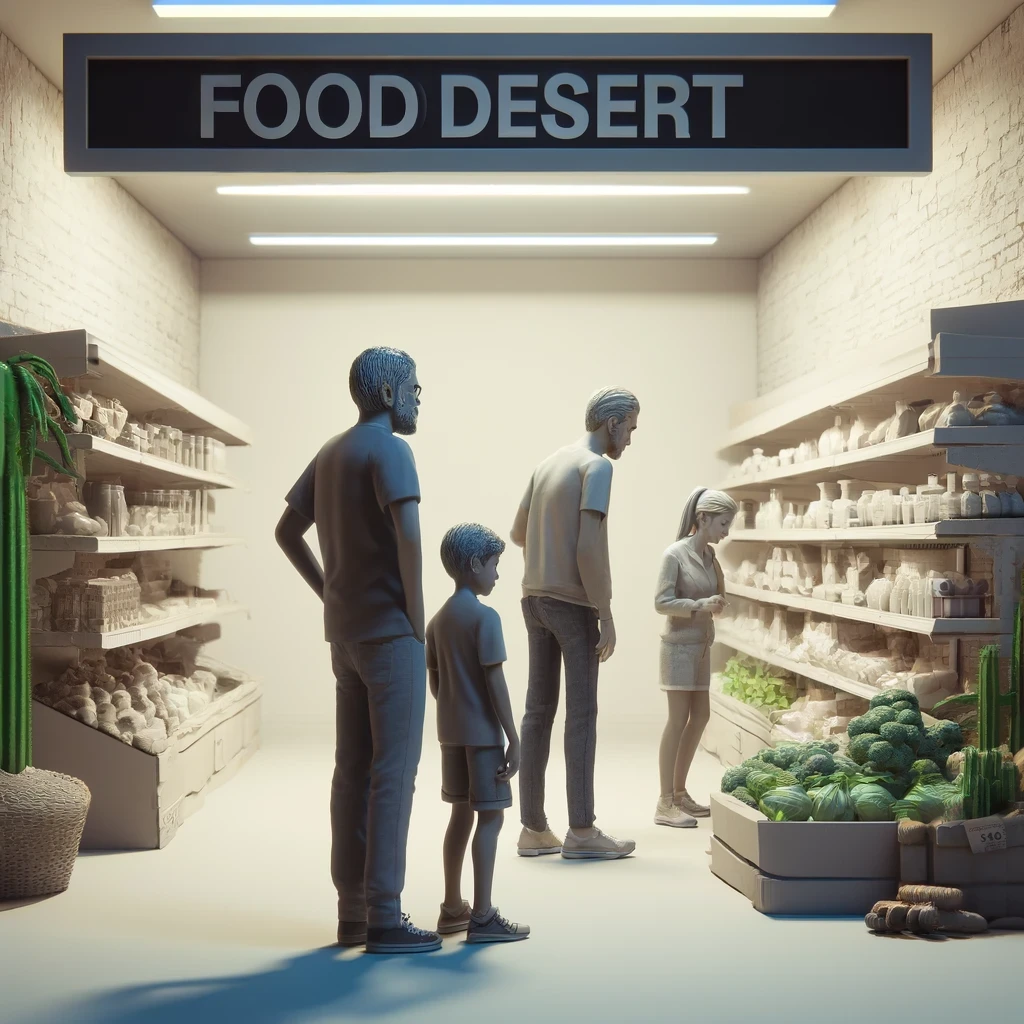
Low-income areas, often called food deserts, lack access to affordable, healthy food options. This forces residents to shop at convenience stores. Prices there are typically higher and options are less healthy. The added cost of traveling to better supermarkets further increases the overall food budget, affecting financial stability.

7. The Expense of Poor Quality Goods

One of the hidden costs of poverty is the impact it has on the quality of goods that people can afford. Those who are poor often have to buy cheaper, lower-quality goods that tend to wear out or break down more quickly, resulting in more frequent replacements. This applies to everything from clothing to appliances. Moreover, people living in poverty often do not have the luxury of buying in bulk or taking advantage of sales due to their immediate cash needs, which further exacerbates this issue.

8. Educational Barriers and Costs

Education is a pathway out of poverty, but it comes with its own set of barriers. Costs for materials, uniforms, and extracurricular activities can be prohibitive. Public schools in low-income areas are often under-resourced, affecting the quality of education received. This limits future earning potential, continuing the cycle of poverty.

9. Higher Fees and Fines

Individuals with low incomes often find themselves dealing with higher fees and fines. This includes fees from banking penalties to legal infractions. There are many causes, such as a lack of access to affordable financial services or a limited understanding of legal rights and procedures. Unfortunately, the inability to pay fines promptly often leads to additional fees or legal complications. This can further increase the financial burden and create a cycle of debt that is difficult to break out of.

10. The Psychological Cost of Poverty

The psychological impact of financial instability can be significant due to the associated stress and anxiety. This can lead to making irrational decisions, such as opting for high-cost borrowing. Unfortunately, discussions about financial inequality often overlook the immense mental health costs of poverty. Moreover, mental health issues can add to the economic burden faced by those already struggling to make ends meet.

Support Economic Equality

The costs of poverty are not just numbers; they represent real struggles for millions. By supporting policies and initiatives that promote economic equality, we can help alleviate these burdens. Engage with local organizations, advocate for policy changes, and educate others about the hidden costs of being poor. We can all make a difference.

Read More

10 Things Poor Parents Teach Their Kids That Rich Parents Don’t

15 Hard Truths About Money That Will Challenge Your Perspective on Being Broke

Shay Huntley
Shay Huntley

Shatel Huntley has a Bachelor’s degree in Criminal Justice from Georgia State University. In her spare time, she works with special needs adults and travels the world. Her interests include traveling to off-the-beaten-path destinations, shopping, couponing, and saving.

Filed Under: financial stress Tagged With: economic-inequality, financial challenges, Hidden Costs of Poverty, hidden-costs, poverty, social-issues

  • Facebook
  • Pinterest
  • RSS
  • Twitter

Improve Your Credit Score

Money Blogs

  • Celebrating Financial Freedom
  • Christian PF
  • Dual Income No Kids
  • Financial Panther
  • Gajizmo.com
  • Lazy Man and Money
  • Make Money Your Way
  • Money Talks News
  • My Personal Finance Journey
  • Personal Profitability
  • PF Blogs
  • Reach Financial Independence
  • So Over Debt
  • The Savvy Scot
  • Yes, I am Cheap

Categories

Disclaimer

Please note that Beating Broke has financial relationships with some of the merchants mentioned here. Beating Broke may be compensated if consumers choose to utilize the links located throughout the content on this site and generate sales for the said merchant.

Visit Our Advertisers

Need to change careers? Consider an Accounting Certificate Program from WTI.