Beating Broke

Personal Finance from the Broke Perspective

  • Home
  • About
  • We Recommend
  • Contact
  • Privacy Policy

Powered by Genesis

8 Real Truths About Putting Solar Panels On Your Home

October 21, 2025 By Teri Monroe Leave a Comment

truths about putting solar panels on your home
Image Source: Shutterstock

Are you considering solar panels? Installing solar panels sounds like a simple way to save money and help the planet. But the real picture is more complicated. Homeowners often discover solar isn’t always a guaranteed win. Before you sign a contract or let a salesperson climb your roof, here are eight truths every homeowner should know about going solar in 2025.

1. Not Every Home Is a Good Candidate for Solar

Not all roofs are the same. It’s a complete myth that any sunny roof can make solar power pay off. The U.S. Department of Energy (DOE) says that roof angle, age, shade from trees, and even your region’s climate can impact efficiency. North-facing roofs or areas with frequent cloud cover produce far less energy. Before installation, homeowners should request a solar suitability analysis to ensure their setup can generate enough power to justify the cost. These services are often free, so it’s worth your time.

2. Upfront Costs Are Still High Without Incentives

Do you think that harnessing the power of the sun will be cheaper? You may be surprised to learn that upfront costs can be very pricey. While solar costs have dropped dramatically in the past decade, the average installation still runs between $15,000 and $25,000 according to the Solar Energy Industries Association (SEIA). Federal tax credits cover up to 30%, and many states offer rebates, but you’ll need the capital upfront. Leasing may sound easier, but those savings often come at the cost of long-term ownership and equity in your system. Remember, Federal tax credits are not guaranteed. So, if you’re considering solar panels, act while they are being offered.

3. “Free Solar” Ads Are Almost Always Misleading

If you’ve seen ads claiming you can get “free solar panels,” be skeptical. Many of these ads are scams or bad deals. The Federal Trade Commission (FTC) warns that many of these offers are actually long-term lease or power purchase agreements (PPAs). In these deals, the company owns the panels, controls the power pricing, and can place a lien on your property. Always read contracts closely to confirm who truly owns the system. If you aren’t careful, this could affect the resale value of your home.

4. Solar Doesn’t Always Eliminate Your Electric Bill

Solar power isn’t free. Even after going solar, you’ll likely still owe a monthly connection fee to your utility provider. Most utilities charge grid access fees and require users to stay connected for stability. You may also owe charges when sunlight output drops, such as during winter or cloudy periods. Solar can reduce, not erase, your bill, especially if you use more power than your panels produce.

5. Selling a Home With Leased Panels Can Be Complicated

Solar increases property value when you own the panels. But leased systems can actually delay home sales. A 15-to 25-year solar lease makes most buyers pause. Some lenders won’t approve mortgages on homes with active solar liens. If you might move within a decade, ownership or hybrid financing is safer than long-term leasing.

6. Maintenance Isn’t “Set It and Forget It”

While solar systems are low-maintenance, they’re not maintenance-free. Homeowners need to inspect panels annually for dirt buildup, wiring corrosion, or inverter failure. Heavy snow, dust, or bird droppings can reduce performance, as well. Some warranties include maintenance, but others require you to schedule and pay for upkeep. Many homeowners forget to factor in these costs when considering solar panels.

7. Buyback Credits Are Shrinking in Some States

Many homeowners install solar, expecting to earn credits for sending extra power back to the grid. However, net metering policies are changing or being challenged. The California Public Utilities Commission (CPUC) recently reduced solar credit rates by up to 75%, meaning homeowners would earn far less for excess energy. The decision is still in the courts, so the future of these credits is still unclear. As more states follow suit, the payback period for solar investments may stretch beyond the once-promised 6–8 years.

8. Solar Still Adds Value—When Done Right

Despite the hurdles, owned solar panels remain one of the few home upgrades that can increase value. Environmentally conscious buyers view it as a long-term investment, especially in energy-cost-heavy regions. The key is ownership, transparency, and accurate documentation. Done right, solar pays off in both lower bills and higher resale value.

The Smartest Move Is Educated Installation

Solar energy can be an incredible investment. But only when you fully understand the fine print. Ask tough questions, calculate payback periods, and verify your contractor’s certifications. When approached with strategy, not hype, solar can truly make your home more sustainable and your wallet more resilient.

Have you installed solar panels or decided against them? Share your experience in the comments.

You May Also Like…

  • How to Stay Frugal Throughout Your Gardening Activities
  • 5 Jobs With Small Pay Checks That People Love
  • Old Lottery Tickets: 10 Things You Should Know About Lottery Ticket Expiration Dates
  • New Home Builds Are Rising, but What If You’re Too Broke to Buy?
  • 6 Debt Traps That Seem Harmless—Until They Jeopardize Your Entire Identity
Teri Monroe Headshot
Teri Monroe

Teri Monroe started her career in communications working for local government and nonprofits. Today, she is a freelance finance and lifestyle writer and small business owner. In her spare time, she loves golfing with her husband, taking her dog Milo on long walks, and playing pickleball with friends.

Filed Under: General Finance Tagged With: California, energy costs, home improvement, homeowners, real estate, solar panels, sustainability, utilities

Silent Energy Killers: 10 Unexpected Items Draining Your Utility Bill

June 4, 2024 By Alyssa Serio Leave a Comment

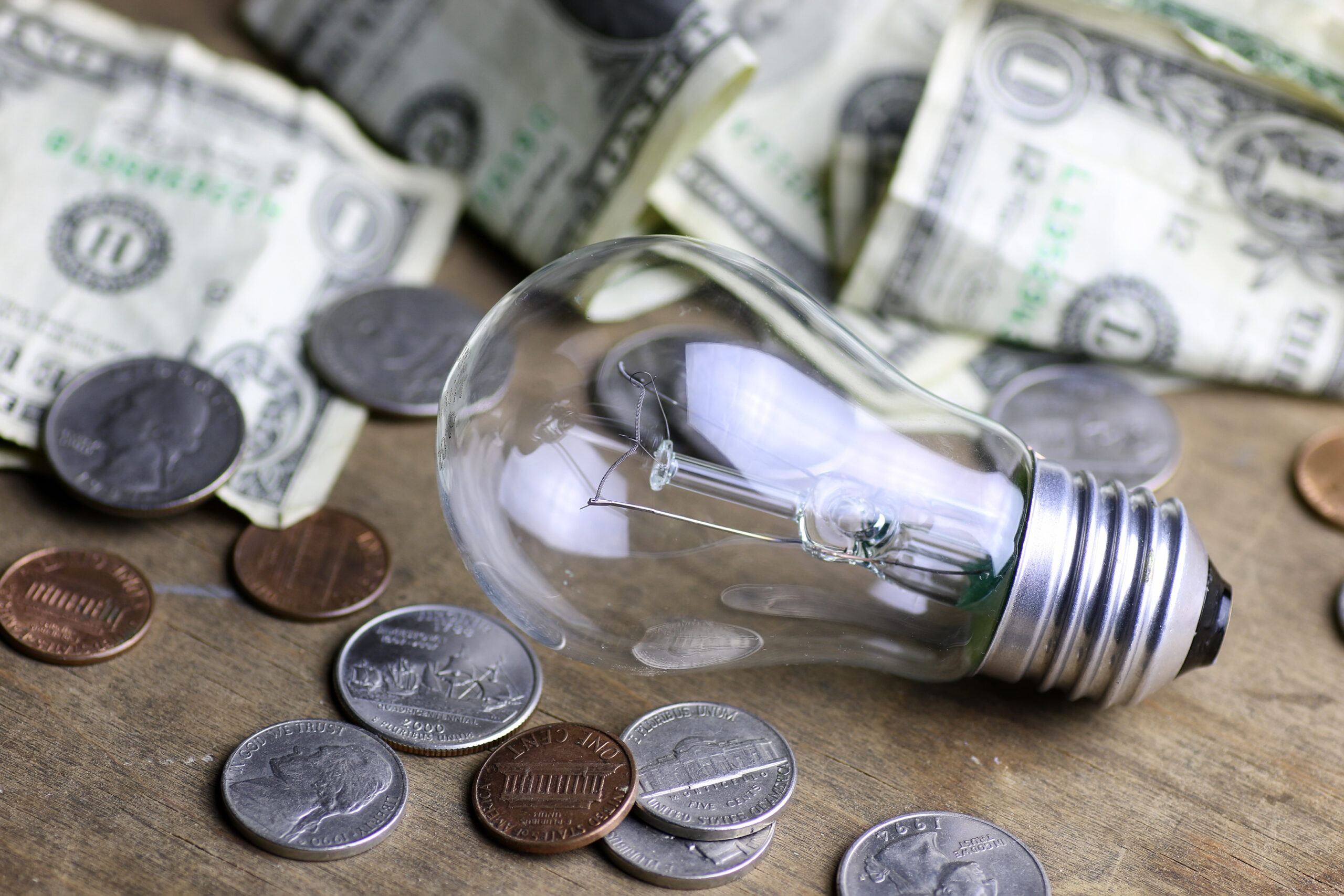
coins and crumpled money tungsten lamp filament

Are your energy bills getting out of control? In the quest to lower this utility bill, many of us focus on the usual suspects like heating and air conditioning systems. However, there may be lesser-known culprits around your home silently inflating your energy costs.

These energy costs can sneak up on you and add up over time. Here are 10 unexpected items that might be quietly draining your wallet.

1. Old RefrigeratorsMan taking food from refrigerator

Old refrigerators are notorious energy hogs. These outdated appliances drain significantly more electricity than newer, energy-efficient models. Even if the fridge is just being used as an extra storage space in the garage, it could be costing you more than it’s worth. Consider recycling it and upgrading to a more efficient model to cut down on energy costs.

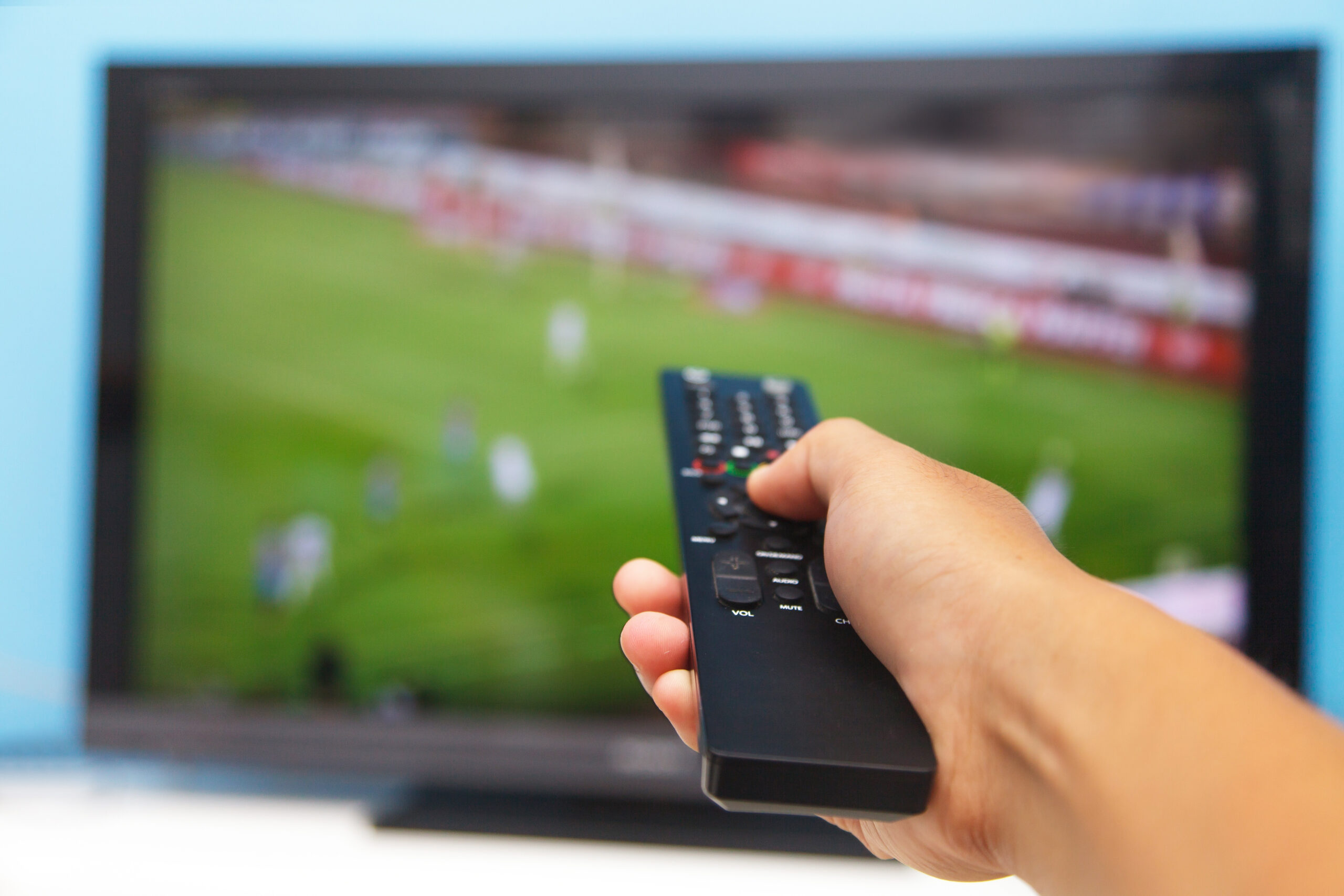
2. TelevisionsHand pointing tv remote control towards the television as background

Flatscreen televisions, particularly those that are not energy-efficient, can consume a surprising amount of power, similar to a refrigerator. Some people fall asleep with the TV on, while others spend over 3 hours per day with their eyes glued to the screen. Cut back on the time you’re watching TV and stop falling asleep with it on at night. You should also opt for energy-efficient models or adjust settings where applicable to lower your energy bill even further.

3. AquariumsBlue fish in fish tank

Aquariums can be a beautiful addition to any room, but they are also energy killers. The combined use of water pumps, heaters, and lighting can add a significant amount to your energy costs each month. To minimize expenses consider using a timer for lights. You can also check online or ask your local pet store or veterinary clinic for energy-efficient pumps and heaters.

4. Game ConsolesMale hands holding video game controllers

Game consoles, particularly when left on standby mode, can consume a lot of energy. Many users leave their consoles on standby to maintain game updates and downloads. However, this convenience comes at a cost. Turning off the console completely when not in use or using power-saving modes can greatly reduce this drain.

5. Plug-In Air Fresheners or Night Lightsshining lamp in bedroom

Plug-in air fresheners might seem relatively harmless, but they can draw power continuously when plugged into an outlet. The same goes for night lights that are left plugged into the wall outlet all day, every day.

Over time, the cost of operating these can add up. Alternatives like essential oil diffusers or manually sprayed air fresheners can provide fragrance without the continuous energy drain. For the night lights, unplug them during the day when they’re not needed.

6. Bath Fanswhite bathroom ceiling fan duct

Bath fans are essential for removing moisture and preventing mold. However, leaving them on for hours can lead to unnecessary energy use. Installing a timer switch can help ensure they are running only when necessary. You’ll be surprised by how much you’re reducing energy waste with this simple change to your setup.

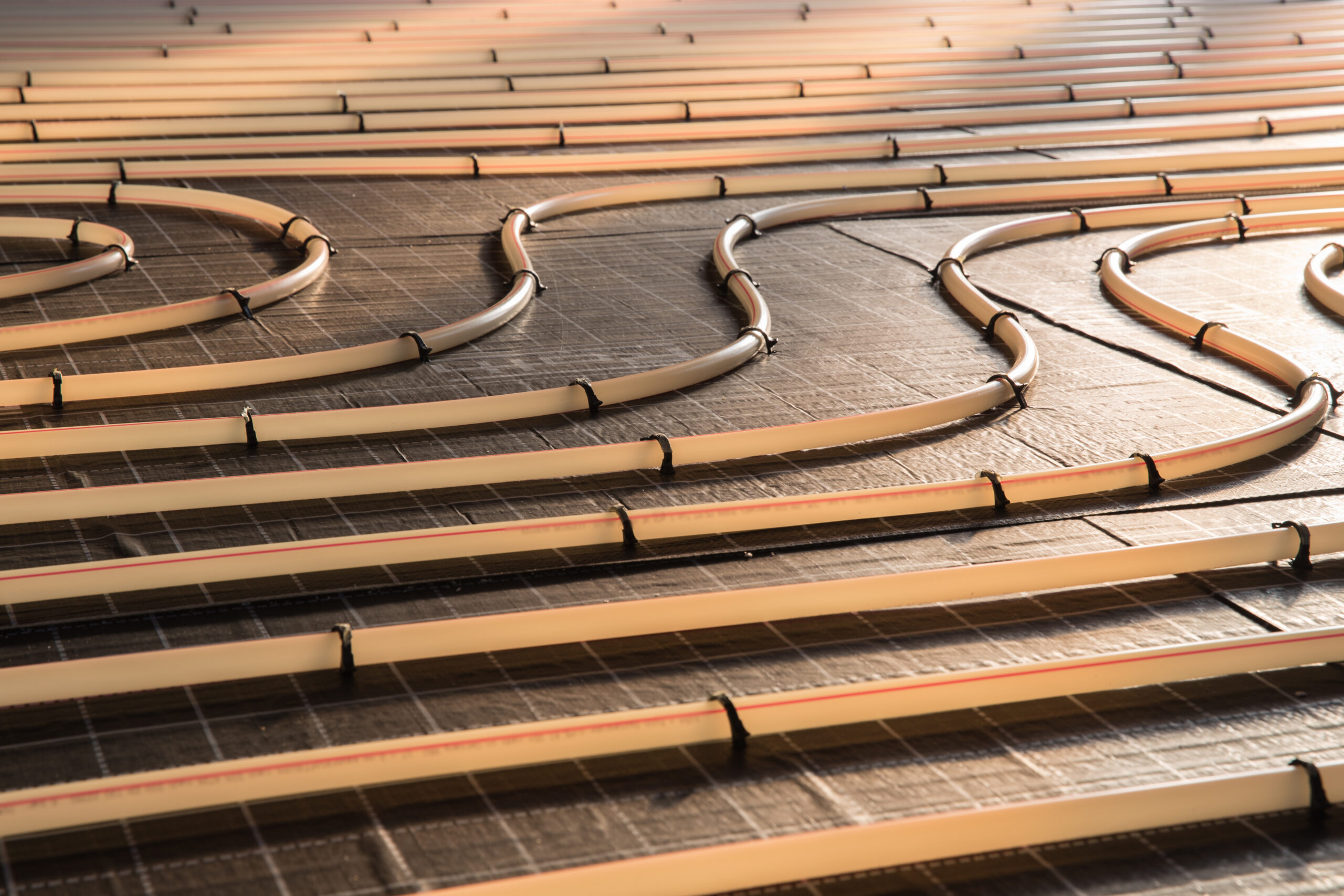
7. Underfloor HeatingRadiant floor heating system

Do you want to add a touch of luxury to your home? You may consider installing underfloor heating, which is a method of heating indoor spaces through the flooring. Keep in mind that underfloor heating can be a significant energy drain if not managed correctly. Using a programmable thermostat to reduce heating during hours when it’s not needed, or only activating it in frequently used rooms, can help manage its energy consumption.

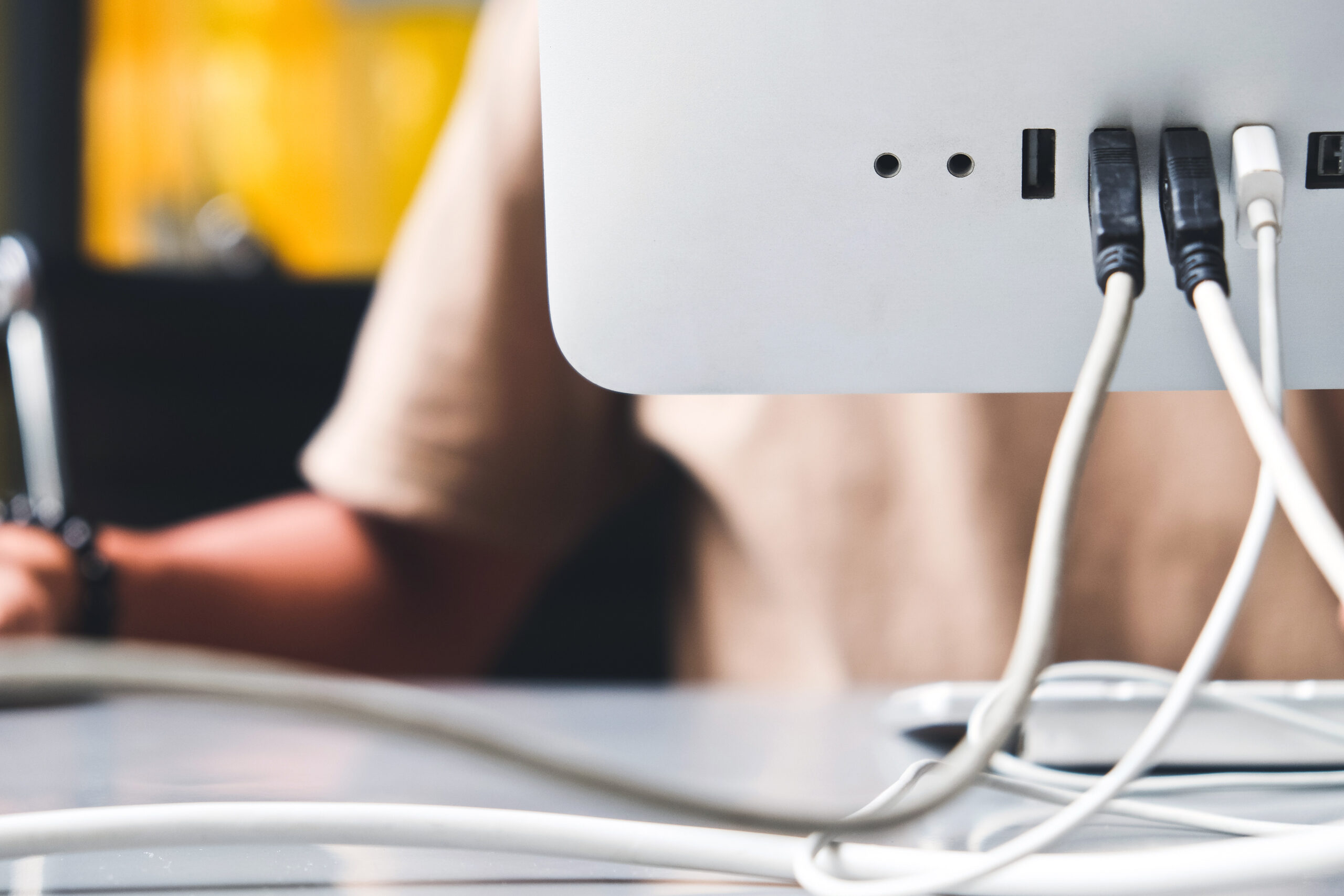
8. External Power SuppliesClose up of plugged in computer

External power supplies for laptops, phones, and other electronics often continue to draw power even when the device is fully charged or disconnected. This may explain why your energy bills are so much higher each month. Unplugging these chargers when not in use or using a power strip to turn off multiple loads at once can reduce this passive energy use. Set this up in your office, so you’re paying less on your utility bills each month.

9. Decorative Outdoor Lightingstring edison lights outside

Some people feel really happy coming home to a beautiful display of outdoor lighting in their front year. While this undeniably looks lovely, decorative outdoor lighting can also lead to increased energy bills if left on unnecessarily. Using timers or motion sensors to control these lights can ensure they are only on when needed, thus conserving energy. Invest in a few of these timers for your yard and enjoy the amount you save on your energy bills each month.

10. Coffee Makers

Coffee machine making coffee in morning with crema

With an estimated 154 million adults drinking coffee in the United States, there’s no doubt that most home have a coffee maker. These coffee makers, especially those with clocks, lights, and programmable features, use more electricity than you might expect.

Unplug your coffee maker when it’s not in use or use a model with an automatic shut-off feature. By taking the time to do this every day, you’ll make a significant impact on your monthly utility bill.

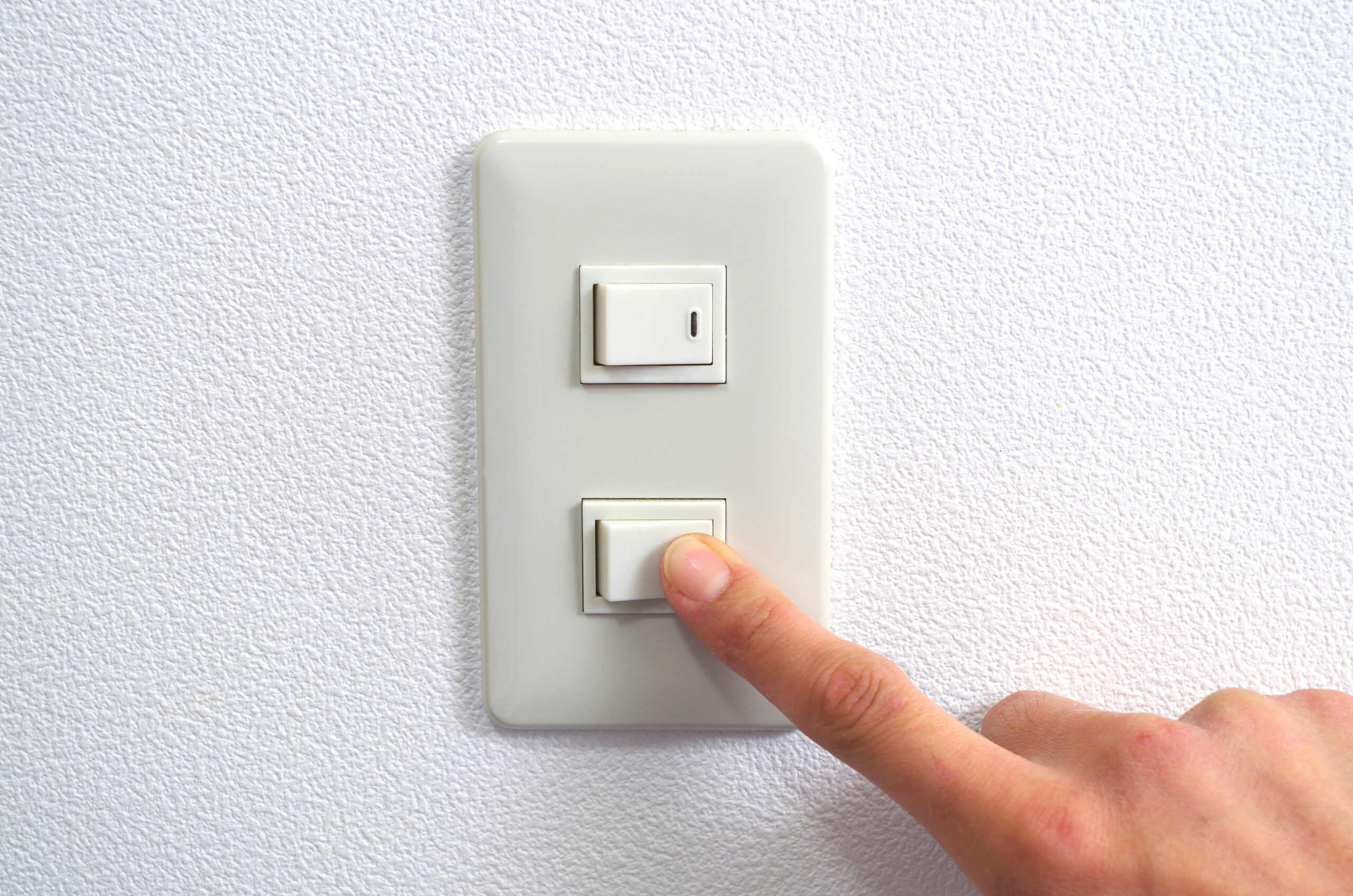
Cut Energy CostsElectric switch on

You don’t have to keep shelling out your hard-earned money on high energy costs. Look for silent energy killers around your home and invest in timers and tools to help turn these items off when they’re not needed.

It all starts with small adjustments you can make right now. You’ll significantly reduce your energy consumption and feel happier every month about those lower utility bills.

Read More: 

Tips on Budgeting for a New Apartment

Weathering Life’s Storms: How an Emergency Fund Can Protect Your Financial Future

Alyssa Serio
Alyssa Serio

Alyssa Serio has been a writer and editor since graduating from Aurora University in 2014. In her free time, she loves reading, playing volleyball, and watching any horror movie (even the bad ones) with her husband.

Filed Under: budgeting Tagged With: cutting down energy costs, energy costs, lowering energy bill, saving on energy billl, saving on energy costs, utility bills

  • Facebook
  • Pinterest
  • RSS
  • Twitter

Improve Your Credit Score

Money Blogs

  • Celebrating Financial Freedom
  • Christian PF
  • Dual Income No Kids
  • Financial Panther
  • Gajizmo.com
  • Lazy Man and Money
  • Make Money Your Way
  • Money Talks News
  • My Personal Finance Journey
  • Personal Profitability
  • PF Blogs
  • Reach Financial Independence
  • So Over Debt
  • The Savvy Scot
  • Yes, I am Cheap

Categories

Disclaimer

Please note that Beating Broke has financial relationships with some of the merchants mentioned here. Beating Broke may be compensated if consumers choose to utilize the links located throughout the content on this site and generate sales for the said merchant.

Visit Our Advertisers

Need to change careers? Consider an Accounting Certificate Program from WTI.