Beating Broke

Personal Finance from the Broke Perspective

  • Home
  • About
  • We Recommend
  • Contact
  • Privacy Policy

Powered by Genesis

15 Lifestyle Choices of Baby Boomers That Spark Debate

March 7, 2024 By Catherine Reed Leave a Comment

Lifestyle Choices of Baby Boomers That Spark Debate

The baby boomer generation, born between 1946 and 1964, has been a transformative force in shaping modern society. Their lifestyle choices, often rooted in the post-war era’s prosperity and the cultural shifts of the 1960s and 70s, continue to influence and sometimes spark debate among younger generations. This article explores 15 lifestyle choices of baby boomers that remain topics of discussion, highlighting the intergenerational dynamics and trends that these choices underscore.

1. Prioritizing Homeownership Over Renting
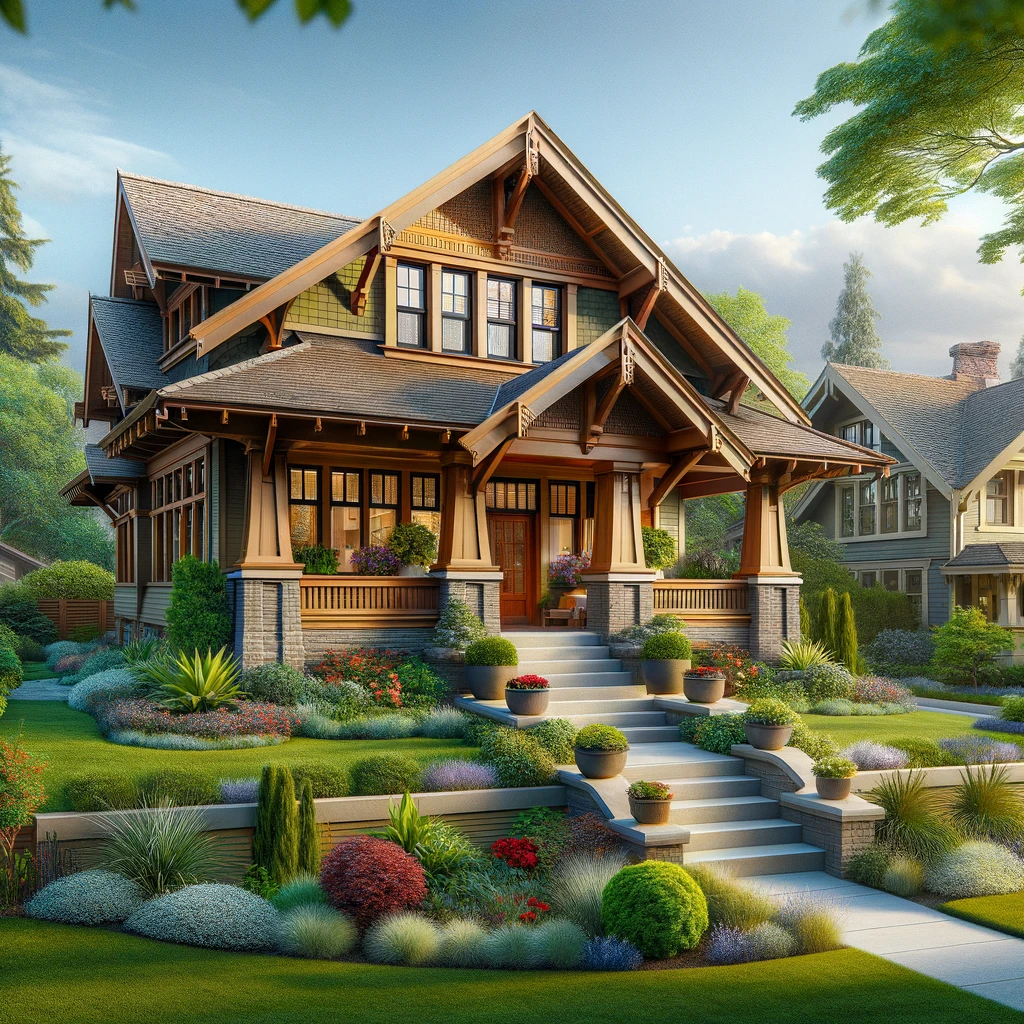
Prioritizing Homeownership Over Renting

Baby boomers have long been champions of the “American Dream,” where homeownership is seen as a key milestone. This generation’s pursuit of owning property has significantly influenced housing markets, often driving up prices and contributing to the current housing affordability crisis. Their commitment to homeownership, contrasting with millennials and Gen Z’s preference or financial necessity to rent, sparks debates on the sustainability and inclusivity of the housing market.

2. Traditional Work Ethic

Traditional Work Ethic

Boomers are often characterized by a strong work ethic, loyalty to employers, and a clear separation between work and personal life. This traditional approach to careers and the emphasis on long-term tenure at companies is increasingly at odds with younger generations’ preferences for flexibility, work-life balance, and the gig economy. The clash of work values leads to discussions about the evolving nature of work, productivity, and employee well-being.

3. Reliance on Single-Use Plastics

Reliance on Single-Use Plastics

Raised in an era when plastic was celebrated for its convenience and innovation, many boomers continue to use single-use plastics, from shopping bags to straws. This habit is now under scrutiny as ecological concerns take center stage, with younger generations advocating for sustainable alternatives and criticizing the environmental footprint left by widespread plastic use.

4. Traditional Banking and Cash Use

Traditional Banking and Cash Use

Baby boomers tend to show a strong preference for traditional banking methods and the use of cash over digital payment platforms. This generation’s comfort with in-person banking transactions, writing checks, and carrying cash contrasts sharply with younger generations’ leanings towards online banking, mobile payment apps, and cryptocurrencies. This divergence leads to discussions on financial security, the evolution of financial transactions, and the potential decline of cash as a dominant form of currency in an increasingly digital economy.

5. Car-Centric Lifestyle

Car-Centric Lifestyle

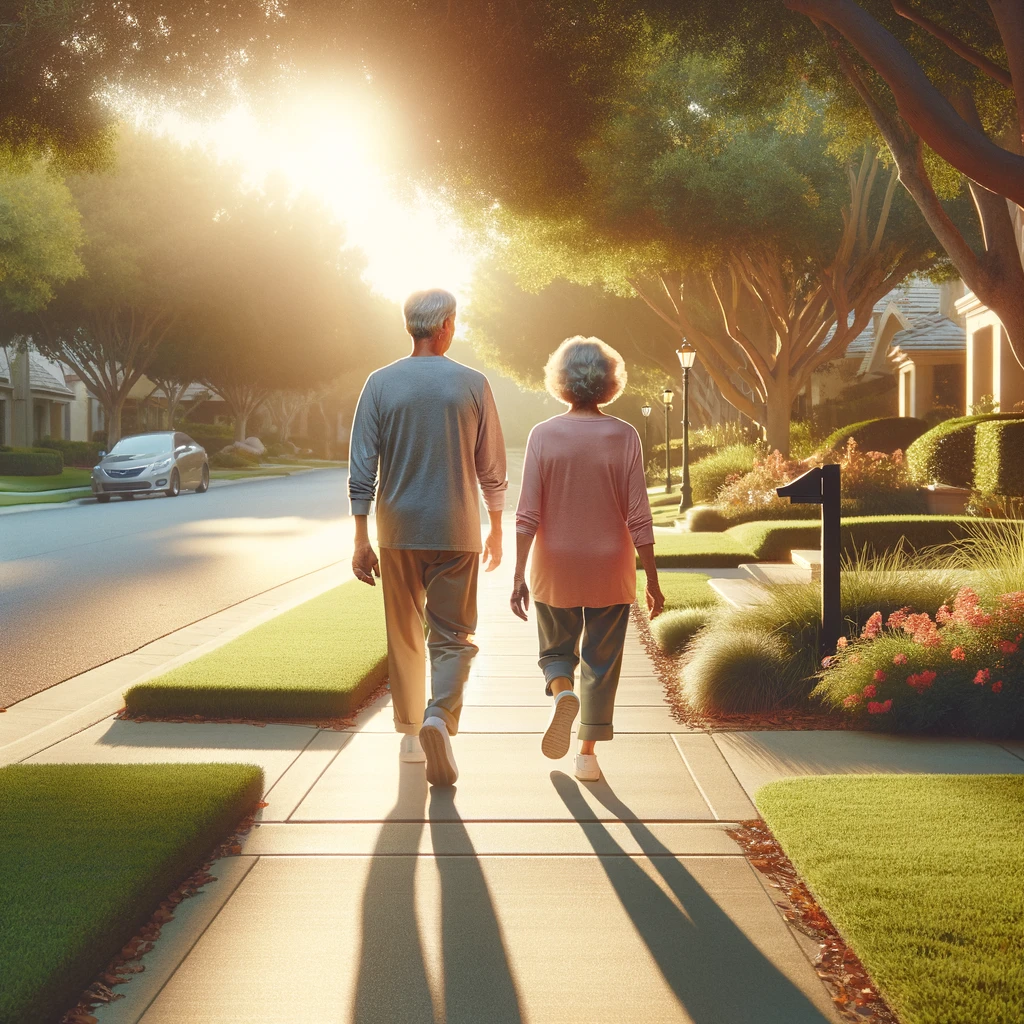
Baby boomers grew up during the golden age of the automobile, leading to a strong preference for personal car ownership and a driving-centric lifestyle. This choice has implications for urban planning, environmental sustainability, and the rising interest in public transportation and green mobility solutions among younger generations, sparking discussions about the future of transportation.

6. The “Me” Generation Perception

The Me Generation Perception

Boomers have often been labeled the “Me” generation, criticized for prioritizing personal fulfillment and material success over communal well-being. This perception fuels debates about societal values, consumerism, and the responsibility of individual versus collective action in addressing global challenges.

7. Resistance to Retirement

Resistance to Retirement

Many boomers are choosing to work beyond the traditional retirement age, driven by a desire to stay active, financial necessity, or a lack of sufficient savings. This trend raises questions about the changing nature of retirement, the availability of jobs for younger workers, and the adequacy of retirement planning and pensions.

8. Conventional Health and Wellness Approaches

Conventional Health and Wellness Approaches

Baby boomers tend to adhere to more traditional health and wellness practices, often showing skepticism towards alternative medicine, mental health awareness, and holistic approaches embraced by younger generations. This difference leads to debates on healthcare practices, the integration of alternative therapies, and the destigmatization of mental health.

9. Suburban Living Preferences
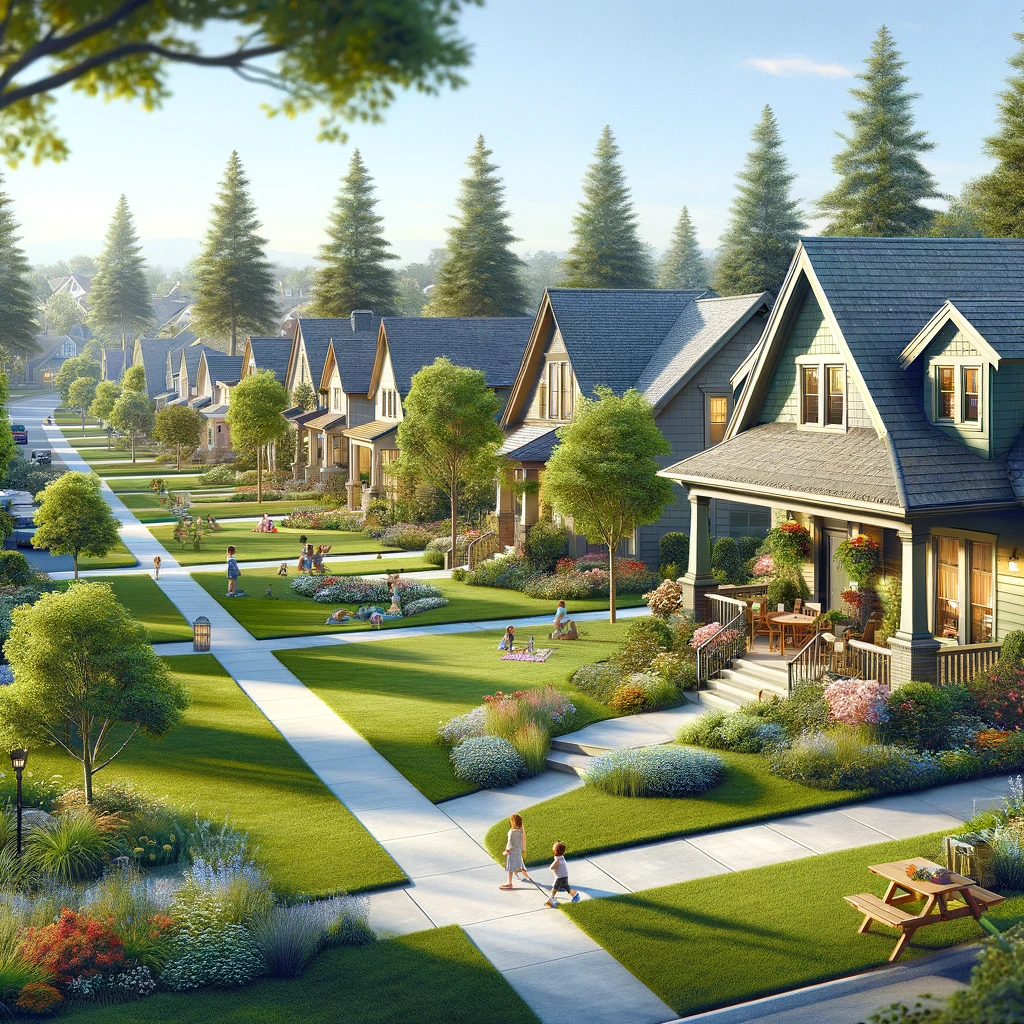
Suburban Living Preferences

The post-war suburban boom was primarily driven by boomers, with many still preferring the suburban lifestyle. This choice impacts urban development, transportation infrastructure, and environmental sustainability, contrasting with the urban and eco-friendly living preferences of younger generations.

10. Conservative Financial Strategies

Conservative Financial Strategies

Boomers are often more conservative in their financial investments and savings strategies, favoring stability over risk. As younger generations show a greater willingness to invest in stocks, cryptocurrencies, and other volatile markets, discussions arise about financial security, risk tolerance, and the best strategies for wealth accumulation.

11. Disinterest in Social Media

Disinterest in Social Media

Many boomers show a disinterest or cautious approach to social media, preferring more traditional forms of communication such as phone calls or face-to-face meetings. This reluctance to fully embrace social media platforms can lead to debates about the role of these platforms in fostering social connections, the digital divide, and the impact of social media on societal norms and personal relationships.

12. Skepticism of Climate Change

Skepticism of Climate Change

Though not applicable to all, a segment of the baby boomer generation exhibits skepticism towards climate change and the urgency of environmental action. This skepticism is often debated in the context of scientific consensus, intergenerational responsibility, and the need for immediate action to address global warming.

13. Emphasis on Formal Dining

Emphasis on Formal Dining

Baby boomers often uphold the tradition of formal dining, valuing sit-down meals, elaborate table settings, and the ritual of family dinners. This contrasts with the fast-paced, convenience-oriented eating habits of younger generations, sparking discussions about food culture, the importance of mealtime as a family bonding activity, and the changing dynamics of social gatherings around food.

14. Loyalty to Traditional Institutions

Loyalty to Traditional Institutions

Baby boomers tend to exhibit higher levels of trust and loyalty towards traditional institutions – such as government bodies and religious organizations – unlike the questioning and often skeptical approach of younger generations. This loyalty leads to debates on institutional reform, transparency, and the role of these institutions in modern society.

15. Manual vs. Digital Record-Keeping

Manual vs. Digital Record-Keeping

Boomers’ comfort with manual record-keeping, from handwritten notes to filing cabinets, stands in contrast to the digital organization methods preferred by younger generations. This preference raises discussions about data security, efficiency, and the environmental impact of paper use.

Looking Past the Baby Boomer Lifestyle Debate

Looking Past the Baby Boomer Lifestyle Debate

Each of these lifestyle choices reflects broader societal trends and values, highlighting the dynamic and often contentious interplay between generations. As we navigate these debates, the key lies in fostering mutual understanding and finding sustainable, inclusive solutions that bridge generational divides.

Catherine Reed
Catherine Reed

Catherine is a tech-savvy writer who has focused on the personal finance space for more than eight years. She has a Bachelor’s in Information Technology and enjoys showcasing how tech can simplify everyday personal finance tasks like budgeting, spending tracking, and planning for the future. Additionally, she’s explored the ins and outs of the world of side hustles and loves to share what she’s learned along the way. When she’s not working, you can find her relaxing at home in the Pacific Northwest with her two cats or enjoying a cup of coffee at her neighborhood cafe.


Filed Under: Lifestyle Tagged With: baby boomers, debate, generational differences, lifestyle, lifestyle choices, society

16 Changes in Childhood Play: From Baby Boomers to Today’s Kids

February 29, 2024 By Catherine Reed Leave a Comment

Changes in Childhood Play

The landscape of childhood play has undergone profound transformations from the Baby Boomer generation to the digital natives of today. These changes reflect broader societal shifts, technological advancements, and evolving attitudes toward parenting and education. From outdoor adventures to virtual worlds, this article explores 16 significant changes in how children play, highlighting the implications for development, socialization, and well-being.

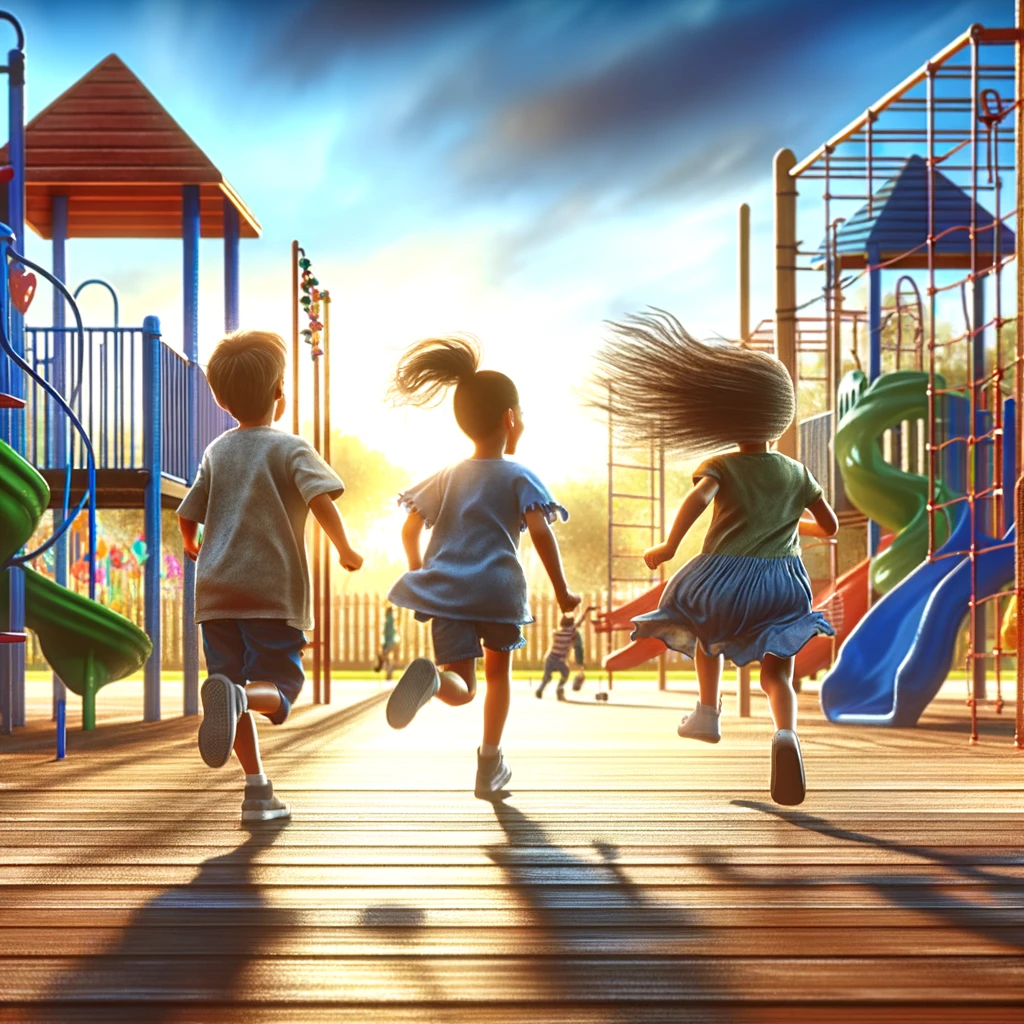
1. Outdoor Play to Screen Time

Outdoor Play to Screen Time

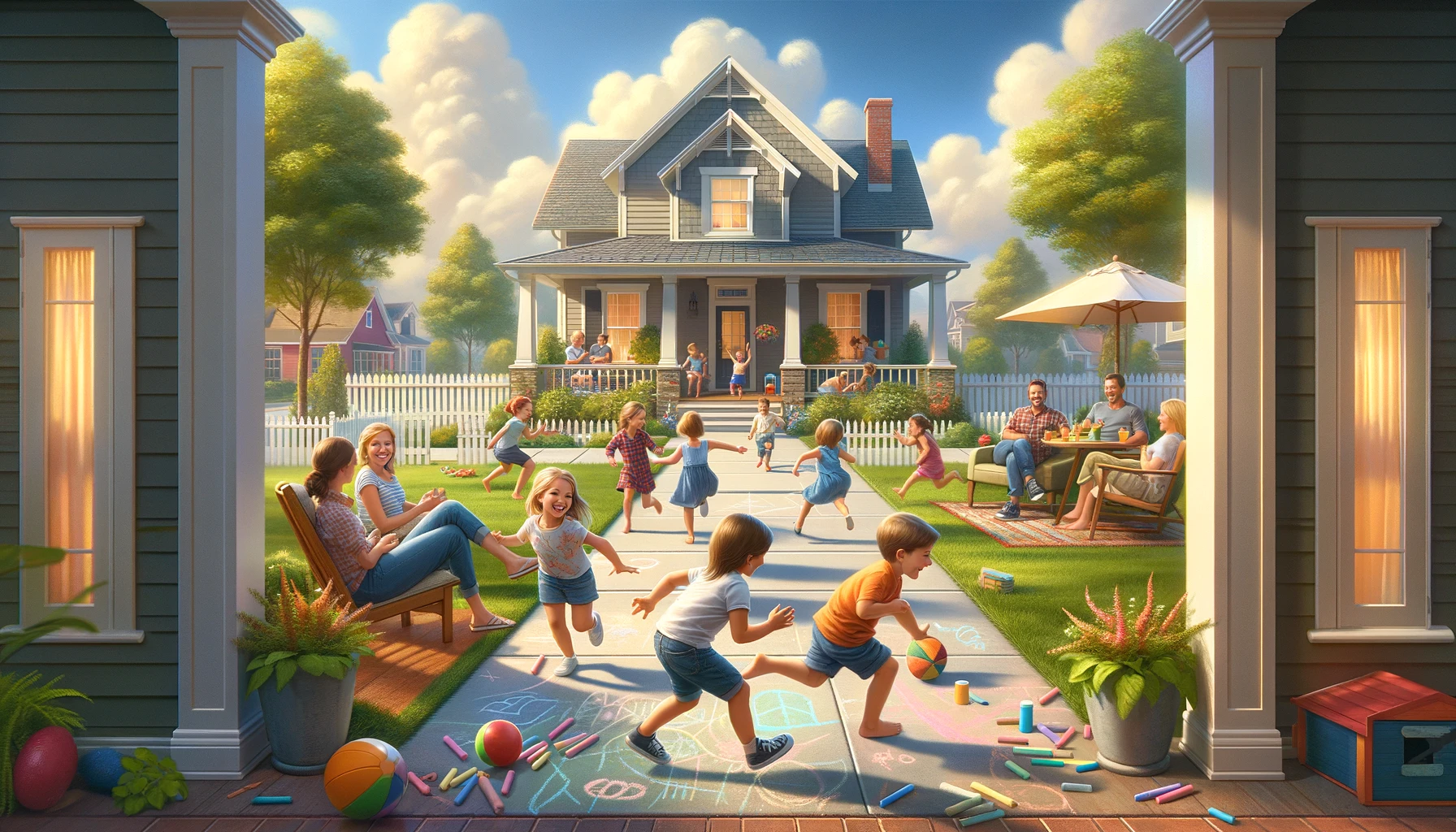
Baby Boomers spent vast portions of their childhood outdoors, engaging in unstructured play, which contrasts sharply with today’s tech-savvy kids, who often prefer screen-based entertainment. This shift raises concerns about physical health, creativity, and social skills, as digital devices increasingly dominate leisure time.

2. Physical Activity Levels

Physical Activity Levels

The Baby Boomer generation was generally more physically active, with play often involving sports, cycling, and games that required physical exertion. Today, sedentary lifestyles are more common among children, partly due to the prevalence of video games, smartphones, and other electronic devices, contributing to rising concerns about childhood obesity and fitness.

3. Social Interaction

Social Interaction

Previously, children’s play was predominantly social, involving neighborhood friends and schoolmates in group activities. In contrast, modern play can be solitary, especially with the advent of single-player video games and individualized gadgets, potentially impacting children’s social development and empathy skills.

4. Supervision and Independence

Supervision and Independence

Baby Boomers often reminisce about the freedom they had to explore their environments with minimal adult supervision. Today’s children experience more structured and supervised play environments, reflecting increased concerns about safety and a shift towards more organized activities.

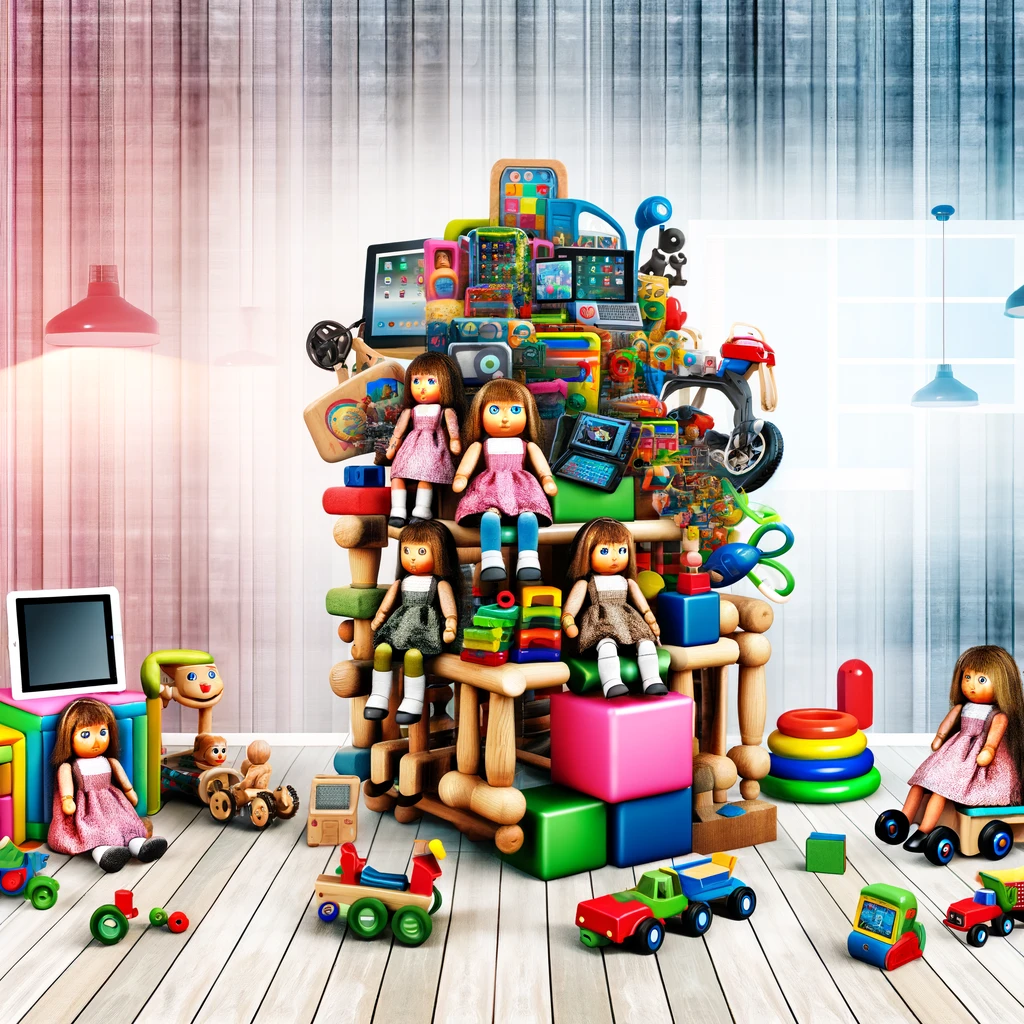
5. Toys and Technology

Toys and Technology

While Baby Boomers grew up with basic toys that often required imaginative input, today’s children have access to sophisticated tech toys, including drones, smart dolls, and educational apps, which offer immersive and interactive experiences but may also limit imaginative play.

6. Educational Focus

Educational Focus

There’s been a significant shift towards educational and developmental toys and games, reflecting a growing awareness of early childhood development. Parents and educators now emphasize toys that promote STEM skills, literacy, and cognitive development from a younger age.

7. Indoor Play Predominance

Indoor Play Predominance

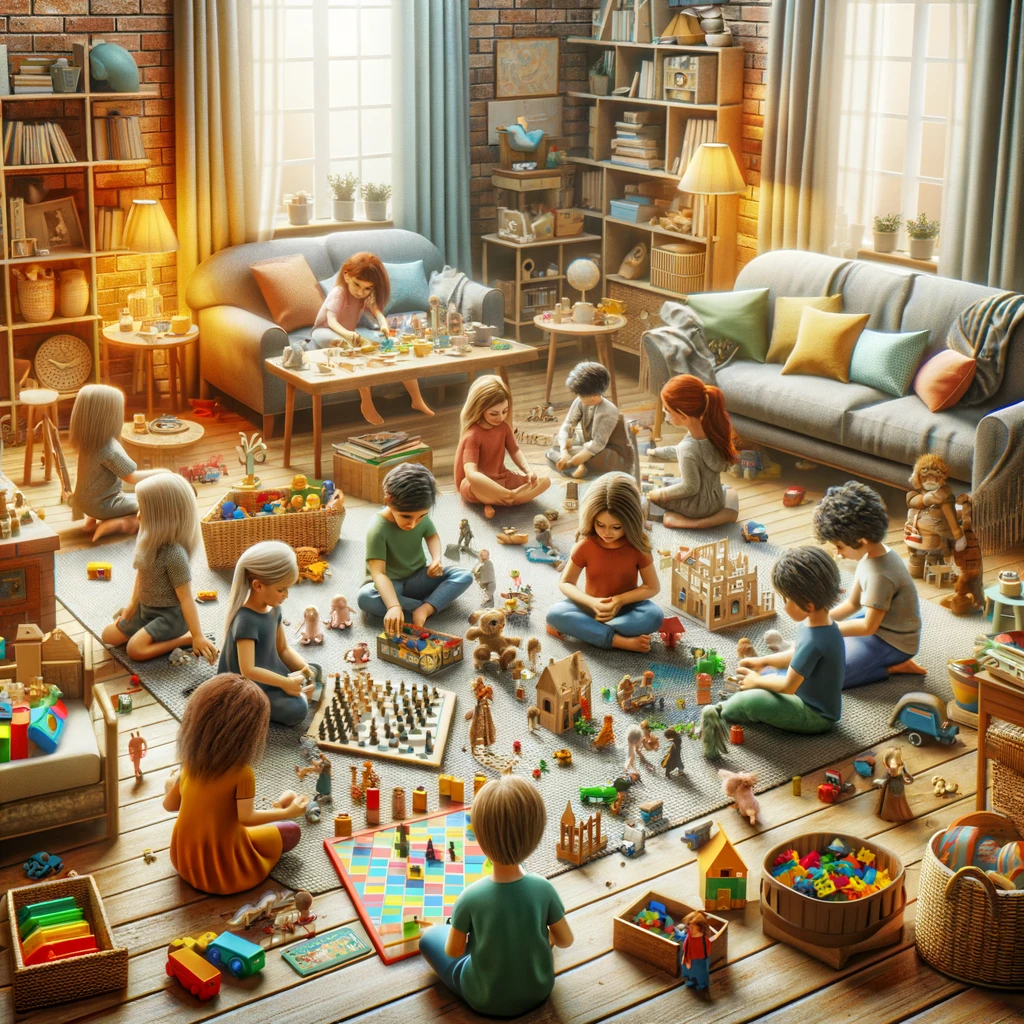
Modern children are more likely to engage in indoor play, within the safety of their homes or at designated indoor play centers. This trend reflects urbanization, safety concerns, and the changing nature of community spaces, contrasting with the Baby Boomers’ tendency to roam neighborhoods and play in natural settings.

8. Scheduled Playdates

Scheduled Playdates

The spontaneity of play has diminished over the generations, with today’s parents often scheduling playdates for their children. A structured approach to socialization reflects busier family schedules and concerns about safety but may limit children’s opportunities to develop independent social skills.

9. Gender-Neutral Toys

Gender-Neutral Toys

There’s a growing emphasis on gender-neutral toys and activities, challenging traditional gender roles and stereotypes. This shift aims to foster inclusivity and equality from a young age, contrasting with the more gender-specific toys and roles encouraged among Baby Boomers.

10. Digital Literacy

Digital Literacy

Today’s children are becoming digitally literate at an increasingly young age, with tablets and smartphones becoming common in early childhood. Early exposure to technology contrasts with the analog world of Baby Boomers and prepares children for a digital future but also raises concerns about screen time.

11. Play and Mental Health

Play and Mental Health

There’s increased awareness of the link between play and mental health, with a focus on play as a means to reduce stress and improve psychological well-being. This understanding reflects broader societal recognition of mental health issues, compared to the less informed perspectives during the Baby Boomer era.

12. Environmental Awareness

Environmental Awareness

Modern toys and play activities often incorporate themes of environmental conservation and sustainability, mirroring growing global concerns about these issues. This focus aims to instill a sense of responsibility and awareness in children, a contrast to the less environmentally focused play of previous generations.

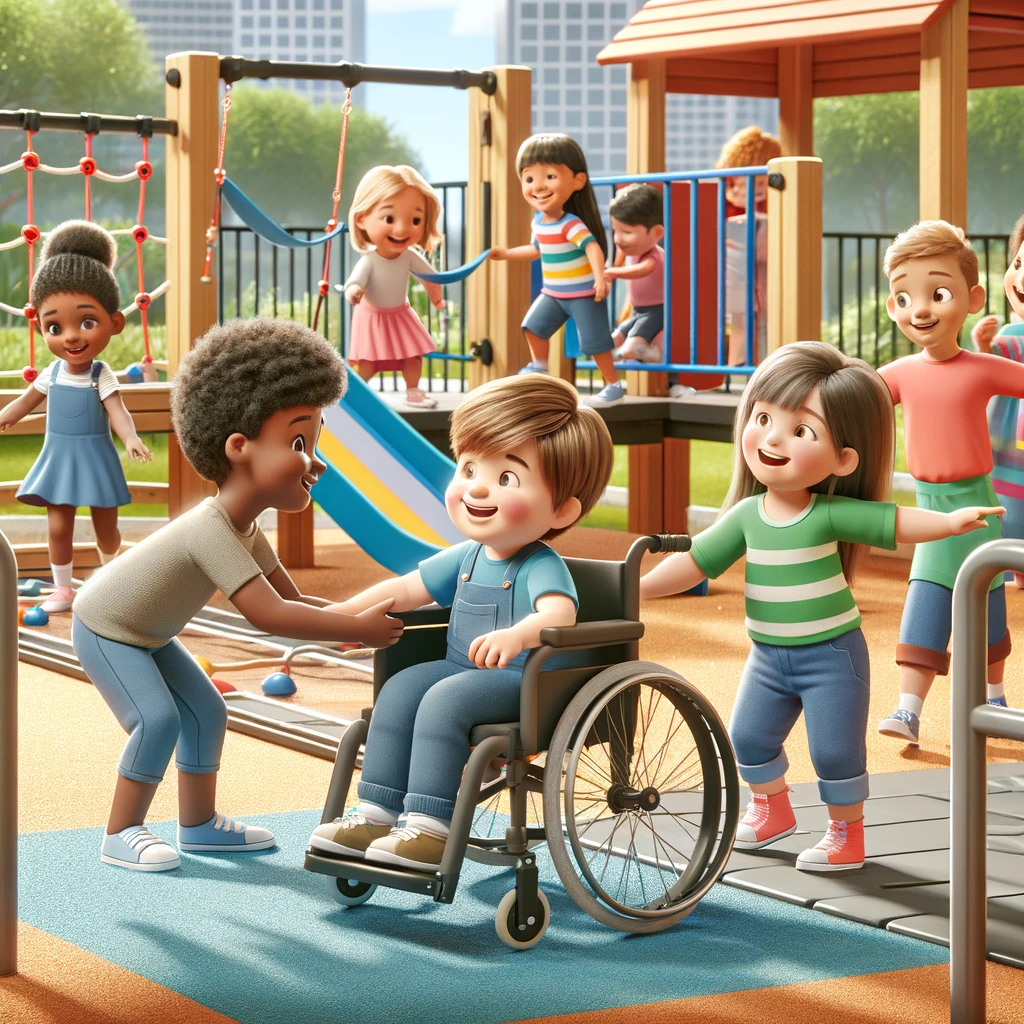
13. Inclusivity in Play

Inclusivity in Play

There’s a concerted effort to ensure play is inclusive, with toys and games designed to be accessible to children of all abilities. Inclusivity represents a significant shift from past generations, where children with disabilities were often marginalized in play activities.

14. Role of Media and Influencers

Role of Media and Influencers

Children’s play is increasingly influenced by media and influencers, with characters from TV shows, movies, and YouTube shaping play themes and toy choices. Media-driven play is a departure from the more localized and community-driven influences of the Baby Boomer era.

15. Safety Regulations

Safety Regulations

Toys and play environments today are subject to stringent safety regulations, reflecting heightened concerns about child safety. This regulatory environment contrasts with the less regulated, and sometimes riskier, playthings and spaces of the past.

16. The Blend of Tradition and Innovation

Blend of Tradition and Innovation

Despite these changes, there remains a blend of traditional and innovative play patterns, with classic toys like building blocks and board games continuing to be popular alongside modern gadgets, showing that some aspects of play remain timeless.

The Evolving Landscape of Childhood Play

Evolving Landscape of Childhood Play

These shifts in childhood play reflect broader changes in society, technology, and attitudes toward childhood and development. While each generation’s play experiences have unique benefits and challenges, the essence of play as a critical component of childhood remains unchanged, continuing to shape skills, friendships, and memories.

Catherine Reed
Catherine Reed

Catherine is a tech-savvy writer who has focused on the personal finance space for more than eight years. She has a Bachelor’s in Information Technology and enjoys showcasing how tech can simplify everyday personal finance tasks like budgeting, spending tracking, and planning for the future. Additionally, she’s explored the ins and outs of the world of side hustles and loves to share what she’s learned along the way. When she’s not working, you can find her relaxing at home in the Pacific Northwest with her two cats or enjoying a cup of coffee at her neighborhood cafe.
Filed Under: Lifestyle Tagged With: baby boomers, childhood play, games, gen z, generational differences, growing up, millennials, toys

12 Lifestyle Trends Millennials Love But Older Generations Just Don’t Get

February 28, 2024 By Catherine Reed Leave a Comment

Lifestyle Trends Millennials Love But Older Generations Just Don't Get

In the ever-evolving landscape of societal norms and cultural trends, millennials have carved out a niche that distinctly sets them apart from their predecessors. This generation’s preferences and values have shaped a series of lifestyle trends that, while resonating deeply with them, often leave older generations scratching their heads. From embracing digital nomadism to prioritizing mental health over material success, here are 12 lifestyle trends that millennials champion, embodying their quest for a balanced, fulfilling, and sustainable life.

1. Digital Nomadism

Digital Nomadism

Gone are the days when a stable career meant being tethered to a single office location. Millennials have embraced the digital nomad lifestyle, leveraging technology to work remotely from exotic locales around the world. This trend reflects their value for experiences over possessions and their desire for work-life balance. While older generations might view this as an unstable career path, millennials see it as the ultimate freedom, blending work, travel, and adventure into a seamless lifestyle.

2. Plant-Based Diets

Plant-Based Diets

Millennials are at the forefront of the surge in plant-based eating, driven by concerns for health, the environment, and animal welfare. This dietary shift is often met with skepticism by older generations accustomed to meat-centric meals. However, for millennials, it’s not just a diet but a conscious choice reflecting their values and their holistic approach to wellness.

3. Minimalism

Minimalism

The minimalist movement, characterized by decluttering and simplifying one’s lifestyle, has found a strong following among millennials. This trend, often misunderstood by older generations as mere austerity, is embraced by millennials as a path to freedom from material constraints, focusing on experiences and personal growth instead of accumulating possessions.

4. Co-Living and Co-Working Spaces

Co-Living and Co-Working Spaces

Millennials are redefining the concept of living and working spaces, gravitating towards co-living and co-working environments. These spaces not only offer affordability and flexibility but also foster a sense of community and collaboration, values highly prized by millennials. In contrast, older generations often prioritize privacy and ownership, making it hard for them to grasp the appeal of shared spaces.

5. Ethical Consumerism

Ethical Consumerism

More than any generation before, millennials are driven by the ethics behind their purchases, supporting brands that are environmentally sustainable and socially responsible. This shift towards ethical consumerism often puzzles older generations, who may not place the same emphasis on the moral implications of their buying choices.

6. Mindfulness and Mental Health

Mindfulness and Mental Health

Millennials have brought mental health and mindfulness into the mainstream, openly discussing and prioritizing their psychological well-being. This contrasts with older generations, who may view such openness with skepticism or as a sign of weakness, underscoring a generational divide in addressing mental health.

7. Experiential Travel

Experiential Travel

For millennials, travel is less about luxury and more about authentic, immersive experiences. They prefer off-the-beaten-path adventures and cultural immersion over traditional tourist activities, a trend that can perplex older generations accustomed to more conventional forms of vacationing.

8. Gig Economy Participation

Gig Economy Participation

Millennials are the driving force behind the gig economy, favoring freelance and contract work for its flexibility and variety. This approach to career-building is often at odds with older generations’ values of job security and long-term employment at a single company.

9. Social Media as a Primary News Source

Social Media as a Primary News Source

While older generations might rely on traditional news outlets, millennials turn to social media platforms for real-time updates and diverse perspectives. This trend reflects their preference for fast, accessible, and interactive forms of communication, though it’s sometimes criticized for concerns about misinformation.

10. Sustainable Living

Sustainable Living

Millennials are leading the charge in sustainable living practices, from reducing waste to supporting renewable energy sources. This commitment to sustainability can sometimes be seen as impractical or idealistic by older generations, who may not prioritize environmental concerns as highly.

11. Fitness and Wellness Cultures

Fitness and Wellness Cultures

Fitness and wellness are not just about physical health for millennials; they’re integral to their identity and lifestyle. This generation’s holistic approach to wellness, incorporating everything from yoga and meditation to functional fitness, marks a departure from older generations’ more traditional views on exercise and health.

12. Crowdfunding and Social Entrepreneurship

Crowdfunding and Social Entrepreneurship

Millennials are enthusiastic supporters of crowdfunding platforms and social entrepreneurship, viewing them as a means to democratize funding and drive social change. This contrasts with older generations’ reliance on traditional investment and business models, which may not emphasize social impact to the same extent.

Changing Priorities Inspired Millennial Lifestyle Trends

Changing Priorities Inspired Millennial Lifestyle Trends

These lifestyle trends underscore a generational shift towards more flexible, conscious, and experience-driven living. While they may sometimes be met with incomprehension or skepticism by older generations, they reflect millennials’ broader aspirations for a life that balances personal fulfillment with social and environmental responsibility.

Catherine Reed
Catherine Reed

Catherine is a tech-savvy writer who has focused on the personal finance space for more than eight years. She has a Bachelor’s in Information Technology and enjoys showcasing how tech can simplify everyday personal finance tasks like budgeting, spending tracking, and planning for the future. Additionally, she’s explored the ins and outs of the world of side hustles and loves to share what she’s learned along the way. When she’s not working, you can find her relaxing at home in the Pacific Northwest with her two cats or enjoying a cup of coffee at her neighborhood cafe.

Filed Under: Lifestyle Tagged With: baby boomers, gen x, generational differences, generations, lifestyle, lifestyle trends, millennials

  • « Previous Page
  • 1
  • 2
  • 3
  • Next Page »
  • Facebook
  • Pinterest
  • RSS
  • Twitter

Improve Your Credit Score

Money Blogs

  • Celebrating Financial Freedom
  • Christian PF
  • Dual Income No Kids
  • Financial Panther
  • Gajizmo.com
  • Lazy Man and Money
  • Make Money Your Way
  • Money Talks News
  • My Personal Finance Journey
  • Personal Profitability
  • PF Blogs
  • Reach Financial Independence
  • So Over Debt
  • The Savvy Scot
  • Yes, I am Cheap

Categories

Disclaimer

Please note that Beating Broke has financial relationships with some of the merchants mentioned here. Beating Broke may be compensated if consumers choose to utilize the links located throughout the content on this site and generate sales for the said merchant.

Visit Our Advertisers

Need to change careers? Consider an Accounting Certificate Program from WTI.