Beating Broke

Personal Finance from the Broke Perspective

  • Home
  • About
  • We Recommend
  • Contact
  • Privacy Policy

Powered by Genesis

20 Happenings That Suggest White Flight Is Happening In Your Town

March 14, 2024 By Catherine Reed Leave a Comment

Happenings That Suggest White Flight Is Happening In Your Town

White flight, the phenomenon where white residents move from racially mixed urban regions to more homogenous suburban or rural areas, can profoundly affect the social fabric and economic health of communities. Here are 20 indicators that white flight might be occurring in your town, shedding light on underlying societal shifts and challenges.

1. Shift in School Demographics
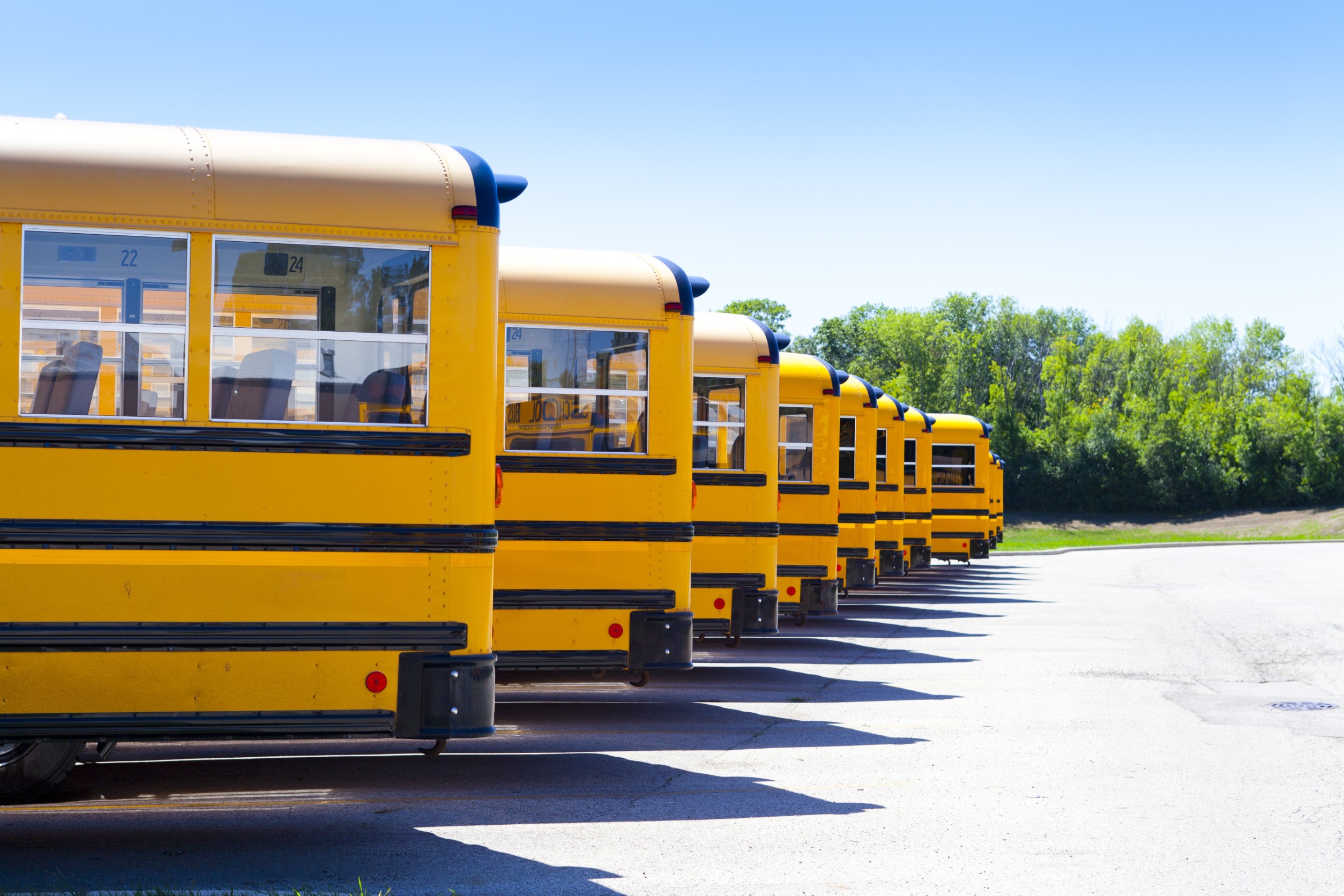
Shift in School Demographics

Local schools may start reflecting a more diverse student body, with a significant decrease in white students as families move to other areas. This demographic shift can impact school funding and resources.

2. Changes in Property Values

Changes in Property Values

Property values in historically stable neighborhoods might begin to decline as homes are listed for sale in large numbers, signaling a potential exodus. This trend can disrupt the local housing market and community stability.

3. Decrease in Local Business Ownership

Decrease in Local Business Ownership

The disappearance of long-established, white-owned local businesses can indicate community demographic shifts and economic changes. New businesses may cater to a different demographic, altering the local economic landscape.

4. Real Estate Marketing Trends

Real Estate Marketing Trends

Real estate advertisements might start targeting buyers in the area, emphasizing the homogeneity of communities further away as a means of pushing specific groups to consider leaving. This marketing shift can essentially encourage relocation based on demographic preferences.

5. Changes in Community Services

Changes in Community Services

A noticeable reduction in the quality or availability of community amenities like parks and libraries might occur, reflecting shifting priorities and resources. This can lead to a decreased quality of life for the remaining residents.

6. Alterations in Public Funding

Alterations in Public Funding

Public funds might be redirected away from urban areas towards suburban or rural communities, following the movement of wealthier, often white, populations. This shift can exacerbate inequalities between areas.

7. Increase in Rental Properties

Increase in Rental Properties

An uptick in homes being converted to rentals can suggest that homeowners are moving but retaining properties as investments, anticipating future demographic shifts. This can change the character of neighborhoods from homeowner-dominated to renter-occupied.

8. Shift in Local Political Landscape

Shift in Local Political Landscape

The local political scene may start reflecting new priorities and leadership, often in response to changing demographics and concerns. This can lead to policies that further encourage demographic sorting.

9. Decrease in Community Engagement

Decrease in Community Engagement

A decline in active participation in community events and organizations by longstanding white residents can indicate a waning commitment to the area, often preceding relocation. This withdrawal can leave a void in community leadership and cohesion.

10. Changes in Public Perception

Changes in Public Perception

The narrative surrounding a town might shift, focusing more on negative aspects like crime or educational challenges, which can be coded language hinting at racial demographic changes. This altered perception can stigmatize areas and accelerate white flight.

11. Decline in Neighborhood Associations

Decline in Neighborhood Associations

Neighborhood associations may become less active or dissolve entirely as longstanding residents move away, reducing community oversight and involvement in local issues. This can lead to a decline in neighborhood upkeep and a sense of community.

12. Increase in Vacant Properties

Increase in Vacant Properties

An uptick in vacant homes and commercial properties can be a telltale sign of a community in transition, often preceding a demographic shift. Vacancies can attract vandalism and contribute to a sense of neglect.

13. Shift in Religious Institutions

Shift in Religious Institutions

Local churches and religious institutions that once served as community anchors may experience declining attendance or close altogether as their congregations relocate. New congregations may form, reflecting the changing demographics.

14. Changes in Public Transportation Usage

Changes in Public Transportation Usage

Public transportation routes and usage patterns may change, with services being rerouted or reduced in areas experiencing white flight. This can impact accessibility and connectivity for remaining residents.

15. Evolution of Cultural Festivals
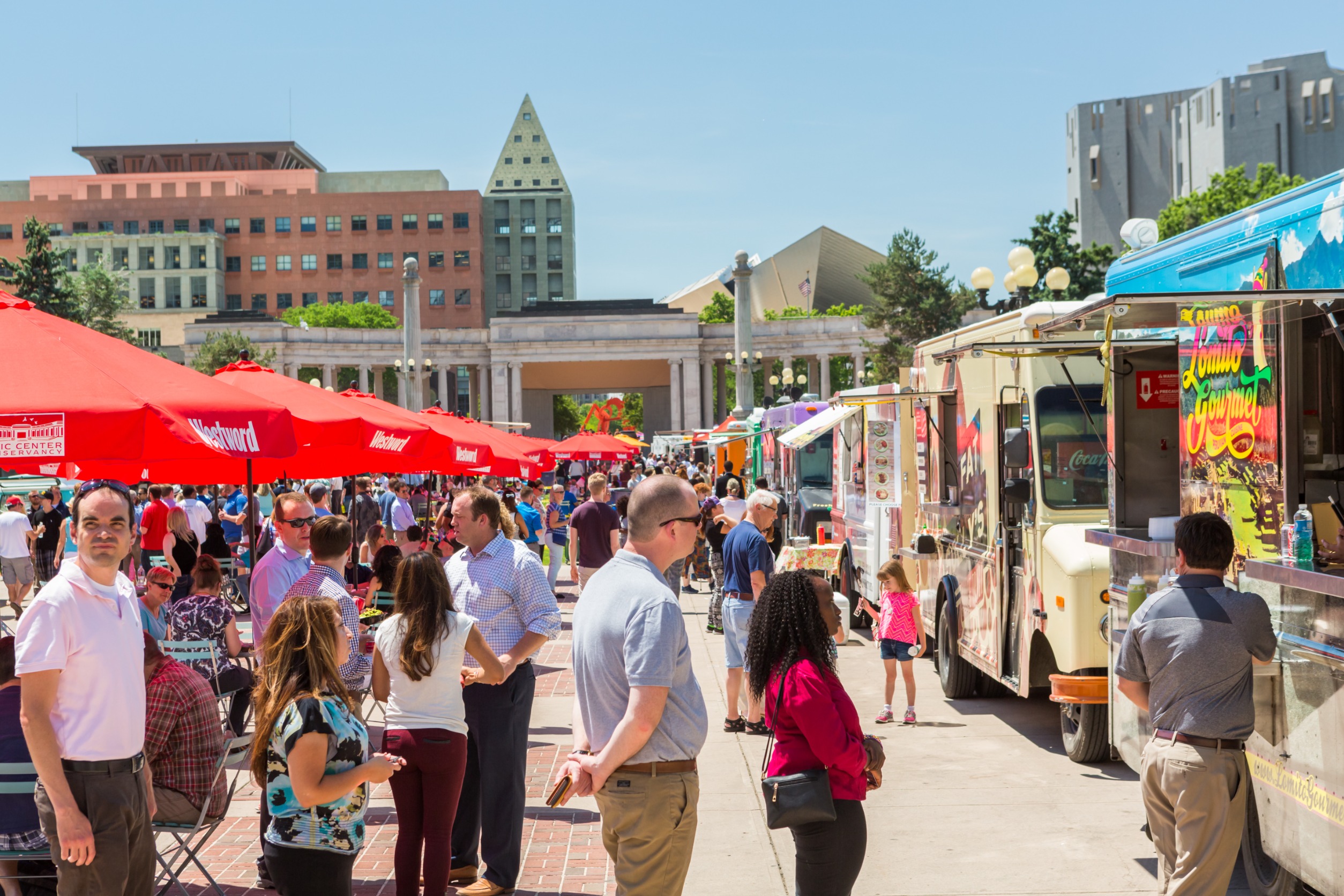
Evolution of Cultural Festivals

Cultural festivals and events that have long been traditions in the community might be discontinued or evolve to cater to a new demographic makeup. This shift reflects changing cultural and social dynamics.

16. Transformation of Retail Landscapes

Transformation of Retail Landscapes

The retail landscape may begin to transform, with longstanding shops closing and new stores opening to cater to different cultural tastes and economic levels. This can alter the character and vibrancy of commercial districts.

17. Changes in Healthcare Facilities

Changes in Healthcare Facilities

Local healthcare facilities, including clinics and hospitals, might adjust services or relocate in response to changing community needs and demographics. Access to healthcare can become a concern for the remaining populations.

18. Adjustment in Law Enforcement Practices

Adjustment in Law Enforcement Practices

Law enforcement practices and community policing strategies may shift, reflecting new community dynamics and possibly leading to tensions. These changes can influence residents’ sense of safety and community trust.

19. Fluctuation in Local Media Coverage

Fluctuation in Local Media Coverage

Local media coverage may shift focus, highlighting issues and stories that resonate more with suburban or rural communities rather than urban concerns. This can affect public perception and community engagement.

20. Alteration in Historic Preservation Efforts

Efforts to preserve local history and landmarks might wane as the community’s demographic makeup changes, leading to the potential loss of cultural heritage. This can affect community identity and tourism.

Why Recognizing Signs of White Flight Is Critical
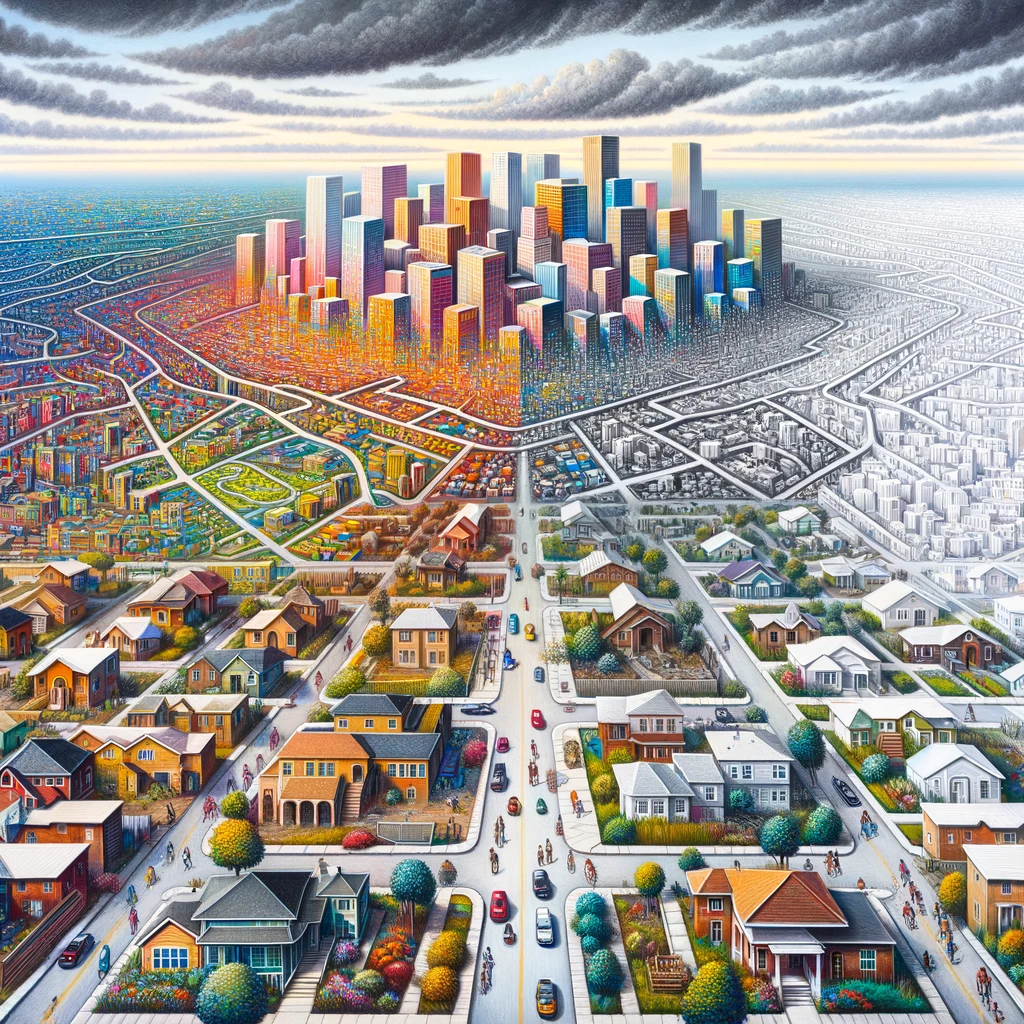
Why Recognizing Signs of White Flight Is Critical

Understanding these indicators is crucial for addressing the root causes of white flight and fostering inclusive, resilient communities. By recognizing these signs, local leaders and residents can work together to create strategies that promote diversity, equity, and economic stability.

Catherine Reed
Catherine Reed

Catherine is a tech-savvy writer who has focused on the personal finance space for more than eight years. She has a Bachelor’s in Information Technology and enjoys showcasing how tech can simplify everyday personal finance tasks like budgeting, spending tracking, and planning for the future. Additionally, she’s explored the ins and outs of the world of side hustles and loves to share what she’s learned along the way. When she’s not working, you can find her relaxing at home in the Pacific Northwest with her two cats or enjoying a cup of coffee at her neighborhood cafe.

Filed Under: ShareMe Tagged With: cities, community, diversity, inclusion, neighborhood, separation, togetherness, white flight

18 Incredible Animals Unique to Only One Country

March 13, 2024 By Catherine Reed Leave a Comment

Incredible Animals Unique to Only One Country

Our planet is home to an astonishing diversity of life, with some of the most incredible animals found in the most unexpected places. Among these, certain species are so unique that they exist only within the borders of a single country, making them national treasures. These animals not only contribute to the ecological balance but also to the cultural identity of their home countries. Let’s explore 18 such remarkable creatures, each a testament to the wonders of nature and the importance of conservation.

1. Madagascar’s Lemurs

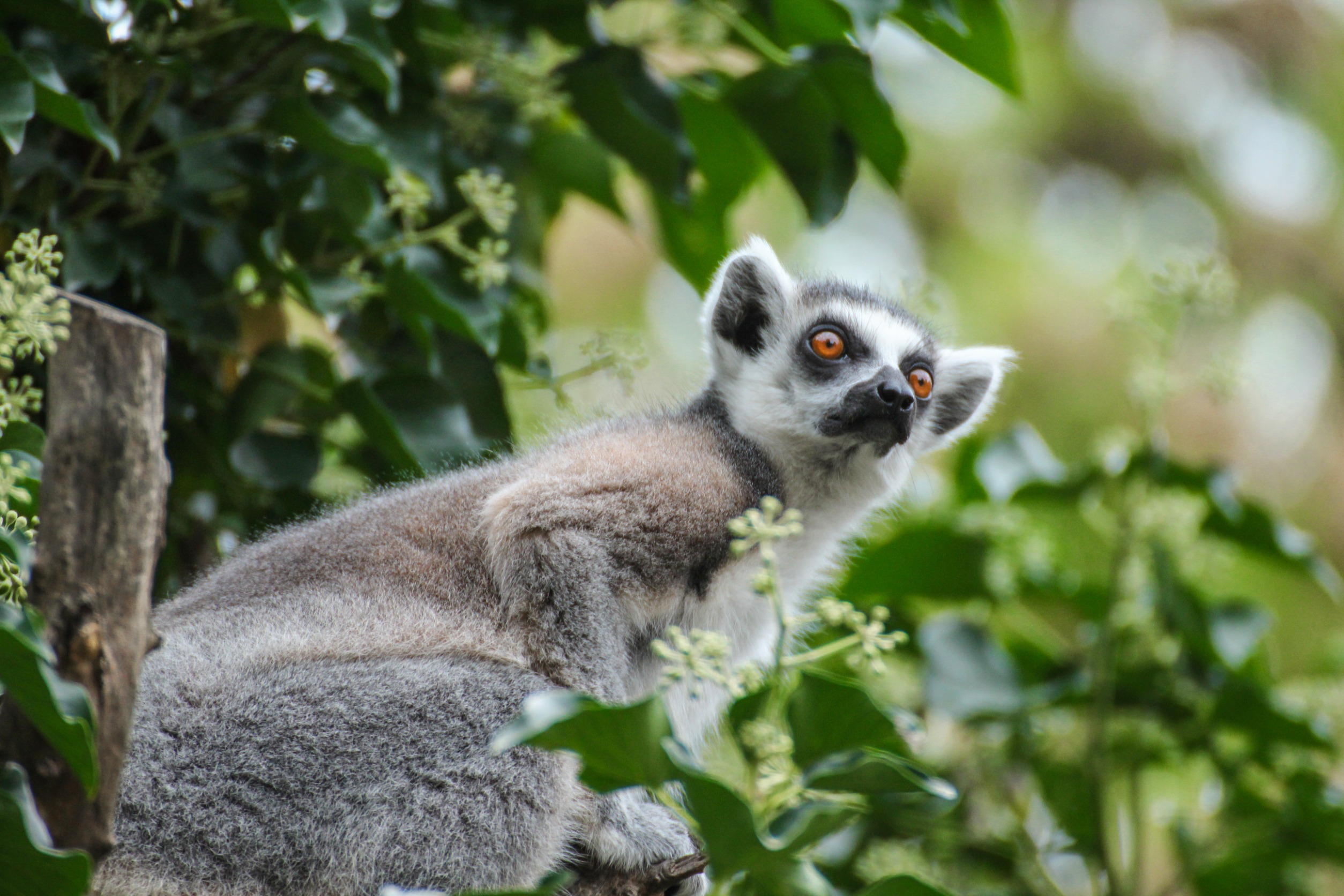
Madagascar's Lemurs

Madagascar, an island nation off the southeastern coast of Africa, is the exclusive home of the world’s lemurs. These primates are as diverse as they are endearing, with more than 100 species ranging from the tiny mouse lemur to the striking indri. Lemurs are not only a significant draw for ecotourism but also play crucial roles in their ecosystems as seed dispersers. Sadly, many lemur species are threatened by habitat destruction and hunting, making conservation efforts in Madagascar more critical than ever.

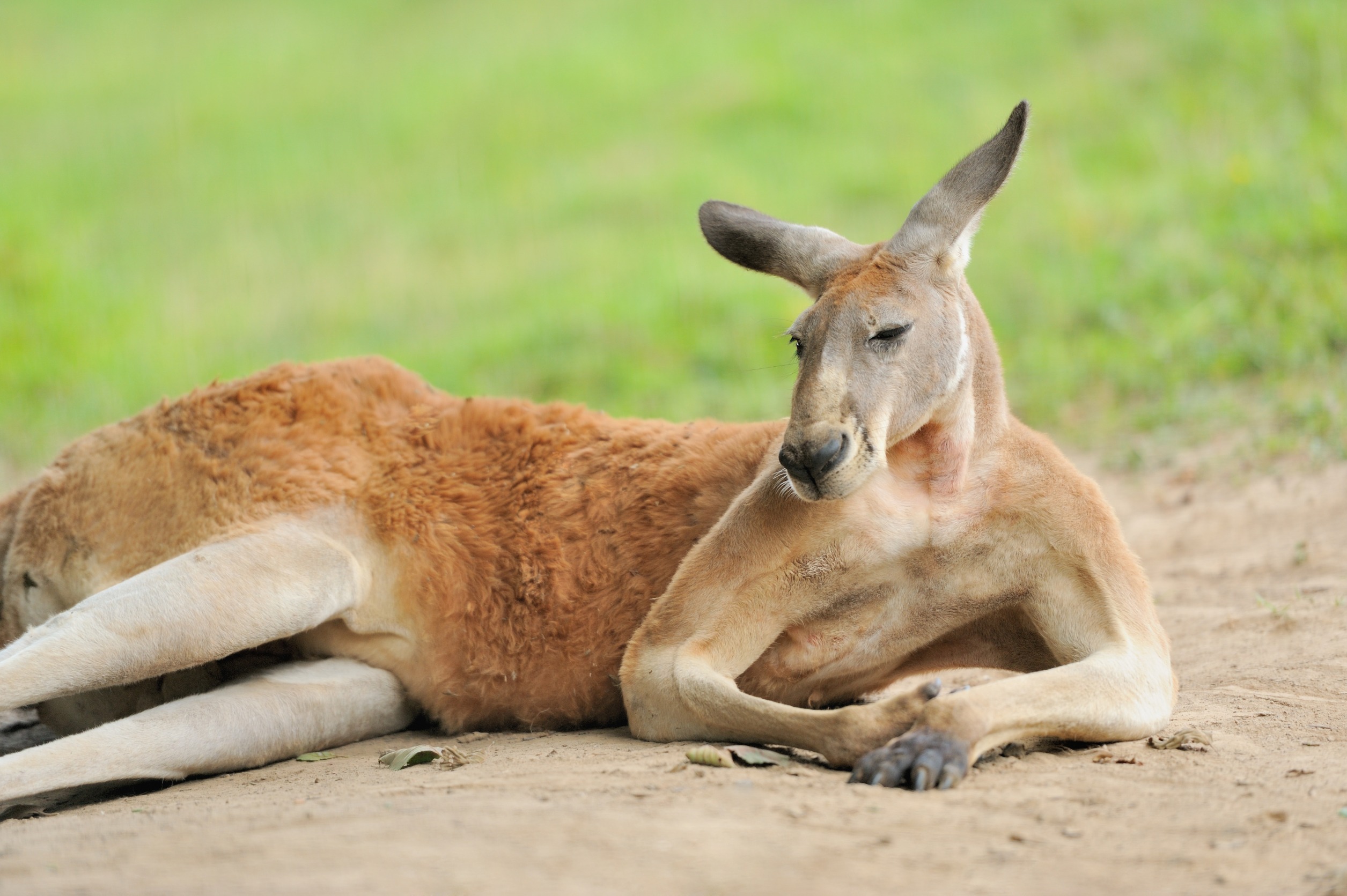
2. Australia’s Kangaroos

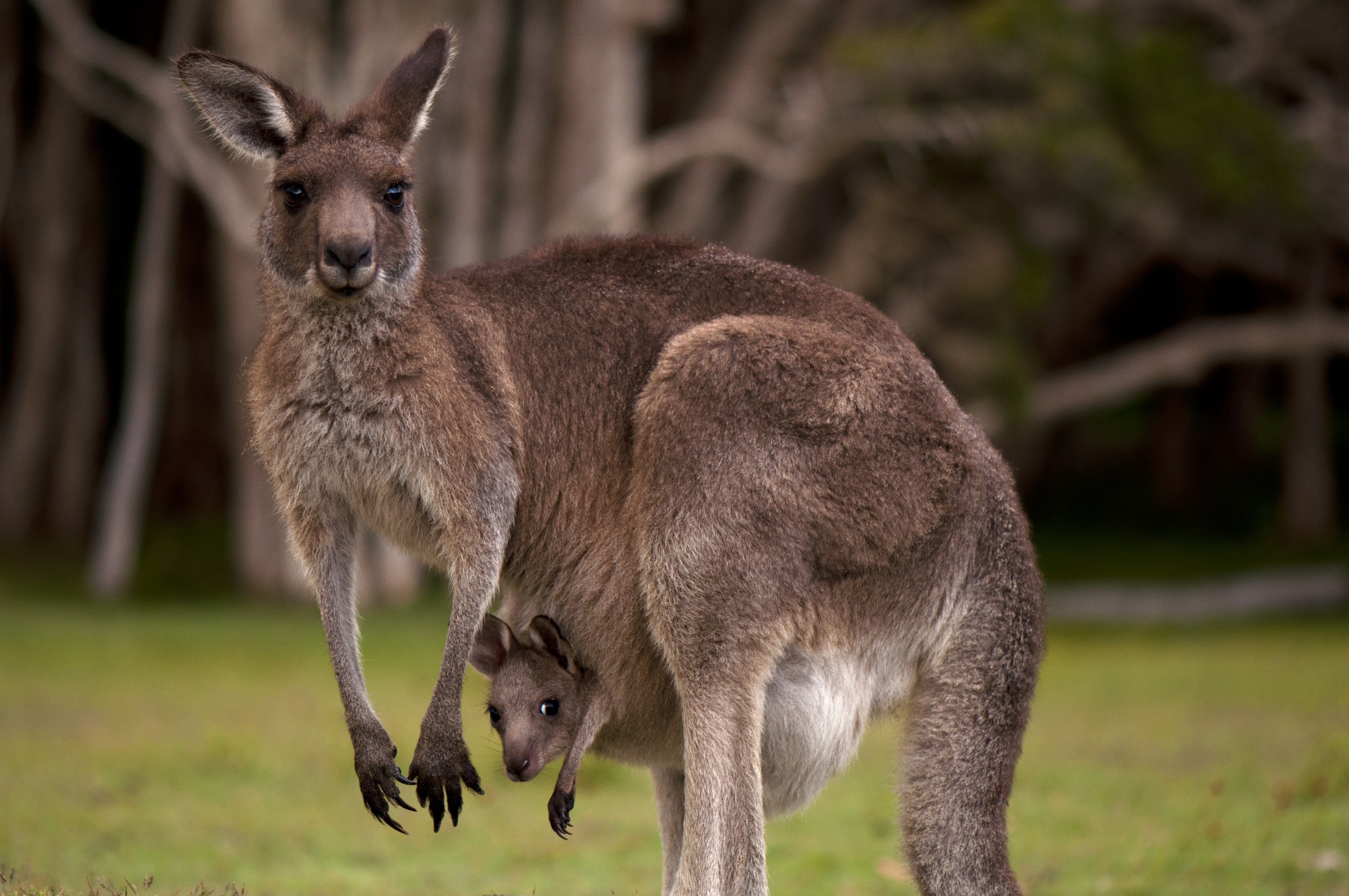
Australia's Kangaroos

Kangaroos are synonymous with Australia, bounding across the continent’s diverse landscapes. These marsupials are well-adapted to Australia’s varied habitats, from the arid Outback to lush coastal areas. Kangaroos are a vital part of Aboriginal culture and Australian identity, appearing on the country’s coat of arms and currency. Conservation management is essential to balance their populations with agricultural interests, ensuring kangaroos continue to thrive.

3. China’s Giant Pandas

China's Giant Pandas

Giant pandas are the global symbol of wildlife conservation, found only in the bamboo forests of China. These iconic bears have a specialized diet of bamboo and play a significant role in their habitats by helping to spread bamboo seeds. China’s efforts to conserve giant pandas have seen their status improve from “Endangered” to “Vulnerable,” a significant conservation success story. Panda diplomacy has also made these creatures ambassadors of goodwill around the world.

4. New Zealand’s Kiwis

New Zealand's Kiwis

New Zealand’s kiwis are flightless birds with a suite of unusual characteristics, including long beaks and nocturnal habits. As national symbols, they hold a special place in the hearts of New Zealanders, affectionately known as “Kiwis” themselves. Kiwis face threats from introduced predators, and conservation programs are vital to protect these unique birds. Their continued survival is a priority for New Zealand’s conservation efforts.

5. Canada’s Spirit Bear

Canada's Spirit Bear

The Spirit Bear, or Kermode bear, is a rare white variant of the black bear found only in British Columbia, Canada. Revered by indigenous peoples and a marvel for scientists, the Spirit Bear’s white coat is the result of a unique genetic trait. The Great Bear Rainforest is the primary habitat of these elusive creatures, and conservation efforts are focused on protecting this pristine environment from deforestation and industrial development.

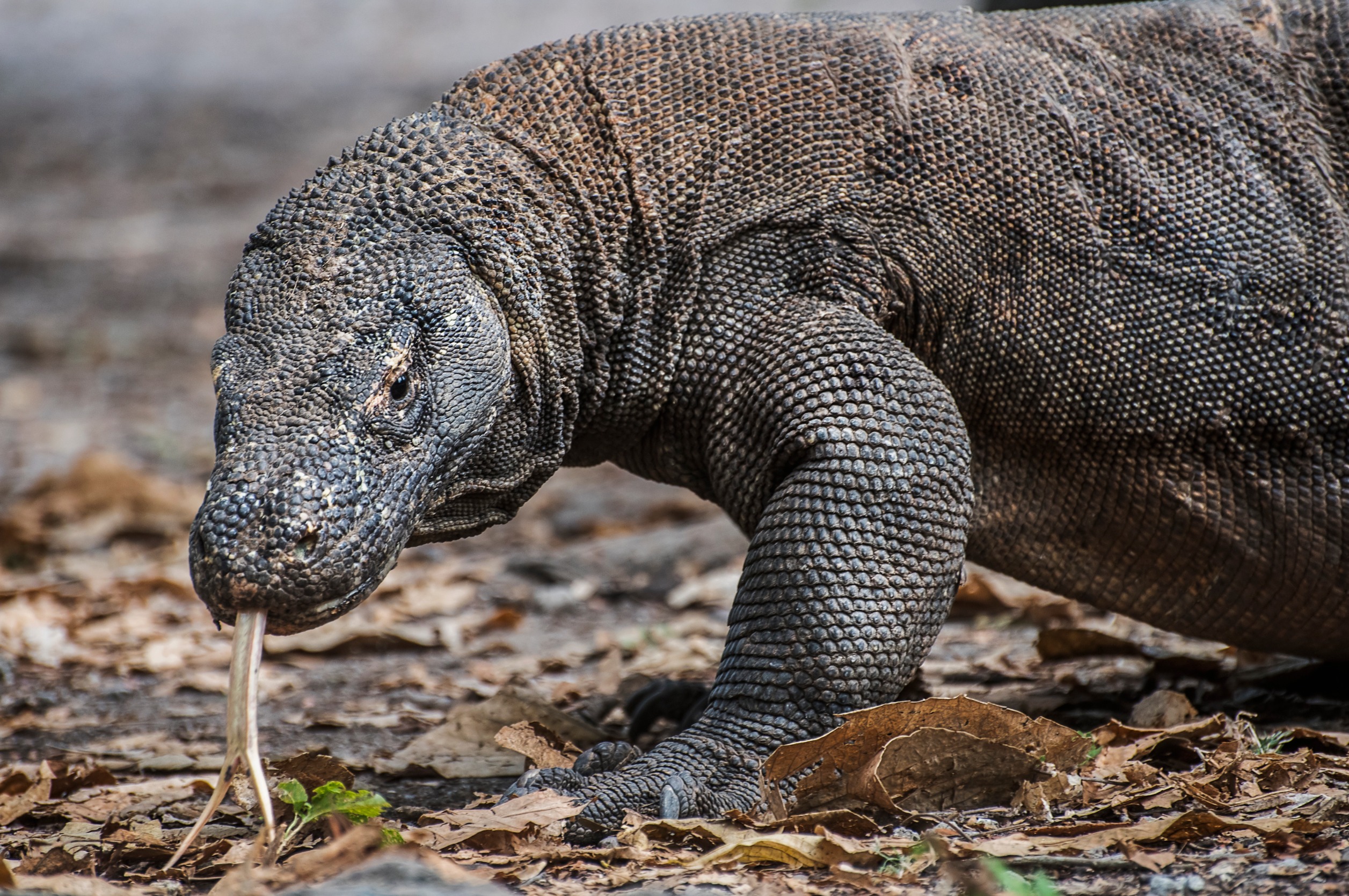
6. Indonesia’s Komodo Dragons

Indonesia's Komodo Dragons

Komodo dragons, the world’s largest lizards, are found only in Indonesia’s Komodo National Park and a few neighboring islands. These formidable predators are known for their impressive size, fearsome demeanor, and venomous bite. Komodo dragons are a significant draw for wildlife tourism in Indonesia, contributing to the local economy and funding conservation efforts. Protecting their habitats from human encroachment and ensuring a stable prey base are key to their survival.

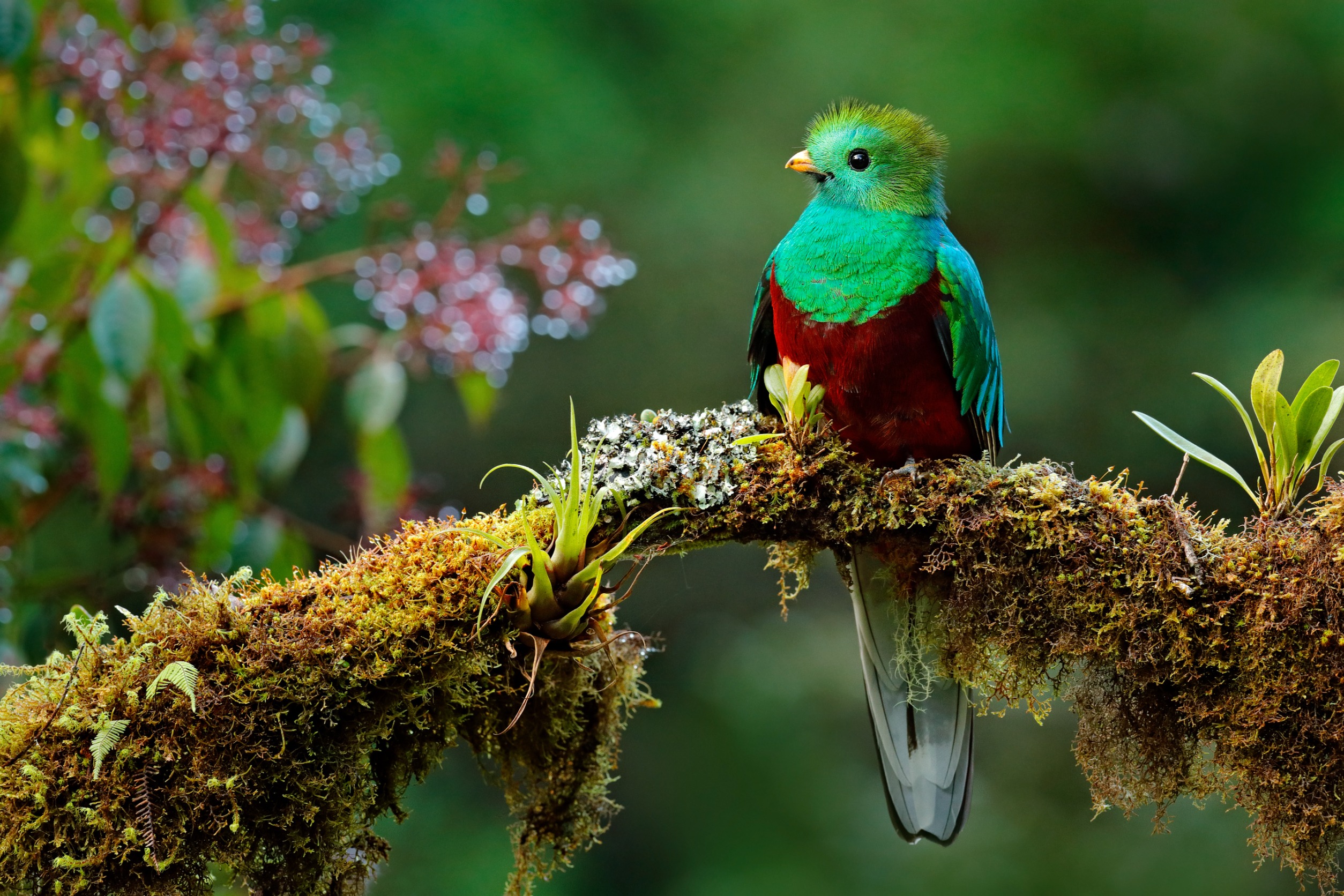
7. Costa Rica’s Resplendent Quetzal

Costa Rica's Resplendent Quetzal

The Resplendent Quetzal is a vividly colored bird that calls the cloud forests of Costa Rica its home. Revered by the ancient Aztecs and Maya, the quetzal is a symbol of freedom and wealth. Conservation efforts in Costa Rica aim to protect the cloud forests and promote eco-friendly tourism, ensuring the quetzal and many other species continue to thrive in this biodiverse country.

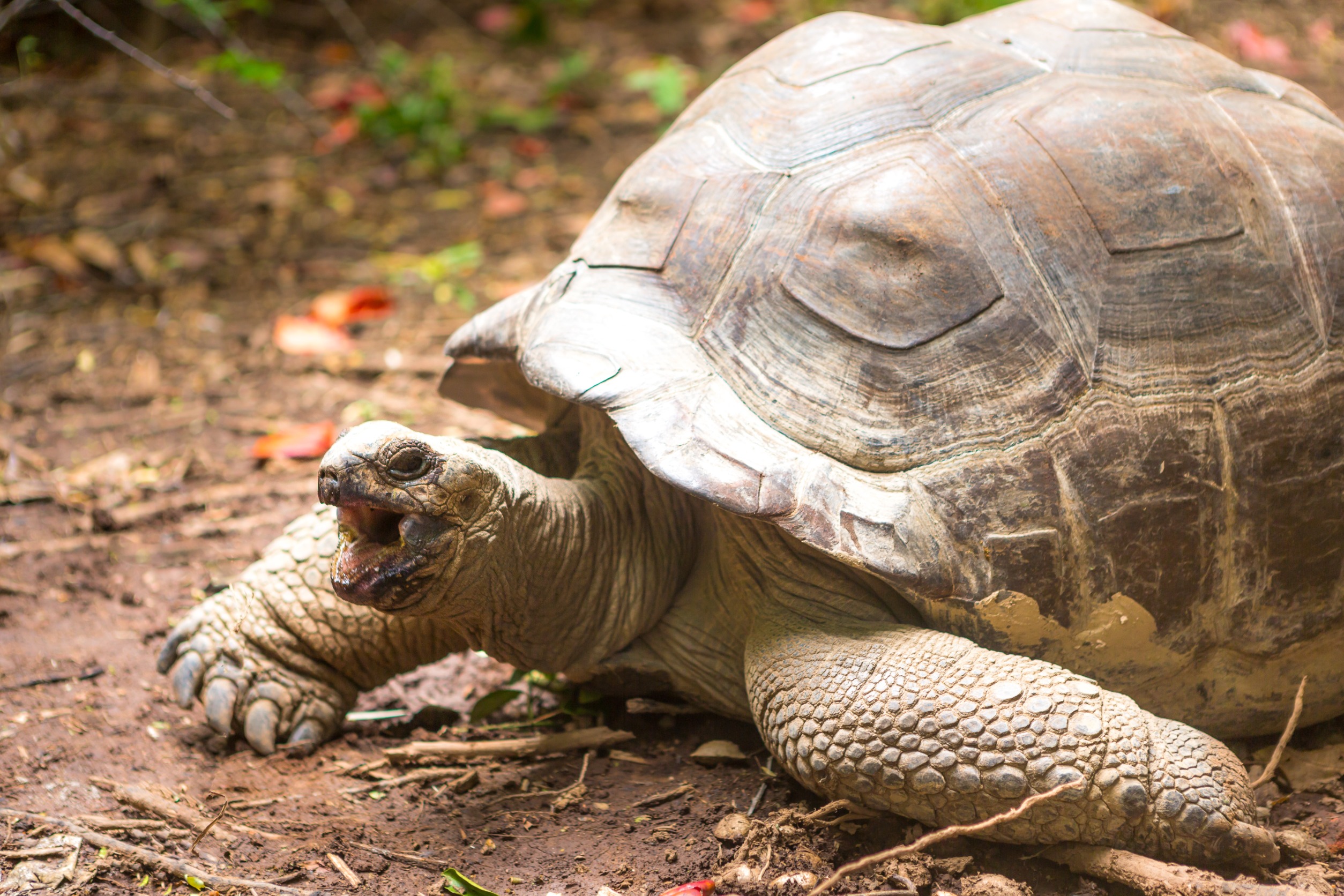
8. Seychelles’ Aldabra Giant Tortoise

Seychelles' Aldabra Giant Tortoise

The Aldabra Giant Tortoise is one of the largest tortoise species in the world, found only in the Seychelles, specifically on the Aldabra Atoll. These gentle giants are among the world’s longest-living animals, with some individuals over 150 years old. Conservation efforts have helped their populations recover on Aldabra, and they are now a symbol of successful island conservation.

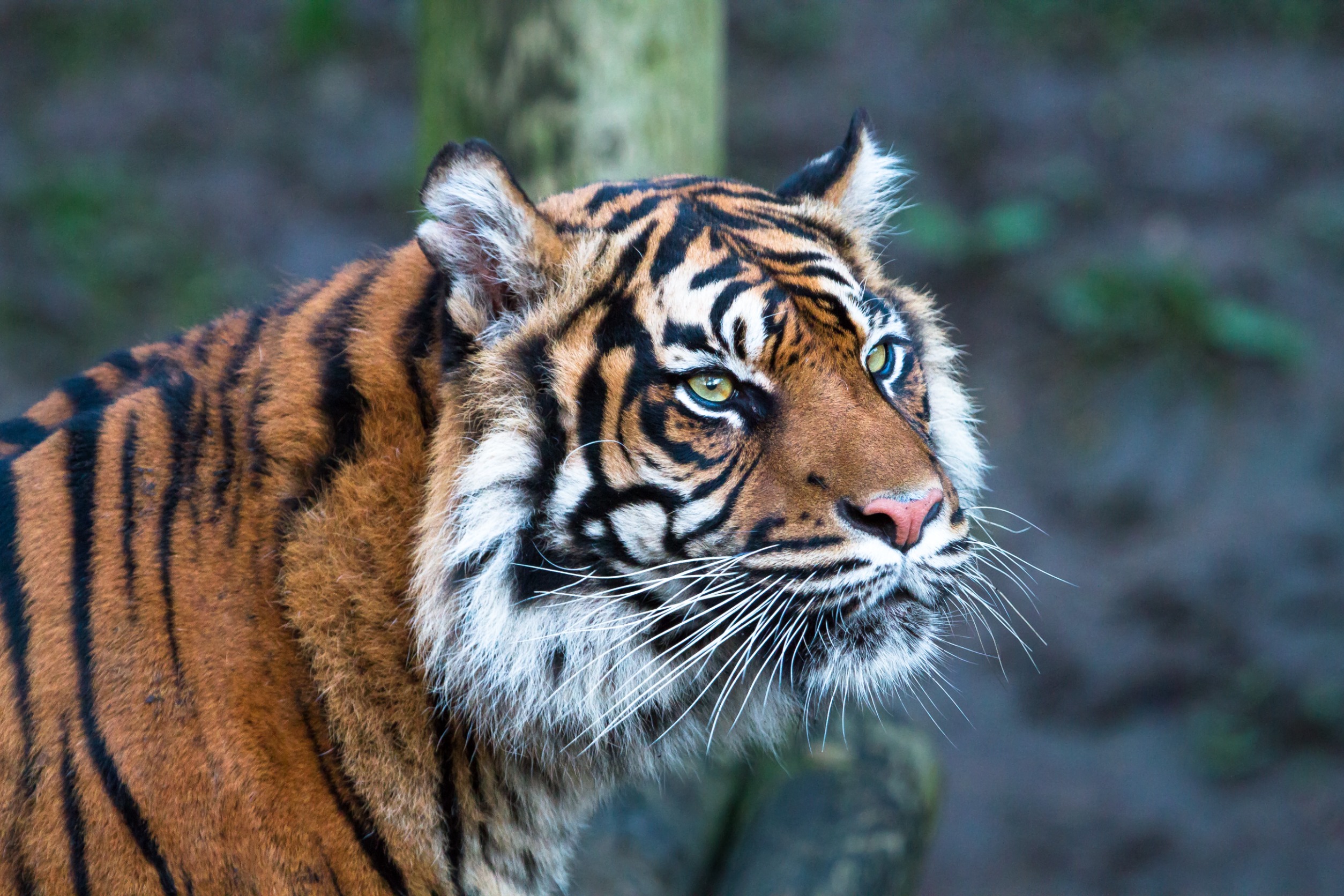
9. Indonesia’s Sumatran Tiger

Indonesia's Sumatran Tiger

The Sumatran Tiger, exclusive to the Indonesian island of Sumatra, is the smallest of all tiger subspecies and is critically endangered due to deforestation and poaching. These majestic predators are adept at navigating the dense tropical forests of Sumatra, playing a crucial role in maintaining the ecological balance. Conservation efforts focus on protecting their dwindling habitat and combating illegal wildlife trade to prevent the extinction of this iconic species.

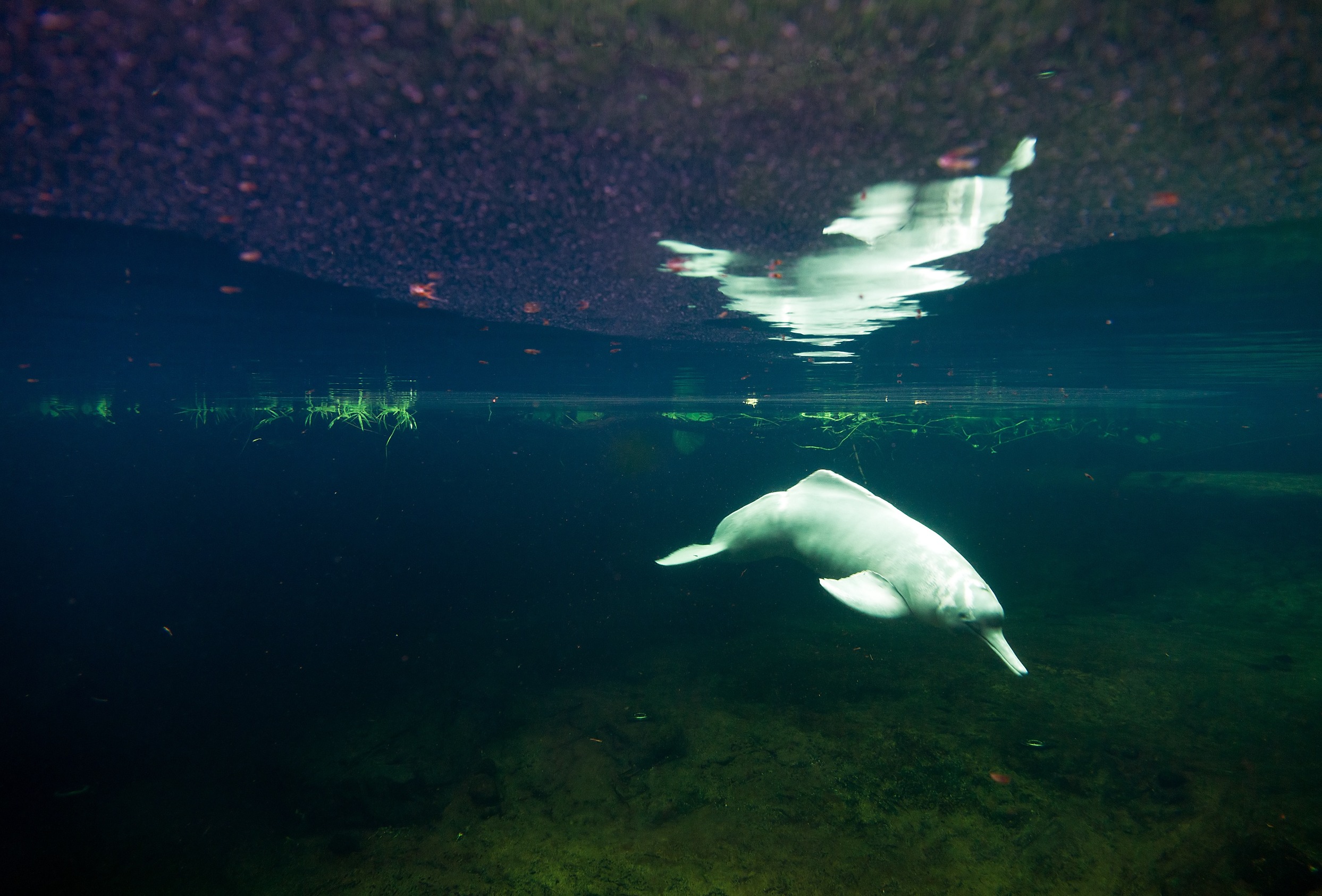
10. Brazil’s Amazon River Dolphins

Brazil's Amazon River Dolphins

The Amazon River Dolphin, or Pink Dolphin, is a freshwater dolphin species found in Brazil’s Amazon River. These intelligent creatures are known for their pink coloration and playful behavior. They play a crucial role in local folklore and are considered a symbol of the Amazon’s biodiversity. Conservation efforts are essential to protect their habitat from pollution and overfishing, ensuring the survival of this unique species.

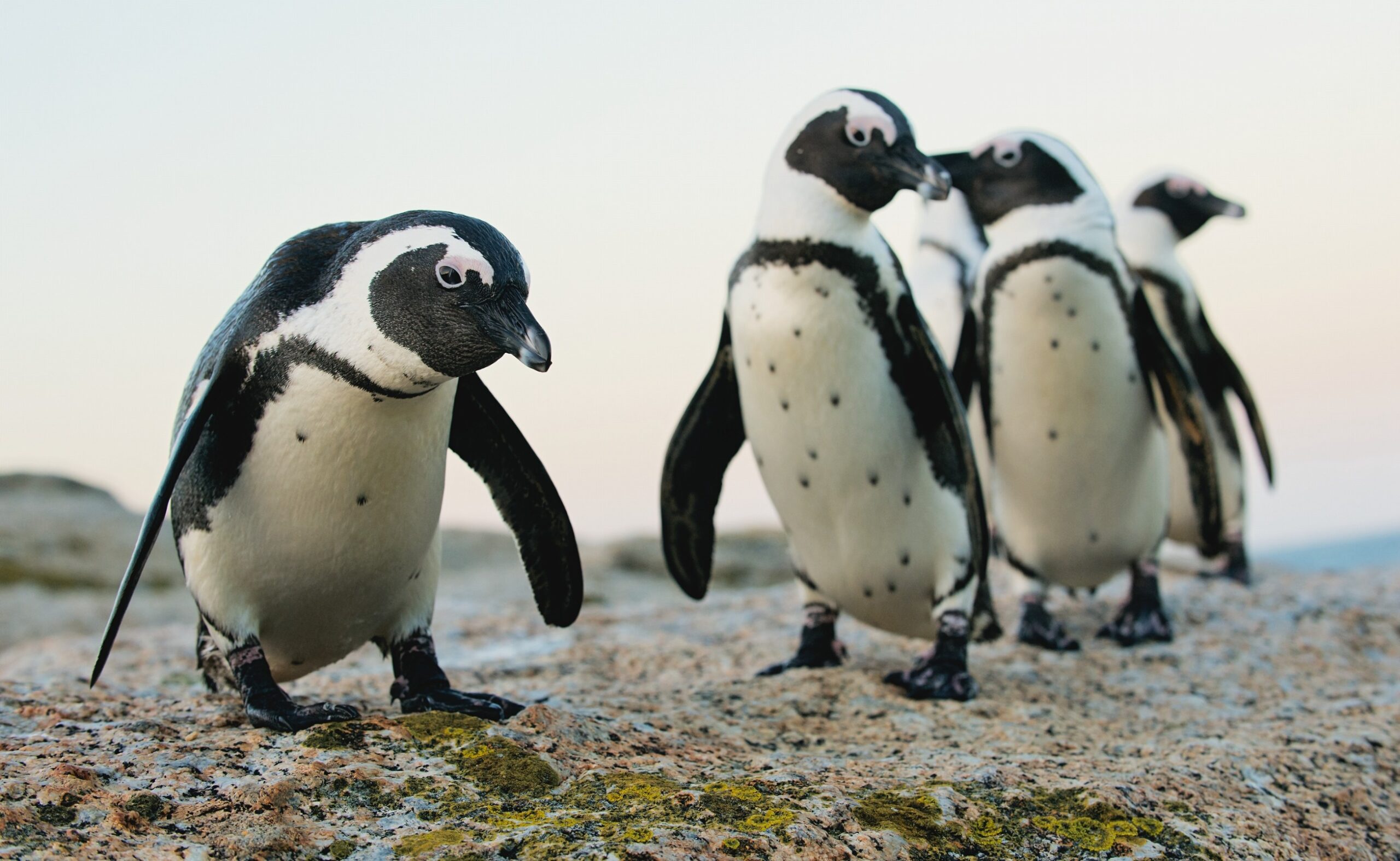
11. South Africa’s African Penguins

South Africa's African Penguins

African Penguins, also known as Jackass Penguins for their distinctive braying sounds, are found only along the South African coast. These charming birds are adapted to the temperate climate and are a major draw for tourists. Conservation efforts, including habitat restoration and protection from oil spills, are vital for ensuring the survival of these unique penguins in the wild.

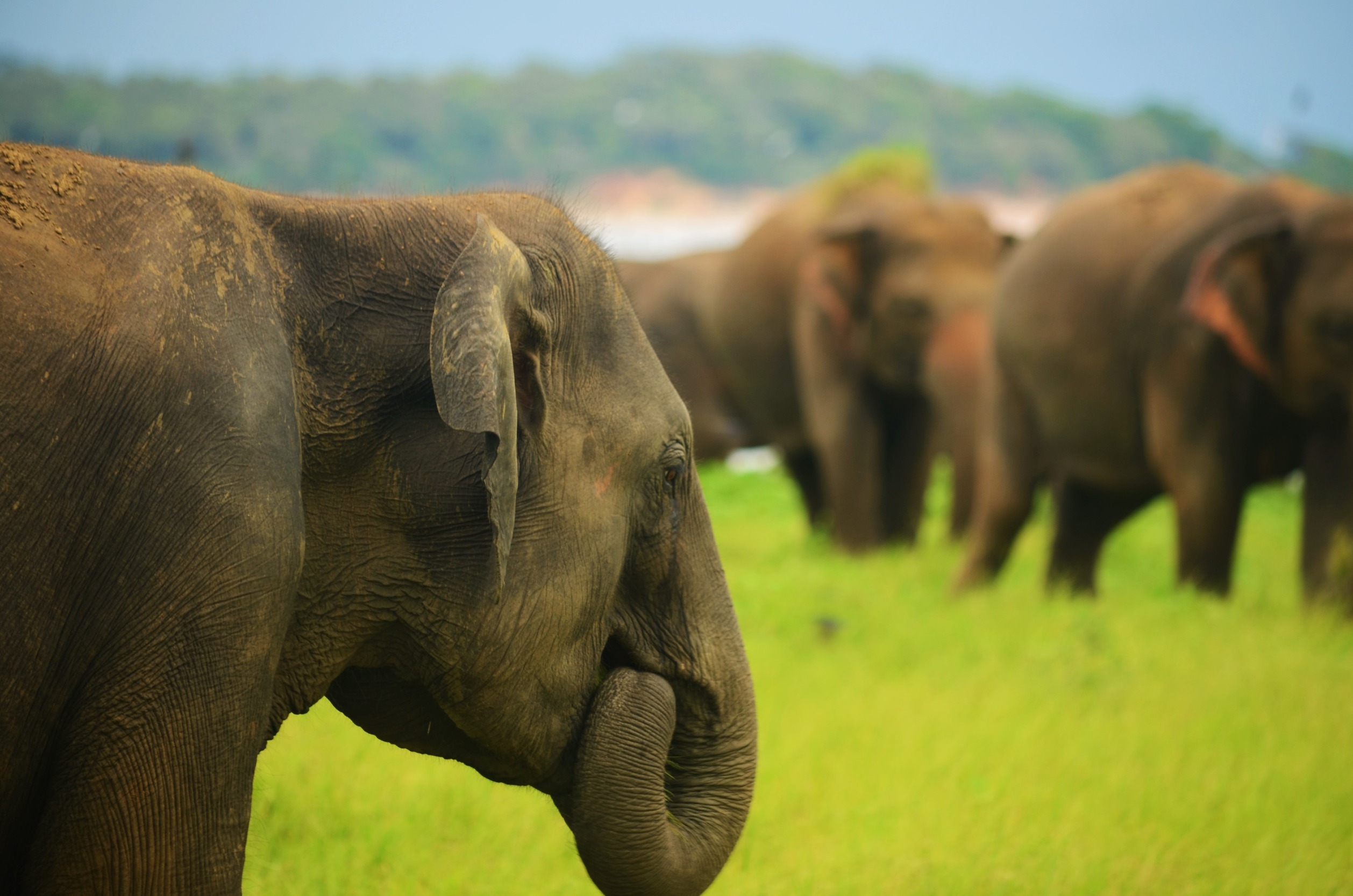
12. Sri Lanka’s Sri Lankan Elephants

Sri Lanka's Sri Lankan Elephants

Sri Lankan Elephants, a subspecies of the Asian Elephant, are an integral part of Sri Lanka’s cultural and natural heritage. These gentle giants are revered in Sri Lankan society and are a major attraction in wildlife reserves. Conservation initiatives focus on mitigating human-elephant conflicts and protecting their habitats, emphasizing the importance of coexistence between humans and wildlife.

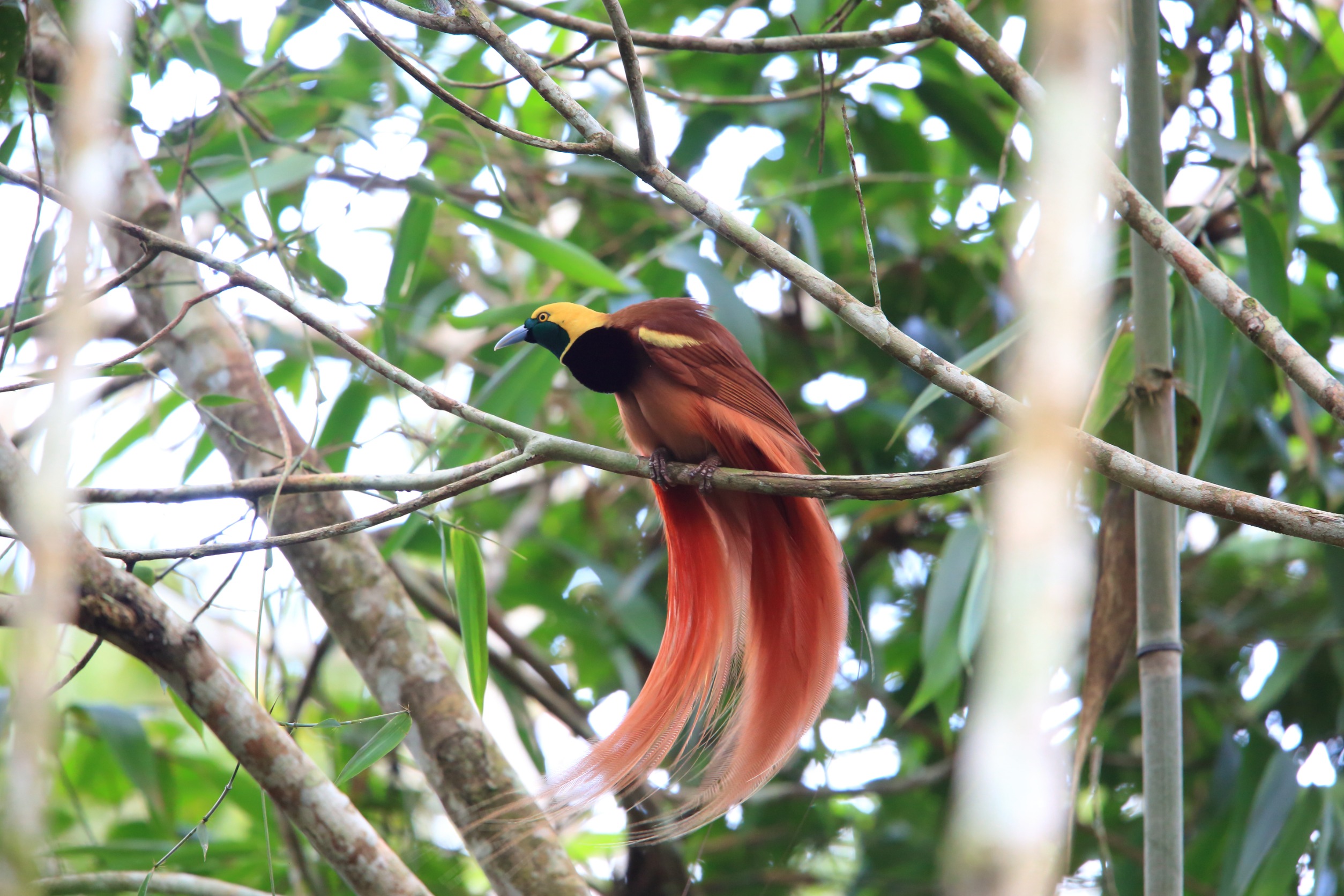
13. Papua New Guinea’s Birds-of-Paradise

Papua New Guinea's Birds-of-Paradise

Papua New Guinea is renowned for its Birds-of-Paradise, known for their extraordinary plumage and elaborate courtship displays. These birds are a testament to the country’s rich biodiversity and are a key attraction for birdwatchers and nature enthusiasts. Conservation of Papua New Guinea’s rainforests is essential for ensuring the survival of these spectacular birds.

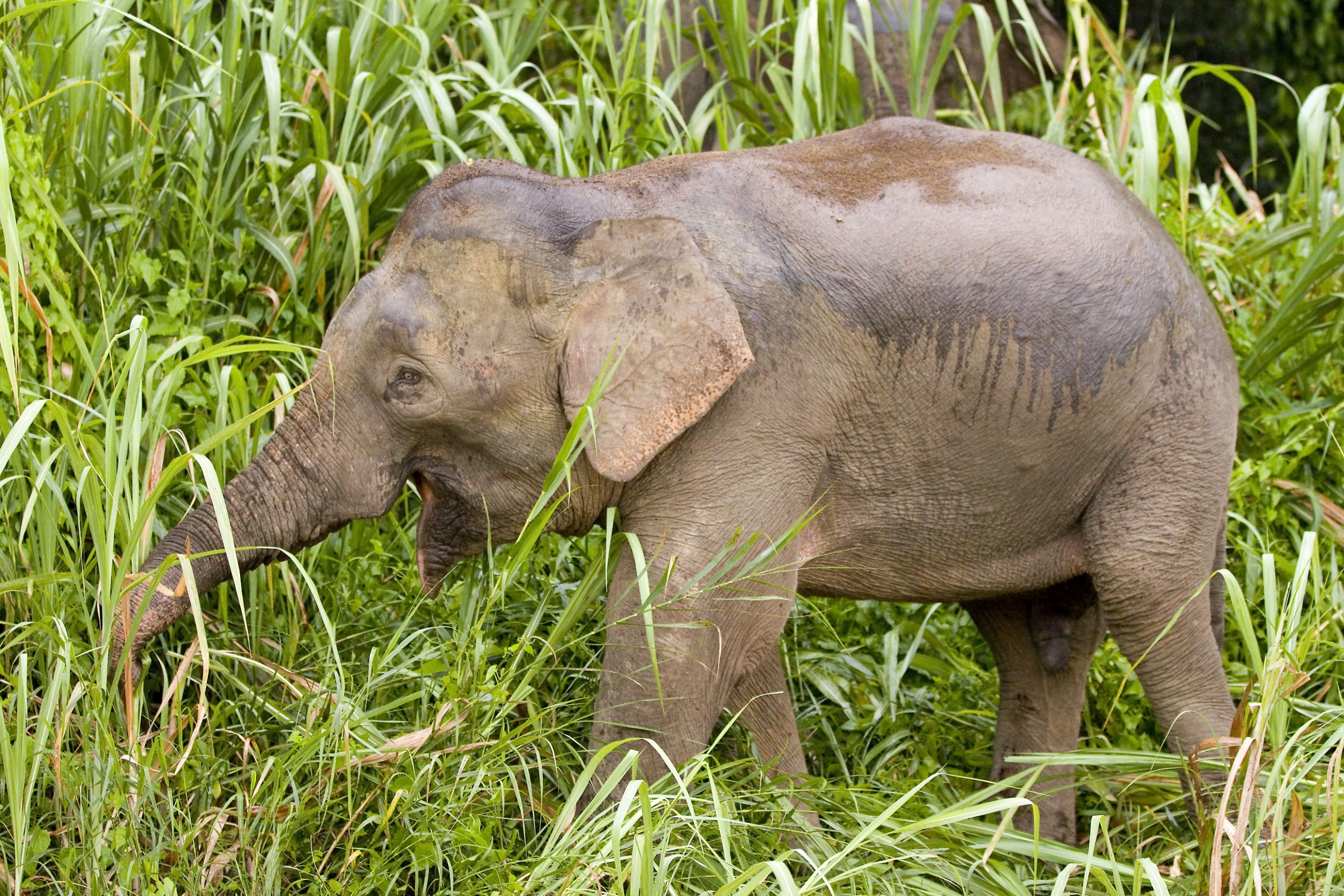
14. Borneo’s Pygmy Elephants

Borneo's Pygmy Elephants

Borneo’s Pygmy Elephants, found in the dense forests of Sabah and Kalimantan, are the smallest subspecies of Asian elephants. Characterized by their gentle nature, relatively small size, and oversized ears, these elephants are an integral part of Borneo’s biodiversity. Conservation initiatives are crucial to protect them from habitat loss and human-elephant conflicts, ensuring the survival of these gentle giants.

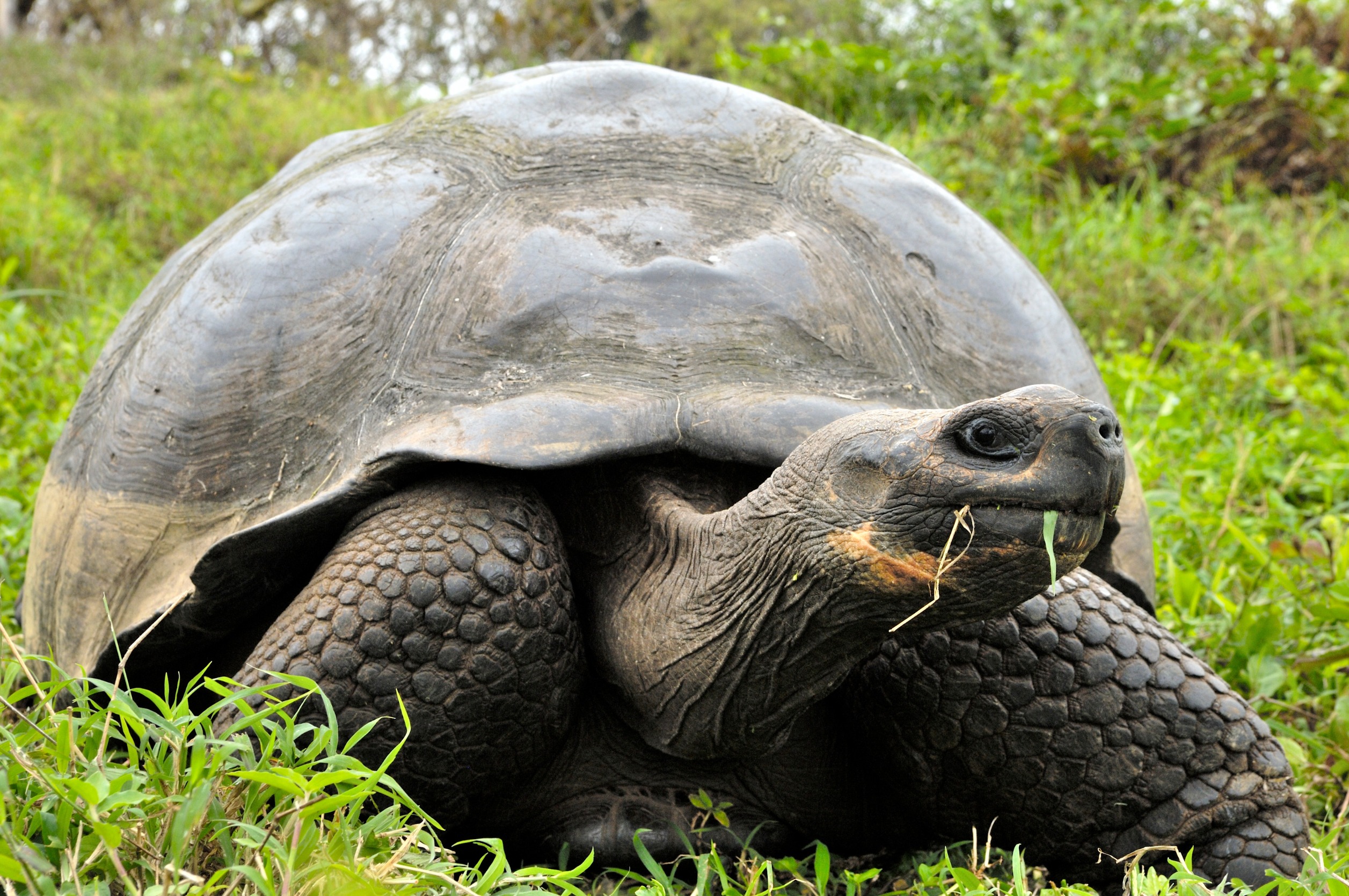
15. Ecuador’s Galapagos Tortoises

Ecuador's Galapagos Tortoises

Galapagos Tortoises, native to Ecuador’s Galapagos Islands, are among the longest-living vertebrates on Earth. These giant tortoises have become synonymous with the islands and are a key focus of conservation efforts. The Galapagos Tortoises played a significant role in Charles Darwin’s theory of natural selection, making them an emblem of scientific discovery and conservation.

16. United States’ American Alligators

United States' American Alligators

The American Alligator, native to the southeastern United States, is a formidable reptile that inhabits freshwater wetlands, marshes, and swamps. Once on the brink of extinction, successful conservation efforts have led to a remarkable recovery, making it a conservation success story. These ancient reptiles are not only vital for maintaining the ecological balance in their habitats but also serve as a symbol of wildlife resilience and recovery.

17. Panama’s Pygmy Three-Toed Sloths

Panama's Pygmy Three-Toed Sloths

The Pygmy Three-Toed Sloth, exclusive to Panama’s Isla Escudo de Veraguas, is one of the world’s smallest and most endangered sloth species. Characterized by their diminutive size and leisurely lifestyle, these sloths are adapted to the mangrove forests of this remote island. Their critical status highlights the urgent need for conservation efforts to protect their limited habitat and ensure the survival of this unique species.

18. Australia’s Platypus

Australia's Platypus

The Platypus, native to eastern Australia and Tasmania, stands out as one of the most unusual mammals in the world, featuring a duck-like bill, webbed feet, and the ability to lay eggs. Inhabiting rivers and freshwater lakes, this elusive creature is a symbol of Australia’s unique wildlife and ecological diversity. Conservation efforts are vital to protect their freshwater habitats from pollution, dam construction, and climate change, ensuring the survival of this extraordinary species.

Appreciating These Incredible Animals Unique to Only One Country

These 18 animals, each unique to just one country, remind us of the incredible diversity of life on our planet and the importance of conservation efforts to protect these irreplaceable treasures. From the dense forests of Madagascar to the rugged Australian Outback, from the bamboo groves of China to the cloud forests of Costa Rica, these creatures not only enrich our natural world but also embody the cultural heritage and environmental challenges of their respective nations. Preserving their habitats and ensuring their survival is not just a national duty but a global responsibility, a testament to our shared commitment to protecting the planet’s biodiversity.

Catherine Reed
Catherine Reed

Catherine is a tech-savvy writer who has focused on the personal finance space for more than eight years. She has a Bachelor’s in Information Technology and enjoys showcasing how tech can simplify everyday personal finance tasks like budgeting, spending tracking, and planning for the future. Additionally, she’s explored the ins and outs of the world of side hustles and loves to share what she’s learned along the way. When she’s not working, you can find her relaxing at home in the Pacific Northwest with her two cats or enjoying a cup of coffee at her neighborhood cafe.
Filed Under: ShareMe Tagged With: endemic animals, fauna, incredible animals, nature, unique animals, wildlife

Vintage Vocabulary: 18 Boomer Phrases That Are Mystifying Gen Z

March 12, 2024 By Catherine Reed 1 Comment

Boomer Phrases That Are Mystifying Gen Z

In an ever-evolving linguistic landscape, the clash of generations brings to light the stark differences in their communication styles. With the rise of social media and digital communication, Gen Z’s lexicon has expanded with abbreviations, memes, and internet slang, leaving traditional phrases used by Baby Boomers often misunderstood or even unknown to the younger generation. Here are 18 quintessential Boomer phrases that seem like a foreign language to many Gen Zers, offering a nostalgic trip for some and a linguistic revelation for others.

1. “Cool Beans”

Cool Beans

Originating from the 1960s, “Cool Beans” was a whimsical way to express approval or satisfaction. Unlike the straightforward “cool” of today, this phrase adds a quirky twist, embodying the playful spirit of its era. Its agricultural twist, though endearing to some, might leave many in Gen Z scratching their heads, wondering how legumes got involved in expressions of coolness.

2. “Far Out”

Far Out

“Far Out” transcends the simple “wow” or “amazing” of modern parlance, capturing a sense of awe and admiration that was prevalent in the 70s’ counterculture. It evokes a time when exploration—both geographical and psychological—was a key part of youth culture. For Gen Z, accustomed to the instant gratification of digital experiences, the expansive vibe of “Far Out” might seem overly dramatic for everyday achievements.

3. “Groovy”

Groovy

Once the epitome of cool, “Groovy” harks back to the 60s and 70s, synonymous with anything fashionable or excellent. It’s a term steeped in the musical and cultural revolution of the time, reflecting a smooth, rhythmic quality that’s less about being trendy and more about a vibe. To Gen Z ears, “Groovy” might sound more suited to a vintage vinyl collection than to describing a viral TikTok dance.

4. “Catch You on the Flip Side”

Catch You on the Flip Side

This phrase, rooted in the DJ culture of flipping records, was a stylish way of saying goodbye with the promise of reconnecting. It symbolizes a time when music wasn’t streamed but physically flipped, a concept that may seem alien in the age of digital playlists. For Gen Z, the “Flip Side” might be more reminiscent of flipping through apps rather than vinyl records.

5. “Bogart That”

Bogart That

Inspired by the iconic actor Humphrey Bogart’s on-screen persona, to “Bogart” something meant to hog or monopolize it, especially in the context of smoking. The reference to a mid-20th-century actor and the social customs around sharing make this phrase a curious relic for Gen Z, who might only recognize “Bogart” from classic film studies.

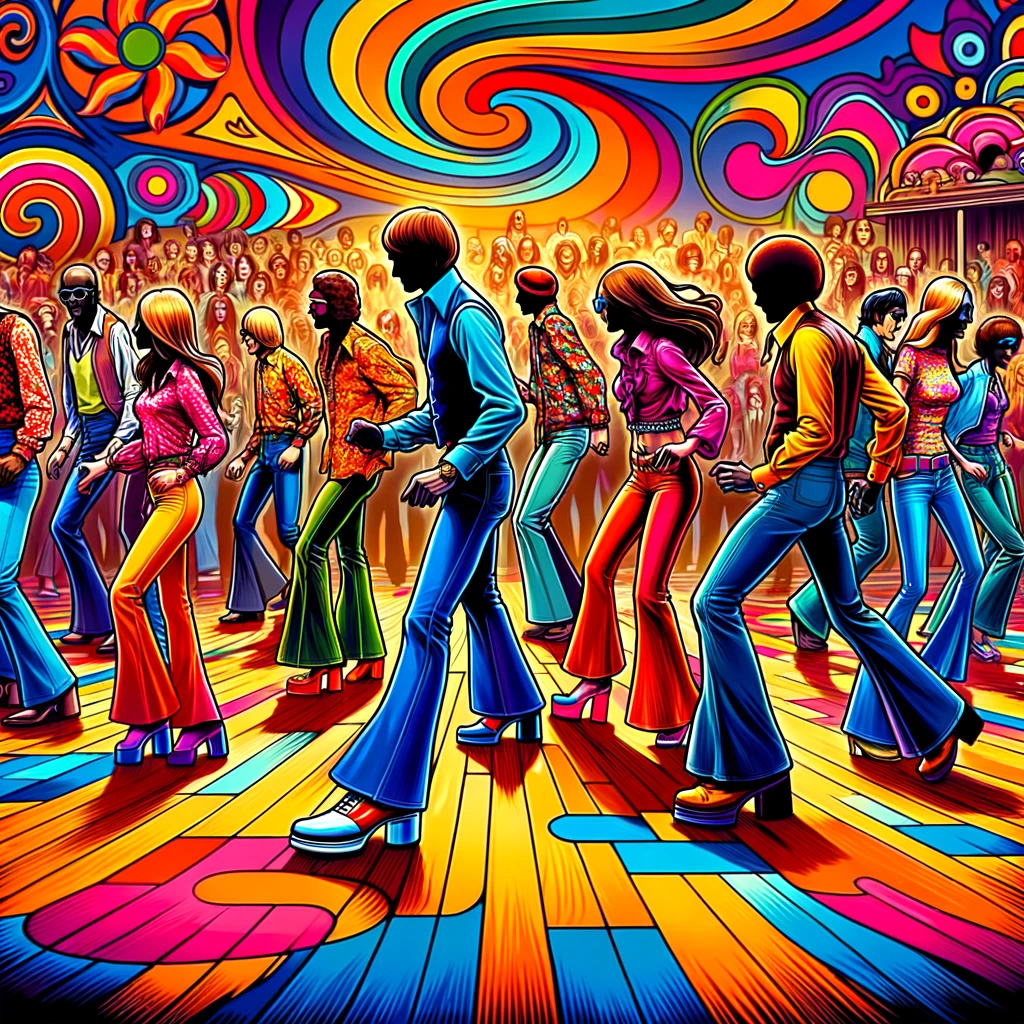
6. “Psychedelic”

Psychedelic

“Psychedelic” is synonymous with the mind-altering experiences and vibrant art of the 60s and 70s. While the term still finds relevance in discussions around art and music, its original, transformative context might elude Gen Z, for whom psychedelic experiences are more likely to be digital and virtual rather than induced by the era’s famous substances or movements.

7. “Sock It to Me”

Sock It To Me

Popularized by the variety show “Rowan & Martin’s Laugh-In,” “Sock It to Me” became a catchphrase for facing something head-on, whether it be good news or a challenge. Its playful aggression and theatrical flair contrast with Gen Z’s more nuanced and meme-infused humor, making it an interesting linguistic artifact from a bygone era of television.

8. “Square”

Square

To be called a “Square” was to be deemed uncool, conventional, or out of touch with the vibrant youth culture of the past. In today’s context, where individuality and authenticity are celebrated across social platforms, the idea of a “Square” seems almost quaint, as Gen Z embraces a spectrum of identities far wider than the binary cool/uncool dichotomy of the past.

9. “Don’t Blow Your Cool”

This phrase was a cautionary piece of advice to maintain one’s composure, urging someone not to lose their temper or act impulsively. In an age where emotional intelligence and mental health are openly discussed, the concept of “blowing your cool” still resonates, though the phraseology might seem antiquated to Gen Z ears more accustomed to “chill” or “keep calm.”

10. “Lay It on Me”

Lay It On Me

Inviting someone to “Lay It on Me” was a way of asking for the truth, no matter how harsh it might be. It reflects a directness and openness to feedback that is timeless, though the phrasing might seem overly dramatic to a generation that often prefers the subtlety of “spill the tea” or simply “be honest.”

11. “What’s Your Bag?”

What's Your Bag

In Boomer slang, asking about someone’s “bag” was akin to inquiring about their interests, hobbies, or what they were known for. Unlike today’s “What’s your thing?” or “What are you into?”, the term “bag” in this context might conjure images of literal luggage for the uninitiated Gen Z listener rather than metaphorical personal inclinations.

12. “Can You Dig It?”

Can You Dig It

“Can You Dig It?” was a cool way of asking if someone understood or agreed with what was being said. It implied a deeper level of comprehension or acceptance beyond mere agreement. To a Gen Z audience, “digging” something might seem more related to archaeology or gardening than a colloquial nod of understanding.

13. “Keep on Truckin'”

Keep On Truckin'

Emanating from the optimistic and resilient spirit of the era, “Keep on Truckin'” was an encouragement to continue forward, regardless of obstacles. While the sentiment of perseverance is universal, the expression itself, with its roots in a specific American cultural moment, might not carry the same weight for a global Gen Z audience attuned to “keep going” or “never give up.”

14. “It’s a Gas”

It's A Gas

Describing something as “a gas” was a way to say it was fun or enjoyable, likening the experience to a high-spirited, energetic burst. This positive expression might confuse modern listeners, who associate “gas” more with fuel or a state of matter than with having a good time.

15. “Ring-A-Ding-Ding”

Ring-A-Ding-Ding

This phrase epitomized the height of cool and excitement, often associated with the glitzy, vibrant lifestyle of Rat Pack-era Las Vegas. Its onomatopoeic flair captures a bygone era of glamour and exuberance that might seem out of place in today’s more minimalist or understated aesthetic preferences.

16. “Flip Your Wig”

Flip Your Wig

To “Flip Your Wig” meant to be incredibly surprised or to lose control, not unlike “losing your mind” in today’s terminology. The mental image of a wig flipping off one’s head in shock is a humorous and exaggerated reaction that may seem comical to a generation that favors the succinct “shook.”

17. “Daddy-O”

Daddy-O

“Daddy-O” was a term of endearment for a man, equivalent to “dude” or “guy” in contemporary slang. Its jazz-infused coolness speaks to a specific time and attitude that might come off as overly quaint or even paternalistic to Gen Z ears more accustomed to gender-neutral camaraderie.

18. “Burn Rubber”

Burn Rubber

This phrase, meaning to drive very fast, originates from the era when muscle cars ruled the road and speed was a thrilling pursuit. In a time of growing environmental awareness and the rise of electric vehicles, the notion of “burning rubber” as a positive might not only be mystifying but also somewhat irresponsible to the eco-conscious Gen Z.

Boomer Phrases Are a Mark of the Time

Boomer Phrases Are a Mark of the Time

These phrases serve as linguistic time capsules, encapsulating the ethos, attitudes, and cultural landscapes of the Baby Boomer generation. They remind us of the rich tapestry of language and how it evolves to reflect the changing times. As Gen Zers continue to forge their path and linguistic identity, perhaps someday, their own phrases will puzzle the generations that follow.

Catherine Reed
Catherine Reed

Catherine is a tech-savvy writer who has focused on the personal finance space for more than eight years. She has a Bachelor’s in Information Technology and enjoys showcasing how tech can simplify everyday personal finance tasks like budgeting, spending tracking, and planning for the future. Additionally, she’s explored the ins and outs of the world of side hustles and loves to share what she’s learned along the way. When she’s not working, you can find her relaxing at home in the Pacific Northwest with her two cats or enjoying a cup of coffee at her neighborhood cafe.

Filed Under: Lifestyle Tagged With: baby boomers, boomer phrases, gen z, generational differences, language

  • « Previous Page
  • 1
  • …
  • 21
  • 22
  • 23
  • 24
  • 25
  • …
  • 34
  • Next Page »
  • Facebook
  • Pinterest
  • RSS
  • Twitter

Improve Your Credit Score

Money Blogs

  • Celebrating Financial Freedom
  • Christian PF
  • Dual Income No Kids
  • Financial Panther
  • Gajizmo.com
  • Lazy Man and Money
  • Make Money Your Way
  • Money Talks News
  • My Personal Finance Journey
  • Personal Profitability
  • PF Blogs
  • Reach Financial Independence
  • So Over Debt
  • The Savvy Scot
  • Yes, I am Cheap

Categories

Disclaimer

Please note that Beating Broke has financial relationships with some of the merchants mentioned here. Beating Broke may be compensated if consumers choose to utilize the links located throughout the content on this site and generate sales for the said merchant.


Visit Our Advertisers

Need to change careers? Consider an Accounting Certificate Program from WTI.