Beating Broke

Personal Finance from the Broke Perspective

  • Home
  • About
  • We Recommend
  • Contact
  • Privacy Policy

Powered by Genesis

15 Astonishing Facts About Lesser-Known Religions

March 19, 2024 By Catherine Reed 1 Comment

Astonishing Facts About Lesser-Known Religions

In our global village, major religions often take the spotlight, overshadowing the rich tapestry of lesser-known spiritual practices that thrive quietly around the world. These religions, with their unique beliefs, rituals, and histories, offer a fascinating glimpse into the diverse ways humanity seeks connection and meaning. Here are 15 astonishing facts about some of these lesser-known faiths that are sure to intrigue and enlighten.

1. Zoroastrianism: The Fire Worshippers

Zoroastrianism

Zoroastrianism, one of the world’s oldest monotheistic religions, was founded by the Prophet Zoroaster in ancient Persia, now Iran, over 3,500 years ago. Central to this faith is the worship of fire, which symbolizes purity and the presence of their god, Ahura Mazda. Zoroastrians gather in Fire Temples, where a sacred fire, once kindled, is never allowed to extinguish. This religion influenced later monotheistic faiths, including Judaism, Christianity, and Islam, particularly in concepts of the dualism of good and evil and the final judgment day.

2. Candomblé: The Dance of the Orishas

Candomblé

Candomblé, a vibrant Afro-Brazilian religion, blends elements of Yoruba, Fon, and Bantu beliefs brought by enslaved Africans to Brazil. It revolves around the worship of Orishas, deities representing natural forces and human experiences. Each Orisha is associated with specific colors, elements, and foods. Rituals involve music, dance, and offerings to connect with these divine forces. Despite facing persecution, Candomblé has persevered, becoming a vital part of Brazil’s cultural fabric.

3. Jainism: The Path of Non-Violence

Jainism

Jainism, originating in ancient India, is centered on the principle of ahimsa, or non-violence, which extends to all living beings. Jains follow strict vegetarianism and often wear masks to avoid inhaling insects, highlighting their profound respect for life. They believe in karma and the cycle of rebirth, with the ultimate goal being liberation from the cycle of reincarnation through ethical living and self-discipline.

4. Shinto: The Way of the Kami

Shinto

Shinto, or “the way of the gods,” is Japan’s indigenous faith, focused on kami, spirits residing in natural phenomena, objects, and ancestors. It emphasizes rituals and festivals that honor these kami, fostering a deep connection with nature and tradition. Unlike many religions, Shinto does not have a founding figure or sacred texts, making it deeply intertwined with Japanese culture and identity.

5. Druidry: The Ancient Celtic Path

Druidry

Druidry, rooted in the ancient Celtic cultures of Britain, Ireland, and parts of Europe, has experienced a revival in modern times. Druids revere the natural world, celebrate solstices and equinoxes, and draw inspiration from Celtic mythology. They believe in the interconnectedness of all life and seek wisdom through nature, meditation, and creative expression. Modern Druidry is a fluid, evolving spirituality that adapts ancient practices to contemporary life.

6. Bön: The Hidden Treasure of Tibet

Bön

Bön, often overshadowed by Tibetan Buddhism, is Tibet’s indigenous spiritual tradition. It encompasses a rich array of rituals, meditations, and shamanistic practices aimed at harmonizing with the natural world. Bön practitioners believe in a universe populated by myriad spirits and emphasize the importance of maintaining a balance between humans and these spiritual forces.

7. Tengrism: The Sky Father Religion

Tengrism

Tengrism, an ancient Central Asian belief system, revolves around Tengri, the sky god, and the earthly Eje, a mother goddess. This shamanistic and animistic faith emphasizes living in harmony with nature, the ancestors, and the cosmos. The blue sky and the open steppe hold sacred significance, symbolizing the vastness and purity of Tengri’s domain. Tengrism has experienced a resurgence in countries like Mongolia and Kazakhstan, reflecting a revival of national identity and heritage.

8. The Druze Faith: Unity in Diversity

Druze Faith

The Druze religion, originating in the 11th century in the Levant, is known for its eclectic system of beliefs incorporating elements of Ismaili Islam, Gnosticism, and Neoplatonism. Druze communities are tightly knit and known for their strong sense of identity and loyalty. The faith emphasizes the unity of God, reincarnation, and the pursuit of enlightenment, with a secretive religious hierarchy and closed religious texts.

9. Ifá: The Wisdom of the Oracles

Ifá

Ifá, a divination system and religion from the Yoruba culture of West Africa, has spread to the Americas with the African diaspora. It centers on the Orishas, similar to Candomblé, and uses an intricate system of divination to guide adherents in making decisions and understanding their destinies. The Ifá literary corpus, known as the Odu Ifá, contains a vast collection of verses and teachings, offering wisdom on various aspects of life.

10. Caodaism: The Great Way

Caodaism

Caodaism, founded in Vietnam in the early 20th century, is a syncretic religion that combines elements of Buddhism, Taoism, Confucianism, Christianity, and Islam. It aims to promote unity among the world’s major religions and advocates for peace and understanding. Caodaists follow a hierarchical structure similar to that of the Catholic Church and engage in unique practices such as séances and vegetarianism.

11. Rodnovery: The Slavic Native Faith

Rodnovery

Rodnovery, the revival of ancient Slavic paganism, celebrates the deities, rituals, and traditions of Slavic ancestors. It emphasizes the worship of nature and the cycle of the seasons, with rituals often held in sacred groves. Rodnovery is part of a broader movement of European pagan revivals seeking to reconnect with pre-Christian spirituality and heritage.

12. The Mandaean Religion: Keepers of the Gnostic Tradition

Mandaean Religion

The Mandaeans, primarily found in Iraq and Iran, practice a Gnostic religion with a dualistic worldview. They revere John the Baptist and practice frequent baptisms in flowing water, symbolizing the purification of the soul. Their religious texts, written in a unique Mandaic script, detail the creation of the world, the soul’s journey, and the importance of living a moral life.

13. Rastafarianism: The Lion of Judah

Rastafarianism

Rastafarianism, emerging in Jamaica in the 1930s, combines elements of Christianity, Pan-Africanism, and mysticism. Rastafarians worship Haile Selassie I, the former Emperor of Ethiopia, as the Messiah and view Africa (particularly Ethiopia) as the Promised Land. The religion advocates for peace, unity, and resistance against oppression, with the ritual use of cannabis as a sacrament to achieve closeness to the divine.

14. Tenrikyo: The Joyous Life

Tenrikyo

Originating in 19th-century Japan, Tenrikyo’s teachings focus on living a “Joyous Life” through acts of charity, gratitude, and mutual respect. Followers believe in a single god, Tenri-O-no-Mikoto, and emphasize the importance of mental and physical purification. Tenrikyo has grown into a worldwide movement, with followers engaging in missionary work and social welfare activities.

15. The Alevi Faith: The Path of Love

Alevi Faith

Alevism, a mystical branch of Islam primarily found in Turkey, emphasizes love, tolerance, and the pursuit of divine truth. Alevis conduct unique worship ceremonies called Cem, which feature music, poetry, and dance, in a departure from mainstream Islamic practices. The community values spiritual leadership, with dedes (spiritual leaders) playing a crucial role in guiding followers on their spiritual journey.

Appreciating Lesser-Known Religions

Appreciating Lesser-Known Religions

These lesser-known religions remind us of the incredible diversity of human belief and the myriad ways we seek to understand and engage with the mysteries of existence. Exploring these faiths offers not only a window into the spiritual lives of others but also a mirror reflecting the universal quest for meaning, connection, and transcendence.

Catherine Reed
Catherine Reed

Catherine is a tech-savvy writer who has focused on the personal finance space for more than eight years. She has a Bachelor’s in Information Technology and enjoys showcasing how tech can simplify everyday personal finance tasks like budgeting, spending tracking, and planning for the future. Additionally, she’s explored the ins and outs of the world of side hustles and loves to share what she’s learned along the way. When she’s not working, you can find her relaxing at home in the Pacific Northwest with her two cats or enjoying a cup of coffee at her neighborhood cafe.
Filed Under: Lifestyle Tagged With: belief, connection, enlightenment, faith, lesser-known religions, meaning, religion

18 Classic Car Features That Have Vanished in Modern Vehicles

March 18, 2024 By Catherine Reed Leave a Comment

Classic Car Features That Have Vanished in Modern Vehicles

In the evolving tapestry of automotive engineering, many features that once defined classic cars have gradually disappeared, replaced by advanced technologies and shifting consumer preferences. This nostalgic journey through automotive history not only highlights the transient nature of car design but also reflects broader cultural and technological shifts. Here, we delve into 18 classic car features that have become relics of the past in modern vehicles.

1. Bench Seats

Bench Seats

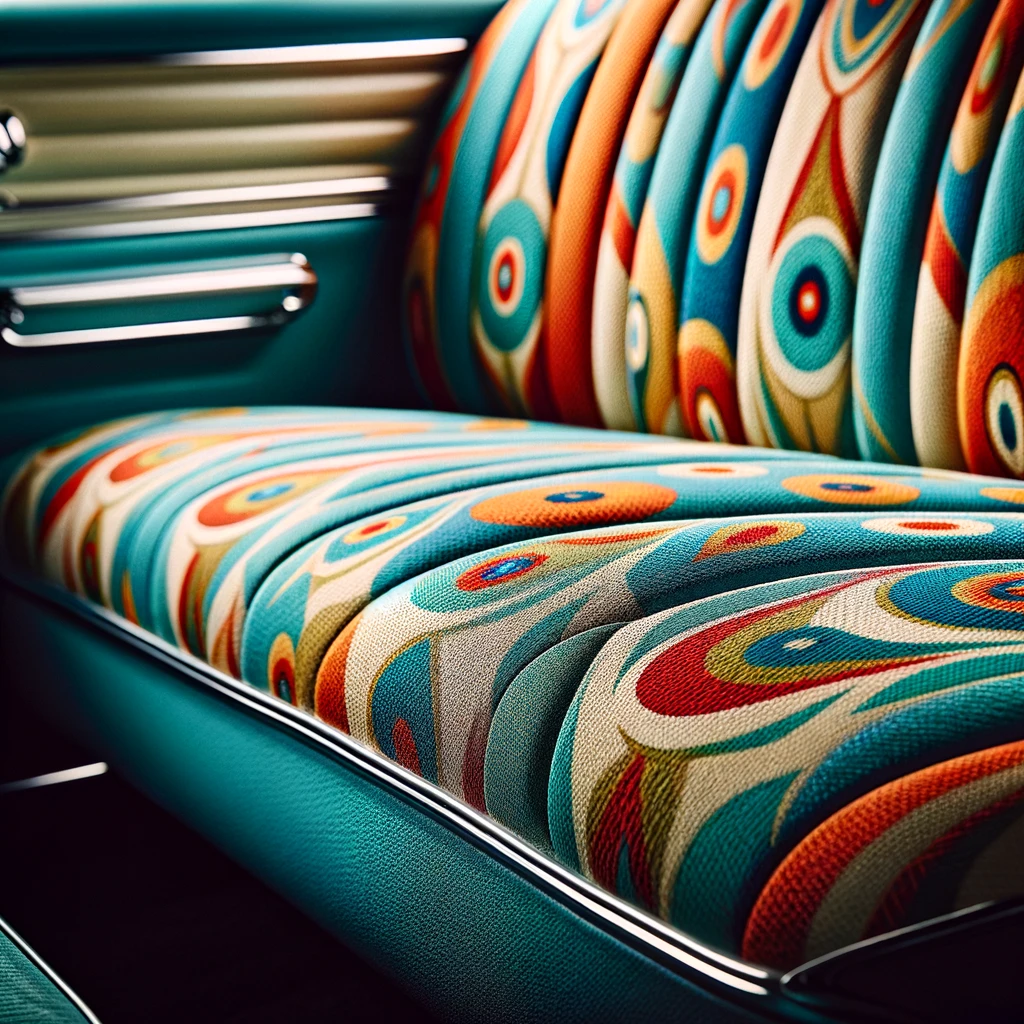
Once a staple in family sedans and trucks, the front bench seat allowed three passengers to sit side by side, fostering a sense of closeness now lost to bucket seats and center consoles. Bench seats symbolized a more communal and less individualistic approach to travel, where the journey was as much about interaction as it was about reaching a destination. Today, with the emphasis on personal space and advanced safety features, bench seats have largely vanished from the automotive landscape.

2. Manual Windows

Manual Windows

The tactile experience of winding a car window up or down with a manual crank is a memory fast fading. Manual windows, requiring physical effort, have been overwhelmingly replaced by electric windows for their convenience and ease of use. This shift underscores a broader trend towards automation and user-friendly interfaces in modern vehicles.

3. Tailfins

Tailfins

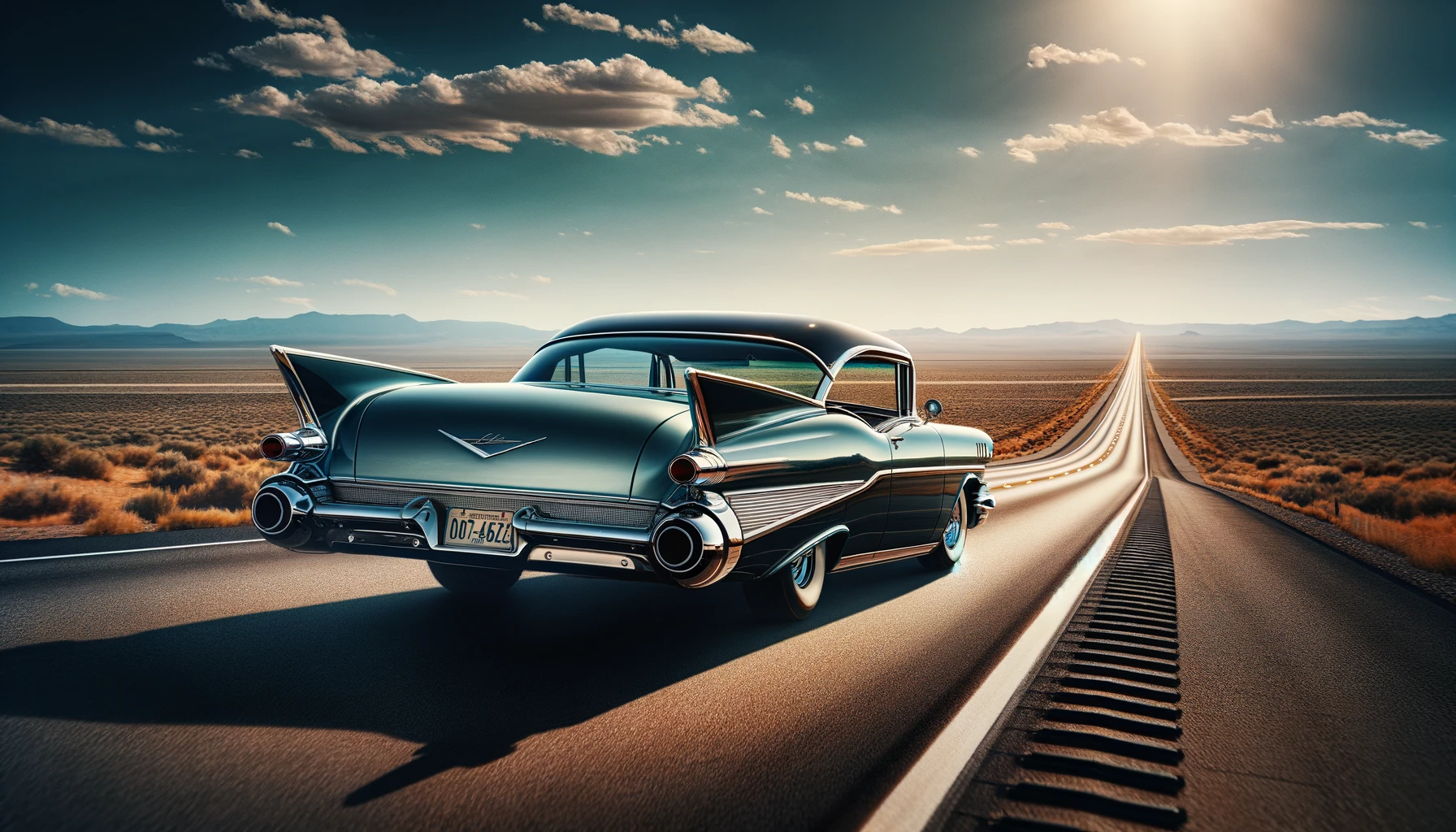
Emblematic of the 1950s and 1960s, tailfins were more than just decorative; they embodied the era’s fascination with space travel and aerodynamics. Although their practical aerodynamic benefits were minimal, tailfins represented an optimistic vision of the future, one that has since been streamlined out of modern car design for efficiency and simplicity.

4. Pop-Up Headlights

Pop-Up Headlights

Pop-up headlights were not just functional; they were an aesthetic statement that gave cars a sleek, mysterious facade when not in use. Their disappearance can be attributed to stricter safety regulations and the pursuit of more aerodynamic and energy-efficient designs. This feature’s decline marks a move towards more static and regulated design norms in the automotive industry.

5. Cassette Tape Players

Cassette Tape Players

The cassette tape player, once a cornerstone of automotive entertainment, has been rendered obsolete by digital media and streaming services. This transition reflects not just advancements in technology but also a change in how we consume media, favoring access and variety over physical ownership and tangibility.

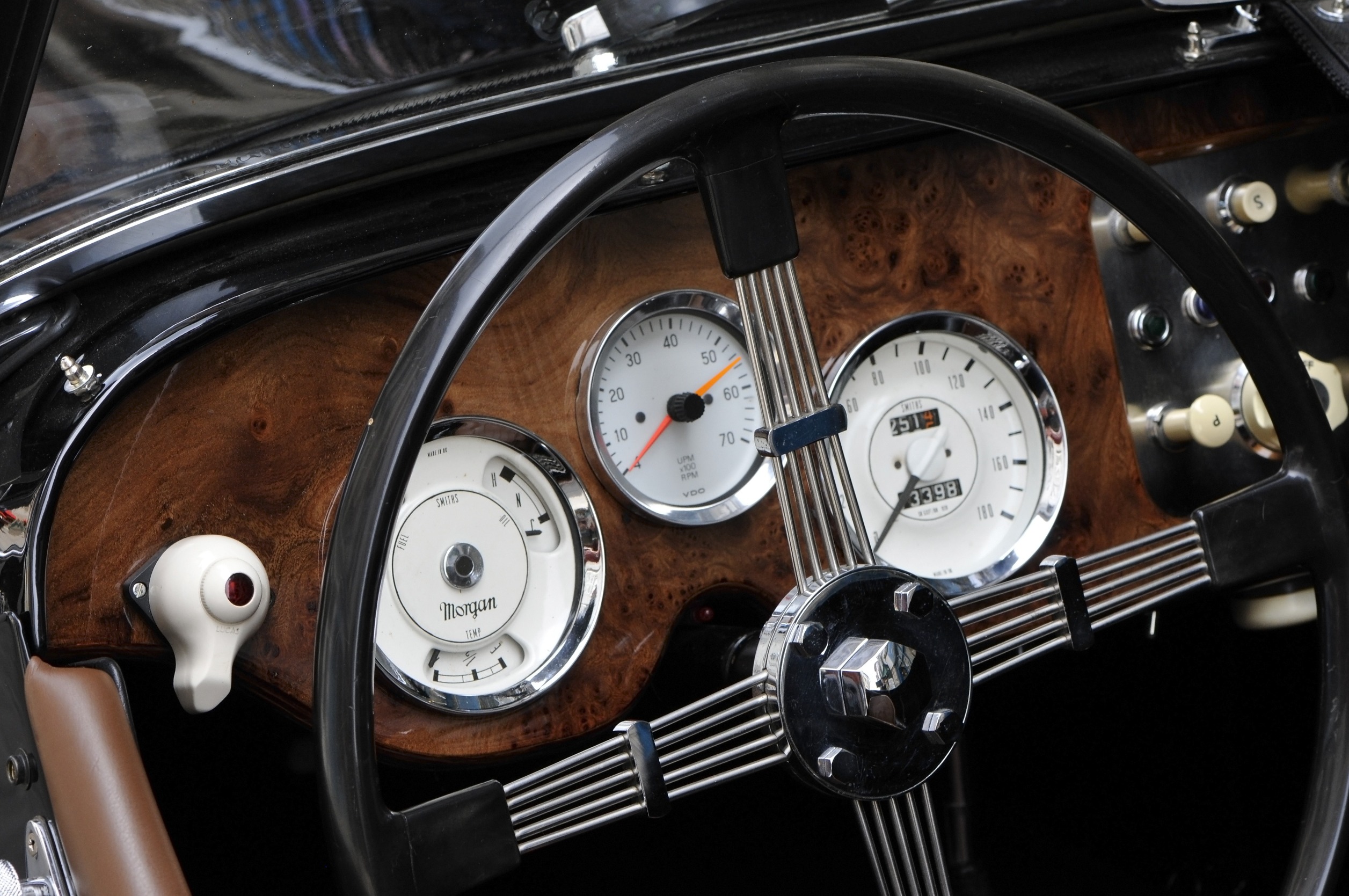
6. Analog Gauges

Analog Gauges

The warm glow of analog gauges and their mechanical precision gave drivers a direct, tactile connection to their vehicles. Modern digital displays, while more versatile and capable of conveying more information, lack the character and immediacy of their analog predecessors, symbolizing the digital transformation across all aspects of life.

7. Ashtrays and Lighters

Ashtrays and Lighters

Once considered essential, built-in ashtrays and cigarette lighters are rare in modern cars, a nod to changing social norms regarding smoking and health. This shift reflects broader societal changes and the automotive industry’s response to public health campaigns.

8. Metal Keys

Metal Keys

The traditional metal car key, a symbol of ownership and access, has been primarily replaced by keyless entry systems and push-button starts. This evolution speaks to the increasing integration of technology in our daily lives, prioritizing convenience and security over the physical act of unlocking and starting a car.

9. Vent Windows

Vent Windows

Small, triangular vent windows, or “wing windows,” provided targeted ventilation and were particularly useful before the widespread adoption of air conditioning. Their disappearance in modern designs highlights the industry’s focus on aerodynamics and the universalization of climate control systems.

10. Column-Mounted Gear Shifts

Column-Mounted Gear Shifts

Column-mounted gear shifts, which freed up floor space and facilitated bench seating, have given way to center console or steering wheel-mounted shifters in automatic vehicles. This change reflects ergonomic research and the prioritization of driving dynamics in car design.

11. Full-Size Spare Tires

Full-Size Spare Tires

The full-size spare tire, once a standard feature, has been replaced by smaller, space-saving alternatives or even eliminated entirely in favor of tire repair kits. This trend underscores the premium placed on space efficiency and weight reduction in modern vehicles for enhanced performance and fuel economy.

12. Hood Ornaments

Hood Ornaments

Hood ornaments served as both branding and artistic expression, giving each vehicle a unique identity. Today, they are a rarity, victims of aerodynamic efficiency demands and changing aesthetic preferences that favor cleaner, more minimalist designs.

13. Manual Transmissions

Manual Transmissions

While still found in some sports cars and models outside the U.S., manual transmissions are increasingly rare in mainstream vehicles. This shift away from manual gear shifting underscores the automotive world’s move towards accessibility, convenience, and automation.

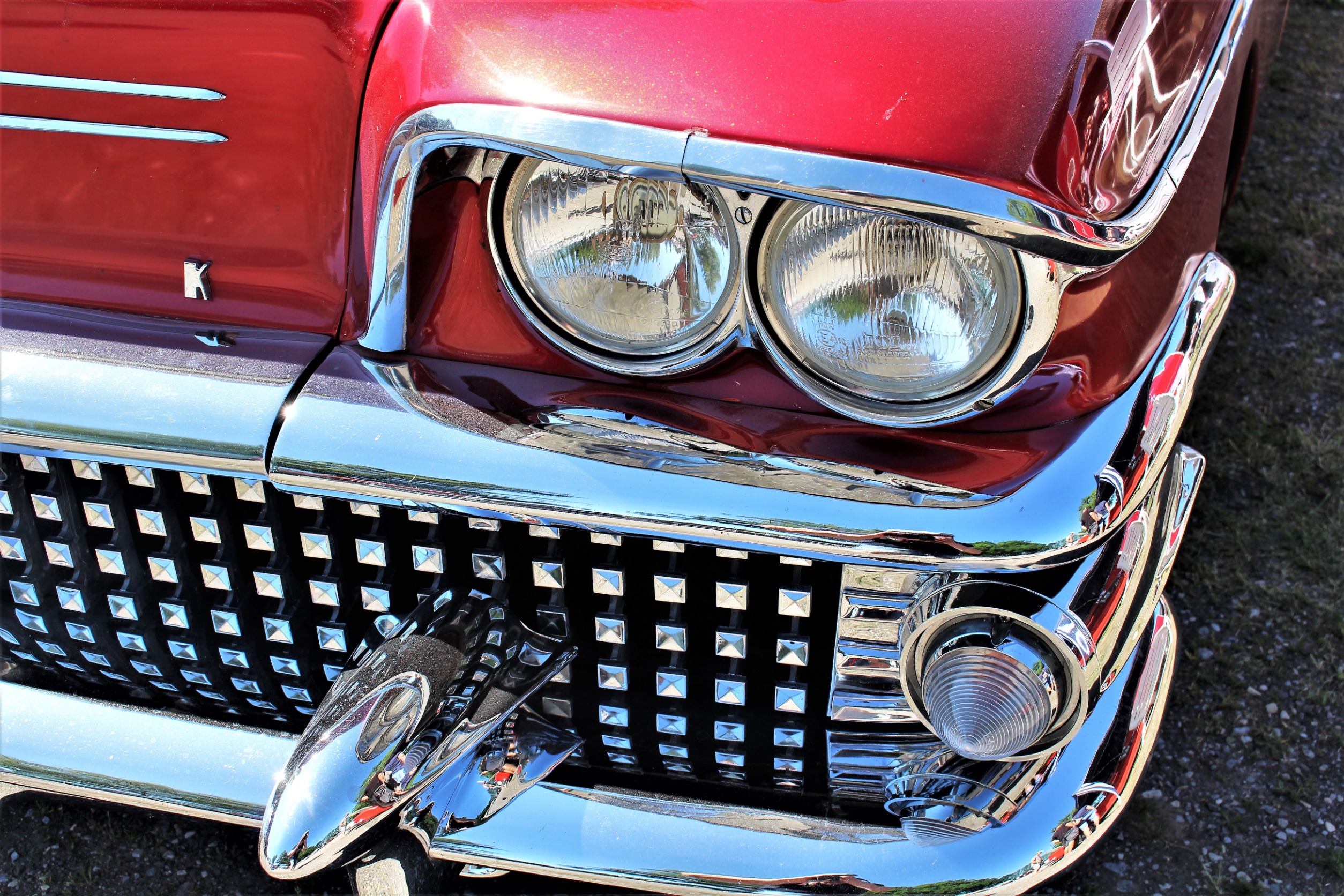
14. Chrome Accents

Chrome Accents

Chrome trim and accents, which once added a touch of glamour and distinction to vehicles, have mainly been replaced by less ornate materials. This reflects changing tastes and a move towards subtler, more understated vehicle aesthetics.

15. Hardtop Convertibles

Hardtop Convertibles

The elegant hardtop convertible, which offered the best of both worlds—open-top driving without the aesthetic compromise of a soft top—has become less common in favor of retractable soft tops or fixed roofs. This shift is largely due to the complexity, cost, and weight of hardtop mechanisms, underscoring a trend toward simplicity, efficiency, and lightweight design in modern automotive engineering.

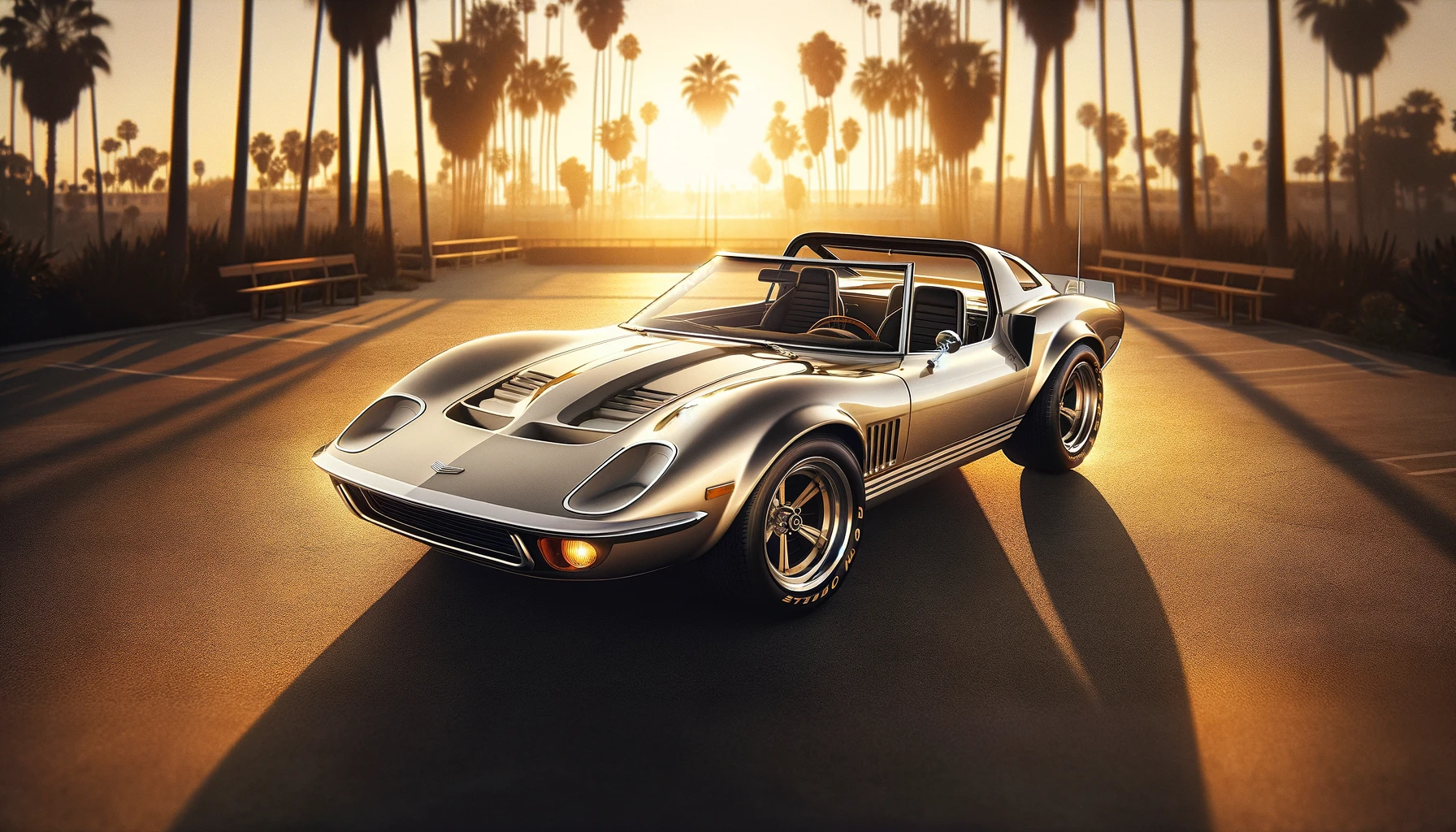
16. T-Tops and Targa Tops

T-Tops and Targa Tops

T-Tops and Targa tops provided a unique solution for drivers wanting a partial open-air experience without committing to a full convertible. These features have become rarities as manufacturers streamline production and focus on structural integrity, aerodynamics, and safety features that are more compatible with solid roofs or full convertibles.

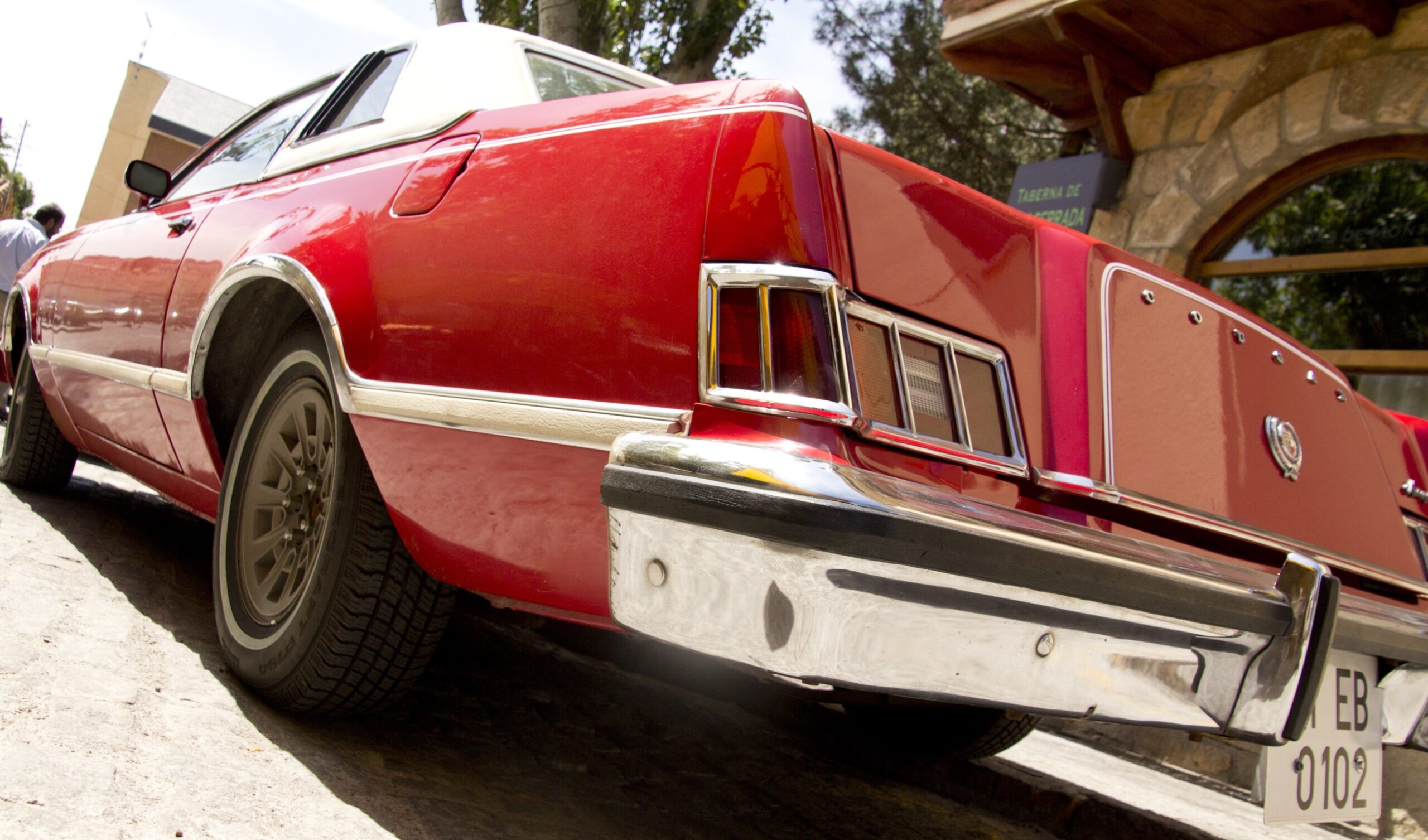
17. Opera Windows

Opera Windows

Opera windows, small porthole-sized windows on the C-pillars of luxury cars and coupes, epitomized automotive opulence in the 1970s. Their decline reflects a shift away from ornamental and stylistic excess towards a more functional and aerodynamic design ethos in vehicle manufacturing.

18. Physical Handbrakes

Physical Handbrakes

The physical handbrake lever, a fixture in vehicles for decades, is being replaced by electronic parking brakes. This transition from a manual lever to an electronic switch is indicative of the broader move towards digitization and automation in vehicle controls, enhancing convenience but possibly diminishing the tactile engagement of driving.

Classic Car Features Represent a Bygone Era

Classic Car Features Represent a Bygone Era

The disappearance of these classic car features from modern vehicles marks the intersection of technological advancement, changing consumer preferences, and evolving regulatory landscapes. While nostalgia for these bygone elements persists among enthusiasts, the automotive industry’s relentless pursuit of efficiency, safety, and innovation continues to redefine our driving experiences. As we look forward to the future of transportation, it’s clear that the cars of tomorrow will bear little resemblance to the classics of yesteryear, except in their enduring ability to captivate our imaginations and facilitate our journeys.

Catherine Reed
Catherine Reed

Catherine is a tech-savvy writer who has focused on the personal finance space for more than eight years. She has a Bachelor’s in Information Technology and enjoys showcasing how tech can simplify everyday personal finance tasks like budgeting, spending tracking, and planning for the future. Additionally, she’s explored the ins and outs of the world of side hustles and loves to share what she’s learned along the way. When she’s not working, you can find her relaxing at home in the Pacific Northwest with her two cats or enjoying a cup of coffee at her neighborhood cafe.

Filed Under: ShareMe Tagged With: antique cars, car features, classic car features, classic cars, modern cars

9 Things the Wealthy Never Waste Their Money On (But Here’s What They Secretly Covet)

March 15, 2024 By Catherine Reed Leave a Comment

Things the Wealthy Never Waste Their Money On

In a world where wealth often equates to power and influence, the spending habits of the affluent are frequently under scrutiny. While the rich are known for their luxurious lifestyles, there are certain expenditures they meticulously avoid. By the end of this article you’ll understand why spending on luxury loungewear may be okay but wasting money on a mass-produced luxury watch is something to skip. Let’s dive into nine things the wealthy never waste their money on and uncover what they secretly desire instead.

1. Fast Depreciating Assets

Fast Depreciating Assets

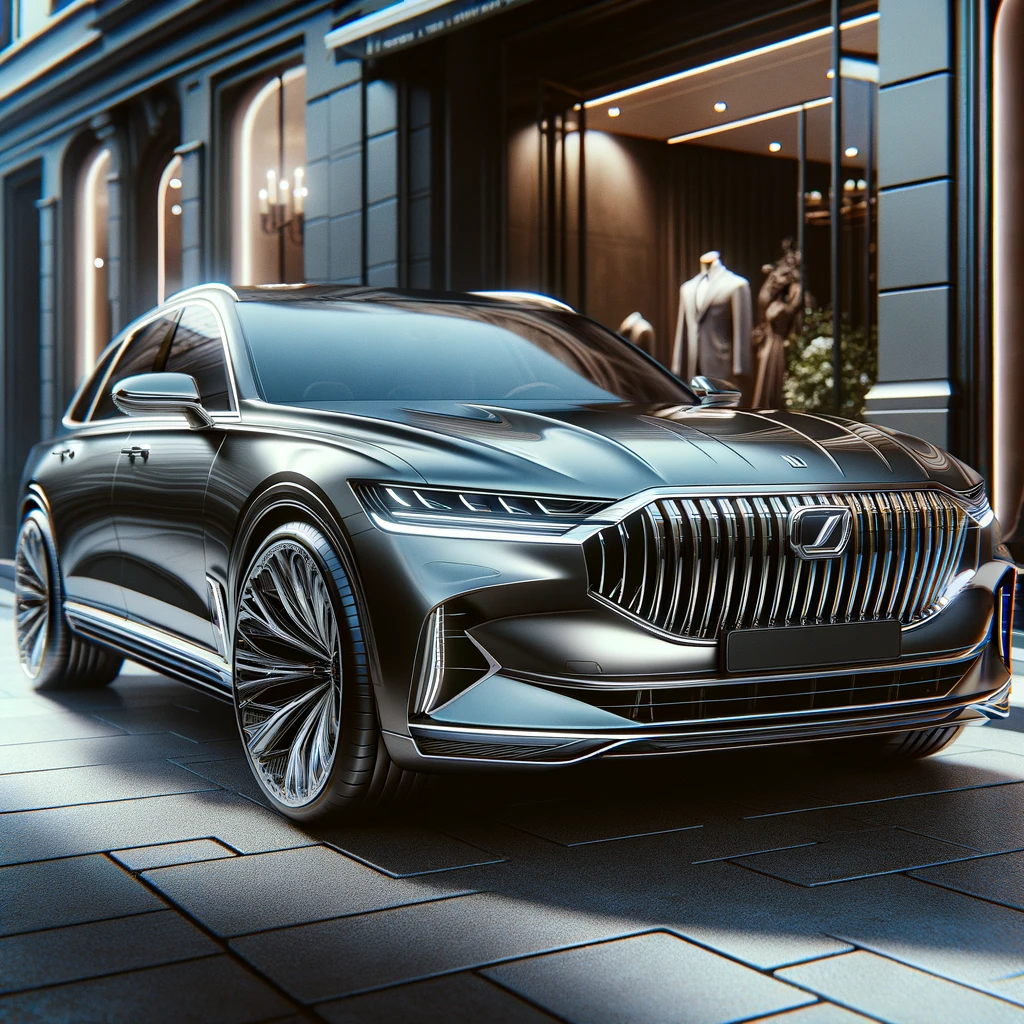
The wealthy steer clear of assets that depreciate quickly, such as brand-new luxury cars that lose value the moment they leave the dealership. Instead, when it comes to vehicles, they invest in vintage cars or classic models that have the potential to appreciate over time, turning a passion for automobiles into a savvy investment. This mindset extends beyond the auto market, too. For example, it applies to technology purchases – such as computers and smartphones – and many types of sporting equipment, where the wealthy measure their potential value against their cost before buying.

2. Trendy Fashion Items

Trendy Fashion Items

High-net-worth individuals avoid spending on fleeting fashion trends, as those items typically fall out of style just as quickly as they became the style du jour. Instead, they prefer timeless, high-quality pieces from designers known for their craftsmanship. This approach not only ensures a lasting wardrobe but also signifies an appreciation for artistry over brand name.

3. Gimmicky Gadgets

Gimmicky Gadgets

While tech enthusiasts abound in all income brackets, the wealthy are discerning about their gadget purchases. They bypass trendy, short-lived tech in favor of cutting-edge technology that offers genuine innovation and longevity, often custom-made to suit their specific needs. With this strategy, they can cover their technology bases without getting caught up in the fervor of the “next big thing” that ultimately may not pan out.

4. Flashy Jewelry

Flashy Jewelry

Contrary to popular belief, ostentatious jewelry is not on the shopping list of the truly affluent. Larger pieces designed solely to catch attention aren’t usually what they’re after. Instead, they opt for understated, rare pieces that are more about personal meaning or investment value than showy extravagance, often from niche designers or heritage auctions.

5. Excessive Real Estate

Excessive Real Estate

While the wealthy are often known for having several properties, that doesn’t mean they go overboard. Owning multiple homes can be more hassle than it’s worth for the wealthy, who prefer quality over quantity and may want to avoid the challenges of maintaining several homes they won’t use regularly. Instead, they focus on acquiring strategically located, potentially appreciating properties that offer exclusivity and privacy, as well as address a personal need.

6. Luxury Timepieces for Show

Luxury Timepieces for Show

While the rich do indulge in luxury watches, they avoid mass-produced “luxury” timepieces in favor of rare, artisan-crafted watches. Those artisan-crafted watches often serve as a subtle nod to those in the know and frequently end up becoming heirlooms that pass down through their families for generations.

7. Impulse Buys on Vacations

Impulse Buys on Vacations

The wealthy are immune to the common tourist trap of impulse buying on vacations. They won’t buy the souvenirs that draw most travelers in, particularly the low-cost, mass-produced options that aren’t typically made locally. Instead, they seek out unique experiences or items that offer a deeper connection to the culture or history of a place, making each purchase a meaningful addition to their lives.

8. Memberships They Don’t Use

Memberships They Don't Use

Memberships to exclusive clubs or services that aren’t utilized are considered a waste by the financially savvy, so they typically won’t sign up for an ongoing financial obligation that doesn’t provide clear long-term value. Instead, they prefer memberships that enhance their network, contribute to their personal growth, or offer genuine leisure, ensuring each membership fee is an investment in their lifestyle.

9. High-End Fitness Equipment

High-End Fitness Equipment

Instead of filling their homes with the latest fitness gadgets, wealthy individuals opt for personal trainers or bespoke health retreats that offer a more tailored approach to wellness. Essentially, they favor the value created by expert guidance and personalized care, ensuring they get what they need from their fitness experiences.

Why the Wealthy Never Waste Their Money

Why the Wealthy Never Waste Their Money

Ultimately, the spending habits of the wealthy reveal a preference for value, quality, and meaningfulness over mere luxury. They invest in experiences and items that not only enhance their lifestyle but also have the potential to appreciate in value, demonstrating a strategic approach to wealth that goes beyond surface-level opulence.

Catherine Reed
Catherine Reed

Catherine is a tech-savvy writer who has focused on the personal finance space for more than eight years. She has a Bachelor’s in Information Technology and enjoys showcasing how tech can simplify everyday personal finance tasks like budgeting, spending tracking, and planning for the future. Additionally, she’s explored the ins and outs of the world of side hustles and loves to share what she’s learned along the way. When she’s not working, you can find her relaxing at home in the Pacific Northwest with her two cats or enjoying a cup of coffee at her neighborhood cafe.

Filed Under: waste of money Tagged With: financial growth, financial wellness, Personal Finance, rich, smart spending, spending, waste of money, wealthy

  • « Previous Page
  • 1
  • …
  • 20
  • 21
  • 22
  • 23
  • 24
  • …
  • 34
  • Next Page »
  • Facebook
  • Pinterest
  • RSS
  • Twitter

Improve Your Credit Score

Money Blogs

  • Celebrating Financial Freedom
  • Christian PF
  • Dual Income No Kids
  • Financial Panther
  • Gajizmo.com
  • Lazy Man and Money
  • Make Money Your Way
  • Money Talks News
  • My Personal Finance Journey
  • Personal Profitability
  • PF Blogs
  • Reach Financial Independence
  • So Over Debt
  • The Savvy Scot
  • Yes, I am Cheap

Categories

Disclaimer

Please note that Beating Broke has financial relationships with some of the merchants mentioned here. Beating Broke may be compensated if consumers choose to utilize the links located throughout the content on this site and generate sales for the said merchant.

Visit Our Advertisers

Need to change careers? Consider an Accounting Certificate Program from WTI.