Beating Broke

Personal Finance from the Broke Perspective

  • Home
  • About
  • We Recommend
  • Contact
  • Privacy Policy

Powered by Genesis

20 Career Myths You Can Ignore After Turning 40

March 1, 2024 By Catherine Reed Leave a Comment

Career Myths You Can Ignore After Turning 40

Reaching the milestone age of 40 often brings a mix of personal and professional reflection. In the career sphere, it’s easy to be bogged down by age-old myths that dictate what you can or cannot achieve at this stage in life. However, the modern workplace is evolving, breaking down these outdated beliefs and opening up new opportunities for growth and fulfillment. Here, we debunk 20 career myths that you can confidently ignore after turning 40, empowering you to redefine your professional journey with confidence and ambition.

1. It’s Too Late for a Career Change

Too Late for a Career Change

Contrary to the myth that switching careers post-40 is impractical, many professionals find this the ideal time for a transition. With years of experience, you possess transferable skills and a clearer understanding of your passions, making it an opportune moment to pursue a new path that aligns more closely with your interests and values.

2. Learning New Technologies is for the Young

Learning New Technologies is for the Young

The digital age doesn’t discriminate by age. Midlife professionals are equally capable of adapting to new technologies and digital tools. Continuous learning keeps your skills relevant and enhances your value in a tech-driven job market, proving that age is just a number when it comes to tech-savviness.

3. Expertise Demands Moving to Leadership

Expertise Doesn't Demand Leadership

One of the pervasive career myths is the notion that seasoned professionals must inevitably transition into management roles. This belief stems from traditional career progression models, where climbing the corporate ladder is synonymous with moving into leadership. However, this one-size-fits-all approach overlooks the diverse talents and aspirations of individuals. Not everyone aspires to manage teams or navigate office politics, and forgoing that entirely is a wise move if it feels like the wrong fit.

4. Going Back to School is Futile

Going Back to School is Futile

Pursuing further education or certifications in your 40s can be a strategic move for career advancement or a pivot. Lifelong learning enriches your expertise and demonstrates a commitment to personal and professional growth, making you more competitive and versatile.

5. Networking is Less Important Now

Networking is Less Important Now

Building and maintaining a professional network remains crucial at any age. Networking after 40 can lead to new opportunities, partnerships, and insights, showcasing the power of connections in driving career growth and opening new doors.

6. Significant Financial Growth isn’t on the Horizon

Significant Financial Growth isn’t on the Horizon

This myth underestimates the potential for financial growth and professional progression in the latter stages of your career. Primarily, it’s based on the notion that opportunities to advance are more plentiful closer to the start of a career since more learning and skill development occurs then. However, with the depth of experience and specialized skills you’ve developed, you’re in a solid position to negotiate higher salaries or command premium rates for your expertise.

7. You Must Stick to What You Know

You Must Stick to What You Know

While specializing has its advantages, exploring diverse roles and industries can invigorate your career and introduce you to new challenges and learning opportunities. Your foundational skills and adaptability are your greatest assets, allowing you to venture into new territories with confidence.

8. Work-Life Balance Becomes Harder to Achieve

Work-Life Balance Becomes Harder to Achieve

Achieving work-life balance is not bound by age. With clearer priorities and better time management skills honed over the years, you can effectively balance professional responsibilities with personal life, debunking the myth that work-life harmony is elusive after 40.

9. You’re Too Old to Start Your Own Business

You're Too Old to Start Your Own Business

Entrepreneurship knows no age limit. Many successful entrepreneurs embark on their ventures in their 40s and beyond, bringing a wealth of experience, resilience, and a mature network to their startups, proving that it’s never too late to pursue entrepreneurial dreams.

10. Innovation is a Young Person’s Game

Innovation is a Young Person's Game

Innovation benefits from diverse perspectives, including the seasoned insights of professionals over 40. Your experience equips you to identify gaps and opportunities in the market, driving innovation through a blend of wisdom and creativity.

11. Job Security is More Important Than Job Satisfaction

Job Security is More Important Than Job Satisfaction

While stability is important, job satisfaction plays a crucial role in your overall well-being and productivity. It’s a myth that you should prioritize security over fulfillment; finding a role that aligns with your passions and strengths is equally essential.

12. Your Professional Network Should Only Include Senior-Level Contacts

Your Professional Network Should Only Include Senior-Level Contacts

A diverse network, including peers, juniors, and seniors across various industries, enriches your professional life with a wide range of perspectives and opportunities, debunking the myth that only senior-level contacts are valuable.

13. Mentoring is Only for the Young

Mentoring is Only for the Young

Mentoring relationships are mutually beneficial and not limited by age. Serving as a mentor or seeking mentorship can provide fresh insights, foster growth, and strengthen your professional network, regardless of your age.

14. You Should Have All the Answers by Now

You Should Have All the Answers by Now

No one, irrespective of age or experience, has all the answers. Embracing a mindset of curiosity and continuous learning is key to adapting and thriving in an ever-changing professional landscape.

15. Taking Risks is Reckless at This Stage

Taking Risks is Reckless at This Stage

Taking calculated risks can lead to substantial career advancements and personal growth. Leveraging your experience to assess and take strategic risks can open up new avenues and opportunities, challenging the notion that risk-taking is solely for the young.

16. Your Age is a Disadvantage in Job Interviews

Your Age is a Disadvantage in Job Interviews

Your age and experience can be your greatest strengths in job interviews. By showcasing your depth of knowledge, problem-solving skills, and emotional intelligence – which are highly prized by employers – you can excel during the hiring process.

17. You Can’t Keep Up with Younger Colleagues

You Can't Keep Up with Younger Colleagues

Collaborating with younger colleagues offers a dynamic exchange of ideas, perspectives, and skills. Your experience complements their fresh approaches, creating a synergistic work environment that leverages the best of both worlds.

18. Creativity Declines with Age

Creativity Declines with Age

Creativity evolves and can even deepen with age, fueled by a rich tapestry of experiences and insights. Your creative output can continue to grow and diversify, challenging the myth that creativity wanes over time.

19. There’s No Room for Failure Now
There's No Room for Failure Now

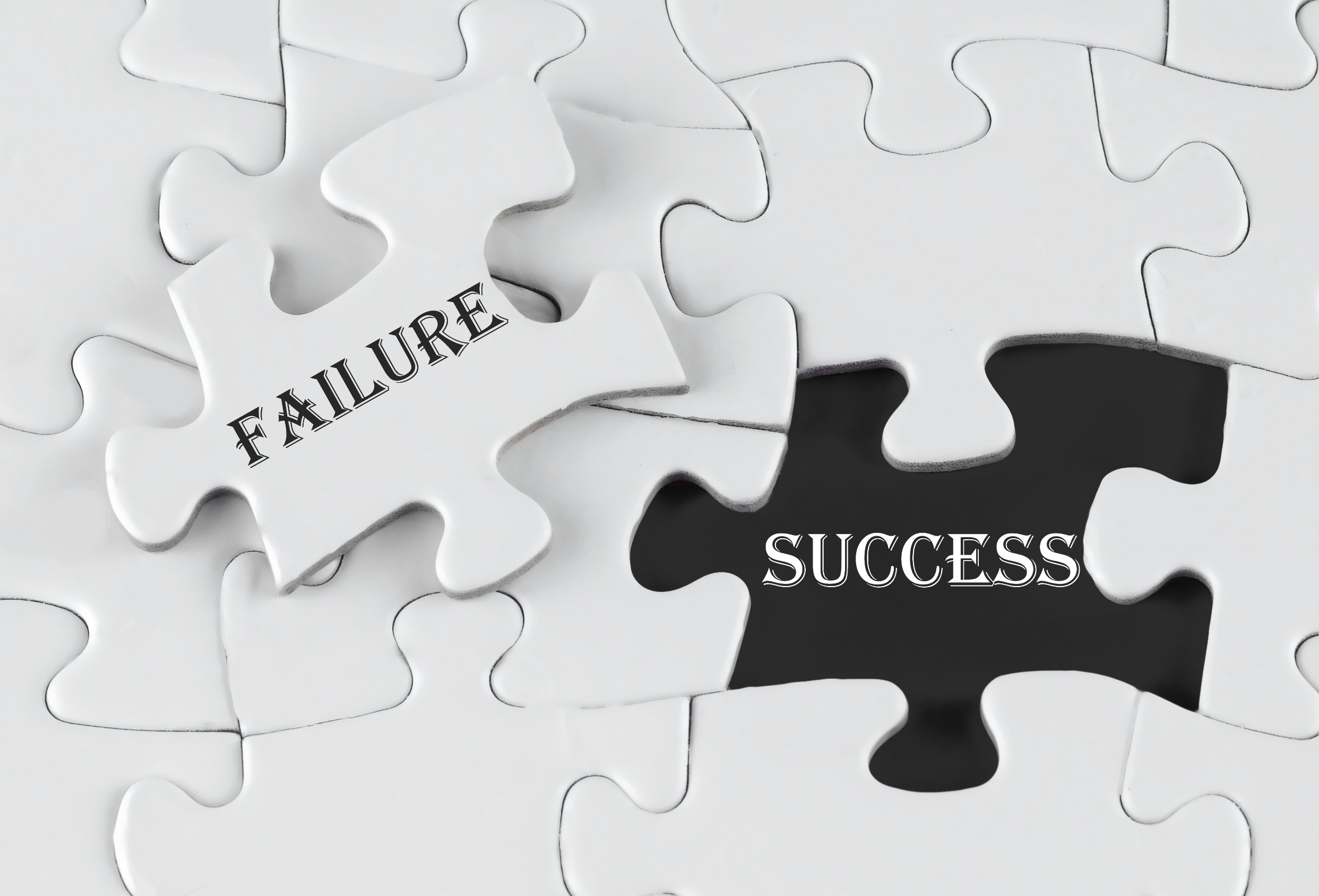
Failure is an integral part of growth and learning at any age. Viewing setbacks as opportunities to learn and pivot is crucial for resilience and long-term success, dispelling the myth that there’s no room for mistakes after 40.

20. Your Professional Growth Has Plateaued

Your Professional Growth Has Plateaued

Professional growth is a lifelong journey. With the right mindset, opportunities for advancement and personal development are abundant, regardless of age, proving that your career trajectory can continue to ascend well beyond 40.

Dispel the Career Myths

Dispel the Career Myths

By dispelling these career myths, you can embrace your 40s as a period of rich professional growth, exploration, and fulfillment. Your wealth of experience, combined with a forward-looking approach, positions you uniquely to navigate the complexities of the modern career landscape with wisdom, agility, and confidence.

Catherine Reed
Catherine Reed

Catherine is a tech-savvy writer who has focused on the personal finance space for more than eight years. She has a Bachelor’s in Information Technology and enjoys showcasing how tech can simplify everyday personal finance tasks like budgeting, spending tracking, and planning for the future. Additionally, she’s explored the ins and outs of the world of side hustles and loves to share what she’s learned along the way. When she’s not working, you can find her relaxing at home in the Pacific Northwest with her two cats or enjoying a cup of coffee at her neighborhood cafe.


Filed Under: career Tagged With: career, career myths, job satisfaction, job success, professional development

16 Changes in Childhood Play: From Baby Boomers to Today’s Kids

February 29, 2024 By Catherine Reed Leave a Comment

Changes in Childhood Play

The landscape of childhood play has undergone profound transformations from the Baby Boomer generation to the digital natives of today. These changes reflect broader societal shifts, technological advancements, and evolving attitudes toward parenting and education. From outdoor adventures to virtual worlds, this article explores 16 significant changes in how children play, highlighting the implications for development, socialization, and well-being.

1. Outdoor Play to Screen Time

Outdoor Play to Screen Time

Baby Boomers spent vast portions of their childhood outdoors, engaging in unstructured play, which contrasts sharply with today’s tech-savvy kids, who often prefer screen-based entertainment. This shift raises concerns about physical health, creativity, and social skills, as digital devices increasingly dominate leisure time.

2. Physical Activity Levels

Physical Activity Levels

The Baby Boomer generation was generally more physically active, with play often involving sports, cycling, and games that required physical exertion. Today, sedentary lifestyles are more common among children, partly due to the prevalence of video games, smartphones, and other electronic devices, contributing to rising concerns about childhood obesity and fitness.

3. Social Interaction

Social Interaction

Previously, children’s play was predominantly social, involving neighborhood friends and schoolmates in group activities. In contrast, modern play can be solitary, especially with the advent of single-player video games and individualized gadgets, potentially impacting children’s social development and empathy skills.

4. Supervision and Independence

Supervision and Independence

Baby Boomers often reminisce about the freedom they had to explore their environments with minimal adult supervision. Today’s children experience more structured and supervised play environments, reflecting increased concerns about safety and a shift towards more organized activities.

5. Toys and Technology

Toys and Technology

While Baby Boomers grew up with basic toys that often required imaginative input, today’s children have access to sophisticated tech toys, including drones, smart dolls, and educational apps, which offer immersive and interactive experiences but may also limit imaginative play.

6. Educational Focus

Educational Focus

There’s been a significant shift towards educational and developmental toys and games, reflecting a growing awareness of early childhood development. Parents and educators now emphasize toys that promote STEM skills, literacy, and cognitive development from a younger age.

7. Indoor Play Predominance

Indoor Play Predominance

Modern children are more likely to engage in indoor play, within the safety of their homes or at designated indoor play centers. This trend reflects urbanization, safety concerns, and the changing nature of community spaces, contrasting with the Baby Boomers’ tendency to roam neighborhoods and play in natural settings.

8. Scheduled Playdates

Scheduled Playdates

The spontaneity of play has diminished over the generations, with today’s parents often scheduling playdates for their children. A structured approach to socialization reflects busier family schedules and concerns about safety but may limit children’s opportunities to develop independent social skills.

9. Gender-Neutral Toys

Gender-Neutral Toys

There’s a growing emphasis on gender-neutral toys and activities, challenging traditional gender roles and stereotypes. This shift aims to foster inclusivity and equality from a young age, contrasting with the more gender-specific toys and roles encouraged among Baby Boomers.

10. Digital Literacy

Digital Literacy

Today’s children are becoming digitally literate at an increasingly young age, with tablets and smartphones becoming common in early childhood. Early exposure to technology contrasts with the analog world of Baby Boomers and prepares children for a digital future but also raises concerns about screen time.

11. Play and Mental Health

Play and Mental Health

There’s increased awareness of the link between play and mental health, with a focus on play as a means to reduce stress and improve psychological well-being. This understanding reflects broader societal recognition of mental health issues, compared to the less informed perspectives during the Baby Boomer era.

12. Environmental Awareness

Environmental Awareness

Modern toys and play activities often incorporate themes of environmental conservation and sustainability, mirroring growing global concerns about these issues. This focus aims to instill a sense of responsibility and awareness in children, a contrast to the less environmentally focused play of previous generations.

13. Inclusivity in Play

Inclusivity in Play

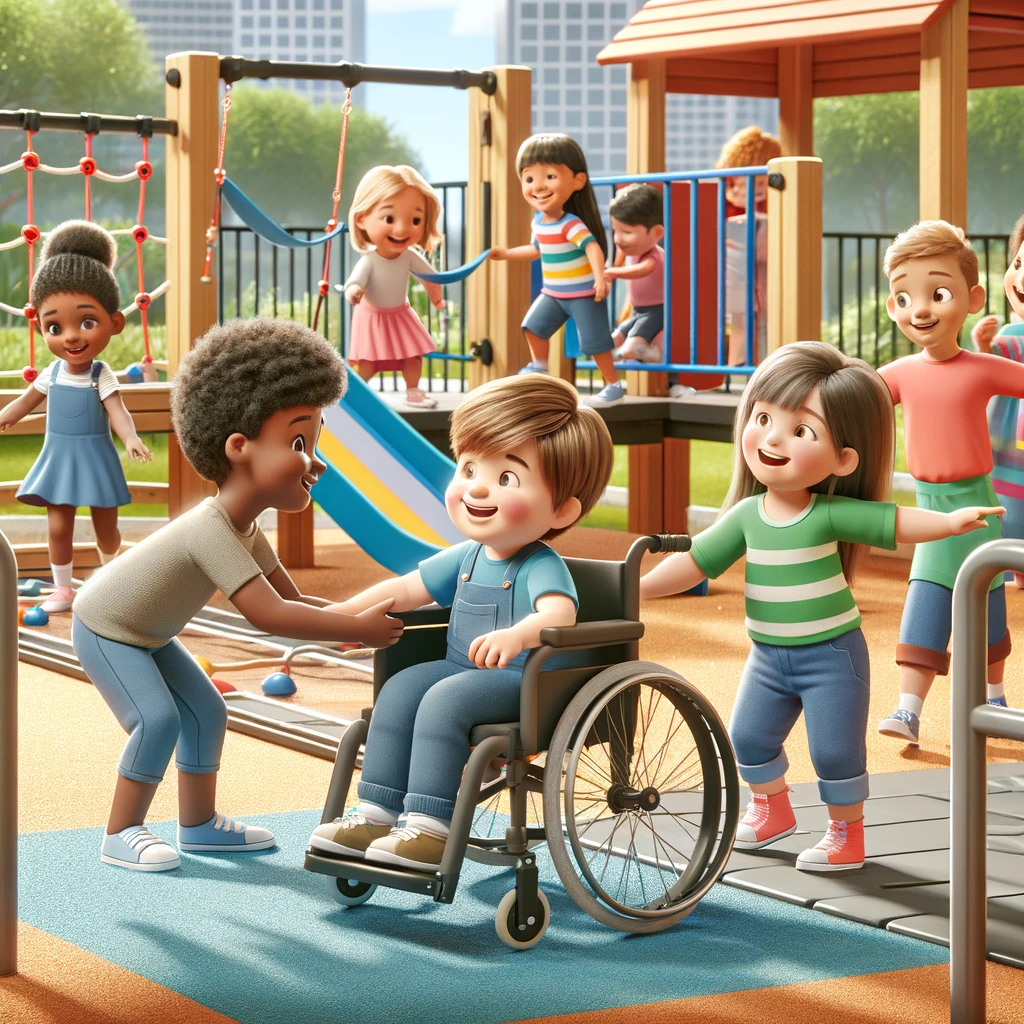
There’s a concerted effort to ensure play is inclusive, with toys and games designed to be accessible to children of all abilities. Inclusivity represents a significant shift from past generations, where children with disabilities were often marginalized in play activities.

14. Role of Media and Influencers

Role of Media and Influencers

Children’s play is increasingly influenced by media and influencers, with characters from TV shows, movies, and YouTube shaping play themes and toy choices. Media-driven play is a departure from the more localized and community-driven influences of the Baby Boomer era.

15. Safety Regulations

Safety Regulations

Toys and play environments today are subject to stringent safety regulations, reflecting heightened concerns about child safety. This regulatory environment contrasts with the less regulated, and sometimes riskier, playthings and spaces of the past.

16. The Blend of Tradition and Innovation

Blend of Tradition and Innovation

Despite these changes, there remains a blend of traditional and innovative play patterns, with classic toys like building blocks and board games continuing to be popular alongside modern gadgets, showing that some aspects of play remain timeless.

The Evolving Landscape of Childhood Play

Evolving Landscape of Childhood Play

These shifts in childhood play reflect broader changes in society, technology, and attitudes toward childhood and development. While each generation’s play experiences have unique benefits and challenges, the essence of play as a critical component of childhood remains unchanged, continuing to shape skills, friendships, and memories.

Catherine Reed
Catherine Reed

Catherine is a tech-savvy writer who has focused on the personal finance space for more than eight years. She has a Bachelor’s in Information Technology and enjoys showcasing how tech can simplify everyday personal finance tasks like budgeting, spending tracking, and planning for the future. Additionally, she’s explored the ins and outs of the world of side hustles and loves to share what she’s learned along the way. When she’s not working, you can find her relaxing at home in the Pacific Northwest with her two cats or enjoying a cup of coffee at her neighborhood cafe.

Filed Under: Lifestyle Tagged With: baby boomers, childhood play, games, gen z, generational differences, growing up, millennials, toys

12 Lifestyle Trends Millennials Love But Older Generations Just Don’t Get

February 28, 2024 By Catherine Reed Leave a Comment

Lifestyle Trends Millennials Love But Older Generations Just Don't Get

In the ever-evolving landscape of societal norms and cultural trends, millennials have carved out a niche that distinctly sets them apart from their predecessors. This generation’s preferences and values have shaped a series of lifestyle trends that, while resonating deeply with them, often leave older generations scratching their heads. From embracing digital nomadism to prioritizing mental health over material success, here are 12 lifestyle trends that millennials champion, embodying their quest for a balanced, fulfilling, and sustainable life.

1. Digital Nomadism

Digital Nomadism

Gone are the days when a stable career meant being tethered to a single office location. Millennials have embraced the digital nomad lifestyle, leveraging technology to work remotely from exotic locales around the world. This trend reflects their value for experiences over possessions and their desire for work-life balance. While older generations might view this as an unstable career path, millennials see it as the ultimate freedom, blending work, travel, and adventure into a seamless lifestyle.

2. Plant-Based Diets

Plant-Based Diets

Millennials are at the forefront of the surge in plant-based eating, driven by concerns for health, the environment, and animal welfare. This dietary shift is often met with skepticism by older generations accustomed to meat-centric meals. However, for millennials, it’s not just a diet but a conscious choice reflecting their values and their holistic approach to wellness.

3. Minimalism

Minimalism

The minimalist movement, characterized by decluttering and simplifying one’s lifestyle, has found a strong following among millennials. This trend, often misunderstood by older generations as mere austerity, is embraced by millennials as a path to freedom from material constraints, focusing on experiences and personal growth instead of accumulating possessions.

4. Co-Living and Co-Working Spaces

Co-Living and Co-Working Spaces

Millennials are redefining the concept of living and working spaces, gravitating towards co-living and co-working environments. These spaces not only offer affordability and flexibility but also foster a sense of community and collaboration, values highly prized by millennials. In contrast, older generations often prioritize privacy and ownership, making it hard for them to grasp the appeal of shared spaces.

5. Ethical Consumerism

Ethical Consumerism

More than any generation before, millennials are driven by the ethics behind their purchases, supporting brands that are environmentally sustainable and socially responsible. This shift towards ethical consumerism often puzzles older generations, who may not place the same emphasis on the moral implications of their buying choices.

6. Mindfulness and Mental Health

Mindfulness and Mental Health

Millennials have brought mental health and mindfulness into the mainstream, openly discussing and prioritizing their psychological well-being. This contrasts with older generations, who may view such openness with skepticism or as a sign of weakness, underscoring a generational divide in addressing mental health.

7. Experiential Travel

Experiential Travel

For millennials, travel is less about luxury and more about authentic, immersive experiences. They prefer off-the-beaten-path adventures and cultural immersion over traditional tourist activities, a trend that can perplex older generations accustomed to more conventional forms of vacationing.

8. Gig Economy Participation

Gig Economy Participation

Millennials are the driving force behind the gig economy, favoring freelance and contract work for its flexibility and variety. This approach to career-building is often at odds with older generations’ values of job security and long-term employment at a single company.

9. Social Media as a Primary News Source

Social Media as a Primary News Source

While older generations might rely on traditional news outlets, millennials turn to social media platforms for real-time updates and diverse perspectives. This trend reflects their preference for fast, accessible, and interactive forms of communication, though it’s sometimes criticized for concerns about misinformation.

10. Sustainable Living

Sustainable Living

Millennials are leading the charge in sustainable living practices, from reducing waste to supporting renewable energy sources. This commitment to sustainability can sometimes be seen as impractical or idealistic by older generations, who may not prioritize environmental concerns as highly.

11. Fitness and Wellness Cultures

Fitness and Wellness Cultures

Fitness and wellness are not just about physical health for millennials; they’re integral to their identity and lifestyle. This generation’s holistic approach to wellness, incorporating everything from yoga and meditation to functional fitness, marks a departure from older generations’ more traditional views on exercise and health.

12. Crowdfunding and Social Entrepreneurship

Crowdfunding and Social Entrepreneurship

Millennials are enthusiastic supporters of crowdfunding platforms and social entrepreneurship, viewing them as a means to democratize funding and drive social change. This contrasts with older generations’ reliance on traditional investment and business models, which may not emphasize social impact to the same extent.

Changing Priorities Inspired Millennial Lifestyle Trends

Changing Priorities Inspired Millennial Lifestyle Trends

These lifestyle trends underscore a generational shift towards more flexible, conscious, and experience-driven living. While they may sometimes be met with incomprehension or skepticism by older generations, they reflect millennials’ broader aspirations for a life that balances personal fulfillment with social and environmental responsibility.

Catherine Reed
Catherine Reed

Catherine is a tech-savvy writer who has focused on the personal finance space for more than eight years. She has a Bachelor’s in Information Technology and enjoys showcasing how tech can simplify everyday personal finance tasks like budgeting, spending tracking, and planning for the future. Additionally, she’s explored the ins and outs of the world of side hustles and loves to share what she’s learned along the way. When she’s not working, you can find her relaxing at home in the Pacific Northwest with her two cats or enjoying a cup of coffee at her neighborhood cafe.

Filed Under: Lifestyle Tagged With: baby boomers, gen x, generational differences, generations, lifestyle, lifestyle trends, millennials

  • « Previous Page
  • 1
  • …
  • 24
  • 25
  • 26
  • 27
  • 28
  • …
  • 34
  • Next Page »
  • Facebook
  • Pinterest
  • RSS
  • Twitter

Improve Your Credit Score

Money Blogs

  • Celebrating Financial Freedom
  • Christian PF
  • Dual Income No Kids
  • Financial Panther
  • Gajizmo.com
  • Lazy Man and Money
  • Make Money Your Way
  • Money Talks News
  • My Personal Finance Journey
  • Personal Profitability
  • PF Blogs
  • Reach Financial Independence
  • So Over Debt
  • The Savvy Scot
  • Yes, I am Cheap

Categories

Disclaimer

Please note that Beating Broke has financial relationships with some of the merchants mentioned here. Beating Broke may be compensated if consumers choose to utilize the links located throughout the content on this site and generate sales for the said merchant.

Visit Our Advertisers

Need to change careers? Consider an Accounting Certificate Program from WTI.