Beating Broke

Personal Finance from the Broke Perspective

  • Home
  • About
  • We Recommend
  • Contact
  • Privacy Policy

Powered by Genesis

The 15 Most Polarizing Financial Trends of the Decade

February 27, 2024 By Catherine Reed Leave a Comment

Most Polarizing Financial Trends of the Decade

In a world where financial landscapes are ever-evolving, the last decade has seen a myriad of trends that have divided experts and the public alike. From the meteoric rise of cryptocurrencies to the resurgence of gold as a safe haven, these trends have not only shaped investment portfolios but also sparked intense debates among financial aficionados. Below, we delve into the 15 most polarizing financial trends that have defined the decade, offering insights into their origins, impacts, and the controversies they’ve stirred.

1. The Cryptocurrency Craze
Cryptocurrency Craze

Cryptocurrencies, led by Bitcoin, have arguably been the most divisive financial trend. Proponents laud their potential to democratize finance, offering a decentralized alternative to traditional banking systems. Critics, however, warn of their volatility, regulatory uncertainties, and potential for misuse. The debate reached a fever pitch when Bitcoin’s value skyrocketed, making millionaires overnight and leaving skeptics questioning the sustainability of such digital assets.

2. The Rise of Neobanks

Rise of Neobanks

Digital-only banks, or neobanks, have disrupted traditional banking by offering user-friendly, technology-driven services. While many appreciate the convenience and innovation they bring, others question their security and long-term viability. The lack of physical branches and the reliance on digital interfaces have not sat well with everyone, leading to a polarized reception among consumers.

3. Sustainable Investing
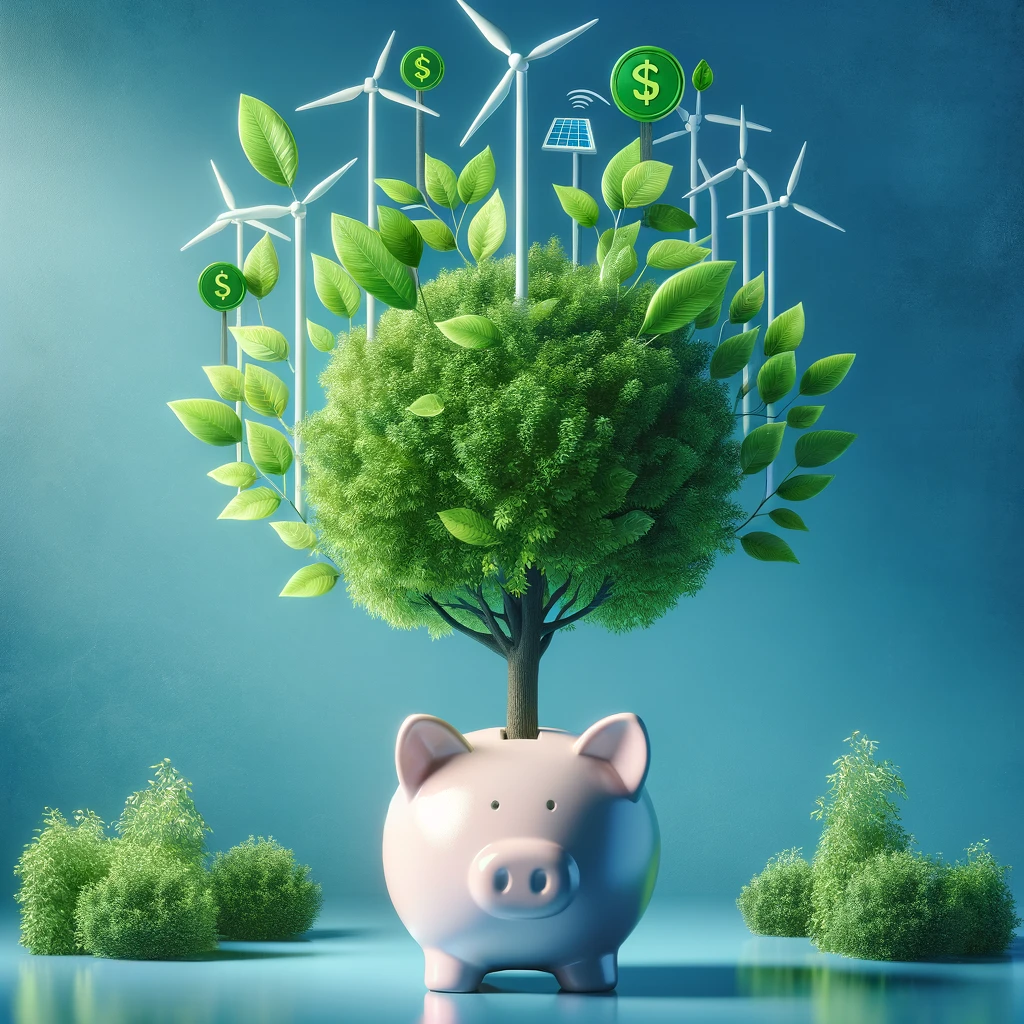
Sustainable Investing

Sustainable, responsible, and impact investing (SRI) has gained traction, driven by a growing awareness of environmental, social, and governance (ESG) issues. While many investors are eager to align their portfolios with their values, critics argue that the focus on ESG criteria may compromise returns, sparking a debate on the balance between ethics and profitability in investment strategies.

4. The Return of Gold

Return of Gold

In times of uncertainty, investors traditionally turn to gold, and the last decade was no exception. The resurgence of gold as a safe haven asset has been met with mixed reactions. Some view it as a wise defensive move, while others see it as an outdated investment, especially in the digital age.

5. Peer-to-Peer Lending

Peer-to-Peer Lending

Peer-to-peer (P2P) lending platforms have revolutionized the way individuals borrow and lend money, bypassing traditional financial institutions. Advocates praise the accessibility and competitive rates it offers, but the lack of regulation and higher risk of default have raised significant concerns.

6. The Gig Economy and Financial Security

Gig Economy and Financial Security

The rise of the gig economy has transformed traditional employment models, offering flexibility and autonomy. However, this trend has sparked a debate about financial security and the lack of benefits such as pensions, health insurance, and stable income, highlighting a divide in the workforce’s perception of financial stability.

7. The Explosion of ETFs

Explosion of ETFs

Exchange-traded funds (ETFs) have become increasingly popular for their low costs and simplicity. While they are hailed for making investment more accessible, there is a growing concern about market volatility and the “dumbing down” of investment strategies, with some experts warning of potential bubbles.

8. Tech Giants’ Financial Ventures
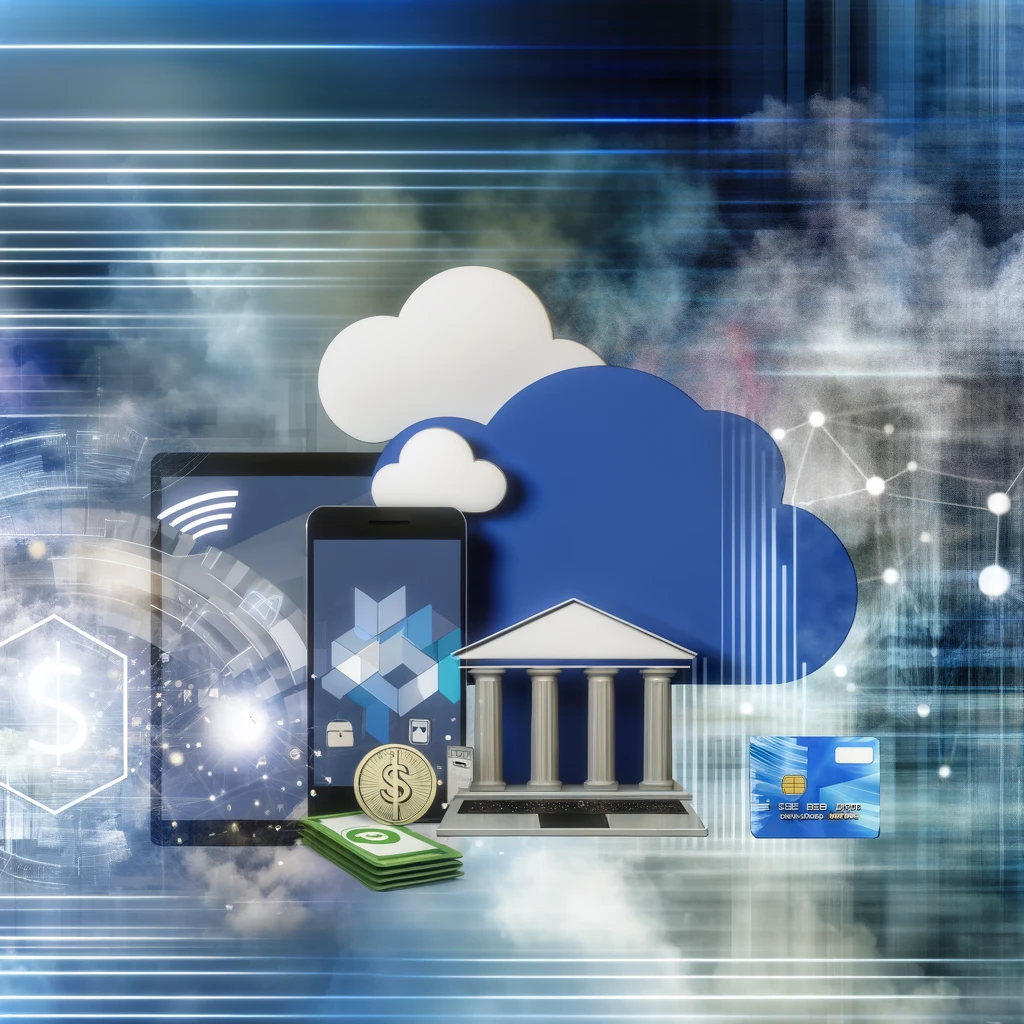
Tech Giants' Financial Ventures

Tech companies venturing into financial services have drawn both excitement and skepticism. The prospect of innovation and enhanced consumer experiences contrasts sharply with fears over privacy, data security, and the concentration of power among a few tech behemoths.

9. The Student Loan Crisis

Student Loan Crisis

The burgeoning student loan debt has become a hot-button issue, with calls for reform clashing with debates over personal responsibility and the value of higher education. The financial strain on millions of Americans has led to polarized views on the role of education in society and its financial implications.

10. Negative Interest Rates
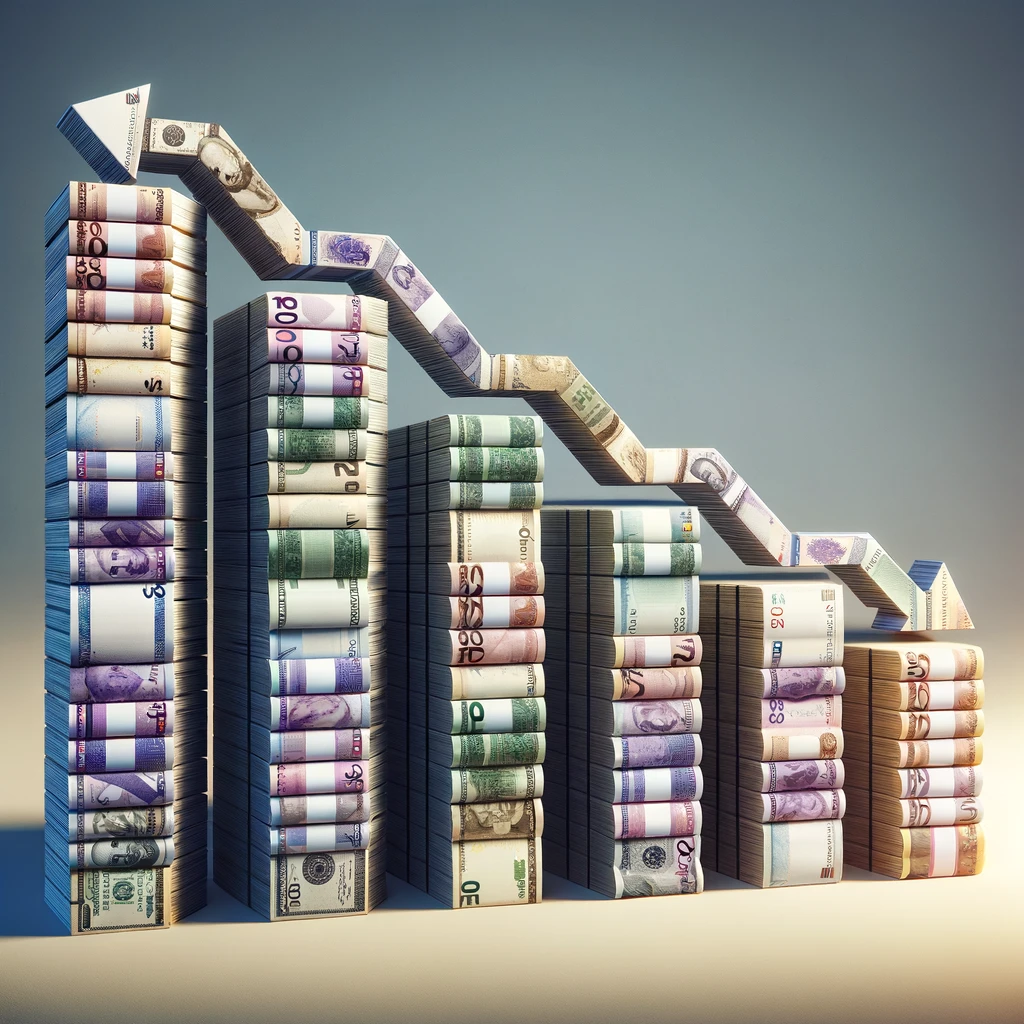
Negative Interest Rates

The phenomenon of negative interest rates in some economies has upended traditional financial wisdom, leading to a split in opinion. Some see it as a necessary tool to stimulate economic growth, while others view it as a dangerous experiment with potentially dire consequences.

11. The FIRE Movement

FIRE Movement

The Financial Independence, Retire Early (FIRE) movement advocates for extreme savings and investment to achieve early retirement. While it has a dedicated following, critics argue that it is unrealistic for most people and overlooks the value of career fulfillment.

12. Real Estate Crowdfunding

Real Estate Crowdfunding

Crowdfunding has made real estate investment more accessible, but opinions vary widely. Enthusiasts appreciate the democratization of property investment, while detractors highlight the risks associated with a lack of liquidity and the potential for market saturation.

13. The Revival of Value Investing
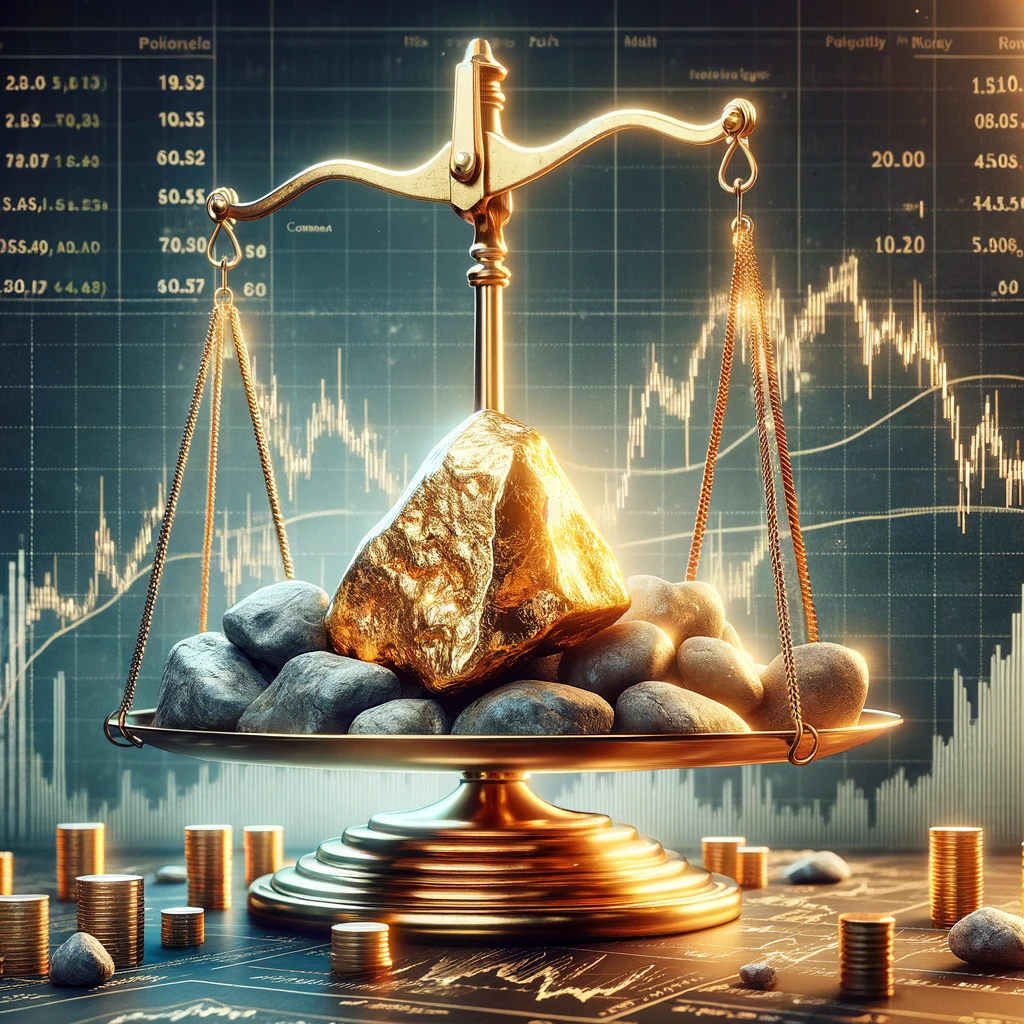
Revival of Value Investing

In a decade dominated by high-flying tech stocks, the return to value investing has been contentious. Some investors see it as a timeless strategy for long-term success, while others argue that the digital age requires new approaches to stock valuation.

14. Big Data in Finance

Big Data in Finance

The use of big data and AI in finance has been both celebrated for its potential to enhance decision-making and criticized for privacy concerns and the potential for algorithmic biases. The debate centers around the balance between technological advancement and ethical considerations.

15. The Shift Toward Cashless Societies
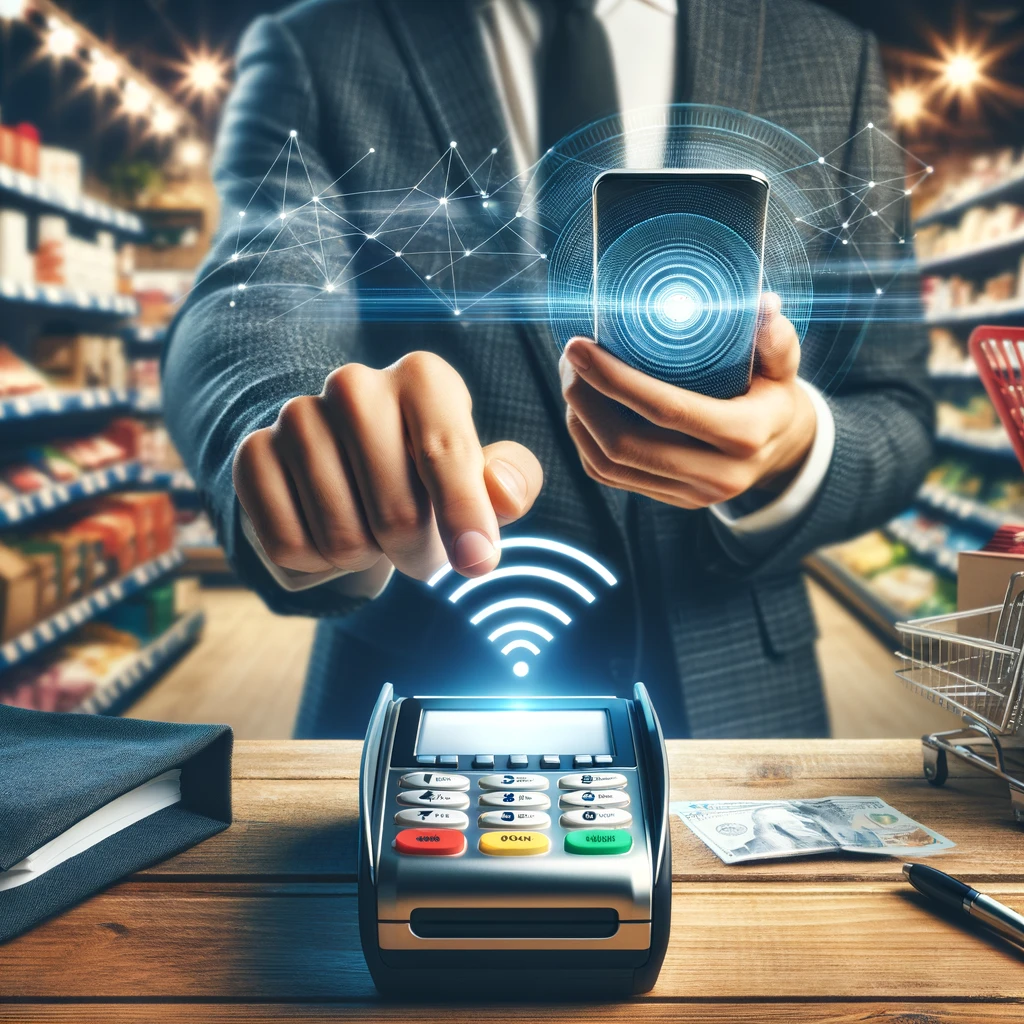
Shift Toward Cashless Societies

The move towards cashless transactions has been accelerated by technological advancements and the pandemic. While many herald this as a step towards greater efficiency and security, others worry about privacy, cybersecurity, and the exclusion of those without digital access.

Financial Trends Showcase the Complexities of Modern Finance

Financial Trends Showcase the Complexities of Modern Finance

These polarizing financial trends highlight the dynamic nature of the financial landscape and the varying perspectives individuals hold. As we navigate through these trends, the debates they spark are a testament to the complexities of modern finance and the diverse values and priorities of those it serves.

Catherine Reed
Catherine Reed

Catherine is a tech-savvy writer who has focused on the personal finance space for more than eight years. She has a Bachelor’s in Information Technology and enjoys showcasing how tech can simplify everyday personal finance tasks like budgeting, spending tracking, and planning for the future. Additionally, she’s explored the ins and outs of the world of side hustles and loves to share what she’s learned along the way. When she’s not working, you can find her relaxing at home in the Pacific Northwest with her two cats or enjoying a cup of coffee at her neighborhood cafe.

Filed Under: personal finance Tagged With: banking, financial trends, Investing, Personal Finance, Saving, spending

Bizarre Inflation Victims: 10 Things That Cost More Than They’re Worth

February 26, 2024 By Catherine Reed Leave a Comment

Bizarre Inflation Victims

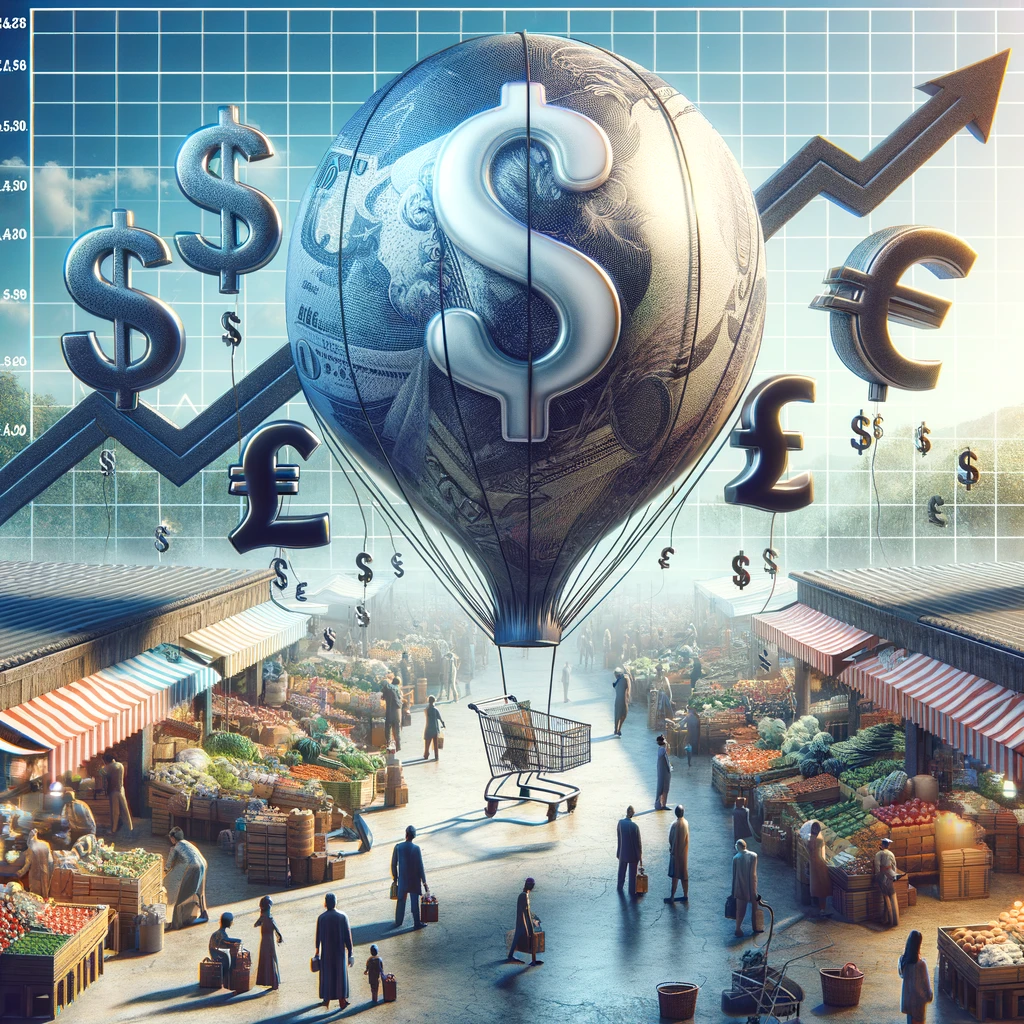
Inflation is a global economic phenomenon that affects various sectors, leading to increased prices for goods and services. However, some items have seen price hikes that far exceed their intrinsic value, becoming bizarre inflation victims. Here’s a look at 10 such items that now cost more than they seem to be worth, shedding light on the peculiar impact of inflation in today’s economy.

1. Movie Theater Popcorn

Movie Theater Popcorn

The price of movie theater popcorn has soared, turning this once-affordable snack into a luxury. With a markup that can exceed 1,000%, popcorn at cinemas is a prime example of inflation gone wild. The cost reflects not just the product but also the experience of watching a film on the big screen. Despite the high price, moviegoers continue to indulge, proving how value is perceived in context.

2. Bottled Water

Bottled Water

Bottled water is another item that has become disproportionately expensive. Often sourced from the same municipal supplies as tap water, the price of bottled water can be hundreds of times higher. This price discrepancy is attributed to branding, packaging, and marketing rather than the actual product. The convenience and perceived purity of bottled water has made it a staple despite its inflated cost.

3. College Textbooks

The cost of college textbooks has skyrocketed, with prices increasing at a rate that far outpaces inflation. This surge is linked to the specialized nature of the content and the captive market of college students. The digital age has introduced alternatives like e-books and rental services, but physical textbooks remain expensive, burdening students financially.

4. Brand-Name Medications

Brand-Name Medications

Brand-name medications can cost significantly more than their generic counterparts even though they have the same active ingredients. The price difference often reflects the cost of research and development, marketing, and brand prestige. While generics offer a more affordable option, the high cost of brand-name drugs can still pose a challenge for those without adequate insurance coverage.

5. Designer Fashion

Designer Fashion

Designer fashion items, including clothing, handbags, and accessories, often carry price tags that far exceed their production costs. The prices reflect not only the quality of materials and craftsmanship but also the brand’s status and theoretical exclusivity. For many, the appeal of designer labels justifies the expense, highlighting the role of perception in determining value.

6. Greeting Cards

Greeting Cards

The price of greeting cards has steadily increased, with some premium cards costing upwards of $10. This rise is attributed to the design, materials, and sentiments they convey, transforming a simple piece of paper into a significant expense. Despite the availability of digital alternatives, the tradition of sending physical cards persists, underscoring the personal touch they offer.

7. Airport Food

Airport Food

Airport food is notoriously expensive, with prices significantly higher than similar items outside the airport. This inflation is due to the captive audience of travelers and the logistical challenges of operating in an airport. While the convenience is undeniable, the cost can be hard to justify, especially for frequent flyers.

8. Cable TV Subscriptions

Cable TV Subscriptions

Cable TV subscriptions have become increasingly expensive, with costs rising despite the advent of streaming services. The price reflects not just the content but also the infrastructure and service provided. As consumers seek more flexible and affordable alternatives, cable providers are challenged to justify their pricing.

9. Smartphones

Smartphones

The latest smartphones come with hefty price tags, driven by technological advancements and brand prestige. While these devices offer cutting-edge features, what they provide can exceed the average user’s needs, prompting questions about their true value. As a result, the market for used and refurbished phones has grown, offering more affordable options.

10. Concert Tickets

Concert Tickets

Concert ticket prices have soared, with fees for popular artists reaching astronomical levels. While the cost includes not just the performance but also the experience and memories associated with live music, many question whether it’s worth the price of admission. But despite the growing price tag, demand remains strong, driven by fans’ desire to connect with their favorite artists.

Should You Avoid These Inflation Victims?

Should You Avoid These Inflation Victims

Ultimately, these examples of inflation victims illustrate the complex interplay between cost, value, and perception in an inflationary environment. While some items may seem to cost more than they’re worth, their value is often defined by more than just their price tag, encompassing factors like experience, convenience, and personal significance. As a result, certain people may find the purchase – even with a higher price tag – worthwhile, so keep that in mind.

Catherine Reed
Catherine Reed

Catherine is a tech-savvy writer who has focused on the personal finance space for more than eight years. She has a Bachelor’s in Information Technology and enjoys showcasing how tech can simplify everyday personal finance tasks like budgeting, spending tracking, and planning for the future. Additionally, she’s explored the ins and outs of the world of side hustles and loves to share what she’s learned along the way. When she’s not working, you can find her relaxing at home in the Pacific Northwest with her two cats or enjoying a cup of coffee at her neighborhood cafe.

Filed Under: Shopping Tagged With: inflation, luxuries, overpriced, prices, shopping, spending

10 High-Risk Investments That Paid Off Big Time

February 23, 2024 By Catherine Reed Leave a Comment

High-Risk Investments That Paid Off Big Time

In the world of investing, high risk can sometimes lead to high rewards. While conservative investments offer stability and peace of mind, it’s the high-risk ventures that often make headlines for their jaw-dropping returns. From early tech startups to volatile cryptocurrencies, this article explores 10 audacious investments that defied the odds and delivered substantial gains, proving that sometimes, fortune does favor the bold.

1. Amazon’s Early Days

Amazon's Early Days

In the late 1990s, investing in an online bookstore was considered a gamble. Amazon, founded by Jeff Bezos, faced skepticism due to the dot-com bubble’s looming threat. Early investors who saw potential in Bezos’s vision of an “everything store” were rewarded handsomely as Amazon expanded beyond books, revolutionizing retail and cloud computing. Those who held onto their shares witnessed exponential growth, turning modest investments into fortunes.

2. Bitcoin: The Cryptocurrency Pioneer

Bitcoin The Cryptocurrency Pioneer

Bitcoin, introduced in 2009, was initially met with intrigue and skepticism. Early adopters who mined or purchased bitcoins when they were worth just a few cents each saw astronomical returns as its value skyrocketed, peaking at nearly $65,000 in April 2021. Despite its volatility and regulatory scrutiny, Bitcoin remains a prime example of how high-risk investments can lead to unprecedented gains.

3. Tesla’s Electric Vision

Tesla's Electric Vision

Tesla, under Elon Musk’s leadership, aimed to revolutionize the automotive industry with electric vehicles. Despite production challenges and financial instability, investors who believed in Musk’s vision and Tesla’s potential for disruption enjoyed significant returns as the company’s stock value soared, particularly during the electric vehicle boom in the late 2010s.

4. Google’s Search Engine Dominance

Google's Search Engine Dominance

Investing in Google’s 2004 IPO was seen as risky due to the highly competitive search engine market. However, Google’s innovative algorithms and business model quickly set it apart, leading to its dominance in digital advertising. Early investors were rewarded as Google, now Alphabet Inc., expanded its portfolio to include YouTube, Android, and cloud services, becoming one of the most valuable companies in the world.

5. Apple’s Comeback

Apple's Comeback

In the late 1990s, Apple was on the brink of bankruptcy. However, Steve Jobs’s return and the subsequent launch of groundbreaking products like the iPod, iPhone, and iPad revitalized the company. Investors who took a chance on Apple during its uncertain times were rewarded with one of the most remarkable turnarounds in corporate history, making Apple the first company to reach a $2 trillion market cap.

6. Netflix’s Shift to Streaming

Netflix's Shift to Streaming

Originally a DVD rental service, Netflix’s pivot to streaming was fraught with uncertainty. Betting on the future of digital content, Netflix invested heavily in licensing and original content. This strategic shift paid off as streaming became the new norm for entertainment consumption, rewarding investors with significant returns as Netflix became a global entertainment powerhouse.

7. Ethereum and Smart Contracts

Ethereum and Smart Contracts

Ethereum took the concept of blockchain beyond Bitcoin’s initial application, introducing smart contracts. This innovation opened up a myriad of applications, from decentralized finance (DeFi) to non-fungible tokens (NFTs). Early investors in Ethereum saw substantial returns as it became the backbone for a new wave of internet technologies, highlighting the potential of investing in foundational tech innovations.

8. SpaceX’s Reusable Rockets

SpaceX's Reusable Rockets

SpaceX, another Elon Musk venture, faced skepticism for its ambitious goal of making space travel more affordable with reusable rockets. However, its successful Falcon 1 launch in 2008 and subsequent advancements have revolutionized space exploration and satellite deployment. Investors who backed SpaceX’s vision have seen significant valuation increases, proving that investing in frontier technologies can yield astronomical returns.

9. Beyond Meat’s Plant-Based Revolution

Beyond Meat's Plant-Based Revolution

Investing in alternative protein companies like Beyond Meat was considered risky due to uncertain consumer demand. However, as environmental and health concerns drove interest in plant-based diets, Beyond Meat’s successful IPO and retail expansion demonstrated the market potential for alternative proteins, rewarding early investors with impressive gains.

10. Zoom’s Video Communication Boom

Zoom's Video Communication Boom

Before 2020, Zoom was just one of many video conferencing tools. However, the COVID-19 pandemic and the subsequent shift to remote work and virtual gatherings catapulted Zoom into essential status. Investors who recognized Zoom’s user-friendly interface and reliable service before its widespread adoption saw significant returns as the company became synonymous with video conferencing during the pandemic.

High-Risk Investments That Ultimately Paid Off

High-Risk Investments That Ultimately Paid Off

These 10 investments illustrate the potential rewards of taking calculated risks in the ever-evolving landscape of technology, finance, and consumer trends. While not every high-risk investment will pay off, these success stories underscore the importance of innovation, timing, and vision in achieving extraordinary financial returns.


Read More:

  • Is Coca Cola A Good Investment?
Catherine Reed
Catherine Reed

Catherine is a tech-savvy writer who has focused on the personal finance space for more than eight years. She has a Bachelor’s in Information Technology and enjoys showcasing how tech can simplify everyday personal finance tasks like budgeting, spending tracking, and planning for the future. Additionally, she’s explored the ins and outs of the world of side hustles and loves to share what she’s learned along the way. When she’s not working, you can find her relaxing at home in the Pacific Northwest with her two cats or enjoying a cup of coffee at her neighborhood cafe.

Filed Under: Investing Tagged With: generating wealth, high-risk investments, Investing, money, Personal Finance

  • « Previous Page
  • 1
  • …
  • 25
  • 26
  • 27
  • 28
  • 29
  • …
  • 34
  • Next Page »
  • Facebook
  • Pinterest
  • RSS
  • Twitter

Improve Your Credit Score

Money Blogs

  • Celebrating Financial Freedom
  • Christian PF
  • Dual Income No Kids
  • Financial Panther
  • Gajizmo.com
  • Lazy Man and Money
  • Make Money Your Way
  • Money Talks News
  • My Personal Finance Journey
  • Personal Profitability
  • PF Blogs
  • Reach Financial Independence
  • So Over Debt
  • The Savvy Scot
  • Yes, I am Cheap

Categories

Disclaimer

Please note that Beating Broke has financial relationships with some of the merchants mentioned here. Beating Broke may be compensated if consumers choose to utilize the links located throughout the content on this site and generate sales for the said merchant.

Visit Our Advertisers

Need to change careers? Consider an Accounting Certificate Program from WTI.