
Beating Broke

Personal Finance from the Broke Perspective

  • Home
  • About
  • We Recommend
  • Contact
  • Privacy Policy

Powered by Genesis

9 Game-Changing Books to Elevate Your Financial Literacy

October 29, 2024 By Latrice Perez Leave a Comment

financial literacy
123rf

Reading the right books can transform your mindset and skills, giving you tools to manage money with confidence. If you’ve been searching for ways to build financial literacy, these game-changing books will provide practical advice. Each book offers unique strategies, from budgeting basics to investing like a pro. Start your journey today to gain the knowledge you need for financial success.

Mastering Personal Finance with “Rich Dad Poor Dad”

“Rich Dad Poor Dad” by Robert Kiyosaki introduces readers to two contrasting views of money and wealth. This book encourages you to question traditional beliefs about earning, saving, and spending. It’s an eye-opener for those seeking to improve financial literacy and shift to wealth-building habits. With real-life lessons, it breaks down complex ideas, making them easy to understand.

Build Wealth Gradually with “The Total Money Makeover”

Dave Ramsey’s “The Total Money Makeover” is a step-by-step guide to getting out of debt and saving for the future. Ramsey’s methods emphasize discipline, budgeting, and avoiding credit, helping you take control of your finances. As you adopt these habits, your financial literacy will naturally grow. This book equips readers to stay on track with proven strategies for long-term financial health.

Invest Smarter with “The Intelligent Investor”

Benjamin Graham’s “The Intelligent Investor” dives into investment principles that withstand market changes. It’s a must-read for anyone wanting to enhance their financial literacy and grow wealth sustainably. Graham’s focus on value investing helps readers avoid emotional decisions. Whether you’re new to investing or experienced, this book offers timeless wisdom.

Develop Positive Money Habits with “Atomic Habits”

James Clear’s “Atomic Habits” isn’t just about personal development—it also touches on how small changes affect financial outcomes. Learning how to create good habits is crucial to building financial literacy and staying consistent with your financial goals. Clear’s practical advice applies to money management, savings, and debt reduction. This book teaches that even minor adjustments can have a significant impact over time.

Manage Money Effectively with “Your Money or Your Life”

“Your Money or Your Life” by Vicki Robin and Joe Dominguez offers a fresh perspective on how to align your finances with your values. This book encourages readers to rethink their relationship with money, focusing on purpose over materialism. It provides essential lessons for boosting financial literacy and achieving financial independence. Practical tips on budgeting and cutting expenses make it a useful guide for all stages of life.

Take Control with “I Will Teach You to Be Rich”

Ramit Sethi’s “I Will Teach You to Be Rich” lays out simple strategies for managing personal finances. This book helps readers improve financial literacy by focusing on automation and making smart financial choices. Sethi’s writing style makes complicated topics accessible and enjoyable. It’s packed with actionable steps you can take immediately to boost savings and reduce debt.

Unlock Freedom with “The Barefoot Investor”

Scott Pape’s “The Barefoot Investor” provides a straightforward plan for managing money and preparing for the future. It emphasizes practical steps, from setting up bank accounts to investing in index funds. Readers working on their financial literacy will find this book especially helpful. Pape’s approach promotes long-term thinking, making financial security achievable.

Shift Your Money Mindset with “Think and Grow Rich”

Napoleon Hill’s “Think and Grow Rich” focuses on the mindset needed to achieve financial success. This book explores the connection between thoughts, actions, and financial outcomes. It offers readers valuable insights to improve their financial literacy and adopt positive money habits. Hill’s principles remain relevant today, inspiring generations to pursue financial goals.

Strengthen Your Foundations with “Broke Millennial”

Erin Lowry’s “Broke Millennial” is tailored for young adults trying to navigate personal finance. It covers the basics, from budgeting to paying off debt and building credit. This book makes financial literacy accessible for beginners and provides real-world advice. Lowry’s relatable tone makes it easy to connect with her lessons and apply them to daily life.

Elevate Your Money Skills Today

Investing time in books that focus on personal finance and investing can help you build the skills you need. Each book on this list offers insights into areas like budgeting, saving, and growing wealth. Financial literacy is not just about numbers—it’s about creating habits that lead to long-term financial security. Start reading today and watch your money management skills reach new heights.

Latrice Perez

Latrice is a dedicated professional with a rich background in social work, complemented by an Associate Degree in the field. Her journey has been uniquely shaped by the rewarding experience of being a stay-at-home mom to her two children, aged 13 and 5. This role has not only been a testament to her commitment to family but has also provided her with invaluable life lessons and insights.

As a mother, Latrice has embraced the opportunity to educate her children on essential life skills, with a special focus on financial literacy, the nuances of life, and the importance of inner peace.

Filed Under: budget Tagged With: best books on finance, budgeting, financial independence, financial literacy, Investing, money habits, money management books, personal finance tips, wealth-building strategies

Fuel Up for Less: 13 Simple Ways to Slash Your Gas Expenses

October 25, 2024 By Latrice Perez Leave a Comment

how to save money on gas
123rf

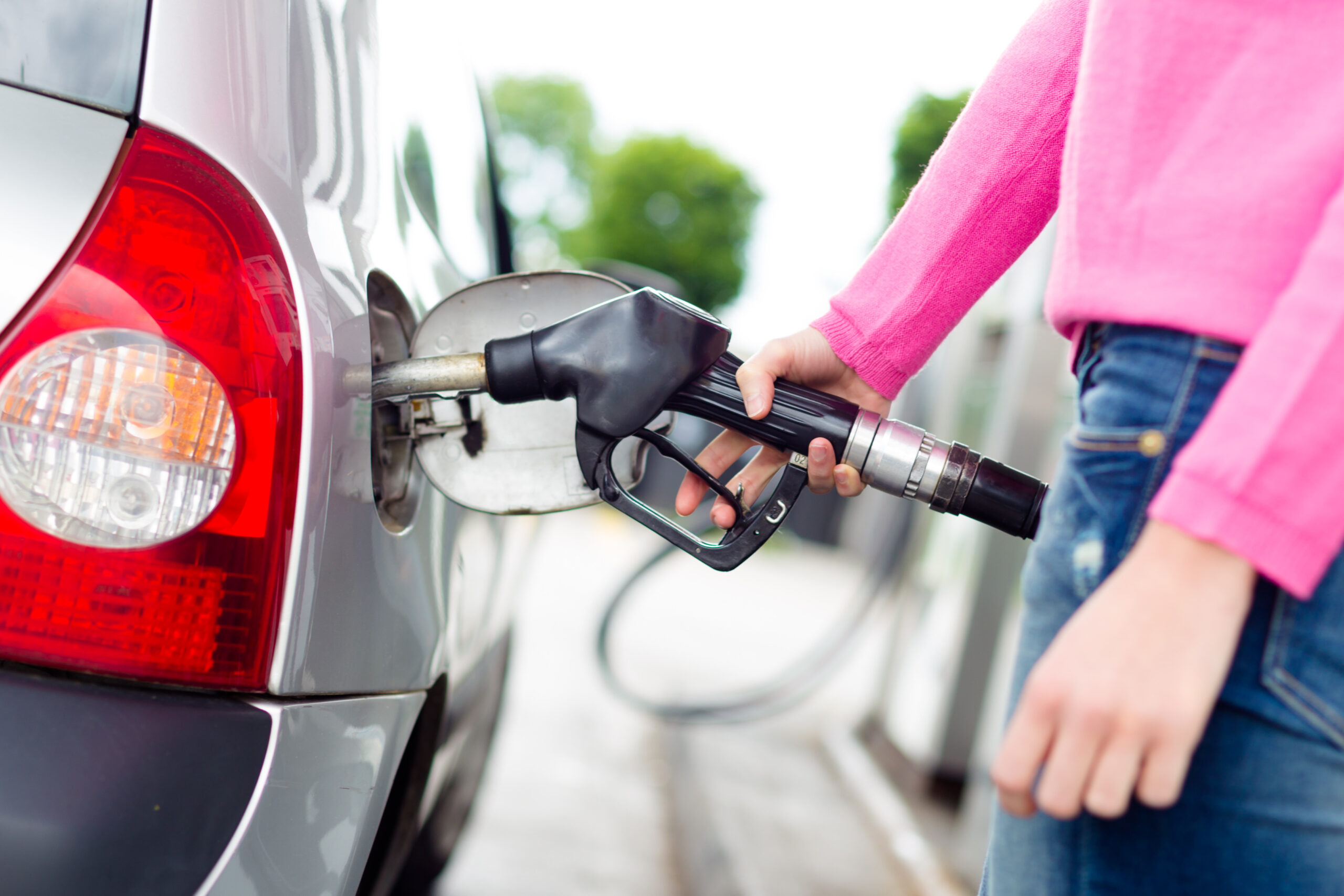
Learning how to save money on gas can make a big difference in your budget, especially with fluctuating fuel prices. With a few smart strategies, you can reduce your gas consumption without sacrificing convenience or travel plans. Small changes in driving habits and car maintenance go a long way in cutting fuel costs. Let’s explore 13 practical ways to save at the pump and keep more cash in your wallet.

Drive Smarter, Not Harder

Aggressive driving, like speeding and rapid acceleration, burns fuel faster. Maintaining a steady speed and using cruise control on highways helps improve fuel efficiency. Avoiding unnecessary idling also keeps gas usage down when you’re waiting. Being mindful of your driving habits makes a noticeable difference in how to save money on gas.

Keep Your Tires Properly Inflated

Under-inflated tires increase resistance, causing your engine to work harder and burn more fuel. Checking your tire pressure regularly ensures your car runs efficiently. Properly inflated tires not only save gas but also extend the lifespan of your tires. You can find the recommended tire pressure in your vehicle’s manual or on the tire label.

Plan Your Trips Strategically

Consolidating errands and planning your route can save both time and gas. Instead of multiple short trips, try to combine stops into one outing. This reduces the number of times your engine cools down and warms up, which improves fuel efficiency. Using apps to avoid traffic and find the shortest routes also helps cut gas expenses.

Lighten Your Load

Carrying extra weight makes your vehicle work harder and use more gas. Remove unnecessary items from your trunk or backseat to improve your car’s fuel efficiency. Roof racks and carriers create additional drag, so take them off when not in use. A lighter vehicle runs more efficiently, helping you save at the pump.

Use Gas Rewards Programs

Many gas stations offer rewards programs that give discounts on fuel purchases. Signing up for these programs is a simple way to save money with every fill-up. Some grocery stores also offer gas rewards when you shop with them. Exploring loyalty programs in your area is an easy way to reduce fuel costs.

Carpool When Possible

Carpooling with coworkers or friends reduces the number of vehicles on the road and splits fuel costs. If you can share rides a few times a week, you’ll notice significant savings. Carpooling also reduces wear and tear on your car, saving you money in the long run. Look for local carpool apps or set up your own schedule with trusted people.

Use Apps to Find Cheap Gas

Several apps help drivers find the cheapest gas prices in their area. These tools allow you to compare prices and plan your fill-ups strategically. Small savings add up over time, especially if you drive frequently. Apps like GasBuddy make it easy to know where to fuel up for less.

Make Routine Maintenance a Priority

Regular car maintenance ensures your vehicle runs efficiently and consumes less gas. Oil changes, air filter replacements, and tune-ups keep your engine performing at its best. Neglecting maintenance can lead to reduced fuel efficiency and costly repairs. Staying on top of your car’s health helps you save on gas and avoid breakdowns.

Roll Down the Windows at Low Speeds

Using air conditioning puts additional strain on your engine, especially at lower speeds. Rolling down your windows instead of using AC can save fuel in mild weather. At highway speeds, however, open windows create drag, so it’s better to use the AC. Understanding when to use windows versus air conditioning helps you optimize fuel consumption.

Avoid Driving During Peak Traffic Hours

Sitting in traffic burns gas while your car idles. Try to avoid rush hour whenever possible to save time and fuel. If your schedule allows, traveling during off-peak hours can reduce both stress and gas expenses. Finding ways to drive less during heavy traffic is an important strategy for how to save money on gas.

Consider Switching to a Fuel-Efficient Vehicle

If you drive often, switching to a car with better gas mileage can lead to long-term savings. Hybrid and electric vehicles are excellent options for cutting down on fuel costs. Even smaller gas-powered cars tend to be more efficient than larger vehicles. Evaluating your driving needs may help you decide if it’s time for a fuel-efficient upgrade.

Use Public Transportation Occasionally

Taking public transportation occasionally can significantly reduce your fuel expenses. Even using it once or twice a week helps cut down on your gas consumption. Public transit can also provide a stress-free way to commute or run errands. If available, using buses or trains is an easy way to save gas money.

Monitor Fuel Prices

Fuel prices often fluctuate, and paying attention to trends helps you fill up at the right time. If you notice prices dropping, it’s smart to fill your tank before they rise again. Some apps even notify you when prices in your area change. Being aware of fuel price trends is a practical way to save at the pump.

Make Small Changes That Add Up

Learning how to save money on gas doesn’t require drastic changes—small adjustments can make a big difference over time. Whether it’s driving smarter, maintaining your car, or carpooling occasionally, every effort helps. With fuel prices often fluctuating, managing your gas expenses gives you greater financial control. Start incorporating these strategies today and enjoy more savings at the pump.

Latrice Perez

Latrice is a dedicated professional with a rich background in social work, complemented by an Associate Degree in the field. Her journey has been uniquely shaped by the rewarding experience of being a stay-at-home mom to her two children, aged 13 and 5. This role has not only been a testament to her commitment to family but has also provided her with invaluable life lessons and insights.

As a mother, Latrice has embraced the opportunity to educate her children on essential life skills, with a special focus on financial literacy, the nuances of life, and the importance of inner peace.

Filed Under: budget Tagged With: car maintenance for fuel efficiency, cheap gas apps, fuel-efficient driving strategies, fuel-saving tips, gas rewards programs, how to save money on gas, reduce gas expenses

These 7 Clues Indicate That You Are House Poor

October 22, 2024 By Latrice Perez Leave a Comment

what is being house poor
123rf

Understanding what is being house poor can help you recognize financial struggles tied to homeownership. Many people find themselves overwhelmed by mortgage payments, property taxes, and upkeep costs, leaving little money for other expenses. If your home is taking up most of your income, you might be in a financially fragile position. These seven signs can help you determine if you are experiencing what it means to be house poor.

Constantly Struggling with Mortgage Payments

One of the biggest signs of being house poor is consistently struggling to make your mortgage payments. If most of your paycheck goes toward housing expenses, it can leave you with limited money for other necessities. This financial stress can make it difficult to save for emergencies or long-term goals. Evaluating your mortgage payment relative to your income can give you clarity on whether you’re in a tight spot.

Little to No Savings

If buying your home has depleted your savings, this could indicate that you are house poor. A healthy financial situation includes an emergency fund to cover unexpected costs. Without savings, even minor issues like car repairs or medical expenses can become overwhelming. Being house poor means you are financially vulnerable and living paycheck to paycheck.

Relying Heavily on Credit Cards

When most of your income goes toward housing, credit cards may become your fallback for daily expenses. If you are accumulating debt to cover groceries or utility bills, it’s a sign that your housing costs are too high. Relying on credit can create a cycle of financial stress that becomes hard to break. House poor individuals often struggle to pay off credit card balances due to their tight budget.

Skipping Maintenance and Repairs

Being unable to afford necessary home repairs is another indicator that you are house poor. If you are putting off maintenance projects to avoid additional expenses, it can create long-term problems for your home. Skipped repairs often lead to more costly issues down the line, further straining your finances. Keeping up with home maintenance is essential for preserving your property’s value, but being house poor can make it nearly impossible.

Feeling Trapped in Your Home

If you feel like you can’t downsize or move because of financial obligations, it may be a sign that you are house poor. High mortgage payments and limited savings make it difficult to explore other housing options. Feeling stuck in a home that’s financially burdensome can take a toll on your mental health. It’s important to assess whether your current home aligns with your financial goals and lifestyle.

Sacrificing Fun and Leisure Activities

Being house poor often means sacrificing hobbies, vacations, and entertainment to cover housing costs. When there’s no room in your budget for leisure activities, life can start to feel restrictive. Living comfortably should involve some space for enjoyment and relaxation. If your financial situation makes that impossible, it might be time to reevaluate your housing expenses.

Difficulty Planning for the Future

One of the hardest parts of being house poor is struggling to plan for future goals like retirement or education. When most of your money goes toward your home, it leaves little room for investments or savings. This lack of planning can leave you feeling uncertain about your long-term financial stability. Understanding what is being house poor helps you recognize when it’s time to make adjustments for a better future.

Take Control of Your Financial Health

Recognizing the signs of what is being house poor is the first step toward improving your situation. Reassessing your budget, cutting unnecessary expenses, or even downsizing can help you regain financial stability. It’s important to remember that your home should enhance your life, not limit it. Making proactive changes will allow you to live more comfortably and plan confidently for the future.

Latrice Perez

Latrice is a dedicated professional with a rich background in social work, complemented by an Associate Degree in the field. Her journey has been uniquely shaped by the rewarding experience of being a stay-at-home mom to her two children, aged 13 and 5. This role has not only been a testament to her commitment to family but has also provided her with invaluable life lessons and insights.

As a mother, Latrice has embraced the opportunity to educate her children on essential life skills, with a special focus on financial literacy, the nuances of life, and the importance of inner peace.

Filed Under: budget Tagged With: financial struggles with homeownership, house maintenance issues, house poor lifestyle, house poor signs, living paycheck to paycheck, managing mortgage payments, what is being house poor

  • « Previous Page
  • 1
  • …
  • 6
  • 7
  • 8
  • 9
  • 10
  • …
  • 17
  • Next Page »
  • Facebook
  • Pinterest
  • RSS
  • Twitter

Improve Your Credit Score

Money Blogs

  • Celebrating Financial Freedom
  • Christian PF
  • Dual Income No Kids
  • Financial Panther
  • Gajizmo.com
  • Lazy Man and Money
  • Make Money Your Way
  • Money Talks News
  • My Personal Finance Journey
  • Personal Profitability
  • PF Blogs
  • Reach Financial Independence
  • So Over Debt
  • The Savvy Scot
  • Yes, I am Cheap

Categories

Disclaimer

Please note that Beating Broke has financial relationships with some of the merchants mentioned here. Beating Broke may be compensated if consumers choose to utilize the links located throughout the content on this site and generate sales for the said merchant.

Visit Our Advertisers

Need to change careers? Consider an Accounting Certificate Program from WTI.