
Beating Broke

Personal Finance from the Broke Perspective

  • Home
  • About
  • We Recommend
  • Contact
  • Privacy Policy

Powered by Genesis

12 Bizarre Taxes From Around the World and What They Tell Us About Economies

June 7, 2024 By Shay Huntley Leave a Comment

Taxes are a universal part of life, but some taxes are so strange they defy belief. From historical quirks to modern-day oddities, bizarre taxes reveal fascinating insights into the economic and social fabric of different societies. Whether they were designed to modernize a nation, address environmental concerns, or simply boost revenue in unusual ways, these taxes highlight the creativity and sometimes absurdity of fiscal policies around the world. Join us as we explore 12 of the most bizarre taxes from various corners of the globe.

1. Beard Tax in Russia

During the 17th century, Tsar Peter the Great imposed a beard tax to modernize Russian society. Men had to pay for the privilege of keeping their beards. This bizarre tax was meant to encourage clean-shaven faces, aligning with Western European customs. The tax varied based on social status, with higher fees for nobility. Despite its odd nature, the beard tax revealed the Tsar’s efforts to modernize Russia. It also showcased how taxation can be used as a tool for social engineering.

2. Window Tax in England

Introduced in 1696, England’s window tax charged property owners based on the number of windows in their homes. This strange tax led many to brick up windows to avoid higher taxes. The window tax was intended to target the wealthy, as larger houses had more windows. It resulted in darker, less ventilated homes and even impacted architectural designs. The window tax highlights how governments use taxation to address wealth disparity, albeit in a counterproductive manner.

3. Hat Tax in England

England also saw a hat tax in the late 18th century. This tax required people to pay for a license to wear hats. The rationale was that hats were a symbol of wealth and social status. Hat makers had to affix revenue stamps inside each hat to prove tax payment. This bizarre tax targeted affluent individuals and demonstrated how fashion could be a taxable commodity. The hat tax shows how governments find creative ways to generate revenue.

4. Salt Tax in France
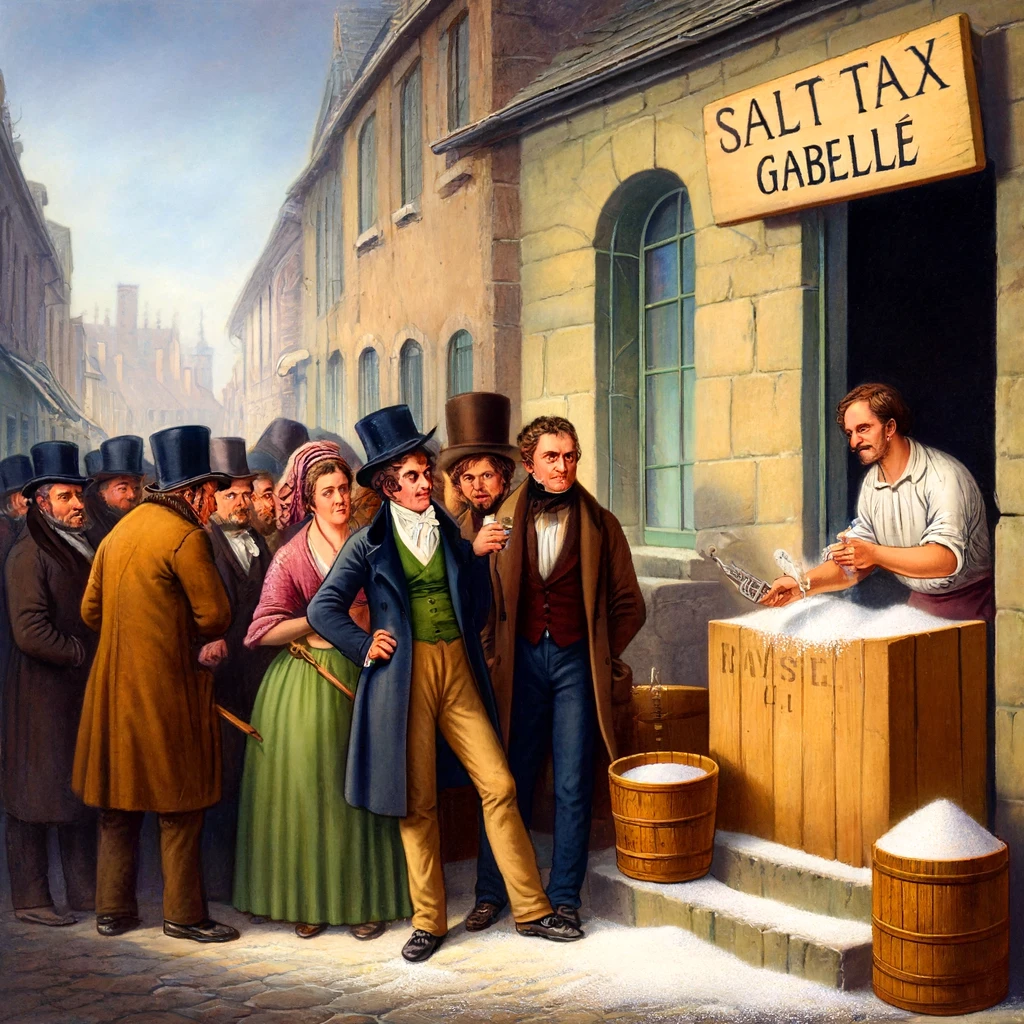
France’s salt tax, or “gabelle,” was a controversial levy that existed for centuries. It required citizens to buy a minimum quantity of salt at high prices. The tax was deeply unpopular and contributed to the French Revolution. This bizarre tax underscores how essential commodities can become focal points of economic control and social unrest. The salt tax reveals the impact of burdensome taxation on the populace and the potential for it to spark significant political change.

5. Blueberry Tax in Maine, USA

Maine imposes a tax on blueberries, charging per pound of harvested berries. This strange tax supports the state’s blueberry industry and research. The blueberry tax showcases how specific industries can be targeted for taxation to promote local economies. It also highlights the unique ways in which regions capitalize on their natural resources. This tax reflects how governments use targeted levies to support and sustain key sectors.

6. Cow Flatulence Tax in New Zealand

New Zealand proposed a tax on cow flatulence to address greenhouse gas emissions. While it never passed, the idea was to mitigate environmental impact. This bizarre tax highlights the innovative approaches countries consider to tackle climate change. It also shows the potential for taxation to drive environmental policy. The cow flatulence tax concept illustrates how governments can use taxes to promote sustainability and environmental responsibility.

7. Scutage Tax in England

In medieval England, a peculiar tax known as the “cowardice tax” was imposed on knights and nobles who chose not to participate in military campaigns. Officially called “scutage,” this tax allowed those who preferred not to fight to pay a fee instead. The amount varied based on the rank and wealth of the individual, providing the crown with a steady stream of revenue to fund its military endeavors. This bizarre tax reflects feudal society’s unique social and economic dynamics, where military service was both a duty and a burden. The cowardice tax highlights how medieval governments leveraged fiscal policies to maintain their armies and assert control over their subjects.

8. Witchcraft Tax in Romania

Romania once considered taxing witches and fortune-tellers as part of its revenue-raising efforts. Practitioners would have to pay income tax and contribute to social programs. This bizarre tax highlights how even supernatural professions can be targeted for taxation. It also reflects the government’s attempt to formalize and regulate unconventional occupations. The witchcraft tax proposal shows how far-reaching tax policies can be, extending into the realm of the mystical.

9. Card Games Tax in Alabama, USA

Alabama imposed a tax on packs of playing cards, charging a fee per deck. This strange tax aimed to generate revenue from a popular leisure activity. The card games tax is an example of how everyday items can become taxable commodities. It demonstrates the government’s ability to monetize recreational activities. The card games tax reflects the creativity in taxation methods to tap into various aspects of daily life.

10. Day Trippers Tax in Venice, Italy

Venice, Italy, known for its picturesque canals and historic architecture, introduced a day trippers tax to manage the overwhelming influx of tourists. This tax is levied on all visitors to the city. It aims to discourage short-term visitors and balance tourism revenue with preserving Venice’s fragile environment and infrastructure. The tax helps fund maintenance and conservation efforts, ensuring the city’s unique charm is protected for future generations. This policy highlights the challenges of managing mass tourism in popular destinations and underscores the need for sustainable tourism practices. Venice’s day trippers tax serves as a model for other tourist-heavy cities grappling with similar issues.

11. Wallpaper Tax in England

In the 18th century, England introduced a wallpaper tax, charging based on the number of colors used. This tax led to the creation of simpler, cheaper designs to avoid higher taxes. The wallpaper tax reveals how taxation can influence artistic expression and consumer behavior. It demonstrates the government’s reach into even the most decorative aspects of life.

12. Shadow Tax in Conegliano, Italy

In the historic town of Conegliano, Italy, a unique shadow tax was implemented to optimize the use of public space. This tax charged property owners based on the area of shadows cast by their buildings on public land. The aim was to encourage efficient urban planning and ensure fair use of shared spaces. The shadow tax reveals the innovative approaches local governments can take to manage urban environments. It highlights the balance between private property rights and public resource management. Conegliano’s shadow tax exemplifies how taxation can address unique local challenges in creative ways.

Discover More Bizarre Taxes and Economic Insights!

Exploring unusual taxes provides a fascinating window into the various inventive methods governments use to raise funds. These taxes shed light on the economic imperatives and societal structures of different historical periods and locations. Their exploration offers insights into the diverse and creative ways in which governments have sought to generate revenue. Studying these taxes can help us understand the intersection of economics, governance, and social dynamics.

Read More

Using Your Refund the Smart Way This Tax Season

Tax Deductions for Self-Employed

Shay Huntley
Shay Huntley

Shatel Huntley has a Bachelor’s degree in Criminal Justice from Georgia State University. In her spare time, she works with special needs adults and travels the world. Her interests include traveling to off-the-beaten-path destinations, shopping, couponing, and saving.

Filed Under: economy Tagged With: Bizarre Taxes, Economic Insights, Global Economy, Strange Taxes, Taxation Trends, Weird Taxes

Long Live Us All: 12 Everyday Habits of the World’s Longest-Living People That We Can All Follow

June 6, 2024 By Shay Huntley Leave a Comment

In our quest for a longer, healthier life, we often look to the world’s longest-living people for inspiration. These individuals, scattered across various cultures and regions, share a remarkable trait: they live well beyond the average lifespan while maintaining good health and vitality. What are their secrets? Surprisingly, it’s not about drastic measures or expensive interventions. Instead, these centenarians have incorporated simple, everyday habits into their lives. Let’s explore the 12 everyday habits that can help us all live longer and better.

1. Stay Active Throughout the Day

One of the most significant everyday habits is staying active. The world’s longest-living people don’t necessarily hit the gym. Instead, they integrate physical activity into their daily routines. Gardening, walking, and household chores keep them moving all day long. This constant, low-intensity activity helps maintain their health and vitality.

2. Eat a Plant-Based Diet

A diet rich in fruits, vegetables, nuts, and whole grains is a common thread among the world’s centenarians. These foods are packed with essential nutrients, antioxidants, and fiber, which promote health and longevity. Meat and processed foods are consumed sparingly, if at all. By focusing on plant-based nutrition, they reduce inflammation, improve digestion, and lower the risk of heart disease and cancer.

3. Maintain Strong Social Connections

Loneliness and isolation can negatively impact health. The longest-living people often have strong social networks. They invest time in relationships with family, friends, and their community. These connections provide emotional support, reduce stress, and foster a sense of belonging.

4. Practice Mindful Eating

Mindful eating involves paying full attention to the experience of eating and drinking. It means savoring each bite and recognizing hunger and fullness cues. This habit helps prevent overeating and promotes a healthy relationship with food. The world’s longest-living people often eat until they are 80% full, which can help maintain a healthy weight and prevent metabolic diseases.

5. Find Purpose in Life

Having a sense of purpose can add years to your life. The longest-living individuals often have a strong sense of purpose, which motivates them and provides meaning. Whether it’s through work, hobbies, or volunteering, finding something that gives you a reason to get up in the morning is crucial. A sense of purpose has been linked to reduced stress, better mental health, and longer life.

6. Get Enough Sleep

Quality sleep is a non-negotiable habit for longevity. The world’s longest-living people prioritize rest and understand its importance for overall health. Sleep allows the body to repair itself, supports brain function, and boosts the immune system. Aim for 7-9 hours of sleep per night to ensure your body gets the rest it needs to function optimally.

7. Manage Stress Effectively

Chronic stress can take a toll on your health. The longest-living people have effective strategies for managing stress, such as meditation, yoga, or time in nature. These practices help reduce cortisol levels, improve mental health, and promote relaxation. Finding ways to manage stress is essential for maintaining overall well-being.

8. Stay Hydrated

Hydration is another essential everyday habit. Drinking plenty of water helps keep your body functioning properly, aids digestion, and supports skin health. The longest-living people often drink herbal teas and water, avoiding sugary and caffeinated beverages. Staying hydrated is crucial for maintaining energy levels and overall health.

9. Avoid Harmful Habits

Avoiding smoking, excessive alcohol consumption and other harmful habits is key to longevity. The world’s longest-living people tend to avoid these vices, which can lead to various health problems. By steering clear of harmful substances, you can protect your body. You can also increase your chances of living a long, healthy life.

10. Cultivate a Positive Attitude

A positive outlook on life can significantly impact your health. The longest-living people often have an optimistic attitude. This helps them cope with challenges and maintain resilience. Positivity has been linked to lower stress levels, improved immune function, and increased lifespan. Cultivating gratitude and focusing on the good in life can help you stay positive.

11. Embrace Routine

Having a routine can provide structure and stability. These are beneficial for mental and physical health. The world’s longest-living people often have daily routines that include regular meal times, physical activity, and social interactions. Routines are healthy habits.

12. Keep Learning and Stay Curious

Lifelong learning and curiosity keep the mind sharp and engaged. The longest-living people often continue to learn new skills, read, and explore new interests throughout their lives. Staying mentally active can help prevent cognitive decline. It also keeps your brain healthy.

Embrace These Habits for a Longer, Healthier Life

Incorporating these everyday habits into your life can help you achieve better health and longevity. Start small and gradually make these changes part of your daily routine. Remember, it’s never too late to adopt healthier habits. You will thank yourself for it.

Read More

Keep Love Alive: 8 Things to Never Say to Your Spouse

13 Things You Should Quit Using at Home If You Want to Live Past 50

Shay Huntley
Shay Huntley

Shatel Huntley has a Bachelor’s degree in Criminal Justice from Georgia State University. In her spare time, she works with special needs adults and travels the world. Her interests include traveling to off-the-beaten-path destinations, shopping, couponing, and saving.

Filed Under: Uncategorized Tagged With: Anti-Aging, Everyday Habits, Health Tips, healthy living, longevity, wellness

10 Irresistible Reasons Why We Can’t Resist Puppy Videos: The Neuroscience of Cute

June 3, 2024 By Shay Huntley Leave a Comment

In a world dominated by stress and digital overload, there’s a universal remedy that brings joy to millions: puppy videos. These short clips of adorable puppies have an almost magical ability to capture our hearts and brighten our days. But why can’t we resist puppy videos? The answer lies in the fascinating interplay between our brains and the irresistible cuteness of these furry little beings.

1. Puppies Trigger Our Dopamine Response

Puppy videos are a surefire way to get a dopamine hit. When we see something cute, our brain releases dopamine. This chemical makes us feel good and reinforces our desire to see more. Watching puppies play, nap, or explore triggers this response. It’s a natural high that keeps us coming back for more.

2. Cuteness Overload: Why We Can’t Resist Puppy Videos

Our brains are hardwired to respond to cuteness. This reaction is called “kindchenschema” or baby schema. Features like big eyes and round faces trigger a nurturing instinct in us. This is why puppy videos are so irresistible. They tap into this innate response, making it hard to look away.

3. Stress Relief and Emotional Comfort

Watching puppy videos can significantly reduce stress. The simple act of watching playful puppies can lower cortisol levels, the hormone responsible for stress. This is why many people turn to these videos after a long day. It’s a quick, effective way to unwind and feel emotionally comforted.

4. Social Connection Through Shared Joy

Puppy videos often bring people together. Sharing these videos with friends and family creates a sense of connection and shared joy. This social bonding is another reason why we can’t resist puppy videos. They provide a common ground for positive interaction.

5. Boosting Mood and Fighting Depression


The adorable antics of puppies can boost our mood almost instantly. For people struggling with depression, watching these videos can provide a temporary escape. It can also provide a much-needed mood lift. The combination of cuteness and playful behavior is a potent antidote to sadness.

6. Engagement and Attention Span

Puppy videos are short and engaging. They are perfect for our limited attention spans. In a world where our attention is constantly divided, these videos provide a quick, satisfying burst of entertainment. This bite-sized content is easy to consume and share, adding to its appeal.

7. Visual Appeal and Aesthetic Pleasure


The visual appeal of puppies is undeniable. Their soft fur, expressive eyes, and playful movements are visually pleasing. This aesthetic pleasure contributes to why we can’t resist puppy videos. They are a feast for the eyes and a treat for our visual senses.

8. Learning Through Observation

Watching puppy videos can be educational. Observing their behavior, interactions, and play can teach us about animal behavior and development. This learning aspect adds another layer of interest. It also makes these videos more than just mindless entertainment.

9. Escaping Reality: A Mental Break

Puppy videos offer a brief escape from reality. These videos provide a mental break in a world filled with stress and negativity. They transport us to a simpler, happier place, if only briefly. This escape is a powerful reason why we can’t resist them.

10. Pure Entertainment and Joy


At the core, puppy videos are simply entertaining. Their antics, clumsiness, and innocence bring pure joy. This simple pleasure is a fundamental reason we keep returning for more. The unadulterated joy they bring is unmatched by other forms of content.

Still Curious About Cat Cuteness?

By understanding the science behind why we can’t resist puppy videos, we can appreciate the profound impact these adorable clips have on our emotions and well-being. Dive into the world of puppy videos and let the cuteness take over!

Read More

8 Companies with the Most Unusual Employee Perks: Pet Insurance to Nap Pods

5 Essential Pet Care Tips

Shay Huntley
Shay Huntley

Shatel Huntley has a Bachelor’s degree in Criminal Justice from Georgia State University. In her spare time, she works with special needs adults and travels the world. Her interests include traveling to off-the-beaten-path destinations, shopping, couponing, and saving.

Filed Under: Uncategorized Tagged With: animal behavior, cute puppies, neuroscience, psychology, Resist Puppy Videos, video trends

  • « Previous Page
  • 1
  • 2
  • 3
  • 4
  • 5
  • …
  • 8
  • Next Page »
  • Facebook
  • Pinterest
  • RSS
  • Twitter

Improve Your Credit Score

Money Blogs

  • Celebrating Financial Freedom
  • Christian PF
  • Dual Income No Kids
  • Financial Panther
  • Gajizmo.com
  • Lazy Man and Money
  • Make Money Your Way
  • Money Talks News
  • My Personal Finance Journey
  • Personal Profitability
  • PF Blogs
  • Reach Financial Independence
  • So Over Debt
  • The Savvy Scot
  • Yes, I am Cheap

Categories

Disclaimer

Please note that Beating Broke has financial relationships with some of the merchants mentioned here. Beating Broke may be compensated if consumers choose to utilize the links located throughout the content on this site and generate sales for the said merchant.

Visit Our Advertisers

Need to change careers? Consider an Accounting Certificate Program from WTI.