Beating Broke

Personal Finance from the Broke Perspective

  • Home
  • About
  • We Recommend
  • Contact
  • Privacy Policy

Powered by Genesis

Long Live Us All: 12 Everyday Habits of the World’s Longest-Living People That We Can All Follow

June 6, 2024 By Shay Huntley Leave a Comment

In our quest for a longer, healthier life, we often look to the world’s longest-living people for inspiration. These individuals, scattered across various cultures and regions, share a remarkable trait: they live well beyond the average lifespan while maintaining good health and vitality. What are their secrets? Surprisingly, it’s not about drastic measures or expensive interventions. Instead, these centenarians have incorporated simple, everyday habits into their lives. Let’s explore the 12 everyday habits that can help us all live longer and better.

1. Stay Active Throughout the Day

One of the most significant everyday habits is staying active. The world’s longest-living people don’t necessarily hit the gym. Instead, they integrate physical activity into their daily routines. Gardening, walking, and household chores keep them moving all day long. This constant, low-intensity activity helps maintain their health and vitality.

2. Eat a Plant-Based Diet

A diet rich in fruits, vegetables, nuts, and whole grains is a common thread among the world’s centenarians. These foods are packed with essential nutrients, antioxidants, and fiber, which promote health and longevity. Meat and processed foods are consumed sparingly, if at all. By focusing on plant-based nutrition, they reduce inflammation, improve digestion, and lower the risk of heart disease and cancer.

3. Maintain Strong Social Connections

Loneliness and isolation can negatively impact health. The longest-living people often have strong social networks. They invest time in relationships with family, friends, and their community. These connections provide emotional support, reduce stress, and foster a sense of belonging.

4. Practice Mindful Eating

Mindful eating involves paying full attention to the experience of eating and drinking. It means savoring each bite and recognizing hunger and fullness cues. This habit helps prevent overeating and promotes a healthy relationship with food. The world’s longest-living people often eat until they are 80% full, which can help maintain a healthy weight and prevent metabolic diseases.

5. Find Purpose in Life

Having a sense of purpose can add years to your life. The longest-living individuals often have a strong sense of purpose, which motivates them and provides meaning. Whether it’s through work, hobbies, or volunteering, finding something that gives you a reason to get up in the morning is crucial. A sense of purpose has been linked to reduced stress, better mental health, and longer life.

6. Get Enough Sleep

Quality sleep is a non-negotiable habit for longevity. The world’s longest-living people prioritize rest and understand its importance for overall health. Sleep allows the body to repair itself, supports brain function, and boosts the immune system. Aim for 7-9 hours of sleep per night to ensure your body gets the rest it needs to function optimally.

7. Manage Stress Effectively

Chronic stress can take a toll on your health. The longest-living people have effective strategies for managing stress, such as meditation, yoga, or time in nature. These practices help reduce cortisol levels, improve mental health, and promote relaxation. Finding ways to manage stress is essential for maintaining overall well-being.

8. Stay Hydrated

Hydration is another essential everyday habit. Drinking plenty of water helps keep your body functioning properly, aids digestion, and supports skin health. The longest-living people often drink herbal teas and water, avoiding sugary and caffeinated beverages. Staying hydrated is crucial for maintaining energy levels and overall health.

9. Avoid Harmful Habits

Avoiding smoking, excessive alcohol consumption and other harmful habits is key to longevity. The world’s longest-living people tend to avoid these vices, which can lead to various health problems. By steering clear of harmful substances, you can protect your body. You can also increase your chances of living a long, healthy life.

10. Cultivate a Positive Attitude

A positive outlook on life can significantly impact your health. The longest-living people often have an optimistic attitude. This helps them cope with challenges and maintain resilience. Positivity has been linked to lower stress levels, improved immune function, and increased lifespan. Cultivating gratitude and focusing on the good in life can help you stay positive.

11. Embrace Routine

Having a routine can provide structure and stability. These are beneficial for mental and physical health. The world’s longest-living people often have daily routines that include regular meal times, physical activity, and social interactions. Routines are healthy habits.

12. Keep Learning and Stay Curious

Lifelong learning and curiosity keep the mind sharp and engaged. The longest-living people often continue to learn new skills, read, and explore new interests throughout their lives. Staying mentally active can help prevent cognitive decline. It also keeps your brain healthy.

Embrace These Habits for a Longer, Healthier Life

Incorporating these everyday habits into your life can help you achieve better health and longevity. Start small and gradually make these changes part of your daily routine. Remember, it’s never too late to adopt healthier habits. You will thank yourself for it.

Read More

Keep Love Alive: 8 Things to Never Say to Your Spouse

13 Things You Should Quit Using at Home If You Want to Live Past 50

Shay Huntley
Shay Huntley

Shatel Huntley has a Bachelor’s degree in Criminal Justice from Georgia State University. In her spare time, she works with special needs adults and travels the world. Her interests include traveling to off-the-beaten-path destinations, shopping, couponing, and saving.


Filed Under: Uncategorized Tagged With: Anti-Aging, Everyday Habits, Health Tips, healthy living, longevity, wellness

13 Things You Should Quit Using at Home If You Want to Live Past 50

March 27, 2024 By Catherine Reed Leave a Comment

Things You Should Quit Using at Home If You Want to Live Past 50

In our quest for convenience and efficiency at home, we often overlook the long-term health implications of everyday items. From chemical-laden cleaning products to radiation-emitting gadgets, the modern household is teeming with potential hazards that could compromise our health and longevity. Here, we uncover 13 things you might want to reconsider using at home if you’re aiming for a healthy lifestyle and live past 50.

1. Non-Stick Cookware

Non-Stick Cookware

Non-stick pans and pots are kitchen staples, prized for their convenience and ease of use. However, when heated to high temperatures, non-stick coatings can release toxic chemicals into the air, posing health risks. Prolonged exposure to these fumes can lead to a condition known as polymer fume fever, with symptoms mirroring those of the flu. Consider switching to safer alternatives like stainless steel, cast iron, or ceramic cookware to minimize health risks while cooking.

2. Plastic Food Containers

Plastic Food Containers

Plastic containers are ubiquitous in kitchens worldwide, favored for their lightweight and versatile nature. Yet, many plastics contain bisphenol A (BPA) and phthalates, chemicals that can leach into food and beverages, especially when heated. These compounds have been linked to various health issues, including hormonal imbalances and increased cancer risk. Opting for glass or stainless steel storage solutions can significantly reduce your exposure to these harmful chemicals.

3. Air Fresheners and Synthetic Fragrances

Air Fresheners and Synthetic Fragrances

While air fresheners and scented candles can make your home smell pleasant, they often contain volatile organic compounds (VOCs) and synthetic fragrances that can irritate the respiratory system and exacerbate allergies. Long-term exposure to these substances may contribute to more severe health problems, including neurological damage and cancer. Natural alternatives like essential oil diffusers or beeswax candles offer a safer way to keep your home smelling fresh.

4. Antiperspirants Containing Aluminum

Antiperspirants Containing Aluminum

Many conventional antiperspirants contain aluminum compounds to prevent sweating. However, these compounds can be absorbed through the skin, potentially affecting estrogen levels and increasing the risk of breast cancer. Opt for natural deodorants free from aluminum and other harmful chemicals to reduce your risk.

5. Chemical Cleaning Products

Chemical Cleaning Products

The convenience of chemical cleaning products is undeniable, but their impact on indoor air quality and personal health can be severe. Many of these products contain a cocktail of harsh chemicals that can cause skin irritations, respiratory issues, and long-term health effects. Switching to natural cleaning agents like vinegar, baking soda, and lemon juice can provide a safe and effective alternative.

6. Teflon Kitchen Utensils

Teflon Kitchen Utensils

Similar to non-stick cookware, Teflon-coated kitchen utensils can release harmful chemicals when exposed to high heat. These chemicals can contaminate your food and pose health risks. Opting for utensils made from wood, silicone, or stainless steel can avoid this risk.

7. Lead-Based Paints

Lead-Based Paints

Homes built before the 1980s may still have walls coated with lead-based paint, which poses a significant health risk, especially to children. Lead exposure can affect brain development, leading to cognitive impairments and behavioral issues. If your home has lead-based paint, consider hiring a professional to safely remove it.

8. Synthetic Carpets

Synthetic Carpets

Many carpets are made from synthetic fibers that can emit VOCs, contributing to indoor air pollution. These emissions can trigger allergies, asthma, and other respiratory conditions. Opting for natural fiber rugs or hardwood flooring can improve indoor air quality and reduce health risks.

9. Pesticides and Herbicides

Pesticides and Herbicides

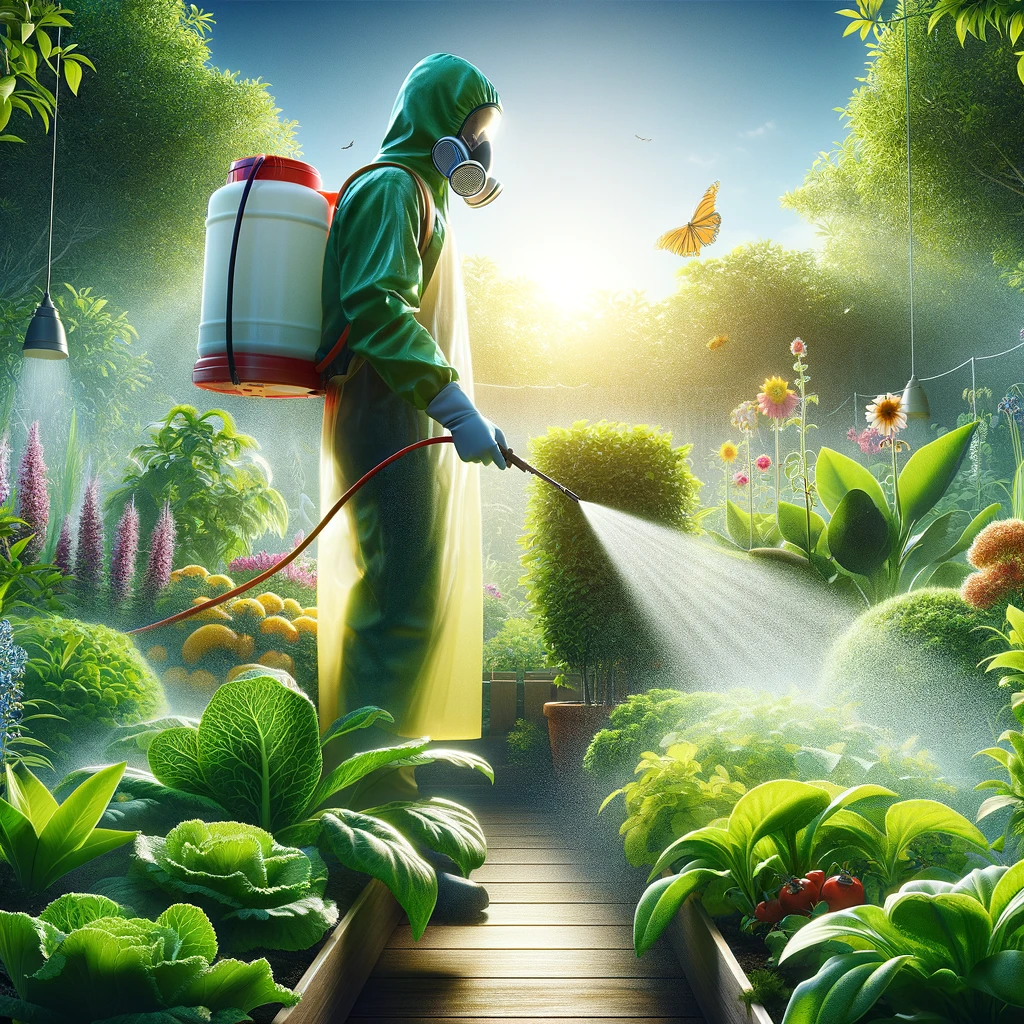
Using chemical pesticides and herbicides in your garden or on indoor plants can introduce harmful toxins into your home environment. These substances can be especially dangerous to children and pets. Organic gardening practices and natural pest control methods offer a safer alternative for maintaining your home’s green spaces.

10. Microwave Popcorn

Microwave Popcorn

Microwave popcorn bags are often lined with perfluorooctanoic acid (PFOA), a chemical linked to various health issues, including cancer. Opting for air-popped popcorn or popping kernels on the stove in a healthy oil can be a safer, healthier choice.

11. Flame Retardants in Furniture

Flame Retardants in Furniture

Many types of furniture are treated with flame-retardant chemicals to meet fire safety standards. However, these chemicals can accumulate in household dust and pose health risks when inhaled or ingested over time. Choosing furniture made with natural materials and without flame retardant treatments can reduce exposure to these harmful chemicals.

12. Mercury-Containing Thermostats

Mercury-Containing Thermostats

Older thermostats may contain mercury, a toxic substance that can be released if the thermostat is broken. Exposure to mercury can have serious health consequences, including neurological damage. Upgrading to a digital thermostat can eliminate this risk.

13. Disposable Plastic Water Bottles

Disposable Plastic Water Bottles

Disposable plastic water bottles are not only harmful to the environment but can also pose health risks due to the potential leaching of chemicals like BPA, especially when exposed to heat or sunlight. Frequent use of these bottles can contribute to increased exposure to these harmful substances, which have been linked to a variety of health problems, ranging from hormonal disruptions to increased risks of certain cancers. Investing in a reusable water bottle made from safe materials such as stainless steel or BPA-free plastic can significantly reduce your exposure to these chemicals and also benefit the environment by reducing plastic waste.

Making Healthy Choices So You Can Live Past 50

Making Healthy Choices So You Can Live Past 50

Making conscious choices about the items we use daily in our homes can have a profound impact on our long-term health and well-being. By opting for safer, more natural alternatives, we can minimize our exposure to potentially harmful substances and create a healthier living environment for ourselves and our families. It’s not only about finding a way to live past 50 but also about ensuring the quality of life as we age. Taking steps to eliminate or replace these thirteen items can be a great start towards a healthier, more sustainable lifestyle.

Read More:

How to Live a Healthy Lifestyle – on a Budget

5 Smart Tips to Staying Fit and Healthy While on Vacation

Catherine Reed
Catherine Reed

Catherine is a tech-savvy writer who has focused on the personal finance space for more than eight years. She has a Bachelor’s in Information Technology and enjoys showcasing how tech can simplify everyday personal finance tasks like budgeting, spending tracking, and planning for the future. Additionally, she’s explored the ins and outs of the world of side hustles and loves to share what she’s learned along the way. When she’s not working, you can find her relaxing at home in the Pacific Northwest with her two cats or enjoying a cup of coffee at her neighborhood cafe.

Filed Under: Health Tagged With: dangerous products, health, healthy living, household dangers, live past 50, longevity, smart choices, wellness

The Psychology of Poverty: 18 Surprising Effects of Being Broke on Your Mind

March 21, 2024 By Catherine Reed Leave a Comment

The Psychology of Poverty 18 Surprising Effects of Being Broke on Your Mind

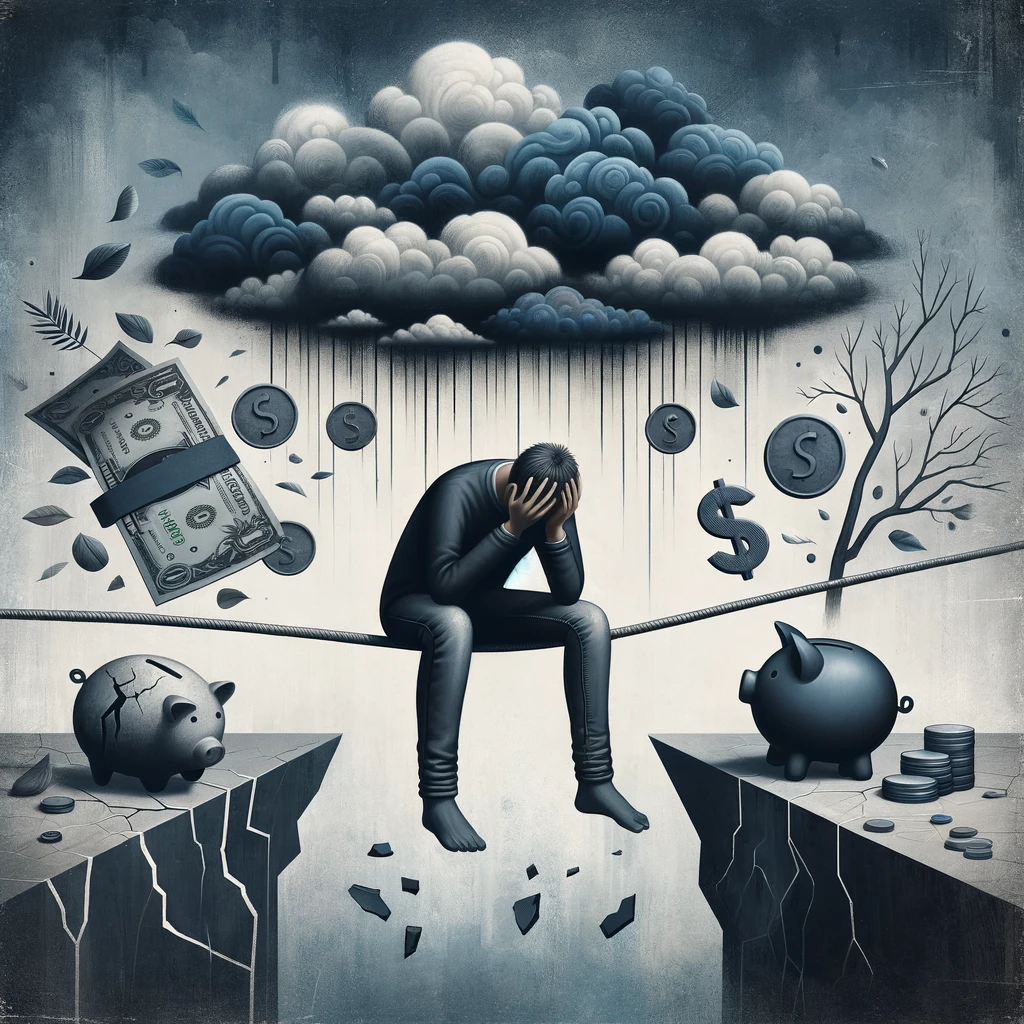
In an era where economic disparity is a glaring issue, understanding the psychology of poverty is crucial. The mental toll of financial instability is profound, influencing behaviors, decision-making processes, and even cognitive functions. Here’s a look at 18 often-overlooked psychological effects of poverty, offering insights into how financial strain can reshape one’s mental landscape.

1. Decision Fatigue and Short-Term Focus

Decision Fatigue and Short-Term Focus

Living in poverty subjects individuals to constant decision-making about immediate needs, leading to decision fatigue. This mental state impairs one’s ability to make sound decisions, trapping individuals in a cycle of short-term thinking. Prioritizing immediate over long-term needs can perpetuate financial difficulties, creating a psychological barrier to escaping poverty.

2. Heightened Stress and Anxiety Levels

Heightened Stress and Anxiety Levels

Financial insecurity is a significant stressor, contributing to heightened levels of anxiety and stress. Chronic stress not only affects mental health but also has physical ramifications, such as increased risk of heart disease and diabetes. The constant worry over finances can consume one’s mental bandwidth, overshadowing other aspects of life.

3. Diminished Cognitive Function

Diminished Cognitive Function

Research indicates that the strain of financial scarcity can lead to a measurable decline in cognitive function. The mental load of poverty consumes cognitive resources, making it harder to focus, remember information, or solve problems. This cognitive burden can affect performance in work and educational settings, reinforcing the cycle of poverty.

4. Lowered Self-Esteem and Sense of Worth

Lowered Self-Esteem and Sense of Worth

Financial struggles can erode one’s self-esteem and sense of self-worth. The societal stigma associated with poverty can lead to feelings of shame and inadequacy, impacting mental health and social relationships. This diminished self-image can hinder one’s motivation to pursue opportunities for improvement.

5. Increased Risk of Mental Health Disorders

Increased Risk of Mental Health Disorders

Poverty is linked to a higher prevalence of mental health disorders, including depression, anxiety, and substance abuse. The psychological pressures of financial hardship can trigger or exacerbate these conditions, creating additional barriers to overcoming poverty.

6. Altered Risk Perception and Decision-Making

Altered Risk Perception and Decision-Making

Poverty can alter one’s perception of risk, leading to seemingly irrational decision-making. When survival is at stake, high-risk opportunities might appear more attractive, as the potential short-term gain outweighs the long-term consequences. This altered risk assessment can perpetuate financial instability.

7. Impact on Children’s Psychological Development

Impact on Children's Psychological Development

Children raised in poverty are at risk of delayed cognitive and emotional development. The lack of resources and a stimulating environment can hinder educational achievement and social skills, affecting their future prospects and perpetuating the cycle of poverty.

8. Social Isolation and Decreased Community Engagement

Social Isolation and Decreased Community Engagement

Financial strain can lead to social isolation, as individuals may feel ashamed of their situation or unable to participate in social activities that require financial expenditure. This isolation can decrease community engagement and support networks, essential for mental well-being and opportunities for advancement.

9. Resilience and Creative Problem-Solving

Resilience and Creative Problem-Solving

Despite the challenges, poverty can also foster resilience and creative problem-solving skills. Necessity often leads to innovative solutions, and individuals facing financial hardships can develop unique strategies to navigate their circumstances. This resilience, however, should not overshadow the need for systemic solutions to poverty.

10. The Generational Impact of Poverty

Generational Impact of Poverty

Poverty’s psychological effects can transcend generations, as children inherit not only the financial circumstances of their parents but also the associated mental health challenges and coping mechanisms. Breaking this cycle requires comprehensive strategies that address both economic conditions and mental health support.

11. Erosion of Trust and Social Capital

Erosion of Trust and Social Capital

Poverty can lead to a profound erosion of trust in both personal relationships and institutions. This skepticism stems from repeated experiences of instability and, at times, exploitation. A diminished trust in societal structures can lead to a withdrawal from community participation and a reluctance to seek help, further isolating individuals in need.

12. Increased Exposure to Adverse Life Events

Increased Exposure to Adverse Life Events

Individuals living in poverty are more likely to experience adverse life events, such as crime, violence, and environmental hazards. This increased exposure not only contributes to immediate stress and trauma but also has long-lasting psychological effects, influencing one’s worldview and sense of safety.

13. Cognitive Load and Time Scarcity

Cognitive Load and Time Scarcity

The constant juggling of financial constraints places a significant cognitive load on individuals, leading to a perception of time scarcity. This mental state can make days feel shorter and tasks more overwhelming, impacting productivity and the ability to plan for the future.

14. Impaired Parenting and Family Dynamics

Impaired Parenting and Family Dynamics

Financial stress can strain family relationships and impair parenting practices. Parents struggling with poverty may have less time and emotional bandwidth to provide supportive, nurturing environments, affecting children’s emotional and social development.

15. Stigmatization and Social Judgment

Stigmatization and Social Judgment

The stigma associated with poverty can lead to social judgment and discrimination, affecting individuals’ social interactions and opportunities. This stigmatization not only damages self-esteem but also reinforces societal barriers, making upward mobility even more challenging.

16. Learned Helplessness and Passivity

Learned Helplessness and Passivity

Persistent failure to improve one’s financial situation can lead to learned helplessness, where individuals feel powerless to change their circumstances. This psychological state fosters passivity and resignation to poverty, undermining efforts to seek out opportunities for improvement.

17. Disrupted Educational Opportunities

Disrupted Educational Opportunities

Poverty can disrupt educational opportunities, leading to lower academic achievement and limited future prospects. The psychological stress associated with financial hardship can distract from learning and decrease motivation, perpetuating the cycle of poverty through diminished educational outcomes.

18. Sense of Exclusion and Marginalization

Sense of Exclusion and Marginalization

Living in poverty can create a pervasive sense of exclusion from mainstream society. This feeling of marginalization can impact one’s identity and belonging, leading to social withdrawal and a decreased sense of community, further isolating individuals from potential support networks and opportunities for advancement.

Why Understanding the Psychology of Poverty Matters

Why Understanding the Psychology of Poverty Matters

Ultimately, the psychological impact of poverty extends beyond immediate financial concerns, affecting cognitive functions, mental health, and social relationships. Understanding these effects is crucial for developing effective interventions that address both the economic and psychological dimensions of poverty. As we strive for a more equitable society, acknowledging and addressing the mental toll of financial hardship is a vital step toward meaningful change.

Catherine Reed
Catherine Reed

Catherine is a tech-savvy writer who has focused on the personal finance space for more than eight years. She has a Bachelor’s in Information Technology and enjoys showcasing how tech can simplify everyday personal finance tasks like budgeting, spending tracking, and planning for the future. Additionally, she’s explored the ins and outs of the world of side hustles and loves to share what she’s learned along the way. When she’s not working, you can find her relaxing at home in the Pacific Northwest with her two cats or enjoying a cup of coffee at her neighborhood cafe.

Filed Under: financial stress Tagged With: being broke, financial hardship, financial struggle, mental health, psychology of poverty, well-being, wellness

  • Facebook
  • Pinterest
  • RSS
  • Twitter

Improve Your Credit Score

Money Blogs

  • Celebrating Financial Freedom
  • Christian PF
  • Dual Income No Kids
  • Financial Panther
  • Gajizmo.com
  • Lazy Man and Money
  • Make Money Your Way
  • Money Talks News
  • My Personal Finance Journey
  • Personal Profitability
  • PF Blogs
  • Reach Financial Independence
  • So Over Debt
  • The Savvy Scot
  • Yes, I am Cheap

Categories

Disclaimer

Please note that Beating Broke has financial relationships with some of the merchants mentioned here. Beating Broke may be compensated if consumers choose to utilize the links located throughout the content on this site and generate sales for the said merchant.

Visit Our Advertisers

Need to change careers? Consider an Accounting Certificate Program from WTI.