Beating Broke

Personal Finance from the Broke Perspective

  • Home
  • About
  • We Recommend
  • Contact
  • Privacy Policy

Powered by Genesis

Stan began his career as a Research Assistant at a reputable middle-market private equity firm, where he honed his skills in market research, financial analysis, and identifying investment opportunities. He then transitioned to full-time financial writing focusing on small-cap biotech innovation and digital payment solutions. Today, Stephen is a value-based retail investor and novice baseball statistician.

Outsmart Inflation: 8 Frugal Living Tips Seniors Wish They Knew Sooner

March 6, 2025 By Stan Costello Leave a Comment

Seniors
Image Source: 123rf.com

Inflation is hitting everyone hard, and for seniors on a fixed income, it can feel especially overwhelming. The good news? There are plenty of frugal living tips for seniors to stretch your dollars without giving up the things you enjoy. Many retirees have learned these lessons the hard way—here’s how you can benefit from their wisdom and keep more money in your pocket.

1. Downsize Sooner to Save on Housing Costs

Condo
Image Source: 123rf.com

Housing is often the biggest expense, and many seniors realize too late that they could have saved thousands by moving to a smaller place earlier. A smaller home means lower mortgage or rent payments, cheaper utilities, and fewer maintenance costs. If your current home has more space than you need, selling it could free up extra cash for travel, hobbies, or everyday expenses. Plus, moving before it becomes necessary gives you more control over where you live and how much you spend.

2. Take Advantage of Senior Discounts Everywhere
Discounts
Image Source: 123rf.com

You might be surprised by how many places offer senior discounts—grocery stores, restaurants, movie theaters, and even some utility companies. The trick is to ask! Many businesses don’t advertise their discounts, but they’ll gladly apply them if you inquire. Signing up for programs like AARP or checking with local senior centers can help you find deals you never knew existed. Some stores even have designated senior discount days, which can add up to big savings over time.

3. Cut the Cord on Expensive Cable Plans

Cable
Image Source: 123rf.com

You shall not watch too much Law and Order. You shall not watch too much CSI. We are joking, but, seriously, traditional cable can cost well over $100 a month, but there are cheaper ways to enjoy your favorite shows. Streaming services like Netflix, Hulu, and Amazon Prime offer tons of content for a fraction of the cost. If you still love live TV, a digital antenna can pick up local channels for free. Some seniors share streaming subscriptions with family members to save even more. A quick review of your monthly entertainment costs can reveal where you might be overpaying—and cutting back doesn’t mean giving up quality entertainment.

4. Plan Meals and Shop Smart to Lower Grocery Bills

Plan meals
Image Source: 123rf.com

Food prices have skyrocketed recently, but smart shopping can help you spend less without sacrificing quality. Planning meals in advance prevents last-minute splurges and food waste. Buying in bulk (especially for staples like rice, beans, and canned goods) often leads to major savings. Discount grocery stores and farmers’ markets can offer better prices than big-name supermarkets. Also, using coupons and cashback apps can bring down costs even further. Cooking at home instead of dining out can save thousands over a year—and it’s usually healthier, too!

5. Rethink Car Ownership and Transportation Costs

Public trans
Image Source: 123rf.com

Owning a car is expensive, between gas, insurance, maintenance, and repairs. Not to mention, many major urban areas are overly congested with traffic. So, if you don’t drive often, switching to public transportation, ride-sharing, or a senior transit service might save you thousands per year. Many cities offer seniors discounted bus and train passes, making it a budget-friendly alternative. Walking or biking for short trips isn’t just free—it’s also great for your health. If you have a second car sitting in the driveway, selling it could put extra cash in your pocket while cutting unnecessary expenses.

6. Save Big by Choosing Generic Brands

Generic 2
Image Source: 123rf.com

Brand-name products aren’t always better, but they’re almost always more expensive. Many seniors wish they had switched to store-brand or generic products sooner. From prescription medications to pantry staples, generic versions often have the same ingredients and quality but cost significantly less. Shopping at discount stores, comparing unit prices, and avoiding brand loyalty can result in serious savings over time. Even buying secondhand clothes and furniture can lead to great finds at a fraction of the cost.

7. Cut Utility Bills with Energy-Saving Habits

Smart Therm
Image Source: 123rf.com

Energy costs keep rising, but simple changes can lower your monthly bills. Switching to LED bulbs, unplugging electronics when not in use, and using a programmable thermostat can lead to big savings. Many energy companies offer discounts or efficiency programs for seniors—check with your provider to see what’s available. Weatherproofing your home can help keep heating and cooling costs down, and washing clothes in cold water or air-drying can also help reduce electricity use. Small changes can add up to major savings over time.

8. Take Advantage of Free Community Resources

Library
Image Source: 123rf.com

There are more free and low-cost resources available than many seniors realize. Libraries offer free books, movies, internet access, and classes. Senior centers provide exercise programs, social events, and educational workshops at little to no cost. Some nonprofits and community groups offer free meals, transportation, and even home maintenance assistance for seniors. Checking out local resources can help you save money while staying active and connected. Many government programs also offer financial relief, so it’s worth exploring what’s available in your area.

Small Changes Lead to Big Savings

Seniors
Image Source: 123rf.com

You don’t have to make drastic lifestyle changes to see real savings. By implementing even a few of these strategies, you can make your money go further without sacrificing the things you enjoy. If you found these tips helpful, share them with a friend or family member who might benefit from them.

Stephen Kanaval
Stan Costello

Stan began his career as a Research Assistant at a reputable middle-market private equity firm, where he honed his skills in market research, financial analysis, and identifying investment opportunities. He then transitioned to full-time financial writing focusing on small-cap biotech innovation and digital payment solutions. Today, Stephen is a value-based retail investor and novice baseball statistician.


Filed Under: Retirement Tagged With: Retiree Money, Retireement, Retirees, saving money, seniors

Ditch Your Low-Interest Account: 7 High-Yield Savings Options in Arizona

March 6, 2025 By Stan Costello Leave a Comment

Az State2
Image Source: 123rf.com

Confession—watching money sit in a traditional savings account earning pennies is ridiculously frustrating, especially with today’s rising costs. If you’re an Arizona resident tired of those measly 0.01% returns, you’re not alone! The good news? You have plenty of better options right in your backyard. Let’s explore seven high yield savings account options in Arizona.

1. Online High-Yield Savings Accounts

Money Market
Image Source: 123rf.com

Why settle for tiny returns when you could be earning 15-25 times more interest with just a few clicks? Online banks like Ally, Marcus by Goldman Sachs, and Capital One 360 offer Arizona residents impressive APYs between 4.00% and 5.25% right now.

Since these digital banks don’t have expensive branches to maintain, they pass those savings directly to you through higher interest rates. Most don’t require minimum balances or charge monthly fees, making them perfect for savers at any level. And don’t worry about security – these accounts carry the same FDIC insurance as your traditional bank, protecting your deposits up to $250,000.

2. Arizona Credit Unions

Credit Union
Image Source: 123rf.com

Your neighborhood credit unions might be Arizona’s best-kept financial secret. Places like Desert Financial Credit Union and Arizona Federal Credit Union consistently offer rates that beat the national averages while keeping your money in the local economy.

Unlike big banks answering to shareholders, credit unions are owned by their members (that’s you!), so they’re focused on giving you better deals, not maximizing corporate profits. Many Arizona credit unions reward relationship banking with special rate boosts when you use multiple services. The friendly, personalized service is a refreshing change from automated phone systems and chatbots.

3. Money Market Accounts

AZ Bank
Image Source: 123rf.com

Need to keep your cash accessible while still earning solid interest? Money market accounts offer the perfect middle ground for Arizona savers. These specialized accounts typically reward larger balances with better rates (often reaching 4.50% to 5.00% for substantial deposits) while still letting you write checks or use a debit card.

Local options like BMO Harris and WaFd Bank offer competitive Arizona-specific money market rates that blow traditional savings accounts out of the water. These accounts make perfect sense for your emergency fund or saving toward a down payment on that Scottsdale dream home – your money grows substantially faster while remaining available when you need it. Just keep an eye on minimum balance requirements, which typically range from $1,000 to $5,000 depending on where you bank. Desert Financial and Vantage West Credit Union currently offer some of the most reasonable minimums paired with impressive rates.

4. Certificate of Deposit (CD) Laddering

High yield
Image Source: 123rf.com

If you’re comfortable setting aside some money for a fixed period, Arizona banks and credit unions offer CDs with seriously impressive returns – currently ranging from 4.50% for shorter terms to over 5.75% for longer commitments. The secret pro move? Create a “CD ladder” by opening several certificates with staggered maturity dates. This strategy gives you periodic access to your funds while maximizing overall returns.

Right now, OneAZ Credit Union and Arizona Federal are featuring some of the state’s most competitive CD rates, especially in the sweet spot of 6-24-month terms. The beauty of CDs is their guaranteed returns. Once you lock in that 5.50% rate, you’ll get exactly that regardless of what happens to interest rates during your term. It’s like getting tomorrow’s harvest at today’s prices, especially valuable when economic conditions remain uncertain.

5. High-Yield Checking Accounts

Account
Image Source: 123rf.com

Why keep your spending money in a zero-interest checking account when it could be earning premium returns? Several Arizona financial institutions now offer checking accounts with interest rates rivaling dedicated savings vehicles—we’re talking 3.00% to 4.50% APY on your everyday spending account. These accounts typically ask you to meet monthly requirements like setting up direct deposit, making a minimum number of debit card purchases, or signing up for paperless statements – small tasks for significant returns.

Local standouts include Copper State Credit Union and TruWest Credit Union, both offering some of Arizona’s most generous rewards checking programs. Many of these accounts throw in valuable extras like ATM fee reimbursements (perfect for those weekend trips to Sedona or Lake Havasu) and cashback rewards on purchases.

6. Treasury Bills and TIPS

Trez
Image Source: 123rf.com

Looking for rock-solid security with surprisingly competitive yields? U.S. Treasury securities offer Arizona residents government-backed options that are currently outperforming many traditional bank products. Short-term Treasury bills now yield between 4.25% and 5.50% depending on maturity, with options ranging from four weeks to one year. For those worried about inflation eating into savings (a valid concern in today’s economy), Treasury Inflation-Protected Securities (TIPS) automatically adjust with the Consumer Price Index, ensuring your purchasing power remains protected. As an Arizona resident, you’ll appreciate that interest earned on Treasury securities is exempt from state income tax, giving you a built-in advantage over fully taxable bank interest. The best part? You can purchase these directly through TreasuryDirect.gov without paying fees or commissions to middlemen, keeping more money in your pocket. It’s like having the full faith and credit of the U.S. government as your personal banker.

7. Arizona-Specific Bond Programs

AZ Gov
Image Source: 123rf.com

Did you know you can earn strong returns while helping build a better Arizona? The state offers unique bond programs that let you support local development projects while earning competitive interest. The Arizona State Treasurer’s LOCAL Investment Program connects taxpayers with opportunities to invest in government projects while earning rates frequently exceeding 4.00%. Municipal bonds issued by Arizona cities and counties not only provide tax advantages for residents but deliver yields between 3.50% and 5.00% depending on the specifics. Your investment goes directly toward funding schools, roads, water systems, and other critical infrastructure improvements in communities throughout the state.

For Arizonans in higher tax brackets, the tax-exempt status of qualifying municipal bond interest creates tax-equivalent yields that can exceed 6.00% – particularly appealing when compared to fully taxable savings options. It’s rare to find an investment that aligns your financial goals with your community values so perfectly.

Your Roadmap to Better Returns

Az State
Image Source: 123rf.com

Ready to stop leaving money on the table? Transitioning from your underwhelming account doesn’t have to be complicated. Start by thinking about how quickly you might need to access different portions of your savings. Emergency funds should remain easily accessible, while money for longer-term goals can be placed in higher-yielding options with some time commitments. Compare not just the headline interest rates but also any fees, minimum requirements, and access limitations to find the right fit for your situation.

Stephen Kanaval
Stan Costello

Stan began his career as a Research Assistant at a reputable middle-market private equity firm, where he honed his skills in market research, financial analysis, and identifying investment opportunities. He then transitioned to full-time financial writing focusing on small-cap biotech innovation and digital payment solutions. Today, Stephen is a value-based retail investor and novice baseball statistician.

Filed Under: Saving Tagged With: bonds, CDs, credit unions, high-yield savings, savings accounts

The Top 5 Best Budgeting Envelopes for Cash-Only Spenders

February 28, 2025 By Stan Costello Leave a Comment

Budgeting System
Image Source: 123rf.com

Let’s face it—despite our increasingly digital world, there’s something incredibly satisfying about handling physical cash when you’re trying to stick to a budget. If you’re among the growing number of people returning to cash spending for better financial control, you’ve probably heard about the envelope method. It’s simple but effective: divide your cash into different envelopes for various expenses, and when an envelope is empty, that’s it until the next payday! I’ve tested dozens of cash envelope systems, and here are the best options I’ve found for anyone serious about getting their spending under control.

1. The Savvycents Cash Budgeting Wallet

The Savvycents Cash Budgeting Wallet feels like it was designed by someone who truly understands the struggles of sticking to a budget. Made from soft but durable leather that actually improves with age, this wallet won’t embarrass you when you pull it out at dinner or the store. The thoughtful touches really show that the company gets it, like the accordion-style filing system inside and the simple zip-around enclosures. Each envelope comes with a handy label to organize your spending. Honestly, there’s something motivating about having such a beautiful tool for something as mundane as budgeting.

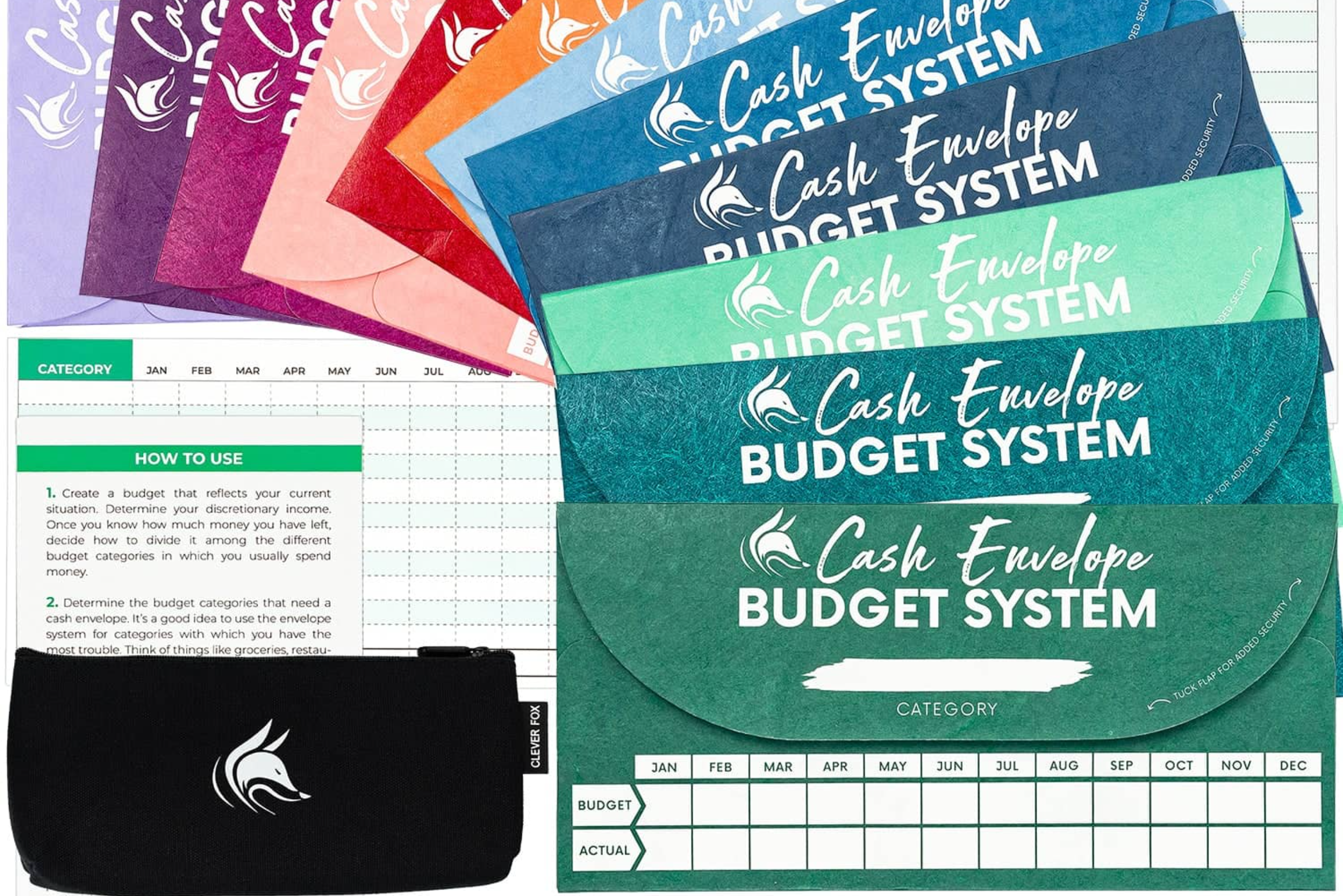
2. Clever Fox Cash Envelope Budgeting System

Fox Wallet
Image Source: Amazon

Listen, I was skeptical about spending less than $20 on a budgeting system—usually, you get what you pay for, right? But the Clever Fox envelopes completely changed the game. These things are practically indestructible! They can survive coffee spills or getting crushed at the bottom of an overstuffed bag. Having 12 different colored envelopes might seem like overkill until you realize how satisfying it is to have a dedicated purple envelope just for your coffee habit or a bright yellow one for spontaneous fun money. The best part? Writing directly on the envelopes to track spending.

3. Dave Ramsey’s Cash Envelope Wallet 

When Dave Ramsey, the godfather of strict budgeting, produces a cash wallet, you take heed. The genius of this wallet is that it eliminates every excuse for not sticking with cash budgeting. “It’s too complicated to carry separate envelopes.” Nope—it’s all in one place. “I forgot my budgeting envelopes at home.” You can’t use that one either—this IS my wallet now. “I need somewhere for my cards too.” It’s got slots for those. The simple design feels pleasantly old-school in the best way, like I’m the CEO of my own personal finances. Yes, it bulks up when every envelope is stuffed after payday (I’ve gotten some looks when I plop this beast on the counter), but watching those envelopes gradually thin out gives a visual progress report each month. If you’re serious about making cash budgeting stick long-term, this system removes literally every barrier except your own willpower.

4. Rnairni Cash Envelope Wallet

Cash Wallets
Image Source: Amazon

Anyone who’s tried juggling loose envelopes knows the frustration of leaving the right one at home exactly when you need it. The Rnairni Cash Envelope Wallet solves this problem brilliantly by creating an all-in-one command center for cash budgeting. This wallet comes with everything needed to start budgeting immediately—12 laminated cash envelopes that won’t tear after a few uses, budget sheets to track spending, and even a quick-start guide for budgeting newcomers. The thoughtful extras make this wallet stand out from basic envelopes: RFID-blocking technology protects credit cards from digital theft, while the spacious design accommodates smartphones, passports, and checkbooks. The removable wrist strap is particularly clever for shopping trips when hands need to be free to pick up items or manage children.

5. Budget Binder Cash Envelopes

5
Image Source: Amazon

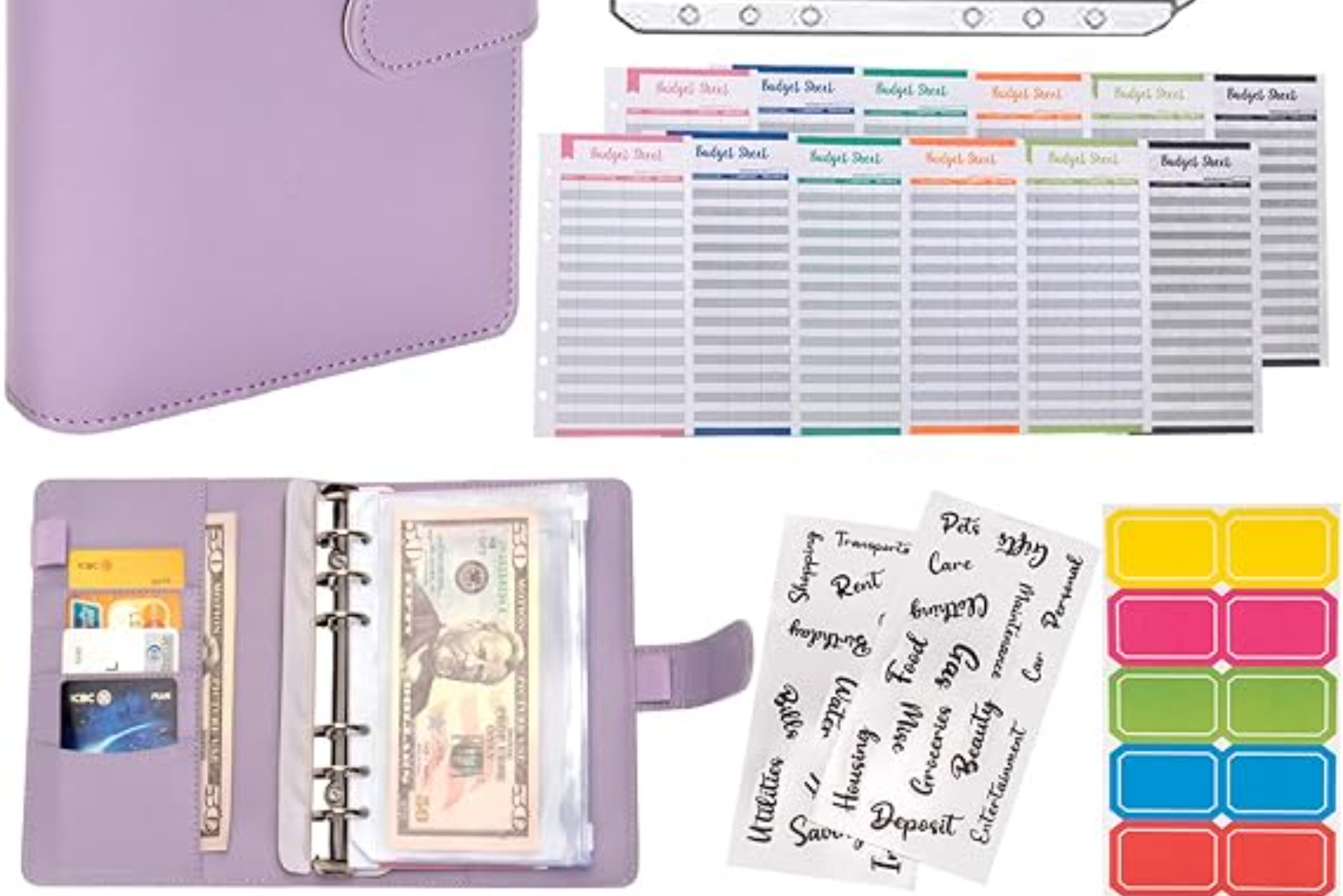
Budget-conscious shoppers looking for maximum value will appreciate the Budget Binder Cash Envelope System. At just $8, this wallet delivers impressive functionality without breaking the bank. The clever ring binder design securely holds 12 laminated cash envelopes, making it easy to add, remove, or reorganize categories as budgeting needs change. The complete budgeting kit includes everything needed to start managing money more effectively right away—12 budget tracking sheets complement the envelopes, creating a systematic approach to monitoring expenses. While it doesn’t offer extras like smartphone storage or RFID protection found in more expensive models, its focused design excels at its primary purpose: organizing cash into categories that prevent overspending.

Choosing the Right Budgeting Envelope System

Cash Wallet
Image Source: 123rf.com

Finding your perfect cash envelope system isn’t just about picking the prettiest option—it’s about knowing yourself and your habits. Are you the person who needs the visual reminder of transparent pouches, or do you prefer the privacy of opaque envelopes? Do you need something that fits in a pocket, or are you always carrying a bag? Consider how many spending categories you realistically need to track—too many can become overwhelming and defeat the purpose of simplifying your finances.

Stephen Kanaval
Stan Costello

Stan began his career as a Research Assistant at a reputable middle-market private equity firm, where he honed his skills in market research, financial analysis, and identifying investment opportunities. He then transitioned to full-time financial writing focusing on small-cap biotech innovation and digital payment solutions. Today, Stephen is a value-based retail investor and novice baseball statistician.

Filed Under: budgeting Tagged With: budgeting, cash, cash envelopes, Envelopes

  • 1
  • 2
  • Next Page »
  • Facebook
  • Pinterest
  • RSS
  • Twitter

Improve Your Credit Score

Money Blogs

  • Celebrating Financial Freedom
  • Christian PF
  • Dual Income No Kids
  • Financial Panther
  • Gajizmo.com
  • Lazy Man and Money
  • Make Money Your Way
  • Money Talks News
  • My Personal Finance Journey
  • Personal Profitability
  • PF Blogs
  • Reach Financial Independence
  • So Over Debt
  • The Savvy Scot
  • Yes, I am Cheap

Categories

Disclaimer

Please note that Beating Broke has financial relationships with some of the merchants mentioned here. Beating Broke may be compensated if consumers choose to utilize the links located throughout the content on this site and generate sales for the said merchant.

Visit Our Advertisers

Need to change careers? Consider an Accounting Certificate Program from WTI.