Are your energy bills getting out of control? In the quest to lower this utility bill, many of us focus on the usual suspects like heating and air conditioning systems. However, there may be lesser-known culprits around your home silently inflating your energy costs.
These energy costs can sneak up on you and add up over time. Here are 10 unexpected items that might be quietly draining your wallet.
1. Old Refrigerators
Old refrigerators are notorious energy hogs. These outdated appliances drain significantly more electricity than newer, energy-efficient models. Even if the fridge is just being used as an extra storage space in the garage, it could be costing you more than it’s worth. Consider recycling it and upgrading to a more efficient model to cut down on energy costs.
2. Televisions
Flatscreen televisions, particularly those that are not energy-efficient, can consume a surprising amount of power, similar to a refrigerator. Some people fall asleep with the TV on, while others spend over 3 hours per day with their eyes glued to the screen. Cut back on the time you’re watching TV and stop falling asleep with it on at night. You should also opt for energy-efficient models or adjust settings where applicable to lower your energy bill even further.
3. Aquariums
Aquariums can be a beautiful addition to any room, but they are also energy killers. The combined use of water pumps, heaters, and lighting can add a significant amount to your energy costs each month. To minimize expenses consider using a timer for lights. You can also check online or ask your local pet store or veterinary clinic for energy-efficient pumps and heaters.
4. Game Consoles
Game consoles, particularly when left on standby mode, can consume a lot of energy. Many users leave their consoles on standby to maintain game updates and downloads. However, this convenience comes at a cost. Turning off the console completely when not in use or using power-saving modes can greatly reduce this drain.
5. Plug-In Air Fresheners or Night Lights
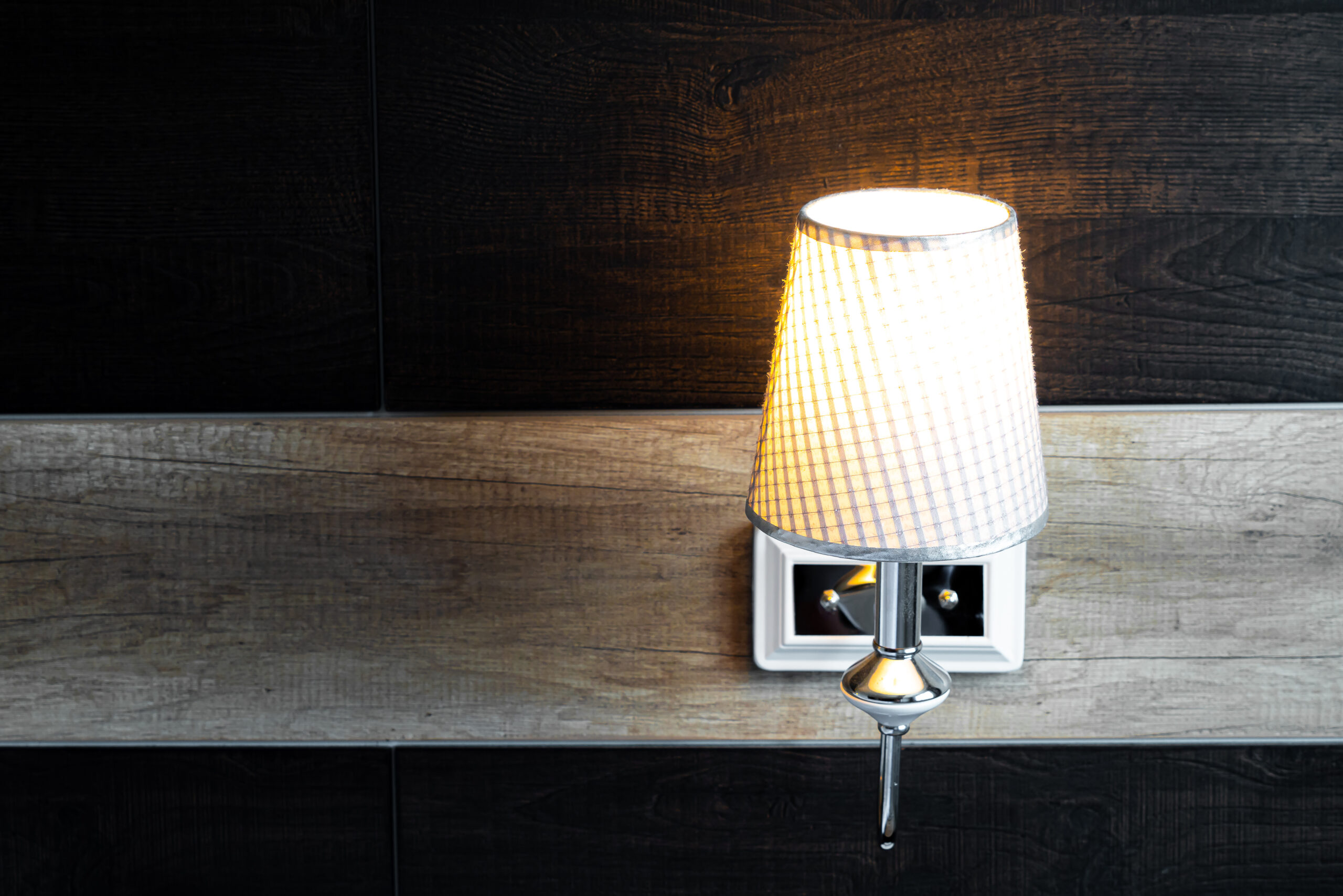
Plug-in air fresheners might seem relatively harmless, but they can draw power continuously when plugged into an outlet. The same goes for night lights that are left plugged into the wall outlet all day, every day.
Over time, the cost of operating these can add up. Alternatives like essential oil diffusers or manually sprayed air fresheners can provide fragrance without the continuous energy drain. For the night lights, unplug them during the day when they’re not needed.
6. Bath Fans
Bath fans are essential for removing moisture and preventing mold. However, leaving them on for hours can lead to unnecessary energy use. Installing a timer switch can help ensure they are running only when necessary. You’ll be surprised by how much you’re reducing energy waste with this simple change to your setup.
7. Underfloor Heating
Do you want to add a touch of luxury to your home? You may consider installing underfloor heating, which is a method of heating indoor spaces through the flooring. Keep in mind that underfloor heating can be a significant energy drain if not managed correctly. Using a programmable thermostat to reduce heating during hours when it’s not needed, or only activating it in frequently used rooms, can help manage its energy consumption.
8. External Power Supplies
External power supplies for laptops, phones, and other electronics often continue to draw power even when the device is fully charged or disconnected. This may explain why your energy bills are so much higher each month. Unplugging these chargers when not in use or using a power strip to turn off multiple loads at once can reduce this passive energy use. Set this up in your office, so you’re paying less on your utility bills each month.
9. Decorative Outdoor Lighting
Some people feel really happy coming home to a beautiful display of outdoor lighting in their front year. While this undeniably looks lovely, decorative outdoor lighting can also lead to increased energy bills if left on unnecessarily. Using timers or motion sensors to control these lights can ensure they are only on when needed, thus conserving energy. Invest in a few of these timers for your yard and enjoy the amount you save on your energy bills each month.
10. Coffee Makers
With an estimated 154 million adults drinking coffee in the United States, there’s no doubt that most home have a coffee maker. These coffee makers, especially those with clocks, lights, and programmable features, use more electricity than you might expect.
Unplug your coffee maker when it’s not in use or use a model with an automatic shut-off feature. By taking the time to do this every day, you’ll make a significant impact on your monthly utility bill.
Cut Energy Costs
You don’t have to keep shelling out your hard-earned money on high energy costs. Look for silent energy killers around your home and invest in timers and tools to help turn these items off when they’re not needed.
It all starts with small adjustments you can make right now. You’ll significantly reduce your energy consumption and feel happier every month about those lower utility bills.
Alyssa Serio has been a writer and editor since graduating from Aurora University in 2014. In her free time, she loves reading, playing volleyball, and watching any horror movie (even the bad ones) with her husband.
Fitting oral health care into your budget is a necessity. Unfortunately, oral health care can be expensive, especially when you need major oral surgery. Of course, the best way to ensure you can fit oral health care into your budget is to focus on preventive health care. However, if you need extensive oral surgery, you may be able to save on the treatment by using these four tips.
1. Ask for A Discount
Sometimes, to protect your budget, you must step outside your comfort zone. It may seem unconventional to ask for a discount, but in many cases, it is the best way to find some savings. Negotiating costs is not typically associated with oral health care, but you can ask for a discount.
Many providers will offer a “cash” price for care. If you ask for the cash price, you may be surprised by how much you can save. Some providers will not reduce the cost but will provide added-value services to compensate for the costs.
2. Shop Around
You should shop around, Whether oral health services for yourself or a family member. The cost of dental care can vary greatly depending on the provider. According to the Centers for Disease Control and Prevention, about 20% of all children in the United States have untreated tooth decay. This may be because they are uninsured and their parents cannot afford the treatment.
Shopping around for the best price can make oral health care more affordable. It is a lot easier to fit oral health care into your budget when you compare prices. The cost difference between providers can add up to thousands of dollars in savings.
3. Consider Dental Insurance
If you need extensive oral health care to get your teeth healthy, consider getting dental insurance. Dental insurance plans can help to offset a great deal of costs. Most plans cover 100% of preventive dental treatment and about 50% of other dental treatments. It is far better to pay 50% of treatment costs than to find a way to squeeze 100% of treatment costs out of your budget.
Dental insurance plans can vary in premium costs. You want to compare plans to ensure you get the best value. Check with your employer to see if they offer a dental insurance plan. If you have children, biological or adopted, it’s important to inquire about whether they can be on your insurance as well. Keep in mind, to adopt a child in Tennessee, you have to be at least 18, married for six months, and pass a home study by the Department of Social Services.
4. Keep Specialty Appointments Down To a Minimum
Any time you must see a specialist, it will cost more. General dentists can do a lot of the work that a specialist does. Make the job easier for your dentist by taking preventive steps at home. For example, according to the American Dental Association, if you crack a tooth, rinse your mouth with a saltwater rinse, and place a cold compress on your face to reduce swelling.
A good home oral hygiene program will make the job easier for your general dentist and help you to avoid those costly specialty appointments. If you need extensive work on your teeth, good oral hygiene will shorten your recovery period.
Oral health care can be more affordable than you think. You must work for the savings sometimes, asking around or doing some research to determine what resources are offered near you. Learn more about how to save money on oral health care and how to protect your budget. It’ll benefit you and your family in the long term!
Hello, fellow broke 20-somethings! Are you sick of living on instant noodles and dreaming of the day you can afford avocado toast or a five-star meal? Well, worry not. This piece gives you some tips on how to get through your 20s without going bankrupt. So get your piggy bank, and let’s dive in!
1. Have a Budget
A budget may seem obvious, but making one is the best way to manage your money after going broke. Find out how much money you receive each month and where it needs to go. Ensure you have enough for basic needs like rent, utilities, and food before spending on anything else.
Once you have a budget, check your spending carefully to see where to cut back. For example, do you truly require that subscription service to a streaming app you rarely use? Canceling unnecessary expenses can save you a lot of money over time.
2. Give Your Savings Accounts Fun Names
Instead of having a savings account that says ‘Savings Account #100’ when you log in to your bank account, you might want to change the name to something more specific. Maybe it could say, ‘I’m quitting my job in January 2024’ or ‘Going to Maldives in May 2024.’ The more specific you are, the less likely you are to keep taking a little money off the top every time your checking account gets a little low.
3. Be Mindful of Expensive Cosmetic Procedures
Before deciding to get a cosmetic procedure, it’s essential to do your research and fully understand the costs. Don’t just rely on what the plastic surgeon or clinic tells you. Research online and talk to people with similar procedures to understand the possible costs.
Research shows that about 11.36 million plastic surgery procedures were done worldwide in 2019. It indicates that more people know these procedures, so shop around for financing options that are more accessible. Getting caught up in wanting to look better is easy, but remember, stay moderate and spend what you can afford.
4. Avoid Unscrupulous Deals
You might fall victim to embezzlement if you work a white-collar job. Embezzlement is one type of white-collar crime. In this crime, a person mishandles money they are in charge of and uses it in a way that is not allowed. It’s wise to implement solid financial controls like performing regular audits or reviewing financial records to avoid the devastation of embezzlement. Promote a culture of transparency and accountability and save yourself from going broke
5. Be Responsible and Invest in Yourself
A survey says drivers between the ages of 25 and 34 are most likely to be drunk behind the wheel. However, you don’t have to be among them. Choose a responsible life and avoid situations that could lead to such an occurrence. Instead, focus on investing in yourself, like improving your skills or getting an education or training that will help you earn more.
6. Have an Insurance Cover
Insurance can keep you from going bankrupt in your 20s by protecting you from sudden financial losses caused by accidents or things you can’t control. For instance, if you suffer from a severe illness or injury, health insurance can assist in paying your hospital bills. You might have to pay these expenses out of cash if you don’t have health insurance, which can be costly and cause financial strain.
Being optimistic and focused on your goals will help you get through the rough financial times that often plague your 20s. Set yourself up for long-term financial success. Remember, you can make the most of your situation and set yourself up for long-term success with the right attitude and good money habits.