Beating Broke

Personal Finance from the Broke Perspective

  • Home
  • About
  • We Recommend
  • Contact
  • Our Editorial Commitment

Powered by Genesis

City Skylines and Countryside Horizons: 11 Striking Living Scenarios

February 16, 2024 By Catherine Reed Leave a Comment

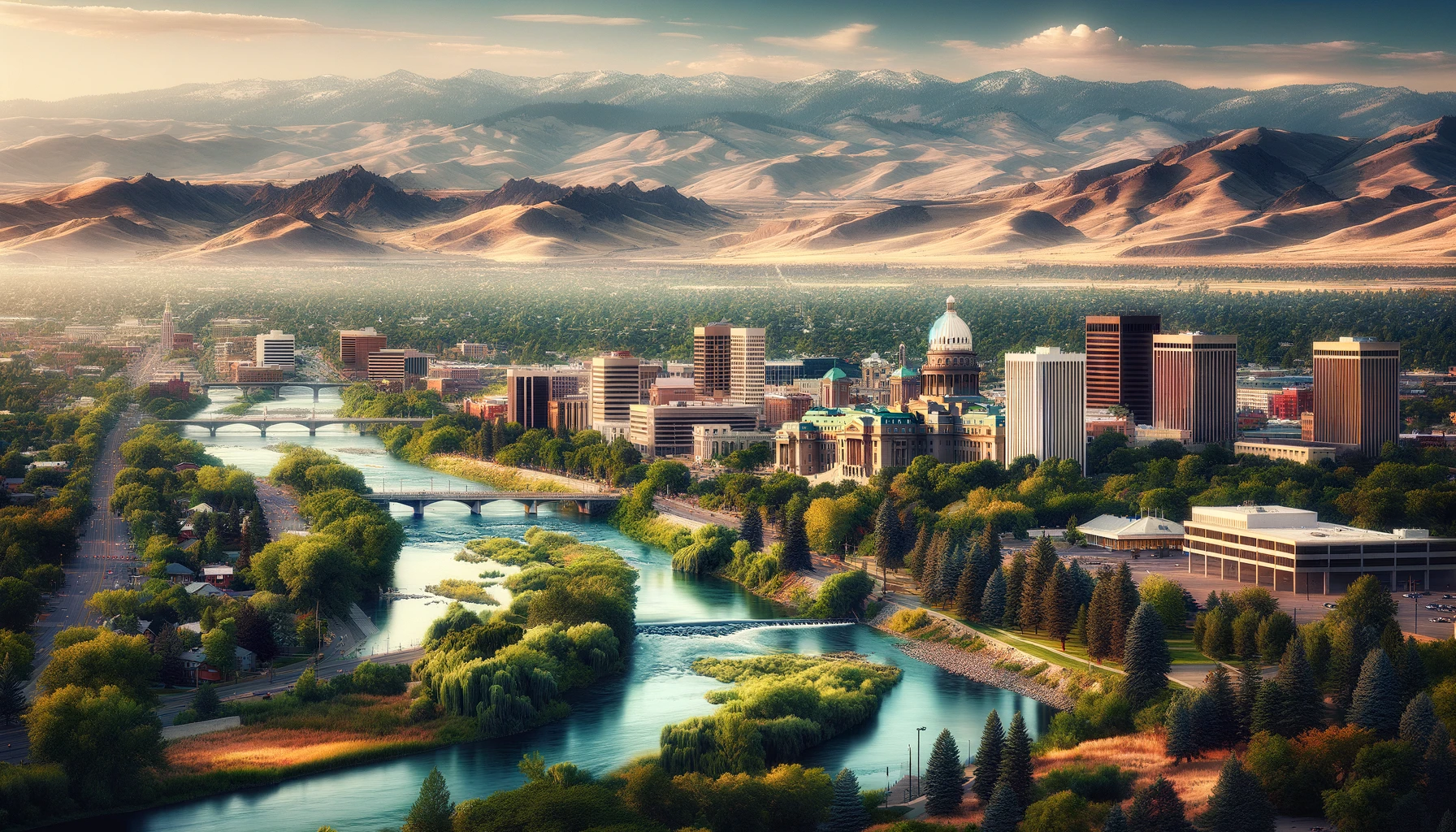
City Skylines and Countryside Horizons

In an era where lifestyle choices are as diverse as the landscapes we inhabit, the decision between city skylines and countryside horizons living presents a myriad of striking scenarios, each with its unique allure and challenges. From the bustling cities teeming with architectural marvels to the tranquil countryside homes that offer a serene escape, here’s a look at 11 living scenarios that epitomize the contrast and beauty of urban and rural life, reflecting current trends and addressing the evolving preferences of modern dwellers.

1. High-Rise Havens: Urban Skyline Living

High-Rise Havens

Living in a high-rise in the heart of the city offers an unparalleled view of the urban skyline, where the architectural prowess of skyscrapers defines your everyday scenery. This scenario is not just about the breathtaking views but also about embracing a lifestyle punctuated by convenience, accessibility, and the vibrant pulse of city life. High-rise dwellers enjoy amenities at their doorstep, from cultural institutions to gastronomic delights, encapsulating the essence of modern urban living.

2. Suburban Bliss: The Best of Both Worlds

Suburban Bliss

Suburban living presents a unique scenario that straddles the line between urban energy and rural tranquility. Here, spacious homes with lush backyards offer a peaceful retreat without severing ties with the city’s conveniences. Suburbs have evolved to cater to a diverse community, offering local shopping districts, community parks, and schools that make it an ideal setting for families seeking a balanced lifestyle.

3. Countryside Retreats: Panoramic Pastoral Views

Countryside Retreats

The countryside offers a living scenario defined by panoramic views of rolling hills, vast fields, and a horizon that stretches endlessly. This rural idyll is for those who cherish space, silence, and a connection with nature. The countryside lifestyle is synonymous with community spirit, local produce, and a slower pace of life, offering a stark contrast to the urban hustle.

4. Coastal Living: Sea Breezes and Horizon Lines

Coastal Living

Living by the coast offers a scenario where the sea becomes a central element of your daily life, influencing everything from the climate to leisure activities. Coastal living is characterized by easy access to beaches, a maritime culture, and a unique blend of relaxation and adventure, making it a sought-after lifestyle for those drawn to the water.

5. Mountain Escapes: Elevated Living Among Peaks

Mountain Escapes

Choosing a home in the mountains provides a living scenario set against a backdrop of majestic peaks and alpine forests. This setting is ideal for those seeking solitude and outdoor adventure, offering opportunities for hiking, skiing, and embracing a lifestyle that prioritizes wellness and environmental awareness.

6. Urban Villages: Community in the City

Urban Villages

Urban villages offer a living scenario that combines the intimacy of small-town life with urban conveniences. These pockets within the city are characterized by close-knit communities, local businesses, and public spaces that foster social interaction, providing an oasis of community within the urban sprawl.

7. Eco-Urban Developments: Sustainable City Living

Eco-Urban Developments

The rise of eco-urban developments presents a scenario where sustainability is at the core of urban living. These areas are designed with green spaces, energy-efficient buildings, and sustainable transport options, catering to environmentally conscious individuals who wish to minimize their carbon footprint while enjoying urban amenities.

8. Historic Towns: Living Among Legacy

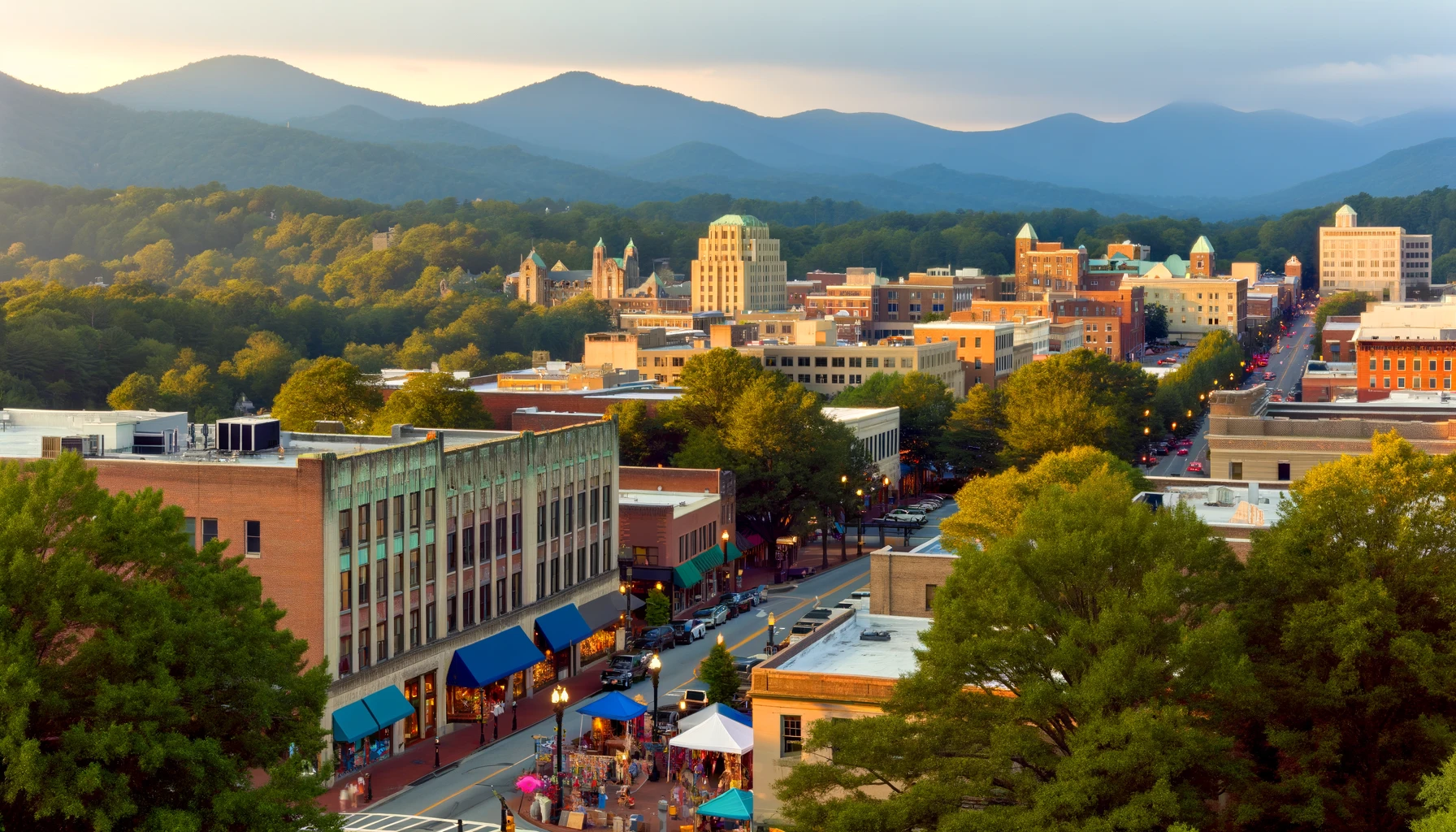
Historic Towns

Choosing to live in a historic town offers a scenario steeped in heritage and charm. These towns provide a unique living experience surrounded by historic architecture, cultural landmarks, and traditions that have stood the test of time, appealing to those who appreciate history and community.

9. Agricultural Communities: Farm-to-Table Living

Agricultural Communities

Living in an agricultural community presents a scenario where the farm-to-table movement is a way of life. Residents are closely connected to the food they eat, often participating in local farming activities, fostering a deep appreciation for sustainable agriculture and local produce.

10. Artistic Enclaves: Creativity at Your Doorstep

Artistic Enclaves

Artistic enclaves offer a living scenario where art, culture, and creativity flourish. These communities attract artists, musicians, and creatives, providing a vibrant atmosphere filled with galleries, studios, and performance spaces, making it an ideal setting for those inspired by the arts.

11. Off-the-Grid Sanctuaries: Remote and Self-Sufficient

Off-the-Grid Sanctuaries

For those seeking an extreme contrast to urban living, off-the-grid sanctuaries provide a scenario of self-sufficiency and remoteness. This lifestyle is about embracing simplicity, minimalism, and independence, often relying on renewable energy sources and sustainable practices to carve out a life in harmony with nature.

City Skylines and Countryside Horizons: Appreciating the Various Living Scenarios

City Skylines and Country Horizons

These 11 living scenarios highlight the diverse tapestry of lifestyles available to modern individuals, from the dizzying heights of urban skyscrapers to the serene expanse of rural landscapes. Each scenario offers a unique set of experiences, challenges, and joys, reflecting the evolving preferences and priorities of those seeking a place to call home in today’s world.

Filed Under: Home Tagged With: city living, coastal living, country living, mountain living, suburban living, sustainable living

Fast Food or Fine Dining: 10 Unexpected Experiences of Eating Out

February 15, 2024 By Catherine Reed Leave a Comment

Fast Food or Fine Dining

In the ever-evolving landscape of the culinary world, the line between fast food and fine dining continues to blur, giving rise to unexpected experiences that challenge our traditional perceptions of eating out. From gourmet burgers in casual settings to fast-food chains offering upscale dishes, the dining experience is being redefined. This article delves into 10 surprising aspects of modern dining, highlighting how both fast food and fine dining establishments are reshaping what it means to eat out in today’s society.

1. The Rise of Gourmet Fast Food

Gourmet Fast Food

Gone are the days when fast food was synonymous with simple, unhealthy options. Today, many fast food outlets are embracing gourmet ingredients and innovative recipes, offering dishes that rival those found in fine dining restaurants. From artisanal sandwiches to premium, locally sourced ingredients, fast food is transforming, focusing on quality without compromising on speed and convenience.

2. Fine Dining Goes Casual

Fine Dining Goes Casual

Conversely, fine dining restaurants are adopting a more relaxed approach, breaking down the barriers of traditional formality. It’s now common to find fine dining establishments with a casual, laid-back atmosphere, where the focus is squarely on the food’s quality and creativity rather than strict dress codes or dining etiquette, making haute cuisine more accessible to a broader audience.

3. Fast Food’s Foray into Healthy Eating

Fast Food's Foray into Healthy Eating

The fast food industry is increasingly catering to health-conscious consumers, offering a range of nutritious options that defy the fast food stereotype. Salads, wraps, and vegetarian dishes are becoming staples on menus, providing diners with healthier choices that don’t sacrifice flavor or convenience, reflecting a broader trend towards wellness and balanced eating.

4. Technology-Enhanced Dining Experience

Technology-Enhanced Dining Experience

Both fast food and fine dining are leveraging technology to enhance the dining experience. From digital menus and online reservations to AI-driven personalization and augmented reality experiences, technology is making dining out more convenient, interactive, and personalized, catering to the digital-savvy consumer’s expectations.

5. Sustainability on the Menu

Sustainability on the Menu

Sustainability is becoming a key consideration in the dining world, with both fast food and fine dining establishments focusing on environmentally friendly practices. This includes sourcing local and organic ingredients, minimizing food waste, and adopting eco-friendly packaging, reflecting growing consumer demand for responsible dining options that are good for the planet.

6. The Fusion Food Trend

Fusion Food Trend

The boundaries between different cuisines are blurring, with an increasing number of restaurants offering fusion dishes that combine elements from various culinary traditions. This trend is evident in both fast food and fine dining, where chefs are experimenting with bold, cross-cultural flavors, creating unique dining experiences that challenge traditional culinary norms.

7. The Popularity of Pop-Up Restaurants

Popularity of Pop-Up Restaurants

Pop-up restaurants offer a unique dining experience, often featuring experimental or themed menus that are available for a limited time. Pop-ups have been embraced by both new chefs and established fine dining restaurants, adding an element of exclusivity and novelty to the dining scene, allowing diners to enjoy one-of-a-kind meals in unexpected locations.

8. Social Media Influence

Social Media Influence

Social media platforms, particularly Instagram, are significantly influencing dining trends, with visually stunning dishes becoming as important as taste. A focus on appearance has led both fast food and fine dining establishments to focus on the aesthetic presentation of their dishes, aiming to create Instagram-worthy meals that attract attention and drive foot traffic.

9. The Revival of Traditional Cooking Techniques

Revival of Traditional Cooking Techniques

Amidst the innovation, there’s a growing appreciation for traditional cooking methods and heirloom recipes, both in fast food and fine dining. This includes a resurgence of slow-cooked, smoked, and fermented foods, offering a taste of nostalgia and authenticity that resonates with diners seeking a connection to the past through their culinary experiences.

10. The Blending of Dining and Entertainment

Blending of Dining and Entertainment

Dining out is increasingly about more than just food; it’s about the overall experience, which now often includes entertainment. Live music, interactive performances, and culinary workshops are becoming common features in both fast food and fine dining establishments, turning a meal into a comprehensive entertainment experience.

Fast Food or Fine Dining: The Landscape Evolves

Fast Food or Fine Dining

The landscape of dining out is constantly evolving, with fast food and fine dining establishments alike adapting to new trends and consumer demands. These unexpected experiences reflect the dynamic nature of the culinary world, where innovation, quality, and sustainability are reshaping our dining habits. As we continue to explore the vast array of dining options available, it’s clear that eating out will never be quite the same again, offering an exciting journey for food enthusiasts everywhere.

Filed Under: eating out Tagged With: dining out, dining trends, fast food, fine dining, food, meals

Millennials and Baby Boomers: 16 Misunderstandings Unraveled

February 14, 2024 By Catherine Reed Leave a Comment

Millennials and Baby Boomers

In today’s rapidly changing world, the generational divide between Millennials and Baby Boomers often leads to misunderstandings that can impact relationships, workplaces, and societal dynamics. Here’s a closer look at 16 common misconceptions that exist between these two influential generations, shedding light on their differences and similarities, and fostering a deeper understanding that transcends age-related stereotypes.

1. Work Ethic: Laziness vs. Rigidity

Work Ethic

A common misconception is that Millennials lack the strong work ethic characteristic of Baby Boomers, who are often perceived as rigid and overworked. However, Millennials tend to value work-life balance and flexibility more than previous generations, not less work. They are driven by purpose and fulfillment rather than the traditional 9-to-5 grind. Baby Boomers, on the other hand, were raised in an era where stability and long-term loyalty to a single employer were the norms, which is often mistaken for rigidity.

2. Technology Dependence: Digital Natives vs. Digital Immigrants

Technology Dependence

Millennials are often labeled as overly dependent on technology, whereas Baby Boomers are seen as technologically inept. In reality, Millennials, being digital natives, seamlessly integrate technology into their lives to enhance efficiency and connectivity. Baby Boomers, or digital immigrants, have also adapted remarkably well to new technologies, often embracing digital platforms for communication, entertainment, and learning.

3. Financial Attitudes: Entitlement vs. Conservatism

Financial Attitudes

Millennials are frequently criticized for their perceived sense of entitlement, particularly regarding financial matters, while Baby Boomers are viewed as financially conservative and more economically secure. However, Millennials face unique economic challenges, such as higher student debt and housing prices, which shape their financial attitudes and behaviors. Baby Boomers, having benefited from a period of economic prosperity, tend to prioritize savings and investments, reflecting their experiences rather than an inherent conservatism.

4. Communication Styles: Informality vs. Formality

Communication Styles

The preference for informal communication among Millennials, often through digital platforms, is sometimes mistaken for a lack of professionalism, contrasting with Baby Boomers’ more formal communication style. Millennials value authenticity and speed in communication, seeing formality as less important than content and efficiency. Baby Boomers, accustomed to traditional hierarchies and formalities, often interpret this casual style as a lack of respect, overlooking the effectiveness of direct and authentic communication.

5. Career Progression: Job Hopping vs. Lifelong Employment

Career Progression

Millennials are often perceived as job hoppers, lacking loyalty to their employers, in stark contrast to Baby Boomers, who are associated with the idea of lifelong employment with a single company. This difference is more reflective of changing economic conditions and job markets than a generational shift in values. Millennials seek career growth, development opportunities, and meaningful work, leading them to change jobs more frequently in pursuit of these goals.

6. Political and Social Views: Idealism vs. Pragmatism

Political and Social Views

Millennials are sometimes viewed as overly idealistic or radical in their political and social views, whereas Baby Boomers are seen as pragmatic and moderate. In reality, both generations have diverse views shaped by their unique societal contexts. Millennials’ idealism is often driven by a desire for social justice and environmental sustainability, while Baby Boomers’ pragmatism is informed by their life experiences and the historical events that shaped their formative years.

7. Learning Preferences: E-Learning vs. Traditional Classrooms

Learning Preferences

The misconception that Millennials can only learn through digital means, while Baby Boomers prefer traditional classroom settings, overlooks the flexibility and adaptability of both generations. Millennials value the convenience and accessibility of e-learning but also appreciate the benefits of face-to-face interactions. Baby Boomers, while initially educated in traditional settings, have shown significant adaptability by engaging with online courses and digital learning tools.

8. Environmental Concerns: Apathy vs. Ignorance

Environmental Concerns

Millennials are sometimes accused of apathy toward environmental issues, while Baby Boomers are thought to be ignorant of modern ecological concerns. However, Millennials have been at the forefront of many environmental movements, driven by a deep concern for the planet’s future. Baby Boomers, having witnessed the rise of the ecological movement in the 1960s and 1970s, often possess a strong awareness of environmental issues, though their approaches to addressing these concerns may differ.

9. Housing Preferences: Transience vs. Homeownership

Housing Preferences

There’s a common belief that Millennials prefer transient living situations and shy away from homeownership, unlike Baby Boomers, who are seen as the homeownership generation. However, Millennials often face economic barriers to homeownership, such as high real estate prices and student debt, rather than a lack of desire to own homes. Baby Boomers, who benefited from more favorable housing markets in their youth, may perceive this as a lack of commitment, overlooking the economic realities facing younger generations.

10. Attitudes Toward Authority: Rebellion vs. Respect

Attitudes Toward Authority

Millennials are often perceived as challenging authority and traditional structures more than Baby Boomers, who are seen as respecting and upholding these systems. This view misconstrues Millennials’ desire for transparency, fairness, and a more horizontal organizational structure as rebellion, while it overlooks the fact that Baby Boomers were also once at the forefront of significant social and political changes that challenged the status quo.

11. Views on Education: Formal Degrees vs. Self-Learning

Views on Education

The value placed on formal education is another area of misunderstanding. Millennials are often seen as devaluing traditional educational paths in favor of self-taught skills and informal learning experiences. In contrast, Baby Boomers are perceived to prioritize formal education and degrees. In reality, Millennials recognize the importance of formal education but also value diverse learning experiences, including online courses and professional development opportunities, adapting to a rapidly changing job market.

12. Lifestyle Choices: Minimalism vs. Materialism

Lifestyle Choices

Millennials are sometimes labeled as minimalists who reject materialism, in contrast to Baby Boomers, who are seen as embracing material wealth and consumption. While many Millennials are drawn to minimalism for economic reasons and a desire for a simpler lifestyle, this doesn’t mean they reject material possessions outright. Baby Boomers, having grown up in a post-war era of prosperity, often value the security and comfort that material possessions provide, which is sometimes mistaken for materialism.

13. Relationship to Social Media: Overuse vs. Disconnection

Relationship to Social Media

The assumption that Millennials are addicted to social media and Baby Boomers are disconnected from it oversimplifies their relationship with digital platforms. Millennials, as digital natives, use social media as a tool for communication, networking, and activism. However, they are also aware of its downsides. Baby Boomers, while not growing up with social media, have increasingly adopted these platforms to stay connected with friends and family, challenging the notion that they are disconnected from digital life.

14. Attitudes Toward Health and Wellness: Obsession vs. Neglect

Attitudes Toward Health and Wellness

Millennials are often seen as obsessed with health and wellness trends, in stark contrast to Baby Boomers, who are perceived as neglecting their health. In truth, Millennials are more vocal about mental health and holistic wellness, integrating it into their lifestyle choices. Baby Boomers, on the other hand, have a strong track record of valuing physical health and fitness, evidenced by the fitness and jogging booms during their younger years.
15. Entertainment Preferences: Streaming vs. Traditional Media

Entertainment Preferences

There’s a belief that Millennials only consume entertainment through streaming services and have abandoned traditional media formats, unlike Baby Boomers, who are thought to prefer cable TV and print media. While streaming services are popular among Millennials for their convenience and variety, many also enjoy traditional media forms. Baby Boomers have also adapted to new media technologies, with many embracing streaming services alongside conventional media outlets.

16. Perspectives on Personal Development: Constant Self-Improvement vs. Settling

Perspectives on Personal Development

Millennials are often characterized by a relentless pursuit of personal development and self-improvement, while Baby Boomers are perceived as more likely to settle into established routines without seeking much change. This overlooks the fact that personal growth does not have an age limit, and many Baby Boomers continue to pursue new interests, careers, and hobbies well into later life, demonstrating a lifelong commitment to personal development that rivals that of younger generations.

Why Unraveling the Misunderstandings Between Millennials and Baby Boomers Is Vital

Millennials and Baby Boomers

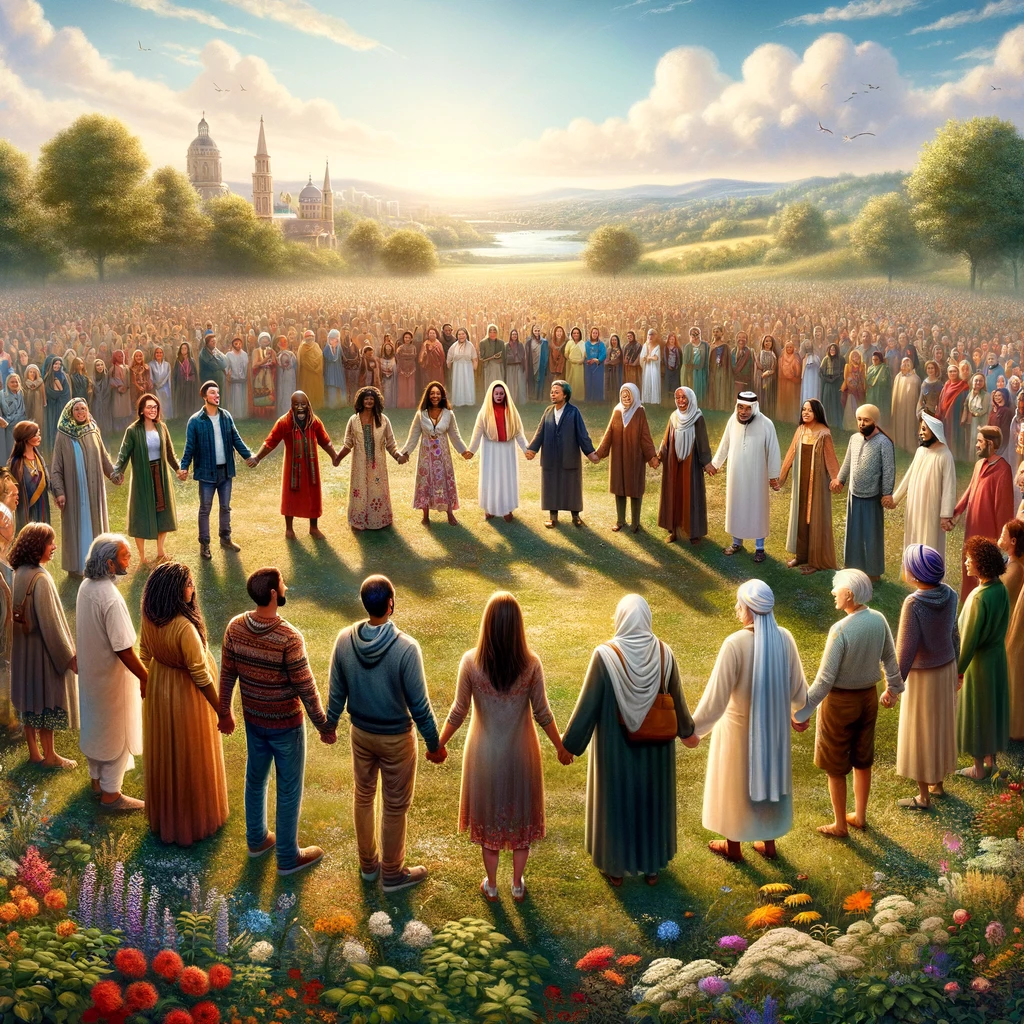
Understanding these misunderstandings between Millennials and Baby Boomers is crucial for bridging the generational divide. By recognizing the unique challenges and perspectives of each generation, we can foster more inclusive and productive conversations, workplaces, and communities. This not only enhances mutual respect but also leverages the diverse strengths and insights that each generation brings to the table, leading to more innovative and effective solutions to the complex issues facing society today.

Filed Under: Lifestyle Tagged With: baby boomers, generational differences, millennials, misunderstandings between generations, youth vs old age

  • « Previous Page
  • 1
  • …
  • 101
  • 102
  • 103
  • 104
  • 105
  • …
  • 319
  • Next Page »
  • Facebook
  • Pinterest
  • RSS
  • Twitter

Improve Your Credit Score

Money Blogs

  • Celebrating Financial Freedom
  • Christian PF
  • Dual Income No Kids
  • Financial Panther
  • Gajizmo.com
  • Lazy Man and Money
  • Make Money Your Way
  • Money Talks News
  • My Personal Finance Journey
  • Personal Profitability
  • PF Blogs
  • Reach Financial Independence
  • So Over Debt
  • The Savvy Scot
  • Yes, I am Cheap

Categories

Disclaimer

Please note that Beating Broke has financial relationships with some of the merchants mentioned here. Beating Broke may be compensated if consumers choose to utilize the links located throughout the content on this site and generate sales for the said merchant.

Visit Our Advertisers

Need to change careers? Consider an Accounting Certificate Program from WTI.