Beating Broke

Personal Finance from the Broke Perspective

  • Home
  • About
  • We Recommend
  • Contact
  • Our Editorial Commitment

Powered by Genesis

Search Results for: budget

15 Expenses Middle-Class Americans Are Saying “No” To

June 24, 2024 By Alyssa Serio Leave a Comment

strategy analysis concept, Businessman working financial Manage

In a rapidly changing economy, middle-class Americans are continuously reassessing their spending habits. As costs of living rise and financial priorities shift, many are choosing to cut unnecessary expenses they honestly don’t need in this modern world. Whether it’s cable TV or landline phones, these items turn out to be a huge waste of their hard-earned money. Here are 15 common expenses that middle-class families are cutting from their budgets.

1. Cable TV Subscriptions

TV, television watching (news) with feet on the table and remote in hand

With Netflix, Hulu, Amazon Prime, and many other streaming services, it’s pointless to continue to pay for a traditional cable TV subscription. Middle-class families are turning away from cable TV due to long-term contracts and high initial costs. Streaming services are more budget-friendly, whether you’re paying for just one app or downloading them all. Time will tell how streaming will change entertainment in the future.

2. New Cars

woman entering her new car

In many cases, it’s less lucrative for you to buy a new car than it is to shell out money on a used one. Given the high depreciation rates of new vehicles, middle-class buyers are increasingly following this trend by purchasing used. A pre-owned vehicle can save thousands of dollars while still providing reliable transportation. The move toward being used is further bolstered by the improved quality and longevity of older cars.

3. Luxury Brands
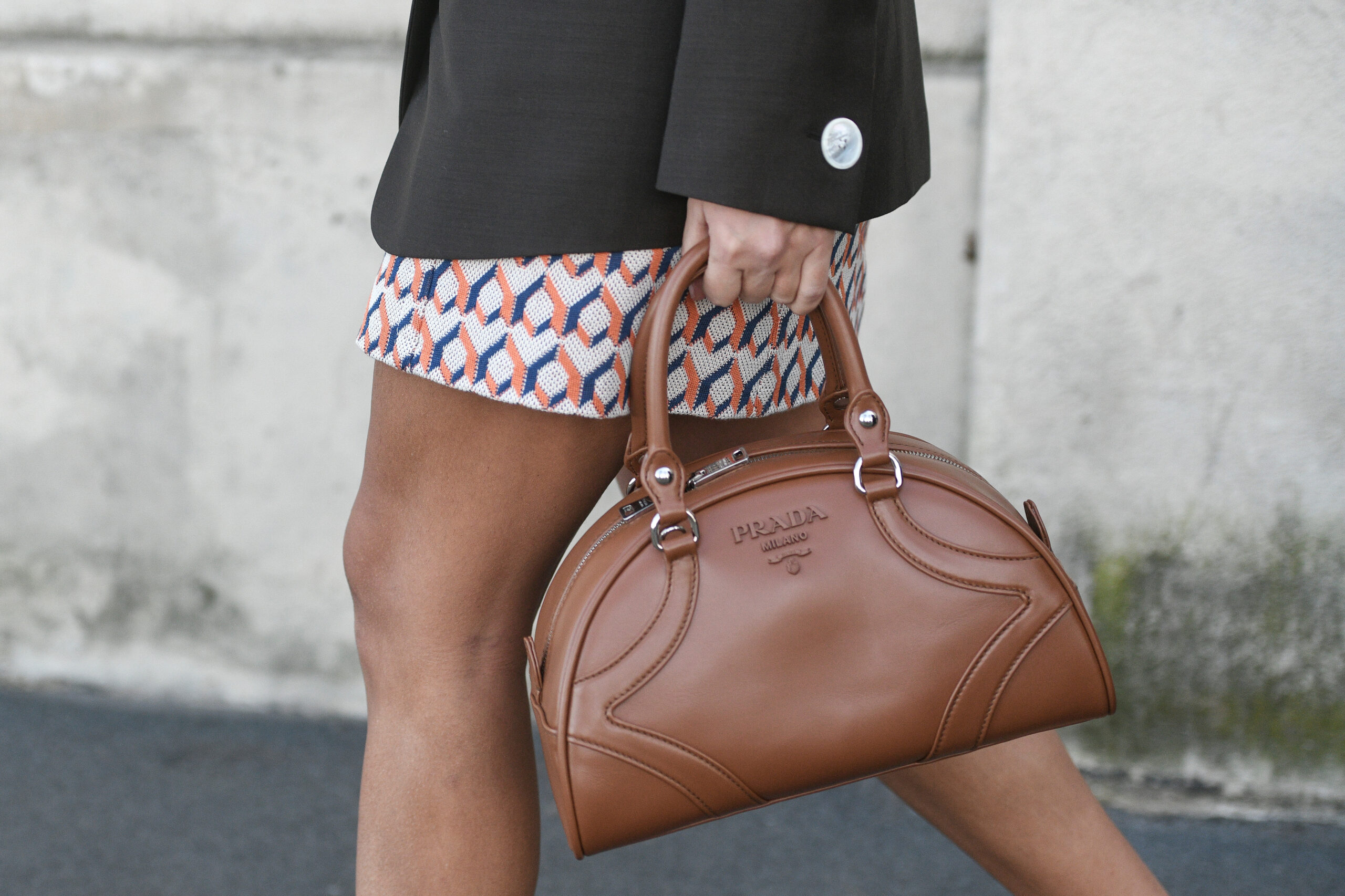
Street style, Fall Winter 2020, Milan Fashion Week, Italy - 20 Feb 2020

Gucci, Prada, Vera Wang. Luxury goods brands like these, once a staple marker of middle-class prosperity, are being bypassed for more affordable alternatives. The emphasis has shifted towards quality and value over brand name prestige. It’s just not worth spending thousands of dollars on the latest designer jacket, purse, or watch.

4. High-End Smartphones

hand holding a smartphone

According to recent data, over 7 billion people around the world own a smartphone. These tech gadgets will always be popular, but many consumers are skipping the latest models to cut unnecessary expenses. Instead of upgrading every year, people are holding onto their phones longer. They’re also opting for mid-range models that offer most of the high-end features at a fraction of the price.

5. Eating Out Frequently

Group of friends eating at restaurant

It’s always fun to try dishes, share drinks with friends, and take in the environment at a new restaurant. However, dining out frequently is a costly habit that many are avoiding. Cooking at home saves money but also promotes a healthier lifestyle since you ultimately eat fewer calories. Families are investing time in meal planning and preparation as a cost-effective alternative to eating out.

6. Gym Memberships

Beautiful fit women working out in gym

Why bother with an expensive gym membership when you can work out at home? Many middle-class Americans are forgoing the gym in favor of body weight exercises, outdoor runs, and YouTube workout videos, all of which are free. Working out at home or outdoors provides the same benefits without the hefty monthly fees. Plus, you’re more likely to stay on track since it can sometimes be inconvenient to make it to the gym.

7. Daily Coffee Shop Visits

Woman holding coffee latte art on wooden table in coffee shop

Starbucks claims they’re at a “new era of growth” with more than 38,000 stores worldwide. As the brand grows, people are skipping coffee shop visits to instead brew their daily fix of caffeine at home. Middle-class Americans are using Keurig machines, fancy espresso makers, and other machines, enjoying significant savings. Investing in a good coffee maker pays off in the long run, reducing the temptation to splurge on overpriced coffee.

8. Trendy Fashion

Young girl in jacket with bag standing in the city hand in pocket talking on smartphone looking aside cheerful

Fashion trends come and go, which is why it’s still to waste money on the fads. Instead of chasing the latest style, there’s a growing preference for classic, versatile pieces that last longer. Many American adults, especially women, are opting for capsule wardrobes. Small collections of timeless garments reduce the need for frequent shopping.

9. Impulse Purchases

Woman holding shopping bags

Be careful when you go to the store. You may find yourself making impulse purchases of items you don’t need. With better budgeting practices, middle-class families are avoiding these impulse buys. Shopping lists and planned purchases are becoming the norm to avoid unnecessary spending, even when it comes to online shopping.

10. Premium Credit Cards

gold credit card in the hand

Banks will send you emails about credit cards that seem too good to be true. These premium credit cards come with high annual fees. Thankfully, many middle-class adults are swapping out these money drainers for no-fee or low-fee alternatives. These cards align better with their spending patterns and financial benefits, rather than paying for prestige or unnecessary rewards.

11. Excessive Holiday Spending

asian friends christmas celebration lifestyle

Americans spend about $1,000 on holiday gifts each season. For that reason, there’s a conscious effort to reduce spending, focusing on meaningful experiences rather than extravagant gifts. Homemade gifts, tickets for events, and photo books are popular, low-cost gifts to give away for Christmas, birthdays, and other special occasions. It’s just not lucrative to spend thousands on junk that people honestly don’t need.

12. Hair Services

hairstyle in a beauty salon for a blonde girl

Women love to go to the salon to get their hair cut, colored, and styled. While this luxury purchase and bit of self-care can be worth the investment, many middle-class women are taking a hiatus from expensive salons. At-home hair coloring and low-maintenance cuts are becoming more popular in recent years. People want to reduce their spending, even if it means changing up their look.

13. Luxury Vacations

tropical sand beach

A vacation to the Bahamas sounds amazing, but the costs for airfare, hotel, food, and entertainment can really add up. Instead of expensive international trips like this, many middle-class families are exploring local or less expensive travel destinations. A short road trip to a town a few hours away can offer just as much fun and relaxation as the pricier destinations. By traveling this way, you will not only save money but also support local economies and reduces travel stress.

14. Organic Groceries

Closeup orange slice with group of fresh fruits and vegetables f

Healthy eating remains a priority, but the high cost of organic products can make it challenging. Shoppers are becoming more selective, purchasing organic items only when the benefits clearly outweigh the cost. They’re also looking at the list of the “Dirty Dozen” fruits and vegetables known for high pesticide levels, purchasing only those items organically. Everything else is fair game to buy without the “organic” or “naturally grown” label.

15. Landline Phones
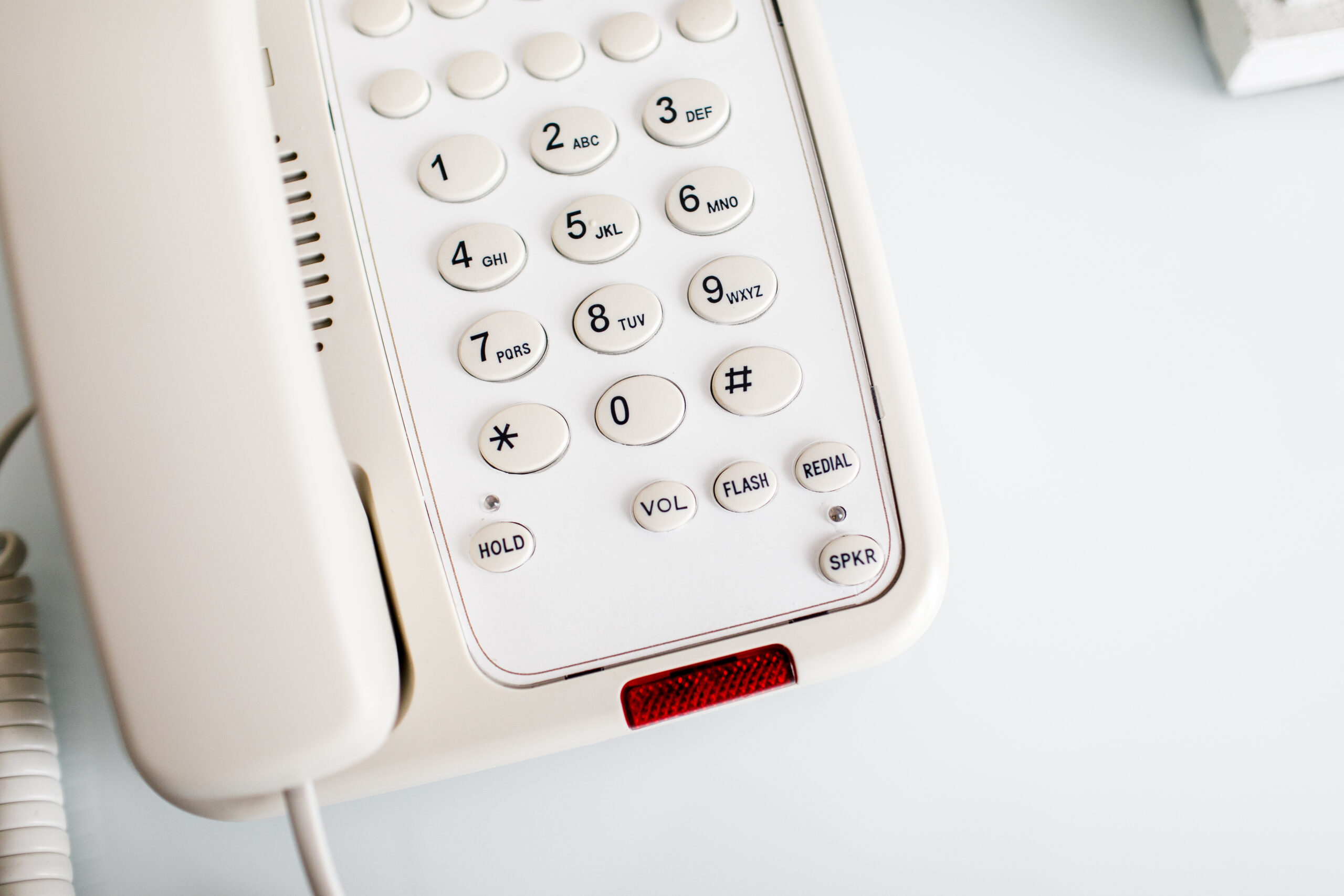
Office telephone on table, telephone on table

Your grandmother may still have a landline phone, but owning one is pretty rare these days. With the ubiquity of mobile phones, the traditional landline is becoming obsolete in many households. Cutting the landline can save on monthly bills and simplify communications. Plus, it’s one less phone number for everyone to remember!

Better Spending
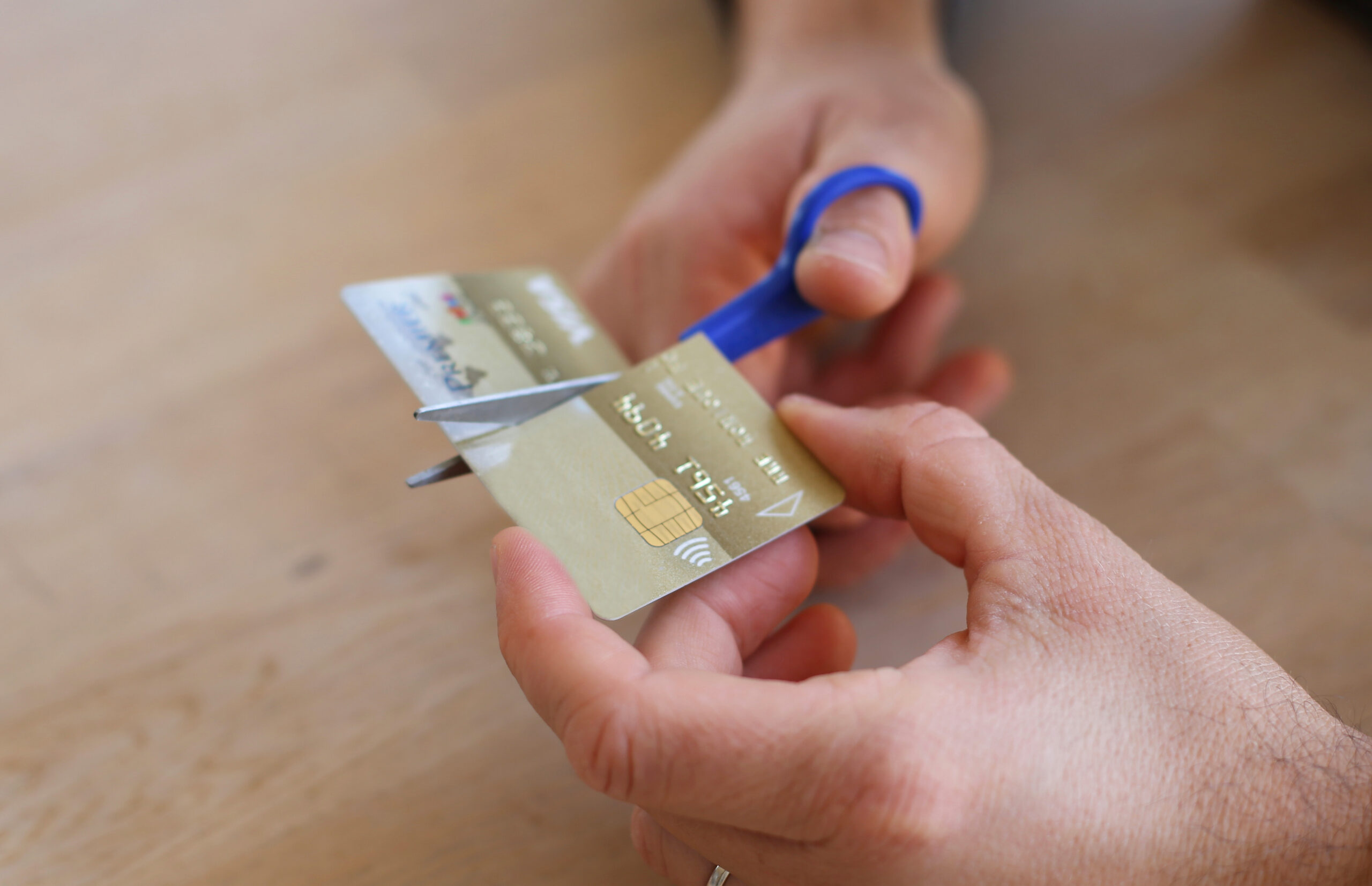
Man cutting his credit card with scissors

Middle-class Americans are becoming increasingly savvy about where their money goes. By cutting down on unnecessary expenses, they can manager their budgets more effectively. It’s all about prioritizing needs over wants, so you can live comfortably without sacrificing financial security. Smart spending always pays off in the long run.

Read More: 

How to Save on Your Family’s Medical Expenses While in Debt

Save Money By Not Shopping At These 10 High-End Grocery Stores

Filed Under: personal finance Tagged With: cutting expenses, expenses Americans aren't spending money on, middle class budget cuts, pointless expenses, things people are no longer buying, unnecessary expenses

7 Places You Are Wasting Money on Fast Food

June 13, 2024 By Catherine Reed Leave a Comment

7 Places You Should Never Waste Money on Fast Food

Fast food is often a convenient option for a quick meal, but there are certain places where it’s better to avoid spending your hard-earned money on fast food. Whether due to health concerns, high prices, or simply poor quality, knowing where to skip the fast food can save you from wasting money on disappointing meals. With an increasing focus on health and budget-conscious living, it’s crucial to identify these locations. Here are seven places you should stop wasting money on food.

1. Tourist Traps

Fast food restaurants in popular tourist areas often charge higher prices for the same items you could find elsewhere. These establishments take advantage of the high foot traffic and limited dining options available to tourists. Food quality can also be subpar as these locations prioritize speed and volume over quality. Instead of wasting money on overpriced and mediocre fast food, seek local eateries offering a more authentic and affordable dining experience.

2. Airports

Airport fast food options are significantly more expensive than their counterparts outside. The convenience of grabbing a quick bite before a flight often comes at a premium, with inflated prices for basic menu items. Additionally, the quality and freshness of the food can be compromised due to the high turnover and the logistical challenges of airport catering. To avoid wasting money on overpriced and potentially lackluster meals, consider bringing snacks or dining before heading to the airport.

3. Gas Stations

Wasting Money on Fast Food at Gas Stations

While it might be tempting to grab a quick meal at a gas station fast food outlet during a road trip, these locations often offer low-quality options. The focus is typically on convenience rather than nutrition or taste, resulting in meals that may be greasy, stale, or lacking in flavor. Moreover, the limited selection at these spots can leave you with few healthy choices. Instead of wasting money on food that is unsatisfying, plan your stops at reputable restaurants along your route.

4. Sports Venues

Fast food at sports venues is notoriously overpriced, inflating prices to capitalize on the captive audience. The food quality often doesn’t match the high cost, leaving you with an expensive yet unsatisfying meal. Additionally, the limited options available at these venues can mean sacrificing nutritional value for convenience. Avoid wasting money on overpriced fast food at sports events by eating beforehand or bringing your own snacks if allowed.

5. Amusement Parks

Amusement Parks

Fast food in amusement parks can be shockingly expensive, with prices reflecting the high demand and exclusive access. Plus, inflation and other factors are pushing prices up even more. The quality often falls short as well, with food that may be pre-made and reheated rather than freshly prepared. The combination of high prices and mediocre quality makes amusement park fast food a poor investment. To save money and enjoy better meals, consider packing your own food or leaving the park for meals if possible.

6. Highway Rest Stops

Highway rest stops often feature fast food outlets that cater to travelers looking for a quick bite. However, these locations typically offer overpriced and uninspired menu options. The convenience comes at the cost of quality and value, with meals that are often less satisfying than those from standalone restaurants. Instead of wasting money on highway rest stop fast food, plan your stops at well-reviewed local diners or restaurants just off the highway.

7. Train Stations

Wasting Money on Food at Train Stations

Similar to airports, train stations often feature fast food options that are both overpriced and of questionable quality. The convenience of grabbing a quick meal before boarding comes at a significant markup, with limited choices that may not meet your taste or nutritional standards. The rush to serve many passengers quickly can also impact the freshness and overall quality of the food. To avoid wasting money on subpar fast food at train stations, plan your meals ahead or explore dining options near the station.

Stay on Budget by Not Wasting Money on Fast Food!

Avoiding fast food in these seven places can help you save money and enjoy better meals. By being mindful of where you spend your money on food, you can make healthier and more satisfying choices. Whether traveling or enjoying a local outing, planning your meals and seeking out quality options can enhance your overall experience. Stay conscious of these common fast food pitfalls to avoid wasting money on disappointing meals.

Read More:

The Top 15 Unique Food and Drink Products That Are Taking Over Social Media

Fast Food or Fine Dining: 10 Unexpected Experiences of Eating Out

Filed Under: waste of money Tagged With: dining, fast food, food, food spending, restaurants, waste of money, wasting money

Buying Clothes When Losing Weight: 12 Ways To Save Money Until You Reach Your Ideal Weight

June 12, 2024 By Alyssa Serio Leave a Comment

Woman feet on scales.

Losing weight is a rewarding journey, but it can present practical challenges. You need to keep up with clothes for weight loss that accommodate your changing body size without it costing a fortune. Whether you’re shedding pounds due to diet, exercise, or a lifestyle change, it’s important to find cost-effective ways to feel good in what you wear. Here are 12 savvy strategies for managing your wardrobe and budget while you progress toward your ideal weight.

1. Invest in Adjustable Clothing

Man in oversized pants in weight loss concept

Look for clothes with adjustable features such as drawstrings, elastic bands, and belts. These items can easily adapt to changes in your body size, allowing you to maintain a comfortable and flattering fit as you lose weight. Adjustable clothing can often be worn through several stages of weight loss, reducing the need to buy new items frequently. Plus, these clothes are comfy to lounge around in when you’re finally at your goal.

2. Embrace Layering

Photo of blond model in hood and in jacket against winter day

Layering is on trend, and it’s flattering as you fluctuate between weight sizes. Fill up your wardrobe with versatile staples like cardigans, blazers, and vests. These extra layers can cover up any weird fits, while still looking polished and put-together. Think of these pieces as proof that clothes for weight loss don’t have to look baggy and bulky.

3. Shop Secondhand

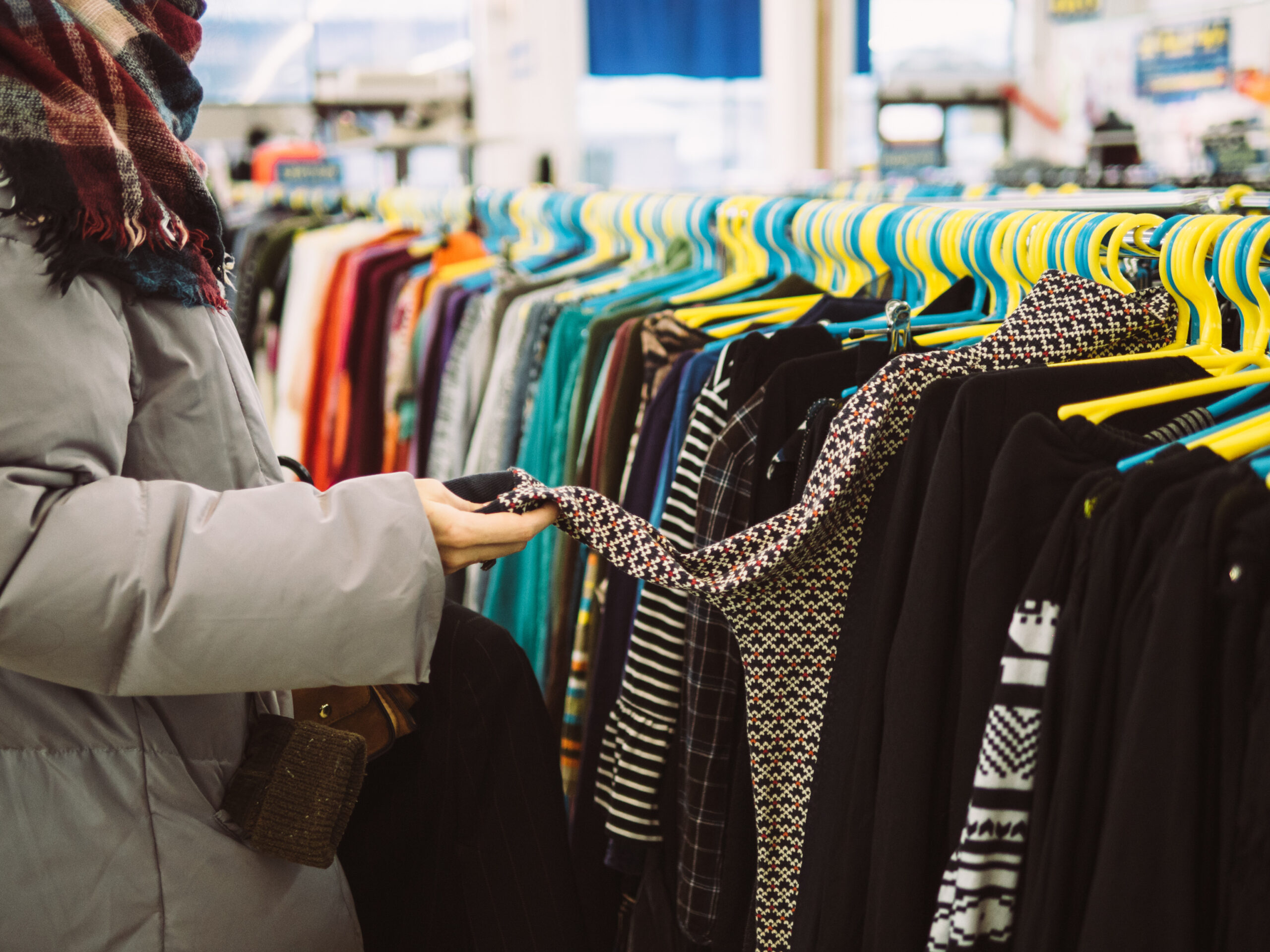
Young woman is browsing a rail of clothes at mall store

Don’t be shy about going to Goodwill, Salvation Army, and other secondhand shops to find new clothes. Thrift stores can be goldmines for finding quality, stylish clothing at a fraction of the retail price. This is especially useful when you need cheap clothes for a transitioning period that you may not keep. Why bother spending a bunch of money on items you may end up getting rid of in the future?

4. Utilize Tailoring

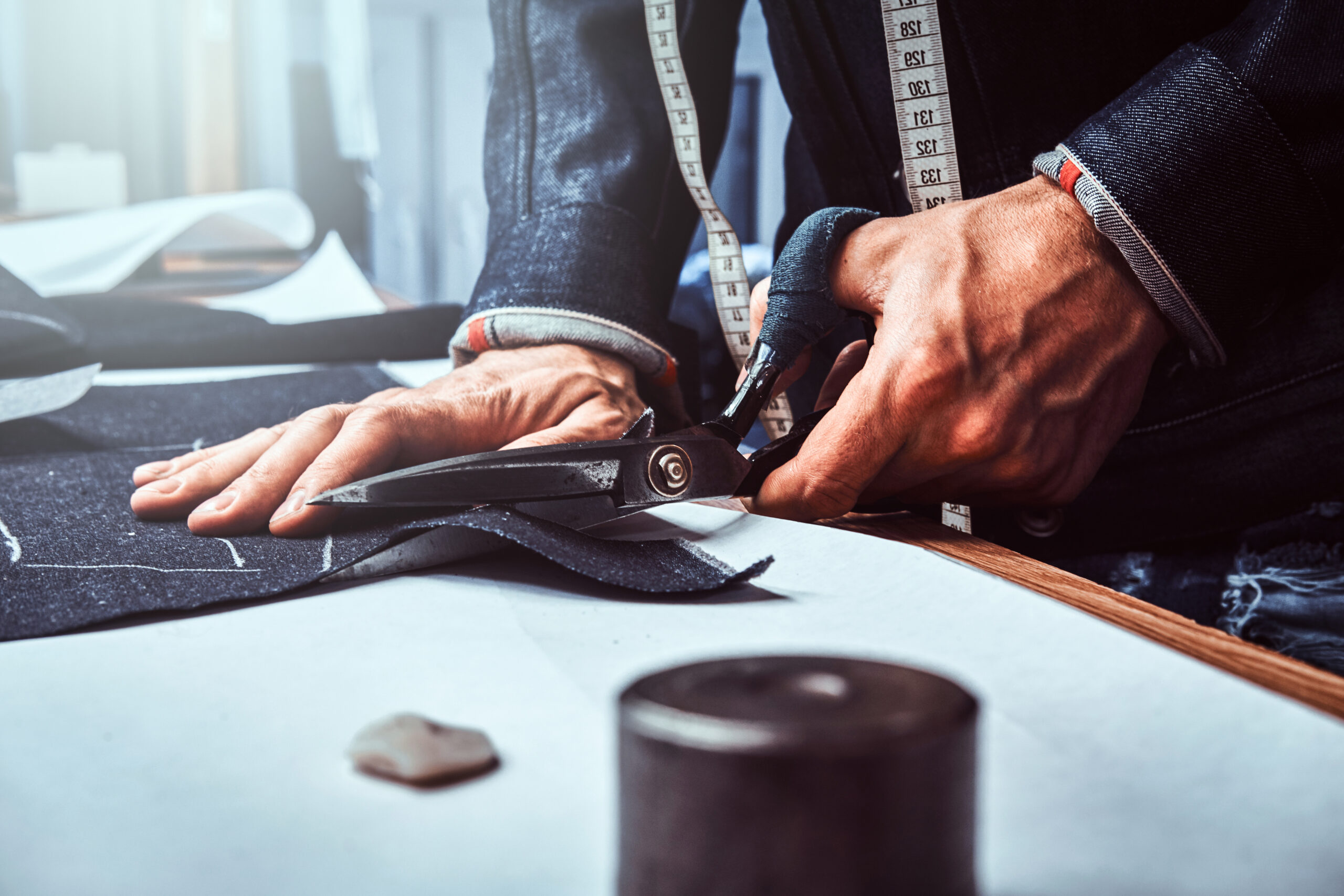
Fashion designer is cutting off fabric with scissors.

Do you have a favorite dress that you still want to wear even as you lose weight? Invest in tailoring, which costs anywhere from $2 to $250, depending on what you need. Sometimes, tailoring existing clothes is more cost-effective than purchasing new ones. Simple alterations like taking in a waistband or shortening straps can extend the life of your clothing and adapt to your new size without breaking the bank.

5. Buy Basics in Multiple Sizes

Young woman looking new shirt shopping in store.

Jeans, t-shirts, tank tops, shorts, and other essentials are always in style. Buy these basics in multiple sizes when they’re on sale to accommodate your weight loss journey. Don’t worry about having a surplus of clothes down the line. You can always donate the items that no longer fit your new body shape.

6. Host a Clothing Swap

woman looking at some clothes in the fashion store

Have some fun while you purge your wardrobe. It’s as easy as organizing a clothing swap with friends or within your local community. A clothing swap is a fun way to refresh your wardrobe for free and pass along items that no longer fit. Set out food, play good music, and have a blast!

7. Focus on Accessories

Happy woman wearing hat

You can always dress up the items that no longer fit you. Scarves, jewelry, and hats can divert attention from parts of your wardrobe that might feel less than perfect. Plus, they always fit! Investing in accessories can spice up your outfits without costing as much as new clothes.

8. Choose Classic Over Trendy

stack of clothes with gym shoes on top

Trends come and go. By opting for classic styles rather than following fast fashion trends, you’ll ensure you’re not wasting money on clothes for weight loss. Classic pieces are more likely to remain in style, giving you a longer wear period despite body changes. This also ensures that any investment pieces can be worn longer, providing better value for money.

9. Use Sales and Discounts

Red

Everybody loves a good discount. Keep an eye on sales and special promotions at your favorite stores. Timing your purchases for end-of-season sales can help you stock up on larger or smaller sizes without spending too much. You can also sign up for newsletters and alerts to get coupons and stay up-to-date on deals.

10. Embrace Stretchy Fabrics

Obese woman doing sport stretching outdoors in park

Clothing made from stretchy fabrics can be more forgiving and flexible as your body size changes. Spandex is particularly nice since it adapts to your shape and can often fit beautifully across a couple of different sizes. Wear these fabrics when you’re out to feel more confident. They’ll be a real lifesaver when you’re in your “awkward” phase of weight loss.

11. Rent Clothes for Special Occasions

Cropped image of black suit with flower pin in the collar

If you have a wedding around the corner, don’t pay for a dress that you’ll never wear again. Consider renting that fancy garment instead. Rental services offer high-end fashion at a fraction of the cost, ensuring you look good without going broke. You’ll always have the pictures to look back on at that awesome outfit without having it clutter up your closet.

12. Simplify Your Wardrobe

Model in fall cozy sweater and boho jewelery

Keep it simple, sunshine. Adopt a minimalist wardrobe with pieces that mix and match well. Creating a capsule wardrobe with versatile items that coordinate can decrease the number of pieces you need. It will be easier to adjust as your size changes.

Looking Good

Lose weight pinned on the calendar

Every milestone you hit on your fitness and nutrition journey should feel grandiose and exciting. You shouldn’t feel bogged down by having to buy clothes for weight loss that drain your wallet. By using these strategies, you can save money while still enjoying a functional and fashionable wardrobe. Focus on your health and comfort.

Read More:

Do Fitness and Frugality Go Together?

11 Unconventional Frugal Habits to Try Today

Filed Under: exercise Tagged With: buying clothes for weight loss, clothes for weight loss, clothes to wear while losing weight, what clothes to wear while losing weight

  • « Previous Page
  • 1
  • …
  • 65
  • 66
  • 67
  • 68
  • 69
  • …
  • 179
  • Next Page »
  • Facebook
  • Pinterest
  • RSS
  • Twitter

Improve Your Credit Score

Money Blogs

  • Celebrating Financial Freedom
  • Christian PF
  • Dual Income No Kids
  • Financial Panther
  • Gajizmo.com
  • Lazy Man and Money
  • Make Money Your Way
  • Money Talks News
  • My Personal Finance Journey
  • Personal Profitability
  • PF Blogs
  • Reach Financial Independence
  • So Over Debt
  • The Savvy Scot
  • Yes, I am Cheap

Categories

Disclaimer

Please note that Beating Broke has financial relationships with some of the merchants mentioned here. Beating Broke may be compensated if consumers choose to utilize the links located throughout the content on this site and generate sales for the said merchant.

Visit Our Advertisers

Need to change careers? Consider an Accounting Certificate Program from WTI.