Beating Broke

Personal Finance from the Broke Perspective

  • Home
  • About
  • We Recommend
  • Contact
  • Our Editorial Commitment

Powered by Genesis

Search Results for: budget

In Today’s Financial Environment Am I Still Wasting Money on Rent?

June 7, 2024 By Catherine Reed Leave a Comment

In Today's Financial Environment Am I Still Wasting Money on Rent

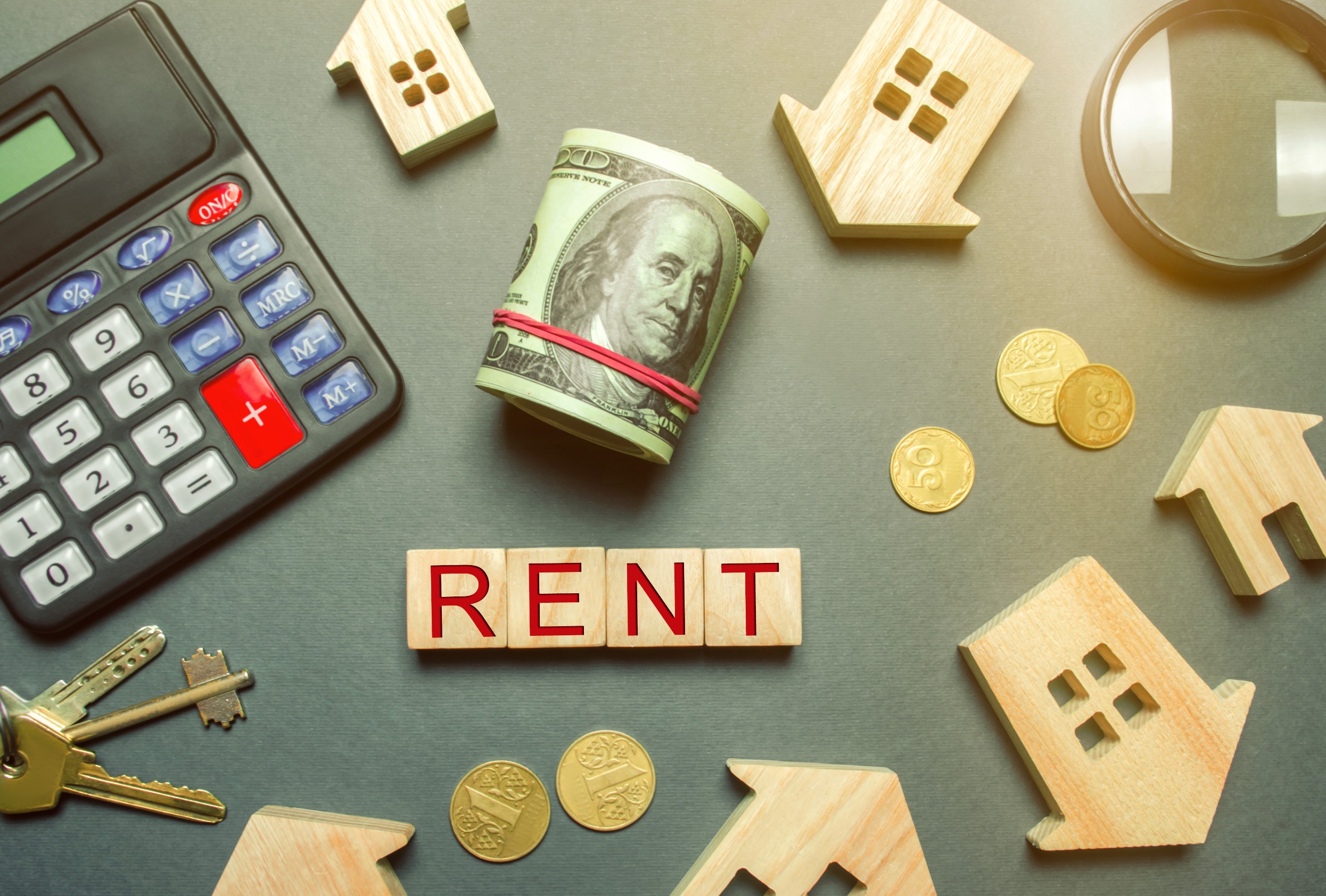
With the ever-changing financial landscape, many people question whether renting is a prudent choice or a waste of money. Rising property prices, fluctuating interest rates, and economic uncertainties make this a timely and relevant topic. Understanding the nuances of renting versus buying is crucial for making informed financial decisions. Here, we explore whether you are genuinely wasting money on rent in today’s economic environment.

The Flexibility of Renting
The Flexibility of Renting

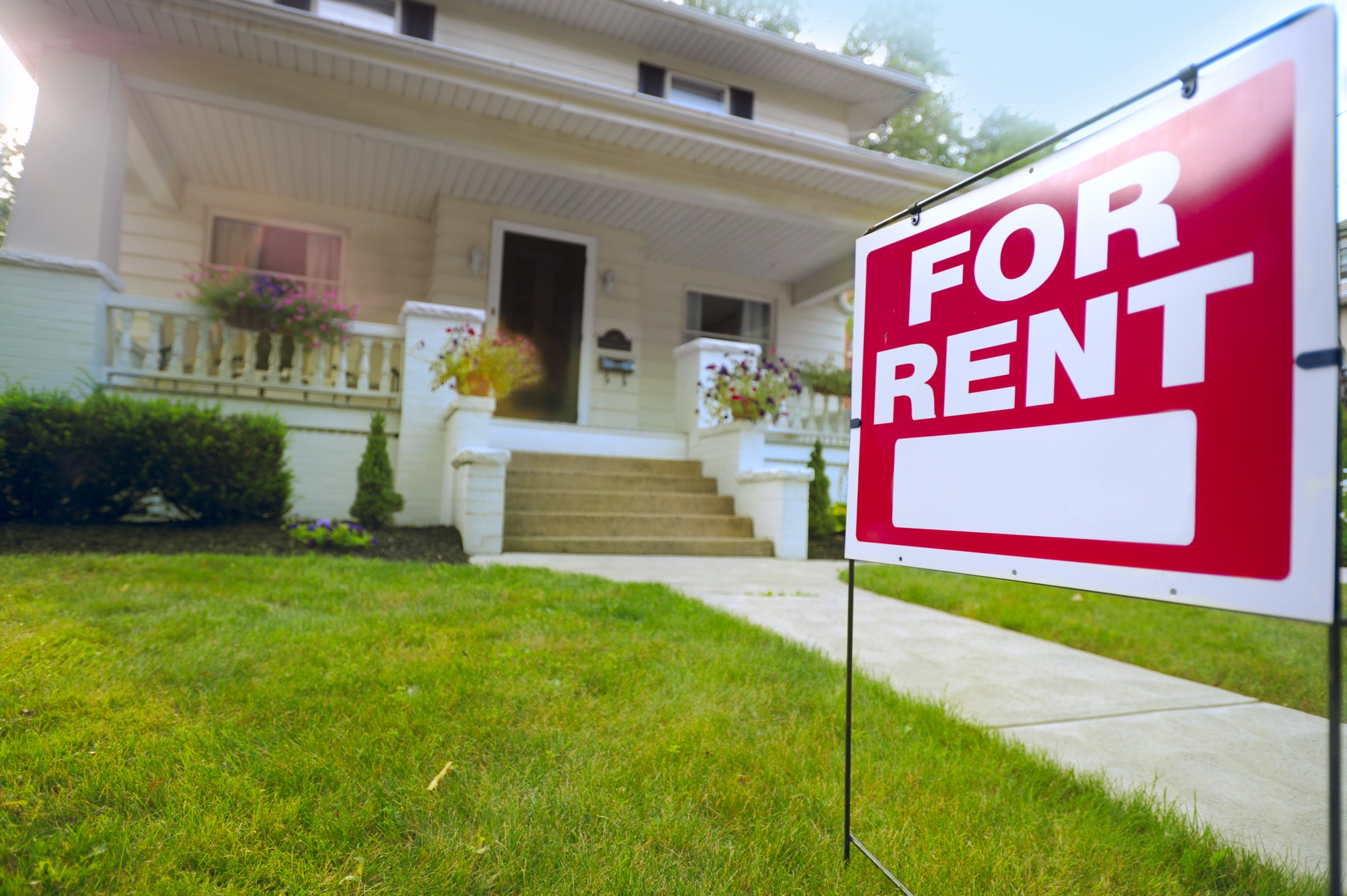
Renting offers flexibility that homeownership often cannot match. For those with transient jobs or uncertain future plans, renting provides the freedom to relocate without the long-term commitment of a mortgage. Additionally, renters can often move to different neighborhoods or cities with relative ease. This flexibility is invaluable for those who value mobility and adaptability.

Upfront Costs and Financial Barriers
Upfront Costs and Financial Barriers

One of the significant advantages of renting is the lower upfront cost. Purchasing a home typically requires a significant down payment, with the preferred target being 20 percent. Plus, there are closing costs and other fees that can be a financial barrier for many. Renting, on the other hand, usually involves a security deposit and the first month’s rent, making it more accessible. These lower initial costs can free up money for other investments or savings goals.

Maintenance and Repair Responsibilities
Maintenance and Repair Responsibilities

Renters generally aren’t responsible for maintenance and repairs, which can save a considerable amount of money and hassle. Homeowners must budget for unexpected expenses like plumbing issues, roof repairs, and appliance replacements. These costs can add up quickly and strain financial resources. By renting, individuals can avoid these unpredictable expenses and the stress that comes with them.

Opportunity Costs of Renting
Opportunity Costs of Renting

While renting offers several financial advantages, it also comes with opportunity costs. Rent payments do not build equity, meaning the money spent on rent does not contribute to ownership or asset accumulation. Over the long term, this can result in a significant financial disadvantage compared to owning a home. Evaluating these opportunity costs is essential for understanding the true financial impact of renting.

Housing Market Volatility
Housing Market Volatility

The housing market’s volatility plays a crucial role in the rent versus buy decision. In times of economic uncertainty, property values can fluctuate dramatically, impacting the potential return on investment for homeowners. Renting can be a safer option during such periods, as it avoids the risk of property devaluation. Understanding the current housing market trends can help determine whether renting is a better choice financially.

Financial Stability and Job Security

Financial Stability and Job Security

Renting can be advantageous for those with unstable income or job security. Without the burden of a mortgage, renters may find it easier to adjust their living expenses to match their financial situation. This can provide a safety net during times of economic hardship or career transitions. Ensuring financial stability and adaptability is crucial in today’s unpredictable economic environment.

Real Estate Investment Alternatives
Real Estate Investment Alternatives

For those questioning whether they are wasting money on rent, exploring real estate investment alternatives can be beneficial. Investing in real estate through REITs (Real Estate Investment Trusts) or other property investment vehicles allows individuals to gain exposure to the real estate market without purchasing a home. These investments can provide income and potential capital gains while maintaining the flexibility of renting.

Comparing Rent and Mortgage Payments
Comparing Rent and Mortgage Payments

Comparing monthly rent payments to potential mortgage payments is essential for making an informed decision. In some markets, mortgage payments may be comparable to or even lower than rent payments, making homeownership a financially viable option. However, this comparison should also consider property taxes, insurance, and maintenance costs. A thorough analysis helps determine the most cost-effective living arrangement.

Long-Term Financial Goals
Long-Term Financial Goals

Aligning your housing choice with your long-term financial goals is crucial. If building wealth and financial security are priorities, owning a home can be a strategic move, provided it aligns with your budget and lifestyle. Conversely, if flexibility, lower upfront costs, and avoiding maintenance responsibilities are more critical, renting may be the better choice. Balancing these factors helps achieve a stable and fulfilling financial future.

Economic Trends and Rent Prices

Economic Trends and Rent Prices

Current economic trends and rent prices significantly impact the decision to rent or buy. In some areas, rent prices have surged, making homeownership more attractive. Understanding local rent trends and comparing them to housing market conditions can provide valuable insights. Staying informed about economic developments ensures that your housing decision remains financially sound.

You’re Not Necessarily Wasting Money on Rent

You’re Not Necessarily Wasting Money on Rent

Renting offers flexibility, lower upfront costs, and extra freedom – particularly when it comes to maintenance responsibilities and the ability to move more spontaneously – making it an attractive option for many. However, the opportunity costs of not building equity and the potential advantages of homeownership cannot be ignored. By carefully considering personal financial stability, market conditions, and long-term goals, you can determine whether renting is the right choice in today’s financial environment. Making a thoughtful decision ensures that you are not wasting money on rent but rather making a strategic financial choice that aligns with your lifestyle and future aspirations.

Read More:

Millennials Will Be Living with Their Parents Forever: 12 Ways to Get Out

How to Prepare for Major Expenses Associated with Your Home

Filed Under: housing Tagged With: buying a home, homeownership, housing costs, mortgage, real estate, rent, wasting money on rent

Save Money By Not Shopping At These 10 High-End Grocery Stores

June 6, 2024 By Alyssa Serio Leave a Comment

Woman shopping for alcohol

Grocery shopping is something most of us do every week. It can take a large chunk of our income to stock up on snacks and food for meals, especially if you do your shopping at any of these expensive grocery stores. Known for their premium selection, these stores have quality produce and a variety of options, but it comes at a price. Here are high-end grocery stores where prices tend to be higher than average.

1. Whole Foods Market

Brown bag filled with fruits and veggies

Whole Foods Market is often referred to as “Whole Paycheck” due to its high prices. People love shopping here for unique items and top-notch, organic produce, but this store should never be your regular haunt. Consider shopping for only specialty items at Whole Foods. All your other staples should be purchased at more budget-friendly stores.

2. The Fresh Market

Woman shopping for fresh produce

As the name suggests, the Fresh Market focuses on providing fresh, delicious food. Of course, like with other high-end grocery stores, this quality comes at a steep price. The store’s atmosphere and produce and meats are appealing, so budget accordingly to splurge on certain items. Consider visiting less frequently so every trip feels like a treat.

3. Sprouts Farmers Market

Woman shopping for fresh apple

According to the U.S. Department of Agriculture, the number of farmers markets in this country is steadily increasing each year. Shoppers who can’t find a market near them go to Sprouts instead to find the same quality fresh produce and health-centric products. Keep in mind that Sprouts’ prices are higher than other supermarkets, particularly for organic items. Only visit this store when need a certain food or delicacy.

4. Trader Joe’s

Man shopping for yellow bell peppers

Although Trader Joe’s has a cult following, it can be a more expensive choice for certain items. This high-end store, which opened in Pasadena in the late 1960s, has organic produce and specialty vegan and gluten-free items. It’s a great place to shop for unique treats and meals. For basic groceries, you might find better prices elsewhere.

5. Dean & DeLuca

Man holding orange shopping basket with groceries

Dean & DeLuca literally caters to a niche market. With an expensive menu of gourmet items, this upscale grocery chain has various locations throughout the country. This store is more suitable for occasional visits. Check it out if you’re in the area.

6. Gelson’s Markets

Man pushing shopping cart filled with greens

If you want to feel fancy, you can visit the finest, high-end grocery stores in the United States. Be sure to check out Gelson’s, which is known for its quality, service, and clean environment. The store offers a superb selection of prepared foods and quality meats and produce, which are great for special occasions. With high prices, it’s just not a practical choice for everyday shopping.

7. Erewhon Market

Woman in background pushing shopping cart, fresh lemons in foreground

On the Erewhon Market website, they claim to “believe that nutrition is the key to a radiant lifestyle.” Of course, that radiant lifestyle comes at a steep price. This upscale grocery chain in Southern California specializes in organic and sustainable products. Erewhon Market is trendy for its health and wellness-focused items, but the prices reflect the store’s upscale positioning.

8. Fairway Market

woman putting products on conveyor belt at checkout, grocery shopping

More than two-thirds of shoppers are willing to pay more for high-quality food. These folks may visit Fairway Market, a chain of grocery stores primarily located in the Northeast. Fairway Market offers a wide range of gourmet foods and organic produce. While it’s a food lover’s paradise, the prices can be steep compared to other local options.

9. Balducci’s

woman with food basket at grocery or supermarket

Are you on a budget? Balducci’s is another high-end grocery store that shouldn’t be on your list of places to visit. While you can indulge in a vast selection of international cheeses, specialty meats, and prepared foods, this upscale store isn’t ideal for regular shopping trips. Splurge on their gourmet selection for fancy events like dinner parties or weddings.

10. Bristol Farms

person pushing cart in grocery store

Bristol Farms offers gourmet and specialty products that are hard to find elsewhere. While their stores provide a unique shopping experience, the prices are significantly higher than what you would encounter at a conventional grocery store. It may be worth an occasional splurge on their premium selection. Time your shopping trips accordingly.

Smart Shopping

family with food in shopping cart at grocery store

High-end grocery stores are interesting stops to make while running your errands. You’ll be greeted by a wide range of gourmet foods and drinks, sometimes even from other countries. The tradeoff for this premium selection is higher grocery bills. Only visit these upscale grocery stores as an occasional gift to yourself but avoid them for your regular weekly grocery shopping.

Read More: 

Dollar Tree Dilemma: 12 Grocery Items That Are Cheaper At Every Store Except Dollar Tree

Grocery Shopping Secrets: 13 Foods With Amazingly Long Shelf Lives

Filed Under: Groceries Tagged With: expensive grocery stores, high-end grocery stores, most expensive grocery stores, premium grocery stores, upscale grocery chains, upscale grocery stores

How Much Should I Spend on a Car if I Make $100,000?

June 6, 2024 By Catherine Reed Leave a Comment

How Much Should I Spend on a Car if I Make $100,000

“How much should I spend on a car?” is a big question that’s not always easy to answer at first. Deciding how much to spend on a car can be challenging, especially when considering a $100,000 annual income. While it’s tempting to splurge on a luxurious vehicle, it’s essential to balance this desire with financial prudence. Factors such as debt, savings goals, and overall budget play significant roles in determining the appropriate expenditure on a car. Here are some guidelines to help you make an informed decision about how much to spend on a vehicle.

The 20/4/10 Rule

The 20/4/10 rule provides a practical guideline for car purchasing. According to this rule, you should aim to put down at least 20% of the car’s price as a down payment, finance the car for no more than four years, and keep your monthly car payment (including insurance) under 10% of your gross monthly income. For someone earning $100,000 annually, this means a maximum monthly car payment of approximately $833. This rule helps ensure that you don’t overextend yourself financially.

Considering Other Expenses

When answering, “How much should I spend on a car?” consider all related expenses, not just the sticker price. Monthly payments, insurance, maintenance, and fuel costs should all fit comfortably within your budget. On a $100,000 salary, it’s crucial to factor in these additional costs to avoid financial strain. A comprehensive budget will help you make a realistic assessment of what you can afford.

Financial Priorities and Goals

Financial Priorities and Goals

Evaluate your financial priorities and long-term goals before making a car purchase. Are you saving for a house, planning for retirement, or building an emergency fund? Allocating too much money to a car can hinder your ability to achieve these goals. Ensuring that your car budget aligns with your broader financial objectives is key to maintaining financial health.

Total Cost of Ownership

The total cost of ownership (TCO) includes more than just the purchase price of the car. Depreciation, fuel, insurance, maintenance, and repairs all contribute to the TCO. Research the TCO of different car models to understand their long-term costs. This approach helps you avoid unforeseen expenses and ensures you choose a car that fits your financial situation.

New vs. Used Cars

Deciding between a new or used car significantly impacts how much you should spend. New vehicles depreciate rapidly, losing a significant portion of their value within the first few years. A used car, particularly one that is two to three years old, can offer better value and lower depreciation rates. Considering a used vehicle can help you get more for your money while adhering to your budget.

Leasing vs. Buying

Leasing a car might be an attractive option if you prefer driving newer models and want lower monthly payments. However, leasing comes with mileage limits and potential fees for excess wear and tear. Buying a car, on the other hand, provides ownership and can be more cost-effective in the long run. Evaluate the pros and cons of leasing versus buying to determine which option best suits your financial situation.

Emergency Fund Considerations

Emergency Fund Considerations

While answering the question, “How much should I spend on a car?” ensure you have sufficient emergency funds before making the purchase. Financial advisors typically recommend having three to six months’ worth of living expenses saved. This fund provides a safety net for unexpected expenses or income loss. Prioritizing your emergency fund can prevent financial stress in the event of unforeseen circumstances.

Avoiding Overextension

It’s easy to get carried away with the allure of a high-end vehicle, but it’s crucial to avoid overextension. Spending too much on a car can lead to financial stress and limit your ability to enjoy other aspects of life. Aim to strike a balance between a vehicle that meets your needs and one that allows you to maintain a comfortable lifestyle. Staying within your means is essential for long-term financial stability.

Resale Value

Consider the resale value of the car you’re interested in. Some vehicles retain their value better than others, which can significantly impact your financial position when it’s time to sell or trade in. Research the resale values of different models to make a more informed decision. Choosing a car with a high resale value can provide better long-term financial outcomes.

Insurance Costs

Insurance premiums vary significantly based on the car’s make, model, and age. Luxury or high-performance vehicles often come with higher insurance costs. Obtain insurance quotes for the cars you’re considering to ensure the premiums fit within your budget. This step helps you avoid surprises and ensures you can afford the total cost of ownership.

Fuel Efficiency

Fuel Efficiency

Fuel efficiency is another critical factor to consider when determining how much to spend on a car. Cars with better fuel economy can save you significant money on gas over time. Evaluate the fuel efficiency ratings of different models to find a balance between performance and cost savings. Opting for a fuel-efficient vehicle can reduce your overall transportation expenses.

Personal Preferences and Needs

Finally, consider your personal preferences and needs when deciding how much to spend on a car. Do you prioritize luxury features, or are practicality and reliability more important? Assessing your driving habits, lifestyle, and priorities will help you choose a car that suits you without overspending. Making a thoughtful decision based on your unique circumstances will lead to greater satisfaction with your purchase.

You Can Figure Out, “How Much Should I Spend on a Car if I Make $100,000?”

When determining how much to spend on a car with a $100,000 income, consider these guidelines and factors to make a well-informed decision. Balancing your desire for a new vehicle with your financial responsibilities and goals ensures that you make a purchase that enhances your life without compromising your financial health. Making smart financial choices today will provide stability and flexibility for the future.

Read More:

18 Classic Car Features That Have Vanished in Modern Vehicles

Road Trips Gone Wrong: 10 Common Pitfalls and How to Avoid Them

Filed Under: Spending Tagged With: budgeting, buying a car, car ownership, how much should i spend, Personal Finance, spending

  • « Previous Page
  • 1
  • …
  • 67
  • 68
  • 69
  • 70
  • 71
  • …
  • 179
  • Next Page »
  • Facebook
  • Pinterest
  • RSS
  • Twitter

Improve Your Credit Score

Money Blogs

  • Celebrating Financial Freedom
  • Christian PF
  • Dual Income No Kids
  • Financial Panther
  • Gajizmo.com
  • Lazy Man and Money
  • Make Money Your Way
  • Money Talks News
  • My Personal Finance Journey
  • Personal Profitability
  • PF Blogs
  • Reach Financial Independence
  • So Over Debt
  • The Savvy Scot
  • Yes, I am Cheap

Categories

Disclaimer

Please note that Beating Broke has financial relationships with some of the merchants mentioned here. Beating Broke may be compensated if consumers choose to utilize the links located throughout the content on this site and generate sales for the said merchant.

Visit Our Advertisers

Need to change careers? Consider an Accounting Certificate Program from WTI.