
Beating Broke

Personal Finance from the Broke Perspective

  • Home
  • About
  • We Recommend
  • Contact
  • Our Editorial Commitment

Powered by Genesis

10 Effective Ways to Cancel Your Student Loan Debt

May 8, 2024 By Shay Huntley Leave a Comment

Student loan debt has become a significant challenge for millions, limiting career choices and delaying important life milestones. As the weight of repayment presses down, it’s essential to explore effective ways to alleviate this financial burden. The following comprehensive guide will walk you through 10 powerful strategies to cancel or reduce your student loan debt. With the right approach and resources, you can regain financial freedom and focus on achieving your career and life goals. Let’s dive in to start your journey toward a debt-free future!

1. Income-Driven Repayment Plans

 

Consider switching to an income-driven repayment plan to better manage your student loan debt. These plans adjust your monthly payment based on your income, which can make them more affordable. Additionally, after 20-25 years of regular payments, you may be eligible for student loan forgiveness. In some cases, the forgiven amount isn’t taxable. This repayment plan can also help prevent default and is only available for federal loans.

2. Public Service Loan Forgiveness (PSLF)

This program is perfect if you’re employed in the public sector or a nonprofit. You just need to make 120 qualifying payments while working full-time for an eligible employer. After 10 years, your remaining balance is forgiven. The program covers various fields like healthcare, education, and law enforcement. The eligibility requirements are strict, so follow the guidelines carefully.

3. Teacher Loan Forgiveness Program

Teachers in low-income schools can benefit significantly from this option. You must teach full-time for five consecutive years in a qualifying school. If eligible, you could have up to $17,500 of your student loans forgiven. The program applies to both direct subsidized and unsubsidized loans.

4. Military Student Loan Forgiveness Programs

Military service members can benefit from different student loan forgiveness programs. The National Defense Student Loan Discharge is one. Members of the Army, Navy, Air Force, and other branches may qualify. Each branch has unique programs, so consult the military education benefits office.

5. Employer Repayment Assistance

Some companies provide student loan repayment assistance as a benefit. Employers often match your monthly payments or provide lump-sum contributions. This benefit is becoming more common, especially in tech and finance.

6. State-Based Forgiveness Programs
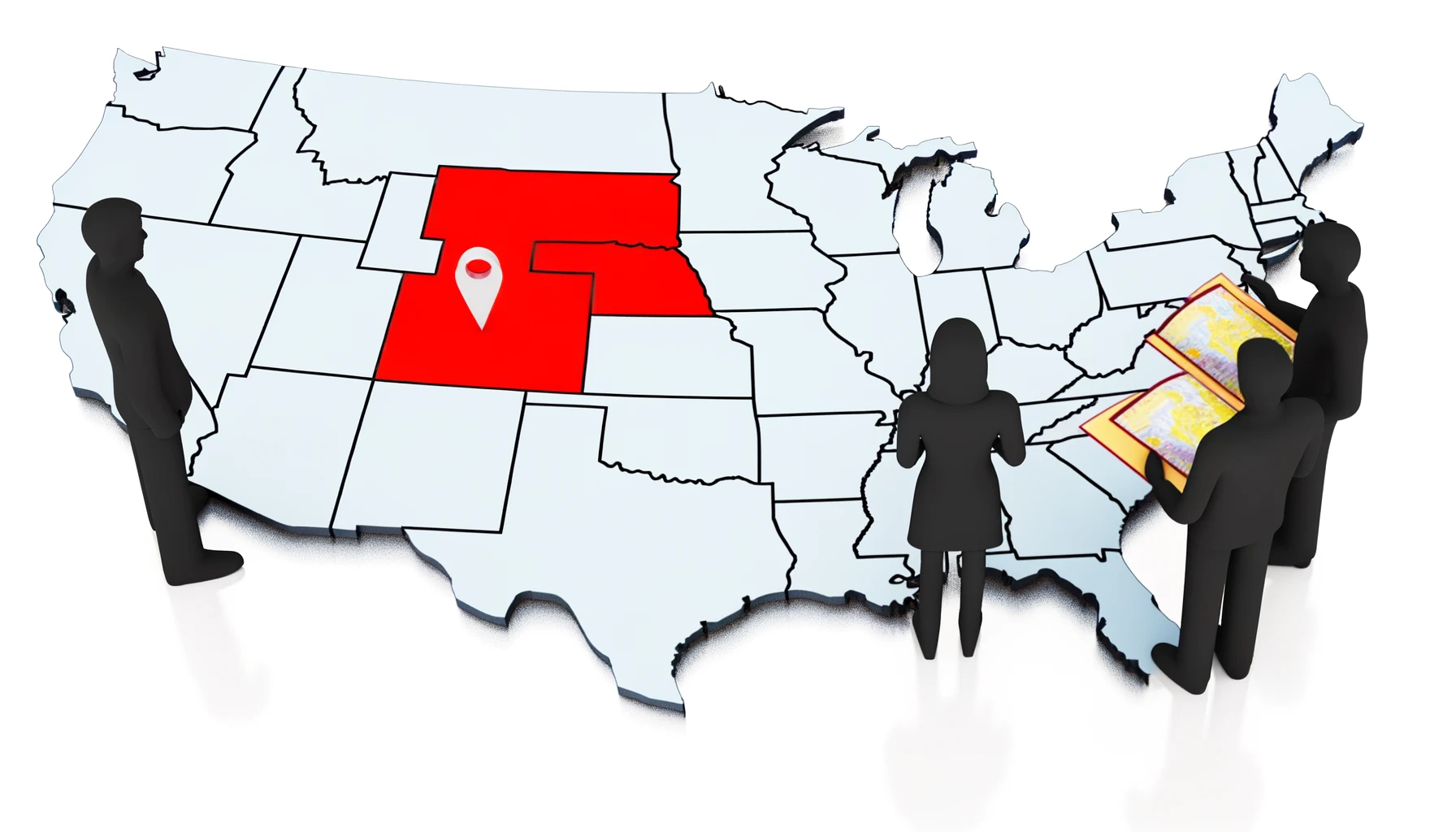
Many states offer their forgiveness programs for student loans. These are particularly beneficial if you work in high-need areas like teaching, healthcare, or law. State governments often provide a partial or complete waiver of student debt for qualifying residents. Check your state’s official website for detailed requirements.

7. Disability Discharge

Borrowers with severe disabilities can qualify for Total and Permanent Disability (TPD) discharge. Applicants must submit a certification from a physician, the SSA, or the VA. Once approved, you’re released from paying back your federal student loans. Review the eligibility conditions and application process thoroughly before applying.

8. Closed School Discharge

You can apply for closed-school discharge if your school closes while enrolled. The program cancels the debt entirely if you can’t finish your program due to the closure. You may also qualify if the school closed shortly after your withdrawal.

9. Bankruptcy Discharge (In Rare Cases)

Although rare, you could have your student loans discharged in bankruptcy. Proving “undue hardship” is challenging, but the courts may consider severe medical conditions, disability, or extreme financial struggles. Consult an attorney specializing in student loan bankruptcy for advice.

10. Seek Refinancing or Consolidation

Refinance your loans to lower interest rates and save thousands over time. This is ideal if you have high-interest private loans. Federal loan consolidation combines multiple federal loans into one, simplifying your payments. Note that refinancing federal loans through a private lender may affect your eligibility for student loan forgiveness.

Start Your Path to Student Loan Forgiveness Now
 

Ready to tackle your debt and seek student loan forgiveness? Research these strategies further and consult financial experts to see which is best for you. Start today and work towards a debt-free future!

Read More

Tips for Avoiding Student Loan Debt

10 Baby Boomer Life Skills That Are Useless Today

Shay Huntley
Shay Huntley

Shatel Huntley has a Bachelor’s degree in Criminal Justice from Georgia State University. In her spare time, she works with special needs adults and travels the world. Her interests include traveling to off-the-beaten-path destinations, shopping, couponing, and saving.


Filed Under: Student Loans Tagged With: debt relief, education loans, financial planning, loan forgiveness programs, public service loan forgiveness, student loan forgiveness

8 Potential Impacts of Social Security Raising the Retirement Age

May 3, 2024 By Catherine Reed Leave a Comment

8 Potential Impacts of Social Security Raising the Retirement Age

As discussions around the sustainability of Social Security intensify, one proposed solution that frequently emerges is raising the retirement age. This change could have broad implications not only for future retirees but also for the overall economy and workforce structure. Here, we explore eight potential impacts of Social Security raising the retirement age, a topic of significant importance to policy-makers, employers, and individuals planning for retirement.

1. Delayed Access to Retirement Benefits

Delayed Access to Retirement Benefits

Raising the retirement age means individuals will wait longer to access their Social Security benefits. Currently, the full retirement age for Social Security is between 66 and 67, depending on one’s birth year, with the option to claim reduced benefits as early as 62. Increasing the retirement age could push both of these milestones back, forcing people to remain in the workforce longer to maintain their income until they can claim benefits. This could be particularly challenging for those in physically demanding jobs or those facing health issues as they age.

2. Increased Financial Pressure on Older Workers

Increased Financial Pressure on Older Workers

As the retirement age increases, older workers will have to find ways to bridge the financial gap until they can receive Social Security benefits. This necessity could place additional financial pressure on those who are less prepared for retirement using other mechanisms – such as 401(k)s or IRAs – a potentially resulting in higher poverty rates among the elderly population.

3. Extended Workforce Participation

Extended Workforce Participation

Raising the retirement age could result in older individuals staying in the workforce longer, which might have mixed effects on the economy. On the one hand, extended workforce participation can contribute positively by keeping experienced workers active and maintaining a larger workforce, thereby supporting economic productivity. On the other hand, it might lead to increased unemployment or underemployment among younger people, as fewer job openings become available due to older employees delaying their retirement. Additionally, the need to work longer could be problematic for workers who lose their jobs in their later years and face age discrimination in the job market.

4. Shifts in Pension and Retirement Savings Plans

Shifts in Pension and Retirement Savings Plans

Pushing back the official retirement age means individuals and employers may need to adjust how they approach retirement savings. Employers might alter pension plan payouts and contributions. At the same time, individuals may need to increase their retirement savings or change their investment strategies to ensure they have sufficient funds to cover a longer period of retirement. This shift could lead to a greater reliance on private savings and investment management, changing the landscape of retirement planning.

5. Health Implications for Older Workers

Health Implications for Older Workers

Working longer could have significant health implications for older adults. The stress of continuing in a full-time job and the physical demands of certain professions could exacerbate health problems typical of old age. Conversely, staying active and engaged in work can have positive health benefits, including prolonged mental acuity and social connections. The net impact would largely depend on the nature of the work and the individual’s health status.

6. Policy Adjustments in Healthcare and Elder Care

Policy Adjustments in Healthcare and Elder Care

With an aging population working longer, there might be increased demand for healthcare services, workplace accommodations, and elder care resources. Policy adjustments could be necessary to support older workers, such as improved healthcare access, workplace modifications, and perhaps incentives for employers to retain and support older employees. These changes would require careful planning and resources to ensure that the needs of an older working population are met.

7. Changes in Social Attitudes and Expectations

Changes in Social Attitudes and Expectations

Raising the retirement age could shift societal perceptions of aging and retirement. There could be a greater appreciation of the value and experience of older workers, potentially reducing age discrimination. However, it might also lead to increased expectations for older adults to remain productive well into what traditionally would have been their retirement years, which could add social pressure and stress.

8. Economic Impact on the Social Security System

Economic Impact on the Social Security System

One of the primary reasons for raising the retirement age is to improve the financial stability of the Social Security system. By delaying when individuals start to draw benefits, there’s less strain on Social Security funds, potentially prolonging the program’s solvency. This change would be crucial in managing the increased demands on Social Security as the population ages and the ratio of workers to retirees decreases.

Be Ready for the Potential Impacts of Social Security Raising the Retirement Age

Be Ready for the Potential Impacts of Social Security Raising the Retirement Age

Raising the retirement age could profoundly affect many aspects of society and individual lives. While it presents a potential solution to the financial challenges facing Social Security, carefully considering the broader implications is a must. These impacts include the personal financial strain on older workers, changes in workforce dynamics, and the overall health and well-being of the aging population. As such, it’s crucial to approach any decision to modify the retirement age with a comprehensive understanding of these multifaceted outcomes.

Read More:

12 Cities You Wouldn’t Believe Are Retirement Paradises

There Is No Ideal Time to Contribute to Retirement

Catherine Reed
Catherine Reed

Catherine is a tech-savvy writer who has focused on the personal finance space for more than eight years. She has a Bachelor’s in Information Technology and enjoys showcasing how tech can simplify everyday personal finance tasks like budgeting, spending tracking, and planning for the future. Additionally, she’s explored the ins and outs of the world of side hustles and loves to share what she’s learned along the way. When she’s not working, you can find her relaxing at home in the Pacific Northwest with her two cats or enjoying a cup of coffee at her neighborhood cafe.

Filed Under: Retirement Tagged With: financial planning, income, Retirement, retirement age, retirement planning, social security, workforce

  • « Previous Page
  • 1
  • …
  • 4
  • 5
  • 6
  • Facebook
  • Pinterest
  • RSS
  • Twitter

Improve Your Credit Score

Money Blogs

  • Budget and the Bees
  • Celebrating Financial Freedom
  • Christian PF
  • Clever Dude
  • Dual Income No Kids
  • Everybody Loves Your Money
  • Financial Panther
  • Gajizmo.com
  • Grocery Coupon Guide
  • Lazy Man and Money
  • Make Money Your Way
  • Money Talks News
  • Personal Profitability
  • PF Blogs
  • Reach Financial Independence
  • Saving Advice
  • The Savvy Scot
  • Yes, I am Cheap

Categories

Disclaimer

Please note that Beating Broke has financial relationships with some of the merchants mentioned here. Beating Broke may be compensated if consumers choose to utilize the links located throughout the content on this site and generate sales for the said merchant.

Visit Our Advertisers

Need to change careers? Consider an Accounting Certificate Program from WTI.
  • Home
  • About
  • We Recommend
  • Contact
  • Our Editorial Commitment