Beating Broke

Personal Finance from the Broke Perspective

  • Home
  • About
  • We Recommend
  • Contact
  • Privacy Policy

Powered by Genesis

The “I Deserve It” Purchase That Quietly Costs You a Month of Freedom

January 5, 2026 By Teri Monroe Leave a Comment

Image Source: Shutterstock

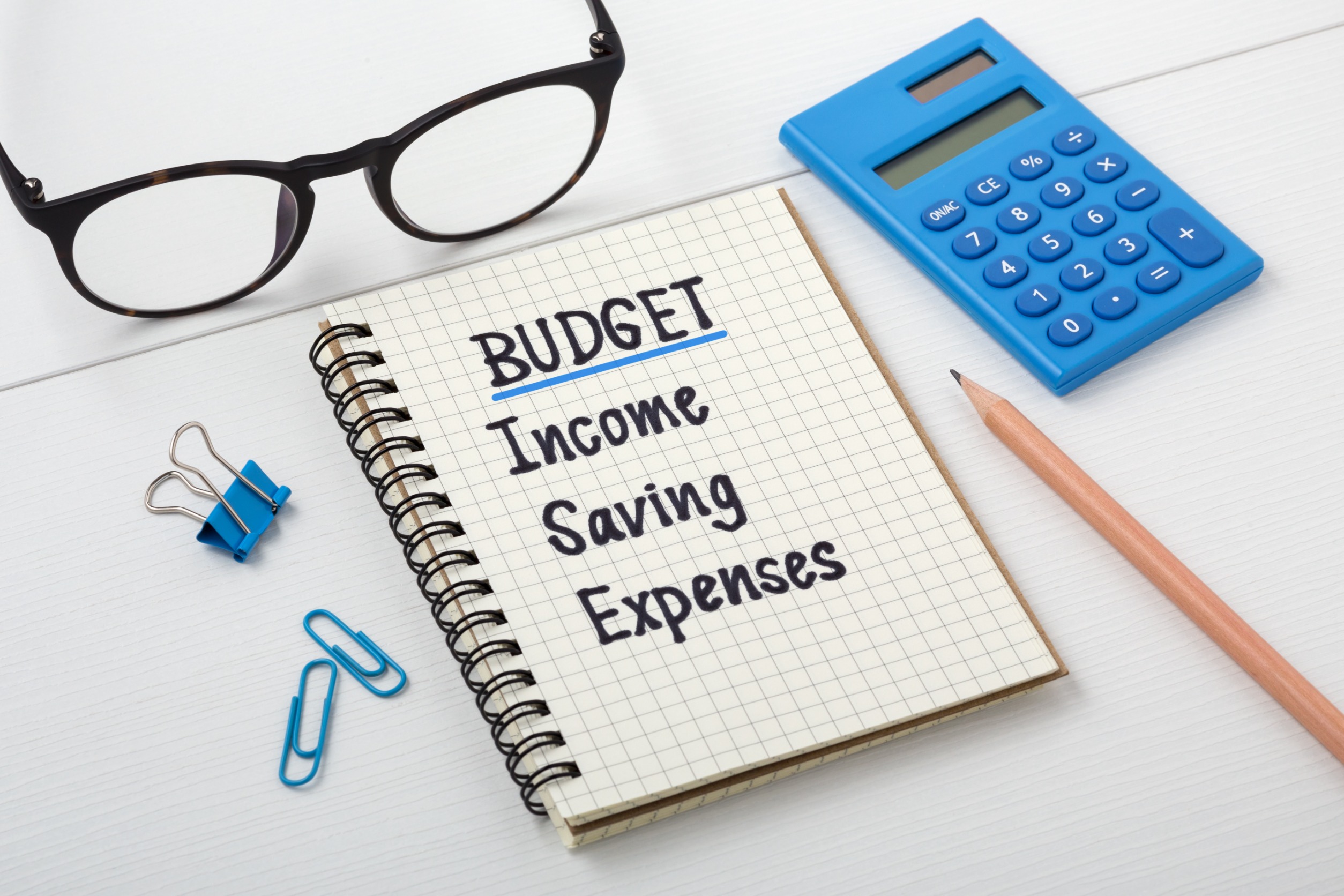
We have all been there after a brutal Monday when the only thing that seems to help is a little retail therapy. You tell yourself that you worked hard and survived the endless meetings that should have been emails. So, you genuinely deserve that shiny new gadget or expensive pair of boots. This “I deserve it” mindset is one of the most significant ways we accidentally sabotage our path toward financial freedom. It feels like a pat on the back in the moment, but it is actually a way our brains bypass our better judgment. When we treat spending as a reward, we end up staying in the grind we are trying to escape. Here’s how those “I deserve it” purchases can eat away at your paycheck and destroy your financial future.

The Cumulative Cost of “Little Treats”

In today’s world, we are constantly told that “treating yourself” is the ultimate form of self-care. And everyone needs self-care, right? Whether it is that daily $7 oat milk latte or a late-night scrolling session that leads to a $50 purchase, these micro-luxuries feel pretty harmless. However, if you actually sit down and add up these tiny purchases over a full month, the total can be eye-opening. You might find that your “little treats” are actually costing you several days’ worth of your life’s energy and income. Those small bites out of your paycheck are the very things keeping you from reaching financial freedom sooner than you think. That’s not self-care at all.

Trading Time for Material Possessions

We often don’t think about how much time we spend working to make a living. Try to think about your next purchase not in dollars, but in the actual hours you spent sitting at your desk. If you make $30 an hour and want a $300 jacket, that isn’t just a price tag; it’s ten full hours of your life you can never get back. When you start to think like this, you may rethink your purchases. It’s a necessary reality check. Soon, you’ll start reclaiming your time and working toward financial freedom.

Searching for Happiness

There is a funny thing about that “new car smell” or the thrill of unboxing a fresh pair of sneakers; it never actually lasts. Scientists call this hedonic adaptation, which is just a fancy way of saying we get used to nice things incredibly quickly. That high-end watch that felt like a trophy today will just be a regular old watch sitting on your nightstand in a few weeks. You may even feel like next time you need something bigger to make you happy. It’s a constant treadmill that most consumers never get off of. If you want to escape the rat race, you need to break the cycle.

Opportunity Cost and the Power of Compounding

Most people ignore the power of compounding when their money moves are very short-sighted. Impulse spending means that your money isn’t working for you. That $1,000 weekend getaway you “deserved” today might have been worth $10,000 if it had been invested. Every time you spend on a whim, you are taking a loan out against your future self’s happiness and security. Saying no to a splurge could mean that you could retire one full month earlier. Choosing your future can be so much more rewarding than any whim.

Redefining What You Truly Deserve

So, what do you actually deserve in the grand scheme of things? You deserve a life where you aren’t sweating the bill when the waiter brings the check or worrying about an unexpected car repair. You deserve the ability to quit a job you hate without feeling like your world is going to end the next day. Start looking at your bank balance as a protective shield instead of money to burn. Shifting your focus to these big-picture wins is the secret recipe for anyone chasing financial freedom in a world designed to keep them spending.

Creating Healthy Reward Systems

Now, this doesn’t mean you can never buy a nice meal or a trendy new shirt. Being too restrictive can actually have the opposite effect. Ultimately, you have to find a healthy balance between your savings and spending. The real trick is to stop using spending as an emotional band-aid and start using it as a planned celebration for hitting real milestones. For example, instead of indulging in a random splurge, why not set a goal to pay off a credit card? Then, celebrate the win with a nice dinner. This way, the reward actually feels like a victory rather than a way to cope with a bad Monday at the office. You can still enjoy your life while staying on the fast track to financial freedom as long as you have a plan. Creating a budget and sticking to it, planning out your financial goals, and planning for the future all will help you achieve the freedom you seek.

Have you ever looked back at an “I deserve it” purchase and realized it wasn’t worth the stress? Leave a comment below.

You May Also Like…

  • Winter Setback: Why Shorter Days Can Cost You More Than Sleep
  • Pumpkin Spice and Other Things Not Nice: These 8 Fall Spends Are Killing Your Budget
  • 7 Clear Signs You’re Financially Ahead of the Average American
  • Why Would You Refinance Your House Now? Here Are 10 Reasons
  • How to Save for Retirement on a Budget
Teri Monroe Headshot
Teri Monroe

Teri Monroe started her career in communications working for local government and nonprofits. Today, she is a freelance finance and lifestyle writer and small business owner. In her spare time, she loves golfing with her husband, taking her dog Milo on long walks, and playing pickleball with friends.


Filed Under: General Finance Tagged With: lifestyle inflation, money mindset, Psychology of Spending, retirement planning, wealth building

9 Income Streams Retired Guys Wish They’d Started in Their 40s

October 2, 2025 By Teri Monroe Leave a Comment

Income streams guys wished they started earlier
Image Source: 123rf.com

Many retirees admit their biggest regret isn’t overspending. Many retirees feel that they waited too long to build their wealth. It’s easy to do. In their 40s, most men focus on careers, kids, and mortgages. There’s hardly time to think beyond each paycheck. Many men overlooked opportunities that would have compounded quietly. By retirement, time is not on their side. What many learn is that multiple income streams mean freedom, stability, and less fear when markets shift. Here are nine sources today’s retirees wish they’d built decades earlier.

1. Dividend-Paying Stocks

Dividend stocks steadily reward patience, even during market dips. If you reinvest payouts in companies like Johnson & Johnson or PepsiCo, your portfolio can double over time. But you have to start early and let compounding do the work. So, start in your 40s, or earlier. Retirees now collecting quarterly checks regret not beginning sooner. Dividends turn ownership into automatic income.

2. Rental Real Estate

Real estate can be one of the best investments over time. Owning a small rental early builds equity and monthly cash flow. A single property bought early can be paid off, producing income long after. Platforms like Roofstock or Ark7 make investing accessible without full-time management. Delaying entry means missing decades of appreciation.

3. Roth IRA with Growth Assets

Roth IRAs let contributions grow tax-free. This makes every dollar withdrawn in retirement more valuable. Funding aggressively in your 40s locks in decades of compounding without tax drag. Retirees now facing required minimum distributions wish they’d maxed Roths sooner. The earlier you start, the more freedom later. Tax-free income beats taxable gains every time.

4. Online Businesses or Content Platforms

Digital income streams, like blogs, YouTube channels, or niche e-commerce, reward consistency. A hobby site started at 40 could produce ad revenue, affiliate sales, or royalties by 60. Growth takes time and patience. Many retirees now see peers earning passively from work they once refused to participate in. Online ventures scale no matter what your age is.

5. Peer-to-Peer Lending

Platforms like LendingClub or Prosper let midlife investors earn interest by lending small amounts to vetted borrowers. Starting early spreads risk and builds steady returns over the years. Retirees who ignored this niche missed out on hands-off income. Peer-to-peer lending can help with diversification beyond stocks. Any loan interest compounds quietly if given time.

6. REITs and Real Estate Funds

For those not managing property, Real Estate Investment Trusts (REITs) offer passive exposure and regular dividends. Investing consistently builds income tied to tangible assets, like apartments and warehouses. Retirees now rely on REITs but regret missing earlier growth phases. These funds blend liquidity with property potential.

7. Side Hustles That Scaled

A part-time gig started for extra cash, like freelance writing, tutoring, or consulting, can mature into a full income stream. Many retirees now wish they’d kept small ventures alive instead of dropping them when work got busy. Decades of reputation could have created business equity. Flexibility grows from foundations laid early.

8. Annuities with Delayed Payouts

Buying fixed or deferred annuities in midlife locks in guaranteed future income. Rates are stronger when started earlier, and contracts can complement Social Security. Many older men now see the benefit of blending predictability with growth. Early funding means higher lifetime payouts. Security multiplies when time is on your side.

9. Royalties from Intellectual Property

Books, courses, or even patented ideas can produce checks for decades. Those who documented expertise in midlife now collect passive income for work done once. Retirees often regret not turning experience into assets. Royalties don’t require youth, only foresight. Every skill has earning potential if captured early.

Why “Someday” Became “Too Late”

The most successful retirees didn’t wait for perfect timing. Instead, they started small and stayed consistent. Each income stream takes time to mature, but compound growth rewards the early and patient. In your 40s, time is still your strongest asset. Building now means choices later, not compromises. The best day to diversify was yesterday. So, start today.

If you’re still in your 40s, which income stream will you start before it’s too late? Tell us in the comments.

You May Also Like…

  • 6 Indicators That Your Side Gig Is Running You, Not the Other Way Around
  • 10 Airbnb Rental Hacks That Raise Red Flags For Insurance Companies
  • Spending Money to Make Money: Home Renovations
  • Why Most Advice on Course Creation Will Cost You More Than It Makes
  • What Makes Subscription Box Businesses Crash After Strong Starts
Teri Monroe Headshot
Teri Monroe

Teri Monroe started her career in communications working for local government and nonprofits. Today, she is a freelance finance and lifestyle writer and small business owner. In her spare time, she loves golfing with her husband, taking her dog Milo on long walks, and playing pickleball with friends.

Filed Under: General Finance Tagged With: financial freedom, income streams, Investing, passive income, retirement planning, side hustles

Ready to Retire? Make Sure You’ve Hit These 9 Financial Milestones

July 24, 2025 By Catherine Reed Leave a Comment

Ready to Retire Make Sure You've Hit These 9 Financial Milestones

Retirement is a significant life event that many look forward to, but it comes with its own challenges, especially financially. Being ready to retire isn’t just about reaching a certain age; it involves meeting key financial milestones that ensure you can enjoy your golden years without financial worry. Here, we explore nine essential financial milestones to achieve before you decide you’re ready to retire. These goals will help you assess your readiness and ensure a solid financial foundation for the next phase of your life.

1. Debt-Free Living

Debt-Free Living

One of the most crucial financial milestones before retirement is eliminating high-interest debt, particularly credit card debt and personal loans. Carrying debt into retirement can significantly strain your finances, as fixed retirement income might not cover debt repayment and living expenses. Ideally, your mortgage should also be paid off, allowing you to live more freely without the burden of monthly loan payments. This milestone ensures that your retirement savings and income are devoted to your living expenses and enjoyment rather than paying off debts.

2. Building Adequate Retirement Savings

Adequate Retirement Savings

Ensuring you have enough saved to cover your retirement years is critical. Financial experts often recommend having at least 10-12 times your final pre-retirement salary saved. This should ideally be a mix of retirement accounts like 401(k)s, IRAs, and other savings or investment accounts.  If you haven’t already figured out how much money you need in retirement, assume at a minimum that you’ll need 75% of your current salary.  Next assume you can withdraw 4% from your nest egg per year.  Then compare the two figures.  This should tell you if you’ve got enough saved.

3. Healthcare Planning

Healthcare Planning

Healthcare costs in retirement can be significant. Having a comprehensive healthcare plan, including Medicare and supplemental insurance, is crucial. Consider the costs of long-term care insurance, which can cover expenses not included in regular health insurance. Being prepared for unforeseen health issues by having this coverage in place can prevent significant financial strain later.

4. A Tested Retirement Budget

A Tested Retirement Budget

Before you retire, test out a retirement budget. Try living on your expected retirement income for several months while still working. This will help you adjust your spending habits and ensure your budget is realistic based on your retirement income. This trial period can reveal unexpected costs and help you refine your budget before you fully commit to retiring.  Remember, nothing says you have to stop working in retirement – you can always work on smaller projects to bring in money or take a part time job.

5. Diverse Income Streams

Diverse Income Streams

Relying solely on savings or Social Security can be risky. Having multiple income streams can provide extra security. Consider rental properties, bond payments, dividends from investments, or a part-time job if you want to keep working. This diversification helps buffer against poor market performance that could affect your primary retirement funds.  A good place to start is by finding dividend stocks with an AI generated list.  Or, if you want an old fashioned human curated list, a good place to start would be the dividend aristocrats – or companies that have consistently raised their dividends for decades (here).

6. Updated Estate Plan

Updated Estate Plan

An updated estate plan is vital as you approach retirement. This includes having a will (or revising your current one), designating powers of attorney, and potentially creating trusts. These documents should be reviewed and updated to reflect your current wishes and ensure your assets are distributed according to your plans without legal complications.

7. Long-Term Investment Strategy

Long-Term Investment Strategy

Having a long-term investment strategy that shifts from accumulation to income generation is crucial. This strategy should be less about aggressive growth and more about preserving capital and generating a steady income. A financial advisor can help, but there are plenty of DIY tools available as well.  Most of the major brokerages like Schwab or Fidelity offer these kinds of tools – check your portfolio check up section.

8. Social Security Strategy

Social Security Strategy

Deciding when to start taking Social Security benefits is a significant decision. Although you can begin collecting benefits at age 62, delaying benefits until your full retirement age or even age 70 can significantly increase your monthly payments. Evaluate your health, financial needs, marital status and life expectancy to make an informed decision that maximizes your benefits.  Schwab has a good basic overview of factors pertinent in deciding when to take Social Security, here.

9. A Plan for Leisure and Lifestyle Goals

A Plan for Leisure and Lifestyle Goals

A major factor many retirees face when they first begin retirement is cognitive decline and associated mental health issues such as depression and anxiety.  However, research shows that an active lifestyle including maintaining hobbies and building or maintaining strong interpersonal relationships can reverse this decline (per Forbes).  Whether it’s traveling, hobbies, or spending time with family, make sure you plan how you want to spend your time. This includes budgeting for activities you enjoy and considering any potential costs associated with these pursuits.

These Financial Milestones Could Mean You’re Ready to Retire

These Financial Milestones Could Mean You’re Ready to Retire

Achieving these financial milestones can make the difference between a stressful retirement and a fulfilling and secure one. Being ready to retire means more than just stopping work; it involves meticulous planning and preparation to ensure your retirement years are as enjoyable as possible. Each milestone is a step toward creating a stable and rewarding retirement experience, giving you the peace of mind to fully enjoy this new chapter of your life.

Read More:

12 Cities You Wouldn’t Believe Are Retirement Paradises

5 Facts to Keep in Mind About Estate Planning

Catherine Reed
Catherine Reed

Catherine is a tech-savvy writer who has focused on the personal finance space for more than eight years. She has a Bachelor’s in Information Technology and enjoys showcasing how tech can simplify everyday personal finance tasks like budgeting, spending tracking, and planning for the future. Additionally, she’s explored the ins and outs of the world of side hustles and loves to share what she’s learned along the way. When she’s not working, you can find her relaxing at home in the Pacific Northwest with her two cats or enjoying a cup of coffee at her neighborhood cafe.

Filed Under: Retirement, ShareMe Tagged With: financial milestones, financial planning, ready to retire, Retirement, retirement income, retirement planning

  • 1
  • 2
  • 3
  • 4
  • Next Page »
  • Facebook
  • Pinterest
  • RSS
  • Twitter

Improve Your Credit Score

Money Blogs

  • Celebrating Financial Freedom
  • Christian PF
  • Dual Income No Kids
  • Financial Panther
  • Gajizmo.com
  • Lazy Man and Money
  • Make Money Your Way
  • Money Talks News
  • My Personal Finance Journey
  • Personal Profitability
  • PF Blogs
  • Reach Financial Independence
  • So Over Debt
  • The Savvy Scot
  • Yes, I am Cheap

Categories

Disclaimer

Please note that Beating Broke has financial relationships with some of the merchants mentioned here. Beating Broke may be compensated if consumers choose to utilize the links located throughout the content on this site and generate sales for the said merchant.

Visit Our Advertisers

Need to change careers? Consider an Accounting Certificate Program from WTI.