Beating Broke

Personal Finance from the Broke Perspective

  • Home
  • About
  • We Recommend
  • Contact
  • Our Editorial Commitment

Powered by Genesis

10 Baby Boomer Life Skills That Are Useless Today

April 18, 2024 By Catherine Reed Leave a Comment

10 Baby Boomer Life Skills That Are Useless Today

In an era marked by rapid technological advancements and shifting cultural norms, many skills that were once deemed essential have now drifted into obsolescence. The Baby Boomer generation, born between 1946 and 1964, came of age in a period defined by post-war innovation and traditional values. They acquired life skills tailored to their time, many of which have lost their practicality in today’s digital-dominated and fast-paced world. Here, we delve into ten Baby Boomer life skills that, while once indispensable, now find little use in contemporary society.

1. Mastering the Rotary Phone

Mastering the Rotary Phone

The rotary phone, with its distinctive circular dial and mechanical ring, was a staple in most households during the Baby Boomer era. Operating one required a certain finesse, from the precise rotation of the dial for each number to the patience of waiting for it to return before dialing the next digit. In contrast, today’s generation is more likely to swipe on a touchscreen, making the skill of dialing a rotary phone an intriguing, yet largely unnecessary, party trick.

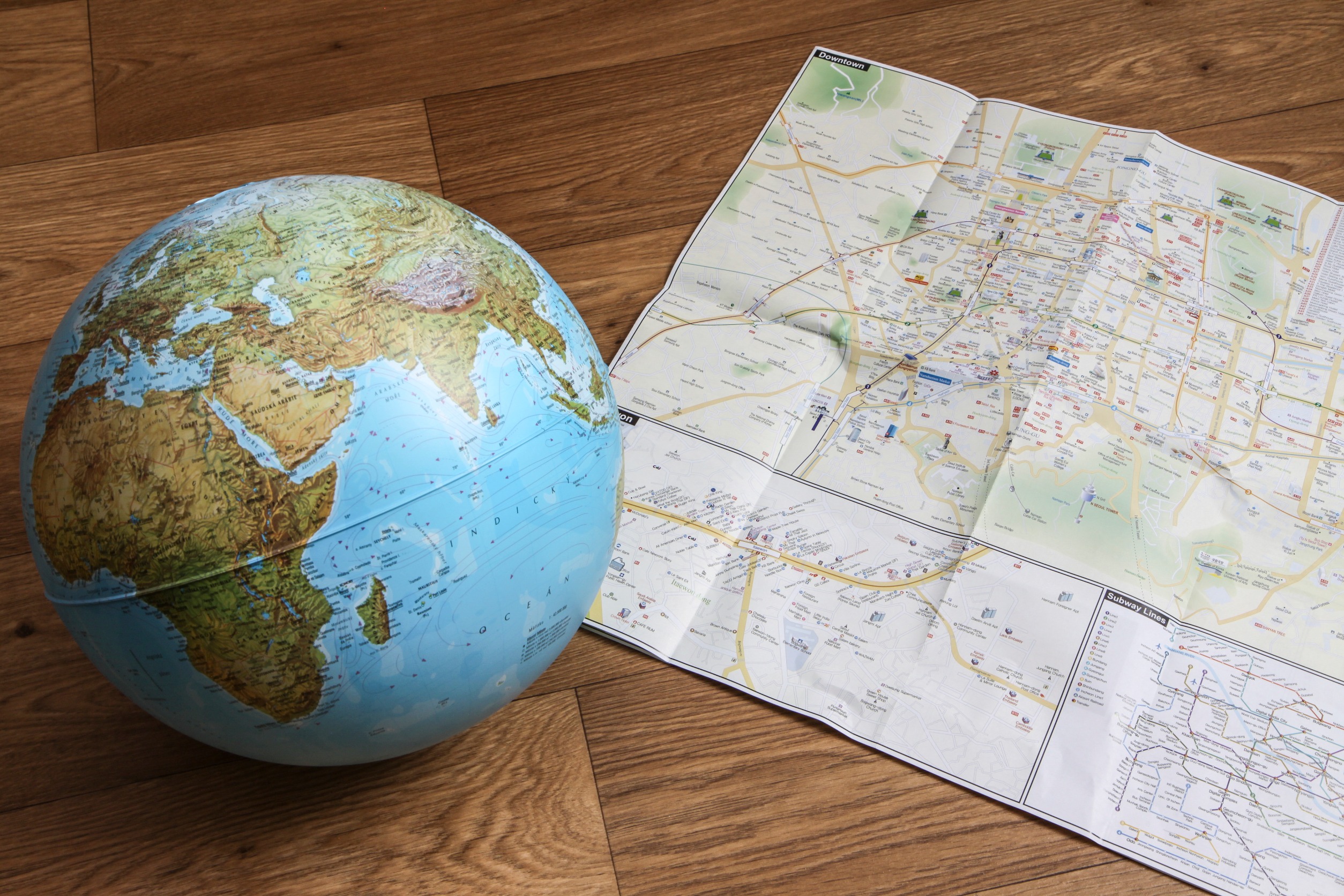
2. Navigating with Paper Maps
Navigating with Paper Maps

Long before GPS technology and digital mapping apps became ubiquitous, Baby Boomers were adept at using paper maps for navigation. They learned to interpret complex symbols, scale distances, and plot routes across folding maps that could be as cumbersome as they were crucial. While the ability to read a paper map remains a valuable skill in specific contexts, such as hiking or in areas with poor cell reception, digital navigation largely made it unnecessary.

3. The Art of Cursive Writing

The Art of Cursive Writing

Cursive writing was a significant part of the Baby Boomer’s education, with schools dedicating considerable time to teaching students how to write in a flowing, connected style. While cursive writing can still be appreciated as an art form and is useful for developing fine motor skills, the rise of digital communication means that the ability to write in cursive is no longer as essential as it once was.

4. Operating a Typewriter

Operating a Typewriter

The typewriter was the word processor of the Baby Boomer generation, complete with its own required skills such as changing ribbons, correcting mistakes with whiteout, and manually advancing the paper. The advent of personal computers and digital word processing has rendered these typewriting skills largely obsolete, though the tactile experience of typing on a mechanical keyboard has its nostalgic charm.

5. Memorizing Phone Numbers

Memorizing Phone Numbers

In an age before smartphones and digital contact lists, memorizing phone numbers was a necessity. Baby Boomers often boasted an impressive mental Rolodex of family, friends, and business contacts. While still valuable for emergencies, memorizing a long list of phone numbers is less critical today, with most people relying on their devices to store this information.

6. Utilizing a Library Card Catalog

Utilizing a Library Card Catalog

The library card catalog, with its drawers full of index cards sorted by the Dewey Decimal System, was once the gateway to a world of knowledge. Baby Boomers learned to navigate these catalogs with ease, a skill rendered nearly obsolete by the advent of digital catalogs and searchable databases that offer instant access to library resources.

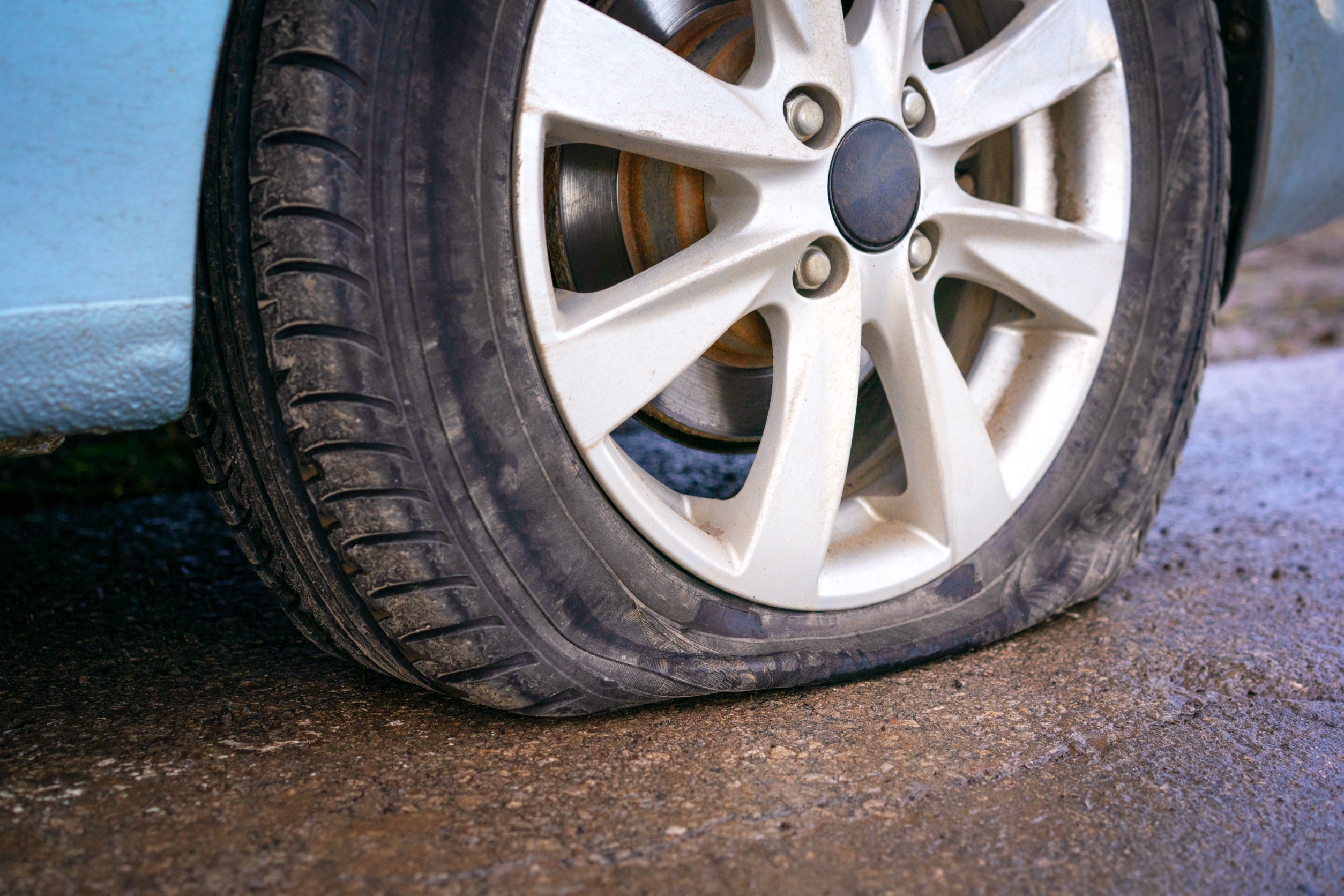
7. Changing a Tire Independently
Changing a Tire Independently

While knowing how to change a tire remains an important skill, the frequency with which it’s needed has diminished thanks to improvements in tire durability and the widespread availability of roadside assistance services. For many Baby Boomers, changing a tire was a rite of passage, whereas today’s drivers may go their entire driving careers without ever needing to replace a tire on the roadside.

8. Balancing a Checkbook Manually

Balancing a Checkbook Manually

The meticulous task of balancing a checkbook was once a routine part of managing one’s finances. It involved recording every transaction by hand to ensure the balance matched the bank’s records. Today, online banking platforms automate much of this process, providing real-time account balances and transaction histories that make manual checkbook balancing a largely redundant practice.

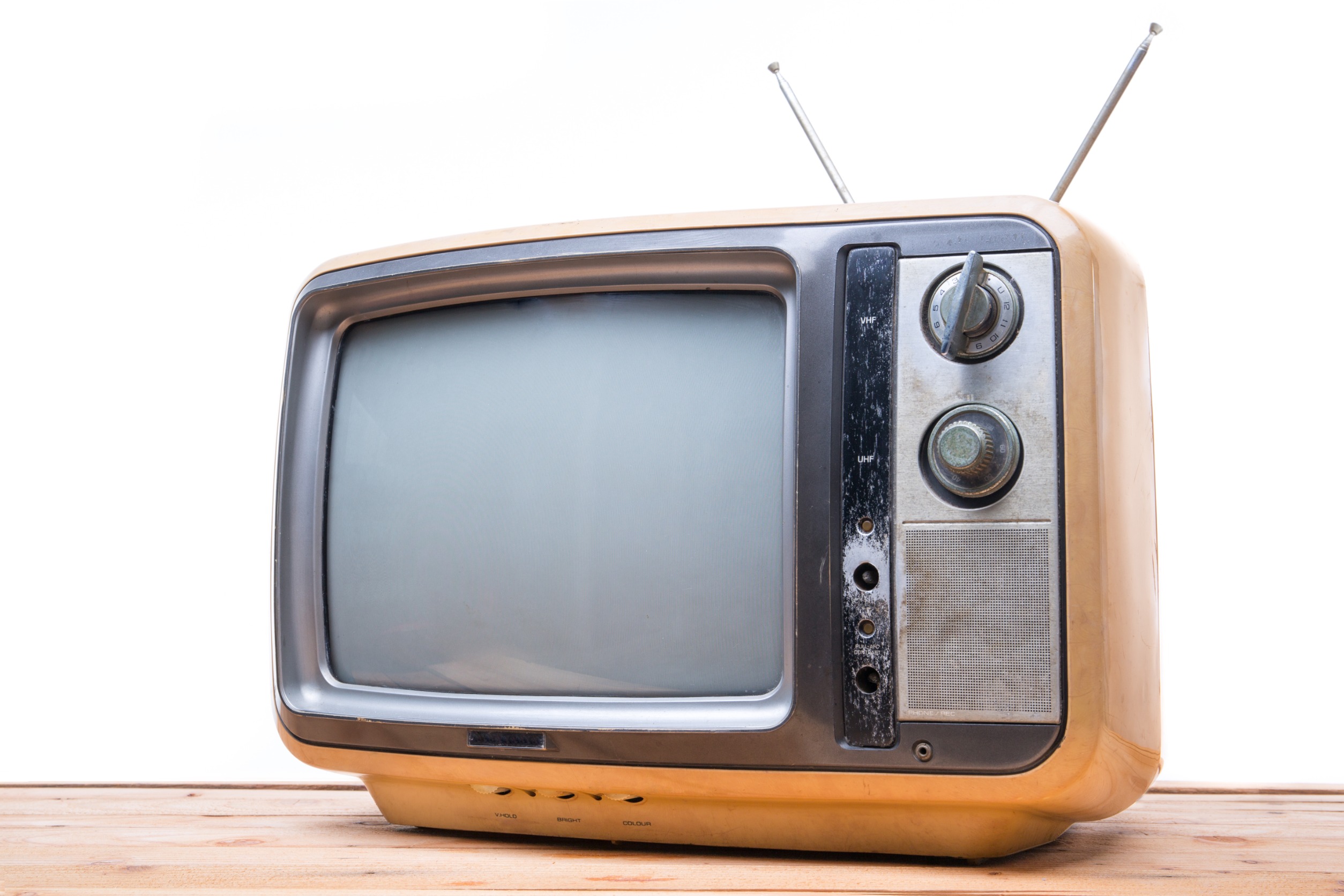
9. Adjusting Rabbit Ear Antennas for Television Reception
Adjusting Rabbit Ear Antennas for Television Reception

Baby Boomers were familiar with the ritual of adjusting the “rabbit ear” antennas on their television sets to improve reception and minimize static. The switch to digital broadcasting and the proliferation of cable and streaming services have made the knowledge of TV antenna adjustment more of a historical footnote than a practical necessity.

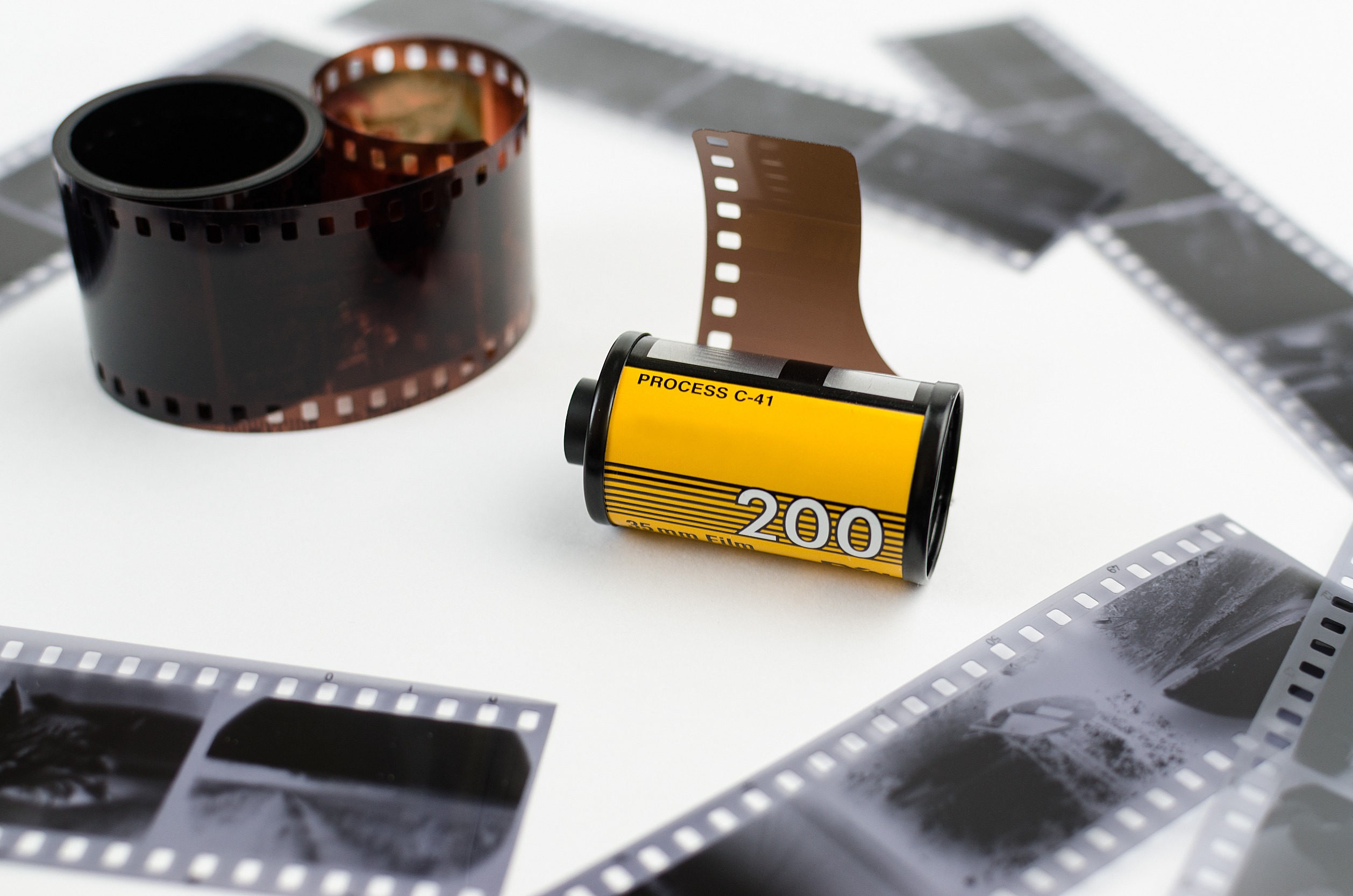
10. Developing Film in a Darkroom
Developing Film in a Darkroom

Photography for Baby Boomers often involved the magical process of developing film in a darkroom, a skill that required a deep understanding of chemicals, exposure times, and photo paper. While film photography still has its enthusiasts, the instant nature of digital photography has largely eliminated the need for traditional film development skills in everyday life.

These Baby Boomer Life Skills Are a Sign of Changing Times

These Baby Boomer Life Skills Are a Sign of Changing Times

The Baby Boomer life skills that once defined the generation’s adaptability and resourcefulness may now seem quaint or even obsolete in the face of modern technology and changing societal needs. However, these skills are a testament to the ingenuity and resilience of a generation that navigated a world on the brink of the digital age. As we look to the future, it’s worth pondering which of our current skills will be regarded with the same nostalgic curiosity by generations to come, reminding us of the relentless march of progress and innovation.

Read More:

15 Lifestyle Choices of Baby Boomers That Spark Debate

Millennials and Baby Boomers: 16 Misunderstandings Unraveled

Catherine Reed
Catherine Reed

Catherine is a tech-savvy writer who has focused on the personal finance space for more than eight years. She has a Bachelor’s in Information Technology and enjoys showcasing how tech can simplify everyday personal finance tasks like budgeting, spending tracking, and planning for the future. Additionally, she’s explored the ins and outs of the world of side hustles and loves to share what she’s learned along the way. When she’s not working, you can find her relaxing at home in the Pacific Northwest with her two cats or enjoying a cup of coffee at her neighborhood cafe.


Filed Under: baby boomers, Lifestyle Tagged With: baby boomer life skills, baby boomers, generational differences, generations, life skills, lifestyle

8 Ways Life Was Tougher for Boomers Than Millennials and Gen Z

April 5, 2024 By Catherine Reed 2 Comments

Ways Life Was Tougher for Boomers Than Millennials and Gen Z

In the rapidly evolving landscape of societal norms and technological advancements, each generation faces its unique set of challenges. While it’s easy to spot the conveniences that modern technology has afforded Millennials and Gen Z, it’s equally crucial to recognize the aspects that made life tougher for Boomers. This comparison isn’t about belittling the struggles of any generation but rather shedding light on the distinct hardships that defined the Baby Boomer era. Here are eight ways life was tougher for Boomers than Millennials and Gen Z.

1. Limited Access to Information

Limited Access to Information

For Boomers, the quest for information was a physical endeavor. Libraries and printed encyclopedias were the primary sources of knowledge, often leading to time-consuming research processes. The absence of the internet meant that accessing up-to-date information required more effort and resources, making life tougher for Boomers, especially in academic and professional settings. This limitation not only hindered quick learning but also made global connectivity a far-fetched dream compared to the instantaneous digital communications Millennials and Gen Z enjoy today.

2. Communication Constraints

Communication Constraints

Boomers didn’t have the luxury of instant messaging, emails, or social media platforms. Long-distance communication was a tedious and costly affair, often relying on mailed letters that took days or even weeks to reach their destination. Telephone calls, too, were expensive, particularly for international connections. This lack of instantaneous communication tools made maintaining relationships across distances tougher for Boomers, affecting both personal connections and international business relations.

3. Economic Volatility and Job Security

Economic Volatility and Job Security

The economic landscape during the Boomer years was marked by significant fluctuations, including recessions and the oil crisis of the 1970s. Job security was a persistent concern, with industries undergoing substantial changes and layoffs being common. The absence of the gig economy and remote work options made it tougher for Boomers to adapt to economic downturns, often leading to prolonged periods of unemployment or the necessity to stick with unsatisfying jobs for stability.

4. Rigid Gender Roles and Social Expectations

Rigid Gender Roles and Social Expectations

Boomers grew up in an era where societal norms and gender roles were more rigid and defined. Women, in particular, faced considerable barriers in the workforce and were often expected to prioritize homemaking over professional ambitions. This rigidity made it tougher for Boomers to pursue unconventional paths or challenge the status quo, leading to a generation often caught between personal desires and societal expectations.

5. Health and Wellness Knowledge

Health and Wellness Knowledge

Boomers navigated their formative years and adulthood with limited knowledge about health, wellness, and the importance of mental health. Awareness and understanding of conditions like depression, anxiety, and the benefits of a balanced diet and regular exercise evolved significantly only later. This lack of information made it tougher for Boomers to make informed health choices, often leading to lifestyle-related health issues that could have been mitigated with the knowledge available to younger generations.

6. Environmental and Safety Regulations

Environmental and Safety Regulations

In the Boomer era, environmental and safety regulations were far less stringent than they are today. Workplace safety standards, environmental protections, and public health policies were still in their infancy, exposing Boomers to higher levels of pollutants, workplace accidents, and health risks. This lack of regulation not only made environments tougher for Boomers but also contributed to long-term health and ecological challenges.

7. Education and Career Flexibility

Education and Career Flexibility

Educational and career paths for Boomers were often linear and limited. The concept of career switching or taking gap years was less accepted, compelling many to stick with their initial choices, regardless of their job satisfaction or changing interests. This lack of flexibility made it tougher for Boomers to explore different opportunities or pivot in their careers, often leading to unfulfilled professional lives.

8. Technological Adaptation

Technological Adaptation

While technological advancements have significantly improved the quality of life, Boomers had to adapt to these changes later in life, often facing steep learning curves. From basic computer skills to navigating the internet and digital devices, the transition has been challenging for many. This ongoing process of adaptation has been tougher for Boomers, contrasting with the digital nativity of Millennials and Gen Z.

Acknowledging How Life Was Tougher for Boomers Than Millennials and Gen Z

Acknowledging How Life Was Tougher for Boomers Than Millennials and Gen Z

In reflecting on these aspects, it’s clear that life was indeed tougher for Boomers in many respects. Understanding these challenges fosters empathy across generations and highlights the importance of learning from the past to build a more inclusive and accommodating future for all generations.

Read More:

15 Lifestyle Choices of Baby Boomers That Spark Debate

16 Changes in Childhood Play: From Baby Boomers to Today’s Kids

Catherine Reed
Catherine Reed

Catherine is a tech-savvy writer who has focused on the personal finance space for more than eight years. She has a Bachelor’s in Information Technology and enjoys showcasing how tech can simplify everyday personal finance tasks like budgeting, spending tracking, and planning for the future. Additionally, she’s explored the ins and outs of the world of side hustles and loves to share what she’s learned along the way. When she’s not working, you can find her relaxing at home in the Pacific Northwest with her two cats or enjoying a cup of coffee at her neighborhood cafe.

Filed Under: Lifestyle, ShareMe Tagged With: baby boomers, gen z, generational differences, growing up, lifestyle, millennials

15 Lifestyle Choices of Baby Boomers That Spark Debate

March 7, 2024 By Catherine Reed Leave a Comment

Lifestyle Choices of Baby Boomers That Spark Debate

The baby boomer generation, born between 1946 and 1964, has been a transformative force in shaping modern society. Their lifestyle choices, often rooted in the post-war era’s prosperity and the cultural shifts of the 1960s and 70s, continue to influence and sometimes spark debate among younger generations. This article explores 15 lifestyle choices of baby boomers that remain topics of discussion, highlighting the intergenerational dynamics and trends that these choices underscore.

1. Prioritizing Homeownership Over Renting

Prioritizing Homeownership Over Renting

Baby boomers have long been champions of the “American Dream,” where homeownership is seen as a key milestone. This generation’s pursuit of owning property has significantly influenced housing markets, often driving up prices and contributing to the current housing affordability crisis. Their commitment to homeownership, contrasting with millennials and Gen Z’s preference or financial necessity to rent, sparks debates on the sustainability and inclusivity of the housing market.

2. Traditional Work Ethic

Traditional Work Ethic

Boomers are often characterized by a strong work ethic, loyalty to employers, and a clear separation between work and personal life. This traditional approach to careers and the emphasis on long-term tenure at companies is increasingly at odds with younger generations’ preferences for flexibility, work-life balance, and the gig economy. The clash of work values leads to discussions about the evolving nature of work, productivity, and employee well-being.

3. Reliance on Single-Use Plastics

Reliance on Single-Use Plastics

Raised in an era when plastic was celebrated for its convenience and innovation, many boomers continue to use single-use plastics, from shopping bags to straws. This habit is now under scrutiny as ecological concerns take center stage, with younger generations advocating for sustainable alternatives and criticizing the environmental footprint left by widespread plastic use.

4. Traditional Banking and Cash Use

Traditional Banking and Cash Use

Baby boomers tend to show a strong preference for traditional banking methods and the use of cash over digital payment platforms. This generation’s comfort with in-person banking transactions, writing checks, and carrying cash contrasts sharply with younger generations’ leanings towards online banking, mobile payment apps, and cryptocurrencies. This divergence leads to discussions on financial security, the evolution of financial transactions, and the potential decline of cash as a dominant form of currency in an increasingly digital economy.

5. Car-Centric Lifestyle

Car-Centric Lifestyle

Baby boomers grew up during the golden age of the automobile, leading to a strong preference for personal car ownership and a driving-centric lifestyle. This choice has implications for urban planning, environmental sustainability, and the rising interest in public transportation and green mobility solutions among younger generations, sparking discussions about the future of transportation.

6. The “Me” Generation Perception

The Me Generation Perception

Boomers have often been labeled the “Me” generation, criticized for prioritizing personal fulfillment and material success over communal well-being. This perception fuels debates about societal values, consumerism, and the responsibility of individual versus collective action in addressing global challenges.

7. Resistance to Retirement

Resistance to Retirement

Many boomers are choosing to work beyond the traditional retirement age, driven by a desire to stay active, financial necessity, or a lack of sufficient savings. This trend raises questions about the changing nature of retirement, the availability of jobs for younger workers, and the adequacy of retirement planning and pensions.

8. Conventional Health and Wellness Approaches

Conventional Health and Wellness Approaches

Baby boomers tend to adhere to more traditional health and wellness practices, often showing skepticism towards alternative medicine, mental health awareness, and holistic approaches embraced by younger generations. This difference leads to debates on healthcare practices, the integration of alternative therapies, and the destigmatization of mental health.

9. Suburban Living Preferences

Suburban Living Preferences

The post-war suburban boom was primarily driven by boomers, with many still preferring the suburban lifestyle. This choice impacts urban development, transportation infrastructure, and environmental sustainability, contrasting with the urban and eco-friendly living preferences of younger generations.

10. Conservative Financial Strategies

Conservative Financial Strategies

Boomers are often more conservative in their financial investments and savings strategies, favoring stability over risk. As younger generations show a greater willingness to invest in stocks, cryptocurrencies, and other volatile markets, discussions arise about financial security, risk tolerance, and the best strategies for wealth accumulation.

11. Disinterest in Social Media

Disinterest in Social Media

Many boomers show a disinterest or cautious approach to social media, preferring more traditional forms of communication such as phone calls or face-to-face meetings. This reluctance to fully embrace social media platforms can lead to debates about the role of these platforms in fostering social connections, the digital divide, and the impact of social media on societal norms and personal relationships.

12. Skepticism of Climate Change

Skepticism of Climate Change

Though not applicable to all, a segment of the baby boomer generation exhibits skepticism towards climate change and the urgency of environmental action. This skepticism is often debated in the context of scientific consensus, intergenerational responsibility, and the need for immediate action to address global warming.

13. Emphasis on Formal Dining

Emphasis on Formal Dining

Baby boomers often uphold the tradition of formal dining, valuing sit-down meals, elaborate table settings, and the ritual of family dinners. This contrasts with the fast-paced, convenience-oriented eating habits of younger generations, sparking discussions about food culture, the importance of mealtime as a family bonding activity, and the changing dynamics of social gatherings around food.

14. Loyalty to Traditional Institutions

Loyalty to Traditional Institutions

Baby boomers tend to exhibit higher levels of trust and loyalty towards traditional institutions – such as government bodies and religious organizations – unlike the questioning and often skeptical approach of younger generations. This loyalty leads to debates on institutional reform, transparency, and the role of these institutions in modern society.

15. Manual vs. Digital Record-Keeping

Manual vs. Digital Record-Keeping

Boomers’ comfort with manual record-keeping, from handwritten notes to filing cabinets, stands in contrast to the digital organization methods preferred by younger generations. This preference raises discussions about data security, efficiency, and the environmental impact of paper use.

Looking Past the Baby Boomer Lifestyle Debate

Looking Past the Baby Boomer Lifestyle Debate

Each of these lifestyle choices reflects broader societal trends and values, highlighting the dynamic and often contentious interplay between generations. As we navigate these debates, the key lies in fostering mutual understanding and finding sustainable, inclusive solutions that bridge generational divides.

Catherine Reed
Catherine Reed

Catherine is a tech-savvy writer who has focused on the personal finance space for more than eight years. She has a Bachelor’s in Information Technology and enjoys showcasing how tech can simplify everyday personal finance tasks like budgeting, spending tracking, and planning for the future. Additionally, she’s explored the ins and outs of the world of side hustles and loves to share what she’s learned along the way. When she’s not working, you can find her relaxing at home in the Pacific Northwest with her two cats or enjoying a cup of coffee at her neighborhood cafe.

Filed Under: Lifestyle Tagged With: baby boomers, debate, generational differences, lifestyle, lifestyle choices, society

  • « Previous Page
  • 1
  • 2
  • 3
  • Next Page »
  • Facebook
  • Pinterest
  • RSS
  • Twitter

Improve Your Credit Score

Money Blogs

  • Budget and the Bees
  • Celebrating Financial Freedom
  • Christian PF
  • Clever Dude
  • Dual Income No Kids
  • Everybody Loves Your Money
  • Financial Panther
  • Gajizmo.com
  • Grocery Coupon Guide
  • Lazy Man and Money
  • Make Money Your Way
  • Money Talks News
  • Personal Profitability
  • PF Blogs
  • Reach Financial Independence
  • Saving Advice
  • The Savvy Scot
  • Yes, I am Cheap

Categories

Disclaimer

Please note that Beating Broke has financial relationships with some of the merchants mentioned here. Beating Broke may be compensated if consumers choose to utilize the links located throughout the content on this site and generate sales for the said merchant.

Visit Our Advertisers

Need to change careers? Consider an Accounting Certificate Program from WTI.
  • Home
  • About
  • We Recommend
  • Contact
  • Our Editorial Commitment