
Beating Broke

Personal Finance from the Broke Perspective

  • Home
  • About
  • We Recommend
  • Contact
  • Our Editorial Commitment

Powered by Genesis

Gen X Retirement: 10 Signs That You Can’t Afford to Retire Early

May 27, 2024 By Catherine Reed Leave a Comment

Gen X Retirement 10 Signs That You Can't Afford to Retire Early

The dream of retiring early can be enticing, especially for Generation X. However, the reality of financial readiness can sometimes be sobering. Assessing whether you’re truly prepared for such a significant life change is crucial. For Gen X retirement planning, here are ten signs that you might not be ready to retire early.

1. Insufficient Retirement Savings
Insufficient Retirement Savings

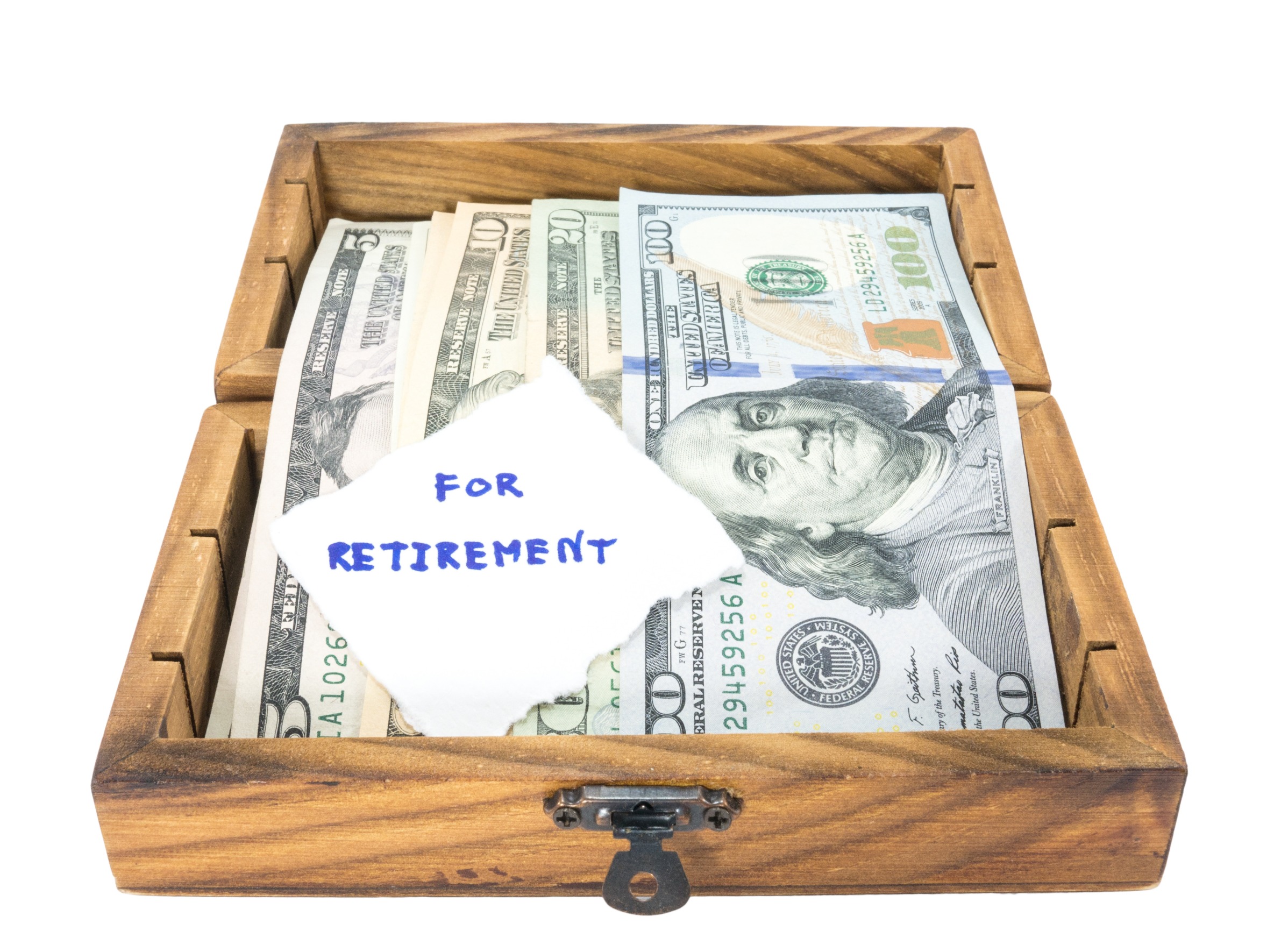
One of the most obvious signs is a lack of sufficient retirement savings. Financial experts recommend having at least eight times your annual salary saved by the time you reach your 60s. If you find yourself far from this goal, it’s a clear indicator that early retirement might not be feasible. Continuing to work can provide more time to build a more substantial nest egg.

2. High Levels of Debt

High Levels of Debt

Carrying high levels of debt into retirement can significantly impact your financial stability. Whether it’s a mortgage, credit card debt, or personal loans, these obligations can eat into your retirement income. Ensuring that you’re debt-free or have a manageable debt load is crucial before considering early retirement. Paying off debts can also provide a sense of financial security.

3. Dependence on Social Security
Dependence on Social Security

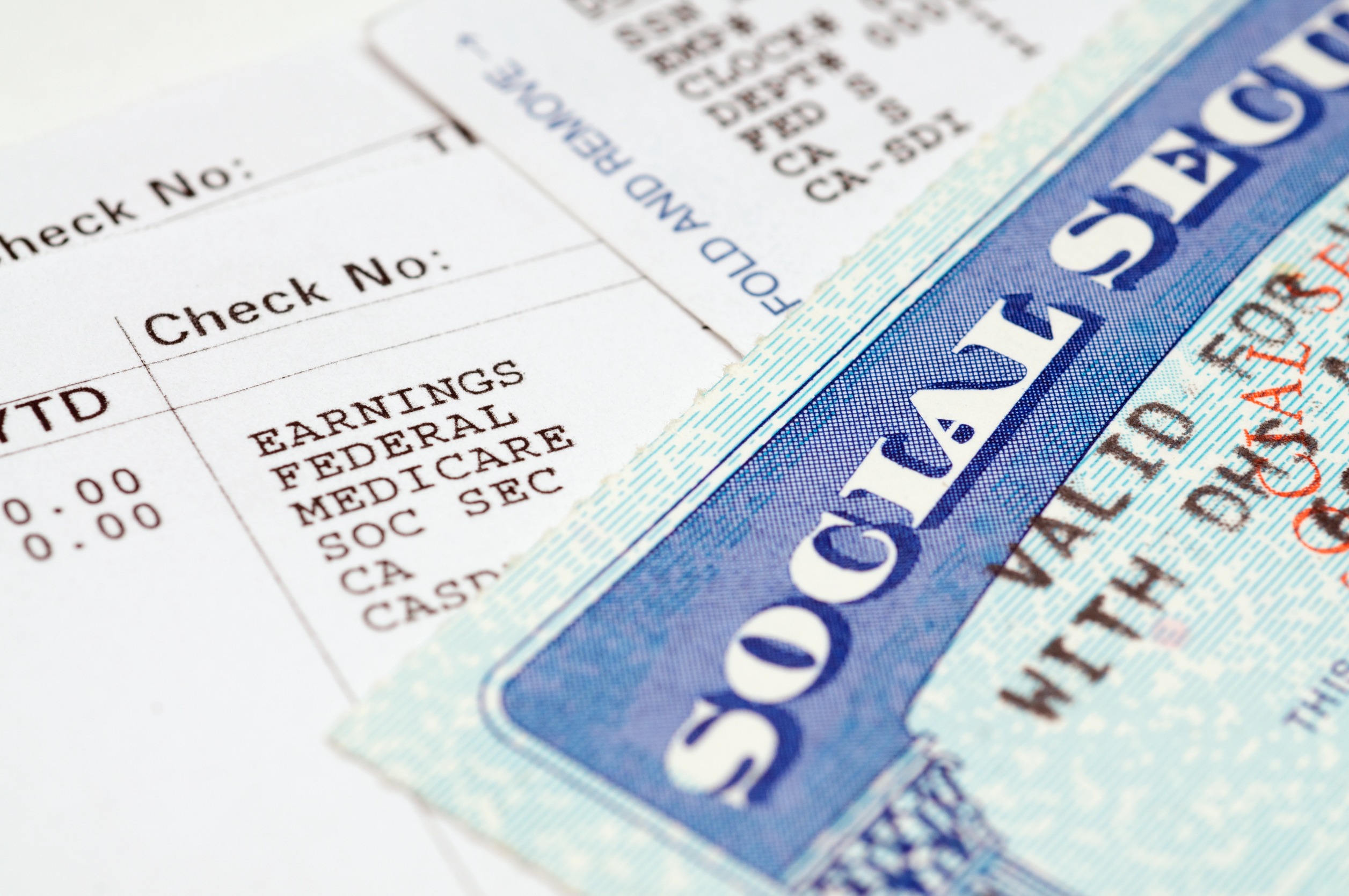
If you find yourself heavily relying on Social Security benefits to fund your retirement, you might not be ready to retire early. Social Security is designed to supplement retirement income, not be the primary source. Depending on it too much can limit your financial flexibility and quality of life. It’s essential to have other income sources, such as savings or investments.

4. Lack of Health Insurance Coverage

Lack of Health Insurance Coverage

Health insurance is a critical component of retirement planning. Without employer-provided health insurance, you may face high out-of-pocket medical expenses. Medicare coverage begins at age 65, so retiring early means bridging the gap with private insurance, which can be costly. Ensuring you have adequate health coverage is essential before retiring.

5. No Clear Retirement Plan

No Clear Retirement Plan

Retiring early requires a well-thought-out plan that addresses your financial needs and lifestyle goals. Without a clear plan, you risk running out of money or facing unexpected expenses. A comprehensive retirement plan should include a budget, investment strategy, and a contingency plan. Consulting with a financial advisor can help create a realistic and achievable plan.

6. High Monthly Expenses

High Monthly Expenses

High monthly expenses can quickly deplete your retirement savings. Analyzing your current spending habits and identifying areas where you can cut back is crucial. Reducing costs can free up more money for savings and investments, making early retirement more achievable. Consider downsizing your home or eliminating non-essential expenses.

7. Inadequate Emergency Fund

Inadequate Emergency Fund

An emergency fund acts as a financial safety net for unexpected expenses. Without an adequate emergency fund, you may have to dip into your retirement savings, jeopardizing your long-term financial security. Financial experts recommend having at least three months’ worth of living expenses saved in an easily accessible account, with six months’ worth being the preferred target. Building a robust emergency fund is a crucial step towards financial preparedness.

8. Dependents Relying on Your Income

Dependents Relying on Your Income

If you still have dependents relying on your income, such as children or elderly parents, retiring early might not be practical. Supporting dependents can place a significant strain on your financial resources. Ensuring your dependents are financially independent or have alternative support is essential before considering early retirement. This can help alleviate financial pressure and provide peace of mind.

9. Uncertain Investment Returns

Uncertain Investment Returns

Relying on uncertain investment returns can be risky when planning for early retirement. Market fluctuations can impact the value of your investments, affecting your retirement income. Having a diversified investment portfolio can help mitigate risks and provide more stable returns. It’s important to review your investment strategy regularly and adjust as needed.

10. Fear of Outliving Your Savings

Fear of Outliving Your Savings

A common concern among those considering early retirement is the fear of outliving their savings. Longevity risk, or the risk of living longer than your financial resources can support, is a serious consideration. Ensuring that your retirement savings can last through your expected lifespan is crucial. Working with a financial planner can help create a sustainable withdrawal strategy and provide peace of mind.

Gen X Retirement Can Mean You Retire Early, But You Have to Prepare

Gen X Retirement Can Mean You Retire Early, But You Have to Prepare

The decision to retire early is a significant one that requires careful consideration and planning. By recognizing these signs and addressing them, you can better prepare for a financially secure retirement. While the dream of early retirement is appealing, ensuring your financial readiness is essential for a comfortable and stress-free retirement.

Read More:

12 Cities You Wouldn’t Believe Are Retirement Paradises

14 Alternative Retirement Plans That Beat Florida’s Heat

Catherine Reed
Catherine Reed

Catherine is a tech-savvy writer who has focused on the personal finance space for more than eight years. She has a Bachelor’s in Information Technology and enjoys showcasing how tech can simplify everyday personal finance tasks like budgeting, spending tracking, and planning for the future. Additionally, she’s explored the ins and outs of the world of side hustles and loves to share what she’s learned along the way. When she’s not working, you can find her relaxing at home in the Pacific Northwest with her two cats or enjoying a cup of coffee at her neighborhood cafe.


Filed Under: Retirement Tagged With: gen x, gen x retirement, Personal Finance, retire early, Retirement, retirement planning

Aging in Place: 8 Unintended Impacts of This Boomer Trend

May 13, 2024 By Catherine Reed Leave a Comment

Aging in Place 8 Unintended Impacts of This Boomer Trend

Aging in place, the decision by seniors to live in their own homes for as long as possible rather than move to specialized retirement communities has become a significant trend among the Baby Boomer generation. This choice, driven by a desire for independence and comfort, has numerous benefits. Yet, it also brings several unintended consequences that impact not only the individuals but also their families, communities, and even the healthcare system. Here, we explore eight such impacts that merit attention.

1. Increased Demand for Home Modifications

Increased Demand for Home Modifications

The trend of aging in place has led to a booming industry in home modifications. Homes need to be retrofitted with safety features such as grab bars, non-slip floors, and improved lighting. While these modifications can significantly enhance safety and mobility, they can be costly and require ongoing updates as the individual’s needs evolve. This necessity often places a financial strain on seniors who might be living on fixed incomes.

2. Changes in Local Healthcare Services

Changes in Local Healthcare Services

As more seniors choose to age in their own homes, there is a corresponding increase in demand for local healthcare services, including home health aides and mobile medical units. This shift can strain local healthcare resources, leading to longer wait times and potentially reduced care quality. Communities might find themselves needing to reevaluate and increase their healthcare capacities to cater to this growing demographic.

3. Impact on Senior Socialization

Impact on Senior Socialization

While aging in place allows seniors to maintain their independence, it can also lead to social isolation, particularly for those who live alone. Isolation can exacerbate feelings of loneliness and depression and can have a severe impact on a senior’s mental health. The community and family members often need to intervene, creating social programs and regular visitation schedules to keep these valued community members engaged and connected.

4. Economic Effects on Local Markets

Economic Effects on Local Markets

Seniors aging in place can significantly influence local economies. They may contribute less to the economy in terms of mobility and spending. Still, they can boost demand for local services and products tailored to their needs, such as home delivery services, personal care, and home maintenance. This shift can lead to the growth of new businesses but may also cause others to struggle as the market changes.

5. Increased Family Caregiver Responsibilities

Increased Family Caregiver Responsibilities

Families often become the primary caregivers for relatives who are aging in place, which can lead to increased stress and financial pressure on these caregivers. Balancing work, personal life, and caregiving responsibilities can be challenging and might lead to burnout. Plus, not all families have the capacity to provide the necessary care, which can lead to gaps in support for older adults.

6. Strain on Public Health Resources

Strain on Public Health Resources

The choice to age in place can place a strain on public health resources, particularly in areas with a high population of seniors. Public services such as emergency response, transportation, and social services may become stretched, requiring new strategies and increased funding to manage effectively. These changes necessitate careful planning and resource allocation to ensure that all residents receive the support they need.

7. Alteration of Housing Markets

Alteration of Housing Markets

The trend of aging in place impacts the housing market in significant ways. Seniors holding onto their homes longer can reduce family-sized homes’ availability, affecting housing prices and accessibility for younger families looking to buy. This dynamic can alter neighborhood demographics and potentially slow down the rejuvenation of specific areas.

8. Environmental Implications

Environmental Implications

Finally, aging in place may have environmental implications. Older homes may require more energy for heating and cooling, which can lead to increased carbon footprints. However, by staying in existing homes, seniors might also reduce the demand for new construction, which can have environmental benefits. Balancing these factors is essential for sustainable community planning.

Aging Place Is Popular, But There Are Drawbacks

Aging Place Is Popular, But There Are Drawbacks

As aging in place continues to grow as a preferred option among Baby Boomers, the ripple effects of this trend are becoming more apparent. While it promotes autonomy and comfort for seniors, the broader impacts on families, communities, and healthcare systems are complex and require proactive management and policy adjustments. Recognizing and addressing these unintended impacts is crucial for creating a supportive environment for seniors choosing to age in their own homes, ensuring their safety, health, and happiness.

Read More:

8 Potential Impacts of Social Security Raising the Retirement Age

12 Cities You Wouldn’t Believe Are Retirement Paradises

Catherine Reed
Catherine Reed

Catherine is a tech-savvy writer who has focused on the personal finance space for more than eight years. She has a Bachelor’s in Information Technology and enjoys showcasing how tech can simplify everyday personal finance tasks like budgeting, spending tracking, and planning for the future. Additionally, she’s explored the ins and outs of the world of side hustles and loves to share what she’s learned along the way. When she’s not working, you can find her relaxing at home in the Pacific Northwest with her two cats or enjoying a cup of coffee at her neighborhood cafe.

Filed Under: Retirement Tagged With: aging in place, baby boomers, Home, housing, lifestyle, Retirement, retirement planning

8 Potential Impacts of Social Security Raising the Retirement Age

May 3, 2024 By Catherine Reed Leave a Comment

8 Potential Impacts of Social Security Raising the Retirement Age

As discussions around the sustainability of Social Security intensify, one proposed solution that frequently emerges is raising the retirement age. This change could have broad implications not only for future retirees but also for the overall economy and workforce structure. Here, we explore eight potential impacts of Social Security raising the retirement age, a topic of significant importance to policy-makers, employers, and individuals planning for retirement.

1. Delayed Access to Retirement Benefits

Delayed Access to Retirement Benefits

Raising the retirement age means individuals will wait longer to access their Social Security benefits. Currently, the full retirement age for Social Security is between 66 and 67, depending on one’s birth year, with the option to claim reduced benefits as early as 62. Increasing the retirement age could push both of these milestones back, forcing people to remain in the workforce longer to maintain their income until they can claim benefits. This could be particularly challenging for those in physically demanding jobs or those facing health issues as they age.

2. Increased Financial Pressure on Older Workers

Increased Financial Pressure on Older Workers

As the retirement age increases, older workers will have to find ways to bridge the financial gap until they can receive Social Security benefits. This necessity could place additional financial pressure on those who are less prepared for retirement using other mechanisms – such as 401(k)s or IRAs – a potentially resulting in higher poverty rates among the elderly population.

3. Extended Workforce Participation

Extended Workforce Participation

Raising the retirement age could result in older individuals staying in the workforce longer, which might have mixed effects on the economy. On the one hand, extended workforce participation can contribute positively by keeping experienced workers active and maintaining a larger workforce, thereby supporting economic productivity. On the other hand, it might lead to increased unemployment or underemployment among younger people, as fewer job openings become available due to older employees delaying their retirement. Additionally, the need to work longer could be problematic for workers who lose their jobs in their later years and face age discrimination in the job market.

4. Shifts in Pension and Retirement Savings Plans

Shifts in Pension and Retirement Savings Plans

Pushing back the official retirement age means individuals and employers may need to adjust how they approach retirement savings. Employers might alter pension plan payouts and contributions. At the same time, individuals may need to increase their retirement savings or change their investment strategies to ensure they have sufficient funds to cover a longer period of retirement. This shift could lead to a greater reliance on private savings and investment management, changing the landscape of retirement planning.

5. Health Implications for Older Workers

Health Implications for Older Workers

Working longer could have significant health implications for older adults. The stress of continuing in a full-time job and the physical demands of certain professions could exacerbate health problems typical of old age. Conversely, staying active and engaged in work can have positive health benefits, including prolonged mental acuity and social connections. The net impact would largely depend on the nature of the work and the individual’s health status.

6. Policy Adjustments in Healthcare and Elder Care

Policy Adjustments in Healthcare and Elder Care

With an aging population working longer, there might be increased demand for healthcare services, workplace accommodations, and elder care resources. Policy adjustments could be necessary to support older workers, such as improved healthcare access, workplace modifications, and perhaps incentives for employers to retain and support older employees. These changes would require careful planning and resources to ensure that the needs of an older working population are met.

7. Changes in Social Attitudes and Expectations

Changes in Social Attitudes and Expectations

Raising the retirement age could shift societal perceptions of aging and retirement. There could be a greater appreciation of the value and experience of older workers, potentially reducing age discrimination. However, it might also lead to increased expectations for older adults to remain productive well into what traditionally would have been their retirement years, which could add social pressure and stress.

8. Economic Impact on the Social Security System

Economic Impact on the Social Security System

One of the primary reasons for raising the retirement age is to improve the financial stability of the Social Security system. By delaying when individuals start to draw benefits, there’s less strain on Social Security funds, potentially prolonging the program’s solvency. This change would be crucial in managing the increased demands on Social Security as the population ages and the ratio of workers to retirees decreases.

Be Ready for the Potential Impacts of Social Security Raising the Retirement Age

Be Ready for the Potential Impacts of Social Security Raising the Retirement Age

Raising the retirement age could profoundly affect many aspects of society and individual lives. While it presents a potential solution to the financial challenges facing Social Security, carefully considering the broader implications is a must. These impacts include the personal financial strain on older workers, changes in workforce dynamics, and the overall health and well-being of the aging population. As such, it’s crucial to approach any decision to modify the retirement age with a comprehensive understanding of these multifaceted outcomes.

Read More:

12 Cities You Wouldn’t Believe Are Retirement Paradises

There Is No Ideal Time to Contribute to Retirement

Catherine Reed
Catherine Reed

Catherine is a tech-savvy writer who has focused on the personal finance space for more than eight years. She has a Bachelor’s in Information Technology and enjoys showcasing how tech can simplify everyday personal finance tasks like budgeting, spending tracking, and planning for the future. Additionally, she’s explored the ins and outs of the world of side hustles and loves to share what she’s learned along the way. When she’s not working, you can find her relaxing at home in the Pacific Northwest with her two cats or enjoying a cup of coffee at her neighborhood cafe.

Filed Under: Retirement Tagged With: financial planning, income, Retirement, retirement age, retirement planning, social security, workforce

  • « Previous Page
  • 1
  • 2
  • 3
  • 4
  • Facebook
  • Pinterest
  • RSS
  • Twitter

Improve Your Credit Score

Money Blogs

  • Budget and the Bees
  • Celebrating Financial Freedom
  • Christian PF
  • Clever Dude
  • Dual Income No Kids
  • Everybody Loves Your Money
  • Financial Panther
  • Gajizmo.com
  • Grocery Coupon Guide
  • Lazy Man and Money
  • Make Money Your Way
  • Money Talks News
  • Personal Profitability
  • PF Blogs
  • Reach Financial Independence
  • Saving Advice
  • The Savvy Scot
  • Yes, I am Cheap

Categories

Disclaimer

Please note that Beating Broke has financial relationships with some of the merchants mentioned here. Beating Broke may be compensated if consumers choose to utilize the links located throughout the content on this site and generate sales for the said merchant.

Visit Our Advertisers

Need to change careers? Consider an Accounting Certificate Program from WTI.