
Beating Broke

Personal Finance from the Broke Perspective

  • Home
  • About
  • We Recommend
  • Contact
  • Our Editorial Commitment

Powered by Genesis

Tips for a Successful No-Spend Year

December 30, 2024 By Teri Monroe Leave a Comment

Tips for a successful no-spend year
Image Source: Pexels

If you’ve tried to have a no-spend month or year in the past, you may have quickly given up on your goals. It’s easy to not be realistic with our financial goals when we are trying to decrease spending in the upcoming year. Around 20% of Gen Zers and Millennials attempt to have a no-buy year, but frequently abandon their goal when things get tough. However, if you frame your no-spend goal in the right way, you’ll have an easier time sticking to it. Let’s take a look at some tips that can help you reach your goals in 2025.

1. Differentiate Wants and Needs

Differentiate between wants and needs during your no-spend year
Image Source: Pexels

It’s unrealistic to say that you won’t buy anything in the next year. But you can set healthy limits for yourself. For example, you probably don’t need another hoodie, but you may need new shoes for work. Try to anticipate these needs as best you can when you are budgeting. You can also give yourself small allowances for each category each month.

2. Limit Your Spending to One Day a Week

Little purchases throughout the week add up. Some people find that designating one day per week to make essential purchases helps them curb their spending. For instance, instead of stopping at the grocery store three or four days per week, make a larger trip one day a week. This will help you track your spending better. Plus, you’ll be forced to use things you already have in the pantry for instance before restocking.

3. Focus on Things That Aren’t Materialistic

To feel less restricted, you may find it helpful to focus on not buying stuff. You could allow yourself instead to focus on experiences and hobbies and give yourself a small budget for those things. Some people incorporate rewards for hitting their financial goals, like a trip at the end of the year.

4. Determine Your Goals

Before on a no-spend year, make sure you have specific goals. You may want to create an emergency fund or save $10,000 this year. You may want to change your shopping habits and set up healthy parameters for yourself. Ultimately, no-spend years are a great opportunity to change our behaviors and relationship with money.

5. Keep a Journal

In your journal, you can outline things that you can and can’t buy, how you will handle impulses, your goals, and your rewards. You can also keep a log of how you are feeling throughout your no-spend year. Write down when you averted an unnecessary purchase and celebrate your little victories along the way. This will help you stay on track all year long.

6. Get Rid of Your Triggers
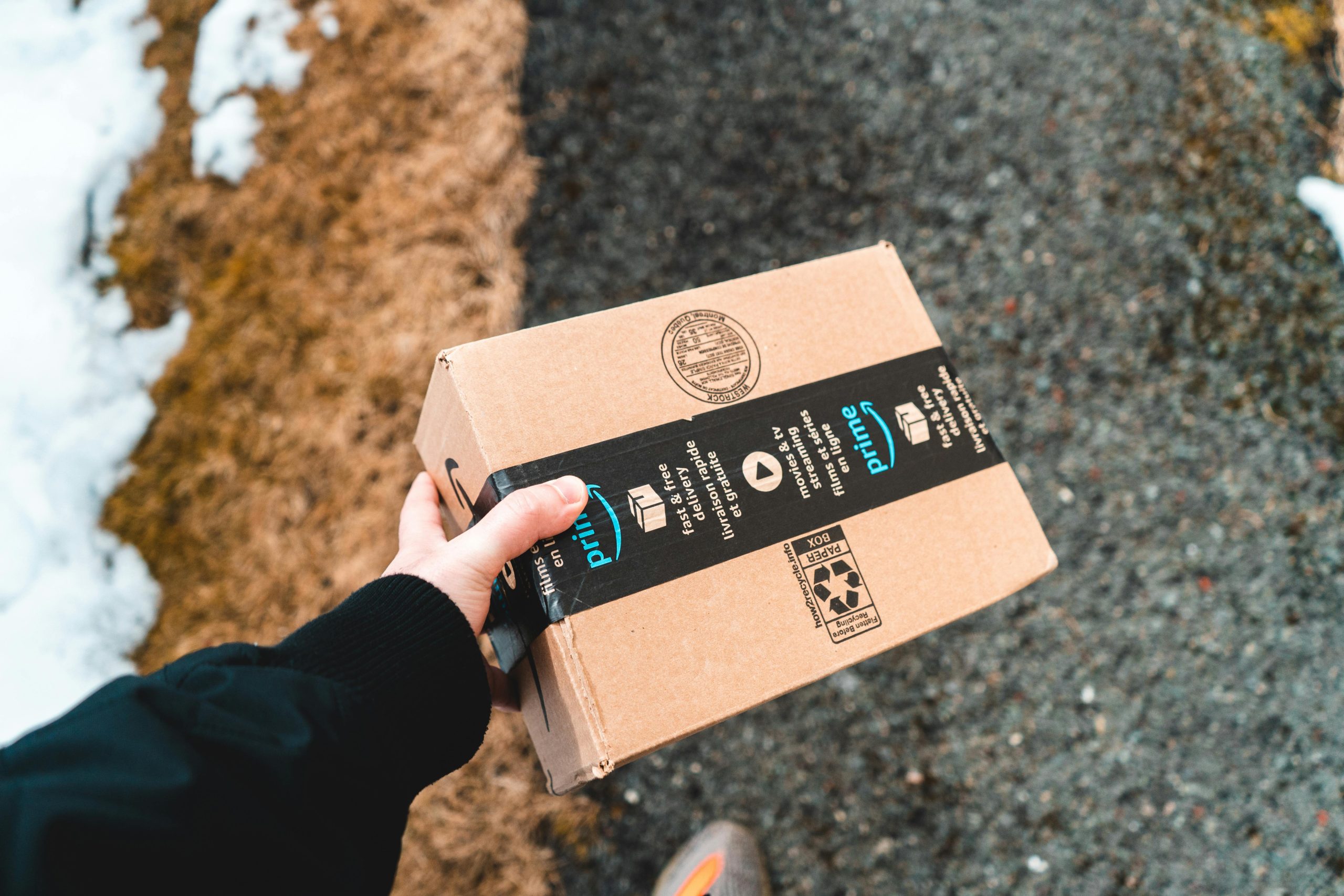
Get rid of your triggers like Amazon Prime
Image Source: Pexels

If you know that window shopping is problematic for you, don’t go to the mall. You may also want to leave your credit cards at home and only carry cash for incidentals. If online shopping causes you to overspend, you may want to unsubscribe from marketing emails and get rid of Amazon Prime. Additionally, if ordering takeout is a trigger, delete DoorDash and Uber Eats.  Instead, create a limit for yourself that you can only eat out or get takeout twice per month. Choose limits that are realistic instead of saying you’ll never do these things.

7. Say No to Yourself

The hardest person to say no to is yourself. Often, we get into the habit of saying “I deserve this.” Maybe we have a stressful week and need to blow off steam, this is when bad spending habits usually crop up. If you can learn to say no to yourself and redirect yourself toward healthier behavior, your no-spend year will be much more successful.

8. Surround Yourself with Positive Influences

Reading material to support a no-spend year
Image Source: Pexels

If your TikTok or Instagram feed is full of influencers who convince you to make impulse buys, unfollow them. Instead, surround yourself with positive influences and content. For example, Buy Now! on Netflix may give you motivation to continue your healthy spending habits. Follow influencers, read books, and watch TV shows that align with your money philosophies to stay on track.

Staying Motivated During a No-Spend Period

If you fall off the no-spend wagon, don’t give up. The only way to set new habits is with time and practice. Instead, if you make a mistake, re-evaluate if your goals are realistic for you and what is and isn’t working. The more flexible you are, without being overindulgent, the more success you’ll have in the long run. Have you tried a no-spend period? What was the most challenging aspect?

Read More

  • 10 Insider Tips to Score the Best Insurance Even If You Have Bad Credit
  • 10 Good Reasons People Are Saying ‘No’ to Buying a House
Teri Monroe Headshot
Teri Monroe

Teri Monroe started her career in communications working for local government and nonprofits. Today, she is a freelance finance and lifestyle writer and small business owner. In her spare time, she loves golfing with her husband, taking her dog Milo on long walks, and playing pickleball with friends.


Filed Under: General Finance Tagged With: curbing impulse buys, financial goals, new years resolutions, no spend, reducing spending

10 Insider Tips to Score the Best Insurance Even If You Have Bad Credit

December 28, 2024 By Teri Monroe Leave a Comment

Finding good insurance with bad credit
Image Source: Pexels

If you have bad credit and are looking for cheap insurance, it’s still possible to get a good rate. According to The Zebra’s customer auto insurance data, drivers with scores between 300 and 579 pay around $126 more per month than those with very good credit scores between 740 and 799. According to Bankrate, the same is true for home insurance. People with bad credit pay 93% more than those with excellent credit. This is due to the fact that insurance companies consider a lower credit score a higher risk factor, meaning that people with a lower score are typically more expensive to insure. Don’t overpay for your insurance. Follow these 10 tips to get the best insurance possible.

1. Shop Around

When you get quotes from insurance companies, they pull a soft credit inquiry. This means that getting multiple quotes won’t affect your credit score. Don’t settle for an expensive plan. Instead, see what’s available in your area.

2. Choose The Right Company

Choosing the right insurance company if you have bad credit
Image Source: Pexels

Choosing the right insurance company is the best way to save money if you have bad credit. You should look for a telematics-based company that tracks your driving habits, mileage, and records to determine your rate. Several companies are better for individuals with bad credit including Geico, Nationwide, and USAA. This may vary based on your location, age, and driving record though. Companies like First Acceptance Auto Insurance or Dairyland are best for drivers who have tickets or accidents.

3. Look for Discounts

If bad credit is driving up the cost of your premium, you can look for discounts in other ways. For auto insurance, many companies offer a safe driver discount. You also can bundle your home and auto insurance for a discount.

4. Be Careful with Claims

Get a quote for repairs before submitting an insurance claim if you have bad credit
Image Source: Pexels

Don’t file a claim for your insurance unless the damages are more than the insurance rate increase you will get in return. Make sure to get a quote for repairs and then do the math. Sometimes you save money by paying out-of-pocket.

5. Exceptions to The Rule

Some states don’t allow insurance companies to do credit checks. If you live in California, Hawaii, Michigan, Nevada, Oregon, Utah, or Massachusetts, your credit score won’t affect your insurance premiums. This may be expanded in the future since lawmakers in many states don’t believe that insurance should be tied to credit scores. Doing so disproportionally harms consumers.

6. Improve Other Risk Factors

home security system improve your risk factor
Image Source: Pexels

For home insurance, you can get additional discounts for installing safety measures like smoke alarms and security systems. For auto insurance, if you have a new driver on your plan or someone with a history of accidents or tickets your policy will be more expensive. Improving your other risk factors will help you get a better rate.

7. Improve Your Credit Score

This may go without saying, but improving your credit score can help you get cheaper insurance. Focus on making on-time payments, utilizing less of your available credit, and avoiding hard credit checks to boost your score. Also, take a look at your credit report for any errors that might be bringing your score down. While a score increase won’t happen overnight, positive actions will help your score increase over time.

8. Reevaluate After a Period of Time

Most insurance companies will offer loyalty discounts after a certain amount of time with no claims. Check in with your insurance company before renewing your policy to see if you qualify. Even if you pay more for insurance within the first year, subsequent years may be cheaper.

9. Check What’s Covered

When you’re shopping for insurance, see what the plans offered actually cover. There are some things you may not need. Of course, if your car or home is financed insurance coverage may be dictated by your lender. If not, you could save money by reducing or eliminating some unnecessary coverage.

10. Choose How You Pay

There are usually small discounts for electronic billing and autopay. Additionally, most companies will offer a discount if you pay for your annual premium upfront. While these savings might be small, they can help you save on insurance costs even with bad credit.

Finding Good Insurance with Bad Credit

You can still find good insurance with bad credit. While you may pay a bit more for your policy, by using these 10 tips you can still get an affordable rate. Don’t settle for the first quote that you get and make sure that you take advantage of all the discounts available to you.

Read More

  • Is Dental Insurance Worth It? The Surprising Truth You Need to Hear Before Your Next Dentist Visit
  • 7 Unbelievable Yet True Cases of Identity Theft
Teri Monroe Headshot
Teri Monroe

Teri Monroe started her career in communications working for local government and nonprofits. Today, she is a freelance finance and lifestyle writer and small business owner. In her spare time, she loves golfing with her husband, taking her dog Milo on long walks, and playing pickleball with friends.

Filed Under: Insurance Tagged With: auto insurance, cheap insurance, home insurance, insurance with bad credit

10 Good Reasons People Are Saying ‘No’ to Buying a House

December 27, 2024 By Teri Monroe 1 Comment

Saying no to buying a new house
Image Source: Pexels

Are you struggling to buy a new house? You aren’t alone! There are many smart reasons why Americans are saying “no” to buying a house from growing costs, high interest rates, and market instability. Here we’ll discuss 10 good reasons why not buying a home right now is a good decision for many.

1. Maintenance Responsibilities

Saying no to buying a house because of maintenance costs
Image Source: Pexels

Many people are not buying a house because of the responsibility of maintenance repairs that come with homeownership. Homeowners can expect to pay at least 1%-4% of their home’s value per year on maintenance. This of course doesn’t account for major repairs like the need for a new roof or air conditioning unit. Costs for maintenance also depend on the home’s age, location, materials used, etc. Many new home buyers are saying no to this often costly responsibility and opting to rent instead.

2. No Down Payment

Put frankly, many people don’t have enough saved for a down payment. With the rise in housing prices, down payments are larger than before. With most Americans living paycheck to paycheck, saving this significant amount of money can be a challenge.

3. High Interest Rates

High interest rates are one factor that is making it challenging to buy a home. While interest rates were very low during the COVID-19 Pandemic, there has been a significant increase since then. In April 2022, rates rose to 5%. This was the first time interest rates had been that high since 2011. According to Freddie Mac, by late November of 2024, the average 30-year mortgage rate, which was close to 6% in September, topped out at 6.84%. The Federal Reserve just cut interest rates, but adjustments are being made slowly.

4. Limited Housing Supply

Limited housing supply
Image Source: Pexels

For the last several years, there has been a housing shortage. This in part is due to many Boomers aging in place. To compound the issue, many home sales during Covid resulted in a bidding war or sold for over asking price within days. This was a frustrating experience for homebuyers trying to find their perfect home. Many potential homebuyers are saying no to buying a house because they have lost out on many houses that they made offers on. Even though the market has slowed some, many people are still waiting for a better time to buy a home.

5. Unstable Income

With some individuals experiencing layoffs in their fields of work, they are hesitant to buy a home right now. Layoffs are decreasing though compared to prior periods. However, Reuters also reported that employers are hesitant to hire new workers in December despite an increase in job openings. Finding a new job takes an average of 3-6 months depending on the field. This can be an unsettling environment to make a large purchase like a new house.

6. Frequent Relocation for Work

Some individuals have to relocate for work often. With the market instability, many are saying no to buying a house. There’s too much risk right now to have to buy and sell a home quickly. While staying in the rent trap is costly, it may be more affordable than all the fees associated with buying and selling a home.

7. Too Much Debt

Total debt is at an all-time high as of the third quarter of 2024, according to the Federal Reserve. According to The Motley Fool, in 2024 the average debt per household is $104,215. Mortgage debt makes up 70% of total household debt in the United States. Debt payments per household are up to about 12% of monthly income and delinquency on debt payments is on the rise, now at levels not seen since the 2008 recession. Many homebuyers aren’t ready to take on this mortgage debt as they already have too much debt from loans and credit cards.

8. Inflation

Inflation
Image Source: Pexels

Inflation since 2020 has contributed to many potential homebuyer’s debt and feeling stretched thin with expenses. Americans are spending around $709 more per month on expenses than they were two years ago. That additional cost is close to that of a mortgage payment. As a result, many Americans are saying no to buying a new house.

9. Priced Out of Desired Area

Many homebuyers desire to live in a certain neighborhood close to family or that has a good school system. Unfortunately, many of these neighborhoods have become too expensive. Homebuyers don’t want to settle for long commutes or less amenities in cities and towns that they can afford. As a result, many are waiting for housing prices to come down in desired locations.

10. Medical Debt

Aside from traditional debt, medical debt has become an increasingly difficult problem for Americans. According to The Urban Institute, 13% of Americans, which is more than 43 million people, had medical debt in collections in 2022. Statistics about growing medical debt per household are hard to come by and vary significantly by state. It is clear that healthcare costs are a financial stressor for many Americans, limiting their ability to buy a house.

Should You Buy a New House?

Of course, this is a personal decision, but it’s okay if buying a new house right now isn’t in the cards for you and your family. Until the market stabilizes or you get a better grip on your finances, it might not make sense to commit to a mortgage. Actually, it might be the smart choice. What are your thoughts on buying a new house right now? Let us know your thoughts in the comments.

Read More

  • Is Dental Insurance Worth It? The Surprising Truth You Need to Hear Before Your Next Dentist Visit
  • Backpacking on a Budget: 10 States Where Your Dollar Goes the Farthest
Teri Monroe Headshot
Teri Monroe

Teri Monroe started her career in communications working for local government and nonprofits. Today, she is a freelance finance and lifestyle writer and small business owner. In her spare time, she loves golfing with her husband, taking her dog Milo on long walks, and playing pickleball with friends.

Filed Under: Home Tagged With: buying a home, cost of buying a home, housing market, saying no to buying a house

  • « Previous Page
  • 1
  • …
  • 32
  • 33
  • 34
  • 35
  • 36
  • …
  • 40
  • Next Page »
  • Facebook
  • Pinterest
  • RSS
  • Twitter

Improve Your Credit Score

Money Blogs

  • Celebrating Financial Freedom
  • Christian PF
  • Dual Income No Kids
  • Financial Panther
  • Gajizmo.com
  • Lazy Man and Money
  • Make Money Your Way
  • Money Talks News
  • My Personal Finance Journey
  • Personal Profitability
  • PF Blogs
  • Reach Financial Independence
  • So Over Debt
  • The Savvy Scot
  • Yes, I am Cheap

Categories

Disclaimer

Please note that Beating Broke has financial relationships with some of the merchants mentioned here. Beating Broke may be compensated if consumers choose to utilize the links located throughout the content on this site and generate sales for the said merchant.

Visit Our Advertisers

Need to change careers? Consider an Accounting Certificate Program from WTI.