Beating Broke

Personal Finance from the Broke Perspective

  • Home
  • About
  • We Recommend
  • Contact
  • Privacy Policy

Powered by Genesis

10 Good Reasons People Are Saying ‘No’ to Buying a House

December 27, 2024 By Teri Monroe 1 Comment

Saying no to buying a new house
Image Source: Pexels

Are you struggling to buy a new house? You aren’t alone! There are many smart reasons why Americans are saying “no” to buying a house from growing costs, high interest rates, and market instability. Here we’ll discuss 10 good reasons why not buying a home right now is a good decision for many.

1. Maintenance Responsibilities

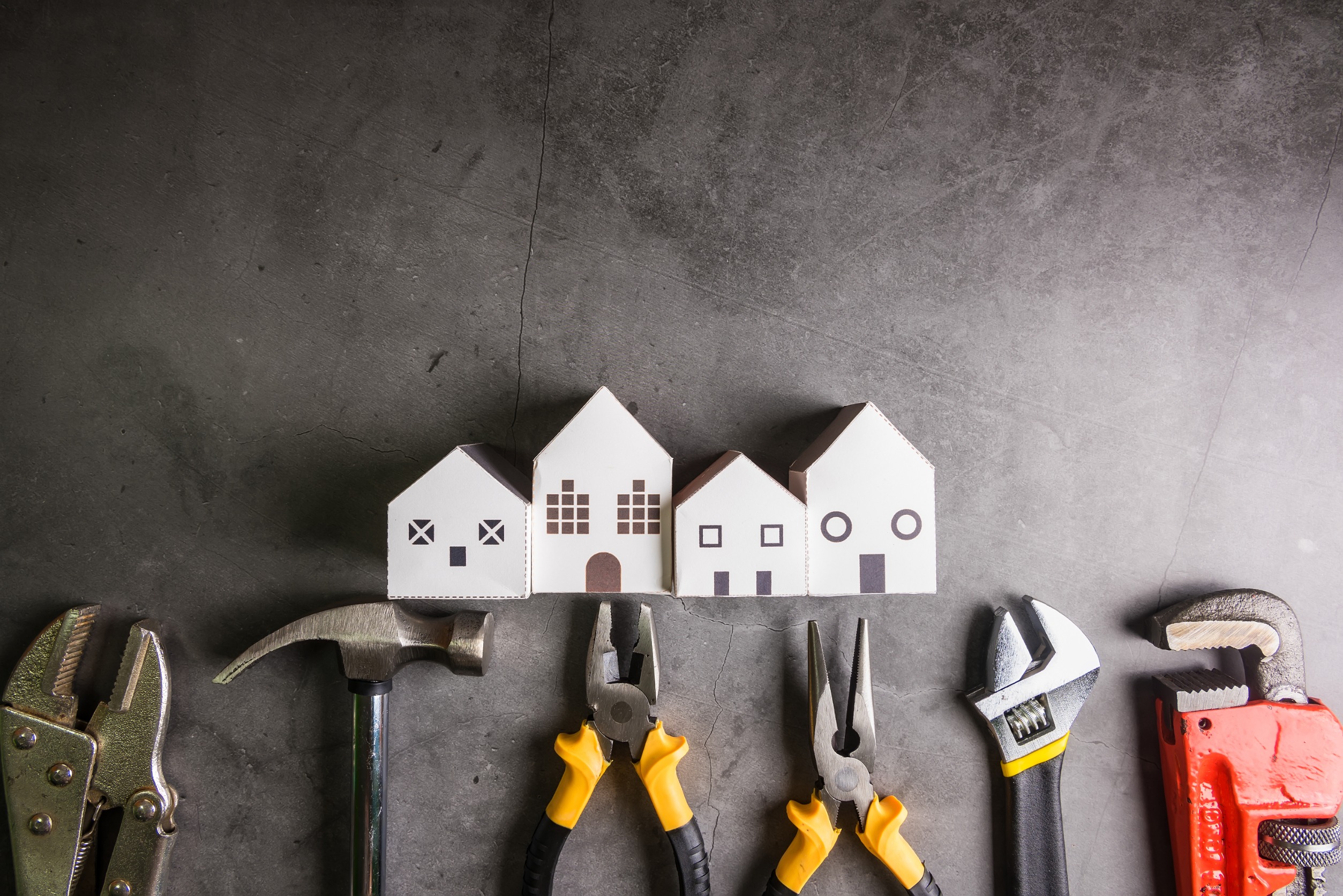
Saying no to buying a house because of maintenance costs
Image Source: Pexels

Many people are not buying a house because of the responsibility of maintenance repairs that come with homeownership. Homeowners can expect to pay at least 1%-4% of their home’s value per year on maintenance. This of course doesn’t account for major repairs like the need for a new roof or air conditioning unit. Costs for maintenance also depend on the home’s age, location, materials used, etc. Many new home buyers are saying no to this often costly responsibility and opting to rent instead.

2. No Down Payment

Put frankly, many people don’t have enough saved for a down payment. With the rise in housing prices, down payments are larger than before. With most Americans living paycheck to paycheck, saving this significant amount of money can be a challenge.

3. High Interest Rates

High interest rates are one factor that is making it challenging to buy a home. While interest rates were very low during the COVID-19 Pandemic, there has been a significant increase since then. In April 2022, rates rose to 5%. This was the first time interest rates had been that high since 2011. According to Freddie Mac, by late November of 2024, the average 30-year mortgage rate, which was close to 6% in September, topped out at 6.84%. The Federal Reserve just cut interest rates, but adjustments are being made slowly.

4. Limited Housing Supply

Limited housing supply
Image Source: Pexels

For the last several years, there has been a housing shortage. This in part is due to many Boomers aging in place. To compound the issue, many home sales during Covid resulted in a bidding war or sold for over asking price within days. This was a frustrating experience for homebuyers trying to find their perfect home. Many potential homebuyers are saying no to buying a house because they have lost out on many houses that they made offers on. Even though the market has slowed some, many people are still waiting for a better time to buy a home.

5. Unstable Income

With some individuals experiencing layoffs in their fields of work, they are hesitant to buy a home right now. Layoffs are decreasing though compared to prior periods. However, Reuters also reported that employers are hesitant to hire new workers in December despite an increase in job openings. Finding a new job takes an average of 3-6 months depending on the field. This can be an unsettling environment to make a large purchase like a new house.

6. Frequent Relocation for Work

Some individuals have to relocate for work often. With the market instability, many are saying no to buying a house. There’s too much risk right now to have to buy and sell a home quickly. While staying in the rent trap is costly, it may be more affordable than all the fees associated with buying and selling a home.

7. Too Much Debt

Total debt is at an all-time high as of the third quarter of 2024, according to the Federal Reserve. According to The Motley Fool, in 2024 the average debt per household is $104,215. Mortgage debt makes up 70% of total household debt in the United States. Debt payments per household are up to about 12% of monthly income and delinquency on debt payments is on the rise, now at levels not seen since the 2008 recession. Many homebuyers aren’t ready to take on this mortgage debt as they already have too much debt from loans and credit cards.

8. Inflation

Inflation
Image Source: Pexels

Inflation since 2020 has contributed to many potential homebuyer’s debt and feeling stretched thin with expenses. Americans are spending around $709 more per month on expenses than they were two years ago. That additional cost is close to that of a mortgage payment. As a result, many Americans are saying no to buying a new house.

9. Priced Out of Desired Area

Many homebuyers desire to live in a certain neighborhood close to family or that has a good school system. Unfortunately, many of these neighborhoods have become too expensive. Homebuyers don’t want to settle for long commutes or less amenities in cities and towns that they can afford. As a result, many are waiting for housing prices to come down in desired locations.

10. Medical Debt

Aside from traditional debt, medical debt has become an increasingly difficult problem for Americans. According to The Urban Institute, 13% of Americans, which is more than 43 million people, had medical debt in collections in 2022. Statistics about growing medical debt per household are hard to come by and vary significantly by state. It is clear that healthcare costs are a financial stressor for many Americans, limiting their ability to buy a house.

Should You Buy a New House?

Of course, this is a personal decision, but it’s okay if buying a new house right now isn’t in the cards for you and your family. Until the market stabilizes or you get a better grip on your finances, it might not make sense to commit to a mortgage. Actually, it might be the smart choice. What are your thoughts on buying a new house right now? Let us know your thoughts in the comments.

Read More

  • Is Dental Insurance Worth It? The Surprising Truth You Need to Hear Before Your Next Dentist Visit
  • Backpacking on a Budget: 10 States Where Your Dollar Goes the Farthest
Teri Monroe Headshot
Teri Monroe

Teri Monroe started her career in communications working for local government and nonprofits. Today, she is a freelance finance and lifestyle writer and small business owner. In her spare time, she loves golfing with her husband, taking her dog Milo on long walks, and playing pickleball with friends.
Filed Under: Home Tagged With: buying a home, cost of buying a home, housing market, saying no to buying a house

In Today’s Financial Environment Am I Still Wasting Money on Rent?

June 7, 2024 By Catherine Reed Leave a Comment

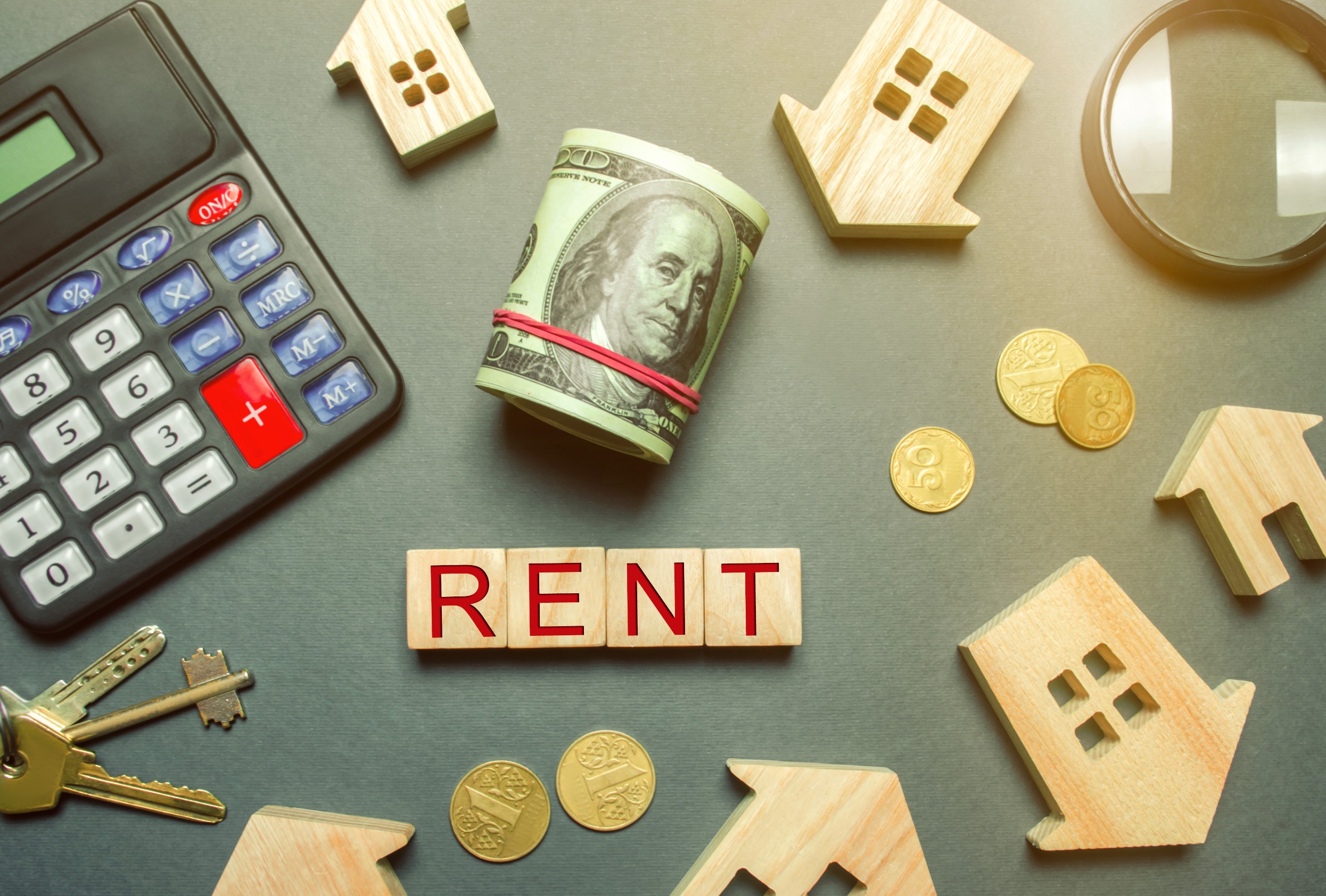
In Today's Financial Environment Am I Still Wasting Money on Rent

With the ever-changing financial landscape, many people question whether renting is a prudent choice or a waste of money. Rising property prices, fluctuating interest rates, and economic uncertainties make this a timely and relevant topic. Understanding the nuances of renting versus buying is crucial for making informed financial decisions. Here, we explore whether you are genuinely wasting money on rent in today’s economic environment.

The Flexibility of Renting

The Flexibility of Renting

Renting offers flexibility that homeownership often cannot match. For those with transient jobs or uncertain future plans, renting provides the freedom to relocate without the long-term commitment of a mortgage. Additionally, renters can often move to different neighborhoods or cities with relative ease. This flexibility is invaluable for those who value mobility and adaptability.

Upfront Costs and Financial Barriers

Upfront Costs and Financial Barriers

One of the significant advantages of renting is the lower upfront cost. Purchasing a home typically requires a significant down payment, with the preferred target being 20 percent. Plus, there are closing costs and other fees that can be a financial barrier for many. Renting, on the other hand, usually involves a security deposit and the first month’s rent, making it more accessible. These lower initial costs can free up money for other investments or savings goals.

Maintenance and Repair Responsibilities

Maintenance and Repair Responsibilities

Renters generally aren’t responsible for maintenance and repairs, which can save a considerable amount of money and hassle. Homeowners must budget for unexpected expenses like plumbing issues, roof repairs, and appliance replacements. These costs can add up quickly and strain financial resources. By renting, individuals can avoid these unpredictable expenses and the stress that comes with them.

Opportunity Costs of Renting

Opportunity Costs of Renting

While renting offers several financial advantages, it also comes with opportunity costs. Rent payments do not build equity, meaning the money spent on rent does not contribute to ownership or asset accumulation. Over the long term, this can result in a significant financial disadvantage compared to owning a home. Evaluating these opportunity costs is essential for understanding the true financial impact of renting.

Housing Market Volatility

Housing Market Volatility

The housing market’s volatility plays a crucial role in the rent versus buy decision. In times of economic uncertainty, property values can fluctuate dramatically, impacting the potential return on investment for homeowners. Renting can be a safer option during such periods, as it avoids the risk of property devaluation. Understanding the current housing market trends can help determine whether renting is a better choice financially.

Financial Stability and Job Security

Financial Stability and Job Security

Renting can be advantageous for those with unstable income or job security. Without the burden of a mortgage, renters may find it easier to adjust their living expenses to match their financial situation. This can provide a safety net during times of economic hardship or career transitions. Ensuring financial stability and adaptability is crucial in today’s unpredictable economic environment.

Real Estate Investment Alternatives

Real Estate Investment Alternatives

For those questioning whether they are wasting money on rent, exploring real estate investment alternatives can be beneficial. Investing in real estate through REITs (Real Estate Investment Trusts) or other property investment vehicles allows individuals to gain exposure to the real estate market without purchasing a home. These investments can provide income and potential capital gains while maintaining the flexibility of renting.

Comparing Rent and Mortgage Payments

Comparing Rent and Mortgage Payments

Comparing monthly rent payments to potential mortgage payments is essential for making an informed decision. In some markets, mortgage payments may be comparable to or even lower than rent payments, making homeownership a financially viable option. However, this comparison should also consider property taxes, insurance, and maintenance costs. A thorough analysis helps determine the most cost-effective living arrangement.

Long-Term Financial Goals

Long-Term Financial Goals

Aligning your housing choice with your long-term financial goals is crucial. If building wealth and financial security are priorities, owning a home can be a strategic move, provided it aligns with your budget and lifestyle. Conversely, if flexibility, lower upfront costs, and avoiding maintenance responsibilities are more critical, renting may be the better choice. Balancing these factors helps achieve a stable and fulfilling financial future.

Economic Trends and Rent Prices

Economic Trends and Rent Prices

Current economic trends and rent prices significantly impact the decision to rent or buy. In some areas, rent prices have surged, making homeownership more attractive. Understanding local rent trends and comparing them to housing market conditions can provide valuable insights. Staying informed about economic developments ensures that your housing decision remains financially sound.

You’re Not Necessarily Wasting Money on Rent

You’re Not Necessarily Wasting Money on Rent

Renting offers flexibility, lower upfront costs, and extra freedom – particularly when it comes to maintenance responsibilities and the ability to move more spontaneously – making it an attractive option for many. However, the opportunity costs of not building equity and the potential advantages of homeownership cannot be ignored. By carefully considering personal financial stability, market conditions, and long-term goals, you can determine whether renting is the right choice in today’s financial environment. Making a thoughtful decision ensures that you are not wasting money on rent but rather making a strategic financial choice that aligns with your lifestyle and future aspirations.

Read More:

Millennials Will Be Living with Their Parents Forever: 12 Ways to Get Out

How to Prepare for Major Expenses Associated with Your Home

Catherine Reed
Catherine Reed

Catherine is a tech-savvy writer who has focused on the personal finance space for more than eight years. She has a Bachelor’s in Information Technology and enjoys showcasing how tech can simplify everyday personal finance tasks like budgeting, spending tracking, and planning for the future. Additionally, she’s explored the ins and outs of the world of side hustles and loves to share what she’s learned along the way. When she’s not working, you can find her relaxing at home in the Pacific Northwest with her two cats or enjoying a cup of coffee at her neighborhood cafe.

Filed Under: housing Tagged With: buying a home, homeownership, housing costs, mortgage, real estate, rent, wasting money on rent

Making an Offer on a House

November 4, 2011 By Shane Ede 7 Comments

In my opinion, buying a house is a lot more complicated than it really should be.  Making an offer on a house plays it’s part in that complication.  You’d think that making an offer on a house you want to buy would be as simple as telling the owner that you offer $xxx,xxx amount and they either accept or reject that offer.  But, if it were that simple, I wouldn’t feel the need to write this article, now, would I?

Depending on your situation, the offer you make can take on many forms.  When we finally found the house we wanted to buy, and decided that we were going to make an offer, we found that there are a few questions that we had to ask ourselves.

How much will you offer?

How much you offer on the house depends alot on your local market.  In some places, the market is pretty depressed, so making an offer that is way below the asking price is pretty common.  In other places, like here in North Dakota, the market has been pretty stable, so offering way below the price could be construed as an insult to the owner.  The house we wanted was originally listed at $138,000 when we first looked at it.  It had been on the market since June, and a week later, when we went to look at it a second time, the owners had just dropped the price down to $130,000.  We knew that we could probably afford the $130,000, but didn’t want to jump at the asking price.  We did that with our first house, and regretted it.  After discussing it with our real estate agent, we decided that offering $125,000 was well within our range, and wouldn’t be so low that it would insult the sellers.

Contingencies to the offer (Only ifs)

New money.One thing that you likely won’t think about, is the contingencies on the offer.  One of these was pretty simple for us.  We already owned a house, and would need to sell that house before we could afford a new one.  So, one of our contingencies was that our house had to sell before we could close on the new one.  If you’re going to have a home inspector inspect the house (I recommend you do), your offer should be contingent on the house passing the home inspection.  There might be appliances that aren’t explicitly stated as remaining with the house.  If you’d like those appliances, you can make the offer contingent on them remaining after the sellers have moved out.  There might be repairs that you think should be done before you move in.  You can make the offer contingent on those being completed.  Think of the contingencies as negotiation factors.  You’re saying “We’ll pay you this much for the house, only if you do this.”

Counter Offers

Once you’ve made the offer, the real estate agent will take it to the sellers of the house for them to approve, reject, or counter.  If the seller makes a counter offer, they may accept all the contingencies, but ask for a higher price.  Or, maybe they’ll accept the price, but want some of the contingencies removed.  It’s all part of the negotiation.

Accepting the Offer/Counter Offer

If the seller accepts the offer the first time, then it’s on to the rest.  If they counter, you’ll have to accept, reject, or counter offer their counter offer.  Again, it’s part of negotiation, so be sure you understand what it is that has changed and what it is that you’re asking for.  At this point, you’ll likely have a bit more paperwork to sign.

What’s next? (After the offer is accepted)

After an sales agreement has been agreed upon, several things will happen.  You’ll want to start the work necessary to secure your loan.  The sellers will start doing any repairs or other changes that you requested in the contingencies.  If you chose to have a home inspection, you’ll want to get a list of home inspectors in your area and contact one as soon as possible to get the inspection scheduled.  All of these things will have a time frame that they will have to be completed within.  In our case, we wanted to have a home inspection done.  We had 5 business days after the offer was accepted to schedule and have the home inspection done.  Once the home inspection was done, we then had 3 additional business days to decide if there were any repairs that would need to be done to the house in order for it to have passed the home inspection.  If there are repairs, you’ll have to request the fixes through your real estate agent who will deliver them to the seller.  The seller can then decide whether they want to make those fixes, or not.  If they choose to not do the repairs, and you don’t want to go through with the purchase, that effectively kills the deal.  If you still want to go through with the purchase, you might be able to have the sellers put the funds for the repair into a repair escrow account for your use later in making the repairs.  If the seller doesn’t want to make the repairs, and doesn’t want to pay for them either, you have the choice of killing the deal, or removing the home inspection contingency on the offer.

Once all the repairs are made (or negotiated out), and all the other contingencies are made, you’ll move onto the financing and closing portions of your home purchase.  Be prepared.  The closing process is drawn out by regulation and can sometimes take up to 90 days or longer.

photo credit: Neil Armstrong2

Shane Ede

Shane Ede is a business teacher and personal finance blogger.  He holds dual Bachelors degrees in education and computer sciences, as well as a Masters Degree in educational technology.  Shane is passionate about personal finance, literacy and helping others master their money.  When he isn’t enjoying live music, Shane likes spending time with family, barbeque and meteorology.

www.beatingbroke.com

Filed Under: Home, ShareMe Tagged With: buying a home, buying a house, real estate

  • 1
  • 2
  • Next Page »
  • Facebook
  • Pinterest
  • RSS
  • Twitter

Improve Your Credit Score

Money Blogs

  • Celebrating Financial Freedom
  • Christian PF
  • Dual Income No Kids
  • Financial Panther
  • Gajizmo.com
  • Lazy Man and Money
  • Make Money Your Way
  • Money Talks News
  • My Personal Finance Journey
  • Personal Profitability
  • PF Blogs
  • Reach Financial Independence
  • So Over Debt
  • The Savvy Scot
  • Yes, I am Cheap

Categories

Disclaimer

Please note that Beating Broke has financial relationships with some of the merchants mentioned here. Beating Broke may be compensated if consumers choose to utilize the links located throughout the content on this site and generate sales for the said merchant.

Visit Our Advertisers

Need to change careers? Consider an Accounting Certificate Program from WTI.