Beating Broke

Personal Finance from the Broke Perspective

  • Home
  • About
  • We Recommend
  • Contact
  • Our Editorial Commitment

Powered by Genesis

Why Your Water Bill Is Sky-High (And 6 Fast Ways to Slash It)

March 27, 2025 By Teri Monroe Leave a Comment

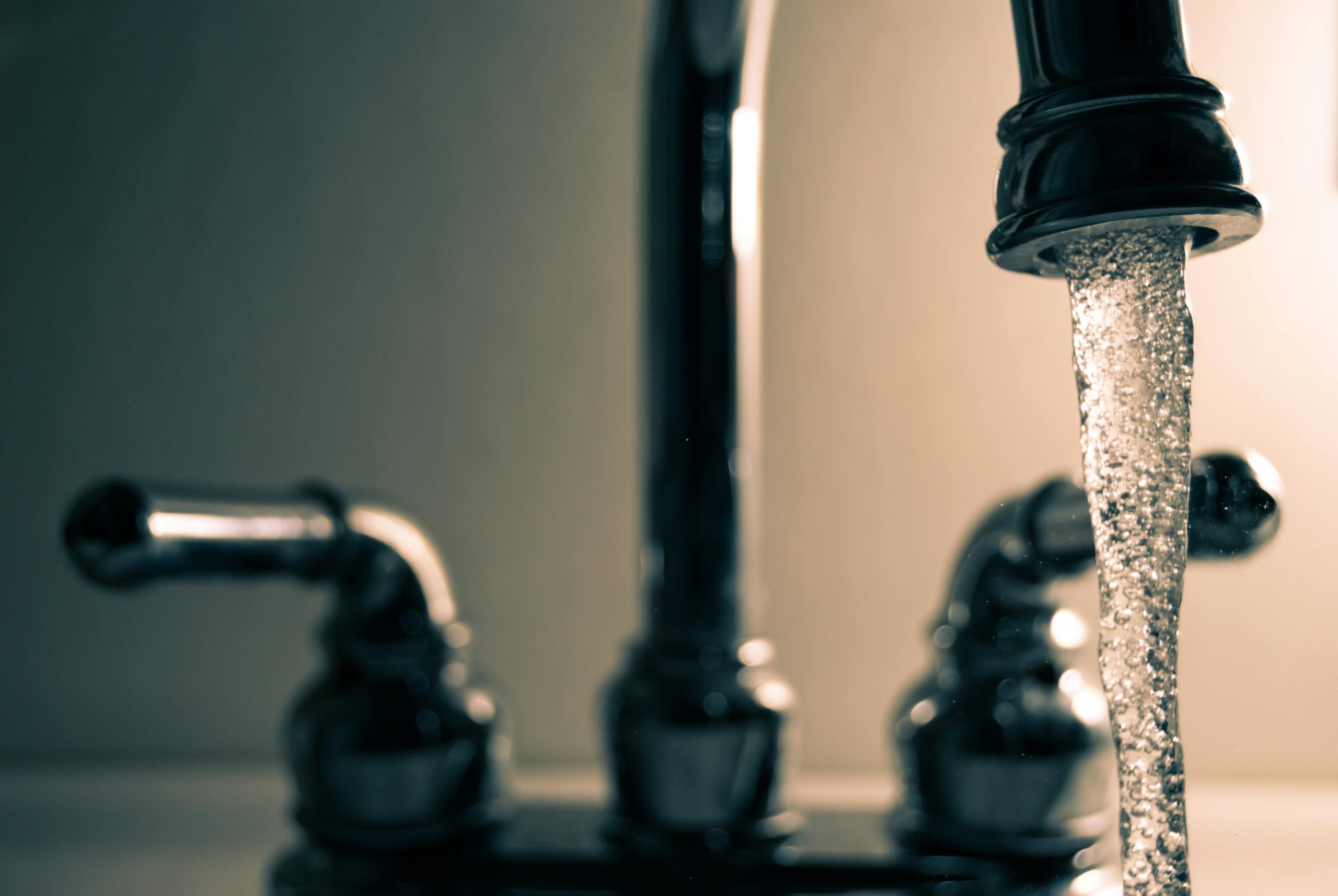
how to save money on your water bill
Image Source: Pexels

Are utility bills leaving you broke each month? If your water bill is sky-high, you may be wondering how to save money on your water bill. The truth is, utility bills can be a huge financial strain if you aren’t mindful about keeping them in check. Here we’ll give you insider tips on how to slash money from your water bill.

Why Your Water Bill Is So High

High water bills are often an indication of a larger problem. You may be overpaying because of unknown leaks, inefficient appliances, running toilets, or excessive use for things like lawn watering or sprinkler systems. Here’s how you can lower your bill.

1. Check for Leaks

Inspect faucets, toilets, and outdoor hoses. Fix leaks immediately. For example, a running toilet can waste 200 gallons of water per day. Check for silent leaks by adding food coloring to the tank; if the color seeps into the bowl without flushing, you have a leak. You may want to call a plumber to conduct a review of your pipes, just in case there is an internal problem.

2. Upgrade Fixtures

Did you know that if you install low-flow showerheads and faucet aerators, you can cut your bill by up to 30%? Small changes like this can make a big impact on your monthly bill. As far as running toilets, you should switch to dual-flush toilets to use less water for liquid waste. This can save up to 67% of toilet water usage.

3. Adjust Your Sprinkler System

Try to water less or change the times you water to early in the morning or evening to avoid evaporation. Repositioning your sprinkler heads to only focus on your grass, not sidewalks or driveways, can save you money. You should also check for broken or clogged sprinkler heads to prevent waste. Make sure that you aren’t watering during inclement weather. You can also adjust your landscaping so that it is less water-thirsty adding in rocks and drought-resistant plants.

4. Shorten Your Water Consumption

It may seem like common sense, but how to save money on your water bill includes reducing how much water you use. Try to take shorter showers, turn the water off when you brush your teeth, and limit how much laundry and dishes you do per week. Just turning off your water when you brush your teeth can save 4-10 gallons of water per day. It may seem like a small improvement, but every dollar saved counts.

5. Adjust Settings on Your Appliances

If you have energy-efficient appliances, you can adjust the settings to save water. If your appliances aren’t energy efficient, it may be more cost-effective to replace them. For example, modern Energy Star-certified dishwashers and washing machines use 35-50% less water. If your appliances are energy efficient there are a few things you can do to help them. First, pre-wash all your dishes so that you don’t need a rinse cycle on your dishwasher. On your washer, make sure to use the appropriate load size setting on your washing machine to avoid using excess water for small loads.

6. Have Your Water Meter Checked

Did you know that you can request your water meter to be replaced? If your meter is dated, you can call your water provider and request a new one. Older water meters can become inaccurate over time, overestimating your usage and leading to higher bills.

Have your utility bills increased recently? How do you save money on your water bill? Let us know in the comments section.

Read More

Stop Letting Your Money Sit Idle: 6 Tricks to Give Every Dollar a Job

Improving Your Daily Health Routine on a Budget

Teri Monroe Headshot
Teri Monroe

Teri Monroe started her career in communications working for local government and nonprofits. Today, she is a freelance finance and lifestyle writer and small business owner. In her spare time, she loves golfing with her husband, taking her dog Milo on long walks, and playing pickleball with friends.


Filed Under: Saving Tagged With: how to save money on your water bill, reduce utility costs, reduce water bill, utility bills

Ditch Your Low-Interest Account: 7 High-Yield Savings Options in Arizona

March 6, 2025 By Stan Costello Leave a Comment

Az State2
</strong> Image Source: 123rf.com

Confession—watching money sit in a traditional savings account earning pennies is ridiculously frustrating, especially with today’s rising costs. If you’re an Arizona resident tired of those measly 0.01% returns, you’re not alone! The good news? You have plenty of better options right in your backyard. Let’s explore seven high yield savings account options in Arizona.

1. Online High-Yield Savings Accounts

Money Market
Image Source: 123rf.com

Why settle for tiny returns when you could be earning 15-25 times more interest with just a few clicks? Online banks like Ally, Marcus by Goldman Sachs, and Capital One 360 offer Arizona residents impressive APYs between 4.00% and 5.25% right now.

Since these digital banks don’t have expensive branches to maintain, they pass those savings directly to you through higher interest rates. Most don’t require minimum balances or charge monthly fees, making them perfect for savers at any level. And don’t worry about security – these accounts carry the same FDIC insurance as your traditional bank, protecting your deposits up to $250,000.

2. Arizona Credit Unions

Credit Union
Image Source: 123rf.com

Your neighborhood credit unions might be Arizona’s best-kept financial secret. Places like Desert Financial Credit Union and Arizona Federal Credit Union consistently offer rates that beat the national averages while keeping your money in the local economy.

Unlike big banks answering to shareholders, credit unions are owned by their members (that’s you!), so they’re focused on giving you better deals, not maximizing corporate profits. Many Arizona credit unions reward relationship banking with special rate boosts when you use multiple services. The friendly, personalized service is a refreshing change from automated phone systems and chatbots.

3. Money Market Accounts

AZ Bank
Image Source: 123rf.com

Need to keep your cash accessible while still earning solid interest? Money market accounts offer the perfect middle ground for Arizona savers. These specialized accounts typically reward larger balances with better rates (often reaching 4.50% to 5.00% for substantial deposits) while still letting you write checks or use a debit card.

Local options like BMO Harris and WaFd Bank offer competitive Arizona-specific money market rates that blow traditional savings accounts out of the water. These accounts make perfect sense for your emergency fund or saving toward a down payment on that Scottsdale dream home – your money grows substantially faster while remaining available when you need it. Just keep an eye on minimum balance requirements, which typically range from $1,000 to $5,000 depending on where you bank. Desert Financial and Vantage West Credit Union currently offer some of the most reasonable minimums paired with impressive rates.

4. Certificate of Deposit (CD) Laddering

High yield
Image Source: 123rf.com

If you’re comfortable setting aside some money for a fixed period, Arizona banks and credit unions offer CDs with seriously impressive returns – currently ranging from 4.50% for shorter terms to over 5.75% for longer commitments. The secret pro move? Create a “CD ladder” by opening several certificates with staggered maturity dates. This strategy gives you periodic access to your funds while maximizing overall returns.

Right now, OneAZ Credit Union and Arizona Federal are featuring some of the state’s most competitive CD rates, especially in the sweet spot of 6-24-month terms. The beauty of CDs is their guaranteed returns. Once you lock in that 5.50% rate, you’ll get exactly that regardless of what happens to interest rates during your term. It’s like getting tomorrow’s harvest at today’s prices, especially valuable when economic conditions remain uncertain.

5. High-Yield Checking Accounts

Account
Image Source: 123rf.com

Why keep your spending money in a zero-interest checking account when it could be earning premium returns? Several Arizona financial institutions now offer checking accounts with interest rates rivaling dedicated savings vehicles—we’re talking 3.00% to 4.50% APY on your everyday spending account. These accounts typically ask you to meet monthly requirements like setting up direct deposit, making a minimum number of debit card purchases, or signing up for paperless statements – small tasks for significant returns.

Local standouts include Copper State Credit Union and TruWest Credit Union, both offering some of Arizona’s most generous rewards checking programs. Many of these accounts throw in valuable extras like ATM fee reimbursements (perfect for those weekend trips to Sedona or Lake Havasu) and cashback rewards on purchases.

6. Treasury Bills and TIPS

Trez
Image Source: 123rf.com

Looking for rock-solid security with surprisingly competitive yields? U.S. Treasury securities offer Arizona residents government-backed options that are currently outperforming many traditional bank products. Short-term Treasury bills now yield between 4.25% and 5.50% depending on maturity, with options ranging from four weeks to one year. For those worried about inflation eating into savings (a valid concern in today’s economy), Treasury Inflation-Protected Securities (TIPS) automatically adjust with the Consumer Price Index, ensuring your purchasing power remains protected. As an Arizona resident, you’ll appreciate that interest earned on Treasury securities is exempt from state income tax, giving you a built-in advantage over fully taxable bank interest. The best part? You can purchase these directly through TreasuryDirect.gov without paying fees or commissions to middlemen, keeping more money in your pocket. It’s like having the full faith and credit of the U.S. government as your personal banker.

7. Arizona-Specific Bond Programs

AZ Gov
Image Source: 123rf.com

Did you know you can earn strong returns while helping build a better Arizona? The state offers unique bond programs that let you support local development projects while earning competitive interest. The Arizona State Treasurer’s LOCAL Investment Program connects taxpayers with opportunities to invest in government projects while earning rates frequently exceeding 4.00%. Municipal bonds issued by Arizona cities and counties not only provide tax advantages for residents but deliver yields between 3.50% and 5.00% depending on the specifics. Your investment goes directly toward funding schools, roads, water systems, and other critical infrastructure improvements in communities throughout the state.

For Arizonans in higher tax brackets, the tax-exempt status of qualifying municipal bond interest creates tax-equivalent yields that can exceed 6.00% – particularly appealing when compared to fully taxable savings options. It’s rare to find an investment that aligns your financial goals with your community values so perfectly.

Your Roadmap to Better Returns

Az State
Image Source: 123rf.com

Ready to stop leaving money on the table? Transitioning from your underwhelming account doesn’t have to be complicated. Start by thinking about how quickly you might need to access different portions of your savings. Emergency funds should remain easily accessible, while money for longer-term goals can be placed in higher-yielding options with some time commitments. Compare not just the headline interest rates but also any fees, minimum requirements, and access limitations to find the right fit for your situation.

Stephen Kanaval
Stan Costello

Stan began his career as a Research Assistant at a reputable middle-market private equity firm, where he honed his skills in market research, financial analysis, and identifying investment opportunities. He then transitioned to full-time financial writing focusing on small-cap biotech innovation and digital payment solutions. Today, Stephen is a value-based retail investor and novice baseball statistician.

Filed Under: Saving Tagged With: bonds, CDs, credit unions, high-yield savings, savings accounts

Are Your Money Saving Strategies Actually Costing You Money?

December 19, 2024 By Teri Monroe Leave a Comment

money saving strategy
Image Source: Pexels

Especially with inflation, many Americans are trying to cut back on spending. A 2023 Experian study found that 66% of Americans actively seek ways to trim expenses from their monthly budget. But what if we told you that some of your money-saving habits are actually costing you money? You could be approaching saving money all wrong. Let’s take a look at your money-saving strategies and whether or not they’re actually costing you more than they save.

1. Ignoring Price Per Unit

trying to save money at grocery store costing you more than you think
Image Source: Pexels

I am personally guilty of this. When money is tight, I tend to buy the cheapest things I can find at the grocery store. That said, I often fall into the trap of buying small quantities that are actually more expensive than if I spent a few more dollars on larger quantities. So, it’s important to look at the price per unit to determine if the item you’re buying is actually a good deal. Otherwise, your money-saving strategy could be costing you more in the long run.

2. Overbuying in Bulk

Buying in bulk isn't always a money saving strategy
Image Source: Pexels

The same is true for buying everything in bulk. First, what is realistic for you and your family to use or consume before the product spoils or expires? Then, do a little math and make sure that the bulk price is really saving you money. Many stores like Costco, Sam’s Club, and BJ’s don’t have amazing deals on everything just because they are bigger quantities. To get the best deals on items, research prices on Flipp to see prices at other stores in your area.

3. Just Buying Something Because It’s on Sale

If you’re only buying items on sale, you might actually be paying more. For example, a name-brand peanut butter on sale could still be more expensive than the store brand. Additionally, if there is a sale in-store it’s likely that you can save even more by stacking manufacturer coupons and rebates on apps like Rakuten, Ibotta, Shopkick, and Fetch. Check out videos on social media from well-known couponers for the best tips.

4. Hanging onto an Old Car

If you just bought an old car or are hanging onto a clunker, you may be wasting money. Gas mileage alone on an older car could be costing you money. Plus, if you’re putting money into repairs, you are probably spending more than the car is worth.

5. Avoiding Doctors and Dentists

Dentist visit
Image Source: Pexels

While paying for insurance deductibles is expensive, ignoring preventative care isn’t a good money-saving strategy. You could be missing treatable health conditions by putting off visits to the doctor or dentist. While no one likes going to the dentist, good oral health can health prevent costly procedures like root canals.

6. Ignoring Quality of Purchases

Just because the clothes on Shein are inexpensive doesn’t mean that they are a good deal in the long run. If you consider cost per wear, a better quality garment may be worth the investment. You can always get better quality clothes at the thrift store or on the resale market to cut costs. The same is true for household items. There are things you should invest in so that they stand up to wear like quality pots and pans.

7. DIYing Repairs

DIY home repairs costing you more money
Image Source: Pexels

It’s tempting to think that you can save money on home repairs by doing it yourself. Yes, professionals are expensive, but larger projects often require an expert’s knowledge and skill. So, next time you have a leak in your roof, don’t try and fix it yourself unless you are equipped to do so. Any mistakes you make could cost you a lot more to rectify.

Reevaluating Your Money-Saving Strategy

Sometimes saving more money is about changing your mindset. Spending the least amount of cash doesn’t mean that you’re saving money in the long run. You may actually be paying more for simple things like grocery items if you buy smaller quantities. Or if you have to replace a winter jacket every year because you purchased one that was poor quality over time you are probably spending more money. So, make your purchases wisely and do your research to get the best deals that actually save you money.

What is your best money-saving strategy? Let us know in the comments.

Read More

  • Backpacking on a Budget: 10 States Where Your Dollar Goes the Farthest
  • Tips to Find Cheap Home Insurance
Teri Monroe Headshot
Teri Monroe

Teri Monroe started her career in communications working for local government and nonprofits. Today, she is a freelance finance and lifestyle writer and small business owner. In her spare time, she loves golfing with her husband, taking her dog Milo on long walks, and playing pickleball with friends.

Filed Under: Frugality Tagged With: Budgeting Tips, costly money saving mistakes, Money-Saving Tips

  • « Previous Page
  • 1
  • …
  • 4
  • 5
  • 6
  • 7
  • 8
  • …
  • 92
  • Next Page »
  • Facebook
  • Pinterest
  • RSS
  • Twitter

Improve Your Credit Score

Money Blogs

  • Budget and the Bees
  • Celebrating Financial Freedom
  • Christian PF
  • Clever Dude
  • Dual Income No Kids
  • Everybody Loves Your Money
  • Financial Panther
  • Gajizmo.com
  • Grocery Coupon Guide
  • Lazy Man and Money
  • Make Money Your Way
  • Money Talks News
  • Personal Profitability
  • PF Blogs
  • Reach Financial Independence
  • Saving Advice
  • The Savvy Scot
  • Yes, I am Cheap

Categories

Disclaimer

Please note that Beating Broke has financial relationships with some of the merchants mentioned here. Beating Broke may be compensated if consumers choose to utilize the links located throughout the content on this site and generate sales for the said merchant.

Visit Our Advertisers

Need to change careers? Consider an Accounting Certificate Program from WTI.
  • Home
  • About
  • We Recommend
  • Contact
  • Our Editorial Commitment