Beating Broke

Personal Finance from the Broke Perspective

  • Home
  • About
  • We Recommend
  • Contact
  • Our Editorial Commitment

Powered by Genesis

Having A Hard Time Saving? Use These 7 Strategies to Build Your Emergency Fund

December 12, 2024 By Teri Monroe Leave a Comment

building an emergency fund and using a savings tracker
Image Source: Pexels

You may know the importance of an emergency fund to help you weather life’s challenges. From job loss to unexpected expenses, an emergency fund is essential when you face financial hardships. However, creating an emergency find is not an easy task. According to Bankrate, 27% of Americans have no emergency savings at all, and 59% are uncomfortable with their level of emergency savings. Additionally, only 39% of Americans have a separate emergency savings account. If you have a hard time saving, you’re not alone, but you can change your behavior to ensure your future financial health. Here are seven ways to build your emergency fund.

1. Automate It

Piggy bank
Image Source: Pexels

If you have a hard time saving, try automating it. When you receive your paycheck, a certain amount goes directly to your savings account. Many people refer to this as paying yourself first. This way, you ensure you are contributing to your savings and you won’t be tempted to spend the money in your checking account. Automating your savings makes it a non-negotiable like paying a bill or your mortgage. The amount you automate doesn’t have to be large. Just starting is what matters most.

2. Hide Your Savings Account

Hide your savings account
Image Source: Pexels

Instead of being tempted to take money out of your savings account, you can hide the account. If you can’t see it on your bank app, chances are you’ll be less likely to move money out of it. Most banking apps allow you to hide your account. For example, on the Bank of America app you can go to your account preferences page, click the account you want to hide, then click visibility. This can reduce your temptation to just transfer money over when you want to spend it.

3. Focus on Needs Not Wants

Only carry cash to build your emergency fund
Image Source: Pexels

One good strategy to help you with savings is to focus solely on your needs. Oftentimes, we wind up overspending if we aren’t only considering what we need to get by. These things include food, housing, transportation, and healthcare. If you can’t resist impulse purchases, leave your cards at home and only use cash. This can help you reduce the amount of money you spend and you’ll be less tempted to spring for something unnecessary.

4. Set a Tangible Goal

Setting a savings goal
Image Source: Pexels

The best way to stay disciplined when building your emergency fund is to set a goal. Put a number to how much you want to save and track your progress. Make sure to create a realistic timeline to reach your goal. For instance, if you want to save up to six months of expenses, you will likely need at least a year to fully fund your emergency savings. Plan for setbacks (they will happen) and be adaptable. This will help you reach your goals.

Celebrate when you reach milestones. For example, you might want to celebrate when you save your first $1,000 or when you hit your halfway point to your long-term goal. You might plan a little dinner out or grab yourself a nice bottle of wine to celebrate your success. Remember not to spend a ton of money celebrating, that negates the purpose altogether.

5. Utilize Budgeting Apps

Building an emergency fund using budgeting apps
Image Source: Pexels

Utilizing budgeting apps like You Need a Budget (YNAB) can help you plan financial decisions and work toward saving goals. Budgeting apps can help you determine how much you can comfortably afford to save each month while still paying down debt and expenses. These tools will also give a snapshot of all of your spending and help you set limits. You can then get alerts when you are close to your spending limits on certain categories.

Check out this list of the best budgeting apps available in 2025. There’s sure to be something that caters to your needs.

6. Set Aside Windfalls

Set aside windfalls
Image Source: Pexels

If you receive a windfall of money no matter how big or small, set that money aside for your emergency fund. Anything from tax refunds, inheritances, bonuses, or investment gains should be added to your savings. If you want to use a portion of it to have fun, you can. But you should plan to put the majority of it aside for savings.

7. Make It Fun

Make building your emergency fund fun
Image Source: Pexels

Creating an emergency fund doesn’t have to be a dreaded task. You can gamify your savings or try a savings challenge with friends or family members. This can create accountability for you as well. There are several challenges to try like no-spend challenges, the 100 envelope challenge, and the 52-week money challenge.

Building an Emergency Fund

If you are working on building your savings, you’ve taken the first step toward securing an emergency fund. Saving money can be hard and it takes discipline. Try not to get discouraged by what experts say about how much you save. The important part is that you are trying to improve your financial situation. With determination, you can and will reach your goals.

Do you have an emergency fund? How do you put money toward savings?

Read More

  • Planning a Baby Shower? 7 Tips for Hosting on a Budget
  • Check Out These 7 Great Affordable Family Reunion Locations for 2025
Teri Monroe Headshot
Teri Monroe

Teri Monroe started her career in communications working for local government and nonprofits. Today, she is a freelance finance and lifestyle writer and small business owner. In her spare time, she loves golfing with her husband, taking her dog Milo on long walks, and playing pickleball with friends.

Filed Under: Saving Tagged With: emergency fund, financial health, saving advice

3 Tips to Help You Budget for Your Trip to Austria

November 25, 2024 By Erin H Leave a Comment

Planning a trip to Austria can be an exciting adventure filled with charming cities and stunning landscapes. However, budgeting for this journey can seem daunting given the expenses associated with travel. Fortunately, with the right strategies, you can manage your finances effectively and enjoy your Austrian experience without breaking the bank. By focusing on securing affordable flights, opting for budget-friendly accommodations, and organizing help with your responsibilities back home, you’ll be able to focus more on the breathtaking experiences Austria has to offer.

Find Cheap Flights

One of the first steps in planning a cost-effective trip to Austria is to find affordable flights. Although search engines are numerous, consider using lesser-known fare comparison websites to uncover deals. It’s essential to remain flexible with your travel dates, as flying during off-peak times can considerably lower ticket prices.

Incorporating layovers into your travel itinerary may also yield significant savings. The inconvenience of added travel time might be offset by dramatically reduced airfares. Additionally, signing up for fare alerts from various airlines can keep you informed about price drops and special offers.

Austrian air travel history offers a unique perspective, as it dates back to the introduction of the first unmanned air devices in 1849. This historical tidbit can remind travelers of Austria’s pioneering spirit and innovation, encouraging them to explore creative options for their flight bookings. Staying within your budget becomes more manageable when you combine historical context with modern budgeting tools.

Stay in Hostels

Accommodation costs can quickly add up, but staying in hostels allows for more budget-friendly lodging options. Hostels in Austria offer a variety of lodging experiences, from private rooms to shared dormitory-style arrangements, catering to different budget levels and comfort preferences. Many hostels also provide communal kitchens, which can further cut down on dining expenses.

Beyond their affordability, hostels are excellent hubs for meeting like-minded travelers and exchanging tips on exploring Austria on a budget. Taking advantage of staying in these environments can enrich your travel experience, offering cultural insights and local recommendations. Furthermore, many hostels have partnerships with local attractions and events, providing discounted admission for guests.

According to Ruby Home, there are 10.7 million swimming pools in the United States, a fact that may seem unrelated at first. However, the comparison underscores the abundance and popularity of shared recreational resources, much like hostels are shared accommodations that provide budget-friendly and communal experiences. Utilizing hostels not only helps manage your budget but also allows a deeper cultural immersion.

Get Friends to Help at Home

Securing help from friends while you’re away can ease both your mind and your budget. Whether it involves pet care, plant watering, or general home maintenance, reliable friends can alleviate the need for hiring services. Creating a reciprocal system where you help each other during trips can build a supportive community network.

Before leaving, ensure you have clear communication with those assisting you. Preparing a simple guide or checklist for them can prevent miscommunications and ensure everything at home runs smoothly in your absence. This peace of mind allows you to enjoy your trip without unnecessary worries or unexpected expenses.

According to ExplodingTopics.com, in the US, there are around 393.3 million pets. This statistic highlights the importance of proper care arrangements while you travel. Whether it’s for pets, plants, or mail collection, organizing support reduces stress and expenses, ensuring your budget for Austria remains focused on enjoying rather than worrying about responsibilities back home.

In conclusion, traveling to Austria mindfully requires strategic budgeting and planning. By securing cheap flights, choosing economical accommodations like hostels, and organizing help for responsibilities at home, you optimize your travel budget effectively. These approaches not only make the trip financially viable but also enhance your overall experience, making the enchantment of Austria accessible on a budget. Embrace these tips and prepare for a journey that’s memorable both for its beauty and its financial feasibility.

Filed Under: budget, Frugality, Gambling, General Finance, Offbeat, Small business, Taxes

11 Fruits and Vegetables You Can Still Afford Even If You’re Broke

May 6, 2024 By Catherine Reed Leave a Comment

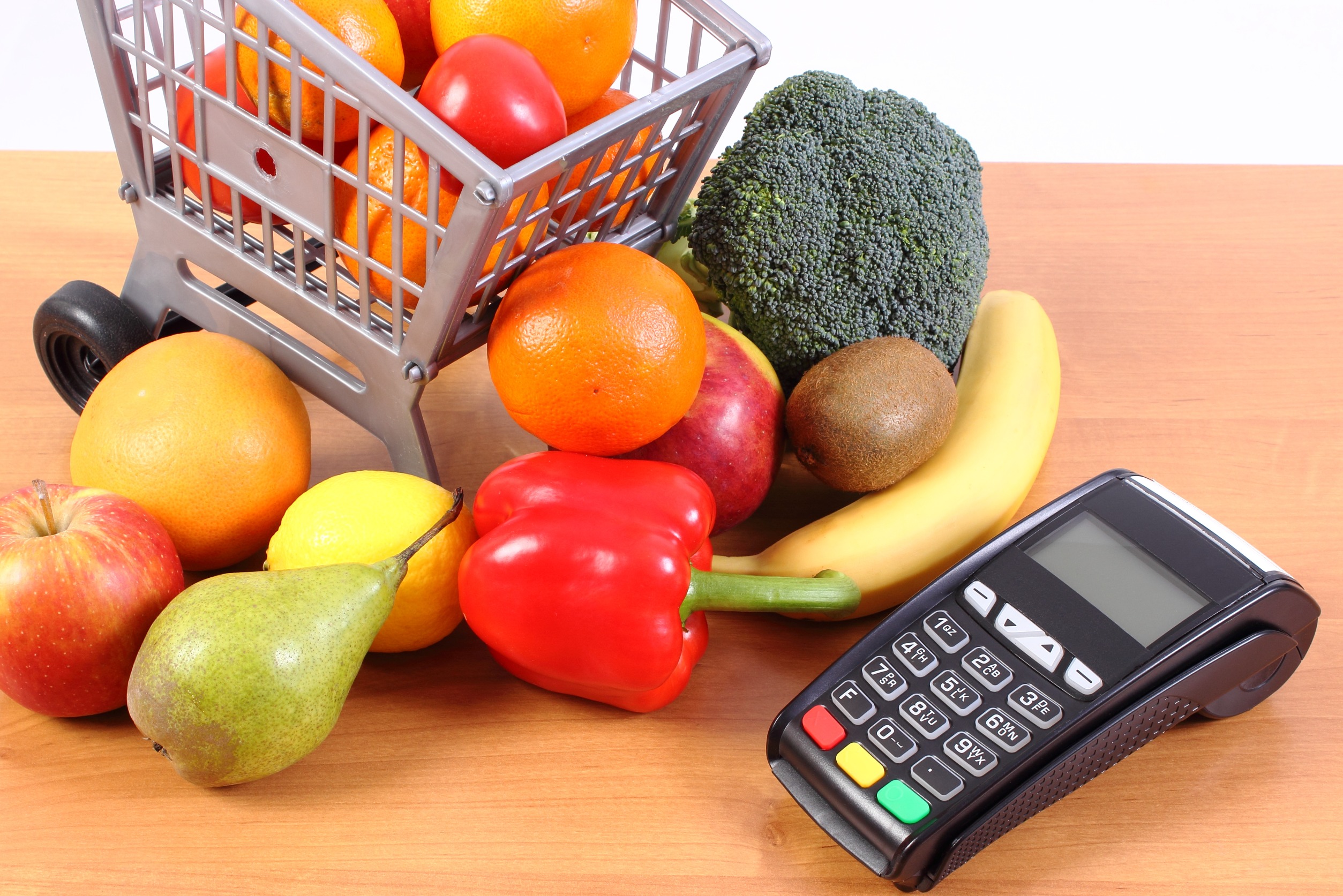
11 Fruits and Vegetables You Can Still Afford Even If You're Broke

Maintaining a healthy diet can seem like a luxury in a world where the cost of living continues to rise. However, even on a tight budget, numerous nutritious and affordable options are available. Here, we explore 11 fruits and vegetables that are not only cost-effective but also packed with essential nutrients. These selections can help anyone, especially financially constrained ones, sustain a balanced diet without breaking the bank.

1. Carrots

Carrots

Carrots are a budget-friendly staple found in almost any grocery store. Rich in beta-carotene, which the body converts into vitamin A, carrots support vision, skin health, and immune function. They are versatile in cooking and are delicious, whether raw, steamed, or added to soups and stews. Additionally, carrots have a long shelf life, making them an economical choice as they reduce the frequency of shopping trips.

2. Bananas

Bananas

Bananas are among the most affordable fruits available, making them an excellent choice for anyone on a budget. They are a good source of potassium, which is vital for heart health and muscle function. Bananas are also portable and come with their own natural packaging, making them a convenient snack for people on the go. Their natural sweetness also allows them to serve as a healthier substitute for sugary snacks.

3. Spinach

Spinach

Spinach is a nutrient powerhouse that offers excellent value for its price. It’s loaded with vitamins A, C, and K and minerals like iron and magnesium. Spinach is versatile and easy to incorporate into a variety of dishes, from smoothies to salads to cooked meals. Buying spinach in bulk or frozen can provide even more savings, ensuring you have a versatile vegetable on hand that can enhance any meal.

4. Sweet Potatoes

Sweet Potatoes

Sweet potatoes are an economical and nutritious option that can serve as the main component of a meal. High in vitamins A and C, they help improve immune function and skin health. Sweet potatoes are also naturally sweet and have multiple preparation options—baked, mashed, or even made into fries. Their ability to be stored for long periods also helps in minimizing waste.

5. Apples

Apples

Apples are a cost-effective fruit that offers both health benefits and versatility. Rich in fiber and vitamin C, they can be eaten raw, cooked, or baked into desserts. Purchasing apples in season or from local farmers can reduce costs significantly. They also have a long shelf life, especially when stored in a cool, dry place, making them a smart purchase for those looking to stretch their dollars.

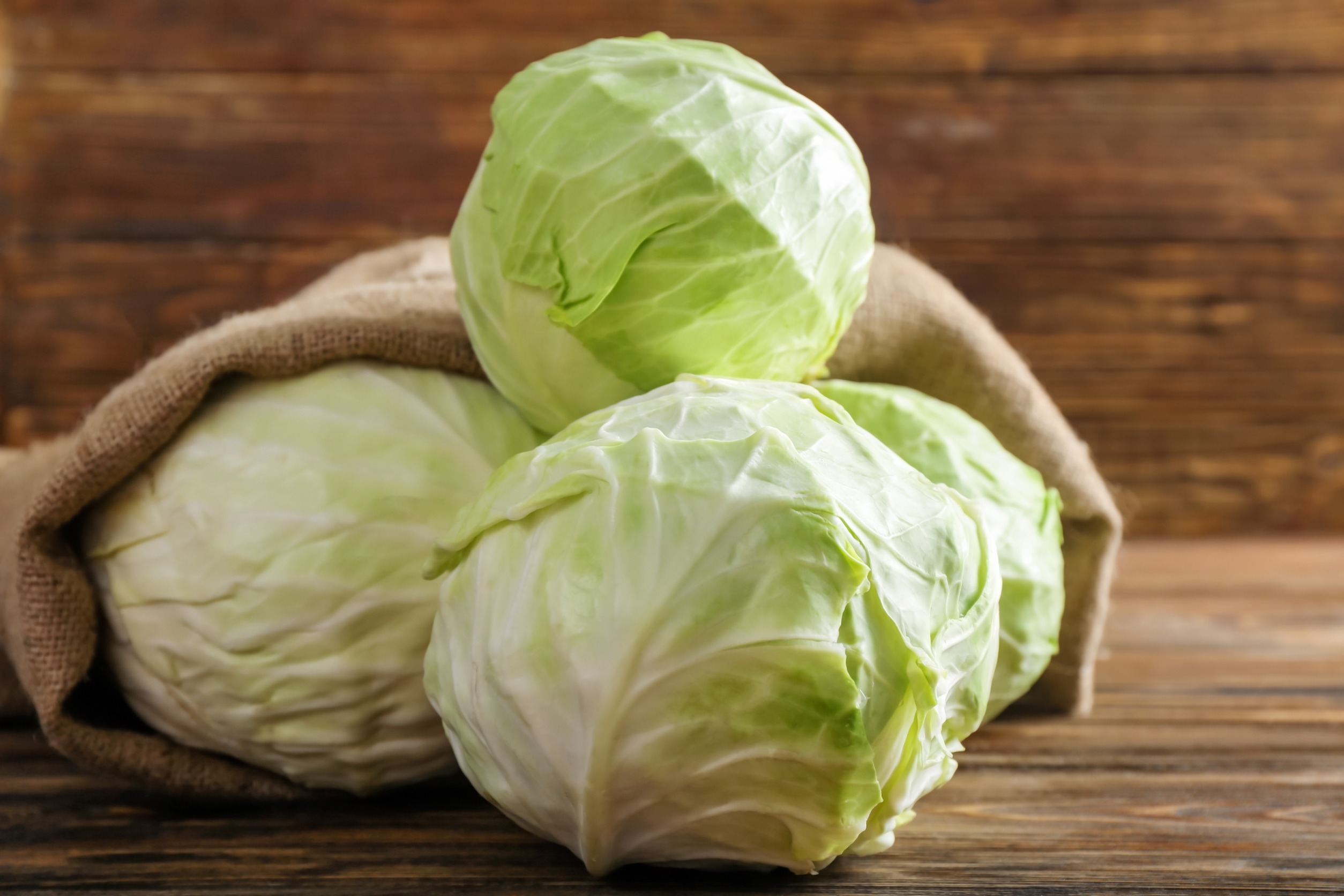
6. Cabbage

Cabbage

Cabbage is another vegetable that offers excellent value. It is rich in vitamins K and C and can last for weeks when stored properly in the refrigerator. Cabbage can be used in a variety of culinary applications, from salads and slaws to stir-fries and soups. Its low cost and versatility make it an ideal vegetable for extensive meal planning on a budget.

7. Oranges

Oranges

Oranges are an affordable source of vitamin C, which is crucial for immune system function and skin health. They are typically less expensive when bought in bulk and can be enjoyed as a standalone snack or juiced. Additionally, the peel can be used in culinary preparations, adding flavor to baked goods and dishes, ensuring you get the most out of each purchase.

8. Onions

Onions

Onions add flavor to any dish and are incredibly affordable in the world of fruits and vegetables. They are a good source of vitamin C and have been shown to provide anti-inflammatory and antioxidant benefits. Onions can be purchased in bulk and stored for an extended period, making them a staple in kitchens for both their flavor and their cost-effectiveness.

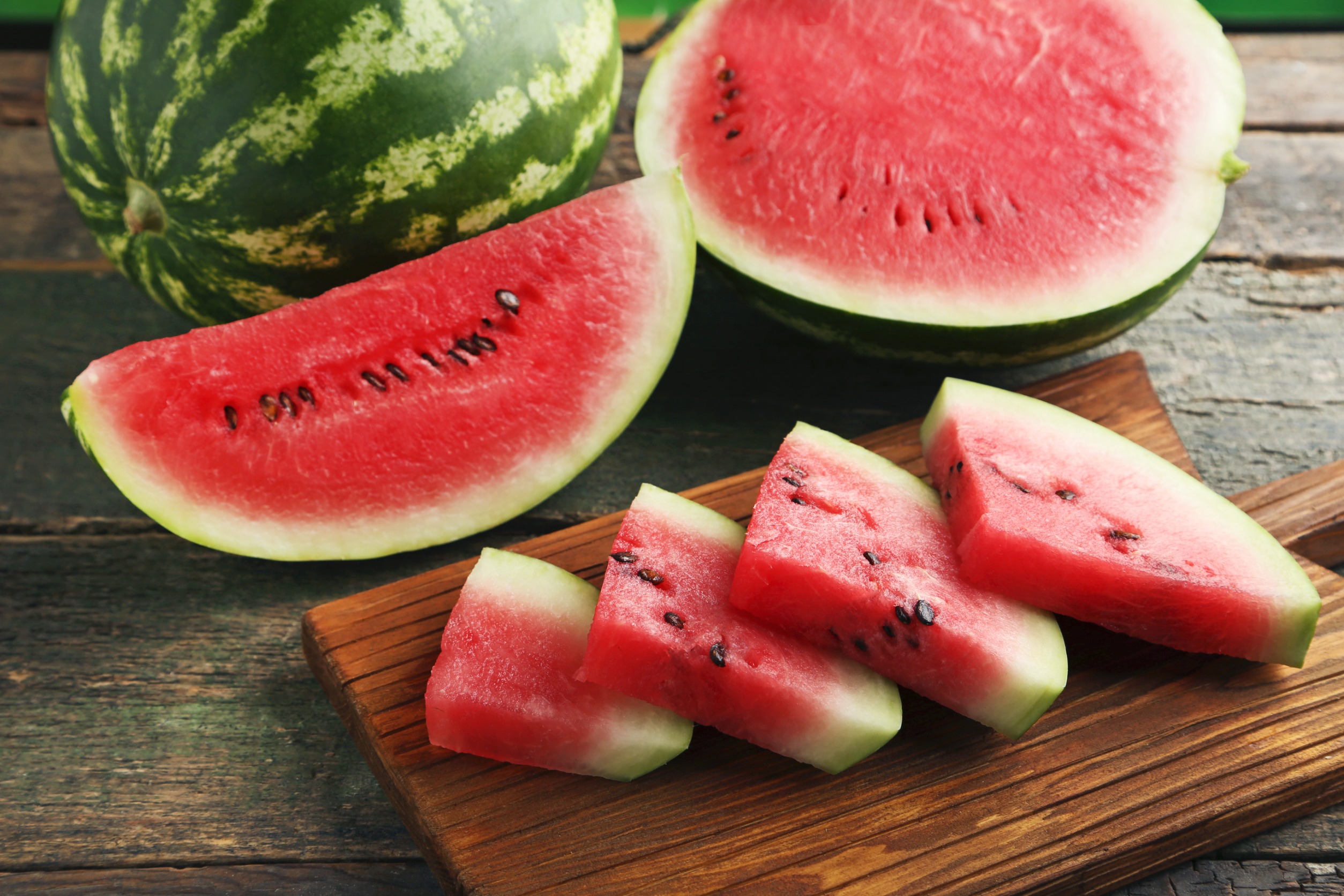
9. Watermelon

Watermelon

Watermelon is a budget-friendly fruit, especially when bought in season. It is hydrating, rich in vitamins A and C, and can serve as a refreshing snack or dessert during warmer months. Watermelon works in salads and smoothies or is enjoyable on its own. Its large size also ensures you can have multiple servings from a single purchase.

10. Frozen Peas

Frozen Peas

Frozen peas are an economical and convenient choice. They are rich in protein, fiber, and vitamins A and C. Frozen peas can be added to a variety of dishes, from risotto to soups, and are always ready to use from the freezer, reducing food waste and saving time in meal preparation.

11. Kale

Kale

Kale is a superfood that remains affordable and is packed with vitamins A, K, and C. It can be added to smoothies, turned into chips, or mixed into salads. Kale’s health benefits, such as its role in supporting heart health and reducing inflammation, make it a valuable addition to a budget-friendly diet.

Enjoy Fruits and Vegetables Without Breaking the Bank

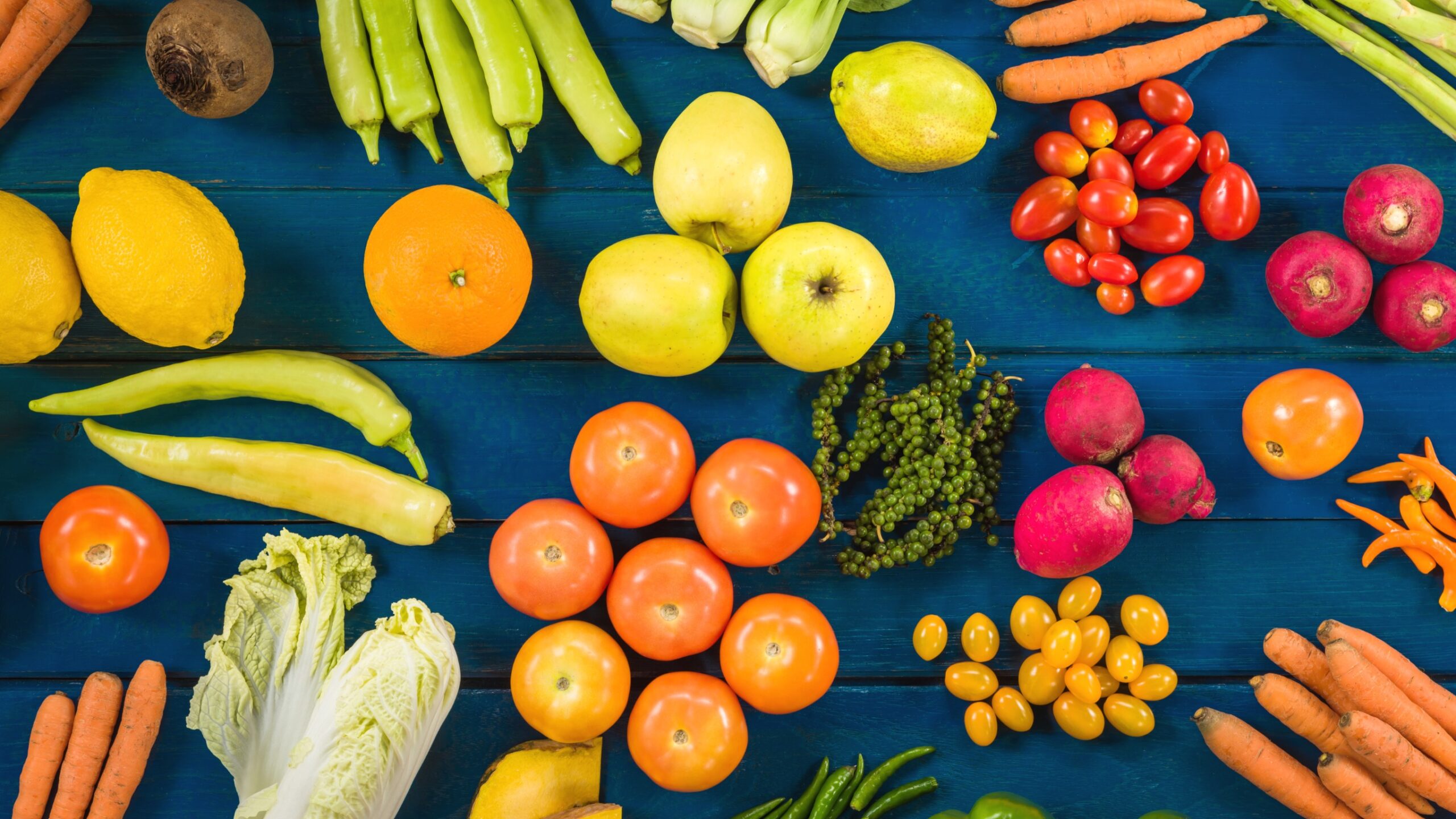
Enjoy Fruits and Vegetables Without Breaking the Bank

Maintaining a healthy diet does not have to come at a high cost. By choosing the right fruits and vegetables, such as those listed above, anyone can enjoy nutritious meals without straining their finances. These 11 affordable options ensure that healthful eating is accessible to all, proving that you can eat well even when funds are limited.

Read More:

The Top 15 Unique Food and Drink Products That Are Taking Over Social Media

Fast Food or Fine Dining: 10 Unexpected Experiences of Eating Out

Catherine Reed
Catherine Reed

Catherine is a tech-savvy writer who has focused on the personal finance space for more than eight years. She has a Bachelor’s in Information Technology and enjoys showcasing how tech can simplify everyday personal finance tasks like budgeting, spending tracking, and planning for the future. Additionally, she’s explored the ins and outs of the world of side hustles and loves to share what she’s learned along the way. When she’s not working, you can find her relaxing at home in the Pacific Northwest with her two cats or enjoying a cup of coffee at her neighborhood cafe.

Filed Under: Frugality Tagged With: affordability, being broke, budgeting, Frugality, fruits and vegetables, spending

  • « Previous Page
  • 1
  • …
  • 5
  • 6
  • 7
  • 8
  • 9
  • …
  • 92
  • Next Page »
  • Facebook
  • Pinterest
  • RSS
  • Twitter

Improve Your Credit Score

Money Blogs

  • Budget and the Bees
  • Celebrating Financial Freedom
  • Christian PF
  • Clever Dude
  • Dual Income No Kids
  • Everybody Loves Your Money
  • Financial Panther
  • Gajizmo.com
  • Grocery Coupon Guide
  • Lazy Man and Money
  • Make Money Your Way
  • Money Talks News
  • Personal Profitability
  • PF Blogs
  • Reach Financial Independence
  • Saving Advice
  • The Savvy Scot
  • Yes, I am Cheap

Categories

Disclaimer

Please note that Beating Broke has financial relationships with some of the merchants mentioned here. Beating Broke may be compensated if consumers choose to utilize the links located throughout the content on this site and generate sales for the said merchant.

Visit Our Advertisers

Need to change careers? Consider an Accounting Certificate Program from WTI.
  • Home
  • About
  • We Recommend
  • Contact
  • Our Editorial Commitment