Beating Broke

Personal Finance from the Broke Perspective

  • Home
  • About
  • We Recommend
  • Contact
  • Privacy Policy

Powered by Genesis

20 Happenings That Suggest White Flight Is Happening In Your Town

March 14, 2024 By Catherine Reed Leave a Comment

Happenings That Suggest White Flight Is Happening In Your Town

White flight, the phenomenon where white residents move from racially mixed urban regions to more homogenous suburban or rural areas, can profoundly affect the social fabric and economic health of communities. Here are 20 indicators that white flight might be occurring in your town, shedding light on underlying societal shifts and challenges.

1. Shift in School Demographics

Shift in School Demographics

Local schools may start reflecting a more diverse student body, with a significant decrease in white students as families move to other areas. This demographic shift can impact school funding and resources.

2. Changes in Property Values

Changes in Property Values

Property values in historically stable neighborhoods might begin to decline as homes are listed for sale in large numbers, signaling a potential exodus. This trend can disrupt the local housing market and community stability.

3. Decrease in Local Business Ownership

Decrease in Local Business Ownership

The disappearance of long-established, white-owned local businesses can indicate community demographic shifts and economic changes. New businesses may cater to a different demographic, altering the local economic landscape.

4. Real Estate Marketing Trends

Real Estate Marketing Trends

Real estate advertisements might start targeting buyers in the area, emphasizing the homogeneity of communities further away as a means of pushing specific groups to consider leaving. This marketing shift can essentially encourage relocation based on demographic preferences.

5. Changes in Community Services

Changes in Community Services

A noticeable reduction in the quality or availability of community amenities like parks and libraries might occur, reflecting shifting priorities and resources. This can lead to a decreased quality of life for the remaining residents.

6. Alterations in Public Funding

Alterations in Public Funding

Public funds might be redirected away from urban areas towards suburban or rural communities, following the movement of wealthier, often white, populations. This shift can exacerbate inequalities between areas.

7. Increase in Rental Properties

Increase in Rental Properties

An uptick in homes being converted to rentals can suggest that homeowners are moving but retaining properties as investments, anticipating future demographic shifts. This can change the character of neighborhoods from homeowner-dominated to renter-occupied.

8. Shift in Local Political Landscape

Shift in Local Political Landscape

The local political scene may start reflecting new priorities and leadership, often in response to changing demographics and concerns. This can lead to policies that further encourage demographic sorting.

9. Decrease in Community Engagement

Decrease in Community Engagement

A decline in active participation in community events and organizations by longstanding white residents can indicate a waning commitment to the area, often preceding relocation. This withdrawal can leave a void in community leadership and cohesion.

10. Changes in Public Perception

Changes in Public Perception

The narrative surrounding a town might shift, focusing more on negative aspects like crime or educational challenges, which can be coded language hinting at racial demographic changes. This altered perception can stigmatize areas and accelerate white flight.

11. Decline in Neighborhood Associations

Decline in Neighborhood Associations

Neighborhood associations may become less active or dissolve entirely as longstanding residents move away, reducing community oversight and involvement in local issues. This can lead to a decline in neighborhood upkeep and a sense of community.

12. Increase in Vacant Properties

Increase in Vacant Properties

An uptick in vacant homes and commercial properties can be a telltale sign of a community in transition, often preceding a demographic shift. Vacancies can attract vandalism and contribute to a sense of neglect.

13. Shift in Religious Institutions

Shift in Religious Institutions

Local churches and religious institutions that once served as community anchors may experience declining attendance or close altogether as their congregations relocate. New congregations may form, reflecting the changing demographics.

14. Changes in Public Transportation Usage

Changes in Public Transportation Usage

Public transportation routes and usage patterns may change, with services being rerouted or reduced in areas experiencing white flight. This can impact accessibility and connectivity for remaining residents.

15. Evolution of Cultural Festivals

Evolution of Cultural Festivals

Cultural festivals and events that have long been traditions in the community might be discontinued or evolve to cater to a new demographic makeup. This shift reflects changing cultural and social dynamics.

16. Transformation of Retail Landscapes

Transformation of Retail Landscapes

The retail landscape may begin to transform, with longstanding shops closing and new stores opening to cater to different cultural tastes and economic levels. This can alter the character and vibrancy of commercial districts.

17. Changes in Healthcare Facilities

Changes in Healthcare Facilities

Local healthcare facilities, including clinics and hospitals, might adjust services or relocate in response to changing community needs and demographics. Access to healthcare can become a concern for the remaining populations.

18. Adjustment in Law Enforcement Practices

Adjustment in Law Enforcement Practices

Law enforcement practices and community policing strategies may shift, reflecting new community dynamics and possibly leading to tensions. These changes can influence residents’ sense of safety and community trust.

19. Fluctuation in Local Media Coverage

Fluctuation in Local Media Coverage

Local media coverage may shift focus, highlighting issues and stories that resonate more with suburban or rural communities rather than urban concerns. This can affect public perception and community engagement.

20. Alteration in Historic Preservation Efforts

Efforts to preserve local history and landmarks might wane as the community’s demographic makeup changes, leading to the potential loss of cultural heritage. This can affect community identity and tourism.

Why Recognizing Signs of White Flight Is Critical

Why Recognizing Signs of White Flight Is Critical

Understanding these indicators is crucial for addressing the root causes of white flight and fostering inclusive, resilient communities. By recognizing these signs, local leaders and residents can work together to create strategies that promote diversity, equity, and economic stability.

Catherine Reed
Catherine Reed

Catherine is a tech-savvy writer who has focused on the personal finance space for more than eight years. She has a Bachelor’s in Information Technology and enjoys showcasing how tech can simplify everyday personal finance tasks like budgeting, spending tracking, and planning for the future. Additionally, she’s explored the ins and outs of the world of side hustles and loves to share what she’s learned along the way. When she’s not working, you can find her relaxing at home in the Pacific Northwest with her two cats or enjoying a cup of coffee at her neighborhood cafe.


Filed Under: ShareMe Tagged With: cities, community, diversity, inclusion, neighborhood, separation, togetherness, white flight

18 Incredible Animals Unique to Only One Country

March 13, 2024 By Catherine Reed Leave a Comment

Incredible Animals Unique to Only One Country

Our planet is home to an astonishing diversity of life, with some of the most incredible animals found in the most unexpected places. Among these, certain species are so unique that they exist only within the borders of a single country, making them national treasures. These animals not only contribute to the ecological balance but also to the cultural identity of their home countries. Let’s explore 18 such remarkable creatures, each a testament to the wonders of nature and the importance of conservation.

1. Madagascar’s Lemurs

Madagascar's Lemurs

Madagascar, an island nation off the southeastern coast of Africa, is the exclusive home of the world’s lemurs. These primates are as diverse as they are endearing, with more than 100 species ranging from the tiny mouse lemur to the striking indri. Lemurs are not only a significant draw for ecotourism but also play crucial roles in their ecosystems as seed dispersers. Sadly, many lemur species are threatened by habitat destruction and hunting, making conservation efforts in Madagascar more critical than ever.

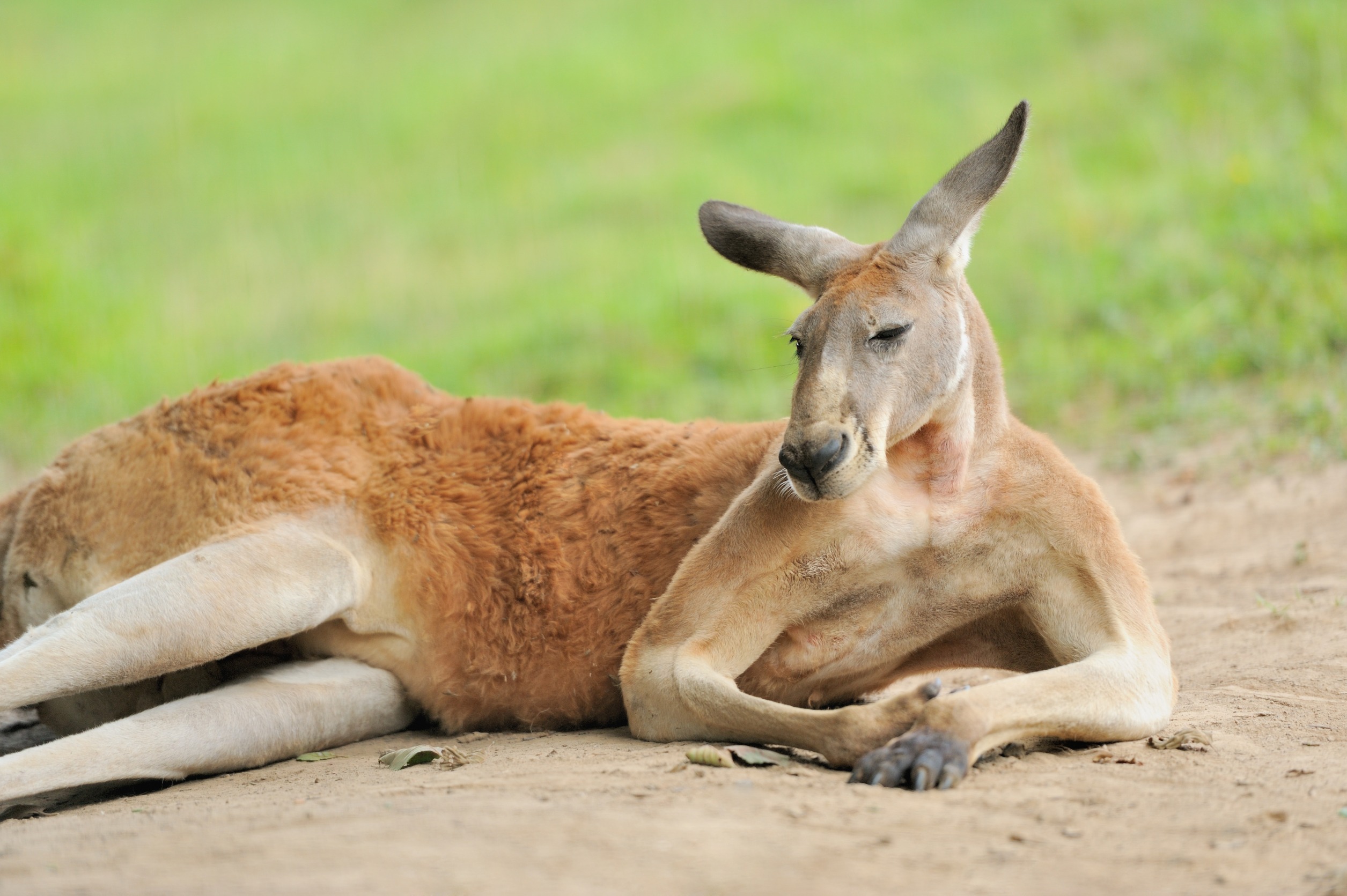
2. Australia’s Kangaroos

Australia's Kangaroos

Kangaroos are synonymous with Australia, bounding across the continent’s diverse landscapes. These marsupials are well-adapted to Australia’s varied habitats, from the arid Outback to lush coastal areas. Kangaroos are a vital part of Aboriginal culture and Australian identity, appearing on the country’s coat of arms and currency. Conservation management is essential to balance their populations with agricultural interests, ensuring kangaroos continue to thrive.

3. China’s Giant Pandas

China's Giant Pandas

Giant pandas are the global symbol of wildlife conservation, found only in the bamboo forests of China. These iconic bears have a specialized diet of bamboo and play a significant role in their habitats by helping to spread bamboo seeds. China’s efforts to conserve giant pandas have seen their status improve from “Endangered” to “Vulnerable,” a significant conservation success story. Panda diplomacy has also made these creatures ambassadors of goodwill around the world.

4. New Zealand’s Kiwis

New Zealand's Kiwis

New Zealand’s kiwis are flightless birds with a suite of unusual characteristics, including long beaks and nocturnal habits. As national symbols, they hold a special place in the hearts of New Zealanders, affectionately known as “Kiwis” themselves. Kiwis face threats from introduced predators, and conservation programs are vital to protect these unique birds. Their continued survival is a priority for New Zealand’s conservation efforts.

5. Canada’s Spirit Bear

Canada's Spirit Bear

The Spirit Bear, or Kermode bear, is a rare white variant of the black bear found only in British Columbia, Canada. Revered by indigenous peoples and a marvel for scientists, the Spirit Bear’s white coat is the result of a unique genetic trait. The Great Bear Rainforest is the primary habitat of these elusive creatures, and conservation efforts are focused on protecting this pristine environment from deforestation and industrial development.

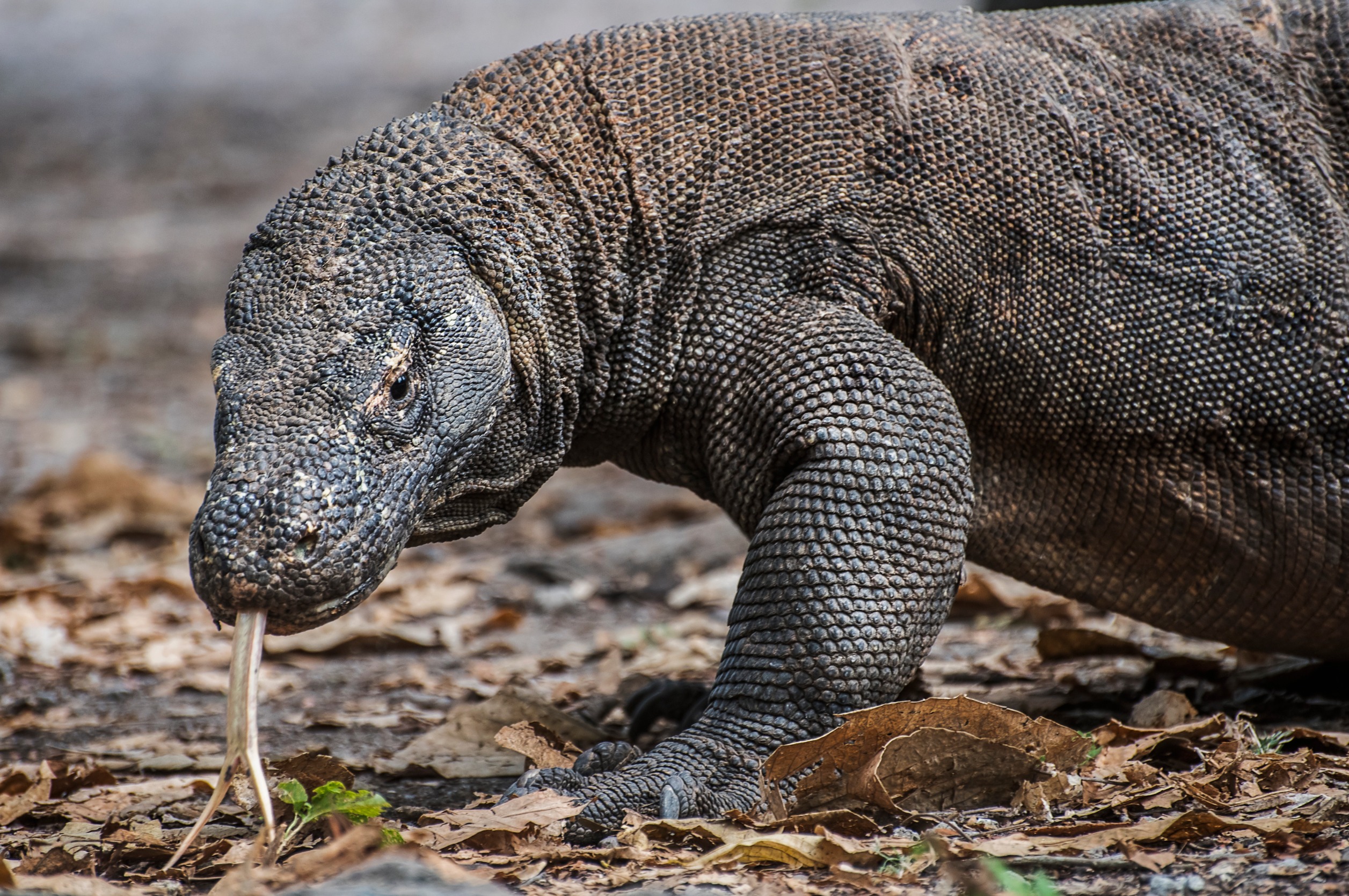
6. Indonesia’s Komodo Dragons

Indonesia's Komodo Dragons

Komodo dragons, the world’s largest lizards, are found only in Indonesia’s Komodo National Park and a few neighboring islands. These formidable predators are known for their impressive size, fearsome demeanor, and venomous bite. Komodo dragons are a significant draw for wildlife tourism in Indonesia, contributing to the local economy and funding conservation efforts. Protecting their habitats from human encroachment and ensuring a stable prey base are key to their survival.

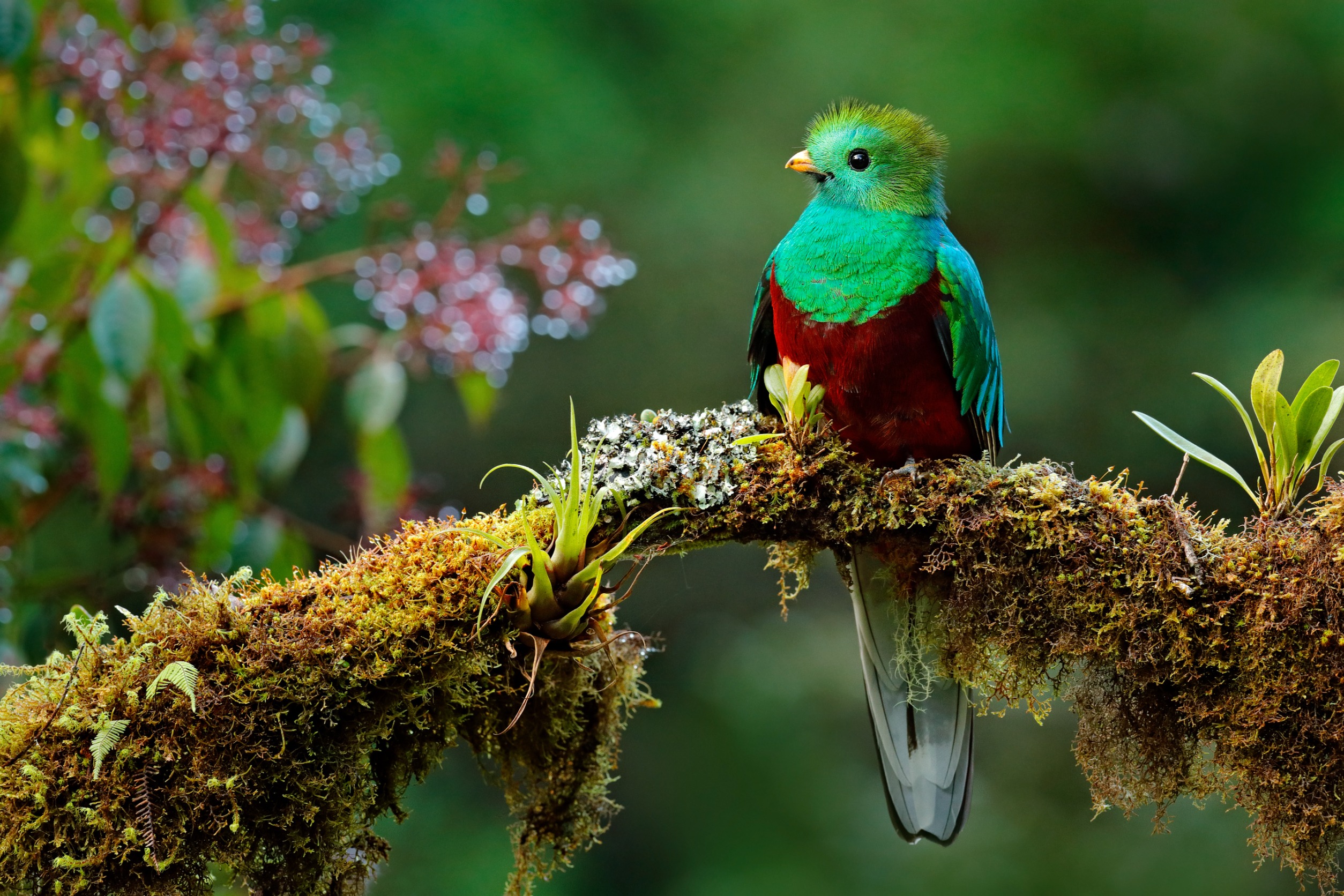
7. Costa Rica’s Resplendent Quetzal

Costa Rica's Resplendent Quetzal

The Resplendent Quetzal is a vividly colored bird that calls the cloud forests of Costa Rica its home. Revered by the ancient Aztecs and Maya, the quetzal is a symbol of freedom and wealth. Conservation efforts in Costa Rica aim to protect the cloud forests and promote eco-friendly tourism, ensuring the quetzal and many other species continue to thrive in this biodiverse country.

8. Seychelles’ Aldabra Giant Tortoise

Seychelles' Aldabra Giant Tortoise

The Aldabra Giant Tortoise is one of the largest tortoise species in the world, found only in the Seychelles, specifically on the Aldabra Atoll. These gentle giants are among the world’s longest-living animals, with some individuals over 150 years old. Conservation efforts have helped their populations recover on Aldabra, and they are now a symbol of successful island conservation.

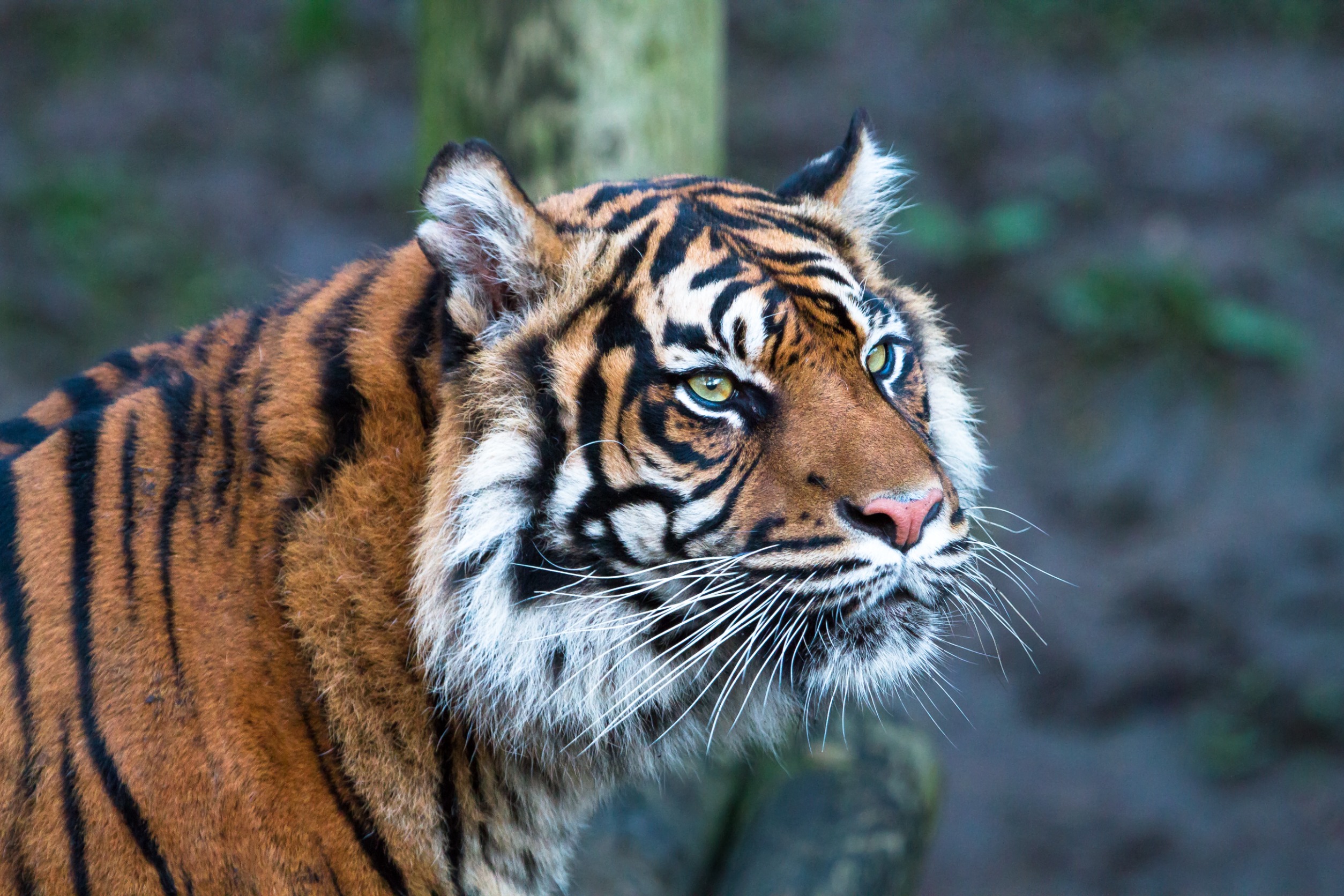
9. Indonesia’s Sumatran Tiger

Indonesia's Sumatran Tiger

The Sumatran Tiger, exclusive to the Indonesian island of Sumatra, is the smallest of all tiger subspecies and is critically endangered due to deforestation and poaching. These majestic predators are adept at navigating the dense tropical forests of Sumatra, playing a crucial role in maintaining the ecological balance. Conservation efforts focus on protecting their dwindling habitat and combating illegal wildlife trade to prevent the extinction of this iconic species.

10. Brazil’s Amazon River Dolphins

Brazil's Amazon River Dolphins

The Amazon River Dolphin, or Pink Dolphin, is a freshwater dolphin species found in Brazil’s Amazon River. These intelligent creatures are known for their pink coloration and playful behavior. They play a crucial role in local folklore and are considered a symbol of the Amazon’s biodiversity. Conservation efforts are essential to protect their habitat from pollution and overfishing, ensuring the survival of this unique species.

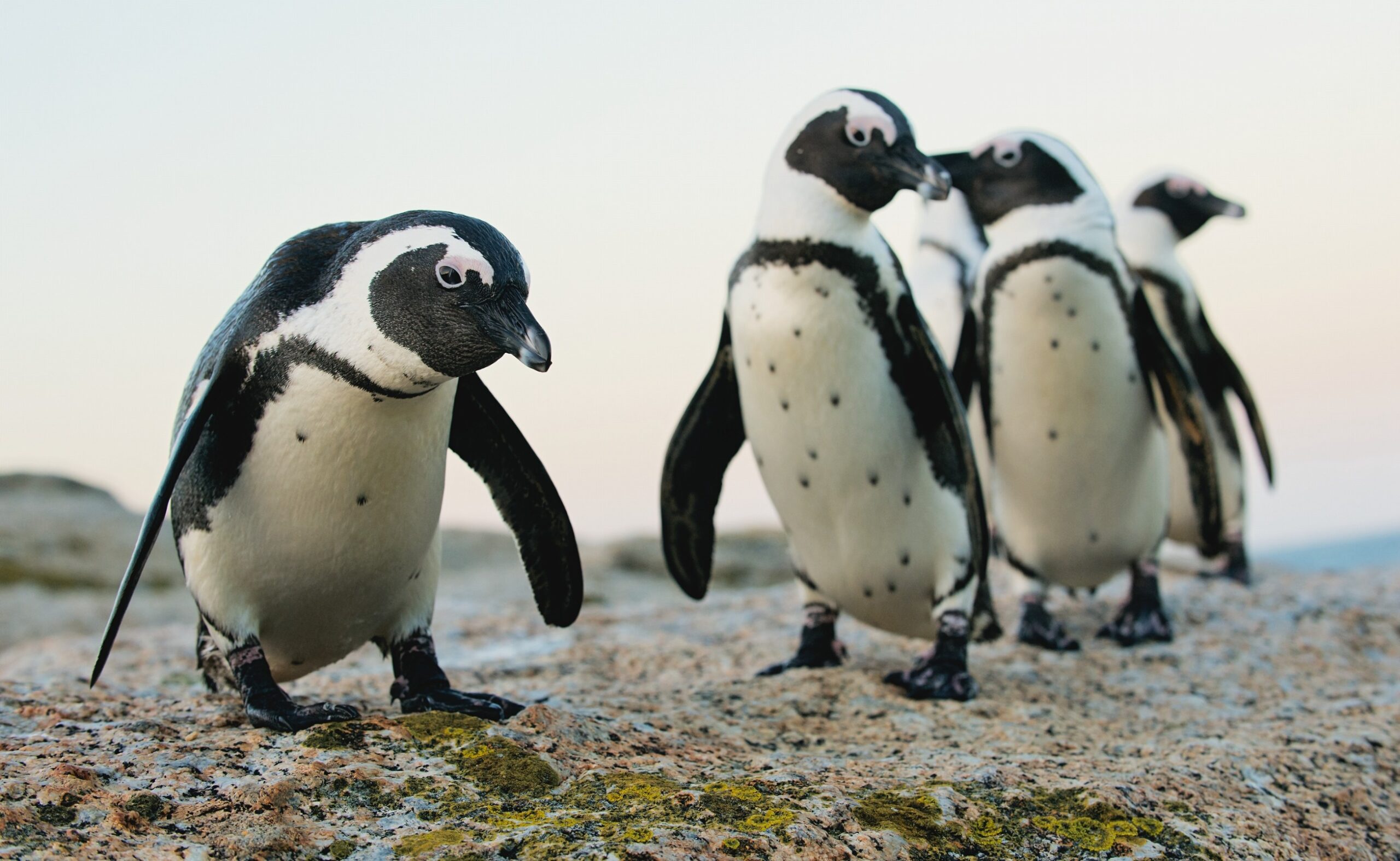
11. South Africa’s African Penguins

South Africa's African Penguins

African Penguins, also known as Jackass Penguins for their distinctive braying sounds, are found only along the South African coast. These charming birds are adapted to the temperate climate and are a major draw for tourists. Conservation efforts, including habitat restoration and protection from oil spills, are vital for ensuring the survival of these unique penguins in the wild.

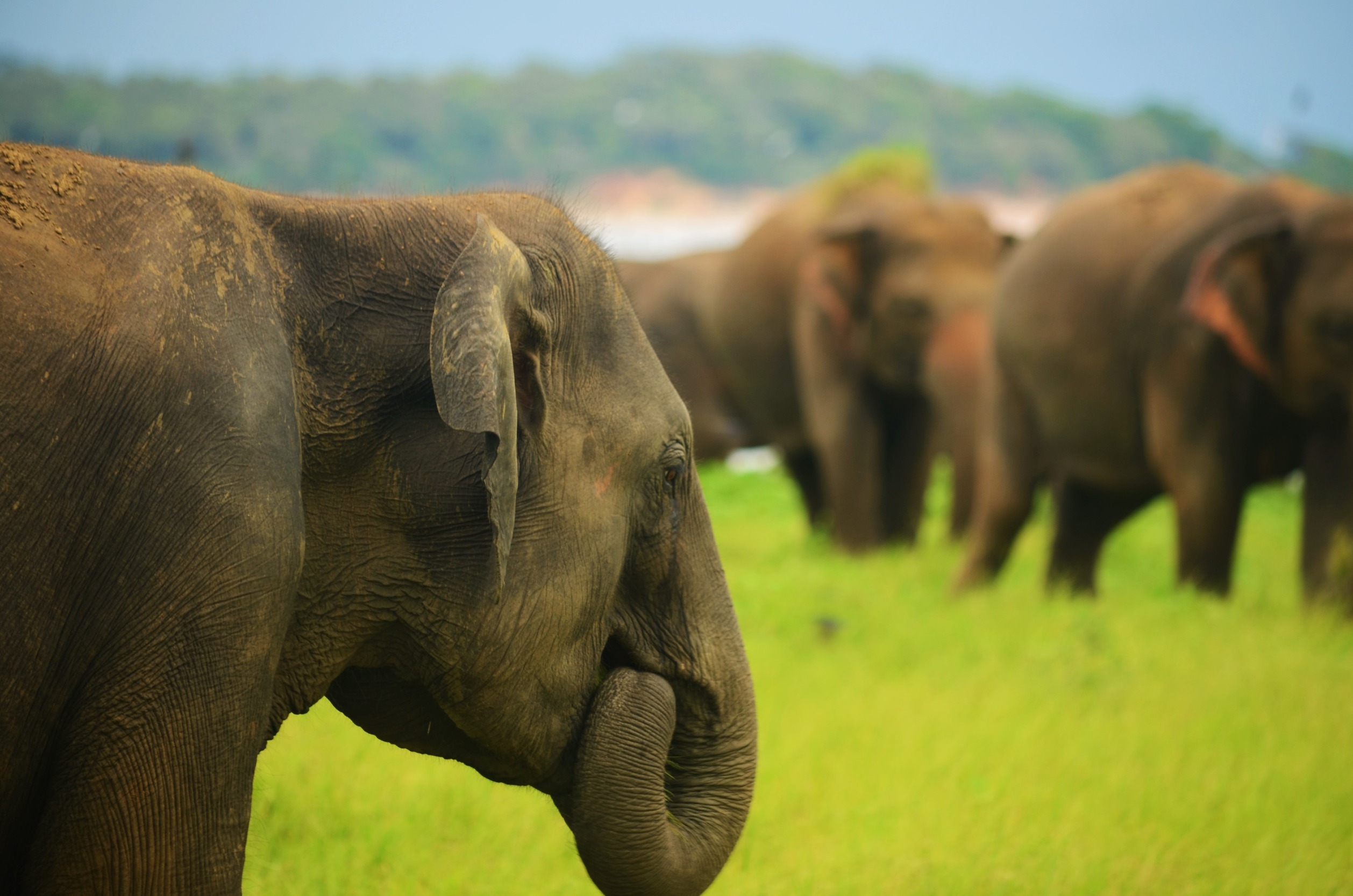
12. Sri Lanka’s Sri Lankan Elephants

Sri Lanka's Sri Lankan Elephants

Sri Lankan Elephants, a subspecies of the Asian Elephant, are an integral part of Sri Lanka’s cultural and natural heritage. These gentle giants are revered in Sri Lankan society and are a major attraction in wildlife reserves. Conservation initiatives focus on mitigating human-elephant conflicts and protecting their habitats, emphasizing the importance of coexistence between humans and wildlife.

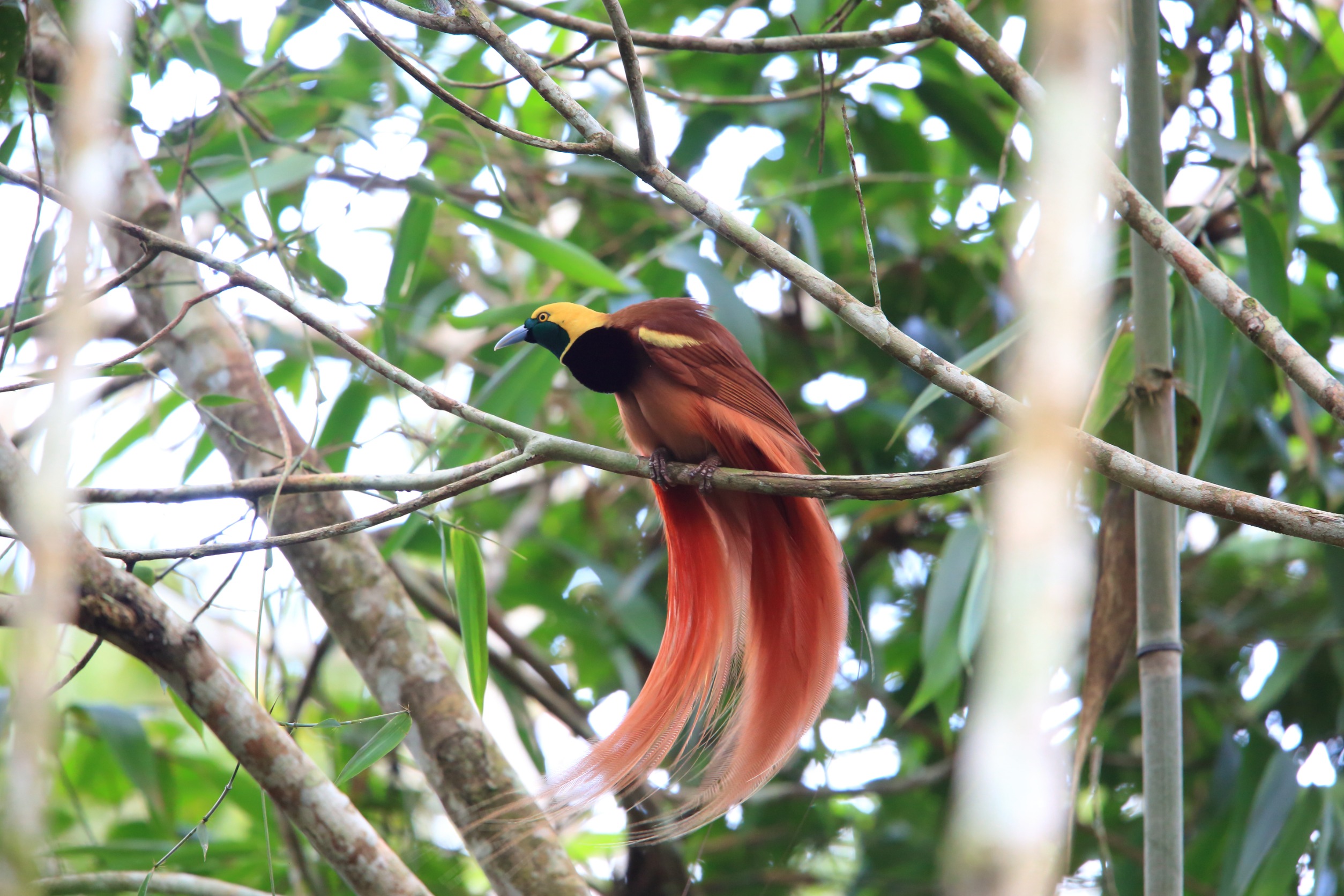
13. Papua New Guinea’s Birds-of-Paradise

Papua New Guinea's Birds-of-Paradise

Papua New Guinea is renowned for its Birds-of-Paradise, known for their extraordinary plumage and elaborate courtship displays. These birds are a testament to the country’s rich biodiversity and are a key attraction for birdwatchers and nature enthusiasts. Conservation of Papua New Guinea’s rainforests is essential for ensuring the survival of these spectacular birds.

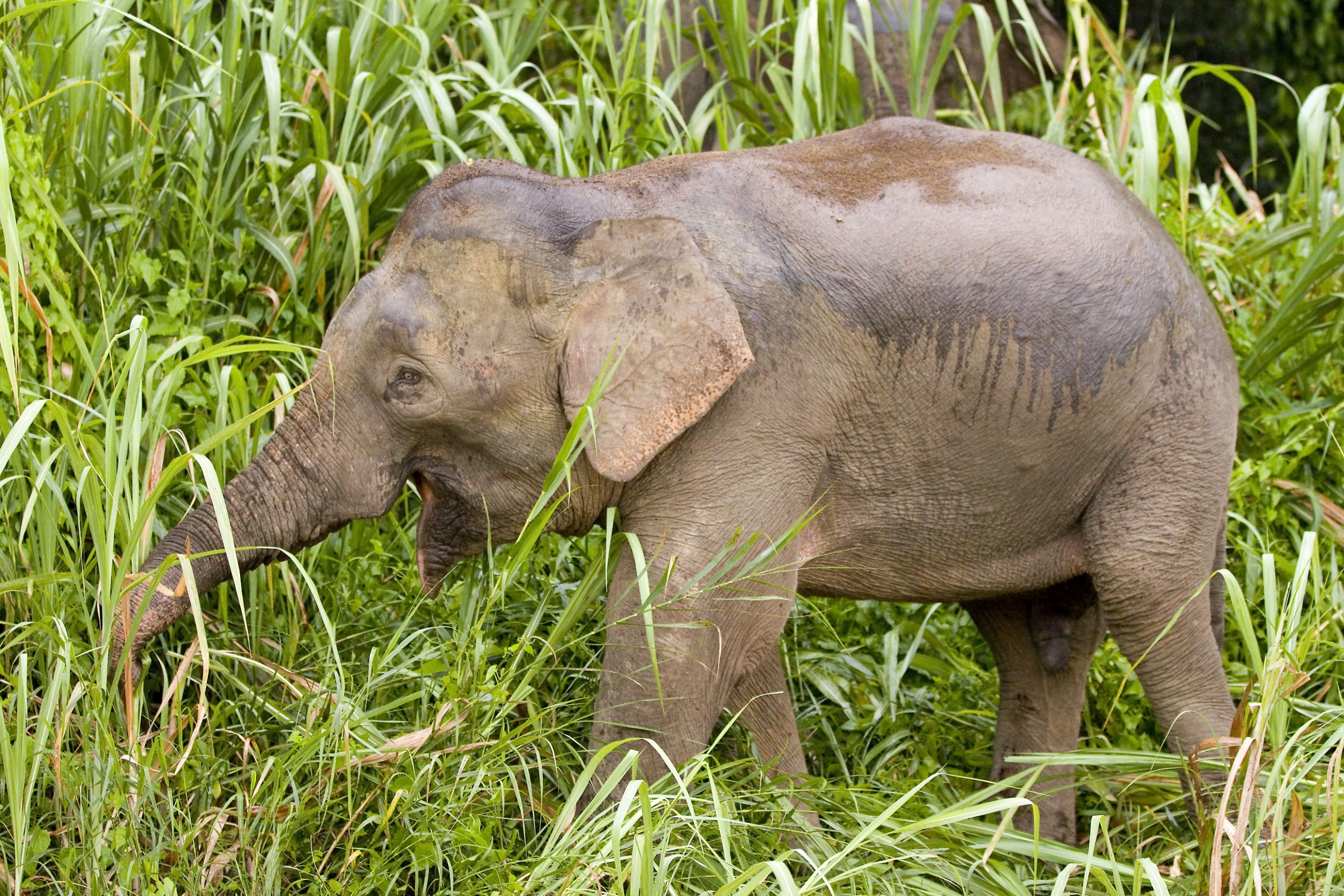
14. Borneo’s Pygmy Elephants

Borneo's Pygmy Elephants

Borneo’s Pygmy Elephants, found in the dense forests of Sabah and Kalimantan, are the smallest subspecies of Asian elephants. Characterized by their gentle nature, relatively small size, and oversized ears, these elephants are an integral part of Borneo’s biodiversity. Conservation initiatives are crucial to protect them from habitat loss and human-elephant conflicts, ensuring the survival of these gentle giants.

15. Ecuador’s Galapagos Tortoises

Ecuador's Galapagos Tortoises

Galapagos Tortoises, native to Ecuador’s Galapagos Islands, are among the longest-living vertebrates on Earth. These giant tortoises have become synonymous with the islands and are a key focus of conservation efforts. The Galapagos Tortoises played a significant role in Charles Darwin’s theory of natural selection, making them an emblem of scientific discovery and conservation.

16. United States’ American Alligators

United States' American Alligators

The American Alligator, native to the southeastern United States, is a formidable reptile that inhabits freshwater wetlands, marshes, and swamps. Once on the brink of extinction, successful conservation efforts have led to a remarkable recovery, making it a conservation success story. These ancient reptiles are not only vital for maintaining the ecological balance in their habitats but also serve as a symbol of wildlife resilience and recovery.

17. Panama’s Pygmy Three-Toed Sloths

Panama's Pygmy Three-Toed Sloths

The Pygmy Three-Toed Sloth, exclusive to Panama’s Isla Escudo de Veraguas, is one of the world’s smallest and most endangered sloth species. Characterized by their diminutive size and leisurely lifestyle, these sloths are adapted to the mangrove forests of this remote island. Their critical status highlights the urgent need for conservation efforts to protect their limited habitat and ensure the survival of this unique species.

18. Australia’s Platypus

Australia's Platypus

The Platypus, native to eastern Australia and Tasmania, stands out as one of the most unusual mammals in the world, featuring a duck-like bill, webbed feet, and the ability to lay eggs. Inhabiting rivers and freshwater lakes, this elusive creature is a symbol of Australia’s unique wildlife and ecological diversity. Conservation efforts are vital to protect their freshwater habitats from pollution, dam construction, and climate change, ensuring the survival of this extraordinary species.

Appreciating These Incredible Animals Unique to Only One Country

These 18 animals, each unique to just one country, remind us of the incredible diversity of life on our planet and the importance of conservation efforts to protect these irreplaceable treasures. From the dense forests of Madagascar to the rugged Australian Outback, from the bamboo groves of China to the cloud forests of Costa Rica, these creatures not only enrich our natural world but also embody the cultural heritage and environmental challenges of their respective nations. Preserving their habitats and ensuring their survival is not just a national duty but a global responsibility, a testament to our shared commitment to protecting the planet’s biodiversity.

Catherine Reed
Catherine Reed

Catherine is a tech-savvy writer who has focused on the personal finance space for more than eight years. She has a Bachelor’s in Information Technology and enjoys showcasing how tech can simplify everyday personal finance tasks like budgeting, spending tracking, and planning for the future. Additionally, she’s explored the ins and outs of the world of side hustles and loves to share what she’s learned along the way. When she’s not working, you can find her relaxing at home in the Pacific Northwest with her two cats or enjoying a cup of coffee at her neighborhood cafe.

Filed Under: ShareMe Tagged With: endemic animals, fauna, incredible animals, nature, unique animals, wildlife

21 Terms That Subtly Promote Religious Exclusivity

February 20, 2024 By Catherine Reed 3 Comments

Terms That Subtly Promote Religious Exclusivity

In a world where diversity and inclusivity are increasingly valued, the language we use plays a pivotal role in shaping our social and cultural environments. Language can both reflect and perpetuate societal norms, including those related to religion. Certain terms, often used innocently in everyday conversation, can subtly promote religious exclusivity, alienating or marginalizing individuals from different faith backgrounds. This article explores 21 terms that, while seemingly benign, can contribute to an atmosphere of religious exclusivity, highlighting the importance of mindful communication in fostering a more inclusive society.

1. “Blessed”

Blessed

The term “blessed” is frequently used in various contexts to express gratitude or joy, often without the intention of invoking religious connotations. However, it inherently carries a religious undertone, suggesting divine favor in a way that might not resonate with individuals of all faiths or those who are non-religious. While its usage is widespread and often well-intentioned, being mindful of its implications can help avoid unintended exclusion.

2. “Prayer”

Prayer

“Prayer” is a term deeply rooted in religious practices, typically involving communication with a divine entity. When used in secular contexts, such as “our thoughts and prayers are with you,” it assumes a universality of religious belief that may not be shared by all. This can inadvertently signal to non-religious individuals or those from different religious traditions that their forms of support or condolence are less valued or recognized.

3. “Sin”

Sin

The concept of “sin” is central to many religious doctrines, denoting actions or thoughts that are considered morally wrong or offensive to the divine. When used in everyday language, it can carry moral judgments that reflect specific religious beliefs, potentially alienating those with different moral or ethical frameworks. Recognizing the religious weight of this term can help in choosing a language that respects diverse moral perspectives.

4. “Faith”

Faith

While “faith” can refer broadly to trust or confidence in something, it is predominantly associated with religious belief. Phrases like “keep the faith” or “a matter of faith” can subtly prioritize religious belief as a virtue or the primary means of navigating life’s challenges, overlooking the diversity of ways people find strength and guidance.

5. “Soul”

Soul

“Soul” is another term that, while used in various contexts, has strong religious undertones, implying religious exclusivity. Its use in secular discussions can inadvertently endorse a particular view of human existence and afterlife, which might not align with the beliefs of all individuals.

6. “Gospel”

Gospel

Originally referring to the first four books of the New Testament in Christianity, “gospel” has come to mean any truth that is considered unquestionably absolute. Using it in phrases like “the gospel truth” outside of religious discussions can subtly convey a sense of infallibility tied to religious doctrine, potentially sidelining other perspectives or truths.

7. “Miracle”

Miracle

A “miracle” often implies a supernatural event attributed to divine intervention. Describing unlikely but positive outcomes as miracles can inadvertently attribute these events to a specific religious understanding of the world, potentially excluding those who interpret such events through different spiritual or secular lenses.

8. “Sacred”

Sacred

The term “sacred” connotes something revered due to its association with divinity or religious worship. Its application to secular objects or concepts can implicitly suggest that religious reverence is the highest form of respect, overlooking secular or non-religious forms of significance and value.

9. “Amen”

Amen

Commonly used to conclude prayers in several religious traditions, “amen” signifies agreement or affirmation. When used in everyday language, it can subtly reinforce religious norms as the standard for agreement or truth, potentially excluding those who do not share these religious traditions.

10. “Heathen”

Heathen

Originally used to describe someone who does not belong to a widely recognized religion, especially one with a monotheistic deity, “heathen” can still carry connotations of barbarism or lack of civilization. Its use, even in jest, perpetuates outdated and prejudiced views that associate civility and moral goodness exclusively with certain religious affiliations.

11. “Martyr”

Martyr

A “martyr” traditionally refers to someone who suffers persecution and death for advocating, renouncing, or refusing to renounce or advocate a religious belief or cause. While it can be used to describe extreme dedication to any cause, its religious connotations can elevate religious causes above other types of advocacy or sacrifice.

12. “Apostate”

Apostate

Labeling someone as an “apostate,” which denotes a person who has abandoned their faith, carries a deeply negative connotation in many religious contexts. Using this term outside of strictly theological discussions can unjustly stigmatize personal belief changes, ignoring the complexity and diversity of individual spiritual journeys.

13. “Blasphemy”

Blasphemy

“Blasphemy” refers to the act of insulting or showing contempt or lack of reverence for a deity. When used in secular contexts, it can imply that disrespect toward religious concepts is inherently more grievous than other forms of disrespect, reinforcing a hierarchy that places religious beliefs above other types of convictions or values.

14. “Devout”

Devout

Describing someone as “devout” often implies a commendable level of commitment to religious practices. However, when used to exclusively praise religious devotion, it can subtly suggest that similar levels of commitment to non-religious beliefs or causes are less worthy of respect.

15. “Evangelical”

Evangelical

While “evangelical” has specific theological meanings within certain Christian traditions, its broader use to describe zealous advocacy for any cause can imbue non-religious pursuits with religious fervor, potentially skewing the perception of those causes or movements.

16. “Heretic”

Heretic

Historically, a “heretic” is someone who challenges or rejects the accepted beliefs of a religious institution. Using this term in non-religious disagreements can unjustly equate the questioning of conventional ideas with religious transgression, discouraging open debate and inquiry.

17. “Idol”

Idol

In religious contexts, an “idol” is a representation of a god used as an object of worship. When used to describe intense admiration for a person or thing in secular life, it can subtly imply that such admiration is misplaced or excessive, judged against a religious standard.

18. “Pilgrimage”

Pilgrimage

Traditionally, a “pilgrimage” is a journey to a sacred place for religious reasons. Applying this term to non-religious journeys can imbue them with a spiritual significance that may not align with the beliefs or intentions of those undertaking the journeys.

19. “Prophet”

Prophet

A “prophet” is regarded in many religious traditions as a messenger chosen by a divine entity to convey important teachings or revelations. At times, using “prophet” to describe individuals who bring new insights or predictions in secular fields can confer a religious legitimacy on their ideas, overshadowing other forms of knowledge or discovery.

20. “Redemption”

Redemption

“Redemption” often implies a saving or improvement of one’s situation through divine intervention in religious contexts. Its use in describing personal growth or recovery in secular life can subtly suggest that such processes are inherently religious or spiritually ordained.

21. “Sanctity”

Sanctity

The “sanctity” of something typically refers to its ultimate importance and inviolability, often in a religious sense. When applied to secular laws, principles, or values, it can suggest that they derive their importance from a religious source, rather than from human consensus or ethical reasoning.

Avoiding Terms That Promote Religious Exclusivity

Avoiding Terms That Promote Religious Exclusivity

Ultimately, while many of these terms are deeply embedded in our language and often used without religious intent, their underlying connotations can subtly reinforce a narrative of religious exclusivity. By becoming more aware of the implications of our words, we can strive towards more inclusive communication that respects and acknowledges the diverse tapestry of beliefs and values in our global community.

Catherine Reed
Catherine Reed

Catherine is a tech-savvy writer who has focused on the personal finance space for more than eight years. She has a Bachelor’s in Information Technology and enjoys showcasing how tech can simplify everyday personal finance tasks like budgeting, spending tracking, and planning for the future. Additionally, she’s explored the ins and outs of the world of side hustles and loves to share what she’s learned along the way. When she’s not working, you can find her relaxing at home in the Pacific Northwest with her two cats or enjoying a cup of coffee at her neighborhood cafe.

Filed Under: ShareMe Tagged With: diversity, inclusivity, religion, religious exclusivity, respect, togetherness

  • « Previous Page
  • 1
  • …
  • 5
  • 6
  • 7
  • 8
  • 9
  • …
  • 111
  • Next Page »
  • Facebook
  • Pinterest
  • RSS
  • Twitter

Improve Your Credit Score

Money Blogs

  • Celebrating Financial Freedom
  • Christian PF
  • Dual Income No Kids
  • Financial Panther
  • Gajizmo.com
  • Lazy Man and Money
  • Make Money Your Way
  • Money Talks News
  • My Personal Finance Journey
  • Personal Profitability
  • PF Blogs
  • Reach Financial Independence
  • So Over Debt
  • The Savvy Scot
  • Yes, I am Cheap

Categories

Disclaimer

Please note that Beating Broke has financial relationships with some of the merchants mentioned here. Beating Broke may be compensated if consumers choose to utilize the links located throughout the content on this site and generate sales for the said merchant.


Visit Our Advertisers

Need to change careers? Consider an Accounting Certificate Program from WTI.