Beating Broke

Personal Finance from the Broke Perspective

  • Home
  • About
  • We Recommend
  • Contact
  • Privacy Policy

Powered by Genesis

10 Eye-Opening Comparisons Between Life in the 1980s and Today

February 9, 2024 By Catherine Reed Leave a Comment

Eye-Opening Comparisons Between Life in the 1980s and Today

The world has undergone significant transformations since the 1980s, a decade known for its distinctive fashion, booming music scene, and the dawn of the digital revolution. Today, we live in an era where technology and globalization have reshaped every aspect of our lives, from how we communicate to how we work and entertain ourselves. Let’s take a journey into ten eye-opening comparisons between life in the 1980s and today, highlighting the remarkable changes and the impact they have on our daily lives.

1. Communication: From Landlines to Smartphones
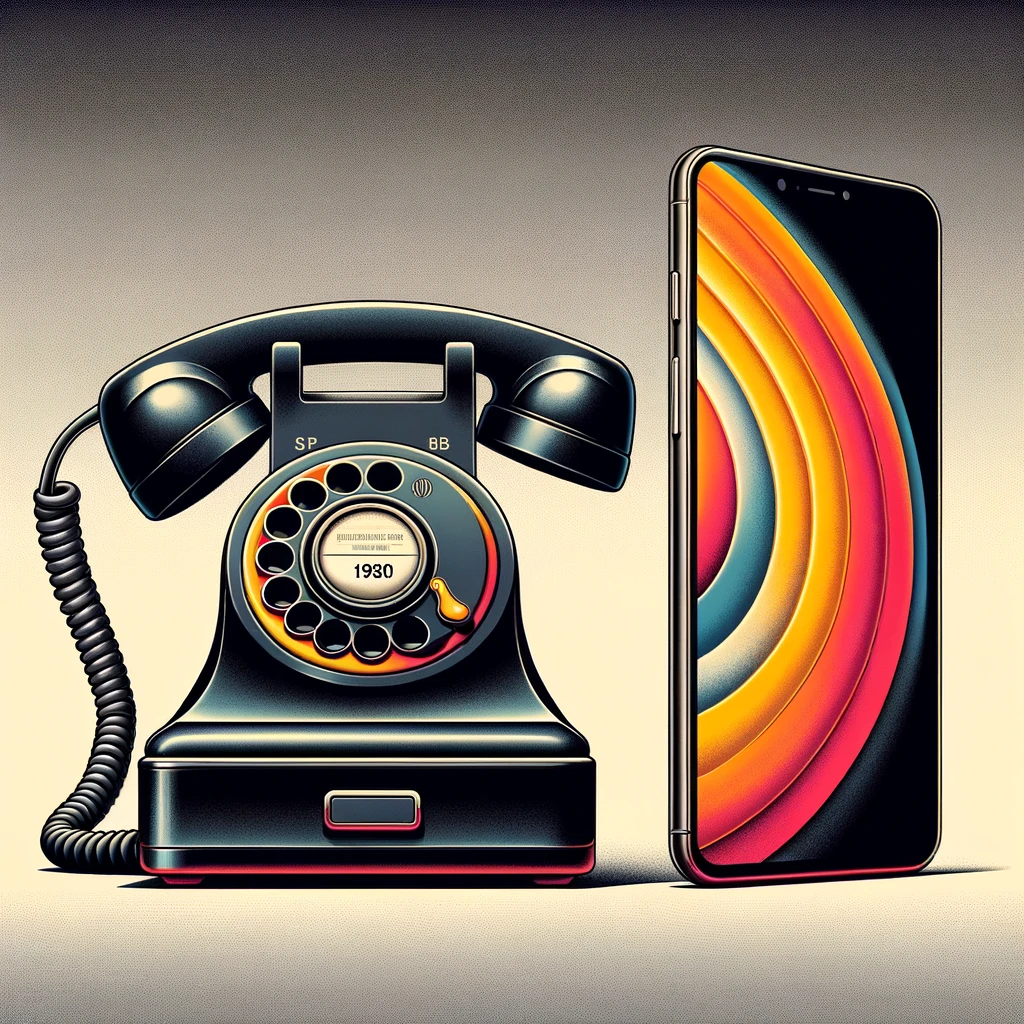
landlines to smartphones

In the 1980s, landline telephones were the primary mode of communication, and answering machines were considered a luxury. Fast forward to today, and smartphones have become ubiquitous, offering not just voice calls but video calls, instant messaging, and access to the vast expanse of the internet. The shift from waiting days for a letter to instant communication has revolutionized personal and professional interactions, making the world more connected than ever before.

2. Entertainment: Video Cassettes to Streaming Services
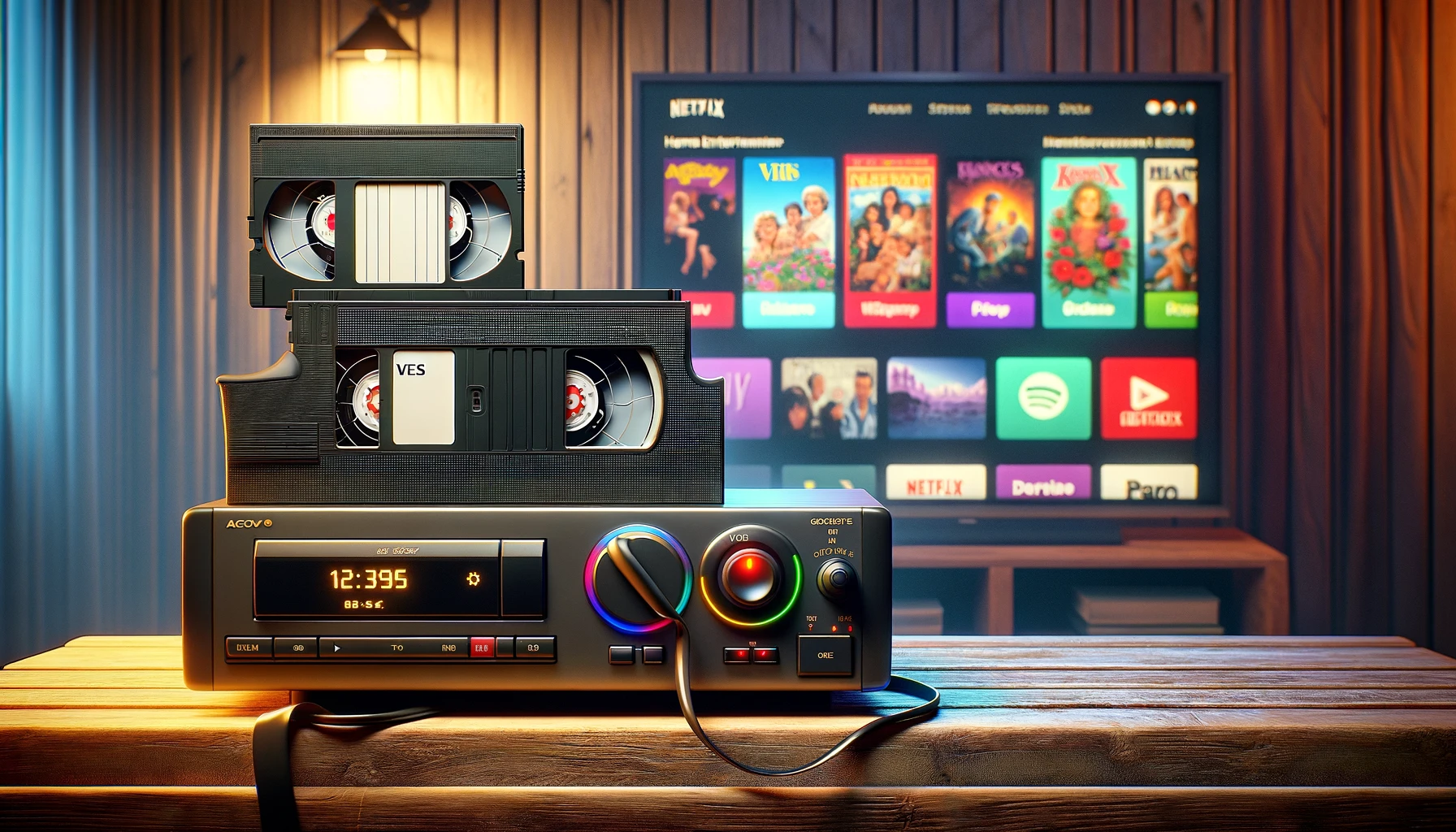
Entertainment in the 1980s revolved around video cassette recorders (VCRs), with families gathering to watch movies or recorded TV shows. Today, streaming services like Netflix, Amazon Prime, and Disney+ have replaced physical media, offering a plethora of content at the click of a button. This shift has not only changed how we access media but has also influenced the production and distribution of content, leading to the rise of binge-watching culture and original web series.

3. Music: Boomboxes to Digital Music
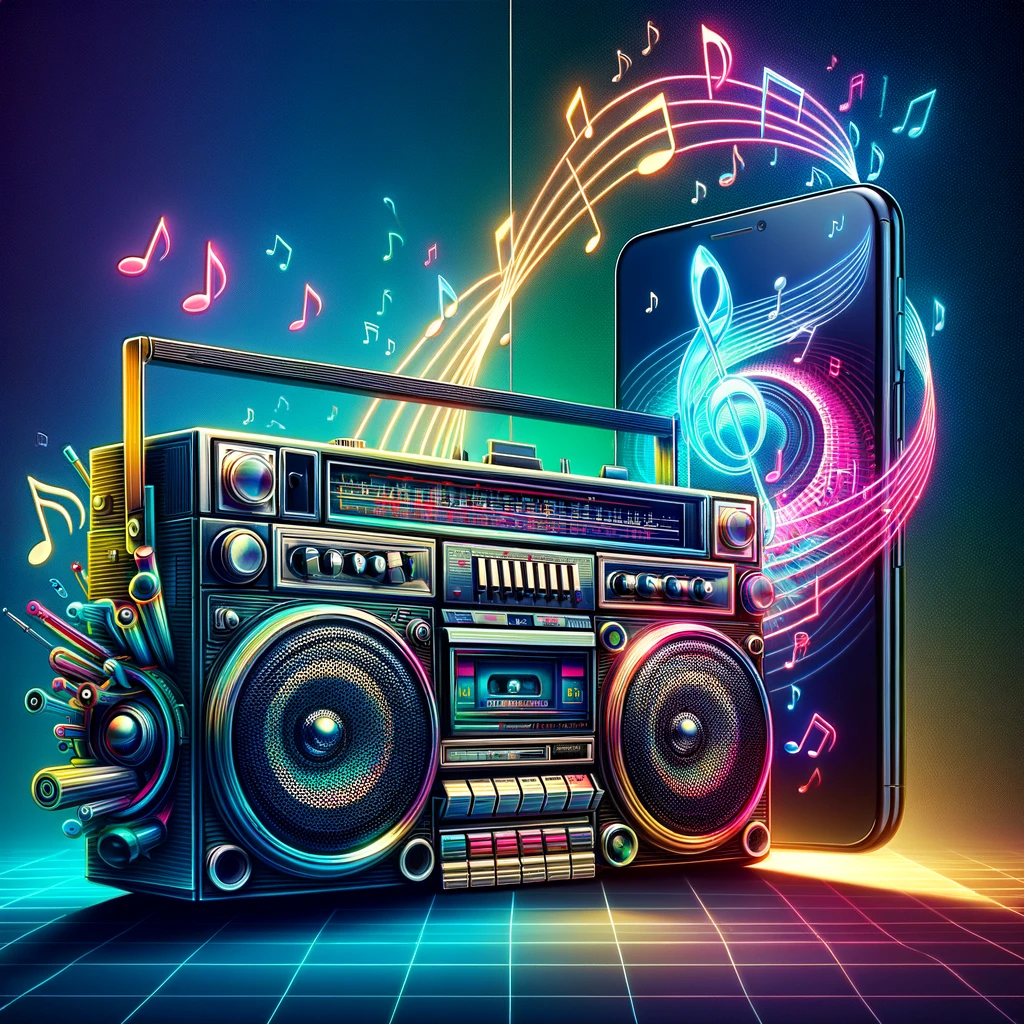
boombox to digital music

The 1980s were iconic for boomboxes, mixtapes, and the Walkman, symbolizing personal and portable music consumption. In contrast, today’s music landscape is dominated by digital platforms like Spotify, Apple Music, and YouTube, allowing instant access to millions of songs and personalized playlists. This digital revolution has transformed the music industry, from how music is produced and distributed to how artists connect with their audience.

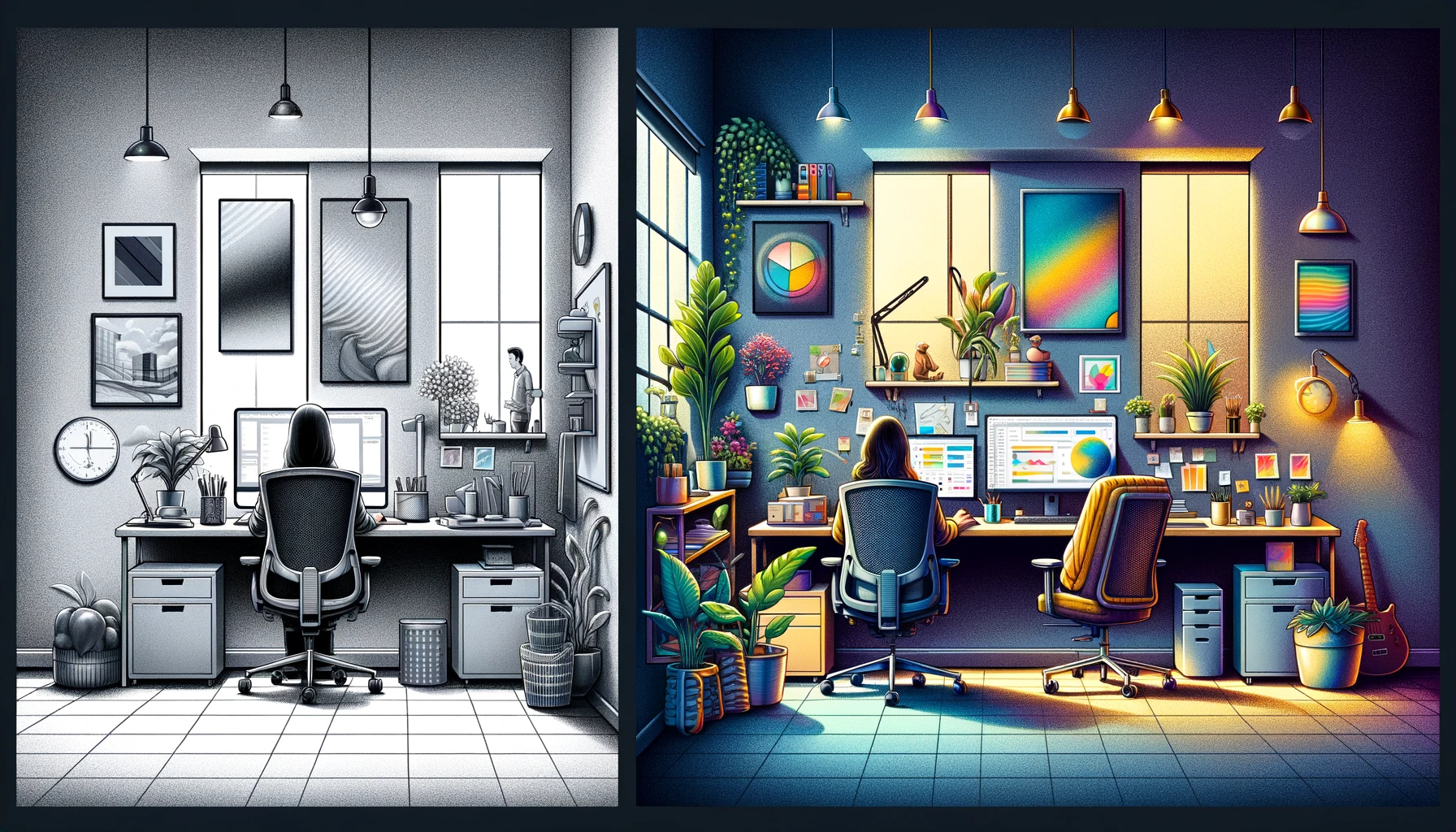
4. Work Environment: Office Bound to Remote Work
office bound to remote work

The traditional 9-to-5 office job was the standard in the 1980s, with most work confined to physical office spaces. The advent of the internet and digital technologies has since enabled a significant shift towards remote work and flexible schedules. This transformation has been accelerated by the COVID-19 pandemic, leading to a reevaluation of work-life balance and the necessity of physical presence in the workplace.

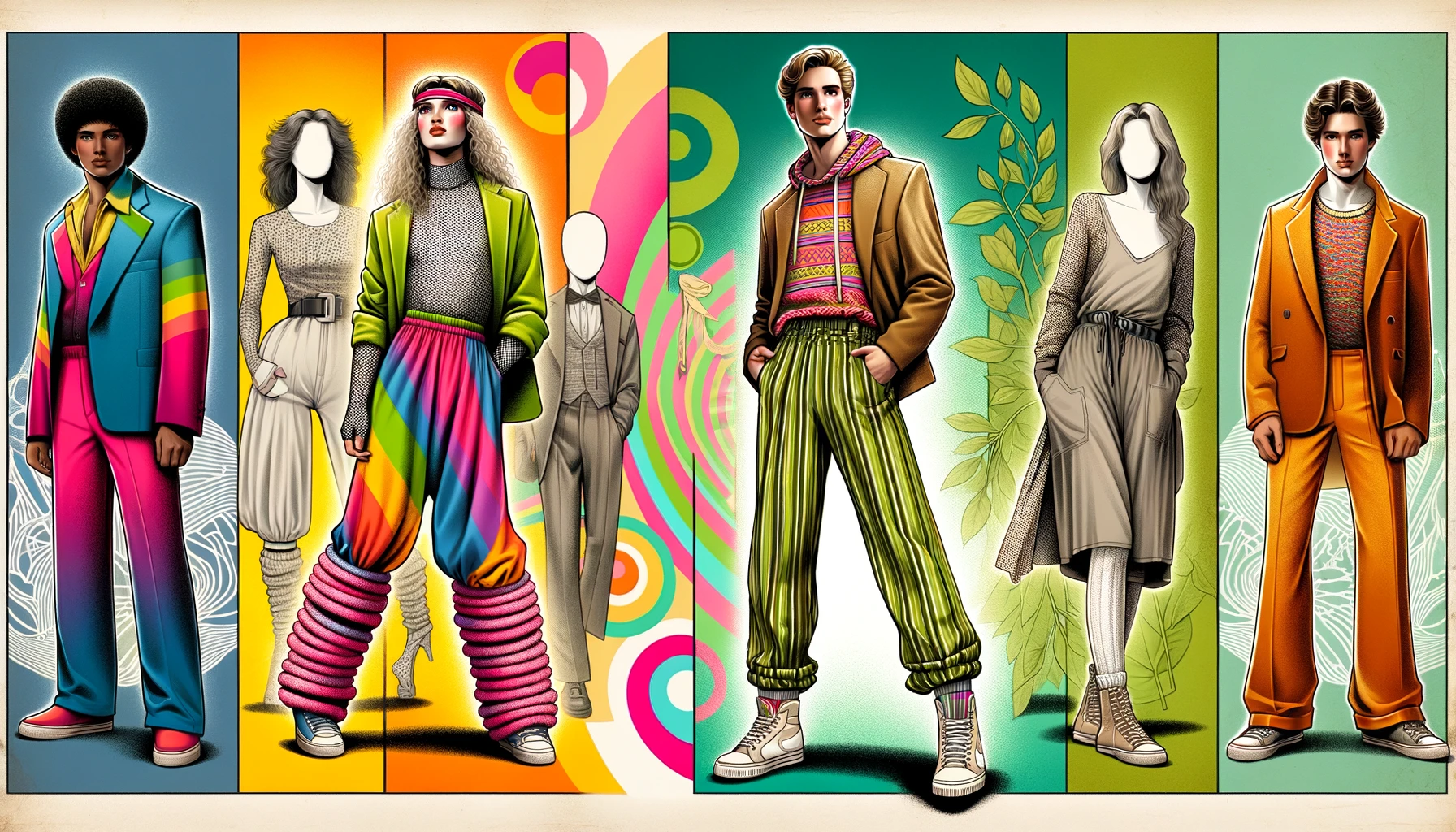
5. Fashion: Neon and Legwarmers to Sustainable Fashion
neon to sustainable

Fashion in the 1980s was characterized by bold colors, neon, legwarmers, and shoulder pads, reflecting the era’s exuberant spirit. Today, while diverse fashion trends continue to emerge, there’s a growing emphasis on sustainable and ethical fashion. Consumers are increasingly aware of the environmental impact of their clothing choices, leading to a rise in eco-friendly materials, ethical manufacturing processes, and a culture of recycling and upcycling.

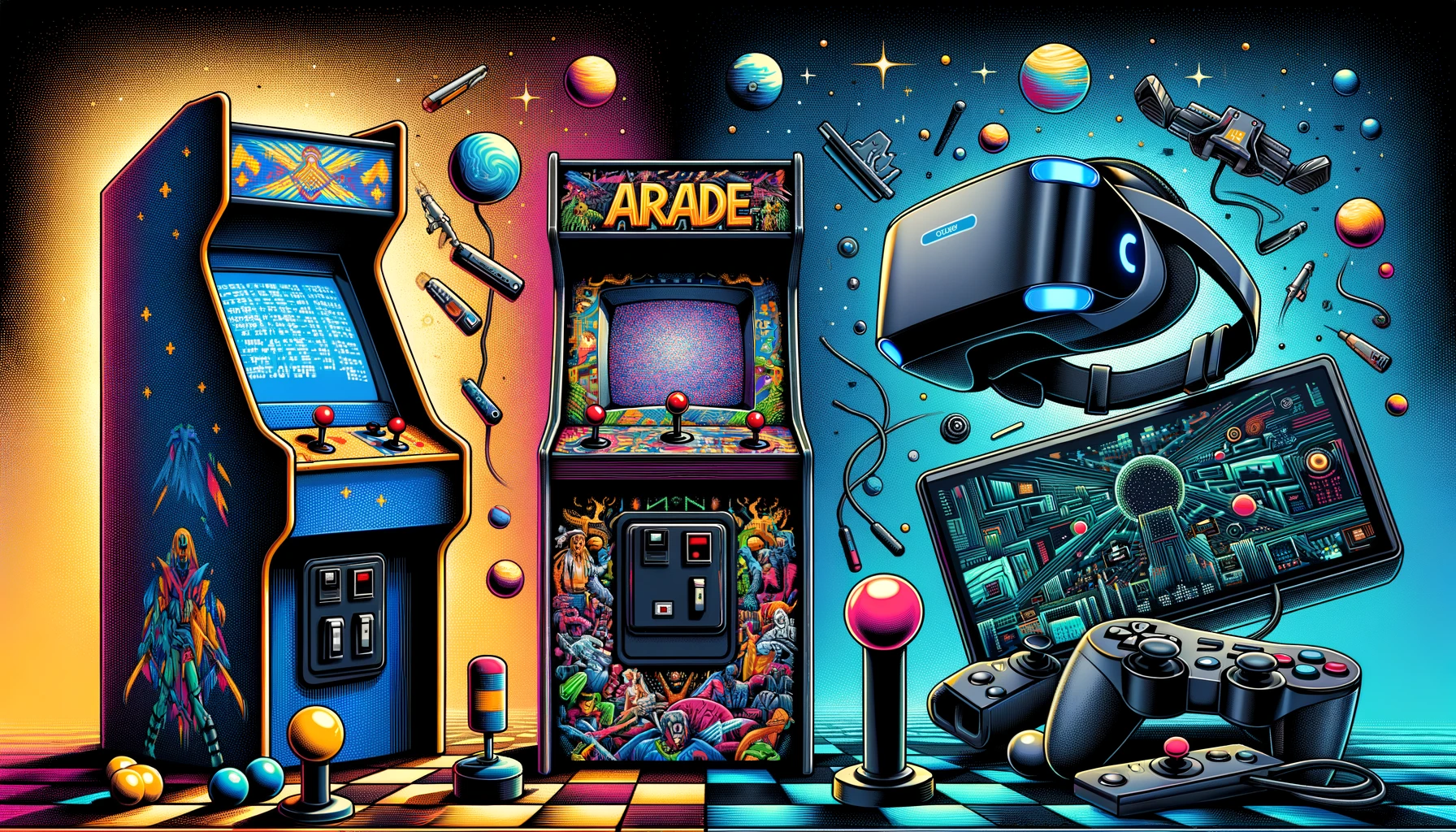
6. Gaming: Arcades to Virtual Reality
arcades to virtual reality

Arcade games were all the rage in the 1980s, providing a social gaming experience that was as much about the atmosphere as the games themselves. In contrast, the gaming industry today has evolved with technology. From sophisticated console and PC games to immersive virtual reality experiences, the landscape offers far more today. This evolution has not only changed how games are played but has also expanded the demographic of gamers, making gaming a mainstream form of entertainment across all age groups.

7. Education: Textbooks to E-Learning

Education in the 1980s relied heavily on textbooks, chalkboards, and physical classrooms. The digital age has introduced e-learning platforms, online courses, and digital textbooks. Such advances make education more accessible and flexible. Essentially, this shift has democratized learning, allowing people from all over the world to access quality education, learn new skills, and even attend virtual classrooms.

8. Health and Fitness: Aerobics to Wearable Tech
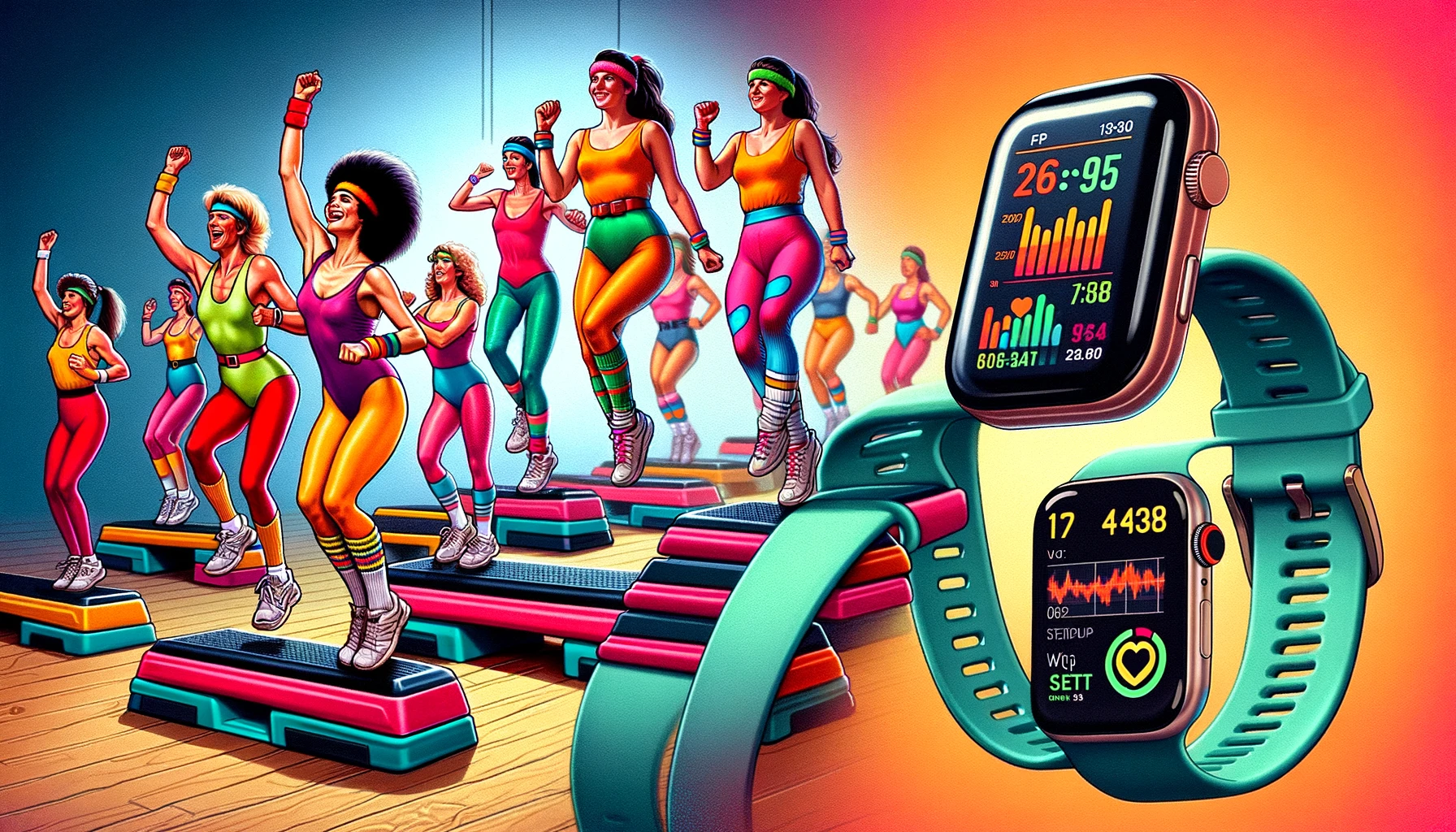
The 1980s saw the rise of aerobics, with high-energy workout tapes and classes. Today, health and fitness have taken a technological turn with the advent of wearable tech like fitness trackers and smartwatches. These devices monitor health metrics, encourage physical activity, and even offer personalized workout and nutrition plans. Ultimately, they reflect a more data-driven approach to health and wellness.

9. Transportation: Gas Guzzlers to Electric Vehicles
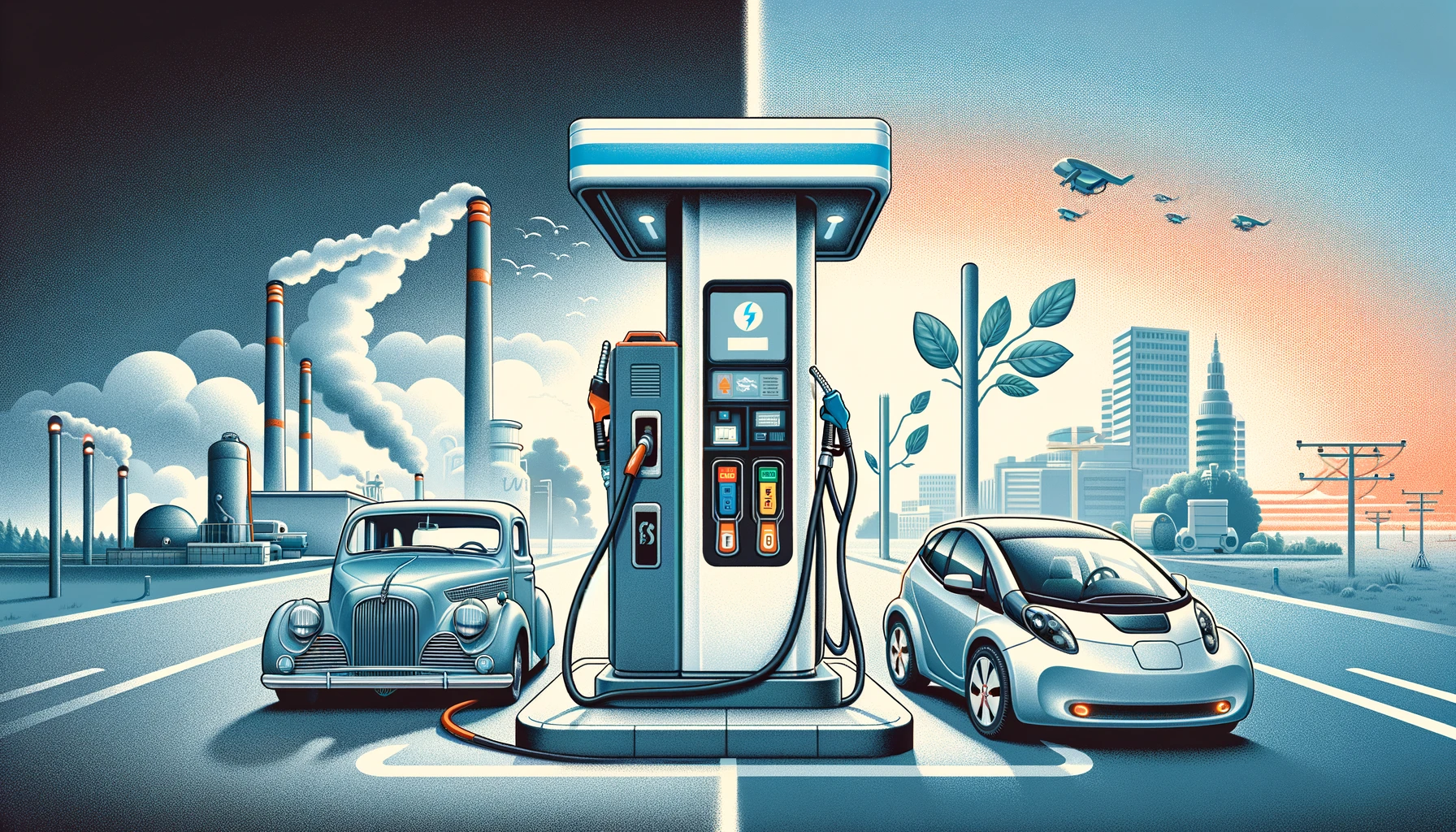
gas guzzler to electric vehicles

Automobiles in the 1980s were often large, heavy, and not particularly fuel-efficient. The automotive industry today increasingly focuses on sustainability, with electric vehicles (EVs) and hybrids becoming more common. This shift towards electric transportation is driven by environmental concerns, advancements in battery technology, and governmental incentives, marking a significant step towards reducing carbon emissions.

10. Social Movements: Grassroots to Global Hashtags
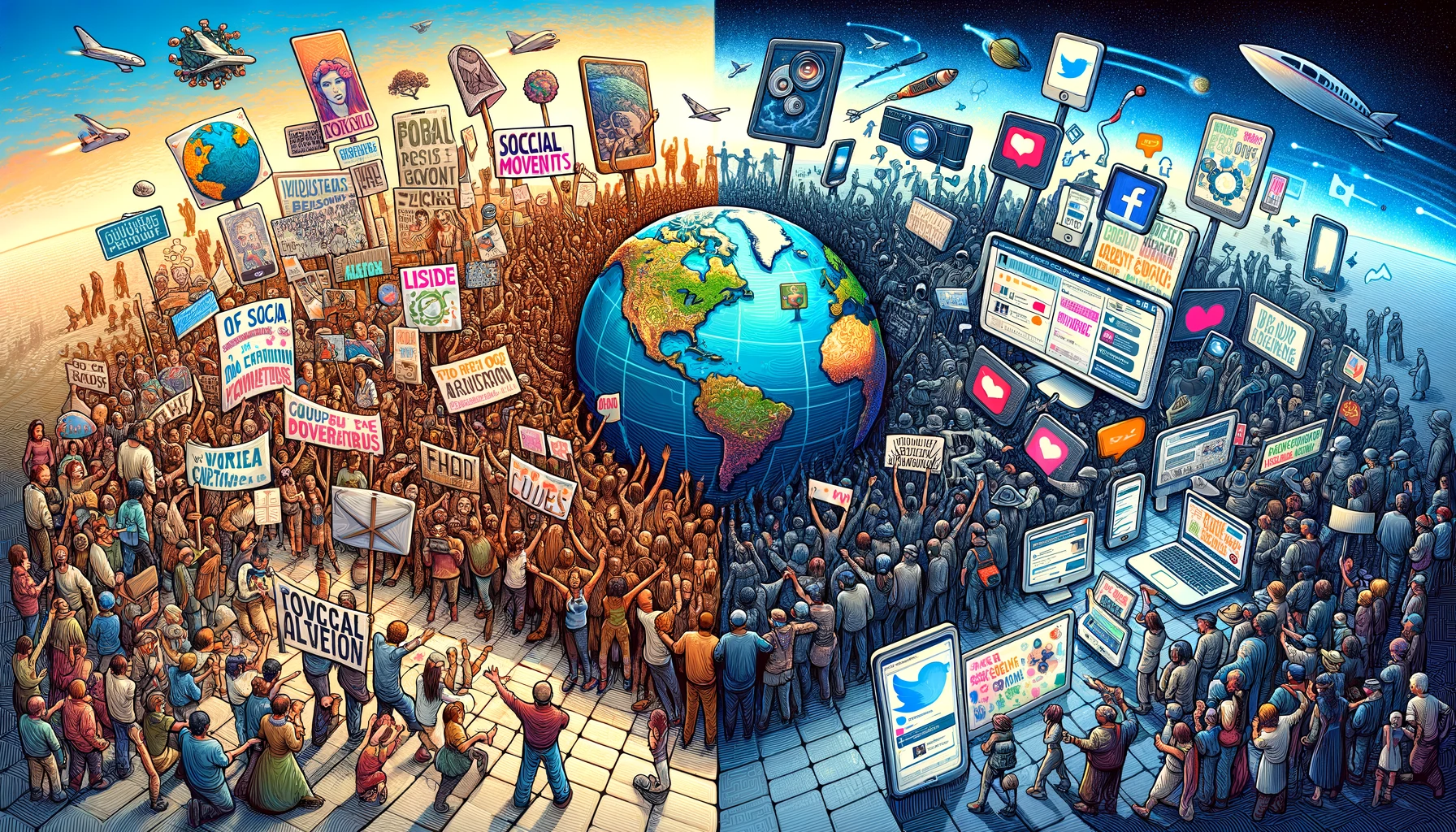
grassroots to global hashtags

In the 1980s, social movements relied on grassroots organizing, rallies, and printed pamphlets to spread their message. The digital era has transformed activism, with social media platforms enabling global hashtags and viral campaigns. This has amplified the reach of social movements, allowing them to mobilize international support quickly and effectively, and bringing attention to issues at an unprecedented scale.

Dramatic Changes from the 1980s to Today
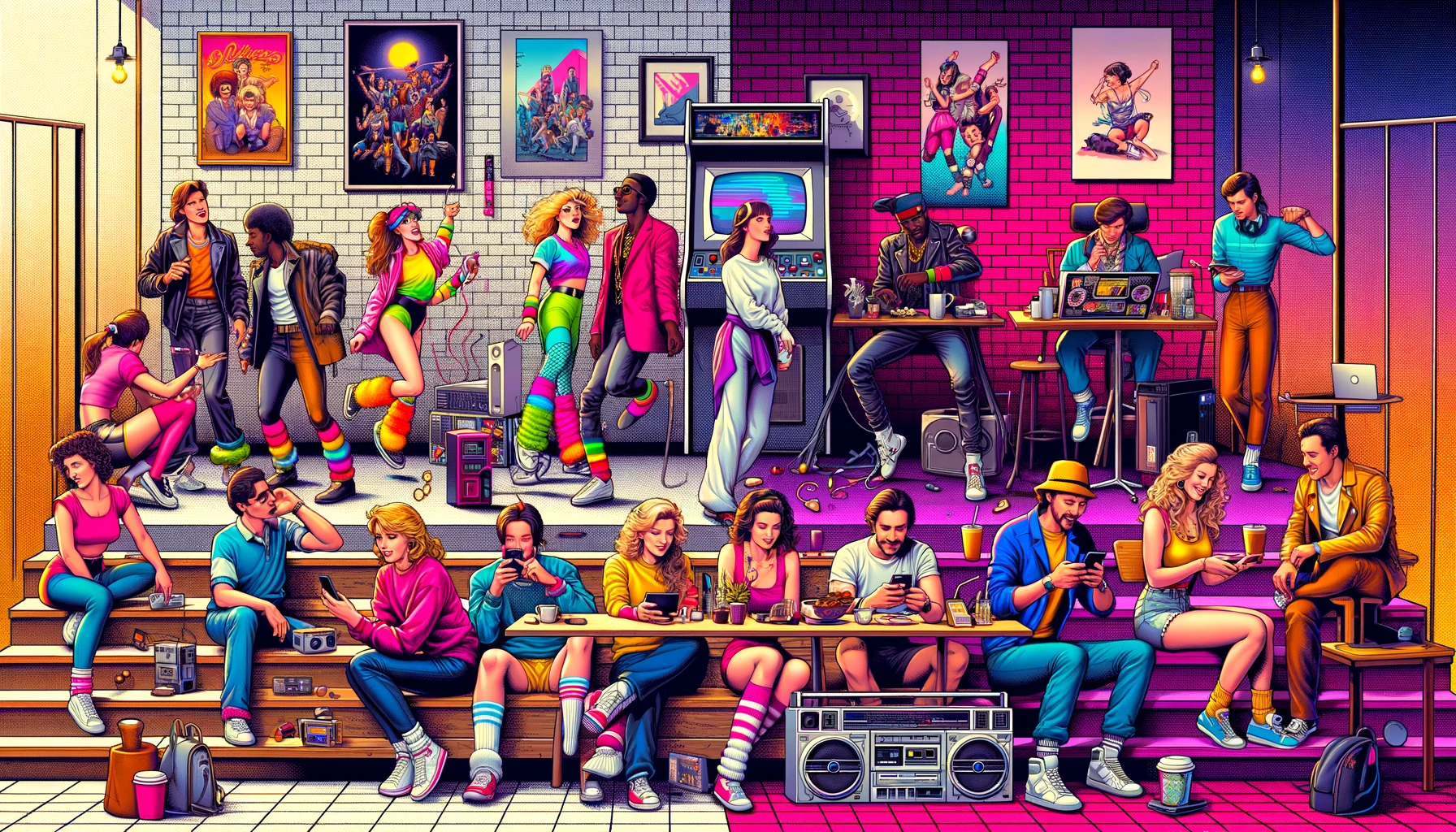
Dramatic Changes from the 1980s to Today

The comparison between life in the 1980s and today reveals profound changes driven by technological advancements, societal shifts, and a growing consciousness about global issues. These transformations have reshaped every aspect of our lives. From how we communicate and work to how we entertain ourselves and engage with the world around us, so much is different. In the end, as we continue to navigate this ever-evolving landscape, it’s clear that the pace of change is only accelerating, promising even more significant transformations in the years to come.

Catherine Reed
Catherine Reed

Catherine is a tech-savvy writer who has focused on the personal finance space for more than eight years. She has a Bachelor’s in Information Technology and enjoys showcasing how tech can simplify everyday personal finance tasks like budgeting, spending tracking, and planning for the future. Additionally, she’s explored the ins and outs of the world of side hustles and loves to share what she’s learned along the way. When she’s not working, you can find her relaxing at home in the Pacific Northwest with her two cats or enjoying a cup of coffee at her neighborhood cafe.

Filed Under: ShareMe Tagged With: 1980s, changing technology, difference between 1980s and today, how life has changed, life in the 1980s, modern life, technological advances

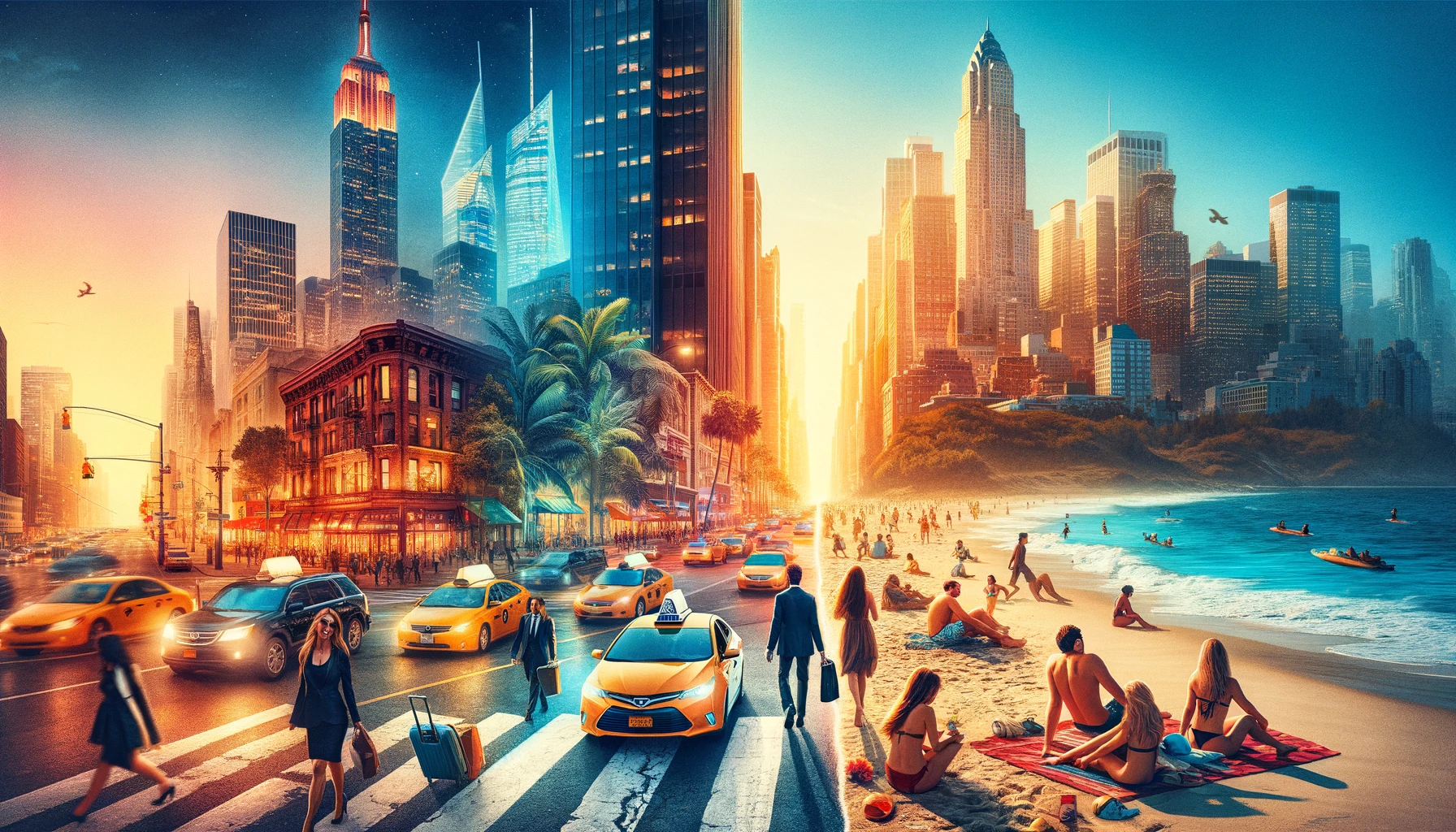
East Coast Meets West Coast: 14 Surprising Cultural Differences in the USA

February 5, 2024 By Catherine Reed 1 Comment

cultural differences in the us

The United States is a vast country, and while it’s united under one flag, the cultural differences from coast to coast can be quite surprising. From the Atlantic to the Pacific, the East Coast and the West Coast offer distinct lifestyles, values, and traditions that reflect the diverse history and landscapes of the nation. Here are 14 surprising cultural differences that highlight the unique character of each coast.

1. Pace of Life

pace of life

On the East Coast, particularly in cities like New York and Boston, life moves at a breakneck speed. The mantra is “time is money,” and this is evident in the fast-paced work environment, quick walking speeds, and packed schedules. In contrast, the West Coast, especially in places like California and Oregon, has a reputation for a more laid-back lifestyle. The emphasis is on work-life balance, with a more relaxed approach to schedules and deadlines.

2. Business Etiquette

business etiquette cultural differences

East Coast business culture is formal and straightforward, with an emphasis on professionalism and traditional business attire. Meetings are direct, and punctuality is key. On the West Coast, the business environment is more casual and creative, mirroring the tech and startup culture prevalent in Silicon Valley. Casual dress codes and flexible work arrangements are more common, reflecting a different approach to professional interactions.

3. Attitudes Toward Nature

attitudes toward nature

The West Coast’s vast natural landscapes, from the beaches of California to the forests of Washington, foster a strong connection to the outdoors. Outdoor activities and environmental conservation are significant parts of life. The East Coast, with its historical cities and older infrastructure, tends to have a more urban focus, although places like New England also boast beautiful natural sites.

4. Culinary Preferences

culinary preferences

Cuisine on the East Coast is deeply rooted in history, with a strong emphasis on traditional dishes and international influences, particularly in metropolitan areas. The West Coast is known for its emphasis on fresh, local ingredients, innovation in cuisine, and fusion foods, partly due to its closer ties to Asia and Latin America.

5. Fashion Sense

fashion sense

East Coast fashion is often characterized by a more formal, classic style, influenced by the professional atmosphere of cities like New York and Washington, DC. In contrast, West Coast fashion is more relaxed and experimental, with an inclination towards casual and bohemian styles, reflecting the region’s laid-back lifestyle.

6. Coffee Culture

coffee culture

The East Coast maintains a strong loyalty to traditional coffee shops and the quick coffee-on-the-go culture. Meanwhile, the West Coast, particularly Seattle, is famous for its artisanal coffee scene, with a focus on coffee as an experience, not just a caffeine boost.

7. Technology and Innovation

technology and innovation

The West Coast, particularly Silicon Valley in California, is globally recognized as the epicenter of technology and innovation. This region is home to many of the world’s leading tech companies and startups, fostering a culture that values creativity, innovation, and a forward-thinking mindset. On the East Coast, while cities like New York and Boston are also significant hubs for innovation, particularly in finance and biotech, the approach is often more traditional and corporate. The East Coast values established institutions and historical precedence, leading to a more formal and structured approach to business and innovation.

8. Sports Culture

sports culture

While both coasts are passionate about sports, the types of sports and fan engagement can differ. The East Coast has deep-rooted loyalties to historic teams in sports like baseball and football, while the West Coast’s diverse population supports a wide range of sports, including outdoor and extreme sports, reflecting its adventurous spirit.

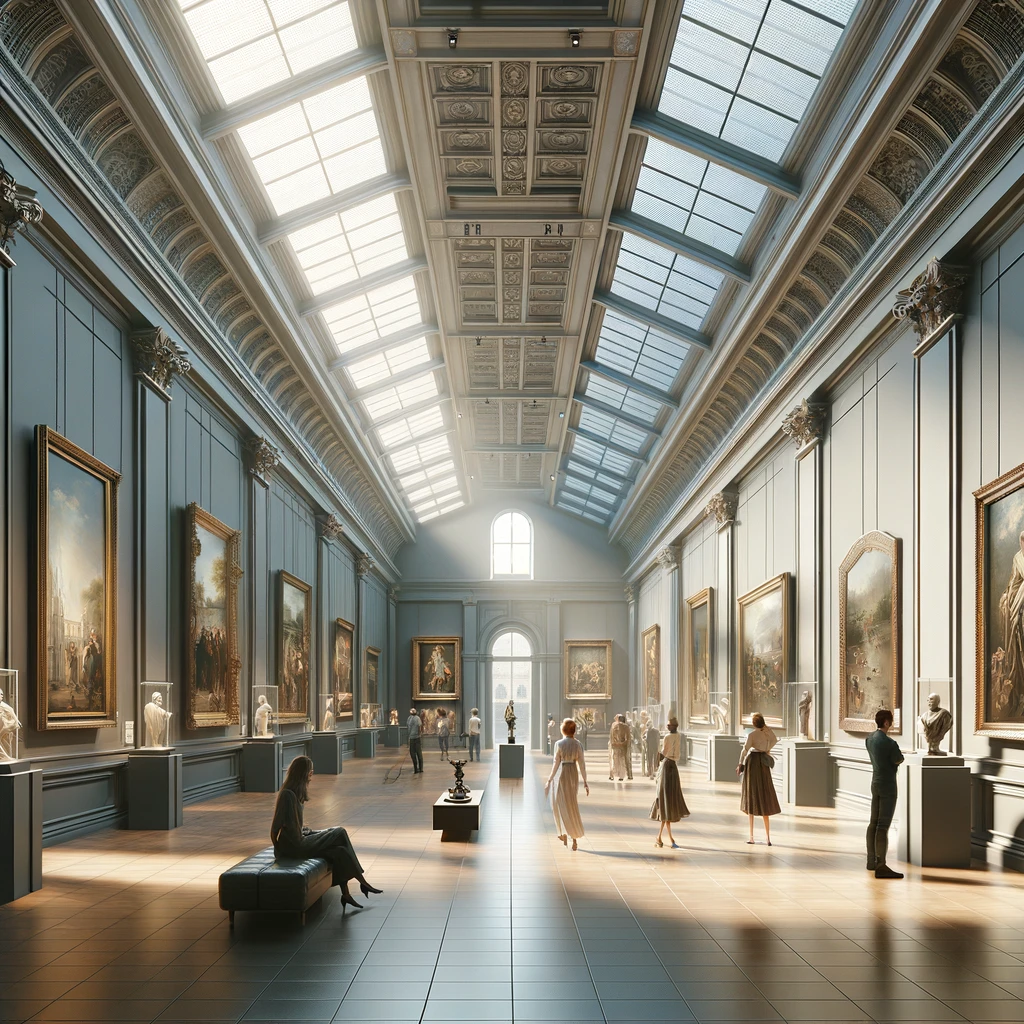
9. Art and Culture

art and culture

The East Coast, with its rich history, is home to traditional art institutions and Broadway theaters. The West Coast’s art scene is more experimental and inclusive of modern and digital art forms, influenced by the entertainment industry and tech innovation.

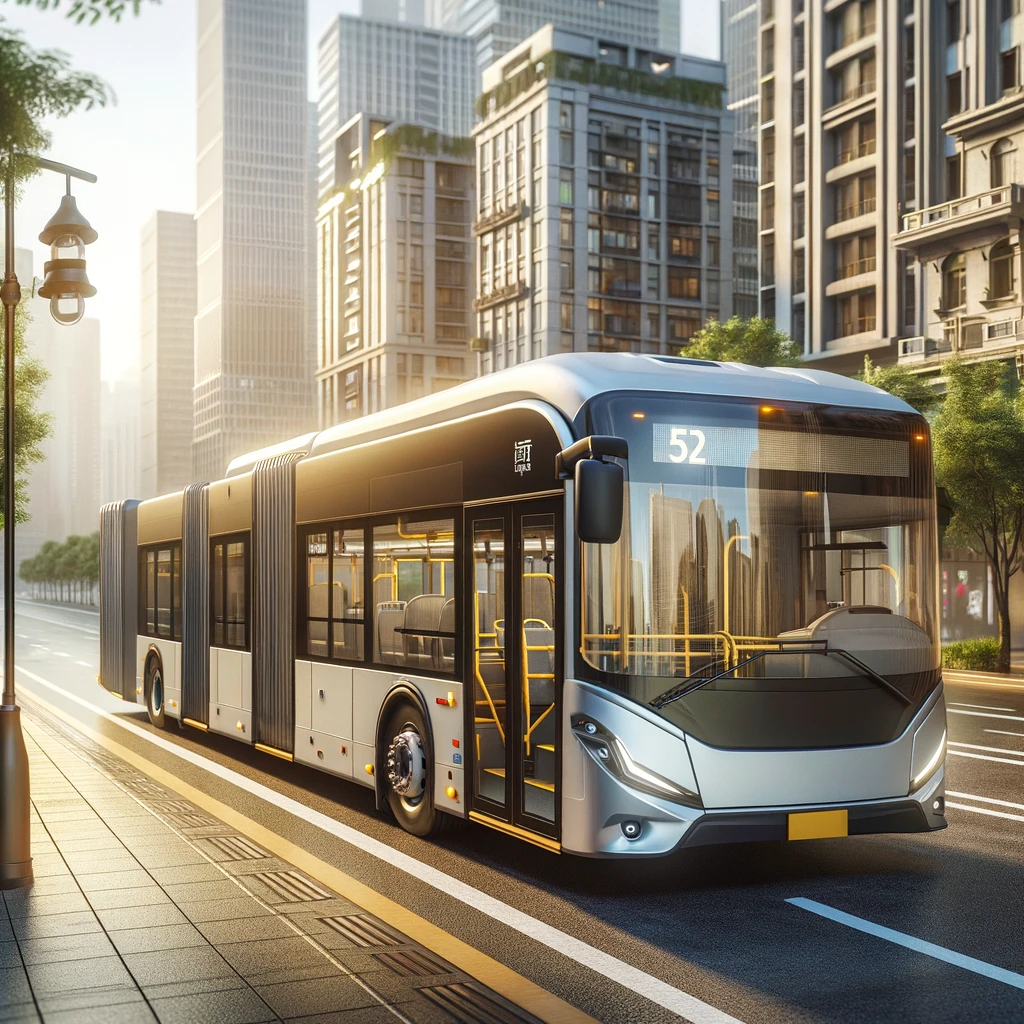
10. Transportation

transportation cultural differences

Public transportation systems are more developed and widely used on the East Coast, especially in cities like New York and Boston. The West Coast, with its sprawling cities and emphasis on personal space, relies more heavily on personal vehicles, although efforts to enhance public transit options are ongoing.

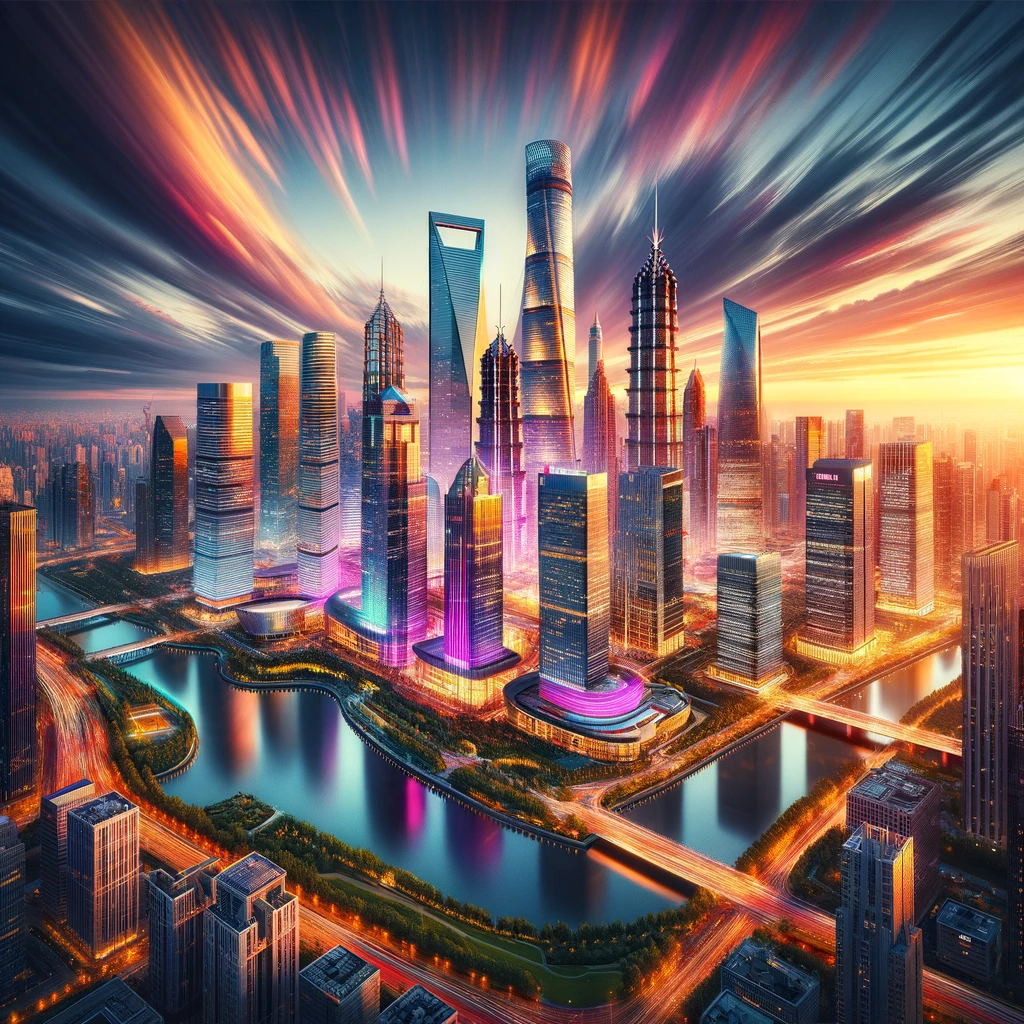
11. Urban Planning and Architecture

urban planning and architecture

The architectural styles and urban planning philosophies between the two coasts differ significantly due to their historical development and geographical landscapes. The East Coast boasts older, more densely packed cities with a mix of historic buildings and modern skyscrapers, reflecting its longer urban history. The West Coast, with its younger cities, tends to have more modern and experimental architecture, with a focus on sustainability and integration with the natural environment.

12. Education Philosophies

education philosophies cultural differences

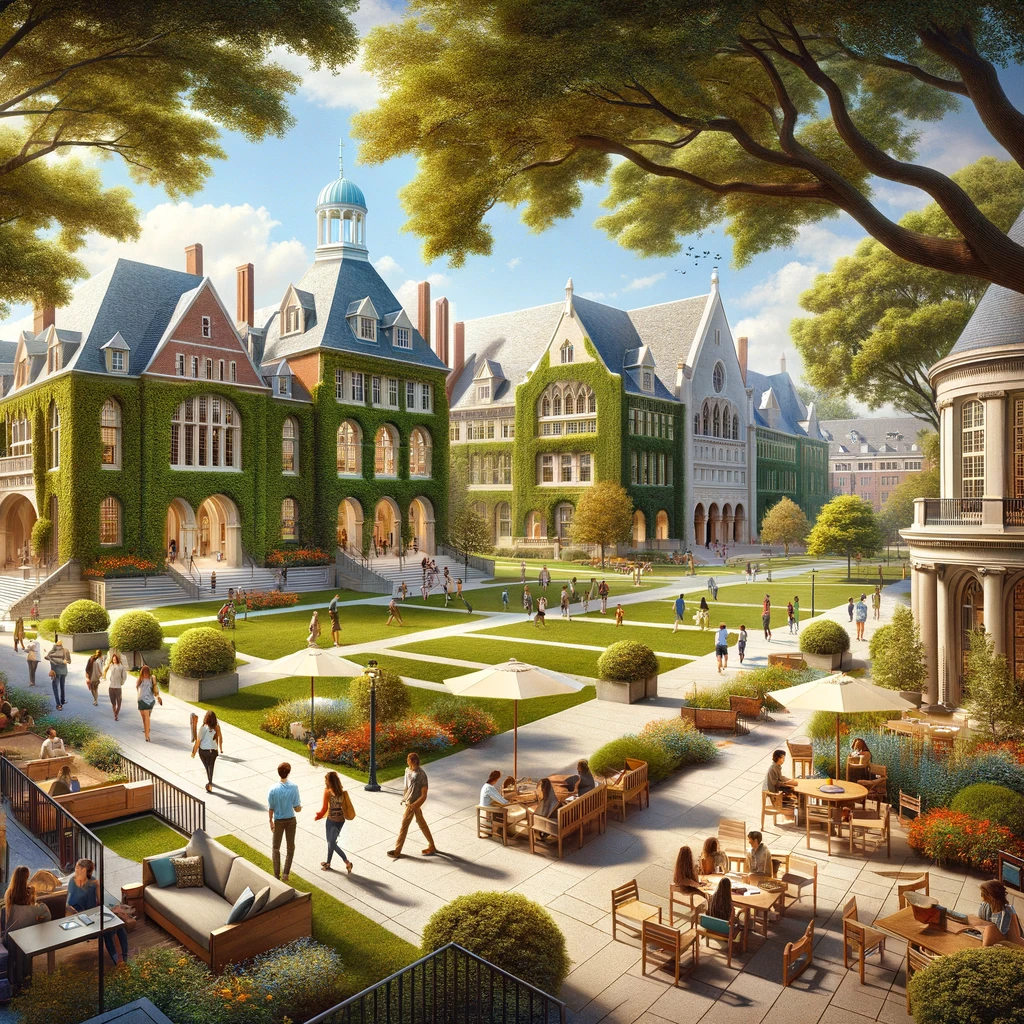
There’s a strong emphasis on traditional Ivy League-style education on the East Coast, reflecting its historical roots in American education. The West Coast is renowned for its innovative and progressive educational institutions, particularly in technology and environmental sciences.

13. Attitudes Toward Health and Wellness

attitudes toward health and wellness

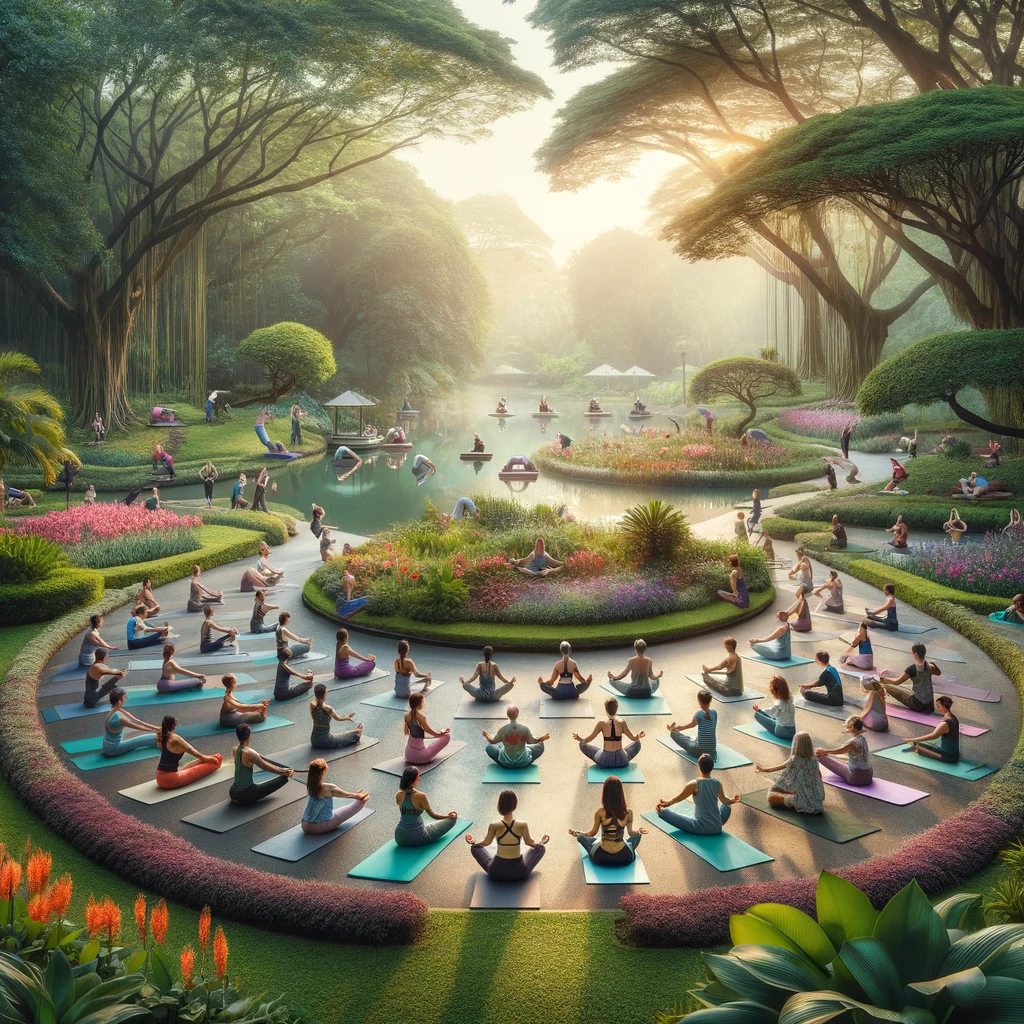
The West Coast is often seen as the birthplace of health and wellness trends, from yoga to organic eating, reflecting its holistic approach to health. The East Coast has a more conventional approach to health and fitness, although wellness trends are becoming increasingly popular.

14. Historical Perspectives

historical perspectives cultural differences

The East Coast is steeped in American history, from the founding of the nation to significant historical events. The region reflects that in its architecture, museums, and cultural institutions. The West Coast, with its newer cities and diverse population, has a history shaped by immigration, the Gold Rush, and innovation, offering a different perspective on the American experience.

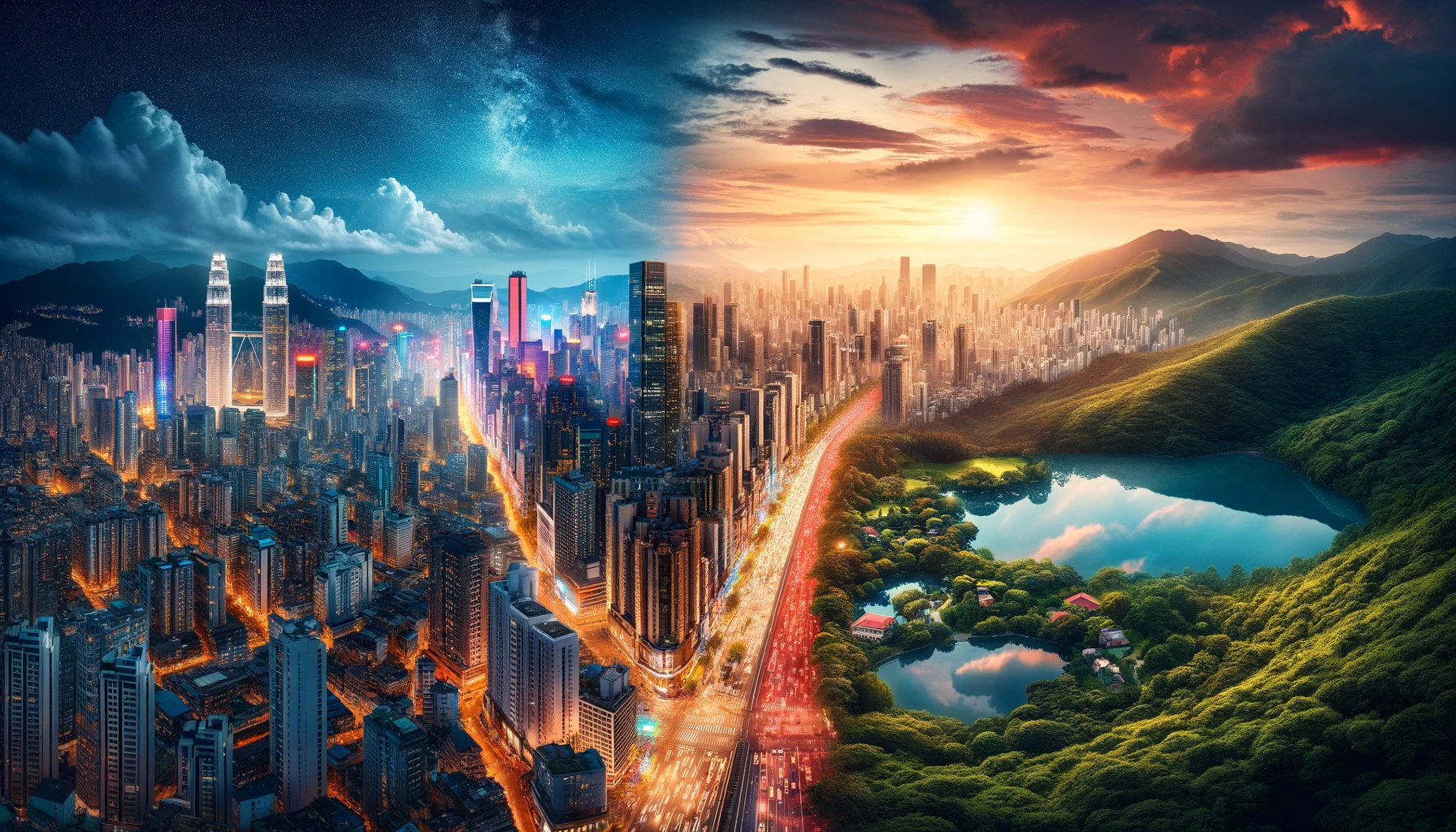
Cultural Differences Across the US

east coast west coast cultural differences

The cultural differences between the East Coast and the West Coast of the USA underscore the diverse tapestry that makes up the nation. From lifestyle and work ethic to fashion and food, each coast offers a unique slice of American life, contributing to the rich cultural mosaic of the country. Understanding these differences not only fosters appreciation but also highlights the strength found in diversity.

Catherine Reed
Catherine Reed

Catherine is a tech-savvy writer who has focused on the personal finance space for more than eight years. She has a Bachelor’s in Information Technology and enjoys showcasing how tech can simplify everyday personal finance tasks like budgeting, spending tracking, and planning for the future. Additionally, she’s explored the ins and outs of the world of side hustles and loves to share what she’s learned along the way. When she’s not working, you can find her relaxing at home in the Pacific Northwest with her two cats or enjoying a cup of coffee at her neighborhood cafe.

Filed Under: ShareMe Tagged With: cultural differences, east coast lifestyle, east coast vs west coast, living in ameria, united states culture, west coast lifestyle

15 Hidden Features in Your Smartphone That Will Make Your Life Easier

January 25, 2024 By James Hendrickson Leave a Comment

smartphone

Smartphones are amazing devices that can do so much more than just make calls and send messages. They are also packed with hidden features that can make your life easier, more productive, and more fun. Here are 15 of them that you might not know about.

1. Scan QR Codes Without An App

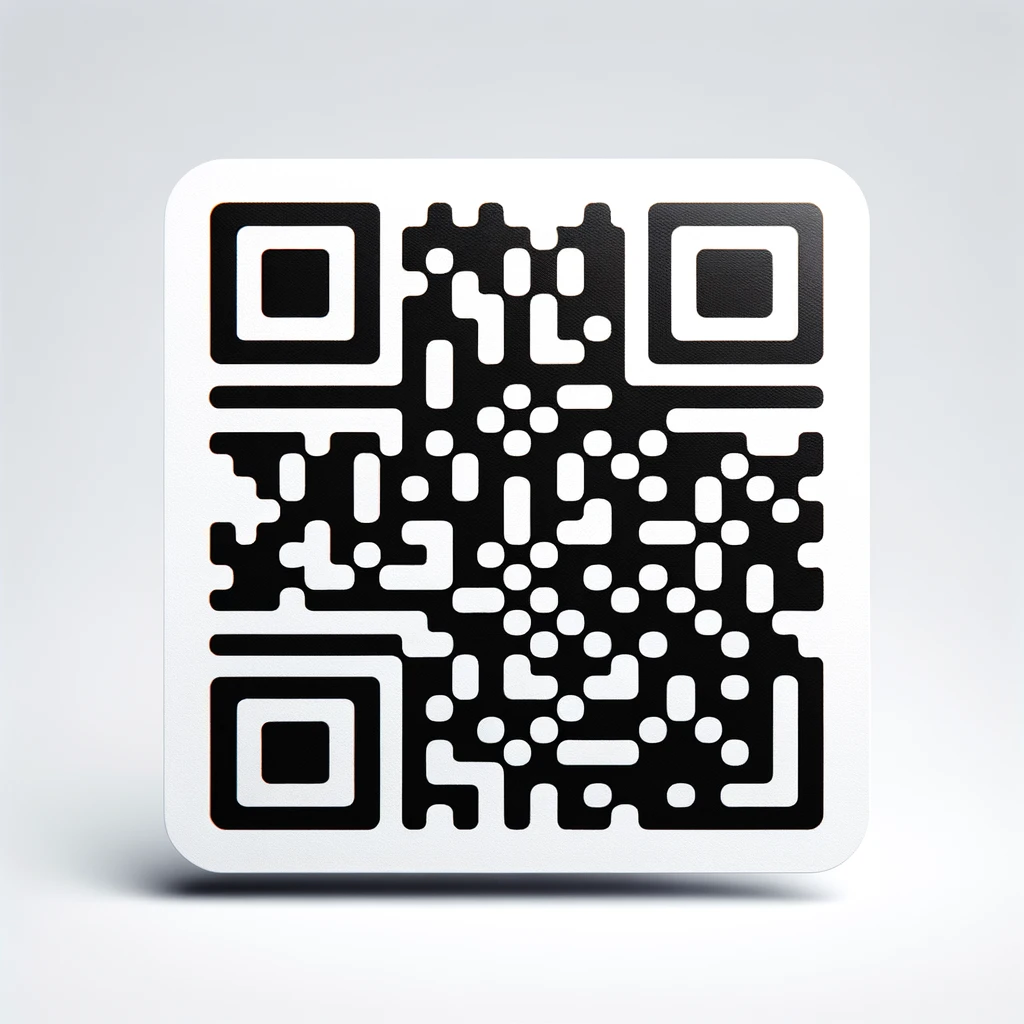
QR Code

QR codes are everywhere these days, from product labels to restaurant menus. They can contain useful information, such as links, coupons, or contact details. But did you know that you don’t need a separate app to scan them? You can just use your smartphone’s camera app. Simply point your camera at the QR code and tap on the notification that pops up. You will be taken to the relevant website or app.

2. Use Your Phone As A Level

leveling tool

If you need to hang a picture or a shelf, you can use your phone as a handy level tool. Just open the Compass app on your iPhone or the Measure app on your Android phone and swipe left. You will see a level indicator that shows you how much your phone is tilted. You can also calibrate it by placing it on a flat surface and tapping the screen.

3. Turn Your Phone Into A Magnifying Glass

magnifying glass

Sometimes you need to zoom in on something small, such as a fine print or a tiny detail. You can use your phone’s camera to do that, but there is a better way. You can turn your phone into a magnifying glass by enabling the Magnifier feature in the Accessibility settings. This will let you use your phone’s volume buttons to zoom in and out, and also adjust the brightness and contrast of the image.

4. Control Your Phone With Voice

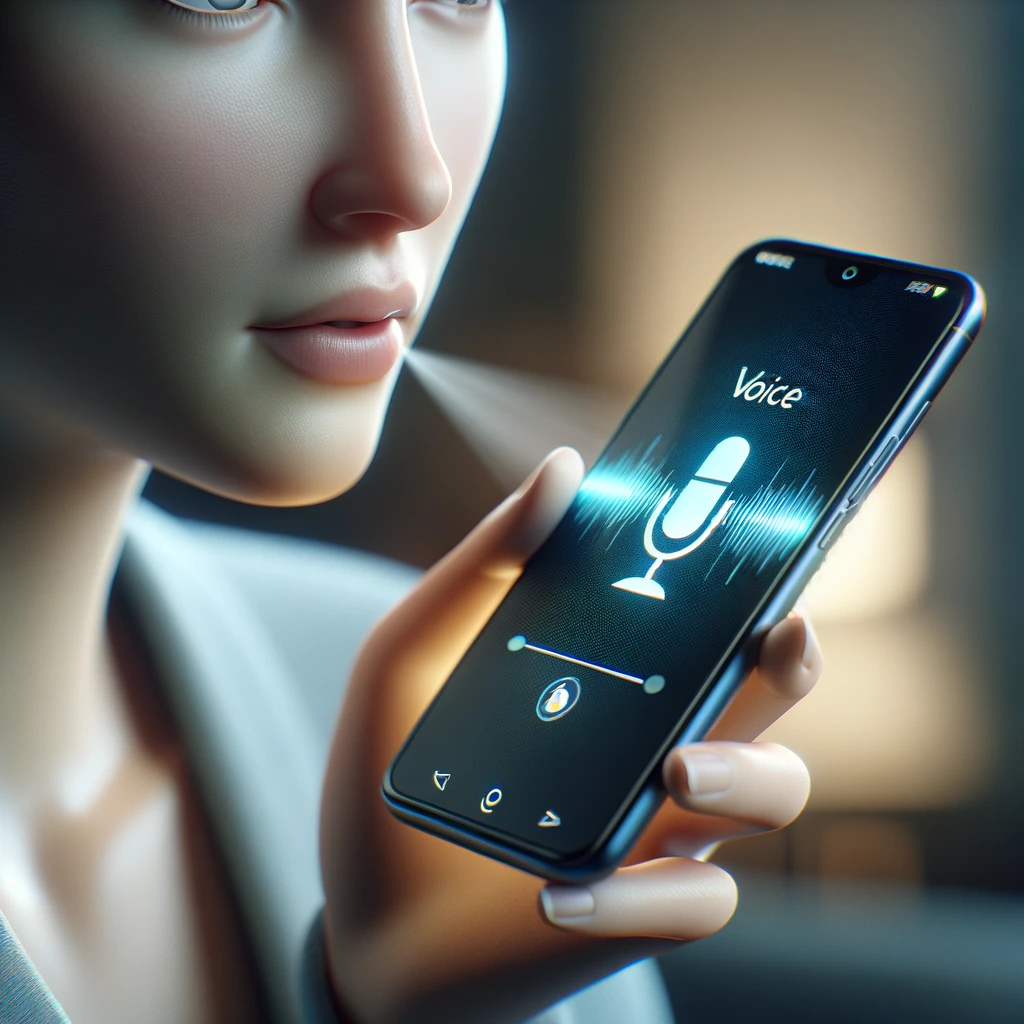
voice

You can use voice commands to control your phone without touching it. For example, you can say “Hey Siri” or “OK Google” to activate your virtual assistant and ask it to do things like set reminders, play music, or make calls. You can also use voice commands to perform specific actions on your phone, such as taking screenshots, opening apps, or adjusting settings. To enable this feature, go to the Voice Control settings on your iPhone or the Voice Access settings on your Android phone.

5. Use Your Phone As A Remote Control

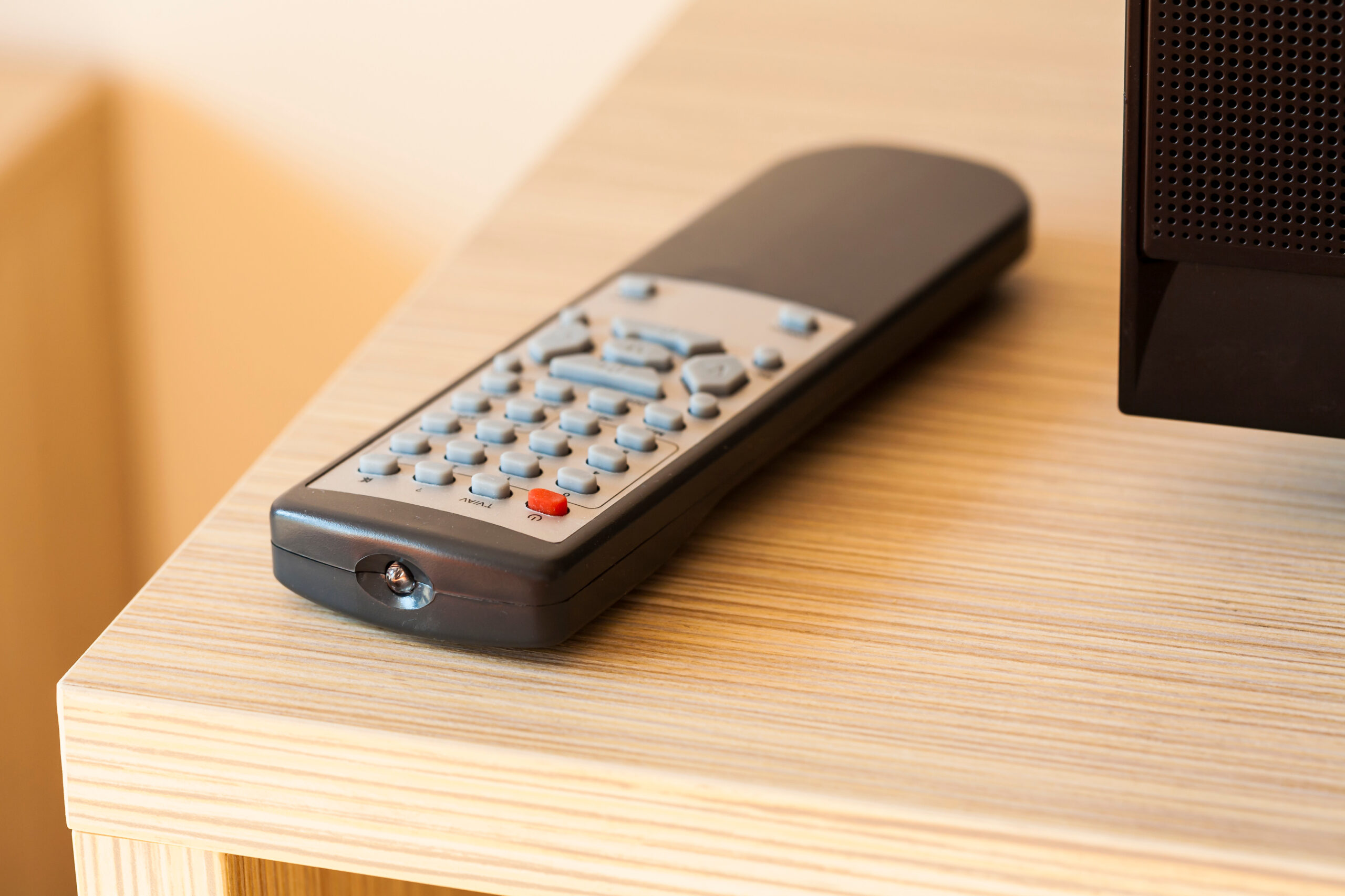
remote control

You can use your phone as a remote control for various devices, such as smart TVs, streaming boxes, or game consoles. All you need is an app that supports the device you want to control. For example, you can use the Apple TV Remote app on your iPhone or the Android TV Remote Control app on your Android phone to control your smart TV. You can also use apps like Roku, Chromecast, or Xbox to control other devices.

6. Split Your Screen For Multitasking

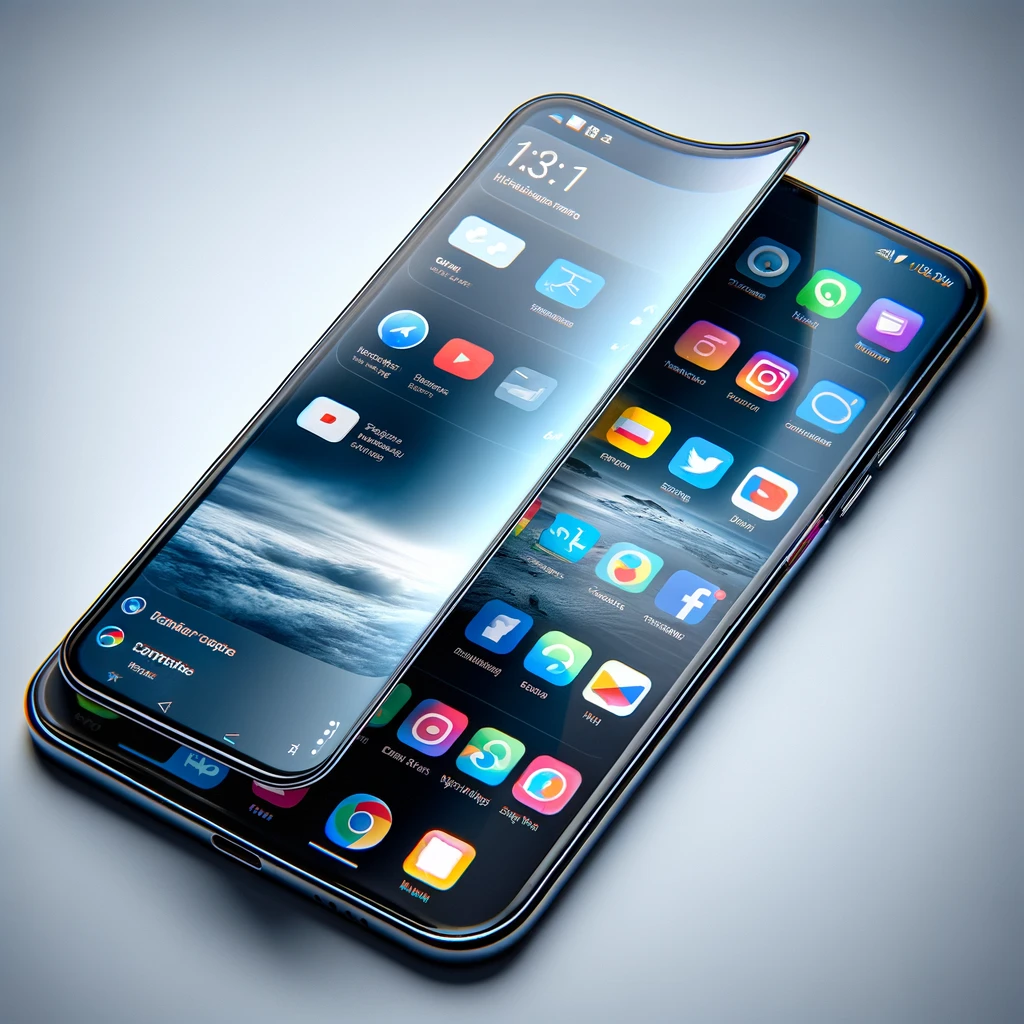
split screen

You can split your screen into two windows and use two apps at the same time on your smartphone. This is useful for multitasking, such as watching a video while browsing the web, or checking your email while using a calculator. To do this, open one app and then swipe up from the bottom of the screen and hold until you see the app switcher. Then drag the app you want to split to the top or left of the screen and release it. Then tap on another app to open it in the other half of the screen.

7. Translate Text In Real Time

translate

You can use your phone’s camera to translate text in real time, such as signs, menus, or labels. This is handy when you are traveling or learning a new language. To do this, open the Google Translate app on your phone and tap on the Camera icon. Then point your camera at the text you want to translate and select the language you want to translate from and to. You will see the translated text overlayed on the original text.

8. Use Dark Mode For Better Battery Life

dark mode

Dark mode is a feature that changes the color scheme of your phone’s interface from light to dark. This can make your phone easier on the eyes, especially at night or in low-light conditions. But did you know that dark mode can also save battery life? This is because dark mode reduces the amount of light emitted by your screen, which consumes less power. To enable dark mode, go to the Display settings on your phone and toggle on Dark Mode.

9. Unlock Hidden Games

games

Your smartphone has some hidden games that you can play for fun when you are bored or need a break. For example, you can play a dinosaur game on Chrome when you are offline by tapping on the dinosaur icon and then tapping anywhere on the screen to make it jump over obstacles. You can also play a snake game on Google Maps by swiping left from the menu and tapping on Play Snake.

10. Use Gestures For Faster Navigation

Gestures

You can use gestures instead of buttons to navigate your phone faster and easier. For example, you can swipe up from the bottom of the screen to go to the home screen, swipe left or right from the edge of the screen to go back or forward, or swipe down from the top of the screen to access the notification panel. To enable gestures, go to the Navigation settings on your phone and choose Gesture Navigation.

11. Scan Documents With Your Phone

scan documents
Businessman using smartphone against website interface

You can use your phone’s camera to scan documents, such as receipts, invoices, or contracts. This can save you time and hassle, as you don’t need a scanner or a printer. You can also edit, sign, or share the scanned documents with ease. To do this, open the Notes app on your iPhone or the Google Drive app on your Android phone and tap on the Camera icon. Then choose Scan Documents and take a picture of the document you want to scan.

12. Use Your Phone As A Flashlight

flashlight
You can use your phone’s flash as a flashlight when you need some extra light, such as in the dark or in an emergency. To do this, swipe down from the top of the screen and tap on the Flashlight icon. You can also adjust the brightness of the flashlight by using the slider that appears. To turn off the flashlight, tap on the icon again.

13. Use Your Phone As A Hotspot

hotspot

You can use your phone’s cellular data to create a hotspot that you can share with other devices, such as laptops, tablets, or other phones. This can be useful when you don’t have access to Wi-Fi or when you want to save money on data plans.

Go to the Personal Hotspot settings on your iPhone or the Mobile Hotspot settings on your Android phone and toggle on Personal Hotspot or Mobile Hotspot. Then choose a password and a network name for your hotspot and connect your other devices to it.

14. Use Your Phone As A Ruler

ruler

You can use your phone’s screen as a ruler to measure small objects, such as coins, keys, or jewelry. Use the feature by opening the Measure app on your iPhone or download a ruler app on your Android phone and place the object on your screen. Then use your finger to drag the measurement tool over the object and see its length in inches or centimeters.

15. Use Your Phone As A Mirror

Mirror

You can use your phone’s front camera as a mirror when you need to check your appearance, such as before a meeting, a date, or an interview. To use this feature, open the Camera app on your phone and switch to the front camera by tapping on the camera icon. Then adjust the angle and lighting of your phone and see yourself on the screen.

Make Life Easier

make life easier

These are some of the hidden features in your smartphone that will make your life easier. Try them out and see how they work for you. And don’t forget to share this article with your friends and family who might find it useful too!


Filed Under: ShareMe Tagged With: flashlight, hotspot, mirror, ruler, smartphones

  • « Previous Page
  • 1
  • …
  • 6
  • 7
  • 8
  • 9
  • 10
  • …
  • 111
  • Next Page »
  • Facebook
  • Pinterest
  • RSS
  • Twitter

Improve Your Credit Score

Money Blogs

  • Celebrating Financial Freedom
  • Christian PF
  • Dual Income No Kids
  • Financial Panther
  • Gajizmo.com
  • Lazy Man and Money
  • Make Money Your Way
  • Money Talks News
  • My Personal Finance Journey
  • Personal Profitability
  • PF Blogs
  • Reach Financial Independence
  • So Over Debt
  • The Savvy Scot
  • Yes, I am Cheap

Categories

Disclaimer

Please note that Beating Broke has financial relationships with some of the merchants mentioned here. Beating Broke may be compensated if consumers choose to utilize the links located throughout the content on this site and generate sales for the said merchant.

Visit Our Advertisers

Need to change careers? Consider an Accounting Certificate Program from WTI.