Beating Broke

Personal Finance from the Broke Perspective

  • Home
  • About
  • We Recommend
  • Contact
  • Privacy Policy

Powered by Genesis

15 Phrases That Give Away A Man’s Insecurities

March 28, 2024 By Catherine Reed Leave a Comment

Phrases That Give Away A Man's Insecurities

In today’s fast-paced world, where personal and professional realms often intersect, the language we use can inadvertently reveal much about our inner thoughts and feelings. For men, societal expectations and stereotypes can sometimes lead to the masking of insecurities with bravado or deflection. Here, we dive into 15 common phrases that, upon closer examination, might indicate underlying insecurities.

1. “I don’t need anyone’s help.”

I don't need anyone's help

This phrase is a classic hallmark of someone trying to project self-reliance, often at the expense of appearing approachable or collaborative. While independence is a valued trait, insisting on it in situations that clearly call for teamwork or support can signal insecurity about appearing weak or vulnerable. Men socialized to value autonomy above all might find it challenging to admit the need for assistance, fearing it undermines their competence or authority.

2. “Just kidding”

Just kidding

Humor is a powerful tool for connection, but it can also serve as a shield. When a man frequently follows up critical remarks with “just kidding,” it might suggest discomfort with expressing genuine feelings or opinions. This behavior can indicate an underlying fear of rejection or judgment, leading to a reliance on humor as a safety net to retract potentially contentious statements.

3. “I’m not like other guys.”

I'm not like other guys

This phrase often emerges in contexts where a man feels the need to distinguish himself, perhaps in romantic pursuits or social settings. While it’s natural to want to highlight one’s unique qualities, the repetitive use of this statement might reveal a deeper insecurity about one’s value or desirability. It can also imply a lack of confidence in one’s own identity, relying instead on comparison to assert worth.

4. “No offense, but…”

No offense, but

Prefacing remarks with “no offense” is a common tactic to soften the blow of a potentially insensitive or controversial statement. However, its frequent use can betray a fear of confrontation or the inability to stand by one’s opinions. It suggests a preoccupation with how one’s words will be received, to the point of compromising honesty or directness.

5. “I could do that if I really wanted to.”

I could do that if I really wanted to

This phrase often surfaces in discussions about achievements or skills, suggesting a defensiveness about one’s capabilities or accomplishments. It implies an insecurity about being perceived as inadequate or unaccomplished, projecting hypothetical success as a defense mechanism against actual or perceived failures.

6. “She’s out of my league.”

She's out of my league

Expressing this sentiment might seem like a form of humility or self-deprecation, but it can also reveal deep-seated insecurities about self-worth and attractiveness. By placing others on a pedestal, men might be deflecting attention from their own vulnerabilities or fears of rejection, masking them with resignation or false acceptance of their perceived status.

7. “I don’t care what people think.”

I don't care what people think

While this declaration can sometimes reflect genuine self-assurance, it can also be a cover for the exact opposite. Overemphasizing indifference might indicate an acute awareness of and concern for others’ perceptions, betraying an insecurity about one’s own acceptance and belonging.

8. “It’s not my fault.”

It's not my fault

Frequent deflection of responsibility can signal an inability to confront personal shortcomings or mistakes. This phrase suggests a fear of criticism and a deep-seated need to maintain an image of infallibility, revealing insecurities about competence and self-esteem.

9. “I always get what I want.”

I always get what I want

Asserting control or dominance in this manner often masks feelings of powerlessness or inadequacy. It’s a defensive boast that can highlight an underlying insecurity about one’s ability to navigate challenges or achieve goals through merit and effort.

10. “I don’t need anyone.”

I don't need anyone

While self-sufficiency is commendable, adamantly claiming a lack of need for companionship or support can hint at fears of vulnerability or intimacy. This phrase often serves as a protective barrier, shielding one from the risks of emotional exposure.

11. “I’m not the emotional type.”

I'm not the emotional type

This phrase often surfaces in contexts where emotional vulnerability or expression is involved. While it may be true that some individuals are more stoic than others, consistently asserting a lack of emotionality can indicate an insecurity about appearing sensitive or vulnerable. In many cultures, men are taught to equate emotional expression with weakness, leading to a reluctance to engage with their own feelings or those of others. This denial of emotional complexity can be a defense mechanism to maintain a façade of toughness, potentially hindering deep, meaningful connections.

12. “I was just too busy.”

I was just too busy

Consistently attributing lack of action or engagement to busyness can be a way of masking insecurities related to commitment, capability, or prioritization. It deflects scrutiny and sidesteps the need to confront potential inadequacies in time management or dedication.

13. “I’m fine.”

I'm fine

Often uttered in response to inquiries about one’s well-being, a terse “I’m fine” can be an automatic shield against delving into actual feelings. It can indicate an insecurity or discomfort with expressing vulnerability, preferring to maintain an appearance of stoicism or indifference. This reluctance to open up may stem from a fear of being perceived as weak or unable to cope, reinforcing the stereotype that men must always be strong and in control.

14. “Money isn’t everything.”

Money isn't everything

While this statement can reflect a healthy perspective on life’s priorities, it can also be a defensive response to insecurities about financial success or material wealth. When used to dismiss conversations about career achievements or material possessions, it might indicate discomfort with one’s economic status or achievements compared to others. This phrase can serve as a protective mechanism to avoid feelings of inadequacy or envy.

15. “I don’t get jealous.”

I don't get jealous

Claiming immunity to jealousy can be an attempt to appear secure and confident, but often, it masks deep-seated insecurities about self-worth, trust, or relationship stability. Jealousy is a natural human emotion, and denying its existence entirely might suggest a reluctance to confront or acknowledge personal vulnerabilities.

Understanding Phrases That Give Away a Man’s Insecurities

Understanding Phrases That Give Away a Man's Insecurities

Recognizing and understanding the implications of these phrases that give away a man’s insecurities can lead to more empathetic interactions and communications. It’s crucial to remember that everyone has insecurities, and the language we use can often be a window into these inner struggles. By approaching these expressions with sensitivity and support, we can help foster environments where men feel safe to express their vulnerabilities openly, contributing to healthier relationships and a more inclusive society.

Read More:

Vintage Vocabulary: 18 Boomer Phrases That Are Mystifying Gen Z

21 Terms That Subtly Promote Religious Exclusivity

Catherine Reed
Catherine Reed

Catherine is a tech-savvy writer who has focused on the personal finance space for more than eight years. She has a Bachelor’s in Information Technology and enjoys showcasing how tech can simplify everyday personal finance tasks like budgeting, spending tracking, and planning for the future. Additionally, she’s explored the ins and outs of the world of side hustles and loves to share what she’s learned along the way. When she’s not working, you can find her relaxing at home in the Pacific Northwest with her two cats or enjoying a cup of coffee at her neighborhood cafe.

Filed Under: ShareMe Tagged With: bravado, deflection, insecure, language, low self-esteem, man's insecurities, uncertain

Oh Amazon: 12 Sneaky Tricks Amazon Is Using To Get More Of Your Money

March 26, 2024 By Catherine Reed 1 Comment

Sneaky Tricks Amazon Is Using To Get More Of Your Money

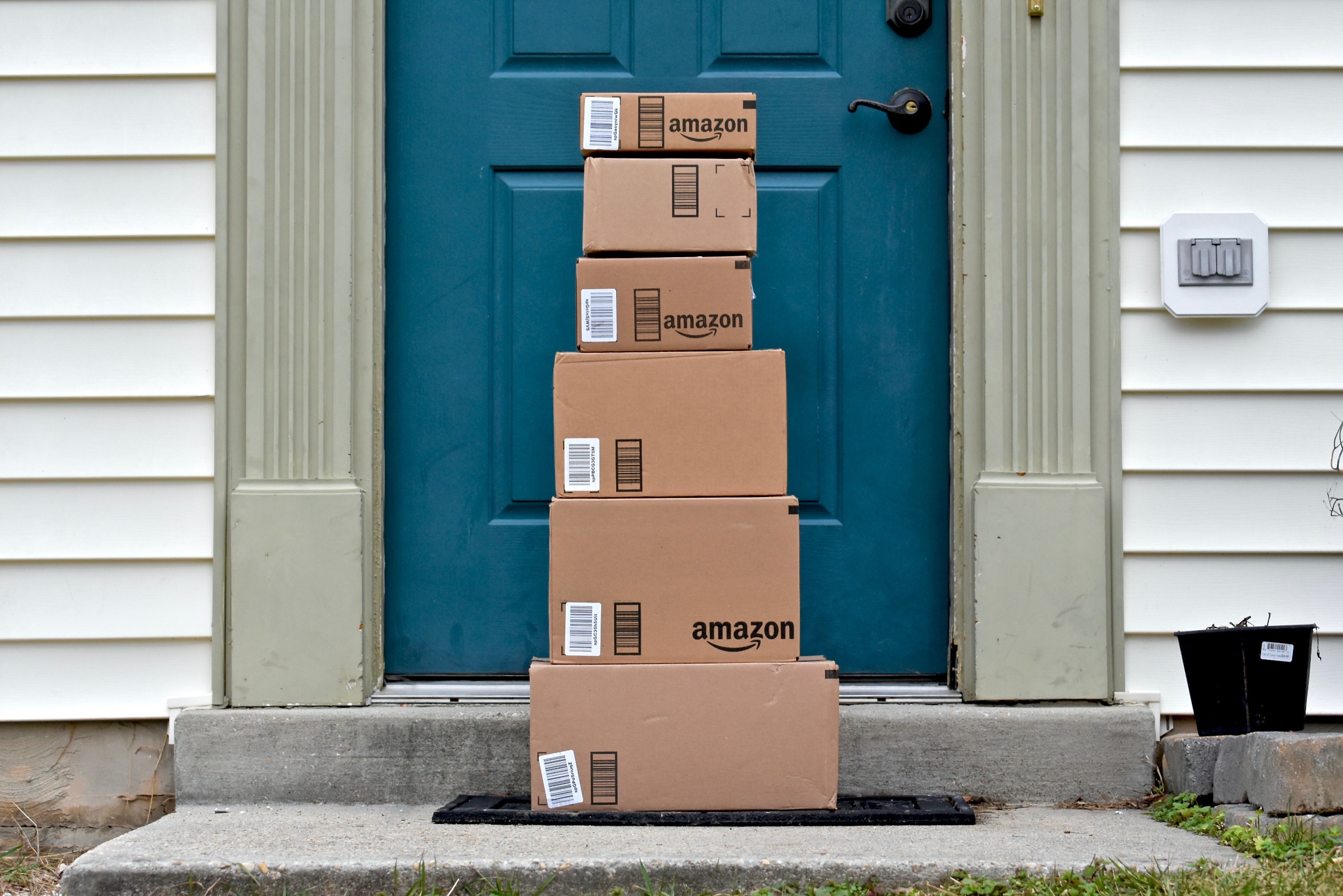
Amazon, the e-commerce giant, has transformed the way we shop online, offering convenience, variety, and competitive pricing. However, as consumers increasingly turn to Amazon for their shopping needs, it’s crucial to be aware of the subtle tactics the platform employs to encourage spending. Here is a closer look at 12 sneaky tricks Amazon is using to get more of your money, shedding light on the company’s sophisticated strategies and how you can shop smarter.

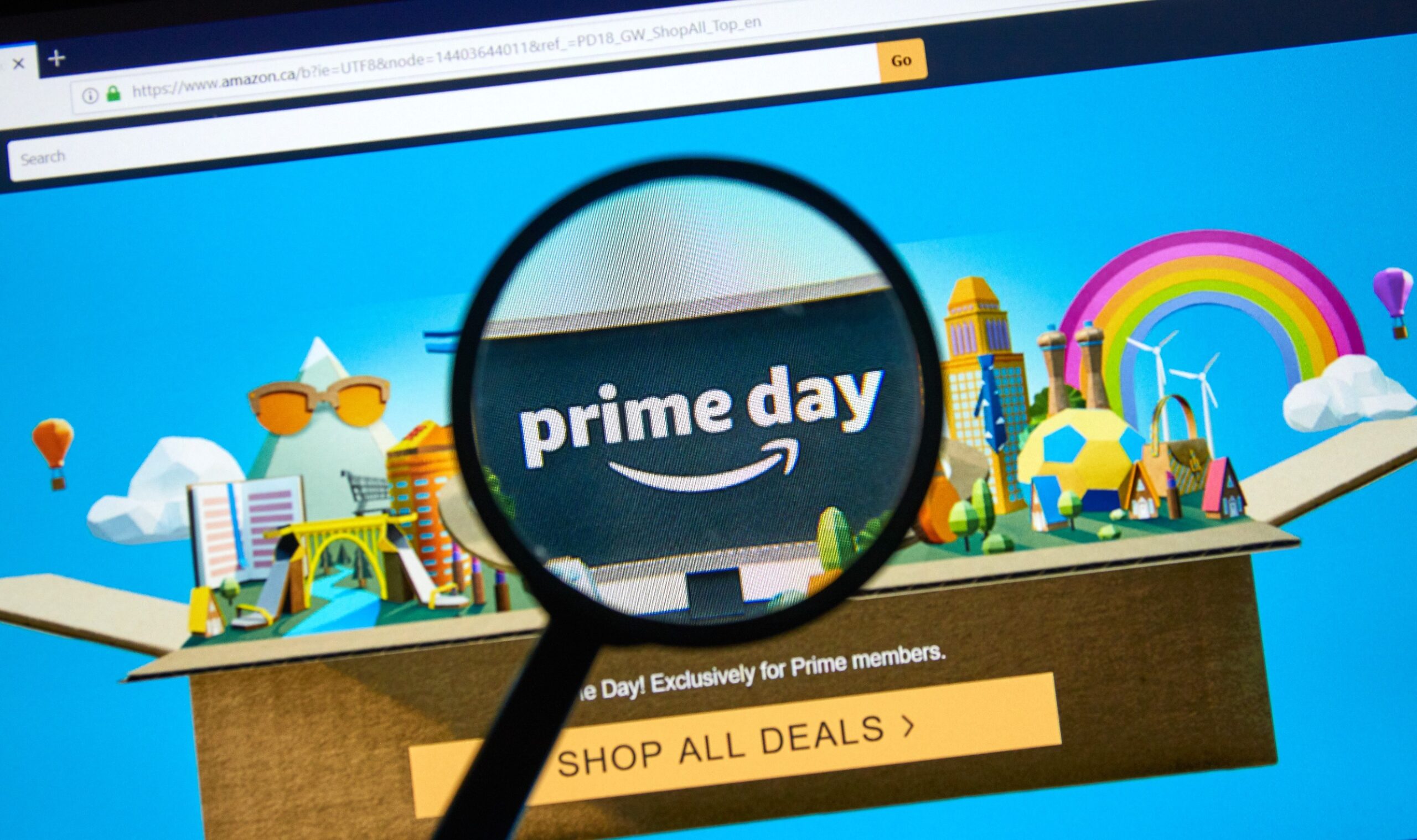
1. Prime Membership: The Loyalty Hook

Prime Membership

Amazon Prime is a masterclass in customer loyalty programs, offering enticing benefits such as free shipping, exclusive deals, and access to streaming services. However, the annual or monthly fee creates a psychological urge to “get your money’s worth,” driving more frequent purchases and higher spending to justify the membership cost. The convenience and perceived savings can make it easy to overlook the accumulation of purchases over time.

2. “Frequently Bought Together” Recommendations

Frequently Bought Together

The “Frequently Bought Together” feature is more than a helpful suggestion—it’s a clever upselling tactic. By showcasing complementary products, Amazon taps into the consumer’s desire for convenience and completeness, encouraging additional purchases that might not have been initially intended. This strategy not only increases the average order value but also introduces shoppers to items they might not have otherwise considered.

3. The Endless Scroll of Deals

Endless Scroll of Deals

Amazon’s interface is designed for discovery, with endless scrolls of deals and recommendations that keep you engaged and browsing for longer. This endless aisle effect, akin to wandering through a vast, digital storefront, increases the likelihood of impulse purchases as you’re continually exposed to enticing deals and new products.

4. One-Click Ordering

One-Click Ordering

The convenience of one-click ordering is undeniable, but it also makes it dangerously easy to make impulsive purchases without a second thought. The absence of a checkout process removes a crucial pause for consideration, leading to quicker and potentially less deliberate spending decisions.

5. Countdown Timers on Deals

Countdown Timers on Deals

Countdown timers on limited-time deals create a sense of urgency, compelling you to make quick purchasing decisions for fear of missing out. This psychological tactic, known as scarcity marketing, leverages the fear of loss to prompt immediate action, often bypassing more careful consideration of the purchase’s necessity or value.

6. Amazon’s Choice and Best Seller Labels

Amazon's Choice and Best Seller Labels

Labels like “Amazon’s Choice” and “Best Seller” serve as powerful endorsements, guiding consumers toward specific products. While these labels suggest quality and popularity, they can also steer shoppers towards items with higher profit margins for Amazon or those from preferred sellers, subtly influencing purchasing decisions.

7. Subscribe & Save Program

Subscribe & Save Program

The Subscribe & Save program offers convenience and discounts on repeat purchases, but it also locks you into recurring payments. This can lead to overstocking items you don’t need immediately or continuing to buy products out of habit rather than necessity, increasing your overall spending.

8. Dynamic Pricing

Dynamic Pricing

Amazon’s dynamic pricing strategy means that the prices of products can fluctuate based on demand, time of day, and your browsing history. This practice can lead to impulse buying if you notice a price drop, fearing that waiting could mean paying more later.

9. Hidden Costs in “Free Shipping”

Hidden Costs in Free Shipping

While free shipping is a major draw, it’s often contingent on reaching a certain purchase threshold. This can entice you to add more items to your cart than initially planned just to qualify for free shipping, subtly increasing your total spend.

10. Amazon Prime Video and Music Upsells

Amazon Prime Video and Music Upsells

Integrating services like Prime Video and Prime Music into the Prime membership not only adds value but also creates more touchpoints with Amazon’s ecosystem, increasing brand loyalty and the likelihood of making Amazon your default shopping destination.

11. Personalized Advertising

Personalized Advertising

Amazon’s sophisticated use of data analytics allows for highly personalized advertising, both on and off the platform. By presenting tailored ads based on your browsing and purchase history, Amazon keeps products and deals top-of-mind, nudging you towards more purchases.

12. Amazon Credit Card Incentives

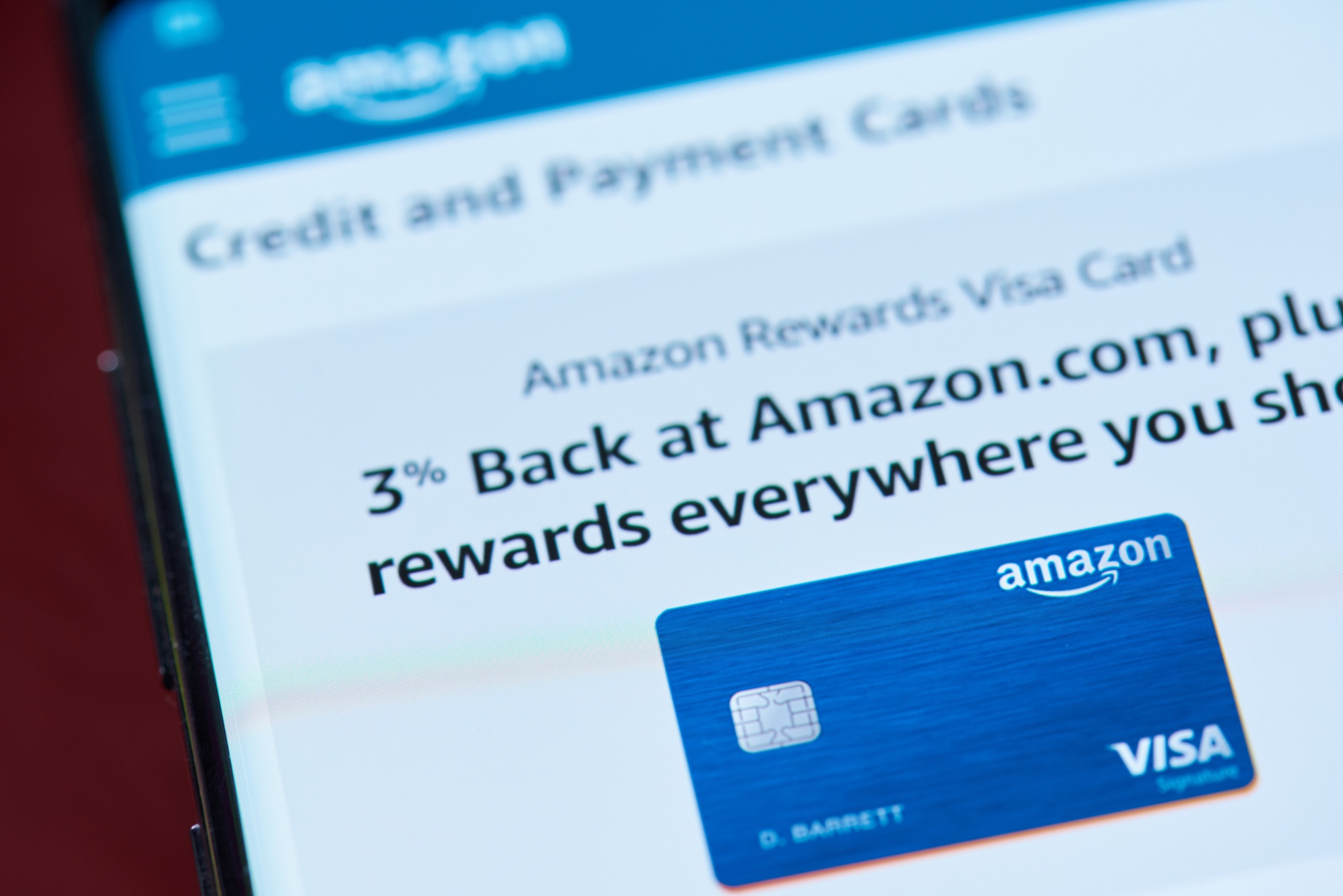
Amazon Credit Card Incentives

The Amazon credit card offers attractive rewards and cashback on purchases, encouraging you to use it as your primary payment method. This can lead to more frequent shopping on the platform, driven by the allure of rewards and discounts, potentially increasing your spending.

Watch Out for the Sneaky Tricks Amazon Is Using to Get More of Your Money

Watch Out for the Sneaky Tricks Amazon Is Using to Get More of Your Money

Understanding the sneaky tricks Amazon is using empowers you to shop more mindfully, resist impulsive purchases, and make more informed decisions. Remember, every feature designed for your convenience also serves Amazon’s goal of boosting sales. Shop smarter by recognizing these tricks and keeping your spending in check.

Read More:

Why We Decided to Keep Our Amazon Subscription

Spending Your Money Wisely

Catherine Reed
Catherine Reed

Catherine is a tech-savvy writer who has focused on the personal finance space for more than eight years. She has a Bachelor’s in Information Technology and enjoys showcasing how tech can simplify everyday personal finance tasks like budgeting, spending tracking, and planning for the future. Additionally, she’s explored the ins and outs of the world of side hustles and loves to share what she’s learned along the way. When she’s not working, you can find her relaxing at home in the Pacific Northwest with her two cats or enjoying a cup of coffee at her neighborhood cafe.

Filed Under: ShareMe, Shopping Tagged With: amazon, budgeting, online shopping, sneaky tricks, spending

18 Classic Car Features That Have Vanished in Modern Vehicles

March 18, 2024 By Catherine Reed Leave a Comment

Classic Car Features That Have Vanished in Modern Vehicles

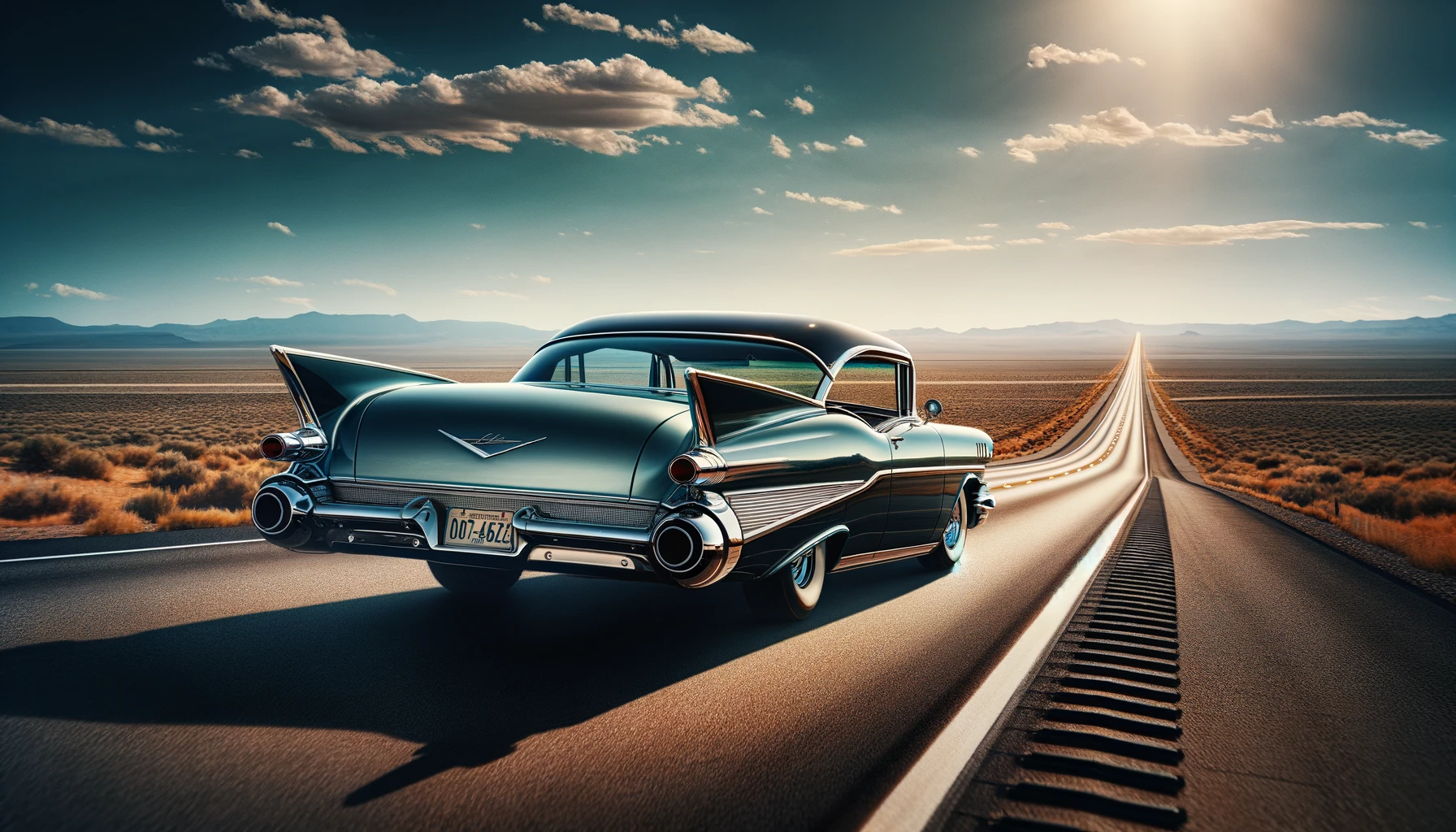
In the evolving tapestry of automotive engineering, many features that once defined classic cars have gradually disappeared, replaced by advanced technologies and shifting consumer preferences. This nostalgic journey through automotive history not only highlights the transient nature of car design but also reflects broader cultural and technological shifts. Here, we delve into 18 classic car features that have become relics of the past in modern vehicles.

1. Bench Seats

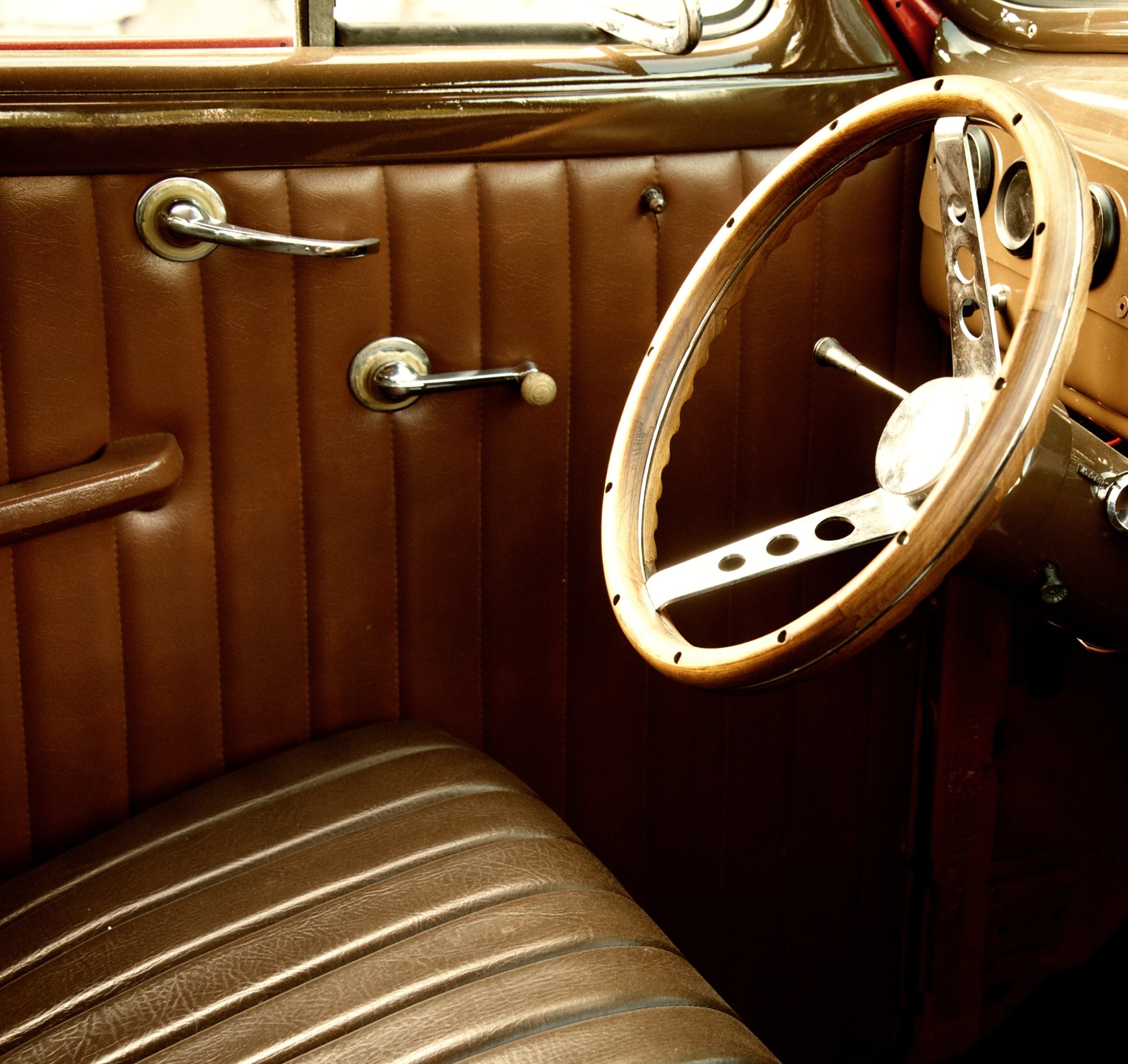
Bench Seats

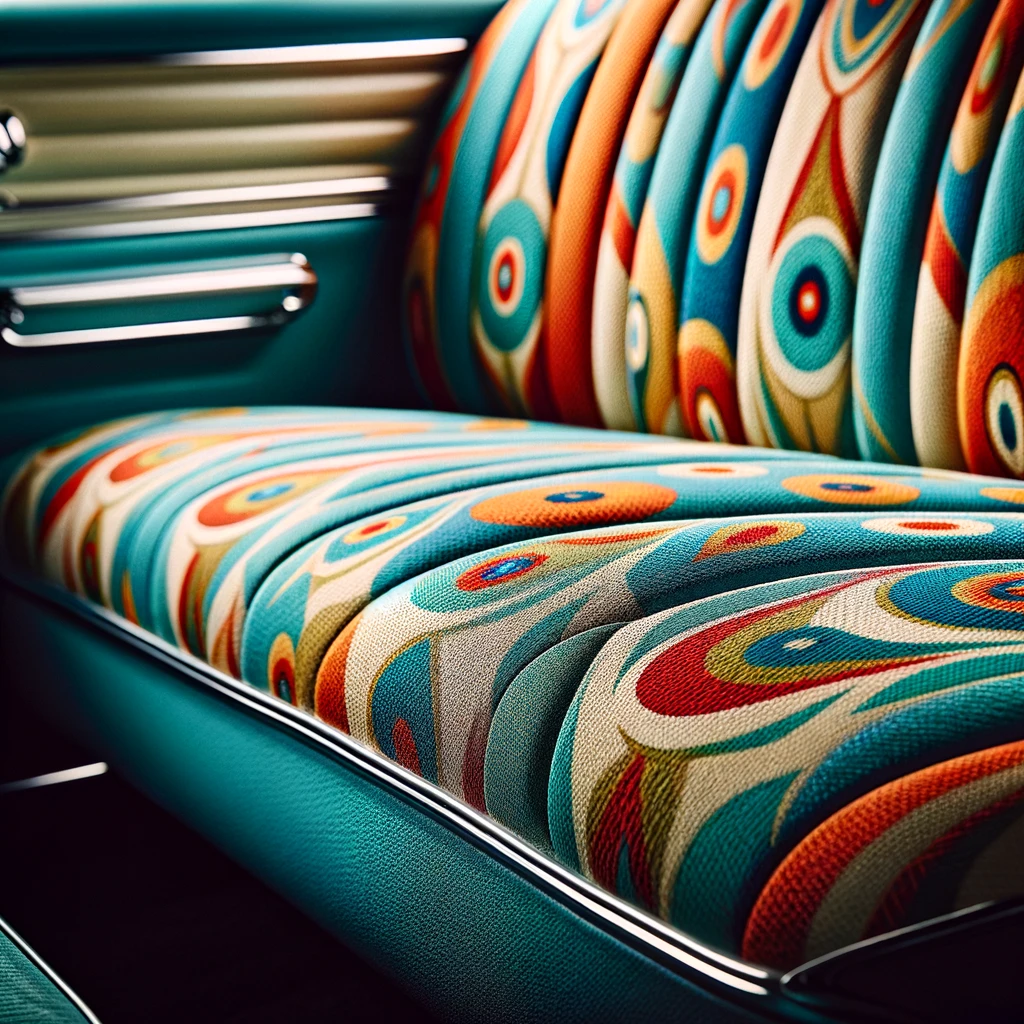
Once a staple in family sedans and trucks, the front bench seat allowed three passengers to sit side by side, fostering a sense of closeness now lost to bucket seats and center consoles. Bench seats symbolized a more communal and less individualistic approach to travel, where the journey was as much about interaction as it was about reaching a destination. Today, with the emphasis on personal space and advanced safety features, bench seats have largely vanished from the automotive landscape.

2. Manual Windows

Manual Windows

The tactile experience of winding a car window up or down with a manual crank is a memory fast fading. Manual windows, requiring physical effort, have been overwhelmingly replaced by electric windows for their convenience and ease of use. This shift underscores a broader trend towards automation and user-friendly interfaces in modern vehicles.

3. Tailfins

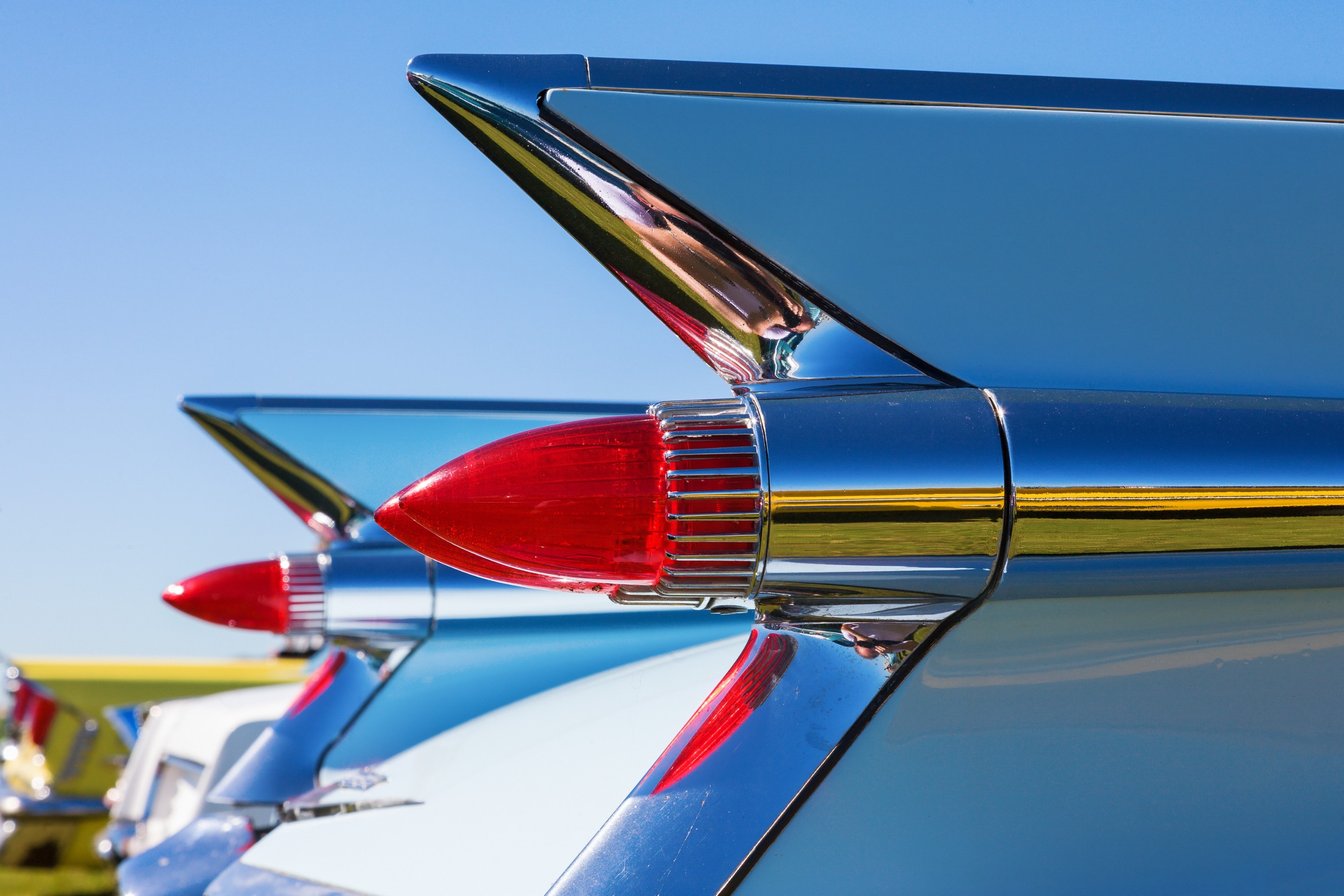
Tailfins

Emblematic of the 1950s and 1960s, tailfins were more than just decorative; they embodied the era’s fascination with space travel and aerodynamics. Although their practical aerodynamic benefits were minimal, tailfins represented an optimistic vision of the future, one that has since been streamlined out of modern car design for efficiency and simplicity.

4. Pop-Up Headlights

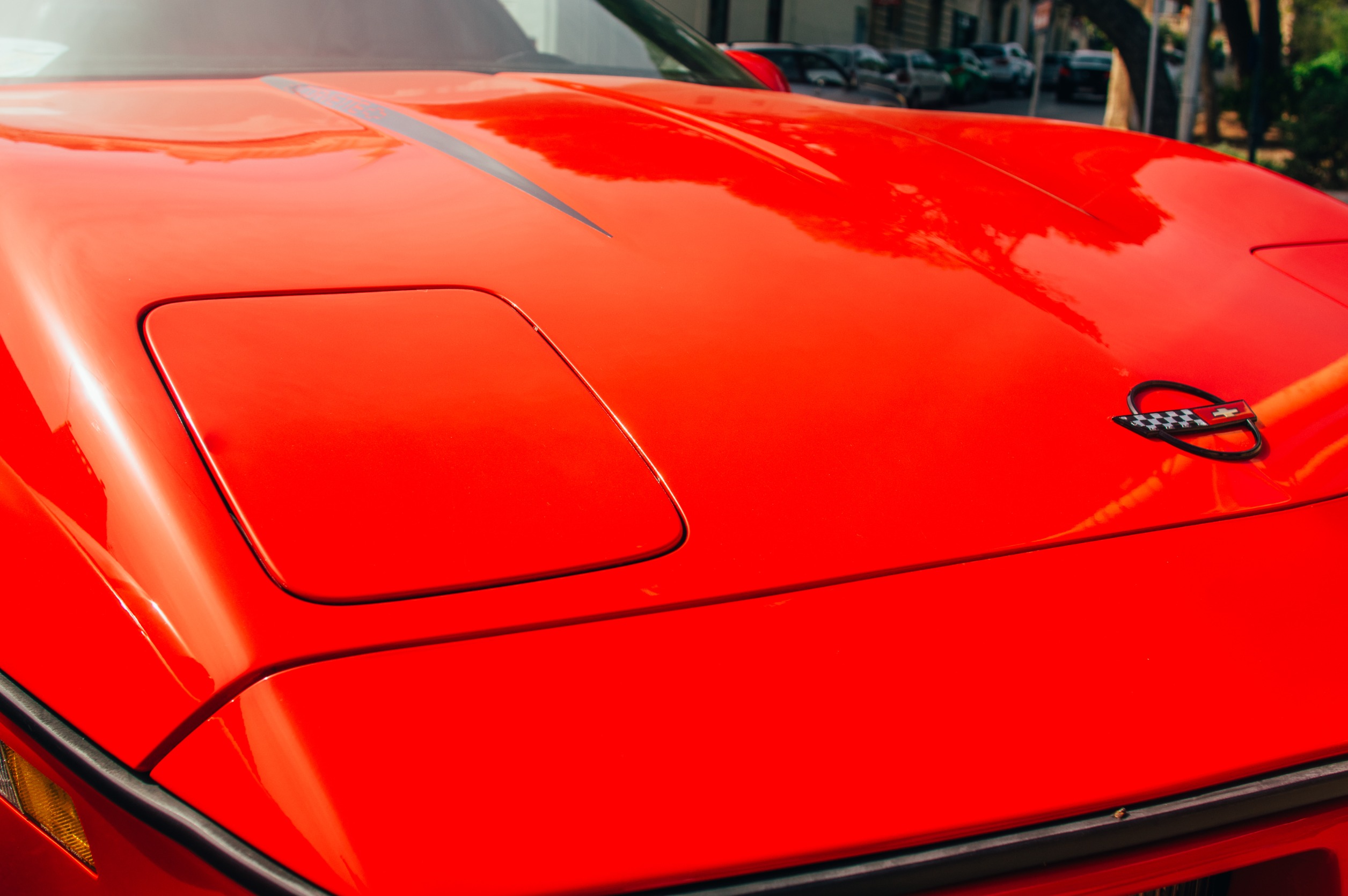
Pop-Up Headlights

Pop-up headlights were not just functional; they were an aesthetic statement that gave cars a sleek, mysterious facade when not in use. Their disappearance can be attributed to stricter safety regulations and the pursuit of more aerodynamic and energy-efficient designs. This feature’s decline marks a move towards more static and regulated design norms in the automotive industry.

5. Cassette Tape Players

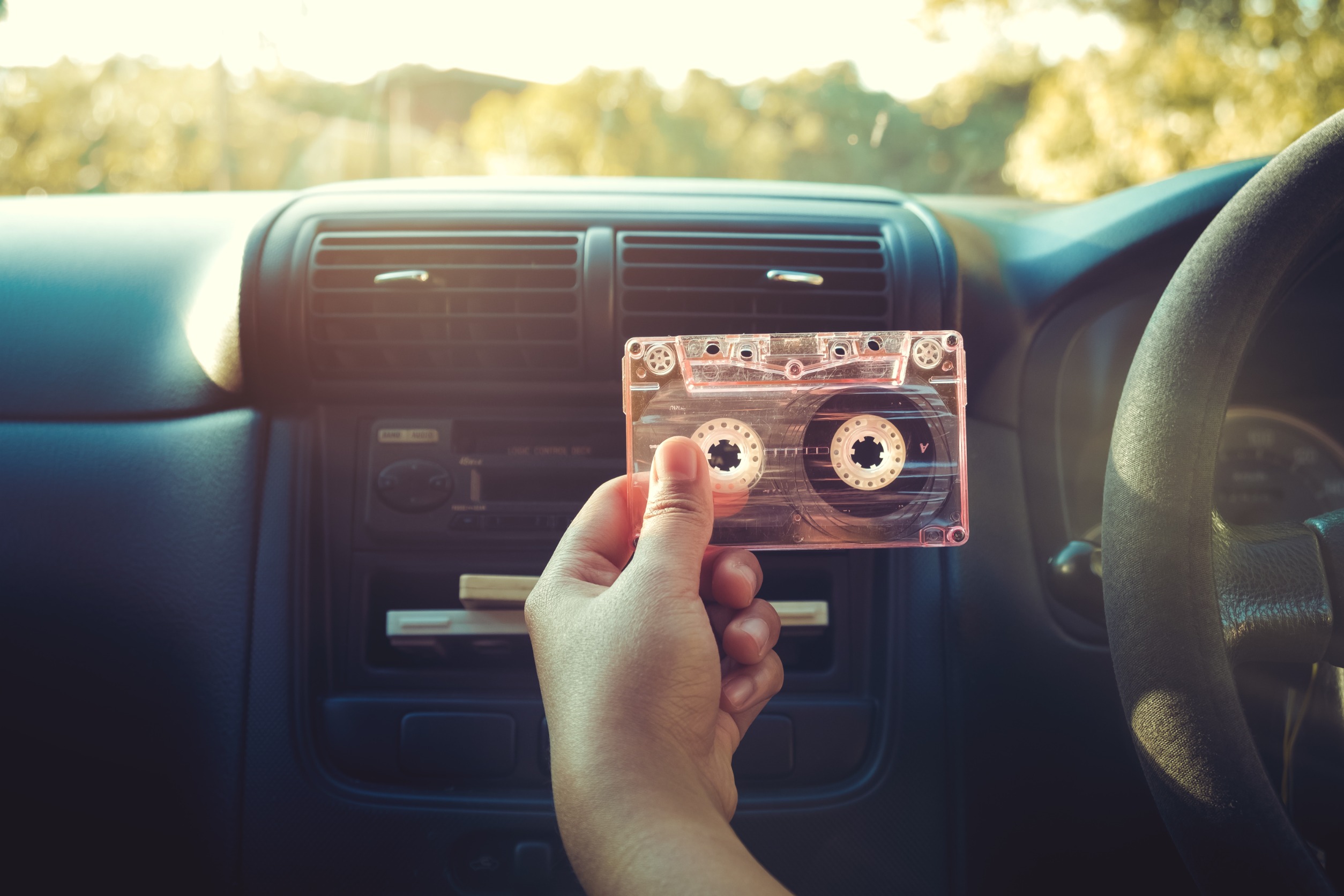
Cassette Tape Players

The cassette tape player, once a cornerstone of automotive entertainment, has been rendered obsolete by digital media and streaming services. This transition reflects not just advancements in technology but also a change in how we consume media, favoring access and variety over physical ownership and tangibility.

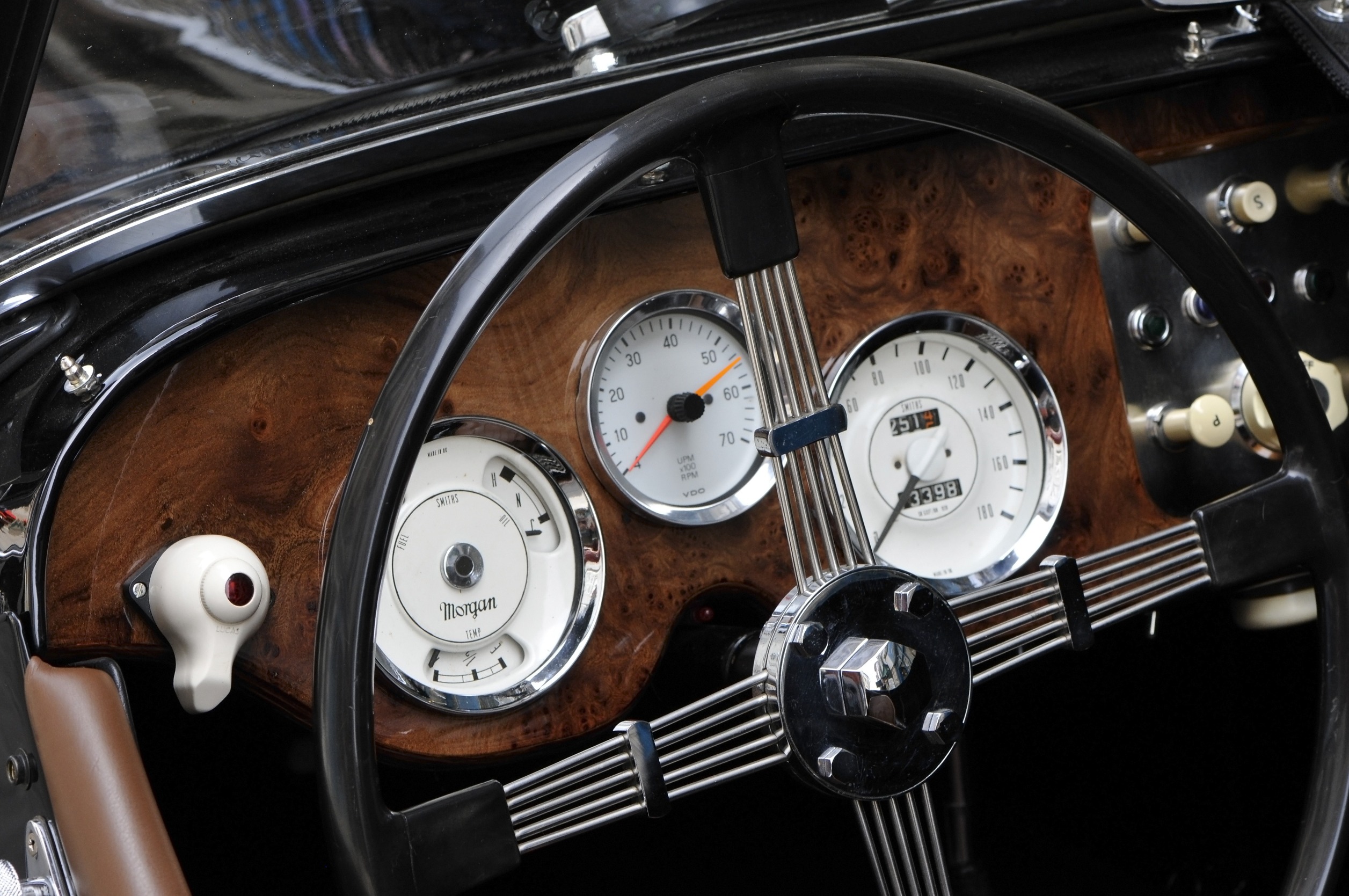
6. Analog Gauges

Analog Gauges

The warm glow of analog gauges and their mechanical precision gave drivers a direct, tactile connection to their vehicles. Modern digital displays, while more versatile and capable of conveying more information, lack the character and immediacy of their analog predecessors, symbolizing the digital transformation across all aspects of life.

7. Ashtrays and Lighters

Ashtrays and Lighters

Once considered essential, built-in ashtrays and cigarette lighters are rare in modern cars, a nod to changing social norms regarding smoking and health. This shift reflects broader societal changes and the automotive industry’s response to public health campaigns.

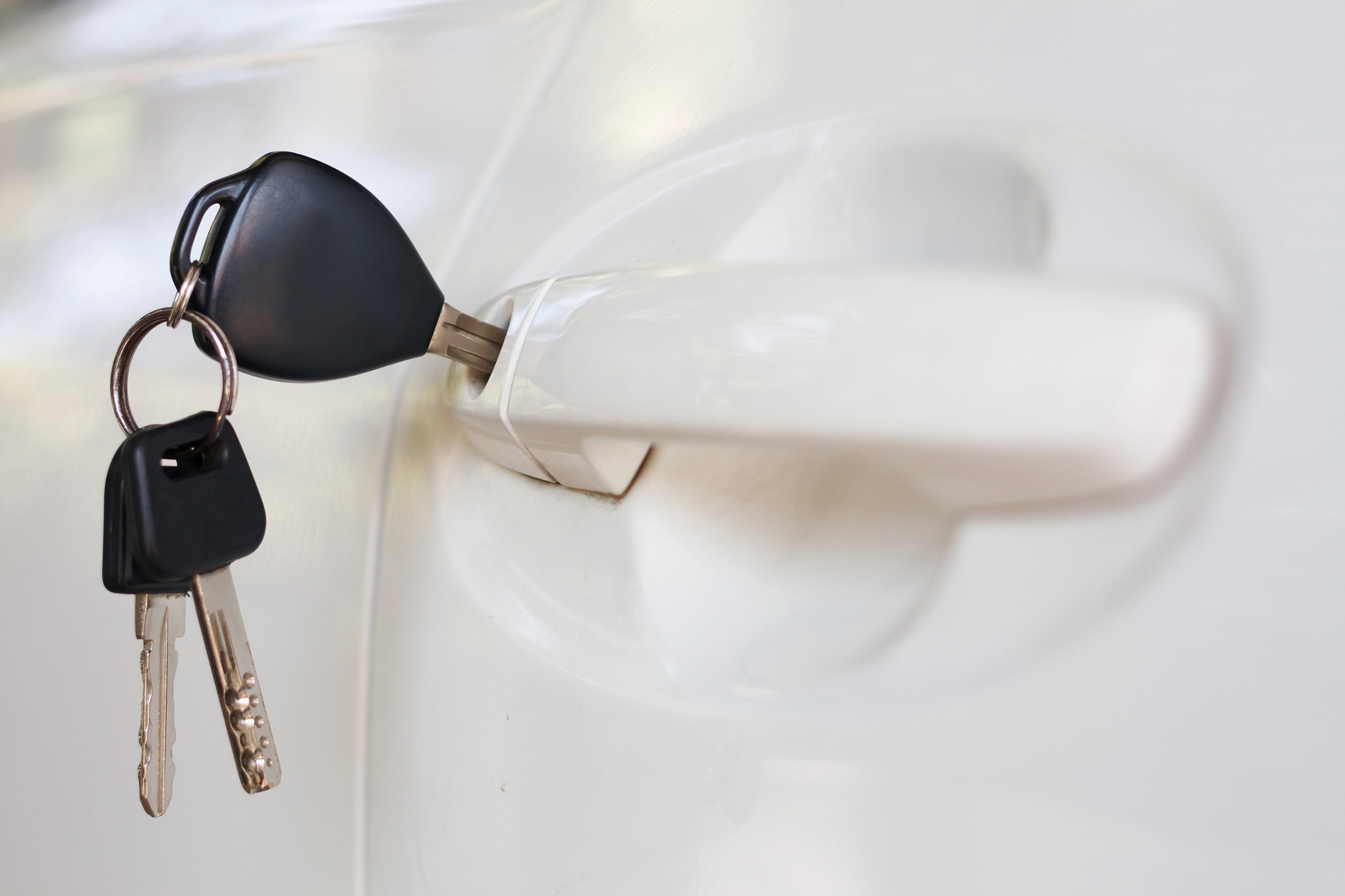
8. Metal Keys

Metal Keys

The traditional metal car key, a symbol of ownership and access, has been primarily replaced by keyless entry systems and push-button starts. This evolution speaks to the increasing integration of technology in our daily lives, prioritizing convenience and security over the physical act of unlocking and starting a car.

9. Vent Windows

Vent Windows

Small, triangular vent windows, or “wing windows,” provided targeted ventilation and were particularly useful before the widespread adoption of air conditioning. Their disappearance in modern designs highlights the industry’s focus on aerodynamics and the universalization of climate control systems.

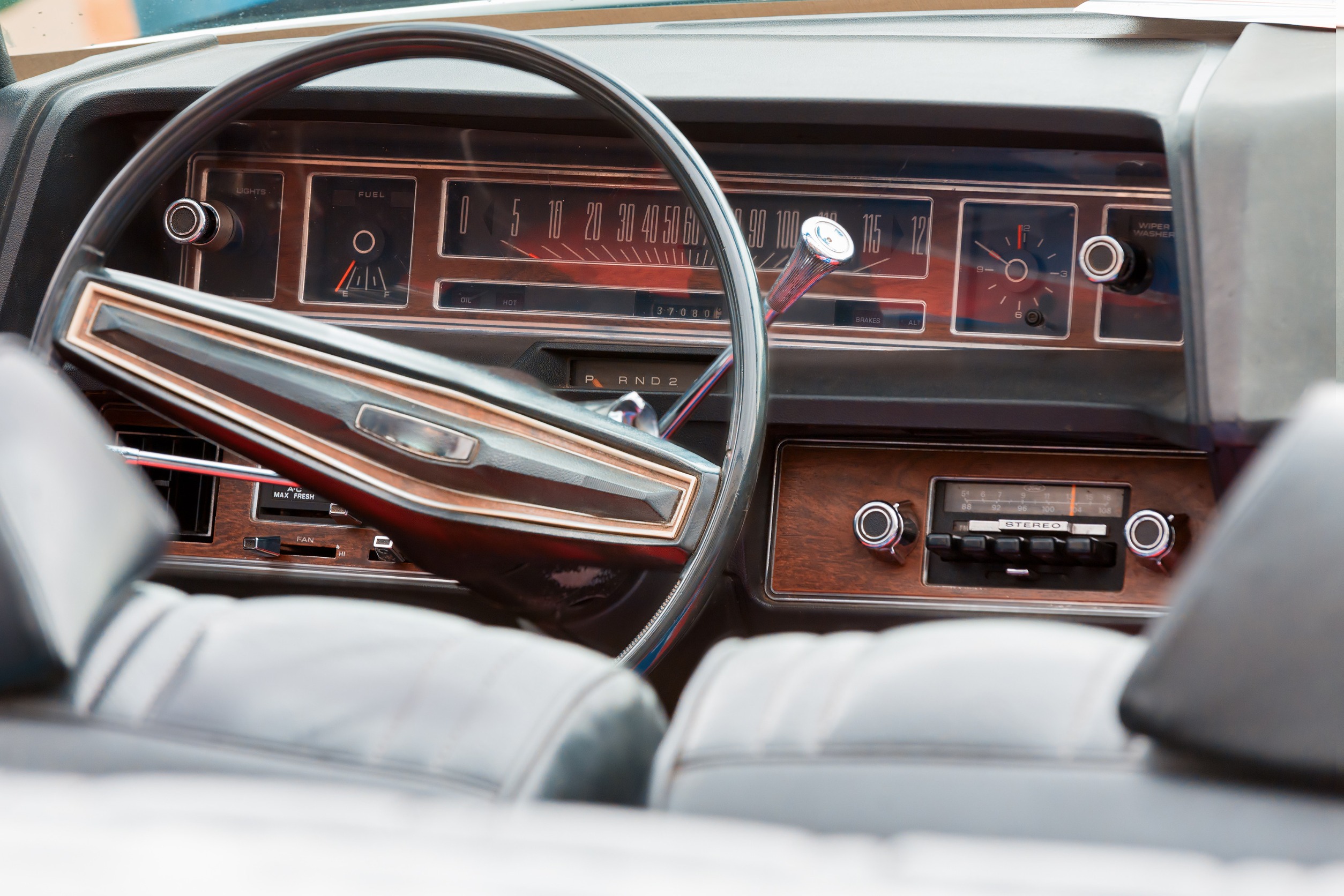
10. Column-Mounted Gear Shifts

Column-Mounted Gear Shifts

Column-mounted gear shifts, which freed up floor space and facilitated bench seating, have given way to center console or steering wheel-mounted shifters in automatic vehicles. This change reflects ergonomic research and the prioritization of driving dynamics in car design.

11. Full-Size Spare Tires

Full-Size Spare Tires

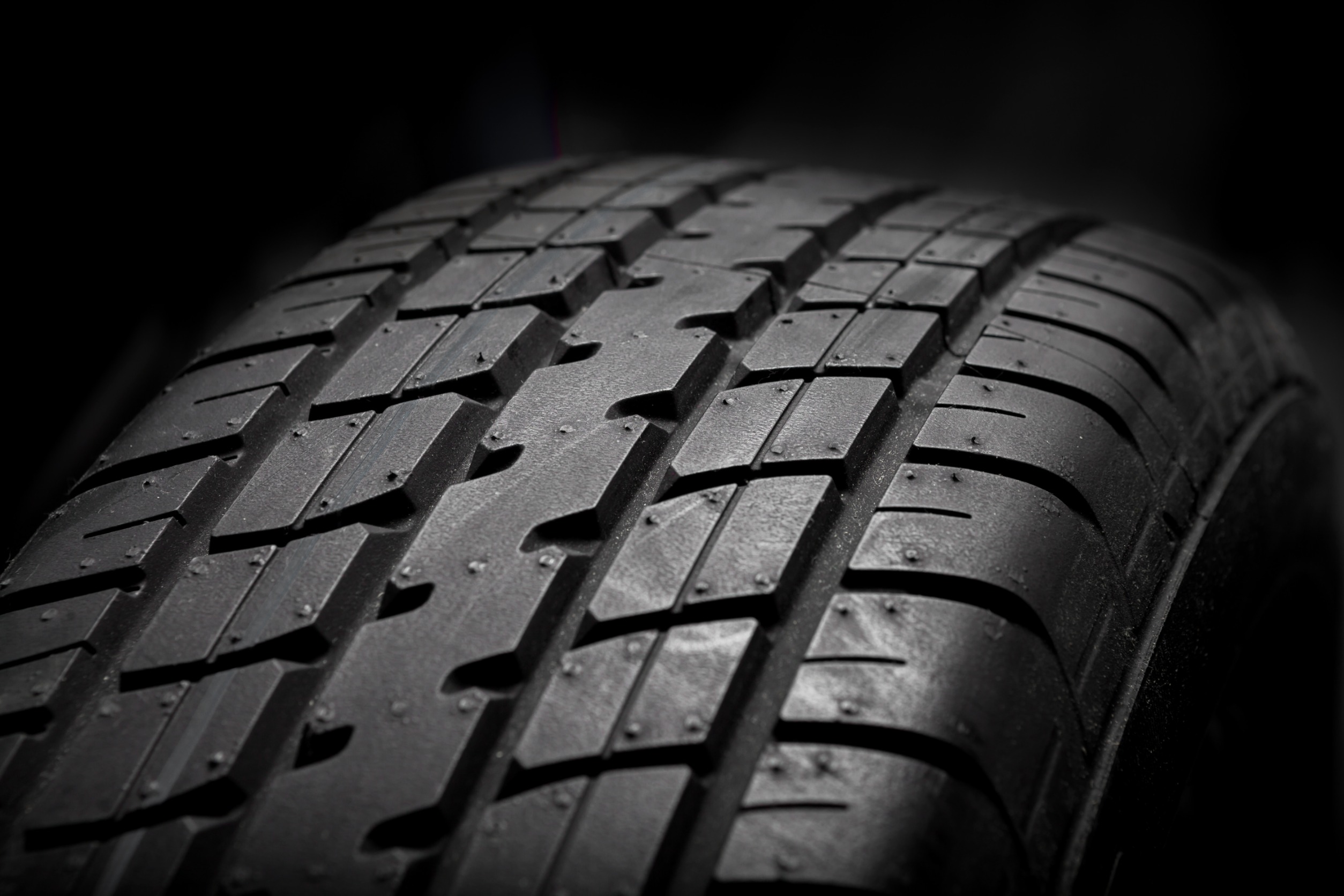
The full-size spare tire, once a standard feature, has been replaced by smaller, space-saving alternatives or even eliminated entirely in favor of tire repair kits. This trend underscores the premium placed on space efficiency and weight reduction in modern vehicles for enhanced performance and fuel economy.

12. Hood Ornaments

Hood Ornaments

Hood ornaments served as both branding and artistic expression, giving each vehicle a unique identity. Today, they are a rarity, victims of aerodynamic efficiency demands and changing aesthetic preferences that favor cleaner, more minimalist designs.

13. Manual Transmissions

Manual Transmissions

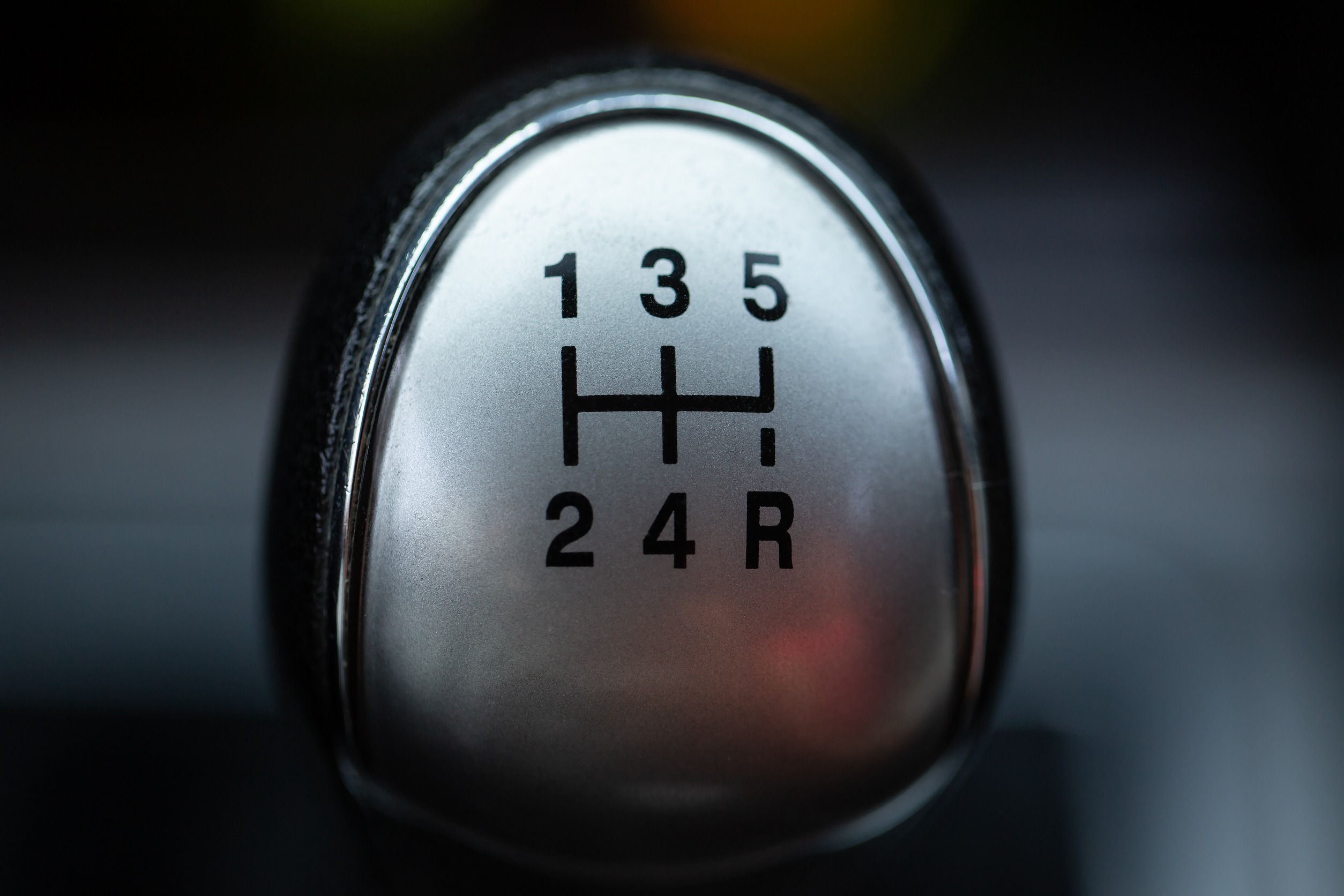
While still found in some sports cars and models outside the U.S., manual transmissions are increasingly rare in mainstream vehicles. This shift away from manual gear shifting underscores the automotive world’s move towards accessibility, convenience, and automation.

14. Chrome Accents

Chrome Accents

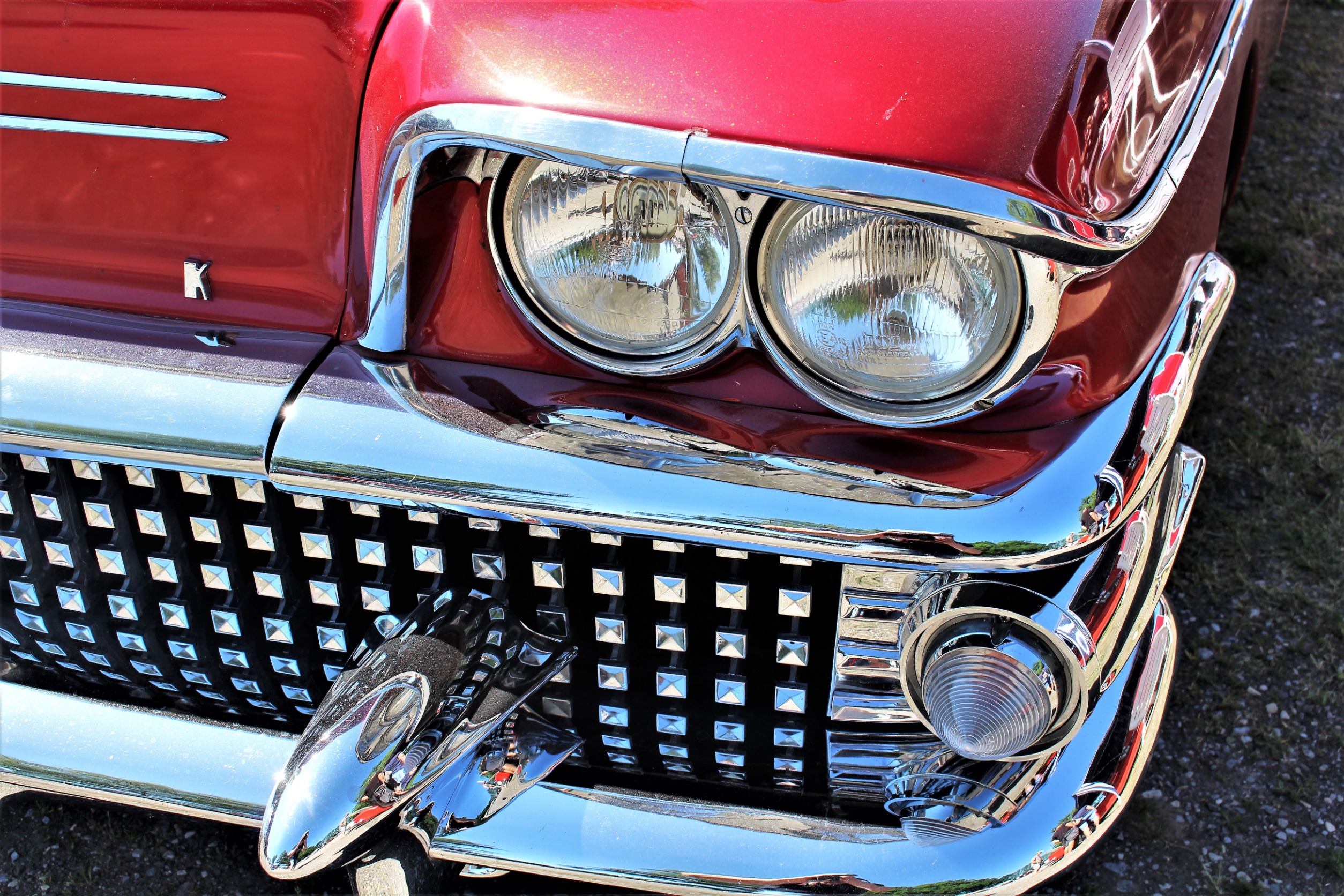
Chrome trim and accents, which once added a touch of glamour and distinction to vehicles, have mainly been replaced by less ornate materials. This reflects changing tastes and a move towards subtler, more understated vehicle aesthetics.

15. Hardtop Convertibles

Hardtop Convertibles

The elegant hardtop convertible, which offered the best of both worlds—open-top driving without the aesthetic compromise of a soft top—has become less common in favor of retractable soft tops or fixed roofs. This shift is largely due to the complexity, cost, and weight of hardtop mechanisms, underscoring a trend toward simplicity, efficiency, and lightweight design in modern automotive engineering.

16. T-Tops and Targa Tops

T-Tops and Targa Tops

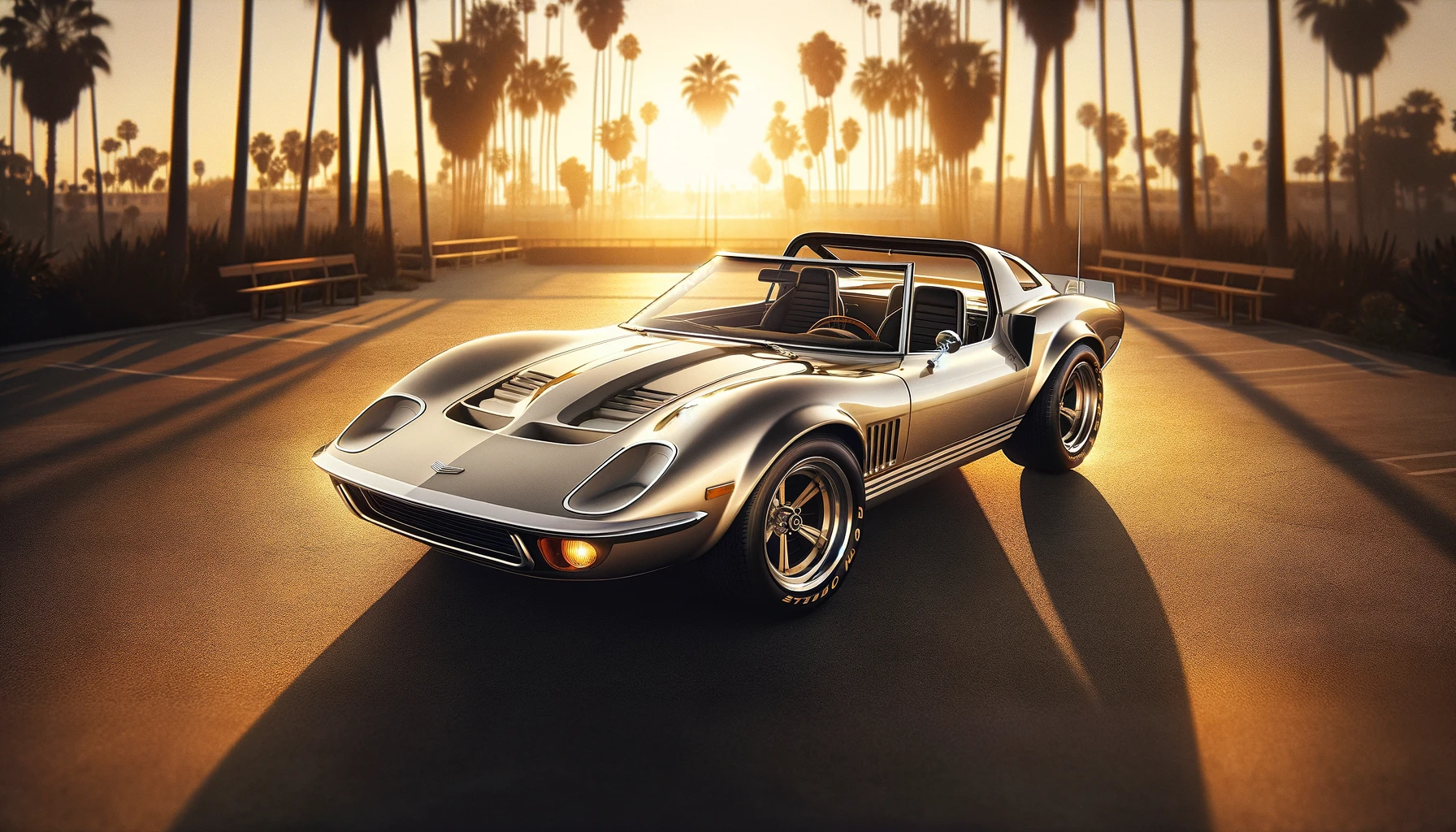
T-Tops and Targa tops provided a unique solution for drivers wanting a partial open-air experience without committing to a full convertible. These features have become rarities as manufacturers streamline production and focus on structural integrity, aerodynamics, and safety features that are more compatible with solid roofs or full convertibles.

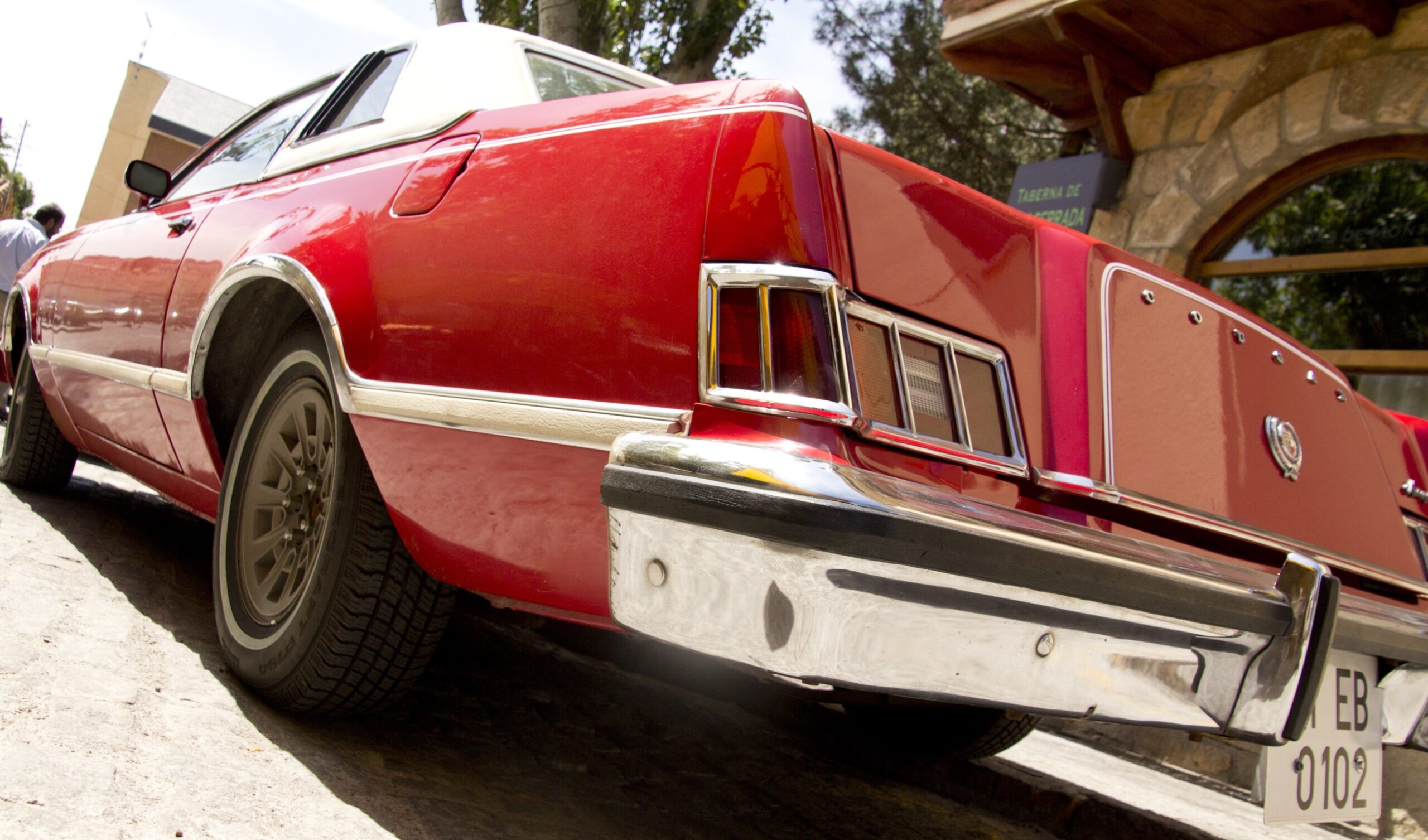
17. Opera Windows

Opera Windows

Opera windows, small porthole-sized windows on the C-pillars of luxury cars and coupes, epitomized automotive opulence in the 1970s. Their decline reflects a shift away from ornamental and stylistic excess towards a more functional and aerodynamic design ethos in vehicle manufacturing.

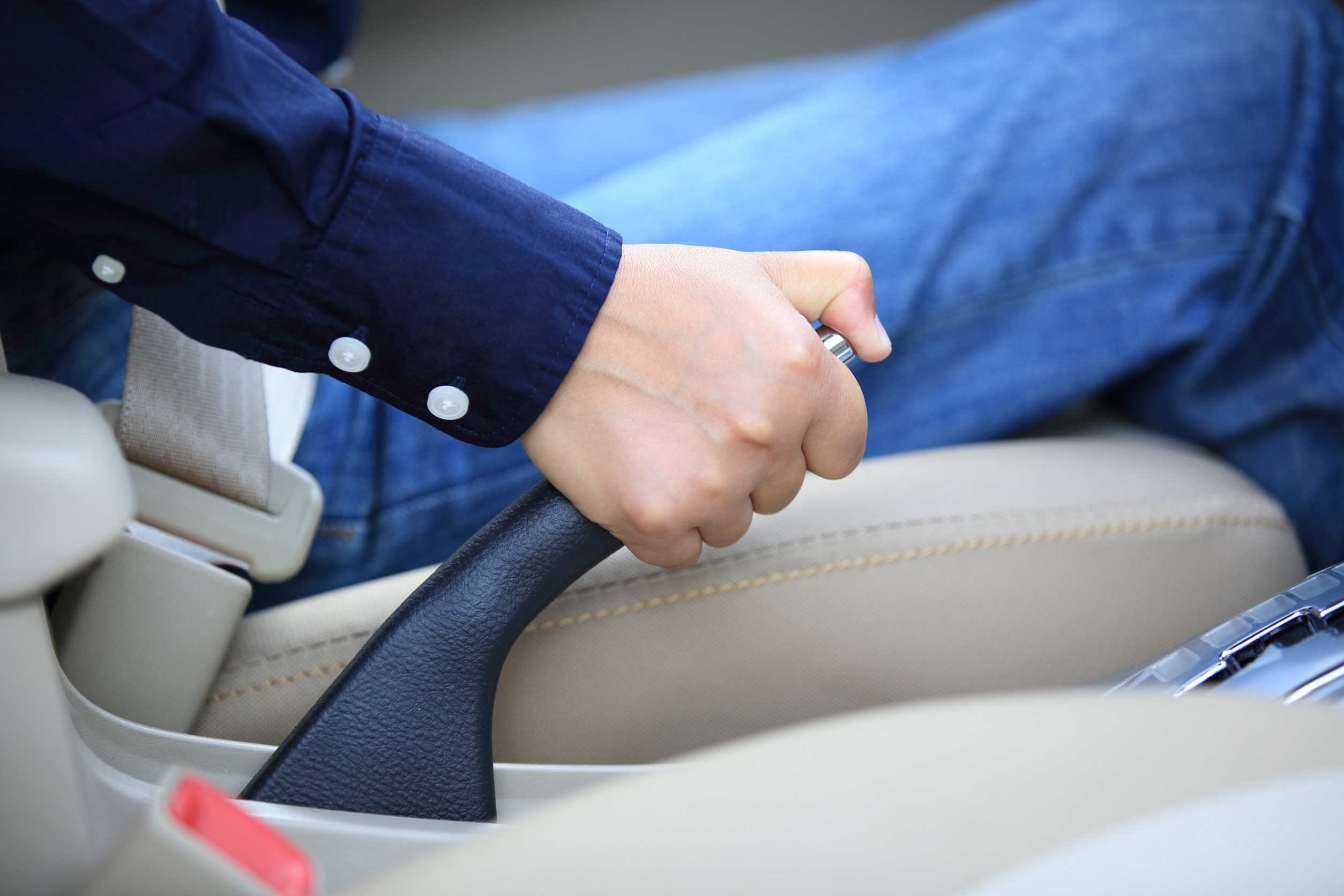
18. Physical Handbrakes

Physical Handbrakes

The physical handbrake lever, a fixture in vehicles for decades, is being replaced by electronic parking brakes. This transition from a manual lever to an electronic switch is indicative of the broader move towards digitization and automation in vehicle controls, enhancing convenience but possibly diminishing the tactile engagement of driving.

Classic Car Features Represent a Bygone Era

Classic Car Features Represent a Bygone Era

The disappearance of these classic car features from modern vehicles marks the intersection of technological advancement, changing consumer preferences, and evolving regulatory landscapes. While nostalgia for these bygone elements persists among enthusiasts, the automotive industry’s relentless pursuit of efficiency, safety, and innovation continues to redefine our driving experiences. As we look forward to the future of transportation, it’s clear that the cars of tomorrow will bear little resemblance to the classics of yesteryear, except in their enduring ability to captivate our imaginations and facilitate our journeys.

Catherine Reed
Catherine Reed

Catherine is a tech-savvy writer who has focused on the personal finance space for more than eight years. She has a Bachelor’s in Information Technology and enjoys showcasing how tech can simplify everyday personal finance tasks like budgeting, spending tracking, and planning for the future. Additionally, she’s explored the ins and outs of the world of side hustles and loves to share what she’s learned along the way. When she’s not working, you can find her relaxing at home in the Pacific Northwest with her two cats or enjoying a cup of coffee at her neighborhood cafe.

Filed Under: ShareMe Tagged With: antique cars, car features, classic car features, classic cars, modern cars

  • « Previous Page
  • 1
  • …
  • 4
  • 5
  • 6
  • 7
  • 8
  • …
  • 111
  • Next Page »
  • Facebook
  • Pinterest
  • RSS
  • Twitter

Improve Your Credit Score

Money Blogs

  • Celebrating Financial Freedom
  • Christian PF
  • Dual Income No Kids
  • Financial Panther
  • Gajizmo.com
  • Lazy Man and Money
  • Make Money Your Way
  • Money Talks News
  • My Personal Finance Journey
  • Personal Profitability
  • PF Blogs
  • Reach Financial Independence
  • So Over Debt
  • The Savvy Scot
  • Yes, I am Cheap

Categories

Disclaimer

Please note that Beating Broke has financial relationships with some of the merchants mentioned here. Beating Broke may be compensated if consumers choose to utilize the links located throughout the content on this site and generate sales for the said merchant.

Visit Our Advertisers

Need to change careers? Consider an Accounting Certificate Program from WTI.