Beating Broke

Personal Finance from the Broke Perspective

  • Home
  • About
  • We Recommend
  • Contact
  • Our Editorial Commitment

Powered by Genesis

Stop Wasting Money! Plug These 9 Hidden Money Leaks Today!

March 8, 2024 By Catherine Reed Leave a Comment

Stop Wasting Money! Plug These 9 Hidden Money Leaks Today!

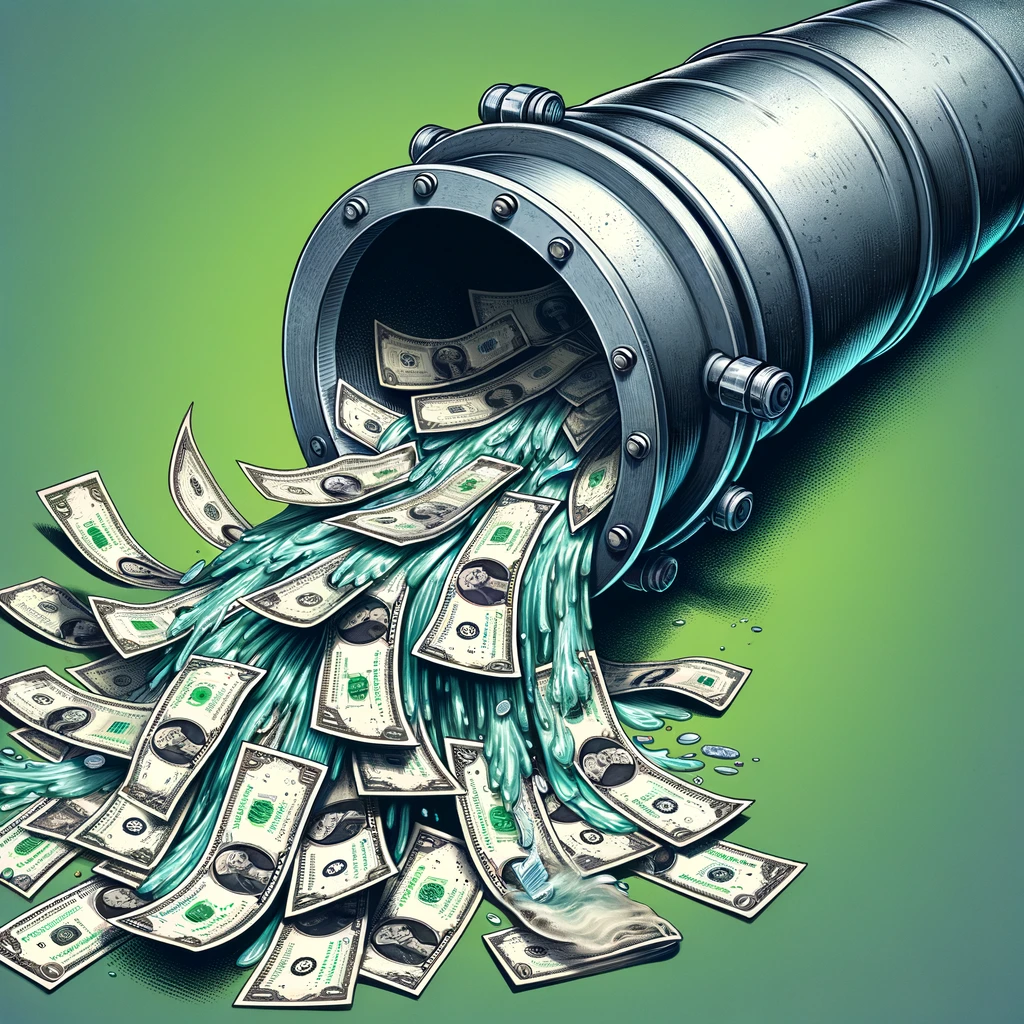
Managing personal finances in today’s fast-paced world can often feel like trying to plug a leaking ship with too few hands. With the rising cost of living and financial stability seeming like a luxury, it’s more crucial than ever to identify and stop the hidden leaks draining your budget. By addressing these leaks, you can not only save money but also take a significant step towards financial freedom and security. Here’s a closer look at nine hidden money leaks to tackle today.

1. Subscriptions and Memberships

Subscriptions and Memberships

In the age of digital convenience, it’s easy to accumulate a slew of subscriptions and memberships, from streaming services to gym memberships you barely use. These can quickly add up, silently eating away at your budget. Conduct a thorough review of your bank statements to identify any recurring charges. Ask yourself if you’re truly getting value from each subscription. If not, it’s time to cancel. Consider rotating subscriptions based on your actual usage or sharing memberships with friends or family to cut costs.

2. Energy Inefficiencies

Energy Inefficiencies

Your home’s energy inefficiencies might be costing you more than you realize. Old appliances, leaky windows, and poor insulation can lead to significant energy waste. Consider an energy audit to identify problem areas and make necessary upgrades or repairs. Switching to energy-efficient LED bulbs, fixing leaks, and adding insulation can result in substantial savings on your utility bills, making this an investment that pays off in the long run.

3. Eating Out and Takeaway

Eating Out and Takeaway

The convenience of eating out or ordering in can be a major budget buster. Cooking at home is significantly cheaper and often healthier. Start by planning your meals for the week and grocery shopping accordingly. This not only reduces waste but also minimizes the temptation to order out. Batch cooking and freezing meals can be a lifesaver on busy days, helping you resist the urge to grab expensive takeout.

4. Expensive Debt and Fees

Expensive Debt and Fees

High-interest debt, late fees, and overdraft charges are like holes in your wallet. Tackling high-interest debts should be a priority, as the longer they linger, the more they’ll cost you. Set up reminders for bill payments to avoid late fees, and consider setting up a buffer in your checking account to prevent overdrafts. Refinancing high-interest loans can also help reduce your monthly outgoings.

5. Brand Loyalty

Brand Loyalty

While we all have our preferred brands, this loyalty can sometimes lead to unnecessary spending. Many generic or store-brand products are comparable in quality to their brand-name counterparts but come at a fraction of the cost. Experiment with different brands, especially for staples like medication, pantry items, and household goods. The savings from making this switch can be surprisingly substantial over time.

6. Insurance Overpayments

Insurance Overpayments

Insurance is essential, but that doesn’t mean you should overpay for it. Regularly reviewing and comparing your insurance policies (auto, home, life) can uncover potential savings. Many insurers offer discounts for bundling services, maintaining a good record, or even for being a loyal customer. Don’t hesitate to negotiate with your current provider or switch to a new one if you find a better deal.

7. The Convenience Trap

Convenience Trap

The lure of convenience in our fast-paced world often leads to unnecessary spending, particularly when it comes to food and services. Paying extra for pre-cut vegetables, single-serving packages, or same-day delivery services might save time, but they come at a premium. Start by identifying areas where convenience costs you more and seek alternatives. Preparing meals in bulk, for example, can be both a time-saver and a money-saver. By avoiding the convenience trap, you can plug a significant leak in your budget and redirect those funds towards more pressing financial priorities.

8. Transportation Costs

Transportation Costs

The daily commute and car ownership can be significant monthly expenses. Consider alternatives like carpooling, public transportation, biking, or even walking to nearby destinations. Regular vehicle maintenance can also prevent costly repairs and improve fuel efficiency. For those working remotely, reassessing the need for a car or switching to a more fuel-efficient model can lead to considerable savings.

9. Lack of Financial Planning

Lack of Financial Planning

Without a clear financial plan, it’s easy to overspend or miss opportunities to save. Set short and long-term financial goals and create a budget that reflects these objectives. Regularly tracking your spending can provide insights into potential savings areas and help you adjust your habits accordingly. Consider using budgeting apps or tools to simplify this process and keep you on track.

Start Plugging Hidden Money Leaks to Regain Your Financial Sanity

Start Plugging Hidden Money Leaks to Regain Your Financial Sanity

Ultimately, plugging the hidden money leaks in your life requires a combination of vigilance, discipline, and a willingness to change old habits. By addressing these nine areas, you can not only stop the outflow but also redirect those funds toward building a more secure financial future.


Filed Under: waste of money Tagged With: financial wellness, money, money leaks, money traps, Personal Finance, saving money, wasting money

15 Lifestyle Choices of Baby Boomers That Spark Debate

March 7, 2024 By Catherine Reed Leave a Comment

Lifestyle Choices of Baby Boomers That Spark Debate

The baby boomer generation, born between 1946 and 1964, has been a transformative force in shaping modern society. Their lifestyle choices, often rooted in the post-war era’s prosperity and the cultural shifts of the 1960s and 70s, continue to influence and sometimes spark debate among younger generations. This article explores 15 lifestyle choices of baby boomers that remain topics of discussion, highlighting the intergenerational dynamics and trends that these choices underscore.

1. Prioritizing Homeownership Over Renting

Prioritizing Homeownership Over Renting

Baby boomers have long been champions of the “American Dream,” where homeownership is seen as a key milestone. This generation’s pursuit of owning property has significantly influenced housing markets, often driving up prices and contributing to the current housing affordability crisis. Their commitment to homeownership, contrasting with millennials and Gen Z’s preference or financial necessity to rent, sparks debates on the sustainability and inclusivity of the housing market.

2. Traditional Work Ethic

Traditional Work Ethic

Boomers are often characterized by a strong work ethic, loyalty to employers, and a clear separation between work and personal life. This traditional approach to careers and the emphasis on long-term tenure at companies is increasingly at odds with younger generations’ preferences for flexibility, work-life balance, and the gig economy. The clash of work values leads to discussions about the evolving nature of work, productivity, and employee well-being.

3. Reliance on Single-Use Plastics

Reliance on Single-Use Plastics

Raised in an era when plastic was celebrated for its convenience and innovation, many boomers continue to use single-use plastics, from shopping bags to straws. This habit is now under scrutiny as ecological concerns take center stage, with younger generations advocating for sustainable alternatives and criticizing the environmental footprint left by widespread plastic use.

4. Traditional Banking and Cash Use

Traditional Banking and Cash Use

Baby boomers tend to show a strong preference for traditional banking methods and the use of cash over digital payment platforms. This generation’s comfort with in-person banking transactions, writing checks, and carrying cash contrasts sharply with younger generations’ leanings towards online banking, mobile payment apps, and cryptocurrencies. This divergence leads to discussions on financial security, the evolution of financial transactions, and the potential decline of cash as a dominant form of currency in an increasingly digital economy.

5. Car-Centric Lifestyle

Car-Centric Lifestyle

Baby boomers grew up during the golden age of the automobile, leading to a strong preference for personal car ownership and a driving-centric lifestyle. This choice has implications for urban planning, environmental sustainability, and the rising interest in public transportation and green mobility solutions among younger generations, sparking discussions about the future of transportation.

6. The “Me” Generation Perception

The Me Generation Perception

Boomers have often been labeled the “Me” generation, criticized for prioritizing personal fulfillment and material success over communal well-being. This perception fuels debates about societal values, consumerism, and the responsibility of individual versus collective action in addressing global challenges.

7. Resistance to Retirement

Resistance to Retirement

Many boomers are choosing to work beyond the traditional retirement age, driven by a desire to stay active, financial necessity, or a lack of sufficient savings. This trend raises questions about the changing nature of retirement, the availability of jobs for younger workers, and the adequacy of retirement planning and pensions.

8. Conventional Health and Wellness Approaches

Conventional Health and Wellness Approaches

Baby boomers tend to adhere to more traditional health and wellness practices, often showing skepticism towards alternative medicine, mental health awareness, and holistic approaches embraced by younger generations. This difference leads to debates on healthcare practices, the integration of alternative therapies, and the destigmatization of mental health.

9. Suburban Living Preferences

Suburban Living Preferences

The post-war suburban boom was primarily driven by boomers, with many still preferring the suburban lifestyle. This choice impacts urban development, transportation infrastructure, and environmental sustainability, contrasting with the urban and eco-friendly living preferences of younger generations.

10. Conservative Financial Strategies

Conservative Financial Strategies

Boomers are often more conservative in their financial investments and savings strategies, favoring stability over risk. As younger generations show a greater willingness to invest in stocks, cryptocurrencies, and other volatile markets, discussions arise about financial security, risk tolerance, and the best strategies for wealth accumulation.

11. Disinterest in Social Media

Disinterest in Social Media

Many boomers show a disinterest or cautious approach to social media, preferring more traditional forms of communication such as phone calls or face-to-face meetings. This reluctance to fully embrace social media platforms can lead to debates about the role of these platforms in fostering social connections, the digital divide, and the impact of social media on societal norms and personal relationships.

12. Skepticism of Climate Change

Skepticism of Climate Change

Though not applicable to all, a segment of the baby boomer generation exhibits skepticism towards climate change and the urgency of environmental action. This skepticism is often debated in the context of scientific consensus, intergenerational responsibility, and the need for immediate action to address global warming.

13. Emphasis on Formal Dining

Emphasis on Formal Dining

Baby boomers often uphold the tradition of formal dining, valuing sit-down meals, elaborate table settings, and the ritual of family dinners. This contrasts with the fast-paced, convenience-oriented eating habits of younger generations, sparking discussions about food culture, the importance of mealtime as a family bonding activity, and the changing dynamics of social gatherings around food.

14. Loyalty to Traditional Institutions

Loyalty to Traditional Institutions

Baby boomers tend to exhibit higher levels of trust and loyalty towards traditional institutions – such as government bodies and religious organizations – unlike the questioning and often skeptical approach of younger generations. This loyalty leads to debates on institutional reform, transparency, and the role of these institutions in modern society.

15. Manual vs. Digital Record-Keeping

Manual vs. Digital Record-Keeping

Boomers’ comfort with manual record-keeping, from handwritten notes to filing cabinets, stands in contrast to the digital organization methods preferred by younger generations. This preference raises discussions about data security, efficiency, and the environmental impact of paper use.

Looking Past the Baby Boomer Lifestyle Debate

Looking Past the Baby Boomer Lifestyle Debate

Each of these lifestyle choices reflects broader societal trends and values, highlighting the dynamic and often contentious interplay between generations. As we navigate these debates, the key lies in fostering mutual understanding and finding sustainable, inclusive solutions that bridge generational divides.

Filed Under: Lifestyle Tagged With: baby boomers, debate, generational differences, lifestyle, lifestyle choices, society

Ditch the Debt: 8 Unconventional Tips to Achieve Financial Independence!

March 6, 2024 By Catherine Reed Leave a Comment

Ditch the Debt Unconventional Tips to Achieve Financial Independence

In a world where financial freedom is the ultimate goal for many, the path to achieving it can seem daunting, especially when saddled with debt. The journey to financial independence requires more than just traditional budgeting and saving; it calls for innovative strategies that can accelerate your progress. This article unveils eight unconventional tips that can help you break free from the chains of debt and embark on a faster route to financial independence, leveraging current trends and insights to maximize your financial potential.

1. Embrace the Gig Economy

Embrace the Gig Economy

The gig economy isn’t just for side hustles anymore; it can be a powerful tool in fast-tracking debt repayment. Diversify your income streams by tapping into your skills and interests—whether it’s freelance writing, graphic design, or ride-sharing. Each extra dollar earned can be directed towards your debt, significantly reducing your repayment timeline. The flexibility of gig work allows you to adjust your efforts based on your financial goals, making it a relevant and adaptive strategy in today’s ever-changing job market.

2. Leverage Micro-Investing Apps

Leverage Micro-Investing Apps

In the age of technology, investing has never been more accessible. Micro-investing apps allow you to invest small amounts of money, often just spare change from daily purchases, into diversified portfolios. While it might seem counterintuitive to invest when in debt, the compounding returns can provide an additional income stream. This approach not only helps in debt repayment but also inculcates the habit of investing, laying a solid foundation for future financial independence.

3. Utilize Debt Consolidation Wisely

Utilize Debt Consolidation Wisely

Debt consolidation, when used strategically, can be a game-changer in your debt repayment journey. By consolidating multiple high-interest credit cards or loans into a single debt consolidation loan with a lower interest rate, you can reduce your monthly payments, as well as limit the total interest paid over time. This method requires thorough research and consideration of your financial situation to ensure it’s a beneficial move. Remember, the goal is to use consolidation as a tool for faster debt repayment, not as an excuse to accrue more debt.

4. Adopt a Minimalist Lifestyle

Adopt a Minimalist Lifestyle

Minimalism is more than a trend; it’s a lifestyle choice that can significantly impact your financial health. By focusing on what you truly need, you can reduce unnecessary spending, freeing up more funds for debt repayment. This approach not only accelerates your journey to becoming debt-free but also cultivates a sense of contentment and simplicity that is invaluable on the path to financial independence.

5. Implement a ‘No-Spend’ Challenge


Implement a 'No-Spend' Challenge

Challenge yourself and your household to a ‘no-spend’ month, where you only spend money on absolute necessities. This drastic measure can highlight areas of frivolous spending and help reset your financial habits. The money saved during this period can provide a substantial boost to your debt repayment efforts, proving that temporary sacrifices can lead to long-term gains.

6. Take Advantage of Balance Transfer Offers

Take Advantage of Balance Transfer Offers

Credit card balance transfer offers, particularly those with 0% introductory APR, can provide a temporary reprieve from high-interest rates. Transferring your debt to such a card can halt the growth of interest, allowing you to focus on the principal amount. Be mindful of transfer fees and the promotional period’s end date to maximize this strategy’s benefits.

7. Explore Employer-Sponsored Debt Repayment Programs

Explore Employer-Sponsored Debt Repayment Programs

With the growing recognition of financial wellness as a component of overall well-being, more employers are offering debt repayment programs as part of their benefits package. These programs can include matching contributions to loan payments or direct financial assistance. Investigate whether your employer provides such benefits and take full advantage of them to accelerate your debt repayment.

8. Optimize Your Tax Refund

Optimize Your Tax Refund

Instead of viewing your tax refund as a windfall for discretionary spending, allocate it towards your debt. This lump sum payment can significantly reduce your principal balance, shortening your debt repayment timeline. Additionally, review your tax withholdings to ensure you’re not overpaying taxes throughout the year; the extra funds in your paycheck can be directed towards debt reduction, making your repayment efforts more consistent.

Ditch the Debt and Start Toward Financial Independence

Ditch the Debt and Start Toward Financial Independence

Achieving financial independence is a journey that requires creativity, discipline, and a willingness to explore unconventional paths. By incorporating these innovative strategies into your financial plan, you can expedite your escape from debt and pave the way to a secure and independent financial future. Remember, the most crucial step is to start, and with these tips, you’re equipped to tackle your debt in ways you never thought possible.

Filed Under: Debt Tagged With: debt, Debt Reduction, debt repayment, financial freedom, financial independence, pay off debt, Personal Finance

  • « Previous Page
  • 1
  • …
  • 97
  • 98
  • 99
  • 100
  • 101
  • …
  • 320
  • Next Page »
  • Facebook
  • Pinterest
  • RSS
  • Twitter

Improve Your Credit Score

Money Blogs

  • Budget and the Bees
  • Celebrating Financial Freedom
  • Christian PF
  • Clever Dude
  • Dual Income No Kids
  • Everybody Loves Your Money
  • Financial Panther
  • Gajizmo.com
  • Grocery Coupon Guide
  • Lazy Man and Money
  • Make Money Your Way
  • Money Talks News
  • Personal Profitability
  • PF Blogs
  • Reach Financial Independence
  • Saving Advice
  • The Savvy Scot
  • Yes, I am Cheap

Categories

Disclaimer

Please note that Beating Broke has financial relationships with some of the merchants mentioned here. Beating Broke may be compensated if consumers choose to utilize the links located throughout the content on this site and generate sales for the said merchant.

Visit Our Advertisers

Need to change careers? Consider an Accounting Certificate Program from WTI.
  • Home
  • About
  • We Recommend
  • Contact
  • Our Editorial Commitment