Beating Broke

Personal Finance from the Broke Perspective

  • Home
  • About
  • We Recommend
  • Contact
  • Our Editorial Commitment

Powered by Genesis

Search Results for: budget

11 Fruits and Vegetables You Can Still Afford Even If You’re Broke

May 6, 2024 By Catherine Reed Leave a Comment

11 Fruits and Vegetables You Can Still Afford Even If You're Broke

Maintaining a healthy diet can seem like a luxury in a world where the cost of living continues to rise. However, even on a tight budget, numerous nutritious and affordable options are available. Here, we explore 11 fruits and vegetables that are not only cost-effective but also packed with essential nutrients. These selections can help anyone, especially financially constrained ones, sustain a balanced diet without breaking the bank.

1. Carrots
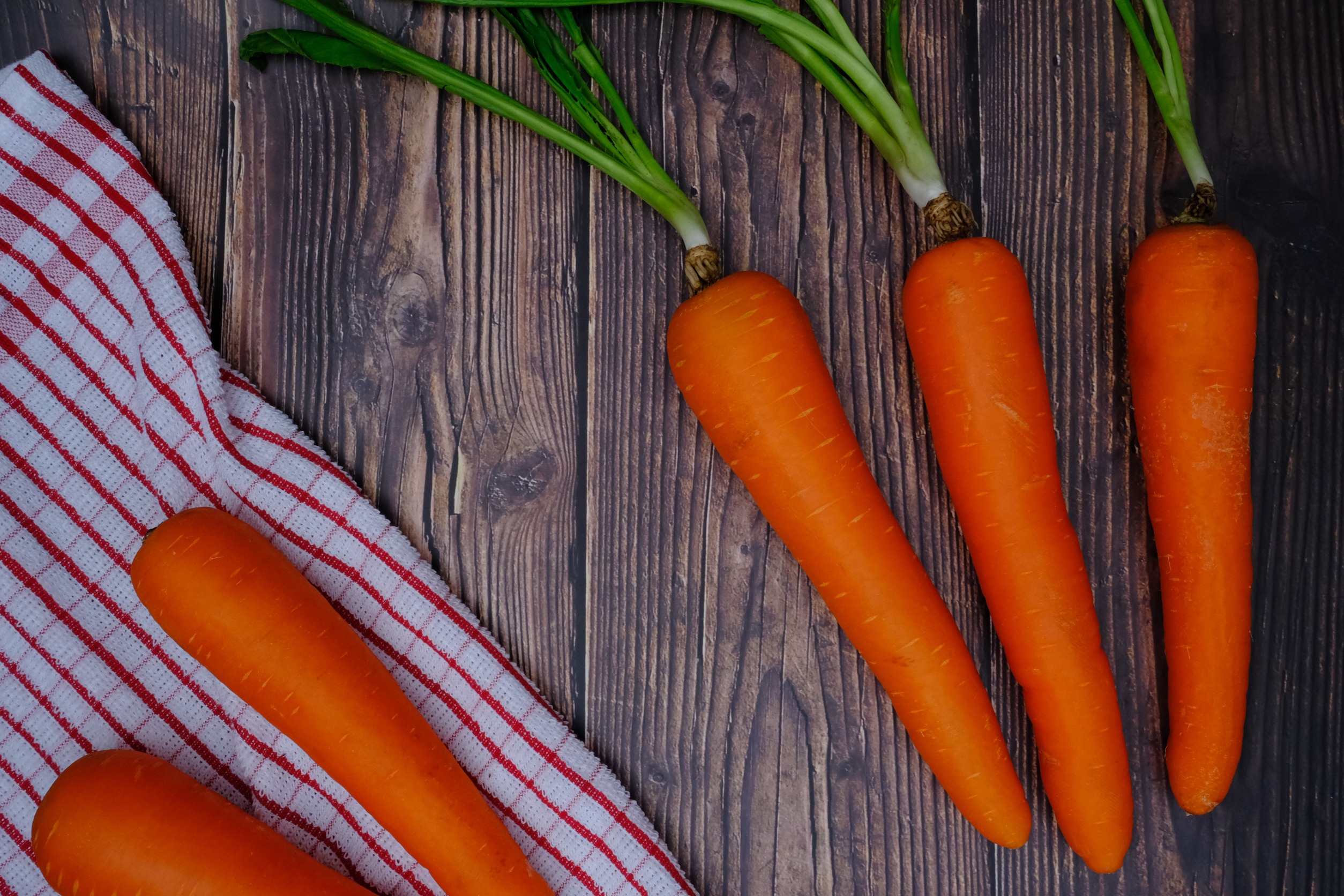
Carrots

Carrots are a budget-friendly staple found in almost any grocery store. Rich in beta-carotene, which the body converts into vitamin A, carrots support vision, skin health, and immune function. They are versatile in cooking and are delicious, whether raw, steamed, or added to soups and stews. Additionally, carrots have a long shelf life, making them an economical choice as they reduce the frequency of shopping trips.

2. Bananas

Bananas

Bananas are among the most affordable fruits available, making them an excellent choice for anyone on a budget. They are a good source of potassium, which is vital for heart health and muscle function. Bananas are also portable and come with their own natural packaging, making them a convenient snack for people on the go. Their natural sweetness also allows them to serve as a healthier substitute for sugary snacks.

3. Spinach

Spinach

Spinach is a nutrient powerhouse that offers excellent value for its price. It’s loaded with vitamins A, C, and K and minerals like iron and magnesium. Spinach is versatile and easy to incorporate into a variety of dishes, from smoothies to salads to cooked meals. Buying spinach in bulk or frozen can provide even more savings, ensuring you have a versatile vegetable on hand that can enhance any meal.

4. Sweet Potatoes
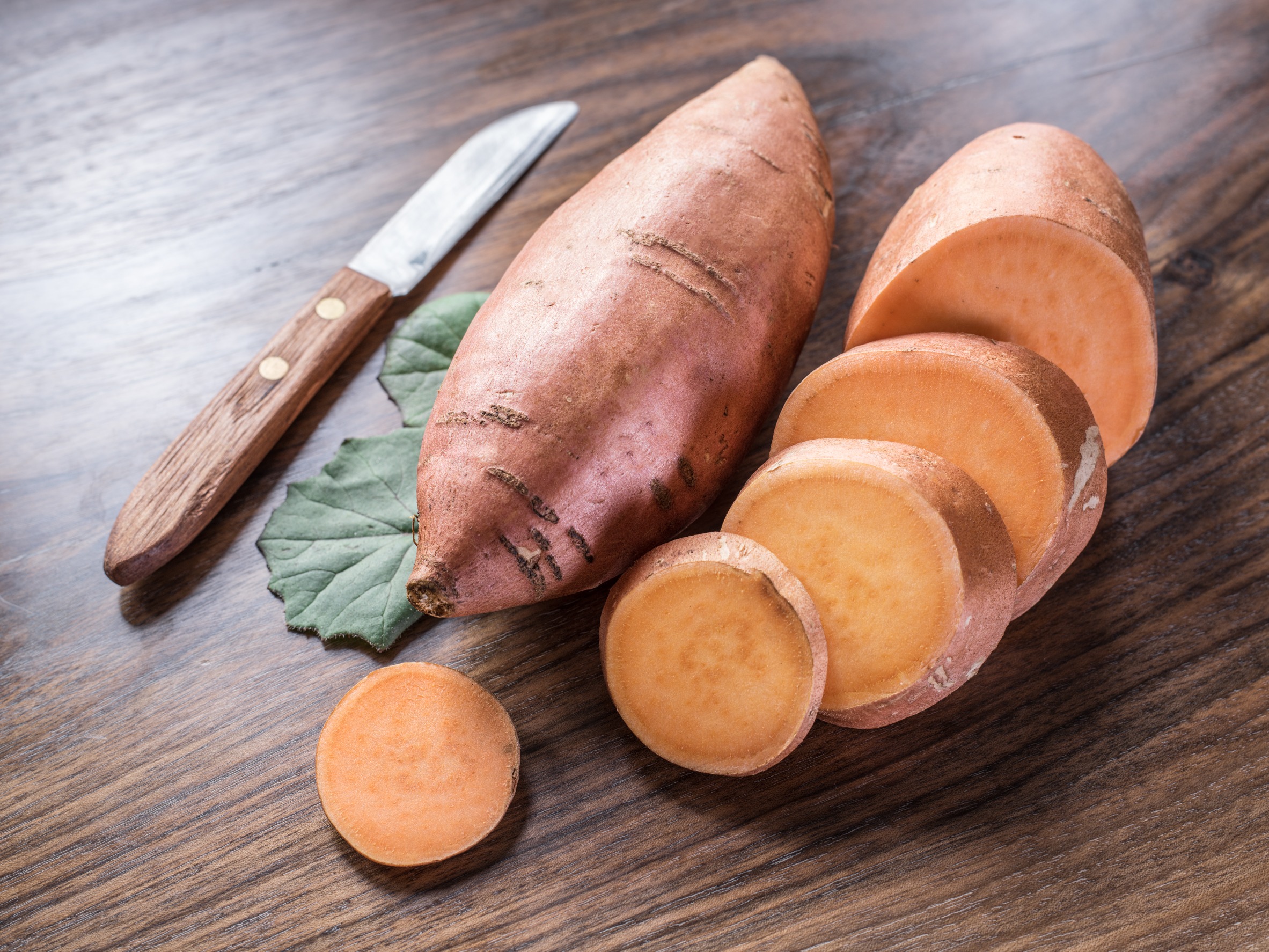
Sweet Potatoes

Sweet potatoes are an economical and nutritious option that can serve as the main component of a meal. High in vitamins A and C, they help improve immune function and skin health. Sweet potatoes are also naturally sweet and have multiple preparation options—baked, mashed, or even made into fries. Their ability to be stored for long periods also helps in minimizing waste.

5. Apples
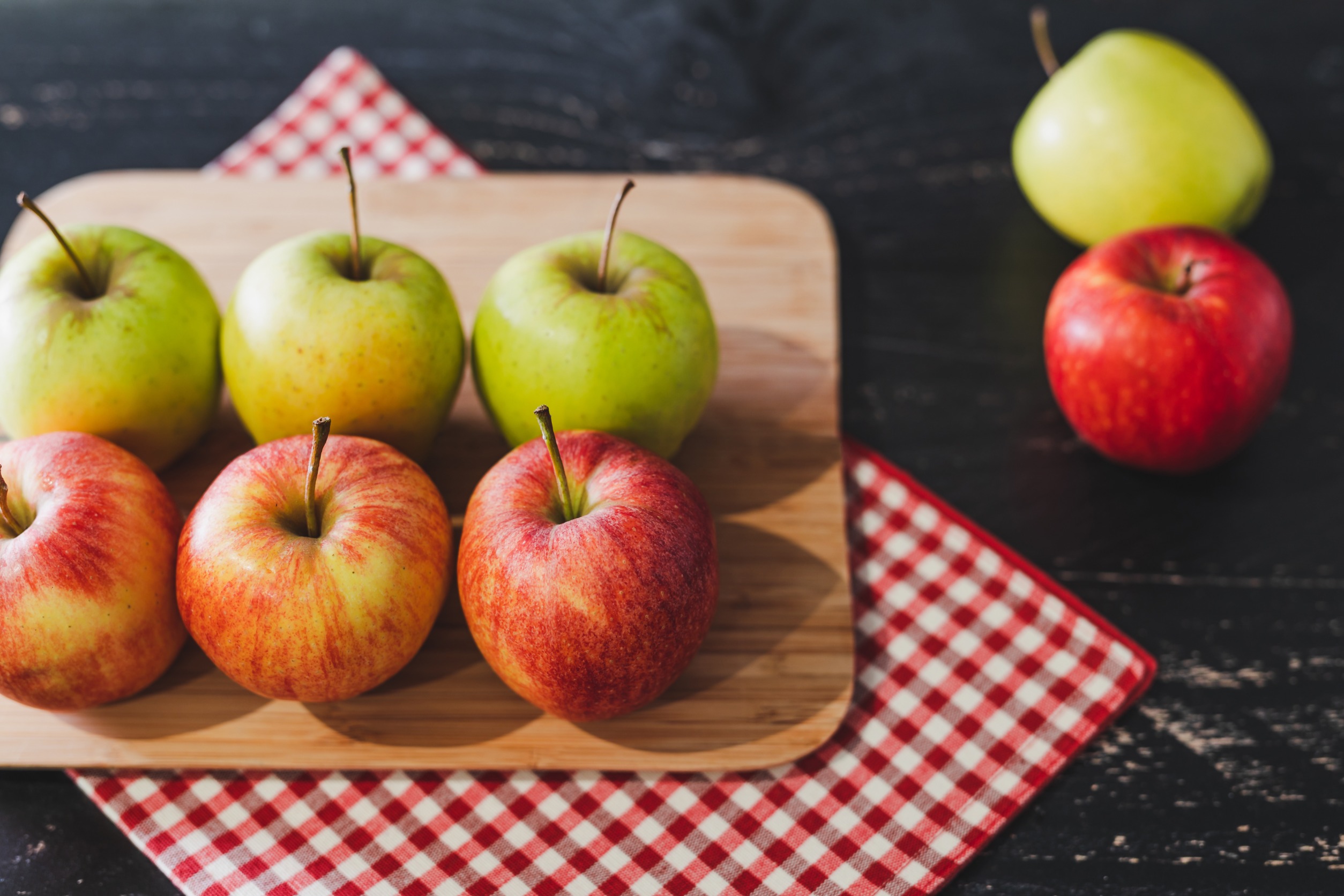
Apples

Apples are a cost-effective fruit that offers both health benefits and versatility. Rich in fiber and vitamin C, they can be eaten raw, cooked, or baked into desserts. Purchasing apples in season or from local farmers can reduce costs significantly. They also have a long shelf life, especially when stored in a cool, dry place, making them a smart purchase for those looking to stretch their dollars.

6. Cabbage
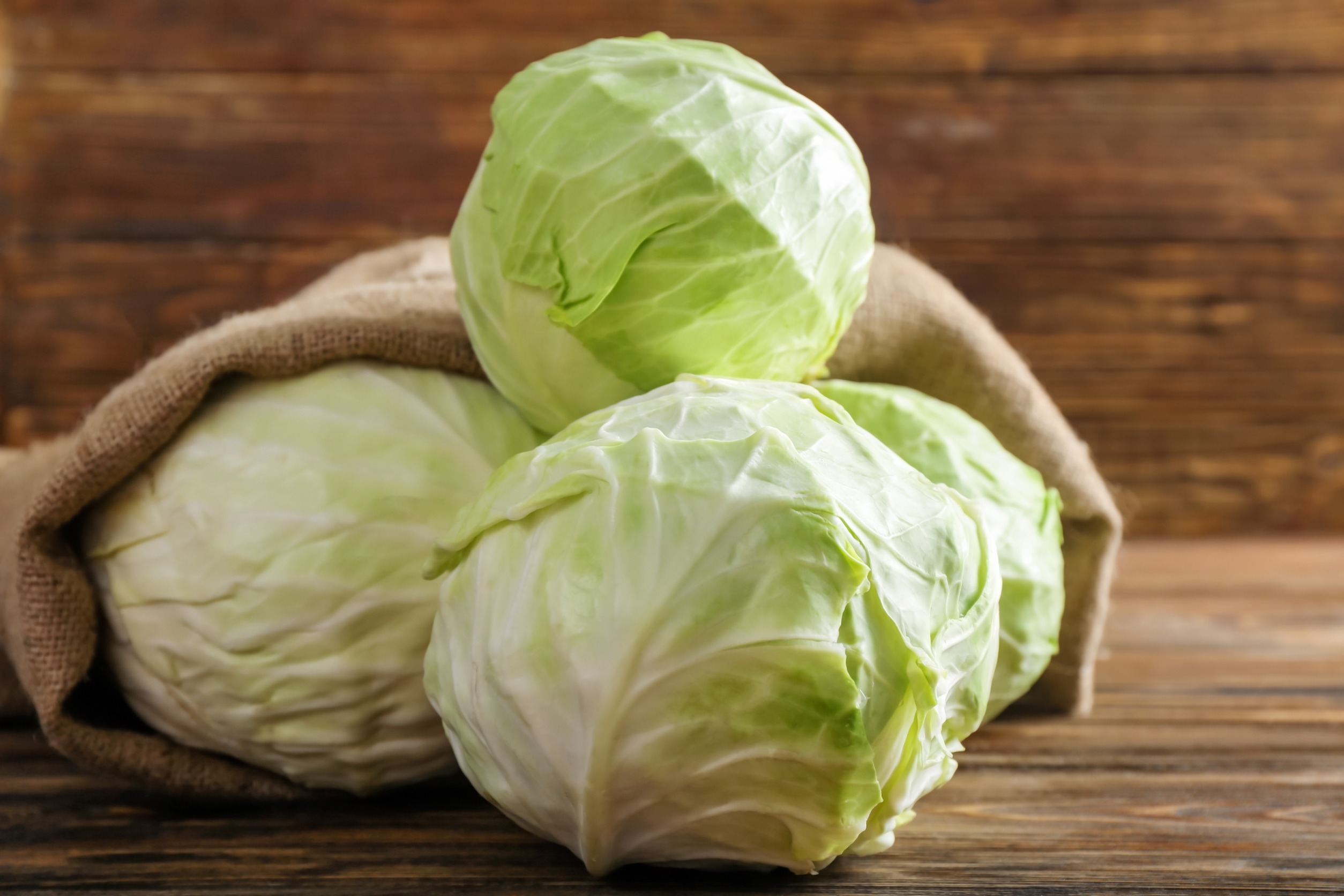
Cabbage

Cabbage is another vegetable that offers excellent value. It is rich in vitamins K and C and can last for weeks when stored properly in the refrigerator. Cabbage can be used in a variety of culinary applications, from salads and slaws to stir-fries and soups. Its low cost and versatility make it an ideal vegetable for extensive meal planning on a budget.

7. Oranges
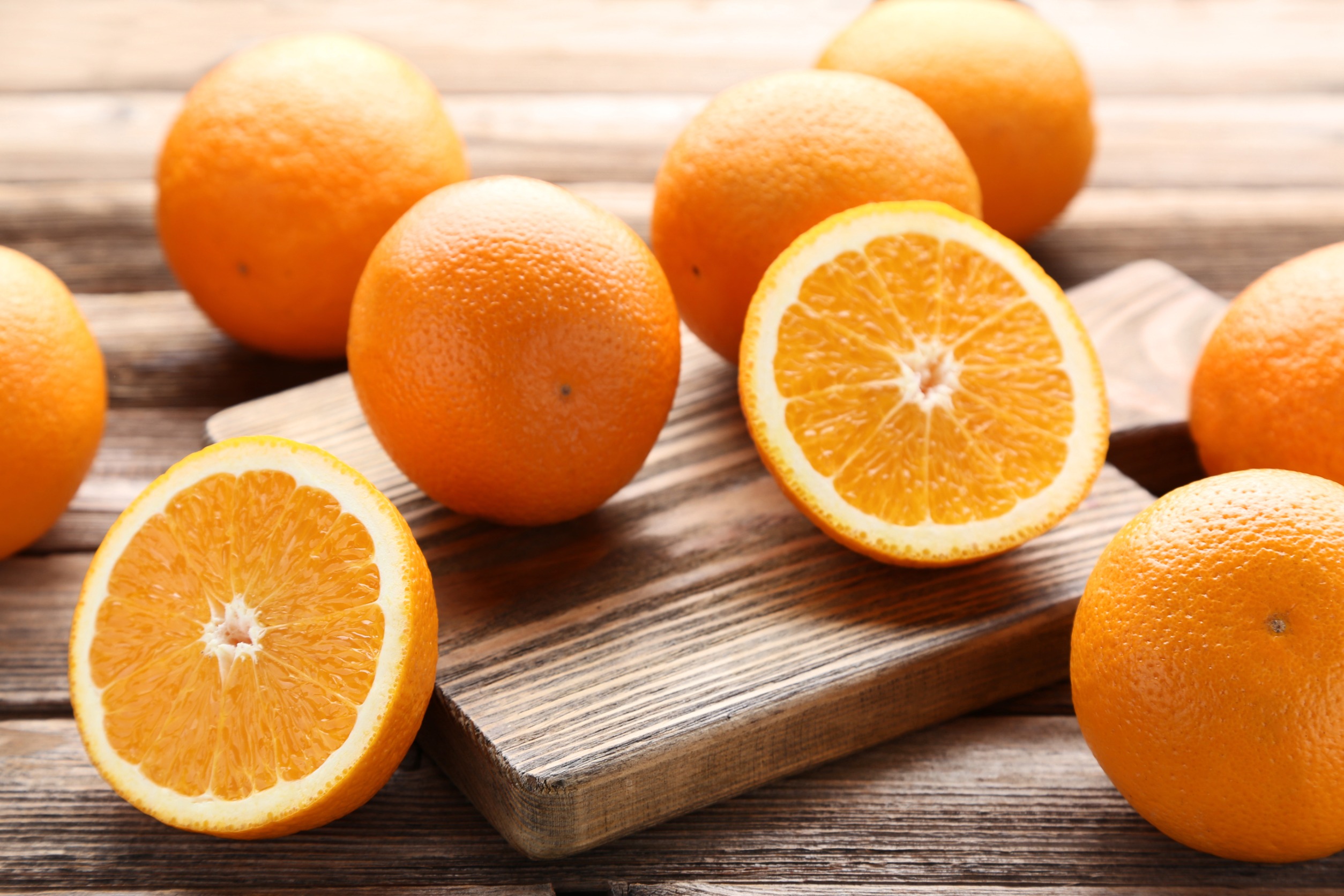
Oranges

Oranges are an affordable source of vitamin C, which is crucial for immune system function and skin health. They are typically less expensive when bought in bulk and can be enjoyed as a standalone snack or juiced. Additionally, the peel can be used in culinary preparations, adding flavor to baked goods and dishes, ensuring you get the most out of each purchase.

8. Onions
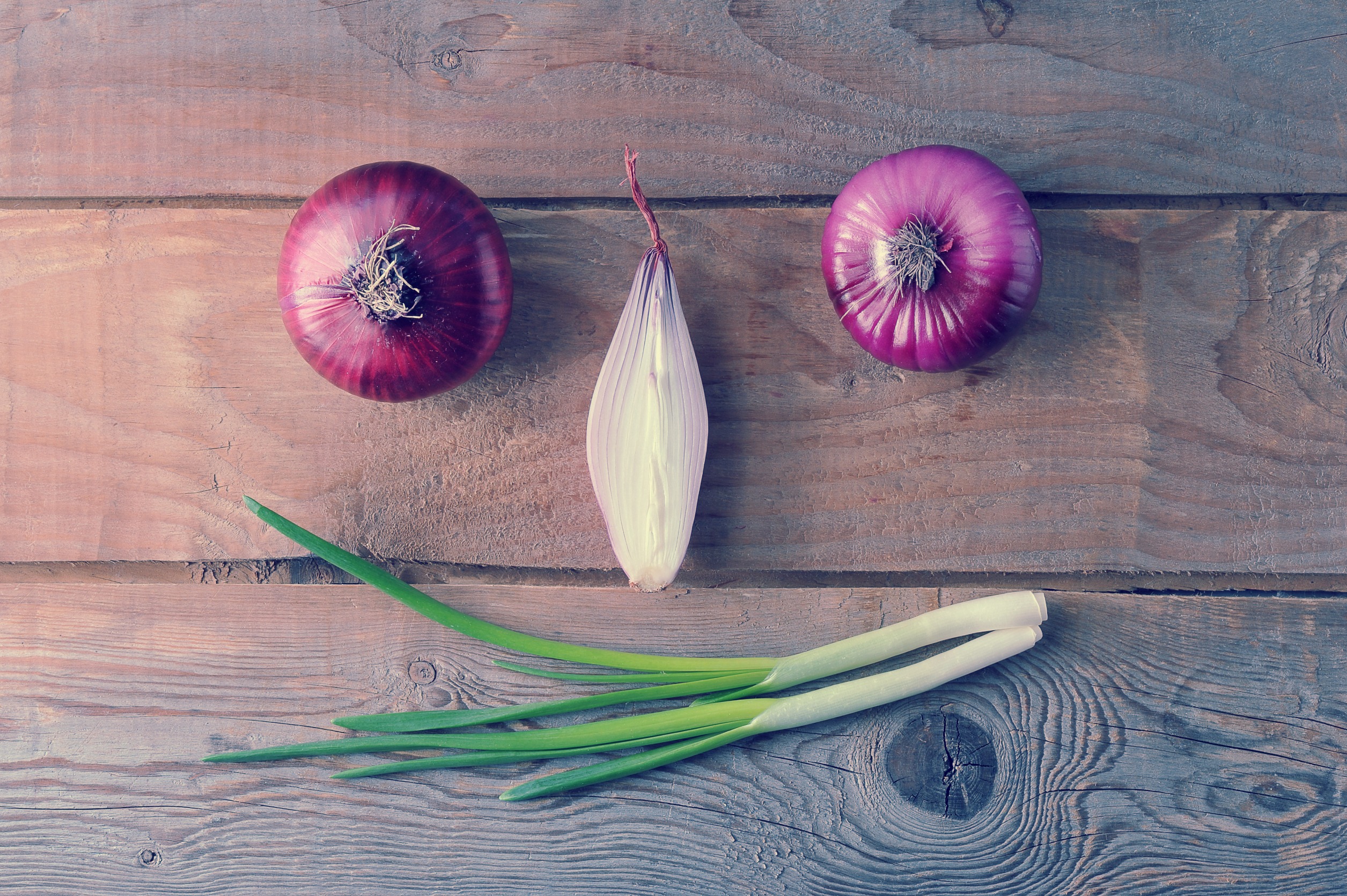
Onions

Onions add flavor to any dish and are incredibly affordable in the world of fruits and vegetables. They are a good source of vitamin C and have been shown to provide anti-inflammatory and antioxidant benefits. Onions can be purchased in bulk and stored for an extended period, making them a staple in kitchens for both their flavor and their cost-effectiveness.

9. Watermelon
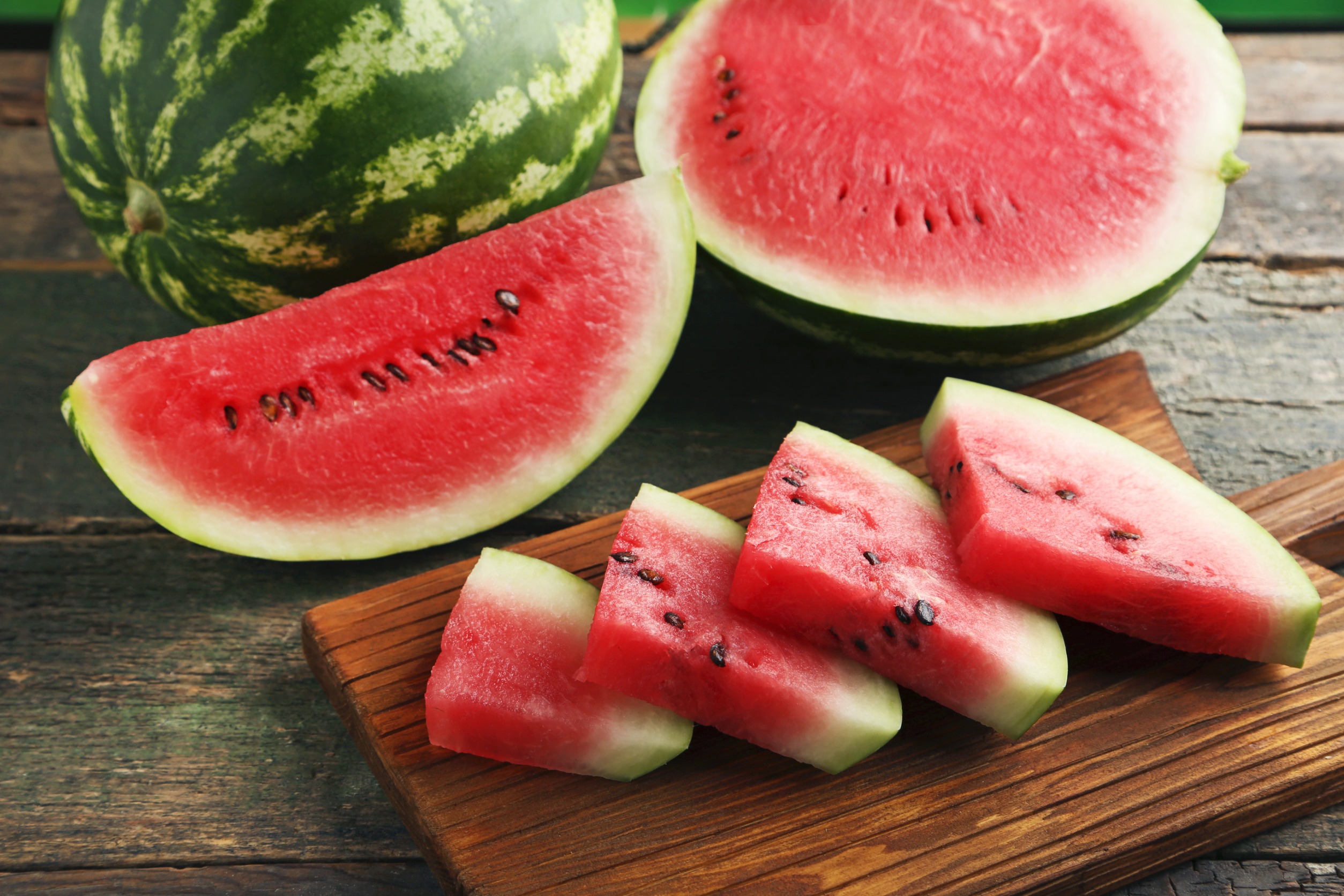
Watermelon

Watermelon is a budget-friendly fruit, especially when bought in season. It is hydrating, rich in vitamins A and C, and can serve as a refreshing snack or dessert during warmer months. Watermelon works in salads and smoothies or is enjoyable on its own. Its large size also ensures you can have multiple servings from a single purchase.

10. Frozen Peas

Frozen Peas

Frozen peas are an economical and convenient choice. They are rich in protein, fiber, and vitamins A and C. Frozen peas can be added to a variety of dishes, from risotto to soups, and are always ready to use from the freezer, reducing food waste and saving time in meal preparation.

11. Kale
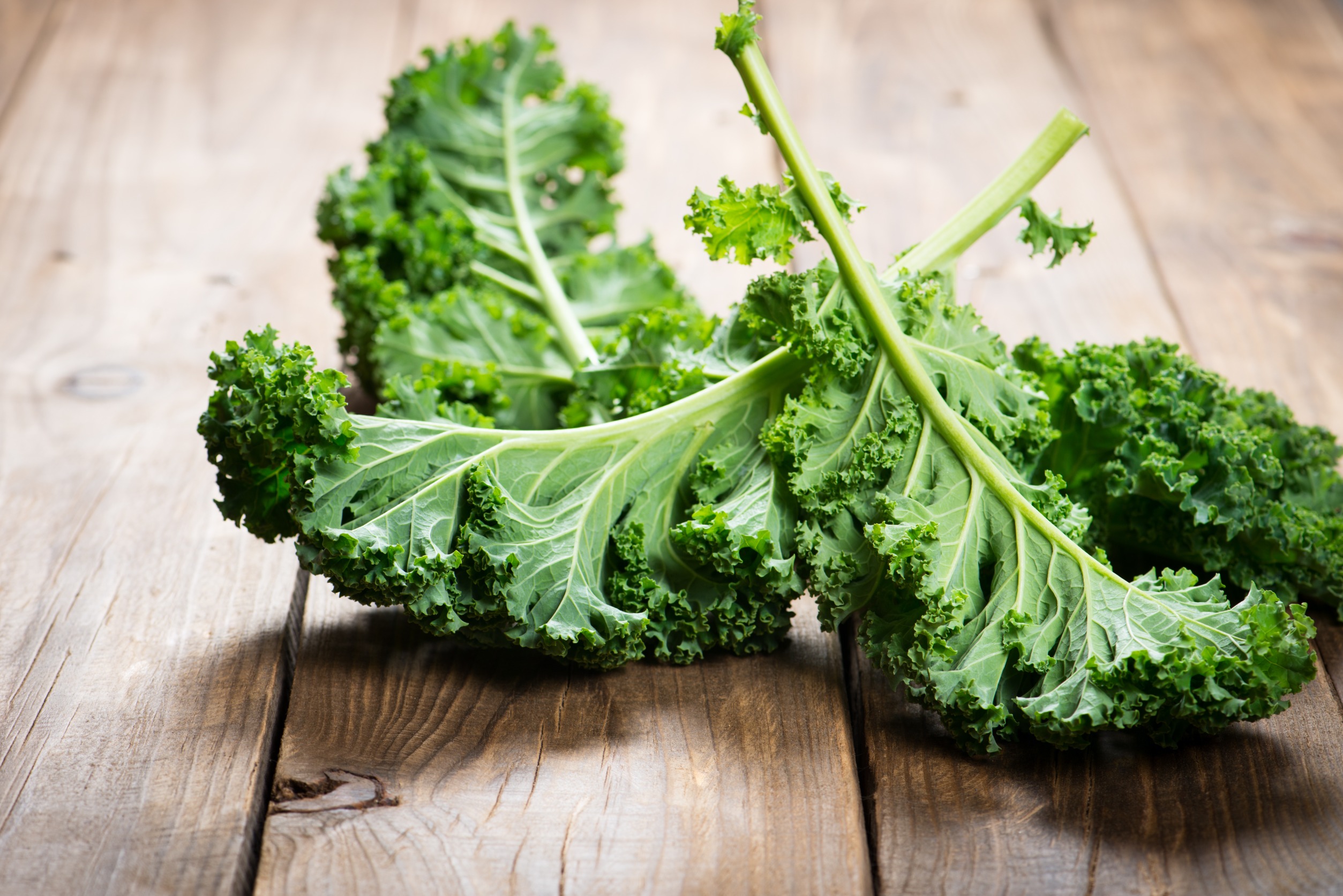
Kale

Kale is a superfood that remains affordable and is packed with vitamins A, K, and C. It can be added to smoothies, turned into chips, or mixed into salads. Kale’s health benefits, such as its role in supporting heart health and reducing inflammation, make it a valuable addition to a budget-friendly diet.

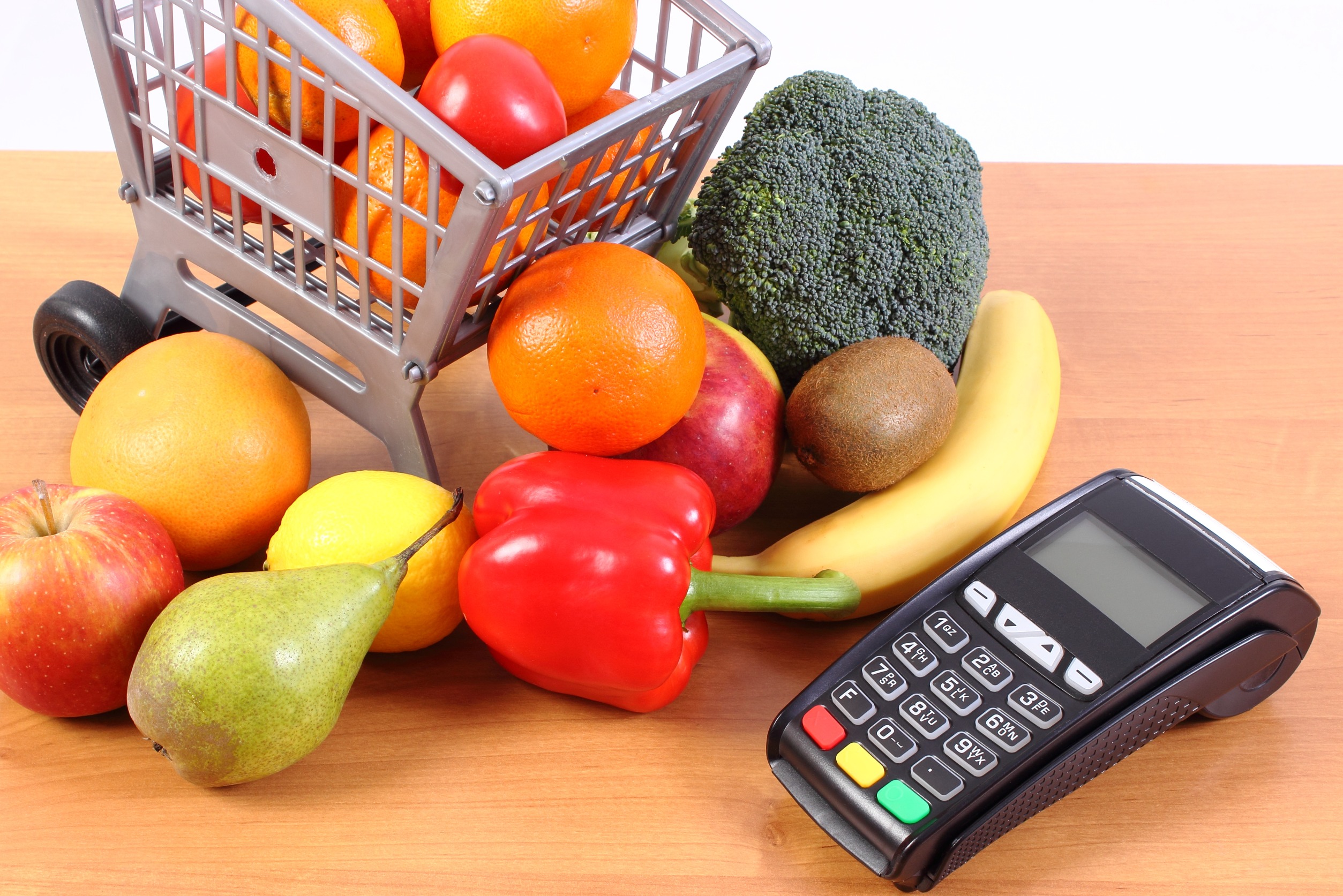
Enjoy Fruits and Vegetables Without Breaking the Bank
Enjoy Fruits and Vegetables Without Breaking the Bank

Maintaining a healthy diet does not have to come at a high cost. By choosing the right fruits and vegetables, such as those listed above, anyone can enjoy nutritious meals without straining their finances. These 11 affordable options ensure that healthful eating is accessible to all, proving that you can eat well even when funds are limited.

Read More:

The Top 15 Unique Food and Drink Products That Are Taking Over Social Media

Fast Food or Fine Dining: 10 Unexpected Experiences of Eating Out

Filed Under: Frugality Tagged With: affordability, being broke, budgeting, Frugality, fruits and vegetables, spending

14 Foods Baby Boomers Refuse to Spend Money On

May 3, 2024 By Shay Huntley Leave a Comment

In a shift that’s reshaping grocery trends, there are specific foods baby boomers refuse to spend money on. This change highlights the evolving preferences of a generation known for shaping cultural landscapes. Let’s dive into the 14 foods that no longer tempt the wallets of the baby boomer generation.

1. Avocado Toast

Despite its popularity among millennials, avocado toast is one of the foods baby boomers refuse to spend money on. Many boomers view it as an overpriced trend, not a dietary staple. They prefer more traditional breakfast options that are perceived as better value for money. This reluctance is partly due to the high cost of avocados and the simplicity of making it at home. The generational divide here is stark, reflecting differing values and economic outlooks.

2. Artisanal Coffee

Artisanal coffee shops might be on every corner, but boomers bypass them. This demographic tends to dismiss specialty coffees, which can cost significantly more than a standard brew. Baby boomers are more likely to stick with their tried-and-true brands from the grocery store, viewing them as more economical. This trend shows a clear preference for convenience and familiarity over the allure of ‘craft’ or ‘gourmet’ labels.

3. Quinoa

Once hailed as a superfood, quinoa is now among the foods baby boomers refuse to spend money on. They often opt for more familiar grains like rice or barley. The higher price point of quinoa and its association with trendy diets make it less appealing to this budget-conscious generation. This shift is indicative of a broader skepticism toward what they perceive as food fads.

4. Craft Beer

The surge of craft beer markets has not enticed a lot of baby boomers to spend their money. They typically favor mass-market beer brands, which are frequently less expensive and easily obtainable. This preference points out a hesitancy to adopt the craft beer culture, which is often viewed as a trend embraced by millennials.

5. Plant-Based Meat Alternatives

While the rise of plant-based diets has caught the attention of many, it’s not a bandwagon every boomer is jumping on. Foods like plant-based burgers or sausages are often seen as overpriced and unnecessary substitutes. They tend to stick with traditional meat products, which they find more satisfying and cost-effective.

6. Energy Drinks

The market for energy drinks may be booming, but baby boomers are generally not contributing to its growth. These beverages are often associated with younger generations and are viewed by boomers as unhealthy and expensive. They prefer coffee or tea, which they perceive as more natural and beneficial.

7. Sushi

Sushi is a popular dish around the world, but it is one that many baby boomers are reluctant to spend money on. This is because, for them, sushi is often overpriced, especially when compared to the portion size. This trend reflects a broader preference among baby boomers for meals that are more filling and less ‘exotic’.

8. Kale Salads

Kale has been a trendy health food for years, but it hasn’t made its way into many boomer diets. They often choose more traditional greens, finding kale too somewhat bitter. This choice underscores a preference for familiar, tried-and-true options over new, hyped health trends.

9. Gluten-Free Products

Despite the rise in gluten-free diets, these products are often skipped by boomers. The higher prices and mixed reviews on taste make them less appealing. Boomers who do not have a medical need to avoid gluten tend to stick with their regular dietary choices.

10. Coconut Water

Once a must-have for hydration, coconut water is now among the foods baby boomers refuse to spend money on. Many in this age group prefer plain water or traditional sports drinks, citing better taste and value.

11. Organic Produce

Health-conscious consumers prefer organic produce, but boomers are skeptical of its value relative to cost.

12. Bottled Smoothies

Bottled smoothies might be convenient, but many boomers view them as an unnecessary expense. They prefer to make smoothies at home or opt for whole fruits instead, which are seen as more natural and cost-effective.

13. Gourmet Popcorn

Gourmet popcorn is a market that hasn’t captivated many baby boomers. They often view these products as overly expensive for a snack. Traditional popcorn remains the preference, reflecting a broader trend of sticking to basics.

14. Designer Cupcakes


The designer cupcake craze has seen a decline in interest from boomers, who view these treats as frivolous and costly. Traditional baked goods or home-prepared desserts remain much more appealing to this cost-conscious group.

Explore More With Us!

Curious about more surprising trends in boomer consumption habits? Dive deeper into what drives their purchasing decisions and discover how these insights can help you save money and make smarter choices.

Read More

The Top 15 Unique Food and Drink Products That Are Taking Over Social Media

Fast Food or Fine Dining: 10 Unexpected Experiences of Eating Out

Filed Under: baby boomers Tagged With: budget-friendly eating, consumer behavior, eating habits, foods baby boomers refuse to spend money on, generational trends, lifestyle changes

Weathering Life’s Storms: How an Emergency Fund Can Protect Your Financial Future

May 2, 2024 By Susan Paige Leave a Comment

Life is unpredictable; no matter how well we plan, unexpected events can occur anytime. From job losses and medical emergencies to car repairs and home maintenance issues, these unexpected expenses can quickly derail our financial stability. In such situations, having an emergency fund can be a lifesaver, providing a crucial buffer against life’s curveballs and protecting our financial future. 

This article explores the importance of an emergency fund and offers practical tips for building and maintaining one.

The Importance of an Emergency Fund

An emergency fund is a dedicated savings account designed to cover unforeseen expenses. It serves as a financial safety net, preventing you from going into debt or dipping into your retirement savings when faced with unexpected costs. Here are a few reasons why an emergency fund is essential:

  1. Avoid High-Interest Debt: Without an emergency fund, you may be forced to rely on credit cards or personal loans to cover unexpected expenses. These options often come with high interest rates, which can quickly spiral into a cycle of debt that is difficult to break free from.
  2. Maintain Financial Stability: Life’s storms can strike anytime, and an emergency fund can help you weather them without disrupting your regular financial obligations, such as rent or mortgage payments, utility bills, and other essential expenses.
  3. Reduce Stress and Anxiety: Knowing you have a financial cushion to fall back on can provide peace of mind and reduce the stress and anxiety associated with unexpected expenses.

Determining the Size of Your Emergency Fund

There is no one-size-fits-all approach to determining the ideal size of your emergency fund. However, most financial experts recommend having enough savings to cover three to six months of living expenses. This amount can vary based on your circumstances, such as your job stability, income level, and potential risk factors.

If you have a stable job and a low risk of job loss, you may be comfortable with a smaller emergency fund, perhaps three months’ worth of expenses. However, if you are self-employed, have a variable income, or work in a volatile industry, it’s wise to aim for a larger emergency fund, potentially six months’ worth of expenses or more.

Building Your Emergency Fund

Building an emergency fund takes time and discipline, but it’s an investment in your financial security. Here are some strategies to help you build your emergency fund:

  1. Start Small: Don’t be discouraged if you can’t contribute a large sum right away. Start with whatever amount you can afford, even if it’s just $50 or $100 per month. Consistency is key, and small contributions can add up over time.
  2. Automate Your Savings: Set up automatic transfers from your checking account to your emergency fund account. This way, you won’t have to remember to transfer the money manually, and the savings will happen without much effort.
  3. Prioritize Your Emergency Fund: Treat your emergency fund contribution as a non-negotiable expense, like your rent or mortgage payment. Make it a priority in your budget, and contribute to it before allocating money for discretionary spending.
  4. Leverage Windfalls and Bonuses: If you receive a tax refund, bonus from work, or any other unexpected income, consider putting a portion or all of it towards your emergency fund.

Maintaining Your Emergency Fund

Once you’ve built your emergency fund, it’s essential to maintain and replenish it when necessary. Here are a few tips for maintaining your emergency fund:

  1. Replenish After Use: If you need to dip into your emergency fund, make it a priority to replenish it as soon as possible. This will ensure that you’re prepared for the next unexpected expense.
  2. Adjust for Changing Circumstances: Review your emergency fund periodically and adjust the target amount as your living expenses or financial situation changes. For example, if you get a raise or take on additional financial responsibilities, you may need to increase your emergency fund accordingly.
  3. Separate from Other Savings: Keep your emergency fund separate from other savings accounts, such as retirement or long-term savings. This will prevent you from inadvertently spending your emergency fund on non-emergency expenses.

Navigating the Complexities of Trade Credit

While it’s prudent to establish and nurture an emergency fund, it’s equally important to understand the nuances of trade credit and its role in your financial strategy. Trade credit, the credit extended by suppliers or vendors for goods or services, can serve as a valuable resource during periods of cash flow constraints.

However, it’s essential to recognize that trade credit should complement your emergency fund, not replace it. Relying excessively on trade credit may strain relationships with suppliers and potentially incur additional interest charges. Moreover, consistent failure to meet payment obligations could result in legal ramifications.

By striking a balance between utilizing trade credit judiciously and maintaining a robust emergency fund, you can fortify your financial stability and foster mutually beneficial relationships with suppliers.

Conclusion

Life is full of unexpected twists and turns, and an emergency fund can be a powerful tool to help you navigate these challenges with confidence. By building and maintaining an adequate emergency fund, you can protect your financial future, avoid high-interest debt, and maintain financial stability even in the face of life’s storms. Building your emergency fund may take time and discipline, but the peace of mind and financial security it provides are invaluable.

Remember, an emergency fund is an investment in your financial well-being, and by prioritizing it, you’ll be better equipped to weather any storms that come your way.


Filed Under: Uncategorized

  • « Previous Page
  • 1
  • …
  • 73
  • 74
  • 75
  • 76
  • 77
  • …
  • 179
  • Next Page »
  • Facebook
  • Pinterest
  • RSS
  • Twitter

Improve Your Credit Score

Money Blogs

  • Celebrating Financial Freedom
  • Christian PF
  • Dual Income No Kids
  • Financial Panther
  • Gajizmo.com
  • Lazy Man and Money
  • Make Money Your Way
  • Money Talks News
  • My Personal Finance Journey
  • Personal Profitability
  • PF Blogs
  • Reach Financial Independence
  • So Over Debt
  • The Savvy Scot
  • Yes, I am Cheap

Categories

Disclaimer

Please note that Beating Broke has financial relationships with some of the merchants mentioned here. Beating Broke may be compensated if consumers choose to utilize the links located throughout the content on this site and generate sales for the said merchant.

Visit Our Advertisers

Need to change careers? Consider an Accounting Certificate Program from WTI.