Beating Broke

Personal Finance from the Broke Perspective

  • Home
  • About
  • We Recommend
  • Contact
  • Our Editorial Commitment

Powered by Genesis

Search Results for: budget

10 Things ‘Poor’ Parents Teach Their Kids That ‘Rich’ Parents Don’t

May 2, 2024 By Catherine Reed Leave a Comment

10 Things 'Poor' Parents Teach Their Kids That 'Rich' Parents Don't

Parenting styles can vary significantly across different economic backgrounds. The values and lessons imparted by parents often reflect the realities of their own life experiences, which are shaped by their socioeconomic status. In this context, the teachings of poor parents often differ from those of rich parents, with each set of values providing unique insights into managing life’s challenges. Here are ten lessons that poor parents are more likely to teach their children than their wealthier counterparts.

1. The Value of Resourcefulness

The Value of Resourcefulness

Poor parents often have to be resourceful with limited resources. They teach their children how to stretch a dollar, make do with what they have, and find creative solutions to problems. This resourcefulness fosters an ability to adapt to changing circumstances—an invaluable skill throughout life. Children from poorer backgrounds may learn to appreciate what they have and can often improvise solutions instead of relying on financial spending to resolve every issue.

2. The Importance of Hard Work

The Importance of Hard Work

Often, poor parents work multiple jobs or long hours to make ends meet, providing a live demonstration to their children of what hard work looks like. They instill a work ethic that equates effort with potential rewards, underscoring that nothing comes without hard work. This lesson teaches children the importance of diligence and perseverance, crucial for achieving long-term goals regardless of socioeconomic status.

3. Frugality and Budgeting
Frugality and Budgeting

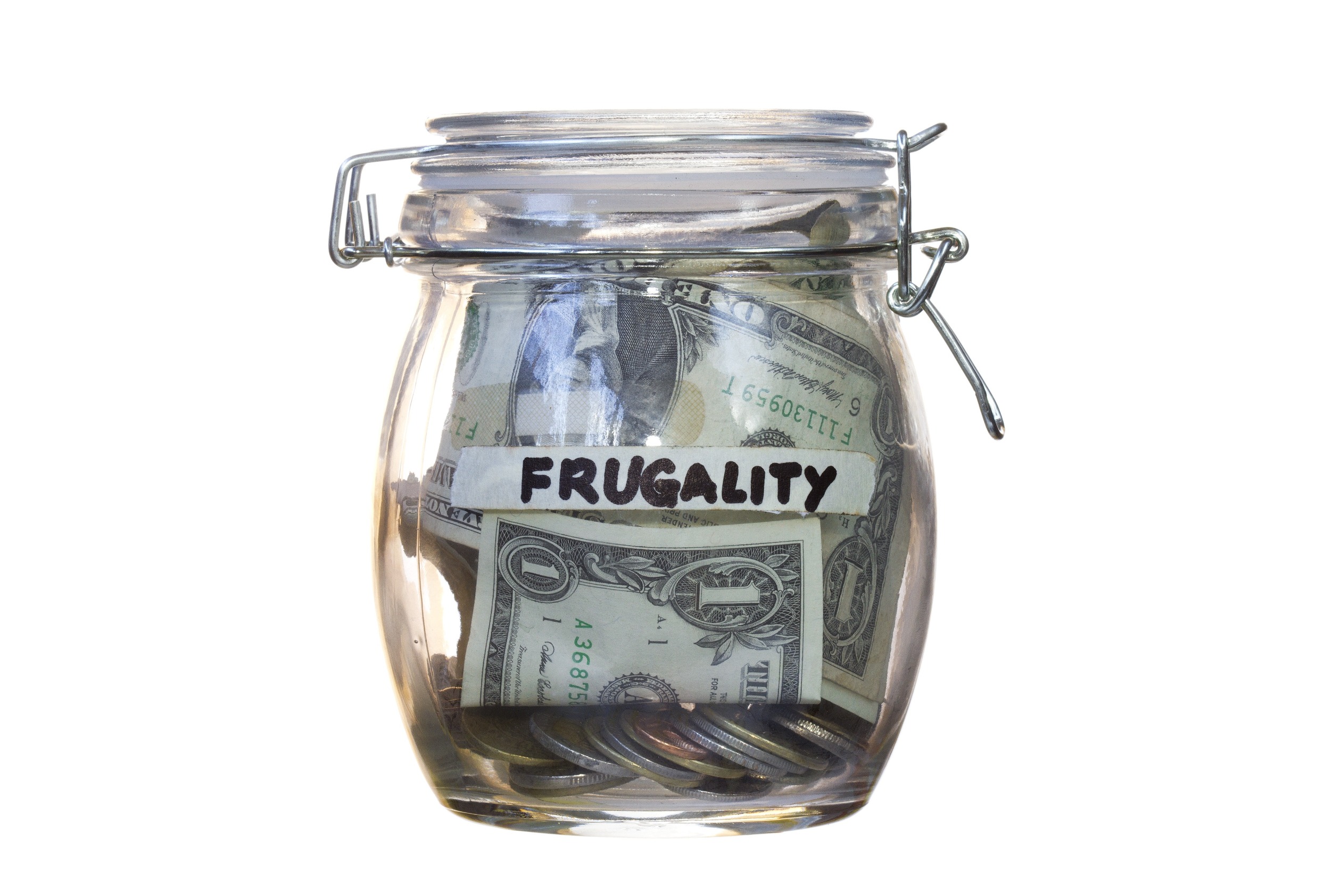
Financial constraints necessitate tight budgeting skills. Poor parents teach their children how to budget out of necessity. These children learn early to prioritize expenses, save money, and avoid wasteful spending. This ingrained sense of financial management can lead to more financially prudent adults who can manage their finances effectively, even if they later achieve greater economic success.

4. Appreciating the Small Things

Appreciating the Small Things

When large, material rewards are not always feasible, enjoyment comes from simpler, accessible pleasures. Poor parents often teach their children to find joy in the small, everyday things—like a family meal or a walk in the park. This can develop a sense of contentment and happiness that isn’t tied to material possessions.

5. Empathy and Community Involvement

Empathy and Community Involvement

Living in communities where everyone may face similar economic challenges fosters a sense of empathy and solidarity among neighbors. Poor parents often rely on community support to navigate tough times, and this teaches children the importance of looking out for others, offering help when they can, and the value of community involvement. Children raised in these environments may grow to be more socially aware and empathetic to the struggles of others.

6. The Reality of Economic Inequality

The Reality of Economic Inequality

Poor parents are more likely to discuss and expose their children to the realities of economic inequality and social class differences. These discussions can make children more aware of societal structures and inspire them to strive for changes that could lead to a more equitable society. Understanding these dynamics from a young age can shape a child’s worldview and their place within it.

7. Self-Sufficiency
Self-Sufficiency

Due to fewer available resources, children in less affluent families often learn to be self-sufficient earlier. They may take on more responsibilities at home, learn to cook for themselves and manage some household tasks. This independence fosters a sense of capability and resilience, preparing them for self-reliance in adulthood.

8. The Importance of Education

The Importance of Education

Poor parents often emphasize the power of education as a pathway out of poverty. They teach their children that schooling can be the key to a better life, encouraging them to take their studies seriously and to view education as an investment in their future. This respect for education can drive children from low-income families to aggressively pursue higher education and personal development.

9. Negotiation and Advocacy

Negotiation and Advocacy

Children from poorer families often learn to advocate for themselves and negotiate from a young age. Whether it’s negotiating more time to pay a bill or advocating for fair treatment in situations of disparity, these children see these skills modeled in everyday survival strategies. These abilities are crucial for navigating both personal and professional landscapes successfully.

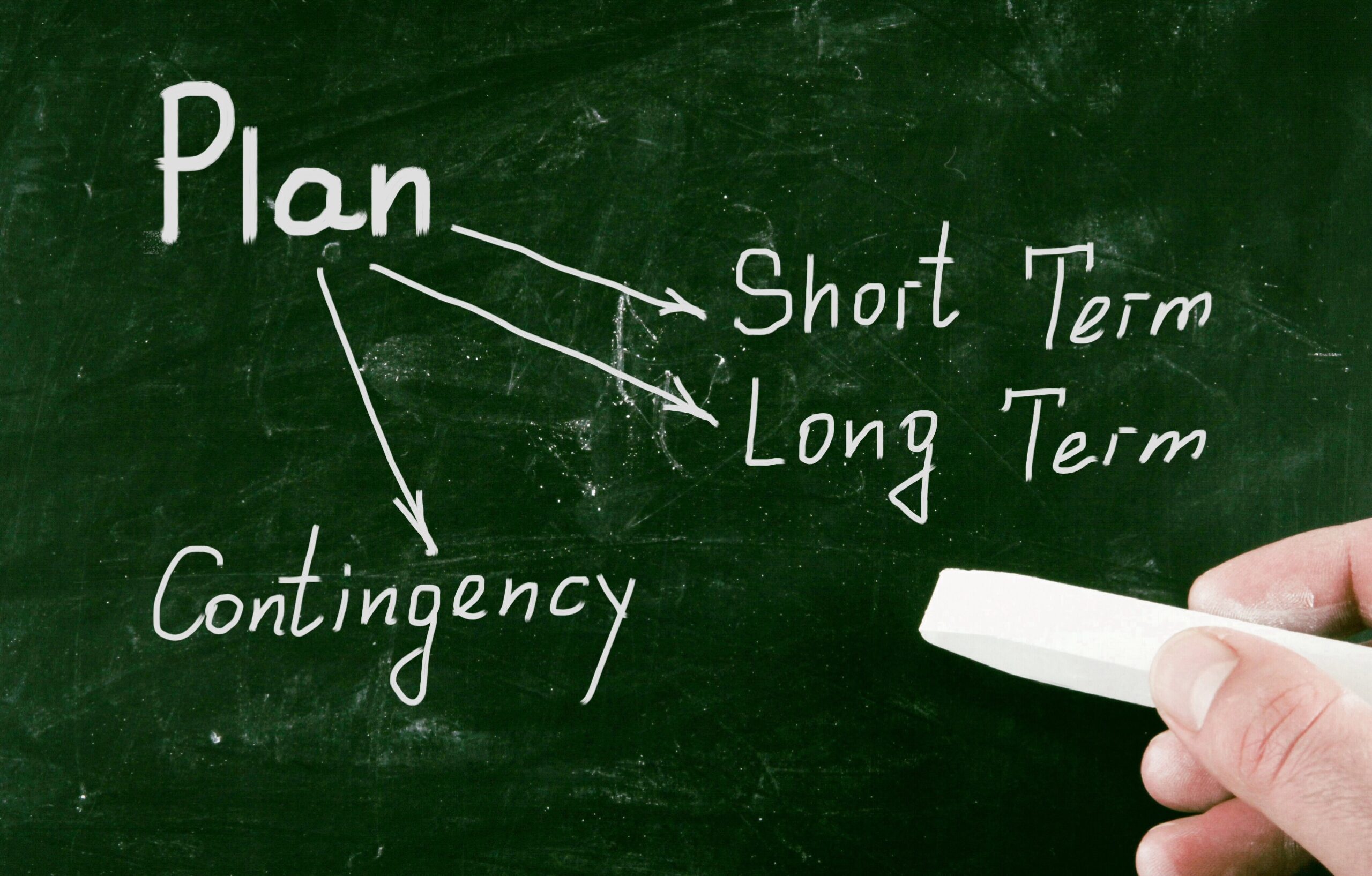
10. Long-Term Planning Over Instant Gratification
Long-Term Planning Over Instant Gratification

Poor parents who save money or plan for future expenses despite their limited means demonstrate the importance of long-term planning over instant gratification. Children observing this behavior learn the significance of setting goals and making sacrifices, a key component of success in any area of life.

Appreciating Things ‘Poor’ Parents Teach Their Kids That ‘Rich’ Parents Don’t

Appreciating Things 'Poor' Parents Teach Their Kids That 'Rich' Parents Don't

While the economic limitations faced by poor parents can present numerous challenges, they also provide a fertile ground for teaching valuable life lessons that children might not learn in more affluent environments. These teachings can equip children with the resilience, wisdom, and skills needed to navigate life’s complexities. Both poor parents and rich parents offer unique lessons that can shape a child’s future, but those taught by necessity often leave a lasting impact on personal growth and understanding of the world.

Read More:

15 Names Inspired by Iconic Cities That Are Perfect for Worldly Parents

Car Buying Tips for New Parents

Filed Under: Family Tagged With: childhood lessons, economic backgrounds, life lessons, poor parents, raising children, rich parents

15 Hard Truths About Money That Will Challenge Your Perspective on Being Broke

April 30, 2024 By Catherine Reed Leave a Comment

15 Hard Truths About Money That Will Challenge Your Perspective on Being Broke

Money, an essential yet complex part of life, holds power over many aspects of our daily existence. Understanding the dynamics of financial health is crucial, especially for those grappling with the challenges of being broke. Here, we explore 15 hard truths about money that not only highlight the stark realities of financial hardship but also offer insights to reshape your approach toward achieving financial stability.

1. Being Broke is Often a Symptom, Not the Disease

Being Broke is Often a Symptom, Not the Disease

While it’s easy to see a lack of money as the primary issue, being broke is frequently a symptom of broader problems such as lack of financial education, poor spending habits, or systemic barriers. Addressing these underlying issues can be the key to long-term financial health. Educating yourself about personal finance and seeking advice from financial experts can offer pathways out of financial difficulty.

2. Emergency Funds are Not Optional

Emergency Funds are Not Optional

One of the hard truths about money is the critical importance of an emergency fund. Life is unpredictable, and without a financial buffer, unexpected expenses can devastate your budget. Financial advisors typically recommend saving at least three to six months’ worth of expenses, although even a small emergency fund is better than none. Even in tiny increments, starting to save can help build this crucial safety net.

3. High-interest debt is a Silent Wealth Killer

High-Interest Debt is a Silent Wealth Killer

Credit card debt, payday loans, and other high-interest debt can keep you trapped in a cycle of being broke. The longer you carry this kind of debt, the more money you lose to interest payments, which can stifle your ability to save and invest. Prioritizing the repayment of high-interest debts is essential for regaining financial control.

4. Financial Literacy is Empowering

Financial Literacy is Empowering

Lack of financial literacy is a significant handicap when managing money. Understanding basic personal finance concepts such as budgeting, investing, and the power of compound interest can transform your financial outlook. Many communities offer free resources to improve financial knowledge, which can equip you with the tools to make more informed decisions.

5. Money Habits Reflect Life Priorities

Money Habits Reflect Life Priorities

Your spending habits often reflect what you value most. By examining where your money goes each month, you can gain insights into your priorities and potentially uncover areas where your spending does not align with your long-term goals. This realization can be a tough pill to swallow, but it’s necessary for reshaping your financial future.

6. Being Broke Can Sometimes Be a Choice

Being Broke Can Sometimes Be a Choice

In some cases, being broke results from repeated poor financial decisions rather than external circumstances. Recognizing and accepting responsibility for these choices can be challenging but is often the first step towards change. Identifying and working diligently to change destructive financial habits can significantly impact your financial health.

7. Wealth is Built Slowly

Wealth is Built Slowly

Overnight financial success is more myth than reality. Building wealth typically requires patience, perseverance, and long-term planning. This truth can be hard to accept in a culture that often celebrates quick gains and overnight successes. However, understanding this can set more realistic expectations and foster healthier financial practices.

8. You Cannot Out-Earn Poor Spending Habits

You Cannot Out-Earn Poor Spending Habits

No matter how much money you make, poor spending habits can keep you in a state of being broke. Budgeting isn’t just for those with limited incomes; it’s essential for everyone. Living within your means and spending less than you earn is foundational to financial freedom.

9. Financial Stress Affects Your Health

Financial Stress Affects Your Health

The stress of being broke can significantly affect your mental and physical health. Anxiety, depression, and stress-related illnesses are more common in individuals facing financial strain. Recognizing this can motivate you to take financial health more seriously, directly impacting your overall well-being.

10. Social Comparisons Can Skew Your Financial Perspective

Social Comparisons Can Skew Your Financial Perspective

Comparing your financial situation to where others stand can lead to misguided perceptions and unhealthy financial decisions. Focusing on your financial goals and reality is essential rather than trying to match or outpace your peers. This truth is crucial in an age dominated by social media, where the highlights of others’ lives may not accurately reflect their financial reality.

11. Investing is Not Just for the Rich

Thinking that investment opportunities are only for the wealthy is a misconception that can keep you from growing your wealth. Today, numerous platforms allow people to start investing with small amounts of money. Educating yourself about these options and starting small can help demystify investing and make it a viable part of your financial strategy.

12. Financial Sacrifices Pay Off

Financial Sacrifices Pay Off

Short-term sacrifices for long-term gains are a fundamental truth in financial planning. This might mean living below your means or delaying gratification to save and invest. While challenging, these sacrifices can pave the way to a more secure financial future.

13. Money Won’t Solve All Your Problems

Money Won't Solve All Your Problems

It’s a common misconception that having more money will solve all problems. While money can alleviate many financial stresses, it’s not a panacea for life’s challenges. Understanding this can help maintain a balanced perspective on what money can and cannot do.

14. Financial Independence Requires Discipline

Financial Independence Requires Discipline

Achieving financial independence is a goal for many, but it requires significant discipline and dedication. This includes making tough decisions daily to prioritize your financial future over your immediate desires. Discipline in monetary matters often separates those who achieve financial independence from those who do not.

15. Your Net Worth is Not Your Self-Worth

Your Net Worth is Not Your Self-Worth

Finally, one of the most important hard truths about money is that your net worth does not define your value as a person. Being broke does not reflect your capabilities, worth, or potential. Maintaining this perspective is essential for mental and emotional health as you work towards financial stability.

Why These Hard Truths About Being Broke Matter

Why These Hard Truths About Being Broke Matter

Understanding these hard truths about money can profoundly change how you view financial health and being broke. By embracing these realities, you can take more controlled steps toward a stable financial future, making informed decisions that align with your long-term goals.

Read More:

9 of the Most Common Reasons People End Up Broke

10 Unexpected Benefits of Living on a Tight Budget: The Upsides of Being Broke

Filed Under: money management, ShareMe Tagged With: being broke, financial hardship, hard truths about money, money management, Personal Finance, reality check

14 Unpopular Opinions on Managing Debt: What Financial Experts Won’t Tell You

April 25, 2024 By Catherine Reed Leave a Comment

14 Unpopular Opinions on Managing Debt What Financial Experts Won't Tell You

Managing debt is a topic fraught with anxiety for many. Mainstream financial advice often revolves around traditional strategies like consolidating loans or cutting back on spending. However, numerous unconventional and sometimes controversial approaches to debt management seldom make it into the typical advice columns. Here are 14 unpopular opinions on managing debt that challenge the norm and could provide alternative solutions for your financial woes.

1. Don’t Rush to Pay Off Student Loans

Don’t Rush to Pay Off Student Loans

Conventional wisdom urges us to eliminate student debt as quickly as possible. However, if you have federal student loans, these often have lower interest rates compared to other debts. Focusing on higher-interest debts, like credit card balances or high-interest personal loans, might save you more money over time. Plus, federal loans come with protections like deferment, forbearance, and income-driven repayment plans that other debts do not offer.

2. Sometimes It’s Okay to Prioritize Investments Over Debt Payments

Sometimes It’s Okay to Prioritize Investments Over Debt Payments

This is a contentious issue among financial experts, but there can be merit in prioritizing investments over rapid debt repayment, especially if the debt carries a very low interest rate. If the return on your investments could surpass the interest accumulating on your debt, this strategy might lead to greater net worth in the long run. It’s a riskier approach and requires careful market understanding and risk assessment.

3. Maintaining Some Debt Can Benefit Your Credit Score

Maintaining Some Debt Can Benefit Your Credit Score

Completely wiping out your debt might actually hurt your credit score. Credit utilization—how much credit you are using compared to how much you have available—is a significant factor in credit scoring. Maintaining some level of debt and making regular, on-time payments can demonstrate to creditors your reliability, potentially boosting your credit score.

4. Use Windfalls for Yourself, Not Just Your Debts

Use Windfalls for Yourself, Not Just Your Debts

When you receive a financial windfall, such as a tax refund or a bonus, the typical advice is to apply this money directly to your debt. However, using a portion for something personally meaningful or rewarding can be motivating and reduce burnout from constant self-denial. This approach helps maintain a balanced outlook toward financial management.

5. Refusing to Cut Out All Discretionary Spending

Refusing to Cut Out All Discretionary Spending

Cutting all discretionary spending is often touted as a quick way to free up money for debt repayment. However, maintaining some level of discretionary spending can make your financial plan sustainable and more enjoyable in the long term. This strategy can prevent the resentment and fatigue that often derail debt repayment plans.

6. Debt Consolidation Isn’t Always the Answer

Debt Consolidation Isn’t Always the Answer

Debt consolidation can lower monthly payments and simplify financial management, but it’s not a panacea. Consolidating debts might lead to longer payment terms or higher overall interest costs. Essentially, reading the fine print and understanding the long-term implications before going this route is critical.

7. Not All Debt is Bad Debt

Not All Debt is Bad Debt

There’s a growing narrative that all debt is inherently bad. However, some debts, like mortgages or business loans, are considered ‘good’ because they represent an investment in your future. Understanding the difference between oppressive and constructive debt is key to managing finances wisely.

8. You Can Negotiate Your Interest Rates

You Can Negotiate Your Interest Rates

Many believe that interest rates on debts are fixed. However, you can often negotiate these rates with your creditors, especially if you have a history of timely payments and good credit. Reducing your interest rates can make a significant difference in how quickly you can pay off your debt.

9. Paying Off Small Debts First Isn’t Always Optimal

Paying Off Small Debts First Isn’t Always Optimal

The snowball method, paying off the smallest debt first for a psychological boost, is very trendy. However, the avalanche method, where you pay off debts with the highest interest rates first, can save you more money over time. Choosing the correct method depends on your personal psychological needs and financial circumstances.

10. Use Cash, But Don’t Completely Cut Off Credit Cards

Use Cash But Don’t Completely Cut Off Credit Cards

Following debt accumulation, a common suggestion is to cut up all your credit cards. However, using cash for all transactions is not always practical or safe. Instead, using credit cards wisely and paying off balances in full each month can help manage debt and improve your credit score.

11. Skipping Mortgage Payments Can Be Strategic

This is highly controversial, but in some cases, if you are facing financial hardship, skipping a mortgage payment to save cash for an emergency fund or to pay off higher-interest debt could be strategic. Be sure to communicate with your lender for potential options like forbearance.

12. You Don’t Always Have to Follow a Strict Budget

You Don’t Always Have to Follow a Strict Budget

Strict budgeting is a cornerstone of traditional debt management advice. However, being overly restrictive can be unsustainable. An alternative approach is to monitor spending habits and make adjustments based on actual spending patterns and needs, allowing for more flexibility and personalization.

13. Invest in Quality to Save Money

Invest in Quality to Save Money

Investing in high-quality products and services that last longer can be more financially prudent than repeatedly purchasing cheaper, lower-quality items. This principle applies to everything from appliances and clothing to cars and furniture.

14. Sometimes, Spending Money Can Be a Form of Saving

Investing in things like home energy improvements, professional development courses, or health and wellness can reduce costs in other areas of your life. This approach sees spending as an investment in reducing future expenses rather than just immediate cost-cutting.

Unpopular Opinions on Managing Debt Offer a Different Perspective

Unpopular Opinions on Managing Debt Offer a Different Perspective

These unconventional opinions on managing debt offer a different perspective that might be better suited to certain financial situations and personalities. While they may not align with traditional advice, they provide alternative strategies that could lead to financial success when used wisely. Always consider your personal circumstances and, if necessary, consult with a financial advisor to determine the best strategies for managing your debt.

Read More:

Ditch the Debt: 8 Unconventional Tips to Achieve Financial Independence!

Debt Management 101: How To Break Free from Debt and Reclaim Your Finances

Filed Under: Debt, ShareMe Tagged With: budgeting, debt, debt management, debt repayment, financial experts, managing debt, Personal Finance

  • « Previous Page
  • 1
  • …
  • 74
  • 75
  • 76
  • 77
  • 78
  • …
  • 179
  • Next Page »
  • Facebook
  • Pinterest
  • RSS
  • Twitter

Improve Your Credit Score

Money Blogs

  • Celebrating Financial Freedom
  • Christian PF
  • Dual Income No Kids
  • Financial Panther
  • Gajizmo.com
  • Lazy Man and Money
  • Make Money Your Way
  • Money Talks News
  • My Personal Finance Journey
  • Personal Profitability
  • PF Blogs
  • Reach Financial Independence
  • So Over Debt
  • The Savvy Scot
  • Yes, I am Cheap

Categories

Disclaimer

Please note that Beating Broke has financial relationships with some of the merchants mentioned here. Beating Broke may be compensated if consumers choose to utilize the links located throughout the content on this site and generate sales for the said merchant.

Visit Our Advertisers

Need to change careers? Consider an Accounting Certificate Program from WTI.