Beating Broke

Personal Finance from the Broke Perspective

  • Home
  • About
  • We Recommend
  • Contact
  • Privacy Policy

Powered by Genesis

Search Results for: budget

10 Money Mistakes You’re Making Right Now—And How to Fix Them!

March 4, 2024 By Catherine Reed Leave a Comment

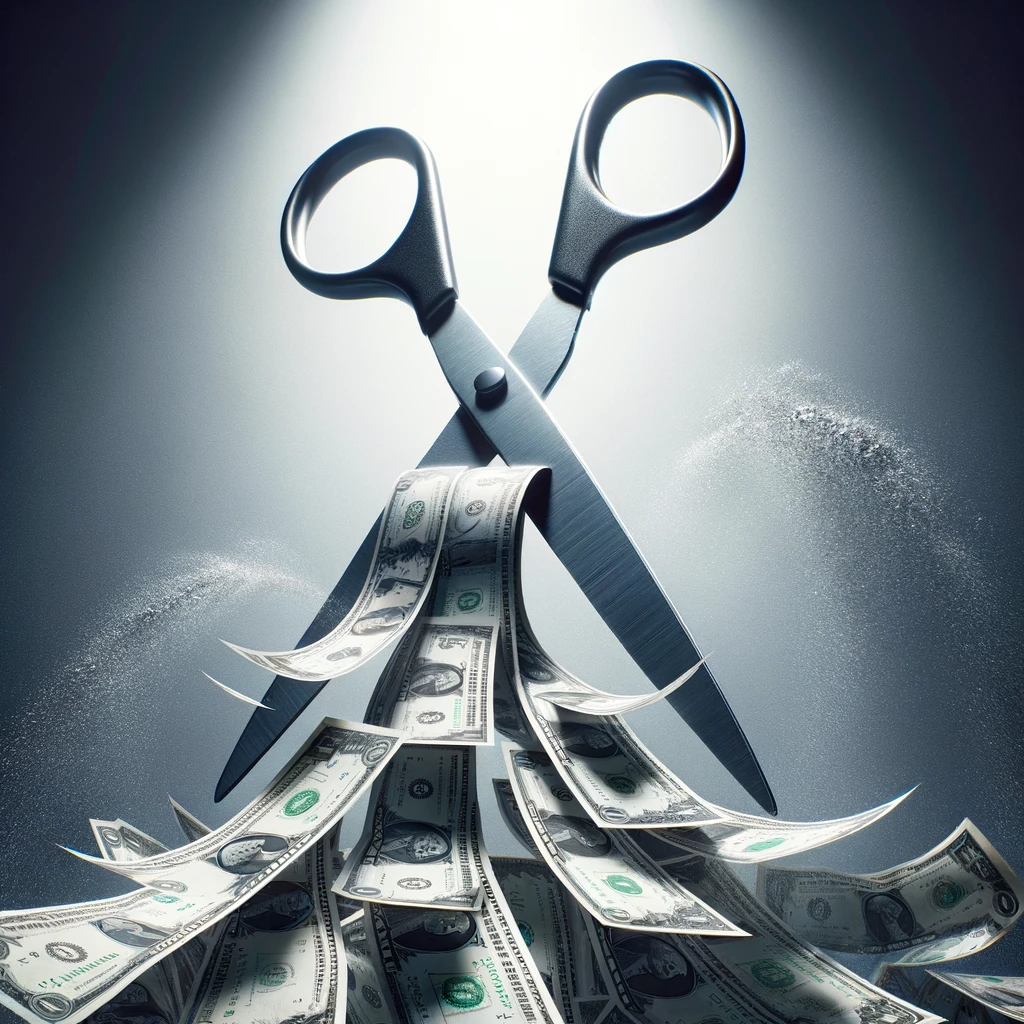
Money Mistakes You're Making Right Now

When you live in the fast-paced world of today, managing personal finances has become more complex than ever, with new trends and economic shifts impacting our wallets daily. However, amidst these changes, some timeless money mistakes continue to trip us up, often without our notice. Here’s a closer look at 10 blunders that might be draining your finances right now, along with practical advice on how to rectify them, ensuring your financial health today, tomorrow, and into the future.

1. Ignoring the Power of a Budget

Ignoring the Power of a Budget

One of the most common financial pitfalls is the absence of a budget. Without a clear understanding of your income versus expenses, it’s easy to overspend or misallocate funds, leading to unnecessary financial strain. The fix? Start by tracking your spending for a month, categorizing your expenses, and then setting realistic limits for each category. Budgeting apps can simplify this process, making it easier to stick to your financial plan and adjust as needed. Remember, a budget isn’t a constraint; it’s a tool to achieve financial freedom.

2. Falling for Impulse Purchases

Falling for Impulse Purchases

Impulse buying is a quick route to financial trouble, especially with the rise of one-click online shopping. These purchases might bring temporary joy but can severely derail your budget and savings goals. Combat this by implementing a 24-hour rule for all non-essential purchases, giving you time to consider if you truly need the item or if it’s just a fleeting desire. Also, unfollow or mute tempting social media shopping pages and emails to reduce temptation.

3. Neglecting an Emergency Fund

Neglecting an Emergency Fund

An emergency fund is your financial safety net, yet many overlook its importance until it’s too late. The absence of this fund can lead to debt during unexpected events like job loss or medical emergencies. Start small if necessary, but strive to set aside at least three to six months’ worth of living expenses. Automatic transfers to a dedicated savings account can make this process seamless and ensure that you’re consistently building your emergency cash reserves.

4. Paying Only the Minimum on Credit Cards

Paying Only the Minimum on Credit Cards

Making only the minimum payment on credit card debt can trap you in a cycle of high interest and slow repayment. To break free, prioritize paying more than the minimum, focusing on the card with the highest interest rate first. If you’re genuinely struggling to keep up with your debt payments, consider consolidating or transferring balances to a lower-interest card as a strategy to reduce the interest burden and pay down the principal faster.

5. Overlooking Retirement Savings

Overlooking Retirement Savings

It’s easy to push retirement planning to the back burner, especially when it seems far off. However, the power of compound interest means that starting early can significantly impact your retirement nest egg. Take advantage of employer-sponsored retirement plans, especially if your company matches your contributions. If you’re self-employed or your employer doesn’t offer a plan, explore individual retirement accounts (IRAs) to ensure you’re steadily building your future wealth.

6. Wasting Money on Unnecessary Fees

Wasting Money on Unnecessary Fees

Bank fees, late payment charges, and subscription services you no longer use can slowly bleed your finances. Regularly review your bank statements and cancel any subscriptions you don’t need. Set up automatic payments for recurring bills to avoid late fees, and consider switching to banks or credit cards that offer lower fees and better terms.

7. Investing Without Research

Investing Without Research

With the accessibility of investment platforms, it’s tempting to jump into investing without proper research. This can lead to risky bets on volatile stocks or trends without understanding the potential consequences. Educate yourself on investment basics, or consult with a financial advisor to create a strategy that aligns with your risk tolerance and long-term goals. Diversifying your investments can also mitigate risk and improve potential returns.

8. Neglecting Insurance

Neglecting Insurance

Underestimating the value of adequate insurance coverage can be a costly mistake in the event of an unforeseen incident. Review your health, home, auto, and life insurance policies to ensure they provide sufficient coverage. Shopping around for insurance can also uncover better rates or more comprehensive coverage for the same price, safeguarding your finances against unexpected events.

9. Lifestyle Inflation

Lifestyle Inflation

As your income increases, it’s natural to want to improve your standard of living. However, allowing your spending to increase proportionally with your income—known as lifestyle inflation—can hinder your ability to save and invest. Combat this by consciously deciding to allocate a portion of any income increase directly to savings or investments, ensuring that your financial growth outpaces your spending habits.

10. Procrastination and Lack of Financial Goals

Procrastination and Lack of Financial Goals

Finally, the overarching mistake many make is simply procrastinating on taking control of their finances or setting clear financial goals. Without goals, it isn’t easy to measure progress or stay motivated. Set short-term and long-term financial objectives and review them regularly to adjust for life changes and economic shifts. Remember, it’s never too late to start, and small, consistent actions can lead to significant financial improvements.

Win the Battle Against Money Mistakes!

Win the Battle Against Money Mistakes

Recognizing and rectifying these common financial mistakes can set you on a path to improved financial health and security. By adopting a proactive and informed approach to managing your money, you can avoid common pitfalls and build a solid foundation for your future. Remember, personal finance is just that—personal. Tailor these strategies to fit your unique circumstances and goals, and don’t hesitate to seek professional advice when needed. Your financial well-being is worth the effort, and the best time to start is now.


Filed Under: money management Tagged With: money management, money mistakes, Personal Finance, personal finance tips

Using Your Refund the Smart Way This Tax Season

February 28, 2024 By Erin H Leave a Comment

Every year at tax season, you may say that you’re going to use your refund appropriately, and then before you know it, the refund has shrunk, and you can’t meet any of the goals you were thinking about meeting. You can best spend this money in several ways to benefit you and keep you in a better financial situation throughout the year. Keep reading to see how to spend your refund best this tax year.

Take Care of Home Repairs

Over the last year, you’ve probably noticed a few repairs you need to make around your home. Make a list of things you want to do and a list of things that need to be done to prevent further damage to your home. If you’re getting back a generous refund, now is the time to take advantage of the larger projects you otherwise wouldn’t have the money for, like roof repair. According to Home Advisor, the common roofing repair job costs around $1050, most falling between the price range of $380 and $1746.

Have Your Car Serviced

If it’s time to have that standard oil change, tire rotation, or even a new set of tires for your vehicle, this refund is the best time to take advantage. Remember that this money isn’t a part of your standard budget, so the extras should be done with this money while it’s available. Some larger services, like transmission services, are more appropriate for the tax refund. According to the Transmission Repair Cost Guide, a transmission has oil and a filter that should be changed every 20,000-30,000 miles or every 18 months.

Pay Off Some Debt

Regarding debt that needs to be paid, this could fall into several categories. First, protect your credit score by paying off any outstanding debts that have gone into collection or are in danger of being repossessed. These are usually medical bills and payments that were missed and, after so many days, are sent to the collection agency. Once they post on your credit report, they can impact your score. They could also impact your ability to get service at that facility.

The next type of debt to look out for is an outstanding credit card balance. You want to get your debt down to 30 percent or lower, so you must pay these cards down to that point when you get your tax refund. This is also true for personal loans. Both credit cards and personal loans accrue interest, and the longer it takes to pay them, the more money you’ll spend on this debt.

Add To Your Savings

If you aren’t sure what to do with the rest of the refund or have no large projects to spend it on, add that money to your savings account. Something will come up unexpectedly over the next year, and this money can be used to cover those costs, so you don’t have to take it out of your monthly budget. If you don’t already have a savings account, this is a good time to go to your bank and establish one today.

Treat Yourself

While there is so much good you can do with that refund money, make sure you do something for yourself. You can treat yourself to a spa service, a new piercing, or maybe even a new tattoo you will have with you forever. According to Gitnux, a smaller tattoo generally costs about $50, so you shouldn’t feel guilty spending a little more on something you want.

Make This Year Better

Give yourself a plan for your tax refund this year, and know how you want to spend so that you aren’t overspending in places that won’t help you later. You can do some fun things, but you should also be financially responsible so you aren’t in a financial bind later when you need the money or can’t put off a home repair you need. Consider these options for your tax refund and see how well they set you up for the next year.

Filed Under: Uncategorized

The 11 Most Controversial Personal Finance Gurus: Are They Frauds or Geniuses?

February 22, 2024 By Catherine Reed Leave a Comment

Most Controversial Personal Finance Gurus

In the realm of personal finance, certain experts stand out not just for their groundbreaking advice but also for the debates they ignite. These financial influencers have garnered substantial followings with their bold strategies and polarizing opinions, often walking the fine line between genius and controversy. From advocating for extreme frugality to promoting high-risk investment strategies, their unconventional approaches have both inspired success stories and drawn criticism. Here, we explore 11 of the most talked-about personal finance gurus, delving into the controversies that surround them and the philosophies they champion.

1. Dave Ramsey: The Anti-Debt Crusader

Dave Ramsey

In the world of personal finance gurus, few names are as well-known as Dave Ramsey. Dave Ramsey’s staunch anti-debt stance and “baby steps” to financial freedom have made him a household name. Advocating for aggressively paying off debt and building wealth through savings and investments, Ramsey’s methods have been life-changing for many. However, critics argue that his aversion to credit and strict budgeting guidelines may not be suitable for everyone, particularly in an economy that often necessitates credit usage.

2. Suze Orman: The Financial Straight-Talker

Suze Orman

Suze Orman’s no-nonsense approach to personal finance, emphasizing emergency savings, smart investing, and cautious spending, has earned her a vast audience. Yet, her sometimes conservative investment advice and cautionary stance on debt have faced scrutiny, especially from younger generations seeking more aggressive growth strategies.

3. Robert Kiyosaki: The Real Estate and Business Mogul

Robert Kiyosaki

Best known for “Rich Dad Poor Dad,” Robert Kiyosaki’s advocacy for financial education, real estate investment, and entrepreneurship challenges traditional paths to financial success. While many praise his insights into wealth-building, others question the feasibility of his methods and his emphasis on leveraging debt.

4. Tim Ferriss: The Lifestyle Design Architect

Tim Ferriss

Tim Ferriss, author of “The 4-Hour Workweek,” champions the concept of lifestyle design and passive income streams as a path to financial independence. His unconventional work philosophies and income automation strategies have inspired many but have also been critiqued for their applicability to the general population.

5. Grant Cardone: The 10X Rule Innovator

Grant Cardone

Grant Cardone’s “10X Rule” encourages massive action to achieve financial success, particularly through sales effectiveness and real estate investments. While his high-energy approach and success stories are compelling, some critics question the sustainability and risk level of his strategies.

6. Ramit Sethi: The Wealth Psychology Expert

Ramit Sethi

Ramit Sethi’s “I Will Teach You to Be Rich” combines personal finance advice with a focus on behavioral change and psychological approaches to spending and saving. While praised for his practical strategies, Sethi’s sometimes unconventional advice on spending big on what you love while cutting mercilessly on what you don’t have sparked debate.

7. Tony Robbins: The Financial Motivator

Tony Robbins

Tony Robbins, while primarily known for his motivational speaking, has also entered the financial advice arena with books like “MONEY Master the Game.” His approach to financial freedom through self-empowerment and investment has been inspirational for many, though some financial experts question the depth and originality of his advice in the complex realm of personal finance.

8. Jim Cramer: The Stock Market Enthusiast

Jim Cramer

Jim Cramer’s energetic and entertaining take on stock market investments on “Mad Money” has made investing more accessible to the general public. However, his critics often point out the inherent risks in his often speculative and short-term investment picks.

9. Gail Vaz-Oxlade: The No-Gimmick Money Maven

Gail Vaz-Oxlade

Gail Vaz-Oxlade’s straightforward and practical advice on budgeting and debt management, as seen in “Til Debt Do Us Part,” offers a no-gimmicks approach to personal finance. While her methods are praised for their accessibility and effectiveness, some argue that her advice can be overly simplistic for more complex financial situations.

10. Peter Schiff: The Economic Doomsayer

Peter Schiff

Peter Schiff’s bearish outlook on the U.S. economy and his advocacy for investing in gold and international markets position him as a contrarian in the personal finance space. His predictions of economic downturns and skepticism towards mainstream investment wisdom attract both followers and detractors for their perceived fear-mongering.

11. Barbara Corcoran: The Entrepreneurial Spirit Guide

Barbara Corcoran

Barbara Corcoran’s rise from a diner waitress to a real estate mogul and “Shark Tank” investor embodies the entrepreneurial dream. Her advice often focuses on the grit and determination needed to succeed in business and real estate, though some caution against the inherent risks in entrepreneurial ventures.

The World of Personal Finance Gurus

World of Personal Finance Gurus

These personal finance experts have undeniably shaped the conversation around wealth and financial management, each bringing their unique perspective to the table. While their advice may not resonate with everyone, the diversity of their strategies underscores the multifaceted nature of personal finance. Whether viewed as innovators or opportunists, their influence on their followers’ financial decisions is undeniable, highlighting the importance of critical thinking and personalized strategies in personal finance.

Filed Under: personal finance Tagged With: dave ramsey, Debt Reduction, finance advice, Investing, money, Personal Finance, personal finance experts, personal finance gurus

  • « Previous Page
  • 1
  • …
  • 78
  • 79
  • 80
  • 81
  • 82
  • …
  • 177
  • Next Page »
  • Facebook
  • Pinterest
  • RSS
  • Twitter

Improve Your Credit Score

Money Blogs

  • Celebrating Financial Freedom
  • Christian PF
  • Dual Income No Kids
  • Financial Panther
  • Gajizmo.com
  • Lazy Man and Money
  • Make Money Your Way
  • Money Talks News
  • My Personal Finance Journey
  • Personal Profitability
  • PF Blogs
  • Reach Financial Independence
  • So Over Debt
  • The Savvy Scot
  • Yes, I am Cheap

Categories

Disclaimer

Please note that Beating Broke has financial relationships with some of the merchants mentioned here. Beating Broke may be compensated if consumers choose to utilize the links located throughout the content on this site and generate sales for the said merchant.

Visit Our Advertisers

Need to change careers? Consider an Accounting Certificate Program from WTI.