Beating Broke

Personal Finance from the Broke Perspective

  • Home
  • About
  • We Recommend
  • Contact
  • Our Editorial Commitment

Powered by Genesis

Things To Know About Mobile Slot Games

November 14, 2019 By Susan Paige Leave a Comment


Technological advancements are happening every minute, and they have simplified our lives to a great extent. Whether its online shopping or games, people prefer to perform any activity without leaving their comfort zones.

The online slot gaming industry is booming, and more companies want to invest in this venture. Yet it is a relatively new field that people are still exploring. Gamers have multiple queries about the mobile slot game and how it functions. This guide provides you with answers to five common questions.

What are mobile slot games?

Mobile slot games are an exact virtual replica of the original version that is available in a casino. It is a gambling game that includes more than two reels, and a person is supposed to place bets, then spin to win.

A slot has a specific number of symbols and icons, all of which are associated with different amounts of money. Every online slot game is connected to software called the random number generator(RNG). It creates a million possible combinations, and the results can’t be manipulated.

What are the types of online slots?

Well-known companies or individual creators have developed there own versions of the slot games, and every game has its features. The games can be downloaded and installed on your phones or tablets.

Some of the online slot games include the iOS slot, Android slot, or Nokia slot. In the online realm, three-reel slot games are the easiest, while multi-level bonus slot game being the toughest.

How to play mobile slots?

As a beginner, you should not bet any money; sites allow you to play mobile slots without any payment or risk. Try different types of slots and decide which one suits you the best. You can try your luck with free spins. Most companies offer free spins to people that are playing for the first time.

If you win anything through free spins, then you can use that cash prize to play more games. You can either play a high volatile game or tone down and divide the betting amount. There is no sure way to trick the machines and win jackpots every time.

What are the common myths?

People have certain superstitions attached to the outcomes of the RNG. First, the slot is hot or cold. People believe that a machine that hasn’t hit the jackpot in very long is about to win. People also try to prove that online slots are rigged so that people don’t hit the jackpot.

There’s an ongoing debate on whether the odds of winning are better with land-based games as compared to online. Another misconception about the online slots is that you have better chances of winning at a particular time of the day.

How to protect yourself from frauds?

Not every gaming site is reliable; some might rob you and leave you bankrupt. People who are first-timers or may be prone to gambling addiction might want to take due precautions to protect themselves.

  • You should check the company’s licenses.
  • Assess the brands endorsing the game.
  • Ensure secure payment options.

Filed Under: Gambling Tagged With: gambling, gaming

Building A Monthly Budget: How to Calculate Your Costs

November 8, 2019 By Susan Paige Leave a Comment

Budgeting is always the hardest when first starting out. The idea of creating a spreadsheet with a breakdown of every monthly cost and expense is so intimidating that many people put it off for a long time.

All a budget is, in essence, is a well laid out plan. When calculating a budget, what you must do is calculate the difference between your anticipated income and your fixed costs so that you can get an idea of how much you have left for desirable expenses. You don’t have to be an accountant to know how to create a budget plan though, here are some easy tips.

·        Add Up Monthly Fixed Expenses

The first thing that you need to do when making a budget plan is to calculate your monthly fixed expenses. These include costs like rent, car insurance, payments on any auto or title loans, or insurance.

You can use a spreadsheet or budgeting app to keep things organized, and accurately access what your expenses look like each month.

·        Add Up Monthly Variable Expenses

Variable expenses are expenses that change month to month, and they can be a bit of a challenge to add to your budget plan. Calculating these costs is more of a judgment call than anything else, especially if they fluctuate greatly month to month.

Costs like groceries, gasoline, electricity and discretionary spending can vary monthly so setting aside a specific amount can be difficult. However, by averaging and overestimating variable costs like electricity or gasoline, you can write it into the budget without worrying that the actual costs will be more than what you’ve planned for.

Tips to Keep in Mind when Creating a Monthly Budget

Now that you’ve added up all your monthly costs, you know how much money you need to make ends meet. In a monthly budget, you want to compare these expenses to a monthly income. You don’t want to take into account a holiday bonus that you’re expecting in 6 months, because that isn’t affecting your expenses or income this month. For a monthly budget, use your monthly income to calculate any leftover funds after your expenses.

If you have a fixed income, such as a salary, or you are paid hourly with a set schedule, then this is easy. If your income is varied due to a fluctuating workload, then the best you can do is average your earnings.

Once you’ve calculated your excess income, you can figure out what to do with it. Ideally, you added discretionary spending as a line item in the budget, so your excess money shouldn’t just become spending cash. Any excess funds should go towards debt or savings. If you have more excess income than normal one month, feel free to spend it on entertainment or desirable expenses. Now that you’ve created a budget, you can spend money and still feel financially responsible.

Stick to Your Newly Created Monthly Budget

Now that you’ve gone through the work of crafting a monthly budget that works for you, know that you have a financial plan set. Having a monthly budget makes life easier and making a physical one can better help you visualize the numbers and make adjustments without guesswork.

Making a monthly budget is not the hard part though. The difficult aspect is sticking to the budget, tracking expenses, and not making a habit of exceeding your budget. Going out to eat is fun and enjoyable, but if you do it more than you should, your available income for the month will start to eat into any excess funds you have–and possibly exceed them! If you’ve calculated for the entire month though, splurging every now and then shouldn’t throw you off track. And if you do slip up, relax because you can always get right back on track next month! So enjoy your financially responsibility!

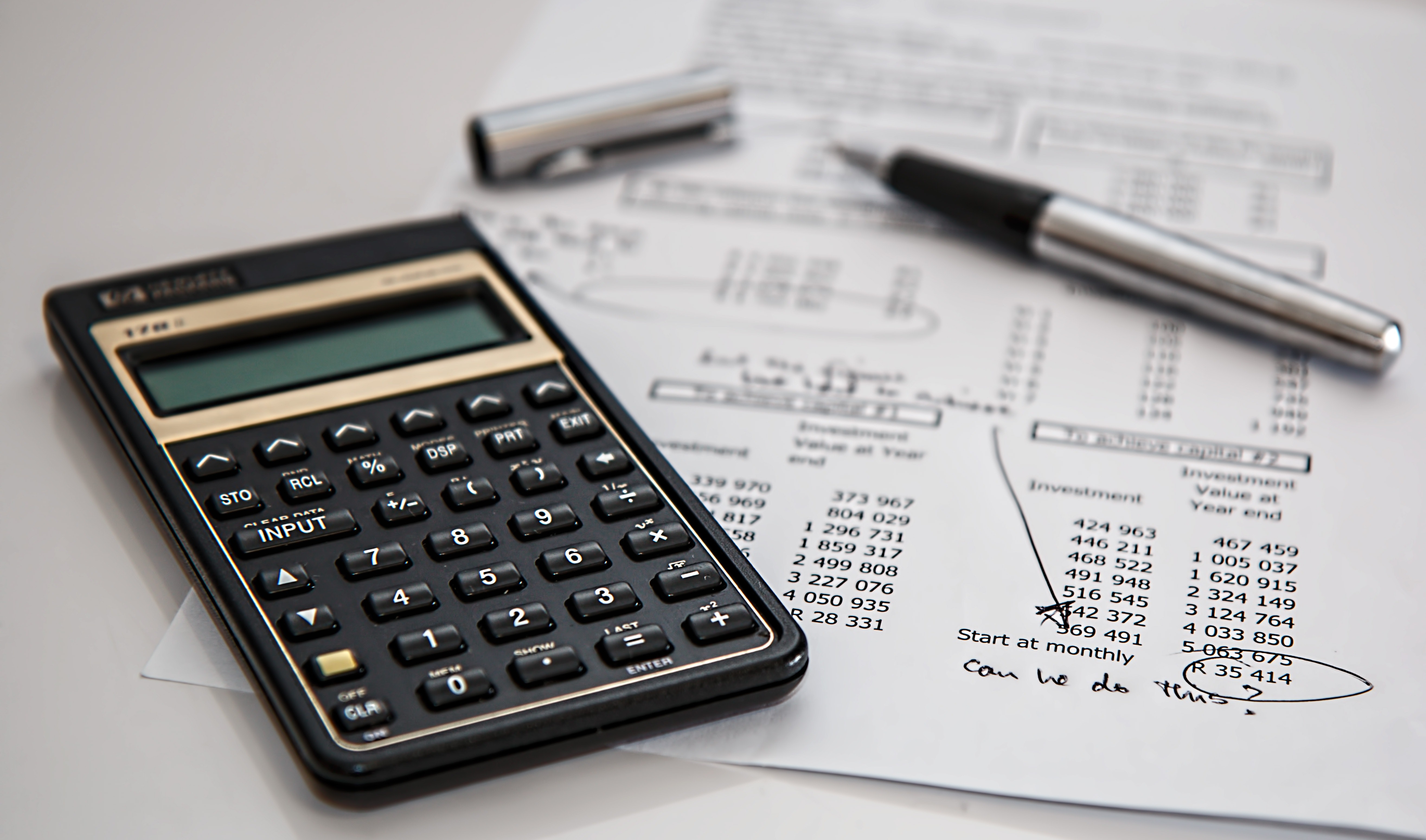
Image source: Pexels.com.

Filed Under: loans Tagged With: creating a debt plan, credit card debt, debt

Understanding The Financial Needs Of Your Business

October 29, 2019 By Susan Paige Leave a Comment

understanding the financial needs of your business

Going into business for yourself can be one of the most rewarding and freeing endeavors a person can embark on. At the same time, owning a business isn’t for the faint of heart or someone who doesn’t like doing their due diligence. One aspect of entrepreneurship this is most apparent is in setting up your financial arrangement in such a way that fees are minimized, but you still have access to all of the services you need for things to run smoothly. If you don’t take the time to understand the resources available to you, you risk leaving lots of money on the table by not streamlining your business, not to mention the risk of extra money owed in taxes due to poor bookkeeping.

Here are a few things to keep in mind when organizing the cash flow of your business:

Have the right accounts.

It’s hard to accept payments when there isn’t anywhere for the money to go, which means you’ll need an account at a bank or similar financial institution where you can send all of your payments. Depending on your industry of choice and what types of payments you allow, you’ll have to pick a particular type of account. Those dealing exclusively with in person point of sale type of transactions will do just fine with a traditional merchant account, while those who deal with credit card payments in certain industries may require one or more high risk merchant accounts. It’s imperative that you be truthful with the nature of your business to your bank, so they can accept the risks associated with dealing with you and also offer fees or services that best reflect your needs.

Understand your safety net.

Maintaining a business isn’t always a walk in the park, let alone ensuring its continued growth. The financial safety net of your business should be set up well ahead of time, so you aren’t stuck running around like a chicken with its head cut off should any unforeseen expenses arrive. Secure a line of credit that will help you weather any potential storm, or look at loans available to you that have flexible repayment plans. Having an adequate safety net in place is the difference between having a bad month and your business folding entirely.

Establish a system for record-keeping.

Your ability to handle your financials is only as strong as your ability to keep track of them. Previously, a dedicated accountant was just about the only way to keep all of your expenses and revenue neatly organized. But then, with the advent of highly sophisticated software and equipment, this is becoming less and less of a necessity. Anything that has a dollar amount associated with it, real or imagined, should be noted somewhere, and there should also be a system for keeping track of cash flow in real time. This way, you can accurately predict trends and know what you can and can’t pull off at any given moment in time.

Conclusion

Far too often, a small business will kneecap themselves right off the bat by not thinking ahead when it comes to managing their finances. Everything, from where the money is expected to go to how income reporting will be handled, should be thought of well in advance. These are things that can easily be dismissed as simple and best reserved for a later date. However, just a little bit of initiative can lead to the discovery of novel ways to handle cash flow that ensures the continued operation of any business. As simple as they might seem, many financial questions absolutely need to be answered.

For more on small businesses, read these excellent articles

Starting A Business: Read This Guide

Starting A Business: Get Insurance

Starting A Business: When Should You Hire Help


Image source: Pexels.com.

Filed Under: Helpful Websites, Small business Tagged With: small business, small business guide

  • « Previous Page
  • 1
  • …
  • 46
  • 47
  • 48
  • 49
  • Next Page »
  • Facebook
  • Pinterest
  • RSS
  • Twitter

Improve Your Credit Score

Money Blogs

  • Celebrating Financial Freedom
  • Christian PF
  • Dual Income No Kids
  • Financial Panther
  • Gajizmo.com
  • Lazy Man and Money
  • Make Money Your Way
  • Money Talks News
  • My Personal Finance Journey
  • Personal Profitability
  • PF Blogs
  • Reach Financial Independence
  • So Over Debt
  • The Savvy Scot
  • Yes, I am Cheap

Categories

Disclaimer

Please note that Beating Broke has financial relationships with some of the merchants mentioned here. Beating Broke may be compensated if consumers choose to utilize the links located throughout the content on this site and generate sales for the said merchant.

Visit Our Advertisers

Need to change careers? Consider an Accounting Certificate Program from WTI.