Beating Broke

Personal Finance from the Broke Perspective

  • Home
  • About
  • We Recommend
  • Contact
  • Privacy Policy

Powered by Genesis

14 Unpopular Opinions on Managing Debt: What Financial Experts Won’t Tell You

April 25, 2024 By Catherine Reed Leave a Comment

14 Unpopular Opinions on Managing Debt What Financial Experts Won't Tell You

Managing debt is a topic fraught with anxiety for many. Mainstream financial advice often revolves around traditional strategies like consolidating loans or cutting back on spending. However, numerous unconventional and sometimes controversial approaches to debt management seldom make it into the typical advice columns. Here are 14 unpopular opinions on managing debt that challenge the norm and could provide alternative solutions for your financial woes.

1. Don’t Rush to Pay Off Student Loans

Don’t Rush to Pay Off Student Loans

Conventional wisdom urges us to eliminate student debt as quickly as possible. However, if you have federal student loans, these often have lower interest rates compared to other debts. Focusing on higher-interest debts, like credit card balances or high-interest personal loans, might save you more money over time. Plus, federal loans come with protections like deferment, forbearance, and income-driven repayment plans that other debts do not offer.

2. Sometimes It’s Okay to Prioritize Investments Over Debt Payments

Sometimes It’s Okay to Prioritize Investments Over Debt Payments

This is a contentious issue among financial experts, but there can be merit in prioritizing investments over rapid debt repayment, especially if the debt carries a very low interest rate. If the return on your investments could surpass the interest accumulating on your debt, this strategy might lead to greater net worth in the long run. It’s a riskier approach and requires careful market understanding and risk assessment.

3. Maintaining Some Debt Can Benefit Your Credit Score
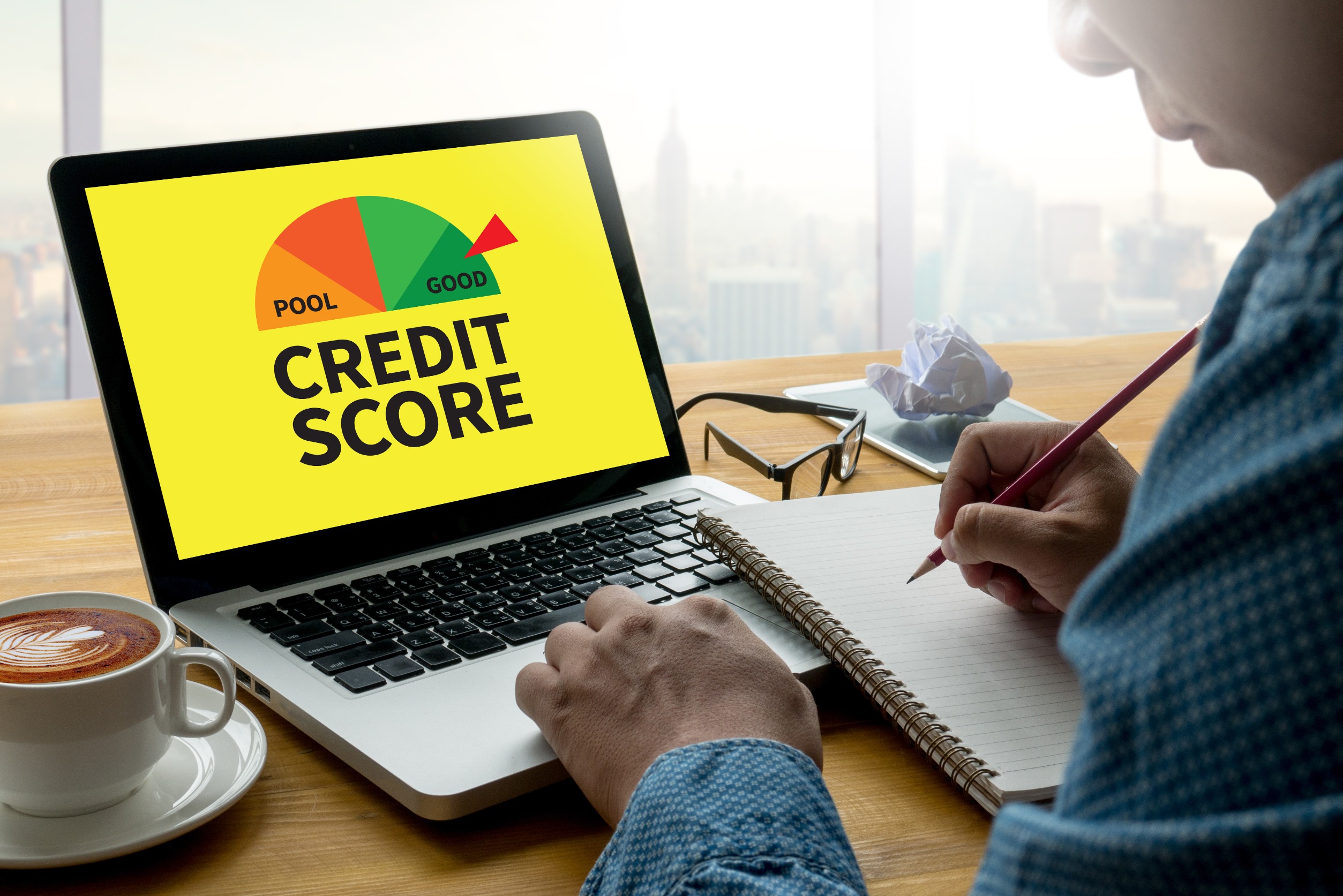
Maintaining Some Debt Can Benefit Your Credit Score

Completely wiping out your debt might actually hurt your credit score. Credit utilization—how much credit you are using compared to how much you have available—is a significant factor in credit scoring. Maintaining some level of debt and making regular, on-time payments can demonstrate to creditors your reliability, potentially boosting your credit score.

4. Use Windfalls for Yourself, Not Just Your Debts

Use Windfalls for Yourself, Not Just Your Debts

When you receive a financial windfall, such as a tax refund or a bonus, the typical advice is to apply this money directly to your debt. However, using a portion for something personally meaningful or rewarding can be motivating and reduce burnout from constant self-denial. This approach helps maintain a balanced outlook toward financial management.

5. Refusing to Cut Out All Discretionary Spending

Refusing to Cut Out All Discretionary Spending

Cutting all discretionary spending is often touted as a quick way to free up money for debt repayment. However, maintaining some level of discretionary spending can make your financial plan sustainable and more enjoyable in the long term. This strategy can prevent the resentment and fatigue that often derail debt repayment plans.

6. Debt Consolidation Isn’t Always the Answer

Debt Consolidation Isn’t Always the Answer

Debt consolidation can lower monthly payments and simplify financial management, but it’s not a panacea. Consolidating debts might lead to longer payment terms or higher overall interest costs. Essentially, reading the fine print and understanding the long-term implications before going this route is critical.

7. Not All Debt is Bad Debt

Not All Debt is Bad Debt

There’s a growing narrative that all debt is inherently bad. However, some debts, like mortgages or business loans, are considered ‘good’ because they represent an investment in your future. Understanding the difference between oppressive and constructive debt is key to managing finances wisely.

8. You Can Negotiate Your Interest Rates

You Can Negotiate Your Interest Rates

Many believe that interest rates on debts are fixed. However, you can often negotiate these rates with your creditors, especially if you have a history of timely payments and good credit. Reducing your interest rates can make a significant difference in how quickly you can pay off your debt.

9. Paying Off Small Debts First Isn’t Always Optimal

Paying Off Small Debts First Isn’t Always Optimal

The snowball method, paying off the smallest debt first for a psychological boost, is very trendy. However, the avalanche method, where you pay off debts with the highest interest rates first, can save you more money over time. Choosing the correct method depends on your personal psychological needs and financial circumstances.

10. Use Cash, But Don’t Completely Cut Off Credit Cards

Use Cash But Don’t Completely Cut Off Credit Cards

Following debt accumulation, a common suggestion is to cut up all your credit cards. However, using cash for all transactions is not always practical or safe. Instead, using credit cards wisely and paying off balances in full each month can help manage debt and improve your credit score.

11. Skipping Mortgage Payments Can Be Strategic

This is highly controversial, but in some cases, if you are facing financial hardship, skipping a mortgage payment to save cash for an emergency fund or to pay off higher-interest debt could be strategic. Be sure to communicate with your lender for potential options like forbearance.

12. You Don’t Always Have to Follow a Strict Budget
You Don’t Always Have to Follow a Strict Budget

Strict budgeting is a cornerstone of traditional debt management advice. However, being overly restrictive can be unsustainable. An alternative approach is to monitor spending habits and make adjustments based on actual spending patterns and needs, allowing for more flexibility and personalization.

13. Invest in Quality to Save Money

Invest in Quality to Save Money

Investing in high-quality products and services that last longer can be more financially prudent than repeatedly purchasing cheaper, lower-quality items. This principle applies to everything from appliances and clothing to cars and furniture.

14. Sometimes, Spending Money Can Be a Form of Saving

Investing in things like home energy improvements, professional development courses, or health and wellness can reduce costs in other areas of your life. This approach sees spending as an investment in reducing future expenses rather than just immediate cost-cutting.

Unpopular Opinions on Managing Debt Offer a Different Perspective
Unpopular Opinions on Managing Debt Offer a Different Perspective

These unconventional opinions on managing debt offer a different perspective that might be better suited to certain financial situations and personalities. While they may not align with traditional advice, they provide alternative strategies that could lead to financial success when used wisely. Always consider your personal circumstances and, if necessary, consult with a financial advisor to determine the best strategies for managing your debt.

Read More:

Ditch the Debt: 8 Unconventional Tips to Achieve Financial Independence!

Debt Management 101: How To Break Free from Debt and Reclaim Your Finances

Catherine Reed
Catherine Reed

Catherine is a tech-savvy writer who has focused on the personal finance space for more than eight years. She has a Bachelor’s in Information Technology and enjoys showcasing how tech can simplify everyday personal finance tasks like budgeting, spending tracking, and planning for the future. Additionally, she’s explored the ins and outs of the world of side hustles and loves to share what she’s learned along the way. When she’s not working, you can find her relaxing at home in the Pacific Northwest with her two cats or enjoying a cup of coffee at her neighborhood cafe.
Filed Under: Debt, ShareMe Tagged With: budgeting, debt, debt management, debt repayment, financial experts, managing debt, Personal Finance

Debt Management 101: How To Break Free From Debt And Reclaim Your Finances

March 13, 2024 By Susan Paige Leave a Comment

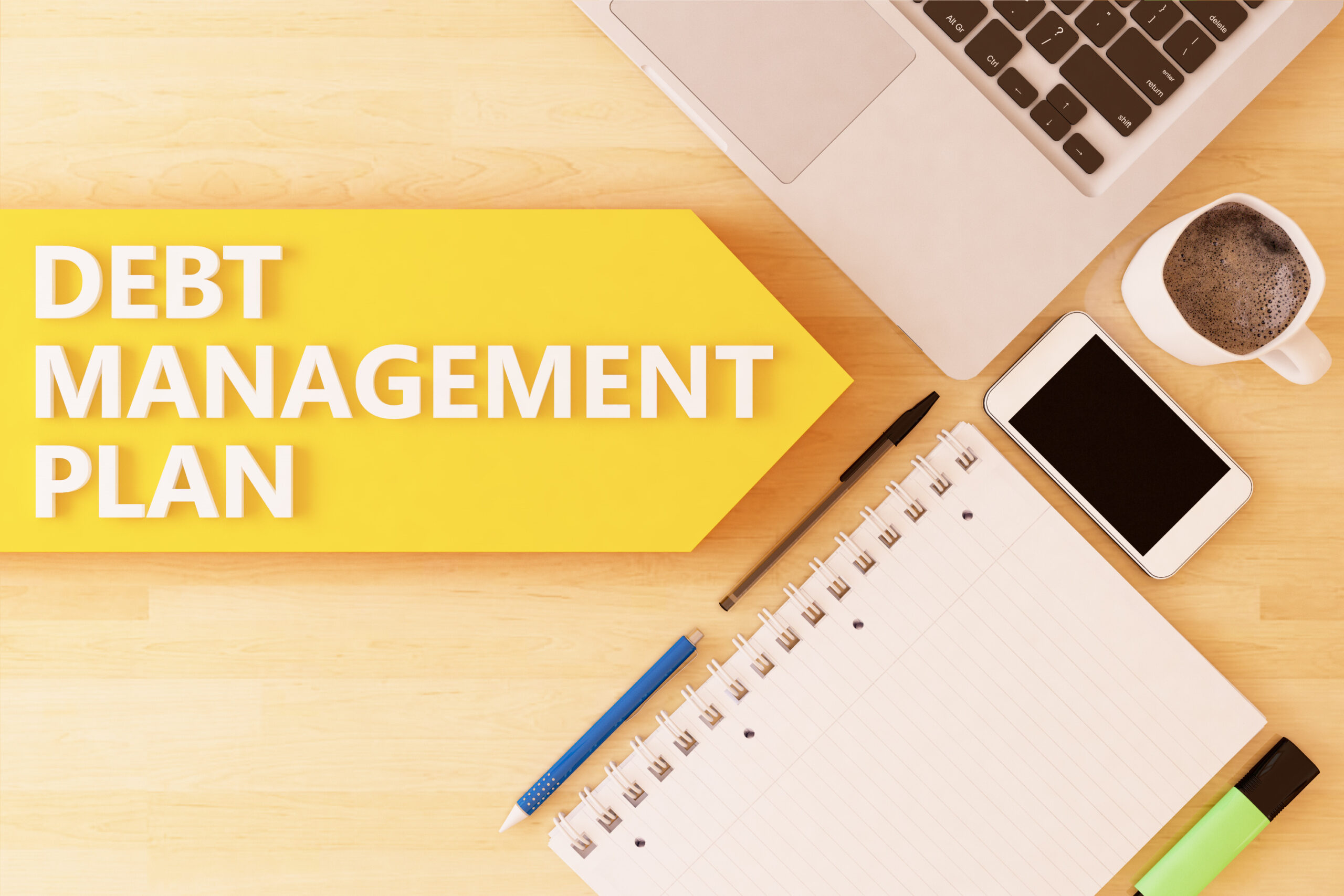
Debt Management Plan – linear text arrow concept with notebook, smartphone, pens and coffee mug on desktop – 3d render illustration.

In the modern world, debt is often viewed as a necessary tool—a means to achieve your goals. Yet, when it spirals out of control, it feels like a relentless tide, pulling you away from your financial objectives.  Whether tackling credit card debt, student loans, or personal loans, the core principles of debt management remain the same. 

By understanding and implementing effective debt management principles, you have the opportunity to rewrite your financial narrative and embrace a future filled with opportunities.   This guide is crafted to provide you with the knowledge and tools necessary to confront your debt, transform your financial habits, and regain mastery over your finances. With commitment and the right strategies, breaking free from the clutches of debt and moving toward a prosperous future is entirely achievable. 

  • Understand Your Debt 

To conquer your debt, fully comprehending it is crucial. Begin by compiling a detailed list of all your debts, noting amounts, interest rates, and due dates. This transparency forms the foundation of your debt management strategy. It’s vital to distinguish between ‘good’ debt, like mortgages or student loans, which are investments in your future, and ‘bad’ debt, such as high-interest credit cards, which can hinder your financial progress. 

Creating a budget is your next step. It’s essential to understand your monthly financial inflow and outflow clearly. Diligently track your income and expenses, identifying potential savings areas. Reducing dining out or delaying vacations are temporary sacrifices for a more secure financial future. As you refine your budget, ensure a portion is designated for debt reduction.  

Consistent payments, even modest ones, can significantly impact your debt over time. Enhancing your financial literacy is invaluable at this stage. Explore additional resources on debt management strategies and financial planning. Such recommended reading can offer fresh insights and methods to refine your debt-elimination approach. Indeed, knowledge is power, especially regarding managing your finances. 

  • Create A Debt Repayment Plan 

Crafting a systematic debt repayment plan is your next critical step. Familiar strategies like the debt snowball and debt avalanche offer distinct paths. The snowball approach suggests clearing your smallest debts first, generating momentum as each balance is wiped clean. Conversely, the avalanche method targets debts with the highest interest rates, optimizing your financial outlay over time. Select the plan that aligns with your financial circumstances and motivational style. 

Employing automation can revolutionize your debt-elimination journey. Setting up automatic payments ensures timely contributions toward your debts, safeguarding your credit rating and avoiding late fees. Automation also curtails the temptation to reallocate these funds elsewhere. 

Flexibility in your plan is imperative. Life’s unpredictability necessitates occasional adjustments to your strategy. Regularly reassess your budget and debt reduction progress, and be ready to recalibrate your approach as your financial situation evolves. Adaptability is critical to sustaining momentum toward achieving a debt-free status. 

  • Reduce Interest Rates And Negotiate With Creditors 

Lowering the interest rates on your debts can significantly accelerate your repayment progress. Negotiating with creditors for lower rates can be effective, especially if you have a history of timely payments. Debt consolidation offers another strategic route, potentially consolidating various debts into a single loan with a lower interest rate.  

This not only reduces your interest outlay but also simplifies your monthly payments. When considering balance transfer credit cards for high-interest debts, remember to account for any transfer fees and the eventual standard interest rate after the promotional period. 

  • Increase Your Income 

Generating extra income through your skills or hobbies can also be fulfilling. Whether it’s online tutoring, crafting, or freelance writing, leveraging what you’re passionate about can make the additional work more enjoyable.  

The key is to channel these extra earnings toward your debt, using this increased cash flow to quicken your pace toward financial freedom. The objective is to use this additional income judiciously, ensuring that every extra dollar serves your goal of debt elimination. 


  • Stay Motivated And Track Your Progress 

The journey to debt freedom is often lengthy, and demands sustained motivation. Celebrate each milestone, no matter how small. Whether it’s paying off a specific credit card or reducing your overall debt by a certain percentage, each success is a step closer to your goal.  

These achievements provide a sense of progress and invigorate your commitment to continue. Utilizing tools or apps to monitor your debt reduction can offer tangible evidence of your financial advancements. Visualizing your decreasing debt and increasing net worth can provide significant motivational boosts.  

Surround yourself with a supportive network—friends or family members who understand your goals and provide encouragement. Their support can be invaluable during moments of doubt or discouragement. 

In Conclusion 

Liberating yourself from debt is a transformative journey that can profoundly enhance your life’s quality. Each step forward in paying down your debt is a stride toward reclaiming your financial autonomy and constructing a future filled with possibilities. Stay dedicated, remain focused, and anticipate the day you can declare with pride, ‘I am debt-free.’


Filed Under: Debt

Ditch the Debt: 8 Unconventional Tips to Achieve Financial Independence!

March 6, 2024 By Catherine Reed Leave a Comment

Ditch the Debt Unconventional Tips to Achieve Financial Independence

In a world where financial freedom is the ultimate goal for many, the path to achieving it can seem daunting, especially when saddled with debt. The journey to financial independence requires more than just traditional budgeting and saving; it calls for innovative strategies that can accelerate your progress. This article unveils eight unconventional tips that can help you break free from the chains of debt and embark on a faster route to financial independence, leveraging current trends and insights to maximize your financial potential.

1. Embrace the Gig Economy

Embrace the Gig Economy

The gig economy isn’t just for side hustles anymore; it can be a powerful tool in fast-tracking debt repayment. Diversify your income streams by tapping into your skills and interests—whether it’s freelance writing, graphic design, or ride-sharing. Each extra dollar earned can be directed towards your debt, significantly reducing your repayment timeline. The flexibility of gig work allows you to adjust your efforts based on your financial goals, making it a relevant and adaptive strategy in today’s ever-changing job market.

2. Leverage Micro-Investing Apps

Leverage Micro-Investing Apps

In the age of technology, investing has never been more accessible. Micro-investing apps allow you to invest small amounts of money, often just spare change from daily purchases, into diversified portfolios. While it might seem counterintuitive to invest when in debt, the compounding returns can provide an additional income stream. This approach not only helps in debt repayment but also inculcates the habit of investing, laying a solid foundation for future financial independence.

3. Utilize Debt Consolidation Wisely

Utilize Debt Consolidation Wisely

Debt consolidation, when used strategically, can be a game-changer in your debt repayment journey. By consolidating multiple high-interest credit cards or loans into a single debt consolidation loan with a lower interest rate, you can reduce your monthly payments, as well as limit the total interest paid over time. This method requires thorough research and consideration of your financial situation to ensure it’s a beneficial move. Remember, the goal is to use consolidation as a tool for faster debt repayment, not as an excuse to accrue more debt.

4. Adopt a Minimalist Lifestyle

Adopt a Minimalist Lifestyle

Minimalism is more than a trend; it’s a lifestyle choice that can significantly impact your financial health. By focusing on what you truly need, you can reduce unnecessary spending, freeing up more funds for debt repayment. This approach not only accelerates your journey to becoming debt-free but also cultivates a sense of contentment and simplicity that is invaluable on the path to financial independence.

5. Implement a ‘No-Spend’ Challenge


Implement a 'No-Spend' Challenge

Challenge yourself and your household to a ‘no-spend’ month, where you only spend money on absolute necessities. This drastic measure can highlight areas of frivolous spending and help reset your financial habits. The money saved during this period can provide a substantial boost to your debt repayment efforts, proving that temporary sacrifices can lead to long-term gains.

6. Take Advantage of Balance Transfer Offers

Take Advantage of Balance Transfer Offers

Credit card balance transfer offers, particularly those with 0% introductory APR, can provide a temporary reprieve from high-interest rates. Transferring your debt to such a card can halt the growth of interest, allowing you to focus on the principal amount. Be mindful of transfer fees and the promotional period’s end date to maximize this strategy’s benefits.

7. Explore Employer-Sponsored Debt Repayment Programs

Explore Employer-Sponsored Debt Repayment Programs

With the growing recognition of financial wellness as a component of overall well-being, more employers are offering debt repayment programs as part of their benefits package. These programs can include matching contributions to loan payments or direct financial assistance. Investigate whether your employer provides such benefits and take full advantage of them to accelerate your debt repayment.

8. Optimize Your Tax Refund

Optimize Your Tax Refund

Instead of viewing your tax refund as a windfall for discretionary spending, allocate it towards your debt. This lump sum payment can significantly reduce your principal balance, shortening your debt repayment timeline. Additionally, review your tax withholdings to ensure you’re not overpaying taxes throughout the year; the extra funds in your paycheck can be directed towards debt reduction, making your repayment efforts more consistent.

Ditch the Debt and Start Toward Financial Independence

Ditch the Debt and Start Toward Financial Independence

Achieving financial independence is a journey that requires creativity, discipline, and a willingness to explore unconventional paths. By incorporating these innovative strategies into your financial plan, you can expedite your escape from debt and pave the way to a secure and independent financial future. Remember, the most crucial step is to start, and with these tips, you’re equipped to tackle your debt in ways you never thought possible.

Catherine Reed
Catherine Reed

Catherine is a tech-savvy writer who has focused on the personal finance space for more than eight years. She has a Bachelor’s in Information Technology and enjoys showcasing how tech can simplify everyday personal finance tasks like budgeting, spending tracking, and planning for the future. Additionally, she’s explored the ins and outs of the world of side hustles and loves to share what she’s learned along the way. When she’s not working, you can find her relaxing at home in the Pacific Northwest with her two cats or enjoying a cup of coffee at her neighborhood cafe.

Filed Under: Debt Tagged With: debt, Debt Reduction, debt repayment, financial freedom, financial independence, pay off debt, Personal Finance

  • « Previous Page
  • 1
  • 2
  • 3
  • Next Page »
  • Facebook
  • Pinterest
  • RSS
  • Twitter

Improve Your Credit Score

Money Blogs

  • Celebrating Financial Freedom
  • Christian PF
  • Dual Income No Kids
  • Financial Panther
  • Gajizmo.com
  • Lazy Man and Money
  • Make Money Your Way
  • Money Talks News
  • My Personal Finance Journey
  • Personal Profitability
  • PF Blogs
  • Reach Financial Independence
  • So Over Debt
  • The Savvy Scot
  • Yes, I am Cheap

Categories

Disclaimer

Please note that Beating Broke has financial relationships with some of the merchants mentioned here. Beating Broke may be compensated if consumers choose to utilize the links located throughout the content on this site and generate sales for the said merchant.

Visit Our Advertisers

Need to change careers? Consider an Accounting Certificate Program from WTI.