
Beating Broke

Personal Finance from the Broke Perspective

  • Home
  • About
  • We Recommend
  • Contact
  • Privacy Policy

Powered by Genesis

15 Hard Truths About Money That Will Challenge Your Perspective on Being Broke

April 30, 2024 By Catherine Reed Leave a Comment

15 Hard Truths About Money That Will Challenge Your Perspective on Being Broke

Money, an essential yet complex part of life, holds power over many aspects of our daily existence. Understanding the dynamics of financial health is crucial, especially for those grappling with the challenges of being broke. Here, we explore 15 hard truths about money that not only highlight the stark realities of financial hardship but also offer insights to reshape your approach toward achieving financial stability.

1. Being Broke is Often a Symptom, Not the Disease

Being Broke is Often a Symptom, Not the Disease

While it’s easy to see a lack of money as the primary issue, being broke is frequently a symptom of broader problems such as lack of financial education, poor spending habits, or systemic barriers. Addressing these underlying issues can be the key to long-term financial health. Educating yourself about personal finance and seeking advice from financial experts can offer pathways out of financial difficulty.

2. Emergency Funds are Not Optional

Emergency Funds are Not Optional

One of the hard truths about money is the critical importance of an emergency fund. Life is unpredictable, and without a financial buffer, unexpected expenses can devastate your budget. Financial advisors typically recommend saving at least three to six months’ worth of expenses, although even a small emergency fund is better than none. Even in tiny increments, starting to save can help build this crucial safety net.

3. High-interest debt is a Silent Wealth Killer

High-Interest Debt is a Silent Wealth Killer

Credit card debt, payday loans, and other high-interest debt can keep you trapped in a cycle of being broke. The longer you carry this kind of debt, the more money you lose to interest payments, which can stifle your ability to save and invest. Prioritizing the repayment of high-interest debts is essential for regaining financial control.

4. Financial Literacy is Empowering
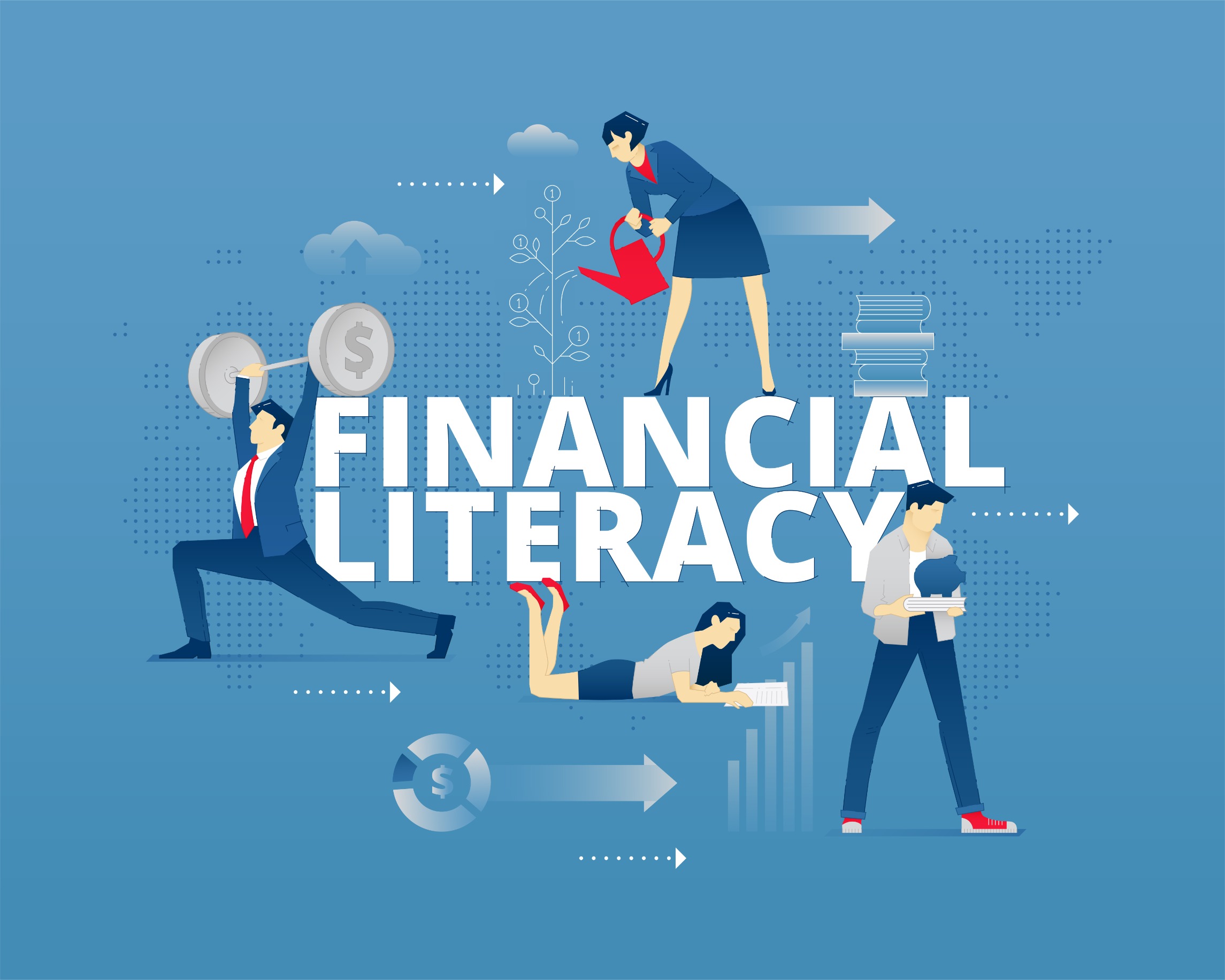
Financial Literacy is Empowering

Lack of financial literacy is a significant handicap when managing money. Understanding basic personal finance concepts such as budgeting, investing, and the power of compound interest can transform your financial outlook. Many communities offer free resources to improve financial knowledge, which can equip you with the tools to make more informed decisions.

5. Money Habits Reflect Life Priorities

Money Habits Reflect Life Priorities

Your spending habits often reflect what you value most. By examining where your money goes each month, you can gain insights into your priorities and potentially uncover areas where your spending does not align with your long-term goals. This realization can be a tough pill to swallow, but it’s necessary for reshaping your financial future.

6. Being Broke Can Sometimes Be a Choice

Being Broke Can Sometimes Be a Choice

In some cases, being broke results from repeated poor financial decisions rather than external circumstances. Recognizing and accepting responsibility for these choices can be challenging but is often the first step towards change. Identifying and working diligently to change destructive financial habits can significantly impact your financial health.

7. Wealth is Built Slowly

Wealth is Built Slowly

Overnight financial success is more myth than reality. Building wealth typically requires patience, perseverance, and long-term planning. This truth can be hard to accept in a culture that often celebrates quick gains and overnight successes. However, understanding this can set more realistic expectations and foster healthier financial practices.

8. You Cannot Out-Earn Poor Spending Habits

You Cannot Out-Earn Poor Spending Habits

No matter how much money you make, poor spending habits can keep you in a state of being broke. Budgeting isn’t just for those with limited incomes; it’s essential for everyone. Living within your means and spending less than you earn is foundational to financial freedom.

9. Financial Stress Affects Your Health

Financial Stress Affects Your Health

The stress of being broke can significantly affect your mental and physical health. Anxiety, depression, and stress-related illnesses are more common in individuals facing financial strain. Recognizing this can motivate you to take financial health more seriously, directly impacting your overall well-being.

10. Social Comparisons Can Skew Your Financial Perspective

Social Comparisons Can Skew Your Financial Perspective

Comparing your financial situation to where others stand can lead to misguided perceptions and unhealthy financial decisions. Focusing on your financial goals and reality is essential rather than trying to match or outpace your peers. This truth is crucial in an age dominated by social media, where the highlights of others’ lives may not accurately reflect their financial reality.

11. Investing is Not Just for the Rich

Thinking that investment opportunities are only for the wealthy is a misconception that can keep you from growing your wealth. Today, numerous platforms allow people to start investing with small amounts of money. Educating yourself about these options and starting small can help demystify investing and make it a viable part of your financial strategy.

12. Financial Sacrifices Pay Off

Financial Sacrifices Pay Off

Short-term sacrifices for long-term gains are a fundamental truth in financial planning. This might mean living below your means or delaying gratification to save and invest. While challenging, these sacrifices can pave the way to a more secure financial future.

13. Money Won’t Solve All Your Problems

Money Won't Solve All Your Problems

It’s a common misconception that having more money will solve all problems. While money can alleviate many financial stresses, it’s not a panacea for life’s challenges. Understanding this can help maintain a balanced perspective on what money can and cannot do.

14. Financial Independence Requires Discipline

Financial Independence Requires Discipline

Achieving financial independence is a goal for many, but it requires significant discipline and dedication. This includes making tough decisions daily to prioritize your financial future over your immediate desires. Discipline in monetary matters often separates those who achieve financial independence from those who do not.

15. Your Net Worth is Not Your Self-Worth

Your Net Worth is Not Your Self-Worth

Finally, one of the most important hard truths about money is that your net worth does not define your value as a person. Being broke does not reflect your capabilities, worth, or potential. Maintaining this perspective is essential for mental and emotional health as you work towards financial stability.

Why These Hard Truths About Being Broke Matter

Why These Hard Truths About Being Broke Matter

Understanding these hard truths about money can profoundly change how you view financial health and being broke. By embracing these realities, you can take more controlled steps toward a stable financial future, making informed decisions that align with your long-term goals.

Read More:

9 of the Most Common Reasons People End Up Broke

10 Unexpected Benefits of Living on a Tight Budget: The Upsides of Being Broke

Catherine Reed
Catherine Reed

Catherine is a tech-savvy writer who has focused on the personal finance space for more than eight years. She has a Bachelor’s in Information Technology and enjoys showcasing how tech can simplify everyday personal finance tasks like budgeting, spending tracking, and planning for the future. Additionally, she’s explored the ins and outs of the world of side hustles and loves to share what she’s learned along the way. When she’s not working, you can find her relaxing at home in the Pacific Northwest with her two cats or enjoying a cup of coffee at her neighborhood cafe.


Filed Under: money management, ShareMe Tagged With: being broke, financial hardship, hard truths about money, money management, Personal Finance, reality check

The Psychology of Poverty: 18 Surprising Effects of Being Broke on Your Mind

March 21, 2024 By Catherine Reed Leave a Comment

The Psychology of Poverty 18 Surprising Effects of Being Broke on Your Mind

In an era where economic disparity is a glaring issue, understanding the psychology of poverty is crucial. The mental toll of financial instability is profound, influencing behaviors, decision-making processes, and even cognitive functions. Here’s a look at 18 often-overlooked psychological effects of poverty, offering insights into how financial strain can reshape one’s mental landscape.

1. Decision Fatigue and Short-Term Focus

Decision Fatigue and Short-Term Focus

Living in poverty subjects individuals to constant decision-making about immediate needs, leading to decision fatigue. This mental state impairs one’s ability to make sound decisions, trapping individuals in a cycle of short-term thinking. Prioritizing immediate over long-term needs can perpetuate financial difficulties, creating a psychological barrier to escaping poverty.

2. Heightened Stress and Anxiety Levels

Heightened Stress and Anxiety Levels

Financial insecurity is a significant stressor, contributing to heightened levels of anxiety and stress. Chronic stress not only affects mental health but also has physical ramifications, such as increased risk of heart disease and diabetes. The constant worry over finances can consume one’s mental bandwidth, overshadowing other aspects of life.

3. Diminished Cognitive Function

Diminished Cognitive Function

Research indicates that the strain of financial scarcity can lead to a measurable decline in cognitive function. The mental load of poverty consumes cognitive resources, making it harder to focus, remember information, or solve problems. This cognitive burden can affect performance in work and educational settings, reinforcing the cycle of poverty.

4. Lowered Self-Esteem and Sense of Worth

Lowered Self-Esteem and Sense of Worth

Financial struggles can erode one’s self-esteem and sense of self-worth. The societal stigma associated with poverty can lead to feelings of shame and inadequacy, impacting mental health and social relationships. This diminished self-image can hinder one’s motivation to pursue opportunities for improvement.

5. Increased Risk of Mental Health Disorders

Increased Risk of Mental Health Disorders

Poverty is linked to a higher prevalence of mental health disorders, including depression, anxiety, and substance abuse. The psychological pressures of financial hardship can trigger or exacerbate these conditions, creating additional barriers to overcoming poverty.

6. Altered Risk Perception and Decision-Making

Altered Risk Perception and Decision-Making

Poverty can alter one’s perception of risk, leading to seemingly irrational decision-making. When survival is at stake, high-risk opportunities might appear more attractive, as the potential short-term gain outweighs the long-term consequences. This altered risk assessment can perpetuate financial instability.

7. Impact on Children’s Psychological Development

Impact on Children's Psychological Development

Children raised in poverty are at risk of delayed cognitive and emotional development. The lack of resources and a stimulating environment can hinder educational achievement and social skills, affecting their future prospects and perpetuating the cycle of poverty.

8. Social Isolation and Decreased Community Engagement

Social Isolation and Decreased Community Engagement

Financial strain can lead to social isolation, as individuals may feel ashamed of their situation or unable to participate in social activities that require financial expenditure. This isolation can decrease community engagement and support networks, essential for mental well-being and opportunities for advancement.

9. Resilience and Creative Problem-Solving

Resilience and Creative Problem-Solving

Despite the challenges, poverty can also foster resilience and creative problem-solving skills. Necessity often leads to innovative solutions, and individuals facing financial hardships can develop unique strategies to navigate their circumstances. This resilience, however, should not overshadow the need for systemic solutions to poverty.

10. The Generational Impact of Poverty

Generational Impact of Poverty

Poverty’s psychological effects can transcend generations, as children inherit not only the financial circumstances of their parents but also the associated mental health challenges and coping mechanisms. Breaking this cycle requires comprehensive strategies that address both economic conditions and mental health support.

11. Erosion of Trust and Social Capital

Erosion of Trust and Social Capital

Poverty can lead to a profound erosion of trust in both personal relationships and institutions. This skepticism stems from repeated experiences of instability and, at times, exploitation. A diminished trust in societal structures can lead to a withdrawal from community participation and a reluctance to seek help, further isolating individuals in need.

12. Increased Exposure to Adverse Life Events

Increased Exposure to Adverse Life Events

Individuals living in poverty are more likely to experience adverse life events, such as crime, violence, and environmental hazards. This increased exposure not only contributes to immediate stress and trauma but also has long-lasting psychological effects, influencing one’s worldview and sense of safety.

13. Cognitive Load and Time Scarcity

Cognitive Load and Time Scarcity

The constant juggling of financial constraints places a significant cognitive load on individuals, leading to a perception of time scarcity. This mental state can make days feel shorter and tasks more overwhelming, impacting productivity and the ability to plan for the future.

14. Impaired Parenting and Family Dynamics

Impaired Parenting and Family Dynamics

Financial stress can strain family relationships and impair parenting practices. Parents struggling with poverty may have less time and emotional bandwidth to provide supportive, nurturing environments, affecting children’s emotional and social development.

15. Stigmatization and Social Judgment

Stigmatization and Social Judgment

The stigma associated with poverty can lead to social judgment and discrimination, affecting individuals’ social interactions and opportunities. This stigmatization not only damages self-esteem but also reinforces societal barriers, making upward mobility even more challenging.

16. Learned Helplessness and Passivity

Learned Helplessness and Passivity

Persistent failure to improve one’s financial situation can lead to learned helplessness, where individuals feel powerless to change their circumstances. This psychological state fosters passivity and resignation to poverty, undermining efforts to seek out opportunities for improvement.

17. Disrupted Educational Opportunities

Disrupted Educational Opportunities

Poverty can disrupt educational opportunities, leading to lower academic achievement and limited future prospects. The psychological stress associated with financial hardship can distract from learning and decrease motivation, perpetuating the cycle of poverty through diminished educational outcomes.

18. Sense of Exclusion and Marginalization

Sense of Exclusion and Marginalization

Living in poverty can create a pervasive sense of exclusion from mainstream society. This feeling of marginalization can impact one’s identity and belonging, leading to social withdrawal and a decreased sense of community, further isolating individuals from potential support networks and opportunities for advancement.

Why Understanding the Psychology of Poverty Matters

Why Understanding the Psychology of Poverty Matters

Ultimately, the psychological impact of poverty extends beyond immediate financial concerns, affecting cognitive functions, mental health, and social relationships. Understanding these effects is crucial for developing effective interventions that address both the economic and psychological dimensions of poverty. As we strive for a more equitable society, acknowledging and addressing the mental toll of financial hardship is a vital step toward meaningful change.

Catherine Reed
Catherine Reed

Catherine is a tech-savvy writer who has focused on the personal finance space for more than eight years. She has a Bachelor’s in Information Technology and enjoys showcasing how tech can simplify everyday personal finance tasks like budgeting, spending tracking, and planning for the future. Additionally, she’s explored the ins and outs of the world of side hustles and loves to share what she’s learned along the way. When she’s not working, you can find her relaxing at home in the Pacific Northwest with her two cats or enjoying a cup of coffee at her neighborhood cafe.

Filed Under: financial stress Tagged With: being broke, financial hardship, financial struggle, mental health, psychology of poverty, well-being, wellness

  • Facebook
  • Pinterest
  • RSS
  • Twitter

Improve Your Credit Score

Money Blogs

  • Celebrating Financial Freedom
  • Christian PF
  • Dual Income No Kids
  • Financial Panther
  • Gajizmo.com
  • Lazy Man and Money
  • Make Money Your Way
  • Money Talks News
  • My Personal Finance Journey
  • Personal Profitability
  • PF Blogs
  • Reach Financial Independence
  • So Over Debt
  • The Savvy Scot
  • Yes, I am Cheap

Categories

Disclaimer

Please note that Beating Broke has financial relationships with some of the merchants mentioned here. Beating Broke may be compensated if consumers choose to utilize the links located throughout the content on this site and generate sales for the said merchant.

Visit Our Advertisers

Need to change careers? Consider an Accounting Certificate Program from WTI.