
Beating Broke

Personal Finance from the Broke Perspective

  • Home
  • About
  • We Recommend
  • Contact
  • Privacy Policy

Powered by Genesis

Good Money Habits: 10 Easy Ways to Get on Track

April 15, 2024 By Catherine Reed Leave a Comment

Good Money Habits 10 Easy Ways to Get on Track

In an era characterized by rapid technological advancements and economic uncertainties, cultivating good money habits has never been more crucial. The ever-changing financial landscape demands adaptability and foresight, making financial prudence not just advisable but essential for long-term stability. Here are ten straightforward strategies to fortify your financial position, ensuring you remain resilient in the face of both current and future economic trends.

1. Embrace Budgeting

Embrace Budgeting

At the heart of good money management lies the practice of budgeting. This fundamental habit extends beyond mere expenditure tracking; it’s about deeply understanding your financial inflows and outflows. With the digital revolution offering a plethora of budgeting tools and apps, managing your finances has become more accessible. Begin by breaking down your spending into categories and setting feasible limits for each, thus fostering a disciplined approach to money management.

2. Emergency Fund

Emergency Fund

Recent global events have underscored the critical importance of maintaining an emergency fund. Such a fund should ideally cover three to six months’ worth of living expenses, providing a financial cushion during unforeseen circumstances such as sudden unemployment or health crises. Establishing this safety net ensures that unexpected events don’t derail your financial stability, keeping you afloat without the need to incur debt.

3. Smart Debt Management

Smart Debt Management

In the realm of personal finance, strategic debt management is vital. While certain debts can be considered investments in your future, such as student loans or mortgages, others, particularly those with high interest rates like credit card debts, should be urgently tackled. Explore options such as debt consolidation or balance transfers to mitigate interest expenses. The goal is maintaining a balance where debt facilitates growth without impeding financial freedom.

4. Invest in Your Future

Invest in Your Future

Investing is integral to a robust financial plan, and it’s accessible to everyday people, not just the affluent. The rise of micro-investment platforms has democratized investing, allowing individuals to begin with modest amounts. Adherence to principles of regularity and diversification in your investment endeavors is vital. Focus on long-term vehicles like retirement accounts, which offer the dual benefits of compounded growth and potential tax advantages.

5. Cultivate Multiple Income Streams

Cultivate Multiple Income Streams

The gig economy has illuminated the risks associated with depending on a single source of income. Developing alternative income streams, whether through side projects, freelance work, or investments, enhances financial security and independence. This income diversity not only augments your earnings but also provides a safeguard against the volatility of employment markets.

6. Automate Your Finances

Automate Your Finances

Leveraging automation can significantly bolster your financial discipline. By setting up automatic transfers to savings or investment accounts, you ensure consistent growth in your financial reserves without the need for constant oversight. Similarly, automating bill payments can help circumvent late fees, safeguarding your credit rating.

7. Strategic Spending

Strategic Spending

A transformative approach to spending involves adopting a strategy, shifting away from impulsive purchases to intentional spending that aligns with your values. Each spending decision should be assessed to foster a more fulfilling relationship with money where discretionary funds support joy instead of wanton consumption.

8. Regular Financial Check-Ups

Regular Financial Check-Ups

Analogous to physical health, your financial well-being benefits from regular examinations. Establish a routine, be it monthly or quarterly, to assess your financial health. This practice not only aids in adjusting your budget to better reflect your financial goals but also provides an opportunity to celebrate milestones and recalibrate strategies as necessary.

9. Monitor Your Credit Report

Monitor Your Credit Report

Monitoring your credit score regularly allows you to understand your financial standing and make informed decisions about credit and loans. It helps in identifying any inaccuracies or fraudulent activities early on, safeguarding your financial health. Plus, a good credit score can unlock better interest rates and terms for loans and credit, saving you money in the long run.

10. Continuous Learning

Continuous Learning

A foundational understanding of personal finance is invaluable, but adopting a mindset of continuous learning is vital to ongoing financial success. Explore new books, attend intriguing seminars, or take personal finance classes to learn new techniques and strategies. That way, you’ll have new tools to help you confidently navigate financial challenges.

Good Money Habits Put You on the Path Toward Financial Success!

Good Money Habits Put You on the Path Toward Financial Success

Good money habits transcend mere savings; they encapsulate a holistic approach to financial wellness, characterized by stability, security, and autonomy. By integrating these ten strategies into your lifestyle, you can adeptly navigate the shifting economic currents and secure your financial future. Remember, building a resilient financial foundation is a gradual process, so start with small, consistent steps and see your financial health flourish over time.

Read More:

6 Habits of Highly Effective Entrepreneurs

Are You Teaching Your Kids to Follow Your Financial Habits?

Catherine Reed
Catherine Reed

Catherine is a tech-savvy writer who has focused on the personal finance space for more than eight years. She has a Bachelor’s in Information Technology and enjoys showcasing how tech can simplify everyday personal finance tasks like budgeting, spending tracking, and planning for the future. Additionally, she’s explored the ins and outs of the world of side hustles and loves to share what she’s learned along the way. When she’s not working, you can find her relaxing at home in the Pacific Northwest with her two cats or enjoying a cup of coffee at her neighborhood cafe.


Filed Under: personal finance, ShareMe Tagged With: financial habits, good money habits, money management, Personal Finance, smart choices, smart money management

12 Strangest Animal Records in the Guinness Book That Will Amaze You

April 8, 2024 By Catherine Reed Leave a Comment

Strangest Animal Records in the Guinness Book That Will Amaze You

The Guinness Book of World Records is a treasure trove of extraordinary feats, not just by humans but also by our animal friends. Among these, some of the strangest animal records stand out, showcasing the peculiar, the astonishing, and the downright unbelievable. From the longest jump by a cat to the oldest living land animal, these records not only amaze us but also offer insight into the incredible diversity of life on Earth. Let’s dive into 12 of the most bizarre and fascinating animal records that will surely capture your imagination.

1. The Loudest Purr by a Domestic Cat

Loudest Purr by a Domestic Cat

When we think of purring cats, we often imagine a soft, comforting sound. However, Merlin, a domestic cat, took purring to a whole new level, securing his place in the Guinness Book with the loudest purr recorded at a whopping 67.8 decibels, roughly equivalent to a shower running.

2. The Tallest Dog Ever

Tallest Dog Ever

Great Danes are known for their size, but one named Zeus took it to the extreme. Standing at an astonishing 41 inches tall, Zeus was the epitome of a gentle giant, making him the tallest dog ever recorded. His size was both awe-inspiring and a logistical challenge for his owners.

3. The Fastest 2-Legged Runner

Fastest 2-Legged Runner

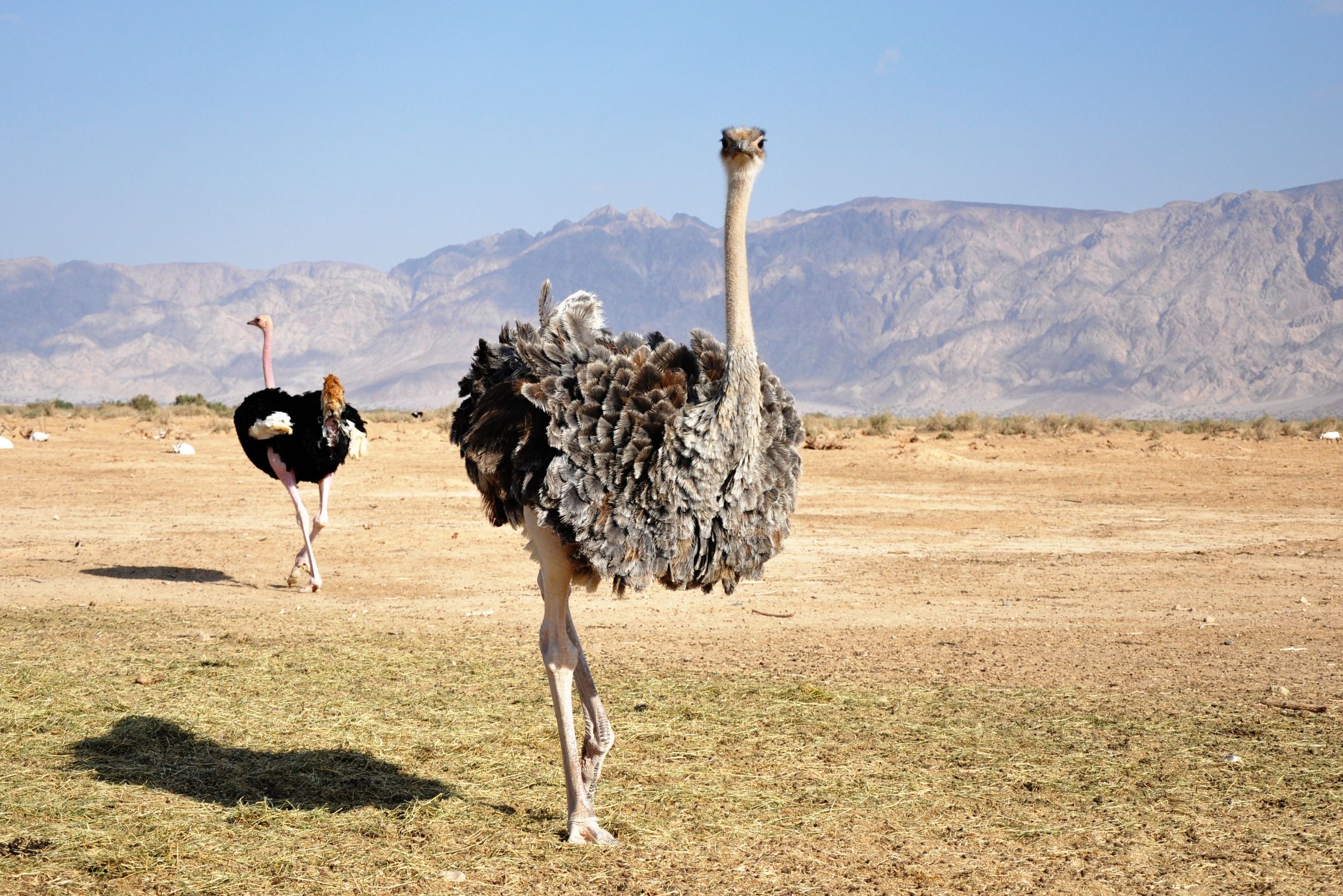
Not all animals need four legs to be fast. The ostrich holds the record for the fastest speed on two legs among birds and beats many four-legged animals, too. With a top speed of around 45 miles per hour, these flightless birds are a marvel of nature’s design for speed.

4. The Longest Snake in Captivity

Longest Snake in Captivity

Snakes often evoke a sense of fear and fascination, and Medusa, a reticulated python, is no exception. Measuring over 25 feet in length and residing in Kansas City, she is the longest snake ever kept in captivity. Her size and living quarters add to her mystique.

5. The Most Venomous Jellyfish

Most Venomous Jellyfish

The box jellyfish, specifically the species Chironex fleckeri, holds the record for the most venomous marine animal. Its sting can be deadly to humans, causing severe pain, paralysis, and even death within minutes. The potency of its venom places it among the strangest and most dangerous creatures in the sea.

6. The Oldest Living Land Animal

Oldest Living Land Animal

Jonathan, a Seychelles giant tortoise, is a testament to longevity in the animal kingdom. Born in the 1830s, he has witnessed two centuries of human history, making him the oldest known living land animal. His age is a remarkable feat and a window into the past.

7. The Highest Jump by a Llama

Highest Jump by a Llama

Llamas are usually known for their wool and as pack animals, but one llama, Boateng de Oro, has jumped into the record books. Achieving a leap of 4 feet and 3 inches, Boateng de Oro shattered expectations and set the record for the highest jump by a llama, showcasing their surprising athletic ability.

8. The Smallest Mammal

Smallest Mammal

The Etruscan shrew, weighing merely 0.05 ounces and measuring around 1.5 inches in length, holds the record for the smallest mammal by mass. Its diminutive size is a marvel of nature’s diversity, living a secretive life that belies its record-holding status.

9. The Longest Migration of Any Bird

Longest Migration of Any Bird

The Arctic tern is renowned for its incredible migratory journey, covering a distance of about 80,467 kilometers (50,000 miles) annually. This round trip from the Arctic to the Antarctic ensures it sees two summers each year, making it the longest migration of any bird.

10. The Most Poisonous Frog

Most Poisonous Frog

The golden poison frog carries enough venom to kill 10 adult humans, making it the most poisonous frog in the world. Indigenous people have used its potent venom for centuries to tip their darts and arrows, a testament to the frog’s deadly defense mechanism.

11. The Animal with the Largest Eyes

Animal with the Largest Eyes

The colossal squid boasts the largest eyes in the animal kingdom, with a diameter of over 11 inches. These massive eyes are not just for show; they enable the squid to detect prey and predators in the deep, dark waters of the ocean.

12. The Longest Jump by a Cat

Longest Jump by a Cat

A cat named Sputnik made an extraordinary leap of 7.54 feet (2.3 meters), securing her place in the Guinness Book for the longest jump by a cat. This record highlights the agility and athleticism that cats possess, traits that have fascinated humans for millennia.

Appreciating These Strange Animal Records in the Guinness Book

Appreciating These Strange Animal Records in the Guinness Book

These records from the Guinness Book not only highlight the strangeness and wonder of the animal kingdom but also remind us of the vast diversity and incredible abilities that animals possess. Each record holder tells a unique story, contributing to our understanding and appreciation of the natural world. As we marvel at these astonishing feats, we’re reminded of the endless surprises that nature has in store and the importance of preserving the habitats and lives of these remarkable creatures.

Read More:

18 Incredible Animals Unique to Only One Country

15 Astonishing Facts About Lesser-Known Religions

Catherine Reed
Catherine Reed

Catherine is a tech-savvy writer who has focused on the personal finance space for more than eight years. She has a Bachelor’s in Information Technology and enjoys showcasing how tech can simplify everyday personal finance tasks like budgeting, spending tracking, and planning for the future. Additionally, she’s explored the ins and outs of the world of side hustles and loves to share what she’s learned along the way. When she’s not working, you can find her relaxing at home in the Pacific Northwest with her two cats or enjoying a cup of coffee at her neighborhood cafe.

Filed Under: ShareMe Tagged With: animal records, animals, bizarre, guinness book, strange, strange animals, unbelievable, world records

8 Ways Life Was Tougher for Boomers Than Millennials and Gen Z

April 5, 2024 By Catherine Reed 2 Comments

Ways Life Was Tougher for Boomers Than Millennials and Gen Z

In the rapidly evolving landscape of societal norms and technological advancements, each generation faces its unique set of challenges. While it’s easy to spot the conveniences that modern technology has afforded Millennials and Gen Z, it’s equally crucial to recognize the aspects that made life tougher for Boomers. This comparison isn’t about belittling the struggles of any generation but rather shedding light on the distinct hardships that defined the Baby Boomer era. Here are eight ways life was tougher for Boomers than Millennials and Gen Z.

1. Limited Access to Information

Limited Access to Information

For Boomers, the quest for information was a physical endeavor. Libraries and printed encyclopedias were the primary sources of knowledge, often leading to time-consuming research processes. The absence of the internet meant that accessing up-to-date information required more effort and resources, making life tougher for Boomers, especially in academic and professional settings. This limitation not only hindered quick learning but also made global connectivity a far-fetched dream compared to the instantaneous digital communications Millennials and Gen Z enjoy today.

2. Communication Constraints

Communication Constraints

Boomers didn’t have the luxury of instant messaging, emails, or social media platforms. Long-distance communication was a tedious and costly affair, often relying on mailed letters that took days or even weeks to reach their destination. Telephone calls, too, were expensive, particularly for international connections. This lack of instantaneous communication tools made maintaining relationships across distances tougher for Boomers, affecting both personal connections and international business relations.

3. Economic Volatility and Job Security

Economic Volatility and Job Security

The economic landscape during the Boomer years was marked by significant fluctuations, including recessions and the oil crisis of the 1970s. Job security was a persistent concern, with industries undergoing substantial changes and layoffs being common. The absence of the gig economy and remote work options made it tougher for Boomers to adapt to economic downturns, often leading to prolonged periods of unemployment or the necessity to stick with unsatisfying jobs for stability.

4. Rigid Gender Roles and Social Expectations

Rigid Gender Roles and Social Expectations

Boomers grew up in an era where societal norms and gender roles were more rigid and defined. Women, in particular, faced considerable barriers in the workforce and were often expected to prioritize homemaking over professional ambitions. This rigidity made it tougher for Boomers to pursue unconventional paths or challenge the status quo, leading to a generation often caught between personal desires and societal expectations.

5. Health and Wellness Knowledge

Health and Wellness Knowledge

Boomers navigated their formative years and adulthood with limited knowledge about health, wellness, and the importance of mental health. Awareness and understanding of conditions like depression, anxiety, and the benefits of a balanced diet and regular exercise evolved significantly only later. This lack of information made it tougher for Boomers to make informed health choices, often leading to lifestyle-related health issues that could have been mitigated with the knowledge available to younger generations.

6. Environmental and Safety Regulations

Environmental and Safety Regulations

In the Boomer era, environmental and safety regulations were far less stringent than they are today. Workplace safety standards, environmental protections, and public health policies were still in their infancy, exposing Boomers to higher levels of pollutants, workplace accidents, and health risks. This lack of regulation not only made environments tougher for Boomers but also contributed to long-term health and ecological challenges.

7. Education and Career Flexibility

Education and Career Flexibility

Educational and career paths for Boomers were often linear and limited. The concept of career switching or taking gap years was less accepted, compelling many to stick with their initial choices, regardless of their job satisfaction or changing interests. This lack of flexibility made it tougher for Boomers to explore different opportunities or pivot in their careers, often leading to unfulfilled professional lives.

8. Technological Adaptation

Technological Adaptation

While technological advancements have significantly improved the quality of life, Boomers had to adapt to these changes later in life, often facing steep learning curves. From basic computer skills to navigating the internet and digital devices, the transition has been challenging for many. This ongoing process of adaptation has been tougher for Boomers, contrasting with the digital nativity of Millennials and Gen Z.

Acknowledging How Life Was Tougher for Boomers Than Millennials and Gen Z

Acknowledging How Life Was Tougher for Boomers Than Millennials and Gen Z

In reflecting on these aspects, it’s clear that life was indeed tougher for Boomers in many respects. Understanding these challenges fosters empathy across generations and highlights the importance of learning from the past to build a more inclusive and accommodating future for all generations.

Read More:

15 Lifestyle Choices of Baby Boomers That Spark Debate

16 Changes in Childhood Play: From Baby Boomers to Today’s Kids

Catherine Reed
Catherine Reed

Catherine is a tech-savvy writer who has focused on the personal finance space for more than eight years. She has a Bachelor’s in Information Technology and enjoys showcasing how tech can simplify everyday personal finance tasks like budgeting, spending tracking, and planning for the future. Additionally, she’s explored the ins and outs of the world of side hustles and loves to share what she’s learned along the way. When she’s not working, you can find her relaxing at home in the Pacific Northwest with her two cats or enjoying a cup of coffee at her neighborhood cafe.
Filed Under: Lifestyle, ShareMe Tagged With: baby boomers, gen z, generational differences, growing up, lifestyle, millennials

  • « Previous Page
  • 1
  • 2
  • 3
  • 4
  • 5
  • 6
  • …
  • 111
  • Next Page »
  • Facebook
  • Pinterest
  • RSS
  • Twitter

Improve Your Credit Score

Money Blogs

  • Celebrating Financial Freedom
  • Christian PF
  • Dual Income No Kids
  • Financial Panther
  • Gajizmo.com
  • Lazy Man and Money
  • Make Money Your Way
  • Money Talks News
  • My Personal Finance Journey
  • Personal Profitability
  • PF Blogs
  • Reach Financial Independence
  • So Over Debt
  • The Savvy Scot
  • Yes, I am Cheap

Categories

Disclaimer

Please note that Beating Broke has financial relationships with some of the merchants mentioned here. Beating Broke may be compensated if consumers choose to utilize the links located throughout the content on this site and generate sales for the said merchant.

Visit Our Advertisers

Need to change careers? Consider an Accounting Certificate Program from WTI.