
Beating Broke

Personal Finance from the Broke Perspective

  • Home
  • About
  • We Recommend
  • Contact
  • Our Editorial Commitment

Powered by Genesis

Ready to Retire? Make Sure You’ve Hit These 9 Financial Milestones

July 24, 2025 By Catherine Reed Leave a Comment

Ready to Retire Make Sure You've Hit These 9 Financial Milestones

Retirement is a significant life event that many look forward to, but it comes with its own challenges, especially financially. Being ready to retire isn’t just about reaching a certain age; it involves meeting key financial milestones that ensure you can enjoy your golden years without financial worry. Here, we explore nine essential financial milestones to achieve before you decide you’re ready to retire. These goals will help you assess your readiness and ensure a solid financial foundation for the next phase of your life.

1. Debt-Free Living
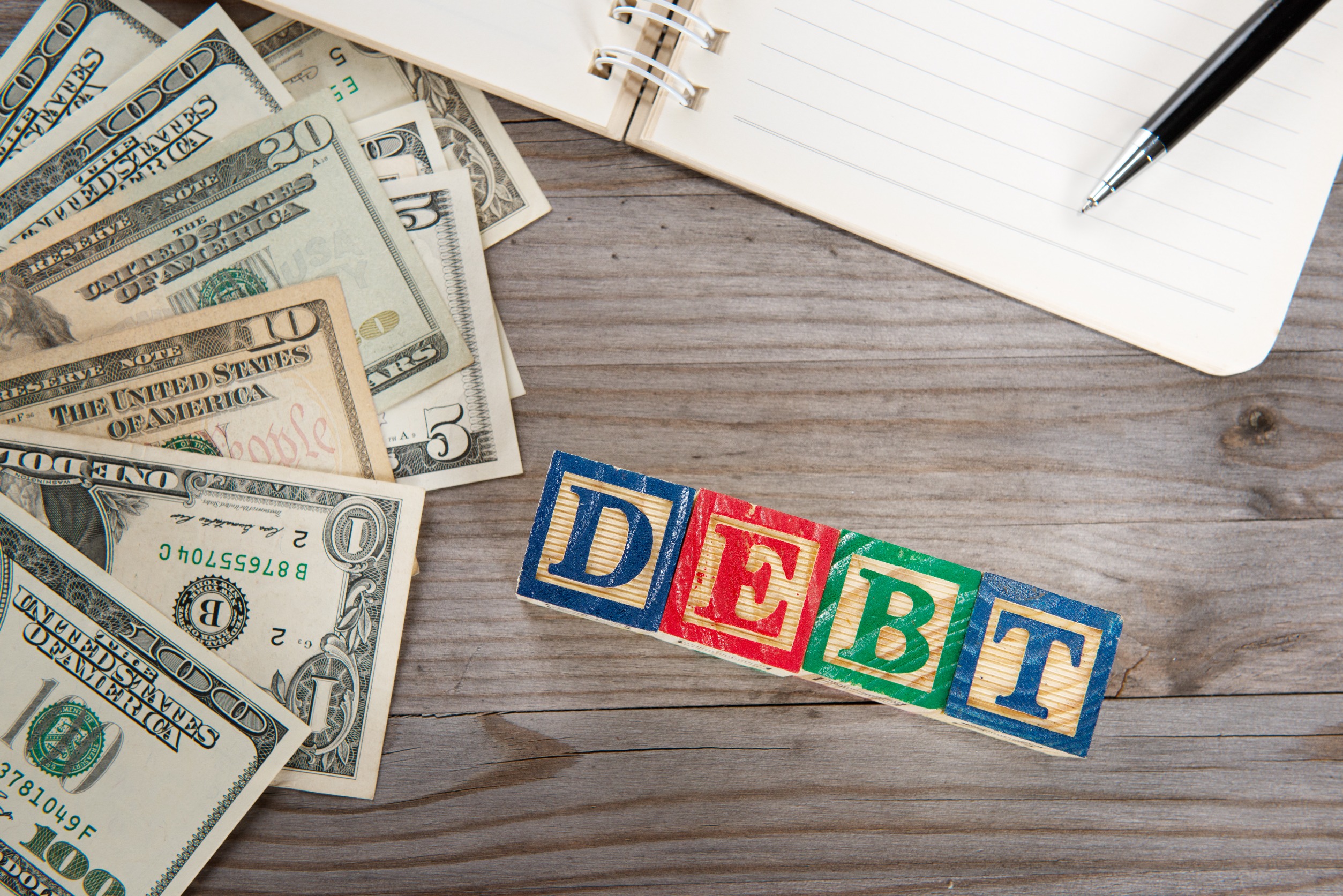
Debt-Free Living

One of the most crucial financial milestones before retirement is eliminating high-interest debt, particularly credit card debt and personal loans. Carrying debt into retirement can significantly strain your finances, as fixed retirement income might not cover debt repayment and living expenses. Ideally, your mortgage should also be paid off, allowing you to live more freely without the burden of monthly loan payments. This milestone ensures that your retirement savings and income are devoted to your living expenses and enjoyment rather than paying off debts.

2. Building Adequate Retirement Savings

Adequate Retirement Savings

Ensuring you have enough saved to cover your retirement years is critical. Financial experts often recommend having at least 10-12 times your final pre-retirement salary saved. This should ideally be a mix of retirement accounts like 401(k)s, IRAs, and other savings or investment accounts.  If you haven’t already figured out how much money you need in retirement, assume at a minimum that you’ll need 75% of your current salary.  Next assume you can withdraw 4% from your nest egg per year.  Then compare the two figures.  This should tell you if you’ve got enough saved.

3. Healthcare Planning

Healthcare Planning

Healthcare costs in retirement can be significant. Having a comprehensive healthcare plan, including Medicare and supplemental insurance, is crucial. Consider the costs of long-term care insurance, which can cover expenses not included in regular health insurance. Being prepared for unforeseen health issues by having this coverage in place can prevent significant financial strain later.

4. A Tested Retirement Budget
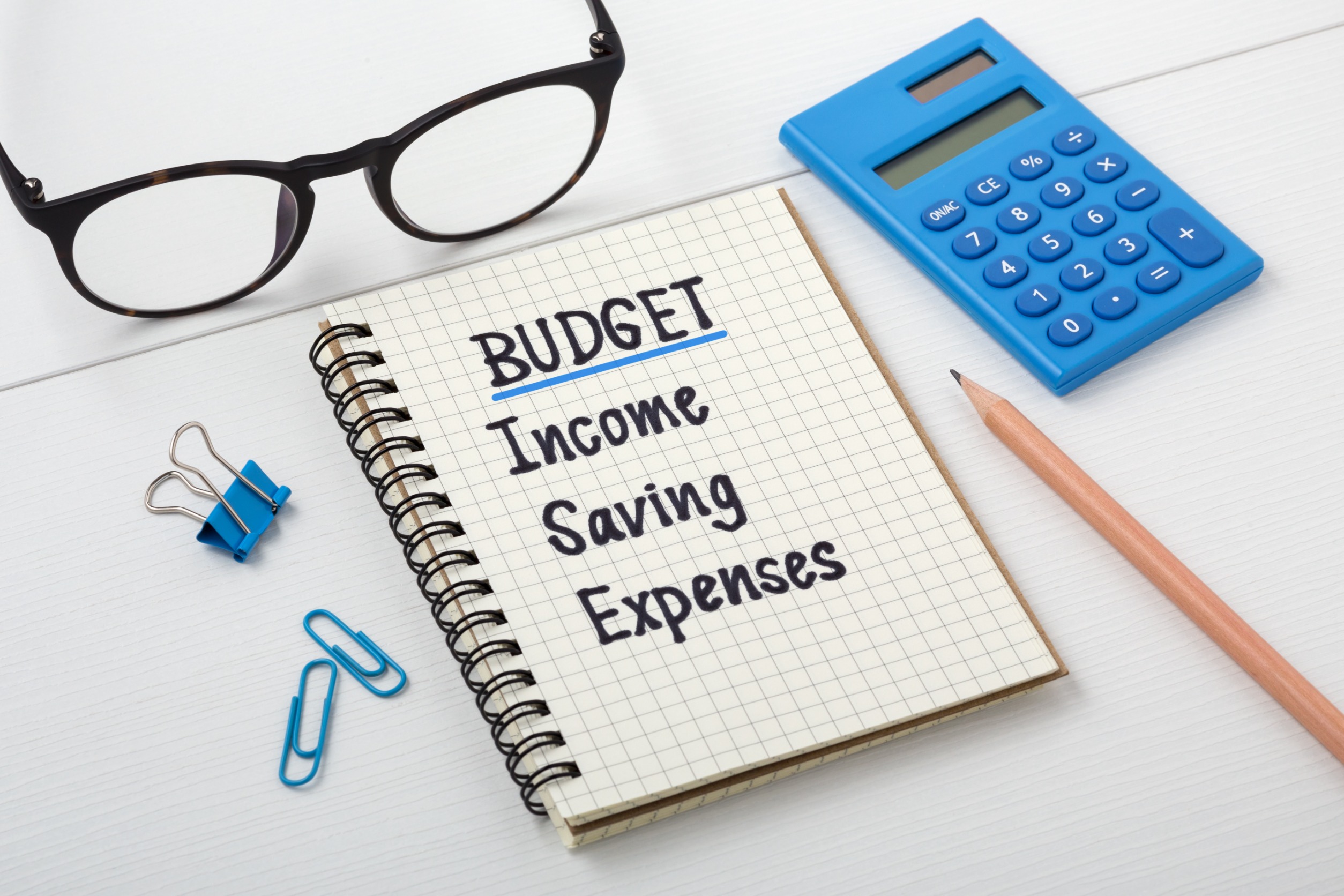
A Tested Retirement Budget

Before you retire, test out a retirement budget. Try living on your expected retirement income for several months while still working. This will help you adjust your spending habits and ensure your budget is realistic based on your retirement income. This trial period can reveal unexpected costs and help you refine your budget before you fully commit to retiring.  Remember, nothing says you have to stop working in retirement – you can always work on smaller projects to bring in money or take a part time job.

5. Diverse Income Streams

Diverse Income Streams

Relying solely on savings or Social Security can be risky. Having multiple income streams can provide extra security. Consider rental properties, bond payments, dividends from investments, or a part-time job if you want to keep working. This diversification helps buffer against poor market performance that could affect your primary retirement funds.  A good place to start is by finding dividend stocks with an AI generated list.  Or, if you want an old fashioned human curated list, a good place to start would be the dividend aristocrats – or companies that have consistently raised their dividends for decades (here).

6. Updated Estate Plan

Updated Estate Plan

An updated estate plan is vital as you approach retirement. This includes having a will (or revising your current one), designating powers of attorney, and potentially creating trusts. These documents should be reviewed and updated to reflect your current wishes and ensure your assets are distributed according to your plans without legal complications.

7. Long-Term Investment Strategy

Long-Term Investment Strategy

Having a long-term investment strategy that shifts from accumulation to income generation is crucial. This strategy should be less about aggressive growth and more about preserving capital and generating a steady income. A financial advisor can help, but there are plenty of DIY tools available as well.  Most of the major brokerages like Schwab or Fidelity offer these kinds of tools – check your portfolio check up section.

8. Social Security Strategy

Social Security Strategy

Deciding when to start taking Social Security benefits is a significant decision. Although you can begin collecting benefits at age 62, delaying benefits until your full retirement age or even age 70 can significantly increase your monthly payments. Evaluate your health, financial needs, marital status and life expectancy to make an informed decision that maximizes your benefits.  Schwab has a good basic overview of factors pertinent in deciding when to take Social Security, here.

9. A Plan for Leisure and Lifestyle Goals

A Plan for Leisure and Lifestyle Goals

A major factor many retirees face when they first begin retirement is cognitive decline and associated mental health issues such as depression and anxiety.  However, research shows that an active lifestyle including maintaining hobbies and building or maintaining strong interpersonal relationships can reverse this decline (per Forbes).  Whether it’s traveling, hobbies, or spending time with family, make sure you plan how you want to spend your time. This includes budgeting for activities you enjoy and considering any potential costs associated with these pursuits.

These Financial Milestones Could Mean You’re Ready to Retire

These Financial Milestones Could Mean You’re Ready to Retire

Achieving these financial milestones can make the difference between a stressful retirement and a fulfilling and secure one. Being ready to retire means more than just stopping work; it involves meticulous planning and preparation to ensure your retirement years are as enjoyable as possible. Each milestone is a step toward creating a stable and rewarding retirement experience, giving you the peace of mind to fully enjoy this new chapter of your life.

Read More:

12 Cities You Wouldn’t Believe Are Retirement Paradises

5 Facts to Keep in Mind About Estate Planning

Filed Under: Retirement, ShareMe Tagged With: financial milestones, financial planning, ready to retire, Retirement, retirement income, retirement planning

Are Your Spending Habits Quietly Making You a Target for Financial Scams?

July 22, 2025 By Teri Monroe Leave a Comment

spending habits that make you prone to financial scams
Image Source: Pexels

Most people assume financial scams happen because someone lets their guard down for a moment. But in reality, scammers are often watching long before they strike. They look for patterns in how you spend, shop, and share information. Without realizing it, your everyday spending habits could be making you an ideal target. Here are spending habits you need to modify to protect yourself.

1. Oversharing Purchases on Social Media

Do you find yourself sharing everything on social media? That luxury bag, brand-new car, or vacation photo may seem like harmless posts. But to scammers, it’s a flashing neon sign. Public posts that show off wealth can attract financial scams, like phishing attempts, fake investment offers, and even identity theft.

2. Frequent Use of Public Wi-Fi for Transactions

Public Wi-Fi isn’t safe if it isn’t encrypted. Shopping or banking over unsecured public Wi-Fi can expose your login credentials and card details. Hackers often target people who make online purchases in coffee shops, airports, or hotels. To be safe, wait to make that purchase at home with a secure Wi-Fi network.

3. Falling for “Too Good to Be True” Deals

Flashy discounts or exclusive online offers can lure deal-seekers into fake websites or phishing traps. If you’re frequently drawn to bargain-hunting or fast-checkout links, you may be more likely to click on a scam. Only make purchases from reputable sites. If you get redirected to an unfamiliar site, exit it immediately.

4. Using the Same Password for Shopping Sites

Many people reuse one or two passwords for convenience. If one shopping account is compromised, scammers can quickly access your financial data elsewhere. Always use complex passwords and use 2-factor or 3-factor authentication when possible. Never write down passwords on your computer or in an email, in case you get hacked.

5. Ignoring Small, Unfamiliar Charges

Scammers often “test” a stolen card with tiny charges before making big purchases. If you’re not reviewing your statements closely, you may miss the warning signs. Another option is to sign up for monitoring services to catch suspicious activity. That way, you will catch fraudulent activity before it causes irreparable damage.

6. Subscribing to Sketchy Email Lists

Entering your email on unverified shopping or giveaway sites can lead to a flood of spam and financial scams. Once your info is sold, you’re more likely to get targeted by sophisticated phishing attempts. Make sure that you sign up for monitoring services that scan the dark web for your email. If your information has been sold to thieves, you’ll know.

7. Using Buy Now, Pay Later Without Monitoring

These services can encourage overspending and make it harder to track what you owe. Scammers may also spoof BNPL notifications to trick you into clicking malicious links. Plus, BNPL software often uses soft user-friendly identity checks that are ideal for fraudsters. In fact, BNPL services are increasingly becoming a popular target for fraud, leading to billions of dollars in fraud losses.

Protect Yourself with Smarter Spending

Staying safe doesn’t mean you have to stop enjoying your money. It just means being aware. Keep purchases private, use strong and unique passwords, and always verify who you’re giving your financial information to. The more mindful you are, the harder you make it for scammers to target you.

Read More

10 Things You Should Never Buy New—We Did the Math

6 Debt Traps That Seem Harmless—Until They Jeopardize Your Entire Identity

Filed Under: General Finance Tagged With: financial scams, fraud, hackers, spending habits

10 Things You Should Never Buy New—We Did the Math

July 17, 2025 By Teri Monroe Leave a Comment

things you should never buy new
Image Source: Pexels

Are you in the market for a big-ticket item, like a car or phone? Buying brand new may feel satisfying, but it often means overpaying for items that lose value fast. From furniture to tech, these new items can have hefty price tags. Here are 10 things you’re better off buying used. The savings really add up quickly.

1. Cars

A new car loses 20–30% of its value the moment you drive it off the lot. After five years, it’s often worth less than half. Buying a well-maintained used vehicle can save you thousands while still offering reliability. Many certified-pre-owned vehicles are in excellent shape. Plus, if you’re financing your car, you’ll have the ability to pay it off faster.

2. Textbooks

College textbooks can cost hundreds each semester. Used versions can cut that cost by 50–80%. Most students only need them for a few months anyway. Some universities even have textbook rental programs. You can usually find pre-owned books on Amazon, as well. Don’t throw away money by purchasing textbooks new.

3. Furniture

Gently used furniture often sells for a fraction of retail prices. Look for quality wood pieces, those hold up better over time than trendy flat-pack options. Even buying cheaper furniture new at discount stores like Ikea isn’t a smart investment. Many of these pieces will quickly break over time. Instead, buying used will get you a much better-quality item.

4. Tools

Power tools and equipment are frequently bought for one-time home projects and then sold barely used. You can save 30–70% on tools that still have years of life left. Many people sell used tools on Facebook Marketplace or other resale sites. You should also consider renting tools from stores like Lowe’s or Home Depot if you only need the equipment for one project.

5. Baby Gear

New baby gear can cost you thousands of dollars. Plus, babies grow fast. Things like strollers, swings, and bassinets are often outgrown within months. Buying secondhand can save new parents hundreds, without sacrificing quality. You can find open boxes and refurbished items on sites like Good Buy Gear or REBEL (formerly Rebelstork). Even asking friends and family for hand-me-downs is a smart idea.

6. Workout Equipment

Many treadmills, weights, and bikes become expensive coat racks. Lightly used gear can go for half, or less, of the original cost and function like new. Popular workout equipment, like Peloton, can even be rented. If you do choose to rent equipment, make sure that you aren’t paying more for the items over time than you would buy them upfront.

7. Luxury Clothing

Designer brands can depreciate like cars. Thrift or consignment shops often sell high-end pieces in near-perfect condition for a fraction of retail prices. Do your research before buying a designer piece. For example, some luxury handbags will retain their value or increase over time. For example, a Hermes bag might be a good investment. Don’t buy luxury without knowing the market and making smart choices.

8. Tech Gadgets

Last year’s phone or tablet model often works nearly as well as the latest one. Plus, it can cost 20–40% less when bought refurbished, or used. You don’t always need to buy the latest gadgets right away. Wait until they go on sale or there is an offer that makes sense for your finances.

9. Books and DVDs

Books and DVDs can be a waste of money when bought new. Most are read or watched once, then shelved. Used bookstores and resale sites offer them for pennies on the dollar compared to new. In addition, you can find most titles at your local library for free.

10. Recreational Equipment

Do you always buy recreational equipment new? Things like bikes, skis, kayaks, and tents can be very expensive. You can usually find better deals than buying these items new. People often try new hobbies, lose interest, and sell barely-used gear at major discounts.

Never Buy These Items New- Try Secondhand

Buying secondhand doesn’t mean settling. Really, it means spending smarter. With a little research, you can keep more money in your wallet without sacrificing quality or function.

Read More

How Much Money Do You Actually Need to Escape The Rat Race?

The Benefits of Putting Money Away for Potential Medical Expenses

Filed Under: Frugality Tagged With: buying used, don't buy new, things you shouldn't buy new

  • « Previous Page
  • 1
  • …
  • 14
  • 15
  • 16
  • 17
  • 18
  • …
  • 320
  • Next Page »
  • Facebook
  • Pinterest
  • RSS
  • Twitter

Improve Your Credit Score

Money Blogs

  • Budget and the Bees
  • Celebrating Financial Freedom
  • Christian PF
  • Clever Dude
  • Dual Income No Kids
  • Everybody Loves Your Money
  • Financial Panther
  • Gajizmo.com
  • Grocery Coupon Guide
  • Lazy Man and Money
  • Make Money Your Way
  • Money Talks News
  • Personal Profitability
  • PF Blogs
  • Reach Financial Independence
  • Saving Advice
  • The Savvy Scot
  • Yes, I am Cheap

Categories

Disclaimer

Please note that Beating Broke has financial relationships with some of the merchants mentioned here. Beating Broke may be compensated if consumers choose to utilize the links located throughout the content on this site and generate sales for the said merchant.

Visit Our Advertisers

Need to change careers? Consider an Accounting Certificate Program from WTI.
  • Home
  • About
  • We Recommend
  • Contact
  • Our Editorial Commitment