Beating Broke

Personal Finance from the Broke Perspective

  • Home
  • About
  • We Recommend
  • Contact
  • Our Editorial Commitment

Powered by Genesis

12 Bizarre Taxes From Around the World and What They Tell Us About Economies

June 7, 2024 By Shay Huntley Leave a Comment

Taxes are a universal part of life, but some taxes are so strange they defy belief. From historical quirks to modern-day oddities, bizarre taxes reveal fascinating insights into the economic and social fabric of different societies. Whether they were designed to modernize a nation, address environmental concerns, or simply boost revenue in unusual ways, these taxes highlight the creativity and sometimes absurdity of fiscal policies around the world. Join us as we explore 12 of the most bizarre taxes from various corners of the globe.

1. Beard Tax in Russia

During the 17th century, Tsar Peter the Great imposed a beard tax to modernize Russian society. Men had to pay for the privilege of keeping their beards. This bizarre tax was meant to encourage clean-shaven faces, aligning with Western European customs. The tax varied based on social status, with higher fees for nobility. Despite its odd nature, the beard tax revealed the Tsar’s efforts to modernize Russia. It also showcased how taxation can be used as a tool for social engineering.

2. Window Tax in England

Introduced in 1696, England’s window tax charged property owners based on the number of windows in their homes. This strange tax led many to brick up windows to avoid higher taxes. The window tax was intended to target the wealthy, as larger houses had more windows. It resulted in darker, less ventilated homes and even impacted architectural designs. The window tax highlights how governments use taxation to address wealth disparity, albeit in a counterproductive manner.

3. Hat Tax in England

England also saw a hat tax in the late 18th century. This tax required people to pay for a license to wear hats. The rationale was that hats were a symbol of wealth and social status. Hat makers had to affix revenue stamps inside each hat to prove tax payment. This bizarre tax targeted affluent individuals and demonstrated how fashion could be a taxable commodity. The hat tax shows how governments find creative ways to generate revenue.

4. Salt Tax in France
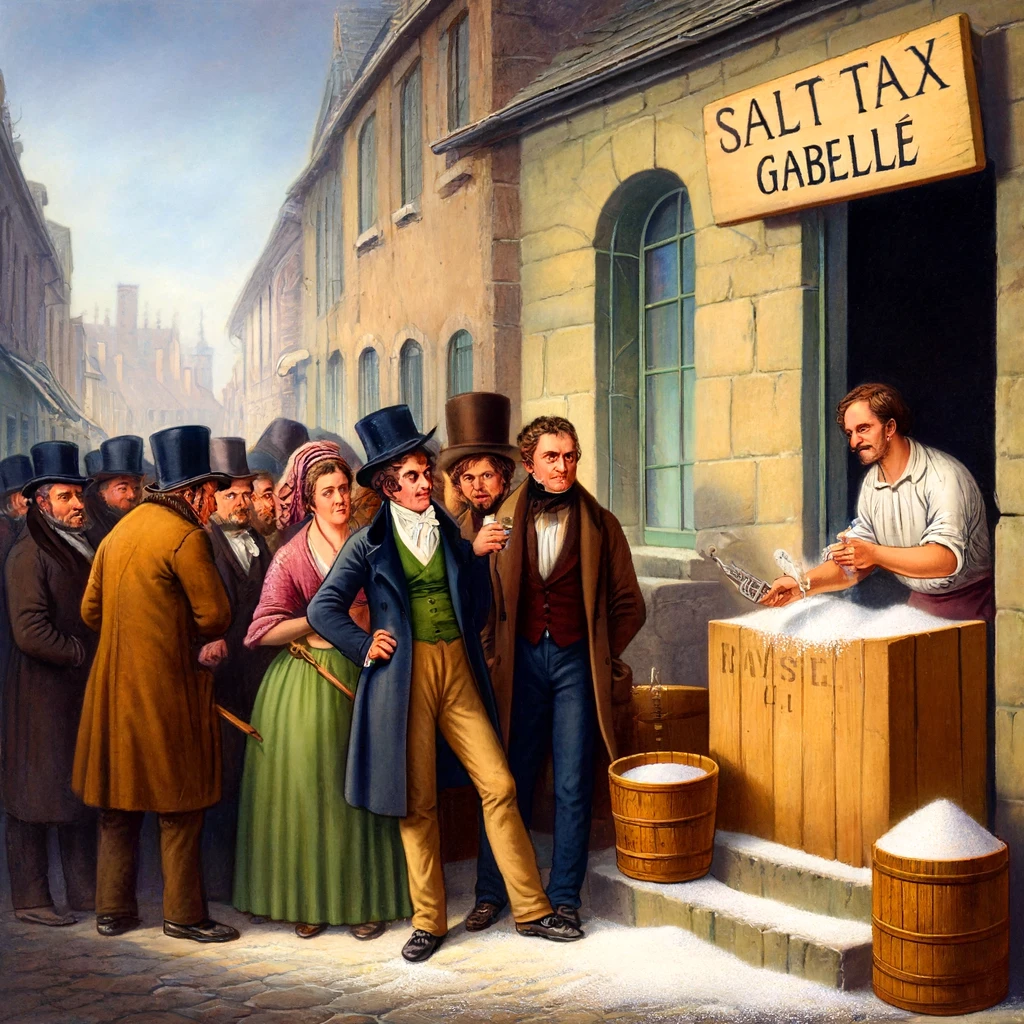
France’s salt tax, or “gabelle,” was a controversial levy that existed for centuries. It required citizens to buy a minimum quantity of salt at high prices. The tax was deeply unpopular and contributed to the French Revolution. This bizarre tax underscores how essential commodities can become focal points of economic control and social unrest. The salt tax reveals the impact of burdensome taxation on the populace and the potential for it to spark significant political change.

5. Blueberry Tax in Maine, USA
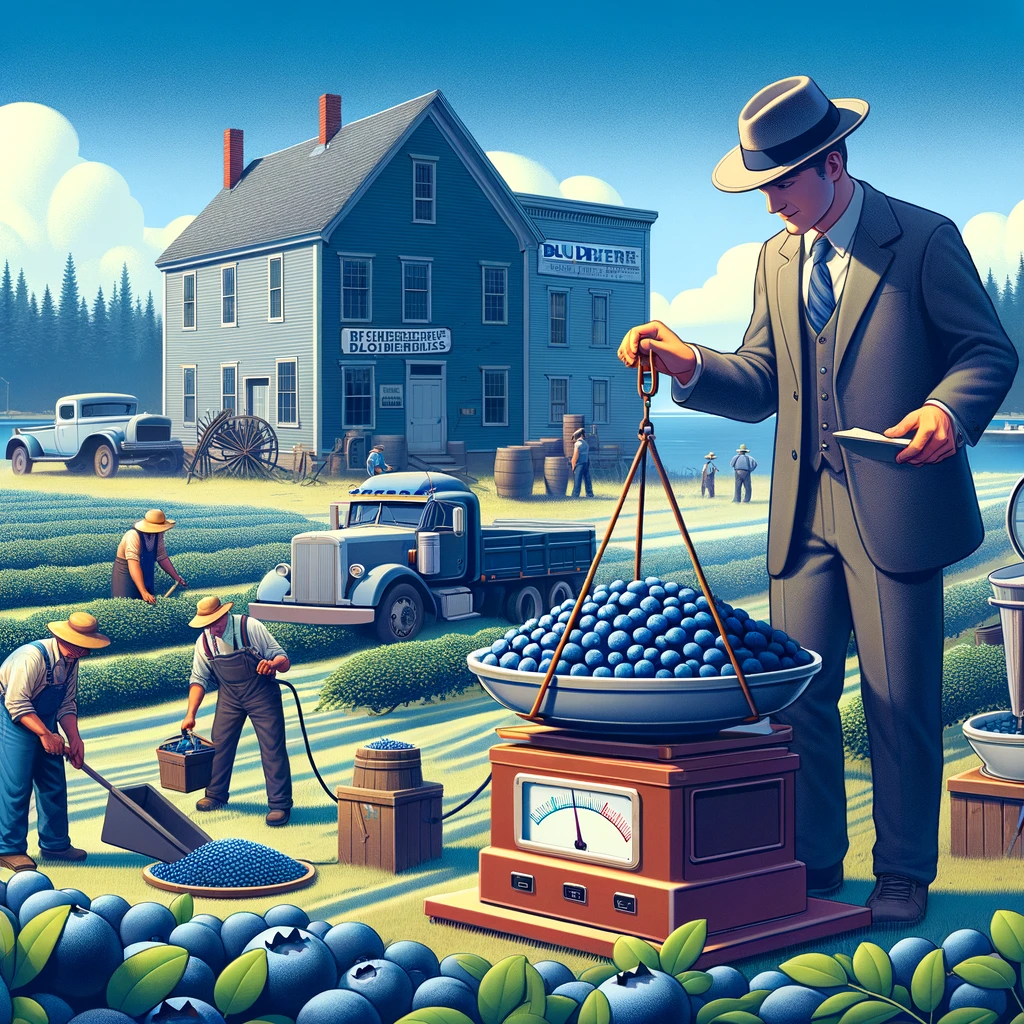
Maine imposes a tax on blueberries, charging per pound of harvested berries. This strange tax supports the state’s blueberry industry and research. The blueberry tax showcases how specific industries can be targeted for taxation to promote local economies. It also highlights the unique ways in which regions capitalize on their natural resources. This tax reflects how governments use targeted levies to support and sustain key sectors.

6. Cow Flatulence Tax in New Zealand
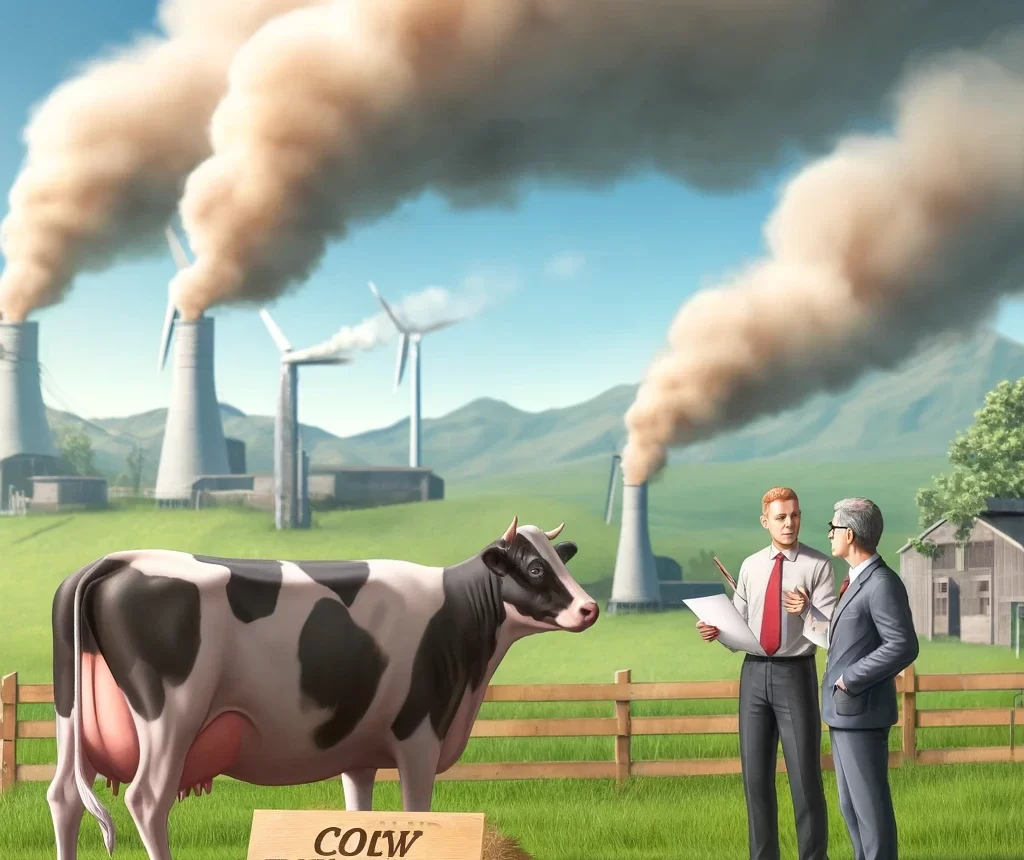
New Zealand proposed a tax on cow flatulence to address greenhouse gas emissions. While it never passed, the idea was to mitigate environmental impact. This bizarre tax highlights the innovative approaches countries consider to tackle climate change. It also shows the potential for taxation to drive environmental policy. The cow flatulence tax concept illustrates how governments can use taxes to promote sustainability and environmental responsibility.

7. Scutage Tax in England

In medieval England, a peculiar tax known as the “cowardice tax” was imposed on knights and nobles who chose not to participate in military campaigns. Officially called “scutage,” this tax allowed those who preferred not to fight to pay a fee instead. The amount varied based on the rank and wealth of the individual, providing the crown with a steady stream of revenue to fund its military endeavors. This bizarre tax reflects feudal society’s unique social and economic dynamics, where military service was both a duty and a burden. The cowardice tax highlights how medieval governments leveraged fiscal policies to maintain their armies and assert control over their subjects.

8. Witchcraft Tax in Romania

Romania once considered taxing witches and fortune-tellers as part of its revenue-raising efforts. Practitioners would have to pay income tax and contribute to social programs. This bizarre tax highlights how even supernatural professions can be targeted for taxation. It also reflects the government’s attempt to formalize and regulate unconventional occupations. The witchcraft tax proposal shows how far-reaching tax policies can be, extending into the realm of the mystical.

9. Card Games Tax in Alabama, USA
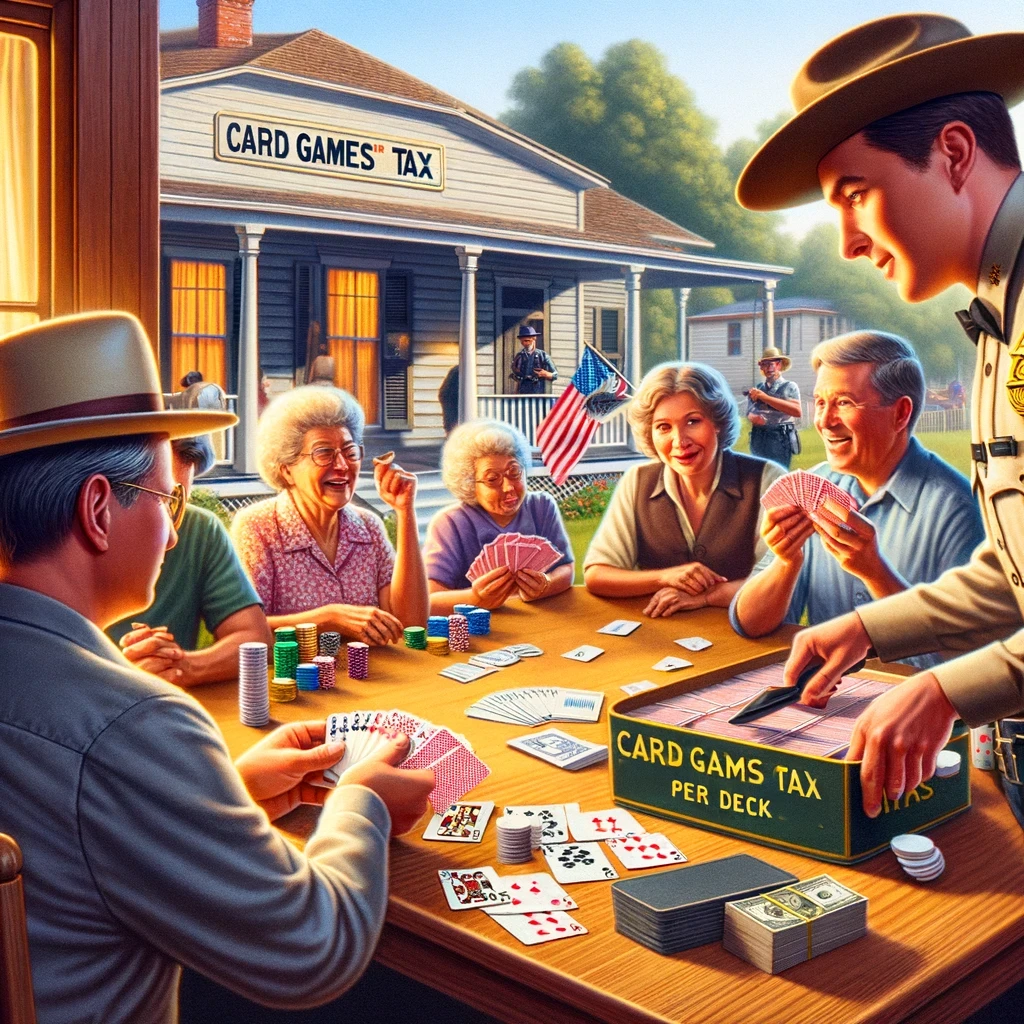
Alabama imposed a tax on packs of playing cards, charging a fee per deck. This strange tax aimed to generate revenue from a popular leisure activity. The card games tax is an example of how everyday items can become taxable commodities. It demonstrates the government’s ability to monetize recreational activities. The card games tax reflects the creativity in taxation methods to tap into various aspects of daily life.

10. Day Trippers Tax in Venice, Italy

Venice, Italy, known for its picturesque canals and historic architecture, introduced a day trippers tax to manage the overwhelming influx of tourists. This tax is levied on all visitors to the city. It aims to discourage short-term visitors and balance tourism revenue with preserving Venice’s fragile environment and infrastructure. The tax helps fund maintenance and conservation efforts, ensuring the city’s unique charm is protected for future generations. This policy highlights the challenges of managing mass tourism in popular destinations and underscores the need for sustainable tourism practices. Venice’s day trippers tax serves as a model for other tourist-heavy cities grappling with similar issues.

11. Wallpaper Tax in England
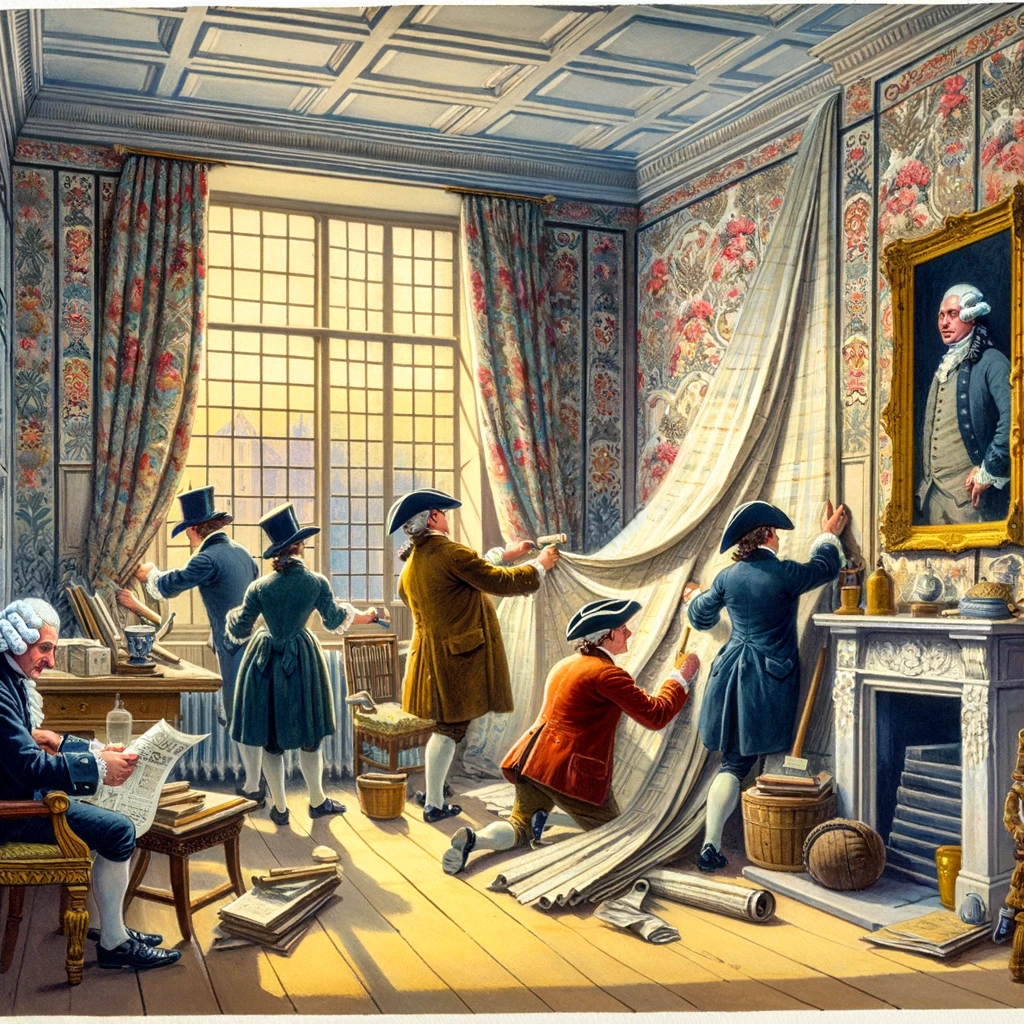
In the 18th century, England introduced a wallpaper tax, charging based on the number of colors used. This tax led to the creation of simpler, cheaper designs to avoid higher taxes. The wallpaper tax reveals how taxation can influence artistic expression and consumer behavior. It demonstrates the government’s reach into even the most decorative aspects of life.

12. Shadow Tax in Conegliano, Italy

In the historic town of Conegliano, Italy, a unique shadow tax was implemented to optimize the use of public space. This tax charged property owners based on the area of shadows cast by their buildings on public land. The aim was to encourage efficient urban planning and ensure fair use of shared spaces. The shadow tax reveals the innovative approaches local governments can take to manage urban environments. It highlights the balance between private property rights and public resource management. Conegliano’s shadow tax exemplifies how taxation can address unique local challenges in creative ways.

Discover More Bizarre Taxes and Economic Insights!

Exploring unusual taxes provides a fascinating window into the various inventive methods governments use to raise funds. These taxes shed light on the economic imperatives and societal structures of different historical periods and locations. Their exploration offers insights into the diverse and creative ways in which governments have sought to generate revenue. Studying these taxes can help us understand the intersection of economics, governance, and social dynamics.

Read More

Using Your Refund the Smart Way This Tax Season

Tax Deductions for Self-Employed

Filed Under: economy Tagged With: Bizarre Taxes, Economic Insights, Global Economy, Strange Taxes, Taxation Trends, Weird Taxes

13 Reasons Why the 90s Was the Best Decade

June 7, 2024 By Alyssa Serio Leave a Comment

90s written on chalkboard

The 1990s was a special time in American culture. With new technology and innovative music, this decade was full of memorable pop culture moments and life-changing events. It was a time of rapid change and unique style moments, from grungy plaid to patterned windbreakers and scrunchies. Here are 13 reasons why many consider the 90s to be the best decade.

1. The Rise of the Internet

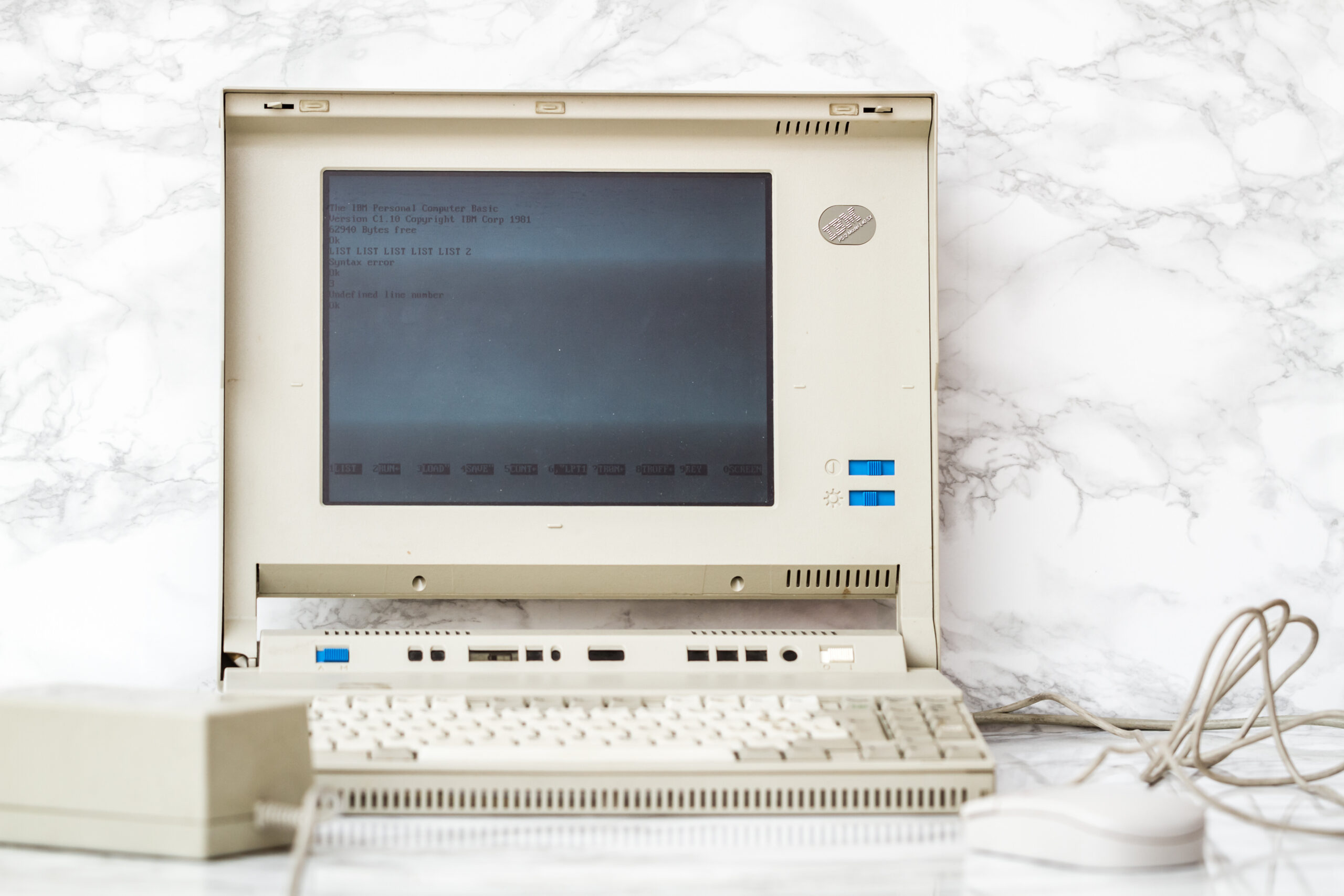
1990s computer

It’s hard to imagine a world without the Internet, but it wasn’t invented until the 1990s. This decade witnessed the birth and spread of online connectivity, forever changing the way people communicate, work, and entertain themselves. There may not have been TikTok videos just yet, but this decade was marked by the rise of email, early browsers, and the first search engines. Consider it the beginning of the tech boom to come!

2. Iconic TV Shows

Couple on sofa with TV remote

Television in the 90s was unparalleled. In fact, many people still stream shows like Friends, The Fresh Prince of Bel-Air, Full House, The X-Files, and all those wonderful 90s Nicktoons to this very day. These shows defined their generation, leaving a lasting legacy in popular culture. You still hear quotes and references to the shows from this decade.

3. The Grunge Movement

Young hipster couple in plaid shirts

Music from all genres hit a renaissance during the 90s, but it was the grunge movement that defined the decade. Emerging from Seattle, bands like Nirvana, Pearl Jam, and Soundgarden were more than just music. These bands were a cultural phenomenon that encapsulated the morose feelings of teenagers. To this day, people still consider “Smells Like Teen Spirit” one of the greatest songs of all time.

4. The Golden Era of Hip Hop

Happy black woman holding boombox, purple background

Come along on a Fantastic Voyage to learn more about hip hop from the 90s. Whether it was goofy songs by artists like Digital Underground or the hard-hitting sounds of Tupac Shaker, The Notorious B.I.G., and N.W.A., the 90s was considered the Golden Age of Hip Hop. Their powerful lyrics and unique beats continue to influence music today. Check out lesser-known artists from this decade like Black Sheep and Del the Funkee Homosapien.

5. Advances in Technology

Vintage walkman and headphones

Aside from the Internet, the 1990s saw major technological advancements. The first commercially released DVD was Twister released in 1996. This decade also gave us the first portable MP3 player, perfect for all that grunge and hip hop. These innovations revolutionized how people consumed media and entertained themselves.

6. Memorable Fashion Trends

Blonde woman in 90s fashion, pink background

Whether it was scrunchies, low-rise jeans, flannel shirts, or funky windbreakers, the fashion of the 90s was distinct and diverse. The 90s was so iconic in terms of style that many of these trends have been recycled and are popular once again with modern teenagers. Choker necklaces and crop tops in particular have been on the rise. Fashion designers and influencers look back at this decade fondly when it comes to style inspiration.

7. The Disney Renaissance

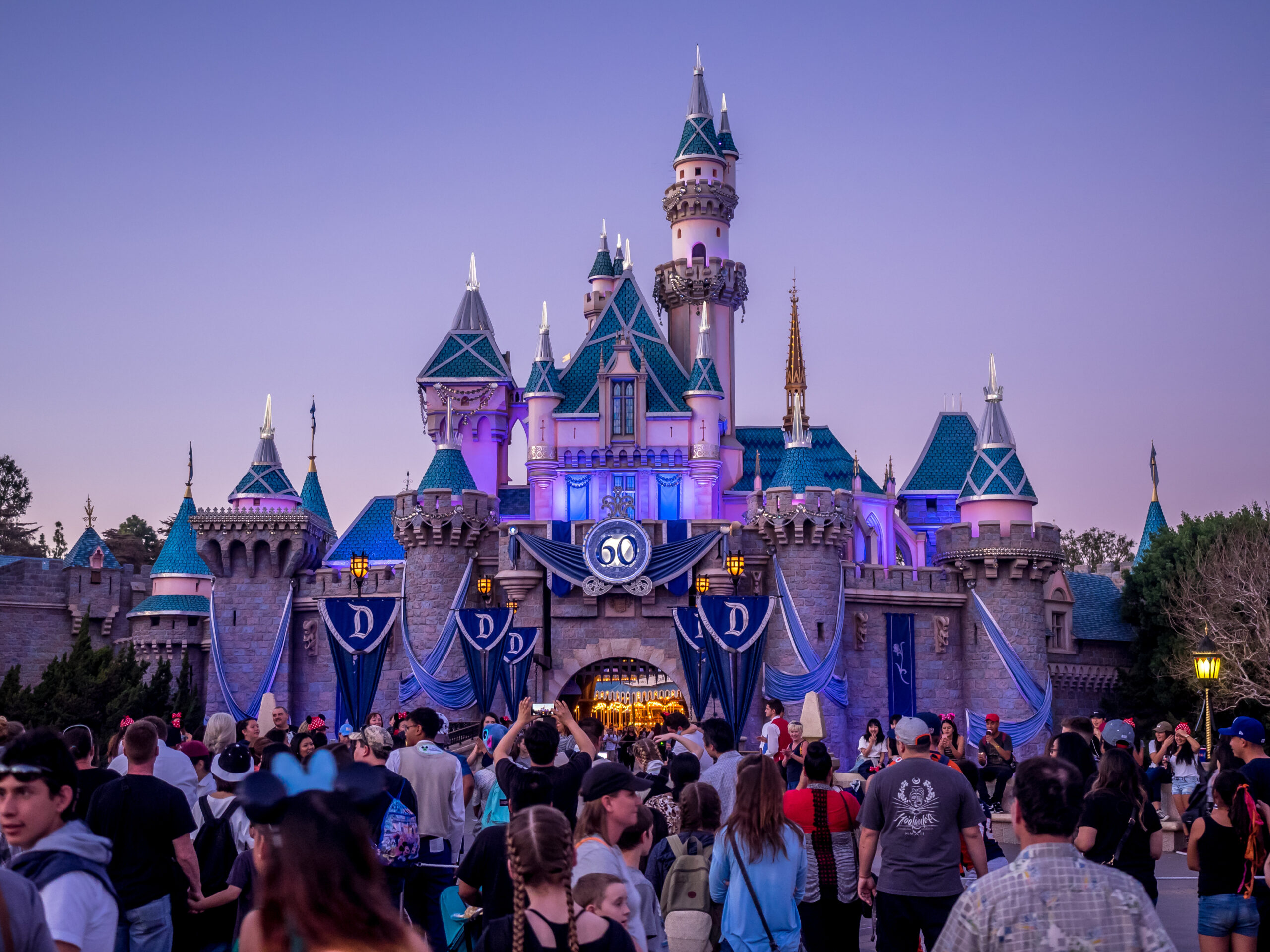
Magic Castle in Anaheim, California

With the popularity of streaming services, Disney has been struggling financially and having a tough time making numbers at the box office. Back in the 90s, the studio was a shooting star, with beloved animated films that have stood the test of time. This decade saw the release of classics like Aladdin, Beauty and the Beast, and The Lion King. To this day, these films remain a defining part of Disney’s legacy.

8. The Rise of Supermodels

Models walking on runway

No other decade was more iconic for supermodels than the 1990s. Naomi Campbell, Cindy Crawford, Linda Evangelista, and Christy Turlington dominated fashion runways and became household names. These women were splashed across the covers of fashion magazines and ads, and even made appearances in commercials. Fashion changed forever thanks to their influence.

9. Iconic Video Games and Consoles

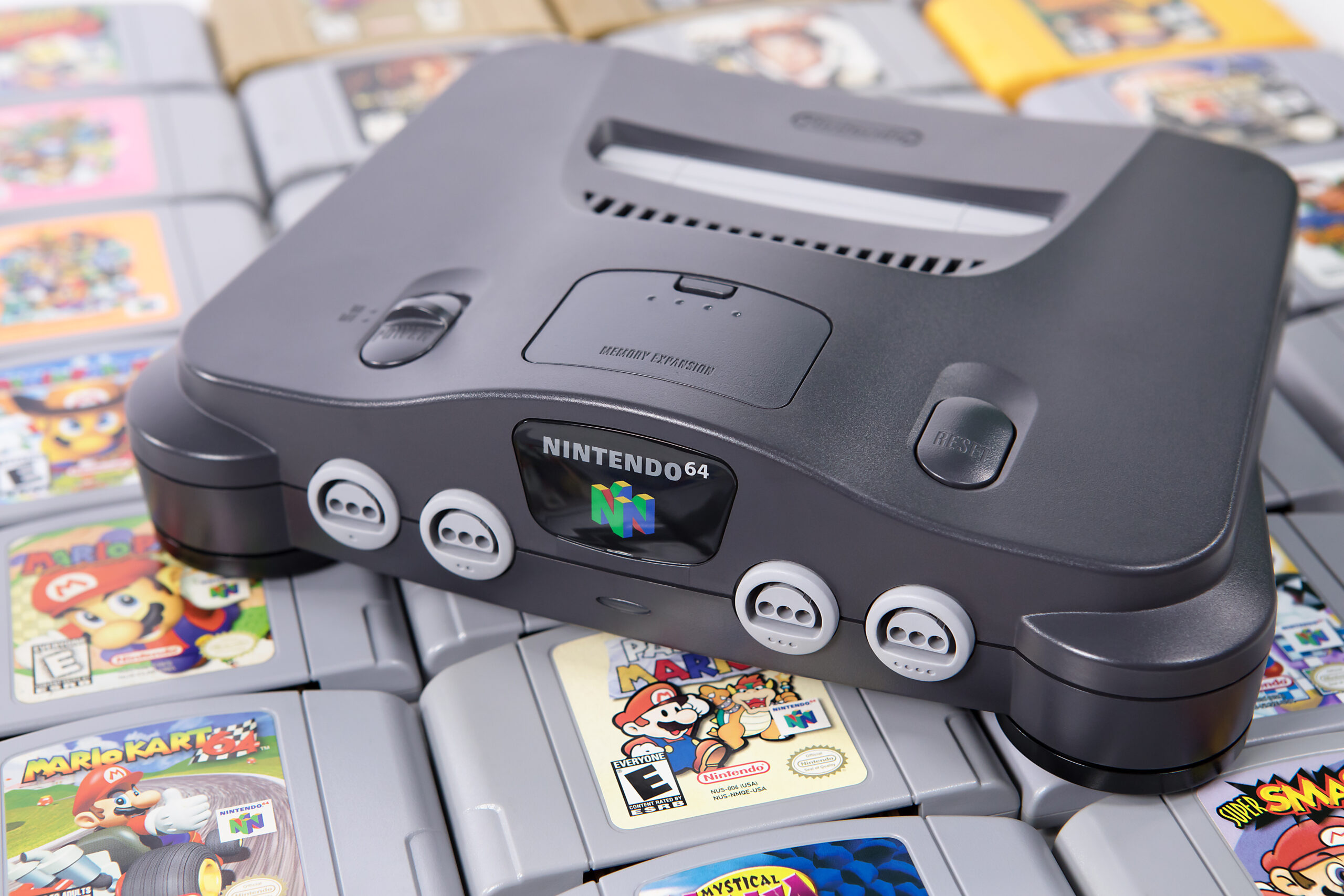
Nintendo 64 on top of games

One of the most beloved video game consoles was released in the 1990s. The Nintendo 64, which came to the market in 1996, gave fans classic games like Mario Kart 64, The Legend of Zelda: Ocarina of Time, and GoldenEye 007. The video gaming industry boomed as a result. Nintendo was officially at the top of the leader board when it came to the console wars.

10. The Expansion of Blockbuster Movies

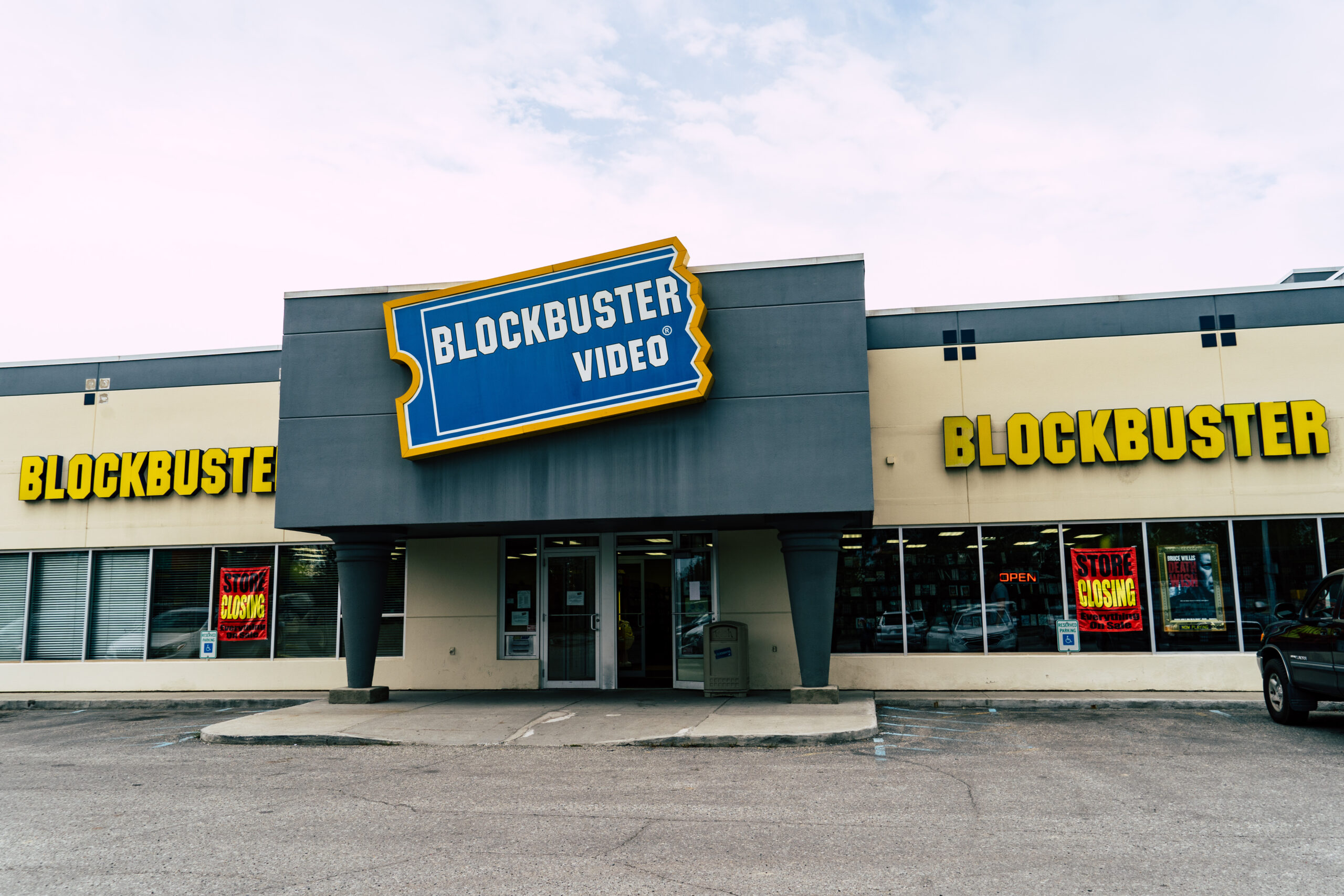
Blockbuster video store

The 90s saw the release of groundbreaking films that pushed the boundaries of special effects and storytelling. Movies like Jurassic Park, Titanic, and The Matrix showcased what was technically possible and set new standards for filmmaking. Many cinephiles look at 1991 in particular as one of the best years for movies, with films like Fight Club and The Silence of the Lambs. We’re still watching sequels, remakes, and spinoff TV shows based on these properties to this very day.

11. The Birth of Reality TV

Young couple watching TV on a sofa at home

It’s hard to imagine a time before The Bachelor and American Idol. However, it wasn’t until the 1990s that viewers were fully immersed in reality TV. The Real World on MTV was a particular fan favorite, but fans also tuned in each week for Cops, True Life, and America’s Funniest Home Videos. These shows changed the landscape of television by focusing on all the drama found in everyday life.

12. A Time of Economic Prosperity

save money for investment concept money in the glass with filter

The 1990s was a peaceful time for most Americans. Because the country experienced significant economic growth, many people were thriving financially in a way that wasn’t possible in previous decades. This newfound wealth gave everyone a sense of optimism and opportunity, a feeling that permeated throughout the culture. As a nation, we haven’t experienced quite the same boom since then.

13. Less Digital Distraction

Woman laughing together

The Internet was just a baby in the 90s, so the crazy tech boom that was to follow hadn’t happened yet. This was a time before smartphones and social media. People were less digitally distracted and more present in the everyday moment. Some look back at the 90s through a nostalgic lens, remembering the good old days before we were glued to our screens.

Love to 90s Kids

Young woman in jacket of 90s style

The 1990s were a defining decade for many people. If you were alive at that time, you likely look back at those years fondly. Gen Z and Gen Alpha, meanwhile, turn to the 90s for fashion, music, and movie inspiration . Fingers crossed that we all get the chance to experience such a culturally rich decade again in the future.

Read More: 

12 Lifestyle Trends Millennials Love But Older Generations Just Don’t Get

10 Eye-Opening Comparisons Between Life in the 1980s and Today

Filed Under: Culture Tagged With: 1990s, 1990s generation, Expansion of Blockbuster Movies, Memorable Fashion Trends

In Today’s Financial Environment Am I Still Wasting Money on Rent?

June 7, 2024 By Catherine Reed Leave a Comment

In Today's Financial Environment Am I Still Wasting Money on Rent

With the ever-changing financial landscape, many people question whether renting is a prudent choice or a waste of money. Rising property prices, fluctuating interest rates, and economic uncertainties make this a timely and relevant topic. Understanding the nuances of renting versus buying is crucial for making informed financial decisions. Here, we explore whether you are genuinely wasting money on rent in today’s economic environment.

The Flexibility of Renting

The Flexibility of Renting

Renting offers flexibility that homeownership often cannot match. For those with transient jobs or uncertain future plans, renting provides the freedom to relocate without the long-term commitment of a mortgage. Additionally, renters can often move to different neighborhoods or cities with relative ease. This flexibility is invaluable for those who value mobility and adaptability.

Upfront Costs and Financial Barriers

Upfront Costs and Financial Barriers

One of the significant advantages of renting is the lower upfront cost. Purchasing a home typically requires a significant down payment, with the preferred target being 20 percent. Plus, there are closing costs and other fees that can be a financial barrier for many. Renting, on the other hand, usually involves a security deposit and the first month’s rent, making it more accessible. These lower initial costs can free up money for other investments or savings goals.

Maintenance and Repair Responsibilities

Maintenance and Repair Responsibilities

Renters generally aren’t responsible for maintenance and repairs, which can save a considerable amount of money and hassle. Homeowners must budget for unexpected expenses like plumbing issues, roof repairs, and appliance replacements. These costs can add up quickly and strain financial resources. By renting, individuals can avoid these unpredictable expenses and the stress that comes with them.

Opportunity Costs of Renting

Opportunity Costs of Renting

While renting offers several financial advantages, it also comes with opportunity costs. Rent payments do not build equity, meaning the money spent on rent does not contribute to ownership or asset accumulation. Over the long term, this can result in a significant financial disadvantage compared to owning a home. Evaluating these opportunity costs is essential for understanding the true financial impact of renting.

Housing Market Volatility

Housing Market Volatility

The housing market’s volatility plays a crucial role in the rent versus buy decision. In times of economic uncertainty, property values can fluctuate dramatically, impacting the potential return on investment for homeowners. Renting can be a safer option during such periods, as it avoids the risk of property devaluation. Understanding the current housing market trends can help determine whether renting is a better choice financially.

Financial Stability and Job Security

Financial Stability and Job Security

Renting can be advantageous for those with unstable income or job security. Without the burden of a mortgage, renters may find it easier to adjust their living expenses to match their financial situation. This can provide a safety net during times of economic hardship or career transitions. Ensuring financial stability and adaptability is crucial in today’s unpredictable economic environment.

Real Estate Investment Alternatives

Real Estate Investment Alternatives

For those questioning whether they are wasting money on rent, exploring real estate investment alternatives can be beneficial. Investing in real estate through REITs (Real Estate Investment Trusts) or other property investment vehicles allows individuals to gain exposure to the real estate market without purchasing a home. These investments can provide income and potential capital gains while maintaining the flexibility of renting.

Comparing Rent and Mortgage Payments

Comparing Rent and Mortgage Payments

Comparing monthly rent payments to potential mortgage payments is essential for making an informed decision. In some markets, mortgage payments may be comparable to or even lower than rent payments, making homeownership a financially viable option. However, this comparison should also consider property taxes, insurance, and maintenance costs. A thorough analysis helps determine the most cost-effective living arrangement.

Long-Term Financial Goals

Long-Term Financial Goals

Aligning your housing choice with your long-term financial goals is crucial. If building wealth and financial security are priorities, owning a home can be a strategic move, provided it aligns with your budget and lifestyle. Conversely, if flexibility, lower upfront costs, and avoiding maintenance responsibilities are more critical, renting may be the better choice. Balancing these factors helps achieve a stable and fulfilling financial future.

Economic Trends and Rent Prices

Economic Trends and Rent Prices

Current economic trends and rent prices significantly impact the decision to rent or buy. In some areas, rent prices have surged, making homeownership more attractive. Understanding local rent trends and comparing them to housing market conditions can provide valuable insights. Staying informed about economic developments ensures that your housing decision remains financially sound.

You’re Not Necessarily Wasting Money on Rent

You’re Not Necessarily Wasting Money on Rent

Renting offers flexibility, lower upfront costs, and extra freedom – particularly when it comes to maintenance responsibilities and the ability to move more spontaneously – making it an attractive option for many. However, the opportunity costs of not building equity and the potential advantages of homeownership cannot be ignored. By carefully considering personal financial stability, market conditions, and long-term goals, you can determine whether renting is the right choice in today’s financial environment. Making a thoughtful decision ensures that you are not wasting money on rent but rather making a strategic financial choice that aligns with your lifestyle and future aspirations.

Read More:

Millennials Will Be Living with Their Parents Forever: 12 Ways to Get Out

How to Prepare for Major Expenses Associated with Your Home

Filed Under: housing Tagged With: buying a home, homeownership, housing costs, mortgage, real estate, rent, wasting money on rent

  • « Previous Page
  • 1
  • …
  • 67
  • 68
  • 69
  • 70
  • 71
  • …
  • 320
  • Next Page »
  • Facebook
  • Pinterest
  • RSS
  • Twitter

Improve Your Credit Score

Money Blogs

  • Budget and the Bees
  • Celebrating Financial Freedom
  • Christian PF
  • Clever Dude
  • Dual Income No Kids
  • Everybody Loves Your Money
  • Financial Panther
  • Gajizmo.com
  • Grocery Coupon Guide
  • Lazy Man and Money
  • Make Money Your Way
  • Money Talks News
  • Personal Profitability
  • PF Blogs
  • Reach Financial Independence
  • Saving Advice
  • The Savvy Scot
  • Yes, I am Cheap

Categories

Disclaimer

Please note that Beating Broke has financial relationships with some of the merchants mentioned here. Beating Broke may be compensated if consumers choose to utilize the links located throughout the content on this site and generate sales for the said merchant.

Visit Our Advertisers

Need to change careers? Consider an Accounting Certificate Program from WTI.
  • Home
  • About
  • We Recommend
  • Contact
  • Our Editorial Commitment