Beating Broke

Personal Finance from the Broke Perspective

  • Home
  • About
  • We Recommend
  • Contact
  • Privacy Policy

Powered by Genesis

Why Would You Refinance Your House Now? Here Are 10 Reasons

October 28, 2025 By Teri Monroe Leave a Comment

refinance your house
Image Source: Shutterstock

With interest rates dropping to their lowest point in a year, as of October 2025, many homeowners are asking: Is now finally the right time to refinance? After years of high mortgage rates, for many Americans, it’s a financial reset. Refinancing could give you an opportunity to lower payments, shorten loan terms, or unlock equity for future goals. But that’s not all. Whether you bought during the rate spikes or haven’t reviewed your loan in years, refinancing can bring surprising benefits beyond just a smaller bill. Here are 10 solid reasons it may make sense to refinance your house right now.

1. Interest Rates Are Finally Drifting Down Again

After peaking above 7% in 2023, average mortgage rates have dipped closer to 6% today. When you do the math, even a one-point drop can mean tens of thousands saved over the life of a loan. If you’re considering refinancing, it’s important to do it now, before another rate swing happens. This can lock in stability for years. In fact, the earlier you act during a rate-cut cycle, the bigger the long-term payoff.

2. You Want Lower Monthly Payments

Probably the most common reason to refinance is that you want lower monthly payments. A lower rate or extended loan term can shrink your mortgage payment. Imagine what even trimming $150 a month could do. That could put $1,800 in your pocket annually. That cash could be used for other priorities like retirement savings or paying down high-interest debt. So, even small adjustments can make an impact and improve your financial health.

3. You Can Shorten Your Loan Term

Lowering your monthly payments isn’t the only reason to refinance, though. If you’re comfortable with your current payments, refinancing into a shorter loan term, say from 30 years to 15 years, can dramatically reduce total interest. You’ll pay off your home faster and build equity quicker. For example, if your income is higher right now, you may want to focus on becoming debt-free. While there’s no rule on how many times you refinance, you do pay closing costs each time. So, it’s important to only adjust loan terms if you’re in a stable financial situation.

4. You Want to Consolidate High-Interest Debt

Mortgage interest rates are typically far lower than credit card or personal loan rates. A cash-out refinance lets you roll those debts into one lower-rate loan, simplifying payments and cutting total interest costs. While this moves unsecured debt into a secured loan, it can be a smart reset if paired with disciplined spending.

5. You Need Cash for Major Life Goals

Home equity can be a powerful financial tool when used strategically. Refinancing allows you to access that equity for renovations, tuition, or major life changes. With property values still high, many homeowners are sitting on record equity levels without realizing it. A cash-out refinance gives you flexibility without resorting to higher-interest borrowing. It’s one of the cheapest ways to borrow. With this kind of refi, you’ll get a lump-sum payout for your equity. But usually. you are required to retain 20% equity in your home.

6. Your Credit Score Has Improved

If your credit score has jumped since you first took out your mortgage, you likely qualify for a better rate now. Lenders reward strong credit with lower interest and better terms. Refinancing based on improved credit can mean thousands in savings. You’ll want your score to have jumped 20-30 points for  a better new rate. A score of 740 or higher is generally needed for the best rates. It’s proof that good financial habits pay off in very real ways.

7. You Want to Switch From an Adjustable to a Fixed Rate

Adjustable-rate mortgages (ARMs) made sense when rates were low, but resets in recent years have shocked many borrowers with sudden payment jumps. Refinancing into a fixed-rate loan restores predictability and security. You’ll know exactly what to budget for each month, and you’ll be protected if rates rise again in 2026 or beyond. However, it’s a smart idea to calculate your break-even point, so you know when you’ll start saving money.

8. You’re Divorcing or Changing Ownership

Refinancing is often the cleanest way to remove or add someone to a mortgage. This can be due to divorce, inheritance, or estate planning. It resets the legal and financial ownership structure while allowing you to re-evaluate your terms. Even if rates are slightly higher, the clarity and independence gained often outweigh the cost.

9. You Want to Eliminate Private Mortgage Insurance (PMI)

If your home’s value has increased and you now have at least 20% equity, refinancing can remove private mortgage insurance. PMI often costs $50 to $250 a month, depending on loan size. Dropping it not only cuts monthly costs but also streamlines your statement. Many homeowners don’t realize they’re still paying PMI unnecessarily.

10. You’re Planning for Retirement and Want Predictable Cash Flow

For homeowners nearing retirement, refinancing can lock in lower payments or shorten a term before switching to a fixed income. Some also use cash-out refinancing as part of a “retirement readiness” plan. Extra cash can fund home upgrades, pay off debts, or build a financial cushion. It’s about designing stability while income is still steady.

Why Refinancing in 2025 Is More Than Rate Chasing

Refinancing today isn’t just about timing the market; it’s about improving your overall financial position. Whether your goal is lower payments, debt consolidation, or tapping equity wisely, the right refi can boost stability and flexibility. If you haven’t reviewed your mortgage in the past two years, it’s worth exploring your options before the next rate adjustment cycle hits.

Are you considering refinancing this year, or have you already locked in a new rate? Share your experience or questions below.

You May Also Like…

  • What is a Good Reason to Refinance a Car?
  • How to Make a Refinance Appraisal Checklist
  • How Automating Your Debt Is Quietly Raising Your Interest Rates
  • Ready to Retire? Make Sure You’ve Hit These 9 Financial Milestones
  • 6 Debt Traps That Seem Harmless—Until They Jeopardize Your Entire Identity
Teri Monroe Headshot
Teri Monroe

Teri Monroe started her career in communications working for local government and nonprofits. Today, she is a freelance finance and lifestyle writer and small business owner. In her spare time, she loves golfing with her husband, taking her dog Milo on long walks, and playing pickleball with friends.
Filed Under: General Finance Tagged With: cash-out refi, debt consolidation, financial planning, home equity, homeownership, mortgage rates, mortgage refinance, Personal Finance, refinance your house 2025, retirement readiness

In Today’s Financial Environment Am I Still Wasting Money on Rent?

June 7, 2024 By Catherine Reed Leave a Comment

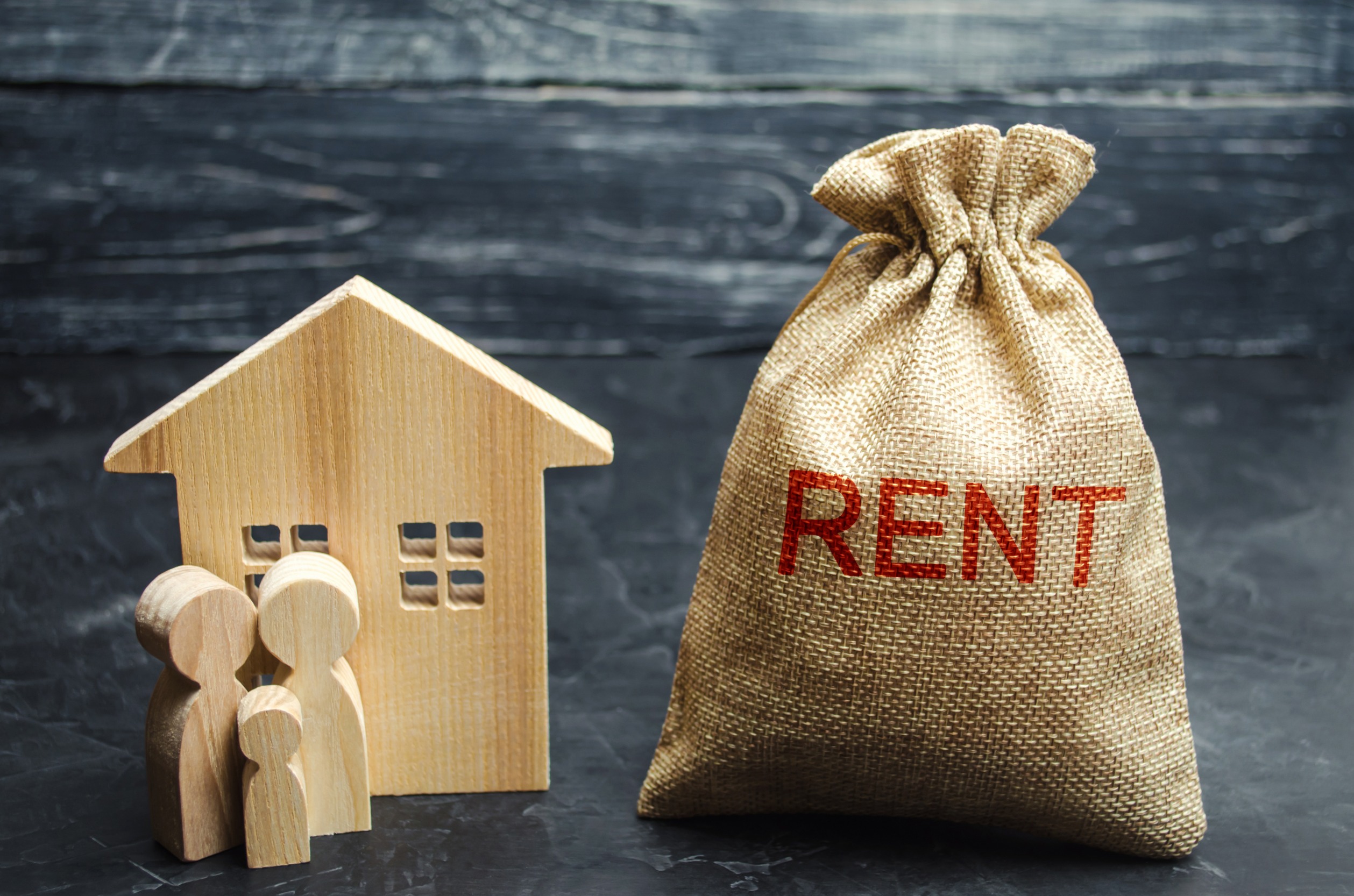
In Today's Financial Environment Am I Still Wasting Money on Rent

With the ever-changing financial landscape, many people question whether renting is a prudent choice or a waste of money. Rising property prices, fluctuating interest rates, and economic uncertainties make this a timely and relevant topic. Understanding the nuances of renting versus buying is crucial for making informed financial decisions. Here, we explore whether you are genuinely wasting money on rent in today’s economic environment.

The Flexibility of Renting

The Flexibility of Renting

Renting offers flexibility that homeownership often cannot match. For those with transient jobs or uncertain future plans, renting provides the freedom to relocate without the long-term commitment of a mortgage. Additionally, renters can often move to different neighborhoods or cities with relative ease. This flexibility is invaluable for those who value mobility and adaptability.

Upfront Costs and Financial Barriers

Upfront Costs and Financial Barriers

One of the significant advantages of renting is the lower upfront cost. Purchasing a home typically requires a significant down payment, with the preferred target being 20 percent. Plus, there are closing costs and other fees that can be a financial barrier for many. Renting, on the other hand, usually involves a security deposit and the first month’s rent, making it more accessible. These lower initial costs can free up money for other investments or savings goals.

Maintenance and Repair Responsibilities

Maintenance and Repair Responsibilities

Renters generally aren’t responsible for maintenance and repairs, which can save a considerable amount of money and hassle. Homeowners must budget for unexpected expenses like plumbing issues, roof repairs, and appliance replacements. These costs can add up quickly and strain financial resources. By renting, individuals can avoid these unpredictable expenses and the stress that comes with them.

Opportunity Costs of Renting

Opportunity Costs of Renting

While renting offers several financial advantages, it also comes with opportunity costs. Rent payments do not build equity, meaning the money spent on rent does not contribute to ownership or asset accumulation. Over the long term, this can result in a significant financial disadvantage compared to owning a home. Evaluating these opportunity costs is essential for understanding the true financial impact of renting.

Housing Market Volatility

Housing Market Volatility

The housing market’s volatility plays a crucial role in the rent versus buy decision. In times of economic uncertainty, property values can fluctuate dramatically, impacting the potential return on investment for homeowners. Renting can be a safer option during such periods, as it avoids the risk of property devaluation. Understanding the current housing market trends can help determine whether renting is a better choice financially.

Financial Stability and Job Security

Financial Stability and Job Security

Renting can be advantageous for those with unstable income or job security. Without the burden of a mortgage, renters may find it easier to adjust their living expenses to match their financial situation. This can provide a safety net during times of economic hardship or career transitions. Ensuring financial stability and adaptability is crucial in today’s unpredictable economic environment.

Real Estate Investment Alternatives

Real Estate Investment Alternatives

For those questioning whether they are wasting money on rent, exploring real estate investment alternatives can be beneficial. Investing in real estate through REITs (Real Estate Investment Trusts) or other property investment vehicles allows individuals to gain exposure to the real estate market without purchasing a home. These investments can provide income and potential capital gains while maintaining the flexibility of renting.

Comparing Rent and Mortgage Payments

Comparing Rent and Mortgage Payments

Comparing monthly rent payments to potential mortgage payments is essential for making an informed decision. In some markets, mortgage payments may be comparable to or even lower than rent payments, making homeownership a financially viable option. However, this comparison should also consider property taxes, insurance, and maintenance costs. A thorough analysis helps determine the most cost-effective living arrangement.

Long-Term Financial Goals

Long-Term Financial Goals

Aligning your housing choice with your long-term financial goals is crucial. If building wealth and financial security are priorities, owning a home can be a strategic move, provided it aligns with your budget and lifestyle. Conversely, if flexibility, lower upfront costs, and avoiding maintenance responsibilities are more critical, renting may be the better choice. Balancing these factors helps achieve a stable and fulfilling financial future.

Economic Trends and Rent Prices

Economic Trends and Rent Prices

Current economic trends and rent prices significantly impact the decision to rent or buy. In some areas, rent prices have surged, making homeownership more attractive. Understanding local rent trends and comparing them to housing market conditions can provide valuable insights. Staying informed about economic developments ensures that your housing decision remains financially sound.

You’re Not Necessarily Wasting Money on Rent

You’re Not Necessarily Wasting Money on Rent

Renting offers flexibility, lower upfront costs, and extra freedom – particularly when it comes to maintenance responsibilities and the ability to move more spontaneously – making it an attractive option for many. However, the opportunity costs of not building equity and the potential advantages of homeownership cannot be ignored. By carefully considering personal financial stability, market conditions, and long-term goals, you can determine whether renting is the right choice in today’s financial environment. Making a thoughtful decision ensures that you are not wasting money on rent but rather making a strategic financial choice that aligns with your lifestyle and future aspirations.

Read More:

Millennials Will Be Living with Their Parents Forever: 12 Ways to Get Out

How to Prepare for Major Expenses Associated with Your Home

Catherine Reed
Catherine Reed

Catherine is a tech-savvy writer who has focused on the personal finance space for more than eight years. She has a Bachelor’s in Information Technology and enjoys showcasing how tech can simplify everyday personal finance tasks like budgeting, spending tracking, and planning for the future. Additionally, she’s explored the ins and outs of the world of side hustles and loves to share what she’s learned along the way. When she’s not working, you can find her relaxing at home in the Pacific Northwest with her two cats or enjoying a cup of coffee at her neighborhood cafe.

Filed Under: housing Tagged With: buying a home, homeownership, housing costs, mortgage, real estate, rent, wasting money on rent

  • Facebook
  • Pinterest
  • RSS
  • Twitter

Improve Your Credit Score

Money Blogs

  • Celebrating Financial Freedom
  • Christian PF
  • Dual Income No Kids
  • Financial Panther
  • Gajizmo.com
  • Lazy Man and Money
  • Make Money Your Way
  • Money Talks News
  • My Personal Finance Journey
  • Personal Profitability
  • PF Blogs
  • Reach Financial Independence
  • So Over Debt
  • The Savvy Scot
  • Yes, I am Cheap

Categories

Disclaimer

Please note that Beating Broke has financial relationships with some of the merchants mentioned here. Beating Broke may be compensated if consumers choose to utilize the links located throughout the content on this site and generate sales for the said merchant.

Visit Our Advertisers

Need to change careers? Consider an Accounting Certificate Program from WTI.