Beating Broke

Personal Finance from the Broke Perspective

  • Home
  • About
  • We Recommend
  • Contact
  • Our Editorial Commitment

Powered by Genesis

Gen X Retirement: 10 Signs That You Can’t Afford to Retire Early

May 27, 2024 By Catherine Reed Leave a Comment

Gen X Retirement 10 Signs That You Can't Afford to Retire Early

The dream of retiring early can be enticing, especially for Generation X. However, the reality of financial readiness can sometimes be sobering. Assessing whether you’re truly prepared for such a significant life change is crucial. For Gen X retirement planning, here are ten signs that you might not be ready to retire early.

1. Insufficient Retirement Savings

Insufficient Retirement Savings

One of the most obvious signs is a lack of sufficient retirement savings. Financial experts recommend having at least eight times your annual salary saved by the time you reach your 60s. If you find yourself far from this goal, it’s a clear indicator that early retirement might not be feasible. Continuing to work can provide more time to build a more substantial nest egg.

2. High Levels of Debt

High Levels of Debt

Carrying high levels of debt into retirement can significantly impact your financial stability. Whether it’s a mortgage, credit card debt, or personal loans, these obligations can eat into your retirement income. Ensuring that you’re debt-free or have a manageable debt load is crucial before considering early retirement. Paying off debts can also provide a sense of financial security.

3. Dependence on Social Security
Dependence on Social Security

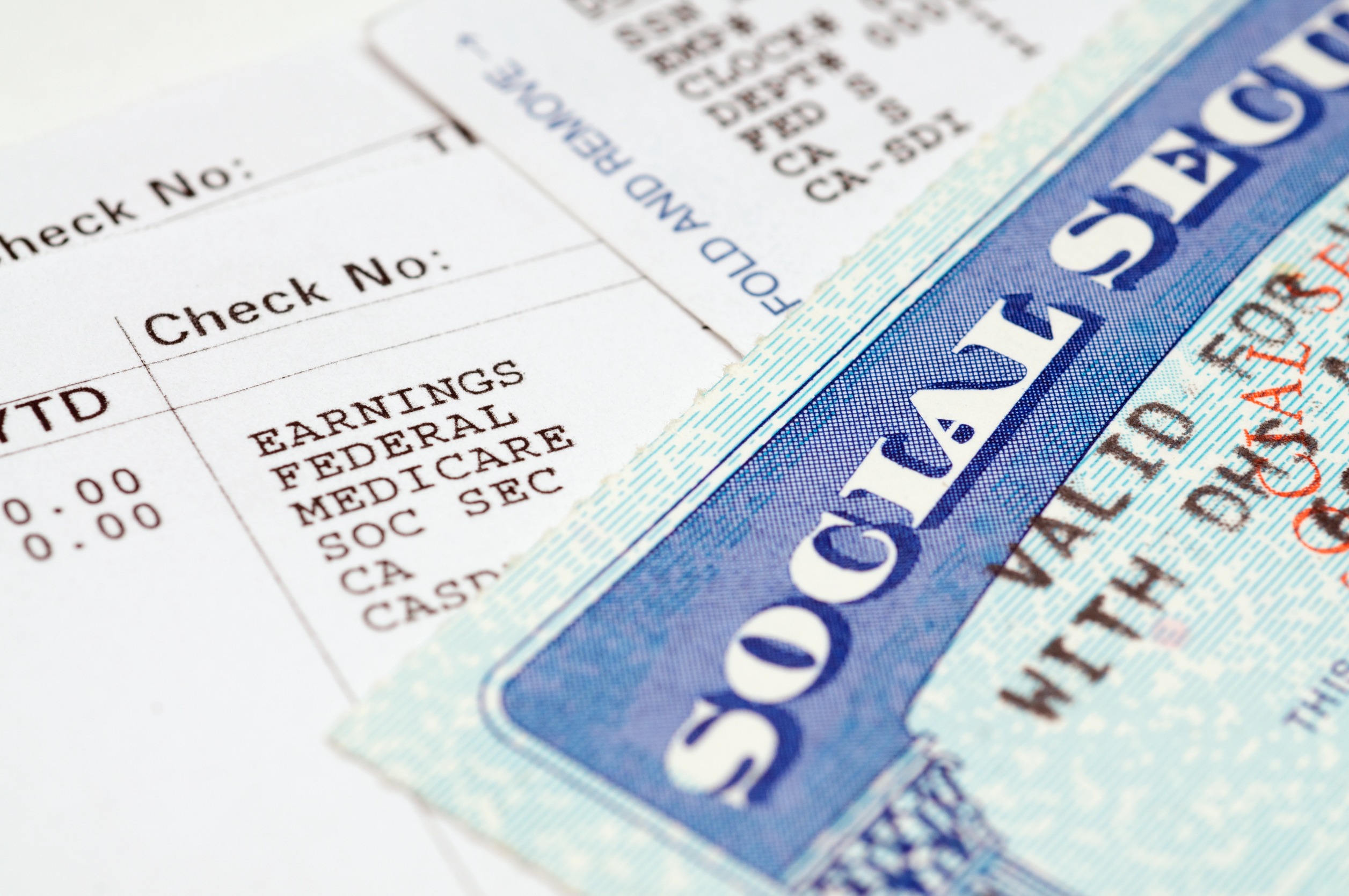
If you find yourself heavily relying on Social Security benefits to fund your retirement, you might not be ready to retire early. Social Security is designed to supplement retirement income, not be the primary source. Depending on it too much can limit your financial flexibility and quality of life. It’s essential to have other income sources, such as savings or investments.

4. Lack of Health Insurance Coverage

Lack of Health Insurance Coverage

Health insurance is a critical component of retirement planning. Without employer-provided health insurance, you may face high out-of-pocket medical expenses. Medicare coverage begins at age 65, so retiring early means bridging the gap with private insurance, which can be costly. Ensuring you have adequate health coverage is essential before retiring.

5. No Clear Retirement Plan

No Clear Retirement Plan

Retiring early requires a well-thought-out plan that addresses your financial needs and lifestyle goals. Without a clear plan, you risk running out of money or facing unexpected expenses. A comprehensive retirement plan should include a budget, investment strategy, and a contingency plan. Consulting with a financial advisor can help create a realistic and achievable plan.

6. High Monthly Expenses

High Monthly Expenses

High monthly expenses can quickly deplete your retirement savings. Analyzing your current spending habits and identifying areas where you can cut back is crucial. Reducing costs can free up more money for savings and investments, making early retirement more achievable. Consider downsizing your home or eliminating non-essential expenses.

7. Inadequate Emergency Fund

Inadequate Emergency Fund

An emergency fund acts as a financial safety net for unexpected expenses. Without an adequate emergency fund, you may have to dip into your retirement savings, jeopardizing your long-term financial security. Financial experts recommend having at least three months’ worth of living expenses saved in an easily accessible account, with six months’ worth being the preferred target. Building a robust emergency fund is a crucial step towards financial preparedness.

8. Dependents Relying on Your Income

Dependents Relying on Your Income

If you still have dependents relying on your income, such as children or elderly parents, retiring early might not be practical. Supporting dependents can place a significant strain on your financial resources. Ensuring your dependents are financially independent or have alternative support is essential before considering early retirement. This can help alleviate financial pressure and provide peace of mind.

9. Uncertain Investment Returns

Uncertain Investment Returns

Relying on uncertain investment returns can be risky when planning for early retirement. Market fluctuations can impact the value of your investments, affecting your retirement income. Having a diversified investment portfolio can help mitigate risks and provide more stable returns. It’s important to review your investment strategy regularly and adjust as needed.

10. Fear of Outliving Your Savings

Fear of Outliving Your Savings

A common concern among those considering early retirement is the fear of outliving their savings. Longevity risk, or the risk of living longer than your financial resources can support, is a serious consideration. Ensuring that your retirement savings can last through your expected lifespan is crucial. Working with a financial planner can help create a sustainable withdrawal strategy and provide peace of mind.

Gen X Retirement Can Mean You Retire Early, But You Have to Prepare

Gen X Retirement Can Mean You Retire Early, But You Have to Prepare

The decision to retire early is a significant one that requires careful consideration and planning. By recognizing these signs and addressing them, you can better prepare for a financially secure retirement. While the dream of early retirement is appealing, ensuring your financial readiness is essential for a comfortable and stress-free retirement.

Read More:

12 Cities You Wouldn’t Believe Are Retirement Paradises

14 Alternative Retirement Plans That Beat Florida’s Heat

Filed Under: Retirement Tagged With: gen x, gen x retirement, Personal Finance, retire early, Retirement, retirement planning

10 Budget-Friendly Summer Travel Tips for Families Who Want to Save Big

May 24, 2024 By Shay Huntley Leave a Comment

Summer vacations are a cherished time for families to bond and create lasting memories. However, planning a family trip while broke can be daunting. Fear not! With some smart strategies and careful planning, you can have an unforgettable vacation without breaking the bank. Here are ten budget-friendly summer travel tips to help you enjoy a fantastic family trip while broke.

1. Plan Early and Be Flexible

Planning your trip early can save you a lot of money. Flights and accommodations are usually cheaper when booked in advance. If you have flexible travel dates, you can take advantage of last-minute deals. Remember, early planning not only saves money but also ensures a successful family trip while broke. Flexibility with your travel plans can also lead to unexpected adventures and savings.

2. Choose Budget-Friendly Destinations

Not all vacation destinations are created equal. Opt for budget-friendly destinations. Look for places where the cost of living is low and there are plenty of free or low-cost activities. Research destinations that offer family discounts and packages. By choosing budget-friendly destinations, you can enjoy a memorable family trip and experience more for less.

3. Travel Off-Peak

Traveling during the off-peak season can lead to significant savings. Prices for flights and accommodations drop when demand is low. Off-peak travel also means fewer crowds and a more relaxed experience. This strategy can help you achieve a stress-free family trip. Enjoy a quieter, more peaceful vacation while saving money.

4. Look for Free Activities

Many destinations offer a variety of free activities that are fun for the whole family. Look for free museums, parks, festivals, and walking tours. Spending less on activities means more money in your pocket. Enjoying free activities can enhance your family trip while broke by reducing financial pressure and allowing for quality family time.

5. Pack Smart and Light

Avoid extra baggage fees by packing smart and light. Bring only the essentials and plan your outfits around versatile pieces. Packing light not only saves money but also makes traveling easier and less stressful. This can help you have a smoother family trip by preventing travel-related arguments and complications.

6. Use Public Transportation

Public transportation is often much cheaper than renting a car or using taxis. Research the local transit options at your destination. Many cities offer family passes or day tickets at discounted rates. Using public transportation can add an element of adventure to your family trip while significantly reducing travel expenses.

7. Cook Your Meals

Eating out can quickly drain your budget. Opt for accommodations with kitchen facilities and cook some of your meals. Visit local markets for fresh and affordable ingredients. Cooking together can be a fun family activity and help you stay within budget during your trip.

8. Take Advantage of Rewards Programs

Sign up for travel rewards programs. By doing so, you can earn points on flights, hotels, and car rentals. These points can be redeemed for discounts or free services on future trips. Utilizing rewards programs can make your family trip more affordable and enjoyable by reducing travel costs.

9. Stay with Friends or Family

Consider staying with friends or family in your destination city. This can save a significant amount on accommodation costs. Staying with loved ones can enhance your family trip by providing a more personal and comfortable experience. This can add joy to your family getaway.

10. Create a Travel Budget and Stick to It

Before embarking on your journey, it’s important to create a travel budget. Ensure it covers all potential expenses. Throughout your trip, monitor your spending carefully to avoid exceeding your budget. A well-planned budget can guarantee a successful family trip, even with limited funds, by preventing financial surprises and ensuring a stress-free vacation.

Start Planning Your Affordable Adventure Today!

Don’t let a tight budget hold you back from creating unforgettable family memories. Use these tips to plan a fun, affordable, and stress-free vacation. Remember, the right planning and smart choices can lead to a memorable family trip. Book your trip today.

Read More

The World’s 10 Most Unique Festivals Worth Traveling For

The Hidden Costs of Poverty: How Being Poor Can Actually Cost More

Filed Under: travel tips Tagged With: budget-friendly travel, cheap summer trips, family trip while broke, family vacation on a budget, summer travel tips, travel hacks for families

Millennials Will Be Living With Their Parents Forever: 12 Ways to Get Out

May 24, 2024 By Catherine Reed Leave a Comment

Millennials Will Be Living With Their Parents Forever 12 Ways to Get Out

Millennials face unique financial challenges that can make achieving independence difficult. Rising living costs, student debt, and an uncertain job market have all contributed to this generation’s extended stay in their parents’ homes. However, there are practical strategies millennials can use to gain financial independence and move out. Here are 12 effective ways to break free.

1. Create a Budget and Stick to It

Create a Budget and Stick to It

Developing a budget is crucial for financial independence. Track your income and expenses to understand where your money goes. Identify areas where you can cut back and allocate more funds towards savings. Consistently sticking to a budget helps build financial discipline and allows you to save for future expenses like rent and utilities.

2. Increase Your Income Streams

Increase Your Income Streams

Relying on a single source of income can be risky. Explore additional income opportunities such as freelancing, part-time jobs, or side hustles. Diversifying your income streams can provide a financial cushion and accelerate your savings. Utilize skills and hobbies to generate extra income, making it easier to afford independent living.

3. Pay Off Debt Aggressively

Pay Off Debt Aggressively

Debt can significantly hinder your ability to move out. Prioritize paying off high-interest debt such as credit cards and personal loans. Consider using the snowball or avalanche method to tackle your debts efficiently. Reducing your debt burden frees up more of your income for savings and living expenses, making it easier to achieve independence.

4. Build an Emergency Fund

Build an Emergency Fund

An emergency fund acts as a financial safety net, covering unexpected expenses without derailing your budget. Aim to save at least three of living expenses, with six months being the next goal. Having a robust emergency fund provides significant peace of mind and ensures you won’t have to rely on credit or family in times of financial crisis.

5. Improve Your Credit Score

Improve Your Credit Score

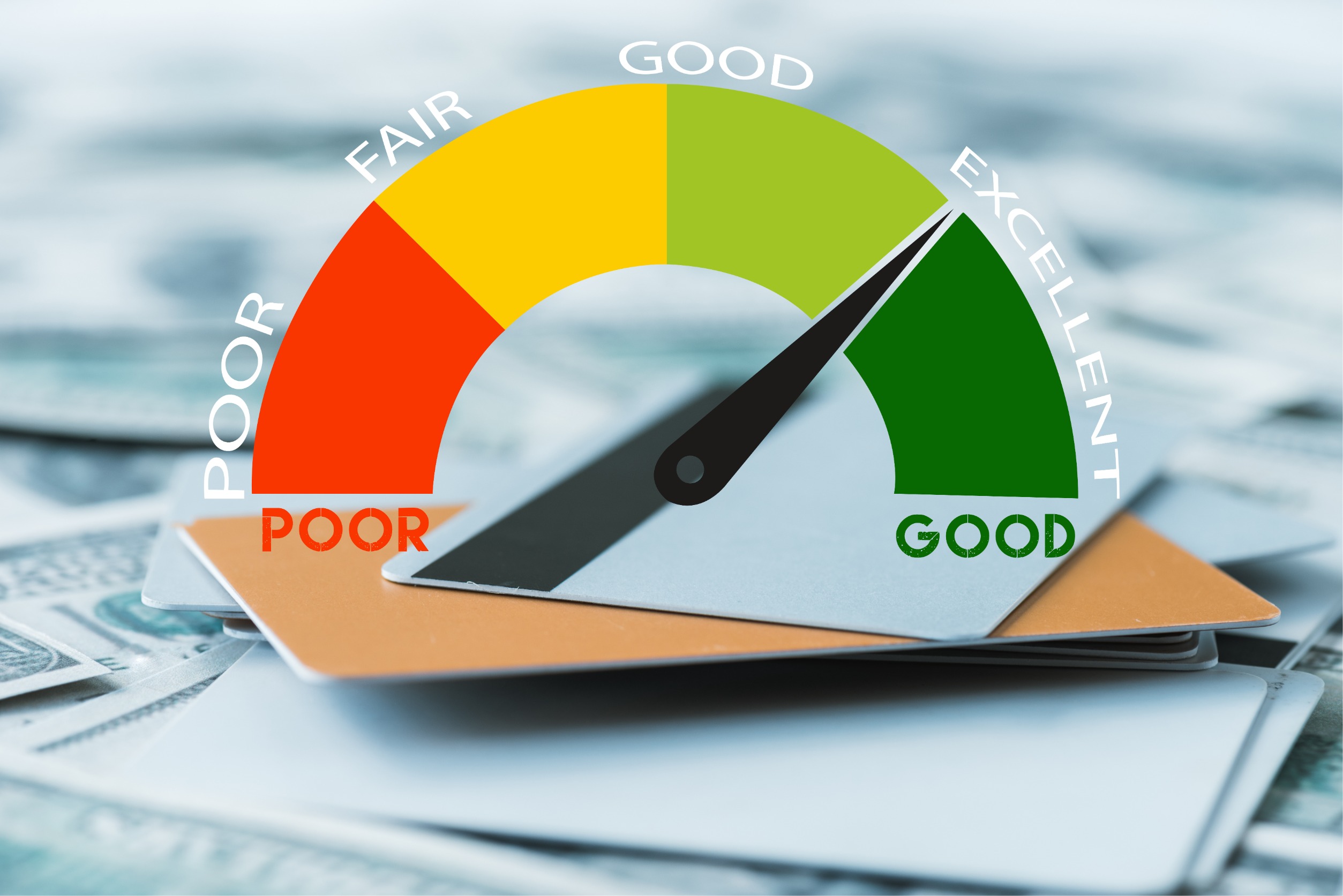
A good credit score is essential for securing housing and loans at favorable rates. Regularly check your credit report for errors and pay your bills on time. Reduce your credit card balances and avoid opening unnecessary new accounts. A strong credit score opens doors to better financial opportunities, including renting your own place.

6. Share Living Expenses with Roommates

Share Living Expenses with Roommates

Living alone can be expensive. Consider finding roommates to split rent, utilities, and other expenses. This arrangement can make living independently more affordable. Choose reliable and financially responsible roommates to ensure a smooth living situation. Sharing expenses allows you to save money while enjoying the benefits of independent living.

7. Look for Affordable Housing Options

Look for Affordable Housing Options

Explore different housing options that fit your budget. Consider renting a smaller apartment, living in a less expensive neighborhood, or looking for housing with included utilities. Be open to compromises that make independent living more financially feasible. Affordable housing options can provide a stepping stone towards complete financial independence.

8. Enhance Your Skills and Education

Enhance Your Skills and Education

Investing in your education and skills can lead to better job opportunities and higher income. Consider taking courses or certifications that are relevant to your career. Continuous learning enhances your employability and opens doors to promotions and salary increases. Higher income makes it easier to save for moving out and maintaining independence.

9. Network and Seek Career Advancement

Network and Seek Career Advancement

Networking can significantly impact your career progression. Attend industry events, join professional associations, and connect with peers and mentors. Building a solid professional network can lead to job opportunities and career growth. Career advancement often comes with higher income, making financial independence more attainable.

10. Practice Minimalism

Practice Minimalism

Adopting a minimalist lifestyle can reduce living expenses and help you save more. Focus on purchasing only what you need and avoid unnecessary spending. Declutter your living space and sell items you no longer use. Minimalism encourages mindful spending and can significantly boost your savings, paving the way for independent living.

11. Consider Remote Work Opportunities

Consider Remote Work Opportunities

Remote work can offer more flexibility and potentially higher savings. You can choose more affordable living arrangements without commuting expenses and the need to live near your workplace. Look for remote job opportunities that match your skills and career goals. Remote work can provide the financial flexibility needed to move out of your parents’ home.

12. Set Clear Financial Goals

Set Clear Financial Goals

Having clear financial goals provides direction and motivation. Set short-term and long-term goals, such as saving a specific amount for a security deposit or achieving a certain income level. Break down these goals into actionable steps and track your progress. Clear goals keep you focused and determined to achieve financial independence.

Millennials Don’t Have to Live with Their Parents Forever

Millennials Don’t Have to Live with Their Parents Forever

Millennials face unique challenges, but with careful planning and disciplined financial habits, it is possible to gain independence and move out of your parents’ home. By implementing these 12 strategies, you can build a secure financial foundation and enjoy the freedom of independent living.

Read More:

8 Ways Life Was Tougher for Boomers Than Millennials and Gen Z

Millennials and Baby Boomers: 16 Misunderstandings Unraveled

Filed Under: millennials Tagged With: break free, cost of living, independence, living with parents, millennials, move out, rent

  • « Previous Page
  • 1
  • …
  • 75
  • 76
  • 77
  • 78
  • 79
  • …
  • 320
  • Next Page »
  • Facebook
  • Pinterest
  • RSS
  • Twitter

Improve Your Credit Score

Money Blogs

  • Budget and the Bees
  • Celebrating Financial Freedom
  • Christian PF
  • Clever Dude
  • Dual Income No Kids
  • Everybody Loves Your Money
  • Financial Panther
  • Gajizmo.com
  • Grocery Coupon Guide
  • Lazy Man and Money
  • Make Money Your Way
  • Money Talks News
  • Personal Profitability
  • PF Blogs
  • Reach Financial Independence
  • Saving Advice
  • The Savvy Scot
  • Yes, I am Cheap

Categories

Disclaimer

Please note that Beating Broke has financial relationships with some of the merchants mentioned here. Beating Broke may be compensated if consumers choose to utilize the links located throughout the content on this site and generate sales for the said merchant.

Visit Our Advertisers

Need to change careers? Consider an Accounting Certificate Program from WTI.
  • Home
  • About
  • We Recommend
  • Contact
  • Our Editorial Commitment