Beating Broke

Personal Finance from the Broke Perspective

  • Home
  • About
  • We Recommend
  • Contact
  • Our Editorial Commitment

Powered by Genesis

Searching for Love: 10 Ways Dating Is Different for Baby Boomers and Millennials

May 21, 2024 By Catherine Reed Leave a Comment

Searching for Love 10 Ways Dating Is Different for Baby Boomers and Millennials

The landscape of dating has transformed significantly across generations. Baby Boomers and Millennials have unique experiences and challenges when it comes to searching for love. Understanding these differences can provide insight into the evolving nature of romantic relationships.

1. Technology and Online Dating

Technology and Online Dating

Millennials have grown up with technology and often rely on dating apps to meet potential partners. Platforms like Tinder, Bumble, and Hinge are integral to their dating lives, providing convenience and a wide pool of options. In contrast, Baby Boomers are less likely to use these apps, often preferring traditional methods of meeting through friends, family, or social events. This generational divide in using technology significantly influences how each group approaches dating.

2. Communication Styles

Communication Styles

Communication preferences between Baby Boomers and Millennials differ notably. Millennials tend to favor texting, social media, and instant messaging to keep in touch with potential partners. Baby Boomers, however, often prefer phone calls or face-to-face interactions, valuing more direct and personal communication. These differing preferences can lead to misunderstandings or frustrations when expectations about communication aren’t aligned.

3. Attitudes Toward Commitment

Attitudes Toward Commitment

Millennials often approach relationships cautiously and may delay commitment due to career goals, financial instability, or the desire for personal growth. This generation is more likely to experience long periods of casual dating before settling down. On the other hand, Baby Boomers typically prioritized early marriage and family life, influenced by societal norms of their youth. These contrasting attitudes shape how each generation navigates their search for love.

4. Impact of Past Relationships

Impact of Past Relationships

Past relationships play a significant role in how both generations view dating. Baby Boomers might be re-entering the dating scene after divorce or losing a spouse, carrying different emotional baggage and expectations. Millennials, often still in their first serious relationships, may have less experience but higher expectations shaped by media and societal ideals. This difference affects their openness and approach to new relationships.

5. Influence of Social Media

Influence of Social Media

Social media’s role in dating is starkly different for Millennials and Baby Boomers. Millennials often use platforms like Instagram and Facebook to showcase their lives and gauge potential partners’ interests and compatibility. Baby Boomers may use social media less frequently, preferring more private and direct means of getting to know someone. This generational gap impacts how each group builds and maintains romantic connections.

6. Financial Considerations

Financial Considerations

Financial stability plays a crucial role in dating for both generations but in different ways. Millennials often face significant student debt and high living costs, which can delay marriage and home-buying plans. Generally more financially stable, Baby Boomers may focus on finding partners with similar retirement plans or lifestyles. These financial factors influence the expectations and priorities in their dating lives.

7. Social Expectations and Pressures

Social Expectations and Pressures

Societal expectations have evolved, impacting how Baby Boomers and Millennials view relationships. Millennials often face less pressure to marry young and more freedom to explore various relationship models, including cohabitation and non-traditional partnerships. Baby Boomers grew up with more rigid expectations around marriage and family roles, which can influence their current dating behaviors. These differing pressures shape the relationship dynamics for each generation.

8. Approach to Dating Etiquette

Approach to Dating Etiquette

Dating etiquette varies significantly between Baby Boomers and Millennials. Millennials might prioritize casual and flexible dating experiences, often meeting in informal settings like coffee shops or bars. Baby Boomers may value more formal dating practices, such as planned dinners and thoughtful gestures. Understanding these etiquette differences can help bridge the generational gap in dating expectations.

9. Navigating Dating After Loss

Navigating Dating After Loss

Dating after the loss of a partner is a common scenario for Baby Boomers, presenting unique challenges and emotional complexities. This experience often requires significant adjustment and a different approach to finding love again. Millennials, less likely to have faced such profound loss, might struggle to empathize with these challenges. Recognizing this difference is crucial for understanding each generation’s distinct emotional landscapes in their search for love.

10. Emphasis on Personal Growth

Emphasis on Personal Growth

Personal growth and self-discovery significantly influence how Millennials and Baby Boomers approach relationships. Millennials often view dating as an extension of their journey toward self-fulfillment, prioritizing personal development alongside romantic pursuits. Having already established their identities and careers, Baby Boomers may seek partners who complement their existing lifestyle and values. This emphasis on personal growth shapes the motivations and expectations in their search for love.

How Each Generation Is Searching for Love Is Different

How Each Generation Is Searching for Love Is Different

Ultimately, the ways Baby Boomers and Millennials search for love are shaped by technological advancements, communication preferences, and evolving social norms. Understanding these differences can foster better empathy and connection across generations.

Read More:

Keep Love Alive: 8 Things to Never Say to Your Spouse

Special Things You Can Do for Your Spouse During a Difficult Time

Filed Under: relationships Tagged With: baby boomers, companionship, dating, millennials, relationships, searching for love

14 Popular Old Wives’ Tales That Are Actually True

May 20, 2024 By Shay Huntley Leave a Comment

Old wives’ tales have been passed down through generations, often dismissed as mere superstition. However, many of these time-honored beliefs hold surprising truths. In this article, we explore 14 popular old wives’ tales that are actually true. From health remedies to everyday wisdom, these tales blend folklore with scientific facts. Discover how these age-old tips can benefit your modern life.

1. Feed a Cold, Starve a Fever

The old saying “feed a cold, starve a fever” holds some truth. When you have a cold, your body needs extra energy from food to fight off the infection. Consuming nourishing meals helps your immune system work efficiently. On the other hand, a fever often reduces appetite. Hydration and light meals can help manage fever symptoms. This old wives’ tale reminds us to listen to our bodies and provide what they need during illness.

2. Chicken Soup for Colds

Chicken soup isn’t just a comfort food; it’s also beneficial for colds. The steam helps clear nasal congestion, while the warm broth soothes the throat. Chicken soup provides essential nutrients that support the immune system. Research shows it may also have anti-inflammatory properties.

3. An Apple a Day Keeps the Doctor Away

Apples are packed with nutrients that promote good health. They’re rich in fiber, vitamins, and antioxidants. Regular consumption can help reduce the risk of chronic diseases. The saying highlights the importance of a healthy diet. Eating apples daily can contribute to overall wellness and reduce doctor visits.

4. Garlic for Health

Garlic has been used for centuries for its medicinal properties. It contains allicin, which has antimicrobial effects. Consuming garlic can boost the immune system and may lower blood pressure. It’s also believed to improve cholesterol levels. This old wives’ tale emphasizes the health benefits of including garlic in your diet.

5. Warm Milk for Sleep

Drinking warm milk before bedtime can help you sleep better. Milk contains tryptophan, an amino acid that can aid in falling asleep. The warmth of the milk is also comforting and can help relax the body. This age-old remedy is still widely used by those struggling with insomnia. Enjoying a warm glass of milk is a simple and effective way to enhance the quality of your sleep.

6. Honey for Coughs

Honey is a natural remedy for coughs and sore throats. It has antimicrobial properties and can soothe irritation. Mixing honey with warm water or tea can provide relief. Studies show honey can be as effective as some over-the-counter cough medicines. This old wives’ tale demonstrates the power of natural remedies in treating common ailments.

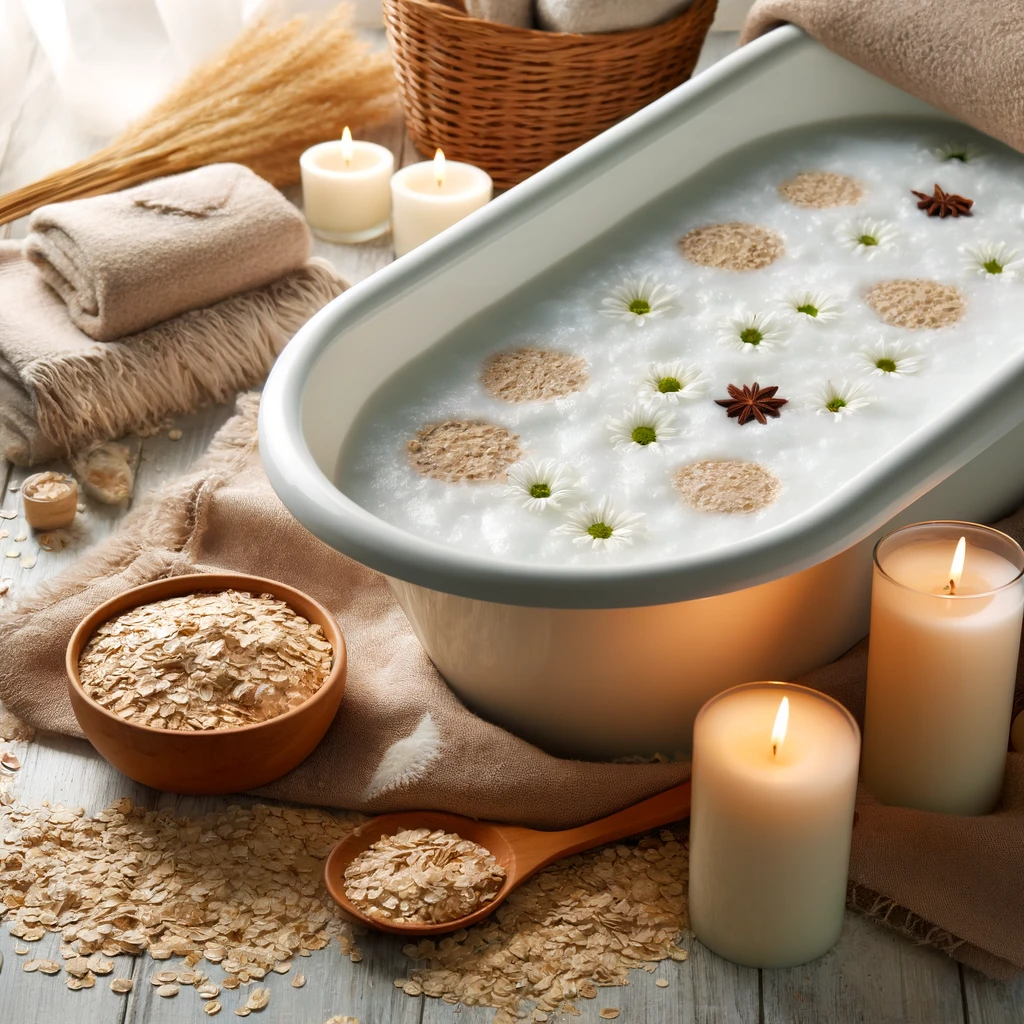
7. Oatmeal Baths for Itchy Skin

Oatmeal baths are an effective treatment for itchy skin. The substance contains compounds that reduce inflammation and soothe irritation. Adding oatmeal to bathwater helps relieve conditions like eczema and poison ivy. This old wives’ tale offers a natural solution for skin discomfort.

8. Carrots for Better Vision

Carrots are rich in beta-carotene, which converts to vitamin A in the body. Vitamin A is essential for good vision. Consuming carrots regularly can help maintain eye health. This old wives’ tale encourages people to include nutrient-rich foods in their diets.

9. Cranberry Juice for UTIs

Cranberry juice is often recommended for urinary tract infections (UTIs). It contains compounds that prevent bacteria from adhering to the urinary tract walls. Drinking cranberry juice can help reduce the risk of UTIs. This old wives’ tale highlights a natural way to support urinary health.

10. Walking Under a Ladder Brings Bad Luck

While this might seem superstitious, there’s a practical side to it. Walking under a ladder can be dangerous, leading to potential accidents. This old wives’ tale serves as a reminder to be cautious around unstable objects. It’s a blend of safety advice and superstition.

11. Chewing Gum for Earaches

Chewing gum can help relieve earache discomfort, especially during air travel. The act of chewing helps equalize pressure in the ears. This old wives’ tale provides a simple way to manage ear pain. It’s a handy tip for travelers and anyone prone to earaches.

12. A Stitch in Time Saves Nine

This saying emphasizes the importance of addressing problems early. Taking care of issues promptly can prevent them from worsening. This old wives’ tale promotes proactive behavior. It’s a timeless piece of advice that remains relevant today.

13. Fish is Brain Food

Fish, especially fatty fish, is rich in omega-3 fatty acids. These are crucial for brain health and cognitive function. Consuming fish regularly can support memory and mental clarity. This old wives’ tale underscores the benefits of a diet rich in omega-3s.

14. Warm Compress for Styes

You can speed up the healing of a stye by applying a warm compress. The heat helps boost blood flow. This in turn reduces swelling in the area. This age-old remedy offers a simple solution for a common eye problem.

Rediscover the Wisdom of the Ages

By exploring these old wives’ tales, you can appreciate the blend of tradition and science. These time-tested truths offer valuable insights into health, safety, and wellness. Embrace the wisdom of the past and apply it to your modern life.

Read More

20 Career Myths You Can Ignore After Turning 40

Excuse Me? 12 Sayings You Think Are Compliments That Actually Aren’t

Filed Under: healthy living Tagged With: Folk Wisdom, health, Home Remedies, Myths, Old Wives' Tales, Surprising Facts

13 Strategies for Avoiding Impulse Buys and Sticking to Your Grocery List

May 20, 2024 By Catherine Reed Leave a Comment

13 Strategies for Avoiding Impulse Buys and Sticking to Your Grocery List

Impulse buying can wreak havoc on your budget and lead to unnecessary purchases. Sticking to your grocery list not only saves money but also helps maintain healthy eating habits. Here are 13 effective strategies for avoiding impulse buys and sticking to your grocery list.

1. Plan Your Meals in Advance

Plan Your Meals in Advance

Planning your meals for the week helps you create a focused grocery list. Knowing exactly what you need for each meal makes you less likely to stray into unnecessary purchases. A well-thought-out meal plan keeps you on track and ensures you only buy ingredients that you’ll use, reducing food waste and saving money.

2. Make a Detailed Grocery List

Make a Detailed Grocery List

A detailed grocery list is your best defense against impulse buys. List all the ingredients you need for your planned meals, including quantities. Having a specific list to follow reduces the temptation to buy items that aren’t on it. Stick to the list, and you’ll find it easier to avoid unnecessary purchases.

3. Set a Budget and Stick to It

Set a Budget and Stick to It

Before heading to the store, set a budget for your groceries. Knowing your spending limit helps you prioritize essential items over impulse buys. Keep track of your spending as you shop, and if you reach your budget limit, return non-essential items. This practice helps you become more mindful of your purchases.

4. Shop on a Full Stomach

Shop on a Full Stomach

Shopping while hungry is a recipe for impulse buys. Hunger makes everything look more appealing, leading you to purchase snacks and other items that you don’t need. Eat a meal or a substantial snack before you go grocery shopping to help you stick to your list and avoid unnecessary temptations.

5. Avoid Aisles with Tempting Items

Avoid Aisles with Tempting Items

Stay away from aisles that contain items you don’t need. If you frequently buy snacks or sweets on impulse, avoid those sections of the store altogether. Stick to the outer perimeter of the store where the essential items like produce, dairy, and meat are typically located.

6. Use a Basket Instead of a Cart

Use a Basket Instead of a Cart

Using a basket instead of a cart can help you avoid impulse buys. When you have limited space, you’re more likely to prioritize essential items and skip the unnecessary ones. A basket also makes you more conscious of how much you’re buying, helping you stick to your list.

7. Take Advantage of Online Shopping

Take Advantage of Online Shopping

Online grocery shopping allows you to avoid the temptations of in-store displays and promotions. With online shopping, you can easily stick to your list without distractions. Many online platforms also offer features like saved lists and automatic reorder options, making buying only what you need easier.

8. Set a Time Limit for Shopping

Set a Time Limit for Shopping

Setting a time limit for your grocery shopping can help you avoid lingering in the store and making impulse buys. A focused and quick shopping trip leaves less room for distractions and unnecessary purchases. Aim to complete your shopping within a specific timeframe to keep yourself on track.

9. Pay with Cash

Pay with Cash

Paying with cash instead of a card can help you stick to your budget and avoid impulse buys. You’re more conscious of your spending when you have a limited amount of cash. This method forces you to prioritize your purchases and avoid adding unnecessary items to your cart.

10. Avoid Shopping with Children

Avoid Shopping with Children

Children can often influence impulse buys with their requests for snacks and toys. If possible, shop alone or leave your children at home. You can focus on sticking to your list and making mindful purchases without the added pressure of fulfilling their requests.

11. Stick to Your Shopping Routine

Stick to Your Shopping Routine

Developing a consistent shopping routine helps you become more efficient and focused. Shop at the same store, on the same day, and at the same time each week. Familiarity with the store layout and having a routine reduces the likelihood of wandering into sections with tempting impulse buys.

12. Be Wary of Sales and Promotions

Be Wary of Sales and Promotions

Sales and promotions can be a major trigger for impulse buys. While taking advantage of discounts is tempting, only buy items on sale if they are on your list and you genuinely need them. Avoid the mindset of buying something just because it’s on sale, as it can lead to unnecessary purchases.

13. Practice Mindfulness While Shopping

Practice Mindfulness While Shopping

Being mindful while shopping involves being aware of your thoughts and actions. Before adding an item to your cart, ask yourself if it’s on your list and if you really need it. Take a moment to reflect on your choices and stay committed to avoiding impulse buys. Mindfulness helps you make more intentional and thoughtful purchasing decisions.

Avoiding Impulse Buys and Sticking to Your Grocery List Is Possible!

Avoiding Impulse Buys and Sticking to Your Grocery List Is Possible!

By implementing these strategies, you can effectively avoid impulse buys and stick to your grocery list. Not only will you save money, but you’ll also make healthier choices and reduce food waste. Remember, the key to successful grocery shopping lies in planning, discipline, and mindful decision-making.

Read More:

Grocery Shopping Secrets: 13 Foods with Amazingly Long Shelf Lives

Grocery Shopping Secrets: Top 10 Best Bargains at Trader Joe’s

Filed Under: Groceries Tagged With: avoiding impulse buys, groceries, grocery budget, grocery list, impulse buys, shopping

  • « Previous Page
  • 1
  • …
  • 77
  • 78
  • 79
  • 80
  • 81
  • …
  • 320
  • Next Page »
  • Facebook
  • Pinterest
  • RSS
  • Twitter

Improve Your Credit Score

Money Blogs

  • Budget and the Bees
  • Celebrating Financial Freedom
  • Christian PF
  • Clever Dude
  • Dual Income No Kids
  • Everybody Loves Your Money
  • Financial Panther
  • Gajizmo.com
  • Grocery Coupon Guide
  • Lazy Man and Money
  • Make Money Your Way
  • Money Talks News
  • Personal Profitability
  • PF Blogs
  • Reach Financial Independence
  • Saving Advice
  • The Savvy Scot
  • Yes, I am Cheap

Categories

Disclaimer

Please note that Beating Broke has financial relationships with some of the merchants mentioned here. Beating Broke may be compensated if consumers choose to utilize the links located throughout the content on this site and generate sales for the said merchant.

Visit Our Advertisers

Need to change careers? Consider an Accounting Certificate Program from WTI.
  • Home
  • About
  • We Recommend
  • Contact
  • Our Editorial Commitment