
Beating Broke

Personal Finance from the Broke Perspective

  • Home
  • About
  • We Recommend
  • Contact
  • Privacy Policy

Powered by Genesis

Search Results for: budget

8 Financial Consequences of Living Amid California’s Wildfires

January 13, 2025 By Latrice Perez Leave a Comment

Wildfire
Image Source: 123rf.com

California’s wildfires have wreaked havoc in the state. According to Reuters, the current cost to insurers is now over $20 billion in damages.  These fires have not only devastated the environment but also imposed severe financial burdens on residents.

The increasing frequency and intensity of wildfires have led to soaring costs for homeowners, renters, and businesses alike. From skyrocketing insurance premiums to costly evacuations, the economic impact is impossible to ignore. Here are eight financial consequences that Californians face as they endure the challenges of living amid relentless wildfires.

1. Skyrocketing Insurance Premiums

One of the most immediate financial impacts of wildfires is the surge in home insurance premiums. Homeowners in high-risk areas are often forced to pay significantly more for coverage, with some policies doubling or even tripling in cost. In extreme cases, insurers may cancel policies altogether, leaving residents scrambling for alternatives. Many Californians turn to the state’s FAIR Plan, which offers basic fire insurance at a steep price but lacks comprehensive coverage. These escalating costs strain household budgets and make it increasingly difficult for families to stay insured.

2. Property Damage and Reconstruction Costs

Wildfires can destroy homes and infrastructure in a matter of minutes, leaving families with devastating losses. Even if insurance covers part of the damage, out-of-pocket costs for reconstruction and repairs can be overwhelming. Construction materials and labor costs have risen dramatically, further inflating rebuilding expenses. In some cases, residents are unable to rebuild due to zoning changes or financial constraints, forcing them to relocate. The emotional and financial toll of losing a home is often compounded by the challenge of starting over.

3. Evacuation Expenses

When wildfires threaten, evacuation becomes a necessity, often leading to unexpected costs. Temporary lodging, food, transportation, and other essentials can add up quickly, especially for extended evacuations. Many families also face income loss if they’re unable to work during this period. For those with pets or livestock, boarding and transportation costs can be significant. While safety is the top priority, these expenses place an additional financial burden on already stressed residents.

4. Health-Related Costs

The smoke and poor air quality caused by wildfires can lead to serious health issues, especially for children, the elderly, and those with preexisting conditions. Respiratory problems, allergies, and stress-related ailments often require medical attention, resulting in increased healthcare costs. Many residents invest in air purifiers, masks, and other protective equipment to mitigate the effects of smoke. These measures, while necessary, come at a financial cost. Long-term exposure to wildfire smoke also raises concerns about chronic health problems and associated expenses.

5. Declining Property Values

Living in a wildfire-prone area can significantly impact property values, making it harder to sell or refinance a home. Potential buyers are often deterred by the risks and high insurance premiums associated with these areas. Properties near recent wildfire zones may also face devaluation due to environmental damage and increased perception of risk. For homeowners, this means reduced equity and potential financial losses when trying to sell. Declining property values can also affect local economies, leading to reduced tax revenues and community resources.

6. Business Disruptions

Wildfires disrupt businesses by forcing closures, damaging infrastructure, and cutting off supply chains. Small businesses are particularly vulnerable, as they often lack the resources to recover quickly. Loss of income during fire-related closures can lead to layoffs and financial instability for employees. Even after the fires are contained, the road to recovery is long, with businesses facing rebuilding costs and reduced customer traffic. These disruptions ripple through local economies, affecting both business owners and workers.

7. Increased Utility Bills
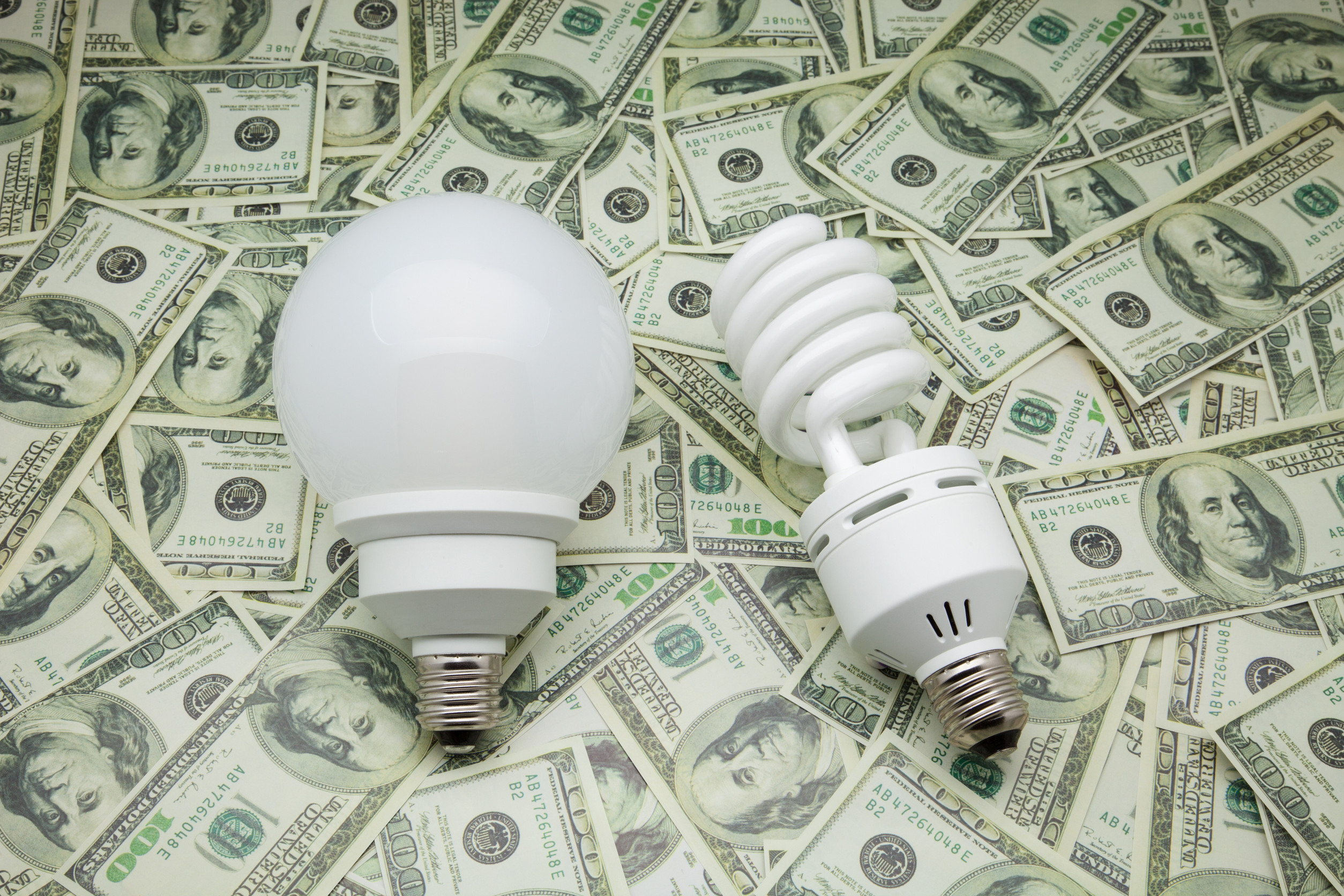
lightbulbs sitting on top of money
Image Source: 123rf.com

Utility companies often pass on the costs of wildfire prevention and damage repairs to customers, resulting in higher bills. Efforts like clearing vegetation, upgrading infrastructure, and paying settlements for fire-related lawsuits are costly, and these expenses are frequently shifted to consumers. Residents in affected areas may also face power shutoffs during high-risk periods, leading to additional costs for generators and fuel. These rising utility expenses further strain household budgets. For many, it feels like paying more for less reliable service.

8. Emotional and Financial Strain on Families

The psychological toll of living with the constant threat of wildfires cannot be underestimated. Families face ongoing anxiety about evacuation orders, property damage, and health risks. This emotional strain often leads to financial consequences, as people may need counseling, take unpaid time off work, or make costly preparations to feel safer. The cumulative impact of these stresses can lead to burnout and long-term financial instability. Addressing both the emotional and financial challenges is crucial for resilience in wildfire-prone areas.

How to Protect Yourself Financially

Living amid California’s wildfires requires proactive financial planning and preparation. Review your insurance policies to ensure you have adequate coverage and explore disaster relief resources if needed. Create an emergency fund to cover evacuation costs and unexpected expenses. Invest in fire-resistant home improvements to reduce potential damage and possibly lower insurance premiums. Most importantly, stay informed and have a plan in place to protect both your finances and your family’s well-being.

Have you or anyone you know been affected by the wildfires? We are thinking of you and would love to hear your story.

Read More:

  • Tips to Find Cheap Home Insurance
  • New York or California? Choose Where to Move Next

Filed Under: Uncategorized Tagged With: business disruptions, California wildfires, evacuation expenses, financial impact, health costs, property damage, rising insurance costs, utility bills, wildfire preparation

Here’s How to Get The Cheapest Price for a Tesla

January 8, 2025 By Teri Monroe Leave a Comment

Budget car sales buying a Tesla
Image Source: Pexels

Car sales on a budget don’t have to be boring! Are you dreaming of owning a Tesla, but don’t want to pay full price? The price of a Tesla depends on the model and add-ons, but the average cost ranges from $40,000 to over $90,000 brand new. You can stay on budget by utilizing budget car sales, discounts, and more. So, how do you get the best price on a Tesla? Here’s everything you need to know.

Buy Demo or Leftover Inventory

At the end of the year, car dealerships usually run sales, which works well if you’re on a budget. Car dealerships need to make way for new inventory so last year’s models and showroom demo cars are discounted. Demand for electric vehicles can fluctuate throughout the year, so keep an eye on prices throughout the year as well.

Buy a Used Tesla

Buy a used Tesla
Image Source: Pexels

Many car brands are more affordable used, but used Tesla cars have been almost as expensive as their brand-new counterparts. This seems to changing in recent years though. The good news is that used Tesla cars will hold their value well so buying used is still a good investment.

Get a Federal Tax Credit

If you buy a Tesla, you may qualify for a clean vehicle tax credit. This can help you offset the cost. There are several steps you need to take to receive your tax credit. You could be eligible for up to a $7,500 credit. According to the IRS, at the time of sale, the seller must give you information about your vehicle’s qualifications. Sellers must also register online and report the same information to the IRS. If they don’t, your vehicle won’t be eligible for the credit. You also must meet the AGI requirements to qualify. However, it is important to keep in mind that President Donald Trump has plans to get rid of this tax credit, so this perk may not be around much longer.

Participate in The Referral Program

Tesla Cybertruck
Image Source: Pexels

Tesla has a referral program where you will be rewarded if you refer friends or family and they make their first qualifying purchase using your referral link. Qualifying purchases include the Model S, Model 3, Model X, Model Y, Cybertruck, and Solar panels. According to Tesla, You can receive referrer benefits up to 10 times per calendar year. All referrer benefits will help you earn Tesla credits which can be used on supercharging, a new vehicle purchase, any outstanding balance from a service appointment in the Tesla app, Tesla Shop purchases, subscriptions, and upgrades. Loyalty benefits are also available if you have owned a Tesla and made another purchase.

Buy a Lower-End Model

If you don’t get all the bells and whistles or purchase a lower-end model, you’ll save a good deal of money. The Model 3 is already popular and is the least expensive model in Tesla’s line. You can also consider leasing or financing your purchase to meet your budget needs.

Navigating Budget Car Sales

Before committing to buying a Tesla, make sure to shop around, review your budget, and do your research. With patience, you can find a good deal on a Tesla. Are you in the market for a new car? What model of Tesla are you considering?

Read More

  • 9 Scams That Millennials Are Falling Victim To
  • These Are The 5 Poorest Zip Codes In Texas and 5 Of the Richest

Filed Under: General Finance Tagged With: affording a Tesla, budget car sales, cheap tesla

3 Low-Cost Tips to Keep Yourself Out of the Dentist’s Office

January 6, 2025 By Erin H Leave a Comment

Keeping yourself out of the dentist’s office doesn’t have to be an expensive endeavor. From proper daily habits to budget-friendly dental products, there are numerous ways to maintain good oral health. Preventative care is crucial for long-term dental health and can save you both discomfort and money. In this article, we’ll explore three cost-effective strategies to help you avoid frequent visits to the dentist.

Maintain a Regular Oral Hygiene Routine

Regular oral hygiene is the foundation of dental health. Brushing your teeth twice a day with fluoride toothpaste and flossing daily can significantly reduce plaque buildup and prevent tooth decay. According to the National Institute of Dental and Craniofacial Research, tooth decay affects 90% of adults aged 20 to 64 years old. For those concerned about costs, many affordable toothpaste brands offer essential benefits and protection against cavities.

In addition to brushing and flossing, using a mouthwash can be beneficial. Mouthwash helps to reach areas of your mouth that are difficult to clean with a brush or floss, reducing the bacteria that can lead to gum disease. Dental products such as oral irrigators are often available at a low cost and can enhance your oral care routine.

An often-overlooked tip is to replace your toothbrush every three to four months. A worn-out toothbrush is less effective at cleaning your teeth, making frequent replacements vital. For those keeping a close eye on their budget, multi-packs of toothbrushes or opting for non-electric toothbrushes can be a cost-effective choice.

Limit Sugary and Acidic Foods

Diet plays a crucial role in dental health, influencing both teeth and gums. Consuming a diet high in sugary and acidic foods can increase your risk of developing cavities. According to the World Health Organization, oral diseases affect nearly 3.5 billion people. It’s crucial to make sure your diet is optimized to prevent oral diseases.

Eating a balanced diet rich in vitamins and minerals can promote healthy teeth and gums. Dairy products, leafy greens, and nuts can provide vital nutrients like calcium and phosphorus, which are essential for maintaining the health of your enamel. Focusing on a nutritious diet can be a budget-friendly way to support oral health.

It’s also important to reduce snacking between meals, as constant exposure to sugar can enhance bacterial production in your mouth. Selecting healthier snacks, and consuming water instead of sugary drinks are simple adjustments that can contribute to stronger teeth. These small changes in dietary behavior can significantly decrease the risk of tooth decay.

Visit Your Dentist for Regular Check-Ups

Regular dental check-ups are vital for detecting issues early and maintaining oral health. While this may seem counterintuitive as a way to avoid dental visits, preventative check-ups can reduce the need for extensive and costly procedures later. Further, dental professionals often provide expert advice tailored to your personal oral care needs.

In many cases, dental insurance can alleviate the cost burden of regular check-ups. The coverage varies, but most insurance plans offer free or low-cost annual cleanings and exams. According to IBISWorld, the rise in orthodontics businesses in the United States, with over 15,000 businesses open, indicates a growing availability of dental services. 

Moreover, community health centers and dental schools often provide affordable or sometimes free dental care services. These services can be a viable option for those on a tight budget, ensuring that everyone has access to essential dental services and education. Regular visits enable early detection of possible dental issues, saving you both pain and expense.

Maintaining your dental health on a budget requires a combination of proper hygiene practices, a balanced diet, and regular dental check-ups. By implementing these cost-effective tips, you’ll be on your way to keeping your teeth and gums healthy without breaking the bank. Take proactive measures today to ensure a lifetime of healthy smiles and fewer trips to the dentist’s office.

Filed Under: General Finance

  • « Previous Page
  • 1
  • …
  • 49
  • 50
  • 51
  • 52
  • 53
  • …
  • 177
  • Next Page »
  • Facebook
  • Pinterest
  • RSS
  • Twitter

Improve Your Credit Score

Money Blogs

  • Celebrating Financial Freedom
  • Christian PF
  • Dual Income No Kids
  • Financial Panther
  • Gajizmo.com
  • Lazy Man and Money
  • Make Money Your Way
  • Money Talks News
  • My Personal Finance Journey
  • Personal Profitability
  • PF Blogs
  • Reach Financial Independence
  • So Over Debt
  • The Savvy Scot
  • Yes, I am Cheap

Categories

Disclaimer

Please note that Beating Broke has financial relationships with some of the merchants mentioned here. Beating Broke may be compensated if consumers choose to utilize the links located throughout the content on this site and generate sales for the said merchant.

Visit Our Advertisers

Need to change careers? Consider an Accounting Certificate Program from WTI.